Grabbed the bleach and scrub brush? Here's what you need to know before you start — and when to put them down.
You found mold. Maybe it’s a dark patch in the basement corner, a fuzzy ring around the bathroom caulk, or a smell you can’t locate but definitely can’t ignore. Your first instinct is probably to grab something from under the sink and scrub it away. That instinct isn’t wrong — sometimes it’s exactly the right move. But sometimes it makes things significantly worse. Understanding which situation you’re in is the whole game. Here’s an honest breakdown of when DIY mold removal makes sense, when it doesn’t, and what professional remediation actually involves — so you can make a smart call before the problem gets bigger.
The EPA draws a clear line: if the affected area is larger than 10 square feet — roughly a 3-by-3-foot patch — professional remediation is the recommended route. Below that threshold, on a hard, non-porous surface like tile or glass, a careful DIY approach can work. The key word there is “can.”
The problem most homeowners run into isn’t effort or intention. It’s that mold in a typical Montgomery County home isn’t usually sitting on a tile floor. It’s in drywall. It’s in the wood framing behind a basement wall. It’s in insulation. And on those porous materials, bleach — the go-to for most people — only penetrates about 1/16 of an inch. The mold’s root system survives, and within a few weeks, you’re back to square one.
Here’s what most guides skip over: the act of cleaning mold without proper containment can spread it. When you disturb a mold colony — scrubbing, wiping, even just moving materials nearby — you release spores into the air. Without negative air pressure containment and HEPA filtration, those spores travel. They settle in your HVAC system. They move through ductwork. They land in rooms that had no mold problem before you started.
That’s basic physics, and it’s exactly why professional mold remediation involves sealing off the affected area before anyone touches anything.
The health side of this is real too. Mold spore exposure causes runny nose, coughing, wheezing, and allergic reactions in otherwise healthy people. For anyone with asthma, a compromised immune system, or a respiratory condition, the risks climb considerably. The EPA links approximately 4.6 million asthma cases in the U.S. directly to dampness and mold exposure in homes. Kids, elderly residents, and anyone already dealing with a respiratory issue are the most vulnerable — and they’re often the reason homeowners call us in the first place.
If you’re in a home with original construction from the 1940s through 1960s — which describes a significant chunk of the housing stock along the Main Line and throughout older Montgomery County communities — there’s an added layer of concern. Older building materials are more porous, more susceptible to deep mold colonization, and more likely to contain other hazardous materials that complicate any remediation work. That’s not a reason to panic, but it is a reason to be careful about what you’re disturbing and how.
Proper DIY safety — at minimum — means an N-95 respirator, goggles, gloves, and disposable protective clothing. It means sealing off the work area from the rest of the house. It means bagging and disposing of contaminated materials carefully, not just throwing them in the trash. Most people doing a quick bathroom scrub aren’t working at that level of precaution, and for a small surface patch, they’re probably fine. But if there’s any doubt about the scope, hidden growth behind a wall, or a musty smell you can’t trace to a visible source, the safety calculus changes.
Some scenarios are clear calls for professional help, and it’s worth naming them directly rather than leaving you to guess.
If the mold covers more than 10 square feet, call a professional. If you can smell mold but can’t find it, call a professional — hidden growth inside walls, under flooring, or in crawlspaces requires moisture detection equipment and air sampling to locate accurately. If the mold is anywhere near your HVAC system, call a professional immediately; mold in ductwork can distribute spores to every room in the house. If you’ve already cleaned it once and it came back, call a professional — recurrence almost always means the moisture source was never addressed, and no amount of surface cleaning will solve that.
Real estate situations are another clear trigger. Montgomery County’s housing market moves quickly, and mold flagged during a home inspection creates immediate pressure. Buyers want documentation. Lenders sometimes require it. A DIY cleanup with a bottle of spray cleaner doesn’t produce the clearance certificate that closes a transaction — professional post-remediation verification does.
The moisture source issue is worth dwelling on, because it’s the part most DIY approaches miss entirely. Mold doesn’t appear randomly. It appears where water is. A basement corner with recurring mold is telling you something about how water is moving through your foundation. A bathroom ceiling with persistent growth is pointing to a ventilation or plumbing issue. Cleaning the mold without correcting the moisture source is like mopping around a running faucet — you’ll be back at it within weeks. Professional remediation includes identifying and addressing that root cause, which is the only way to actually stop the cycle.
We’ve worked in Montgomery County for two decades, and the pattern we see most often is the homeowner who tried bleach twice, watched it come back both times, and is now dealing with a larger and more expensive problem than they started with. The initial DIY attempt wasn’t reckless — it just didn’t address what was actually causing the mold. That’s the gap professional remediation fills.
Want live answers?
Connect with a EJS Environmental expert for fast, friendly support.
The appeal of DIY mold removal is almost always cost. A bottle of mold killer and an afternoon of work sounds a lot better than a professional remediation bill. That logic holds — until it doesn’t.
The average cost of professional mold remediation runs around $2,363, with most residential jobs falling somewhere between $373 and $7,000 depending on scope. That’s real money. But the cost of a failed DIY attempt isn’t zero — it’s the cost of supplies, the time spent, and then the professional remediation bill anyway, now applied to a larger area because the mold spread during the DIY attempt. That math adds up fast.
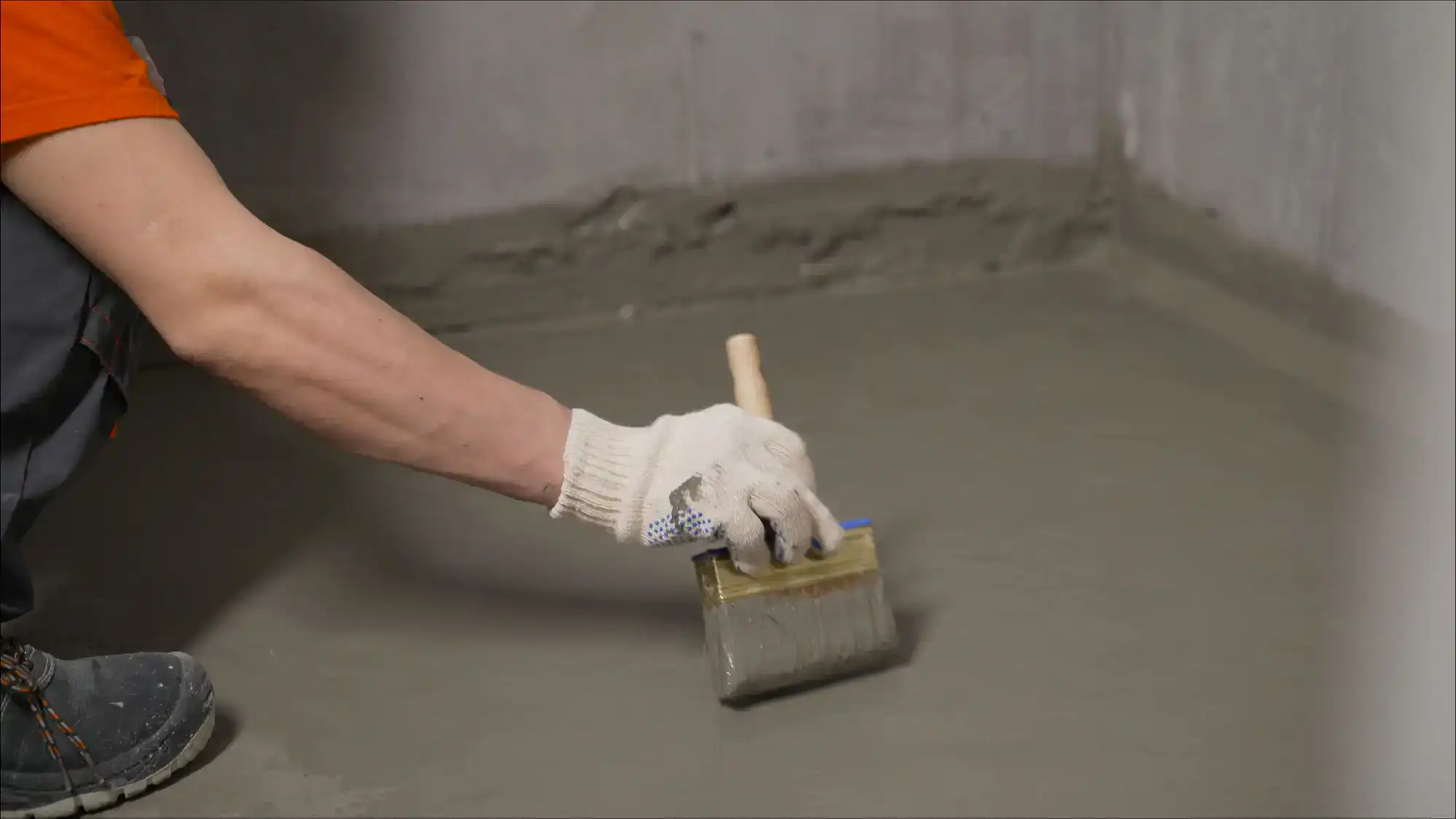
Professional remediation isn’t just cleaning with better products. It’s a structured process that addresses the problem at every level, not just the surface.
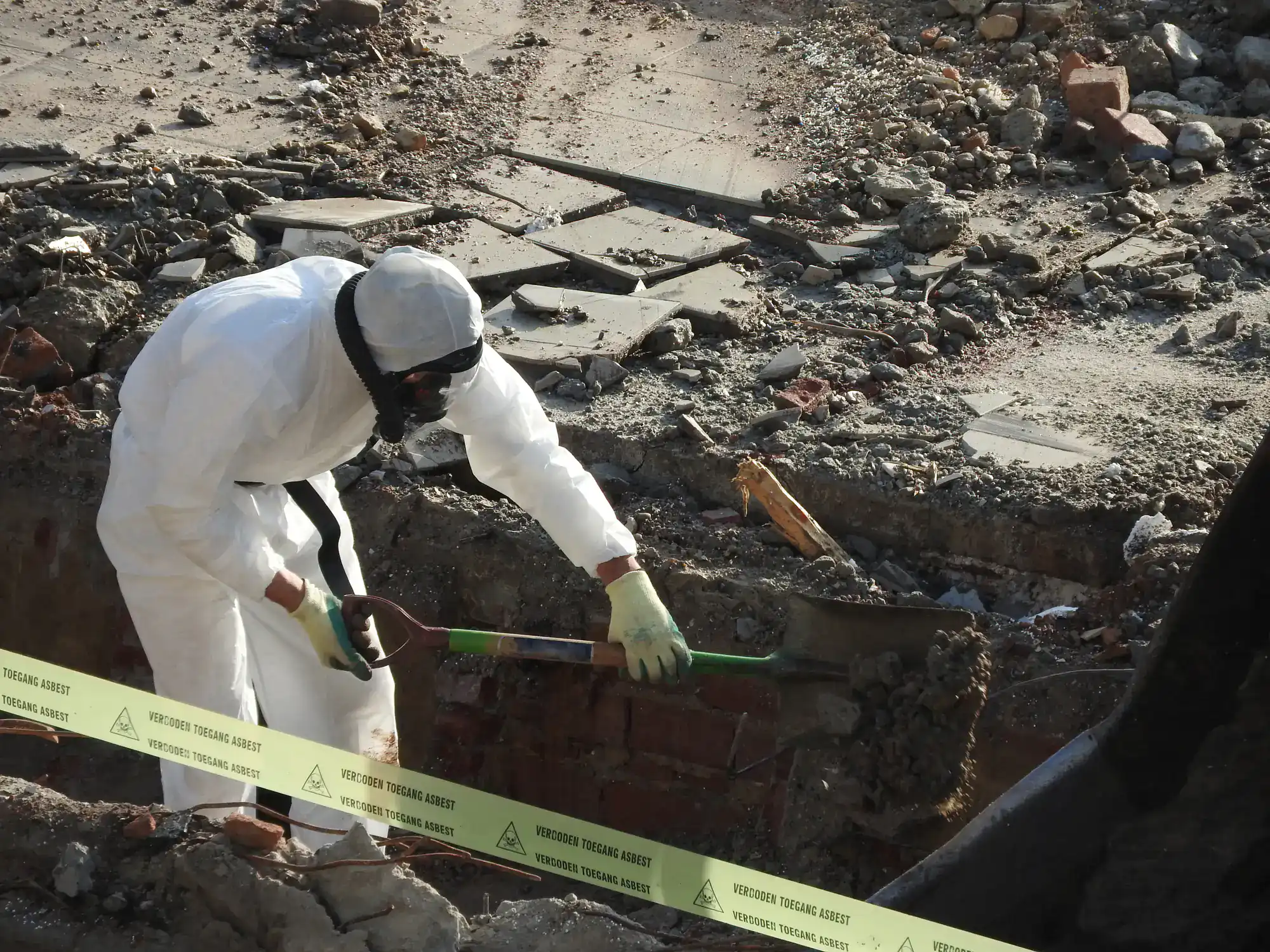
It starts with assessment — identifying the type and extent of mold growth, locating hidden moisture using infrared cameras and moisture meters, and mapping out the full scope before any removal begins. Then comes containment: plastic barriers, negative air pressure systems, and air scrubbers that isolate the affected area so spores can’t migrate to clean spaces during the work. HEPA filtration runs throughout the process, capturing airborne particles down to 0.3 microns — the ones invisible to the naked eye that would otherwise resettle and cause new growth.
Porous materials that are colonized — drywall, insulation, certain wood framing — get removed and properly disposed of. What remains gets treated with antimicrobial agents that kill residual spores. Then, critically, the moisture source gets corrected. Whether that’s a waterproofing issue, a plumbing problem, or an HVAC condensation concern, fixing it is what prevents the mold from returning. The job closes with post-remediation verification testing to confirm the space is clean before anything gets rebuilt or repainted.
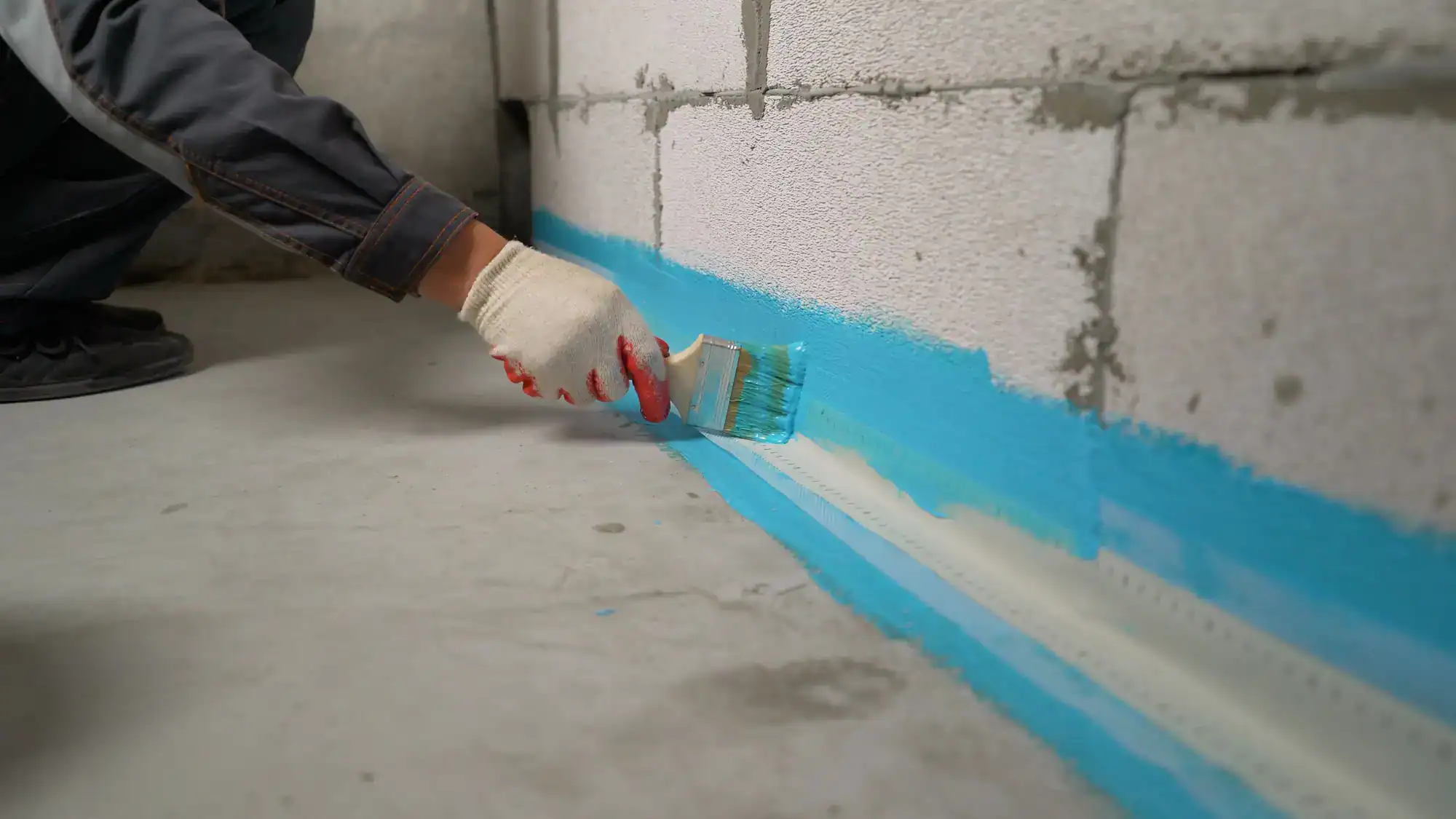
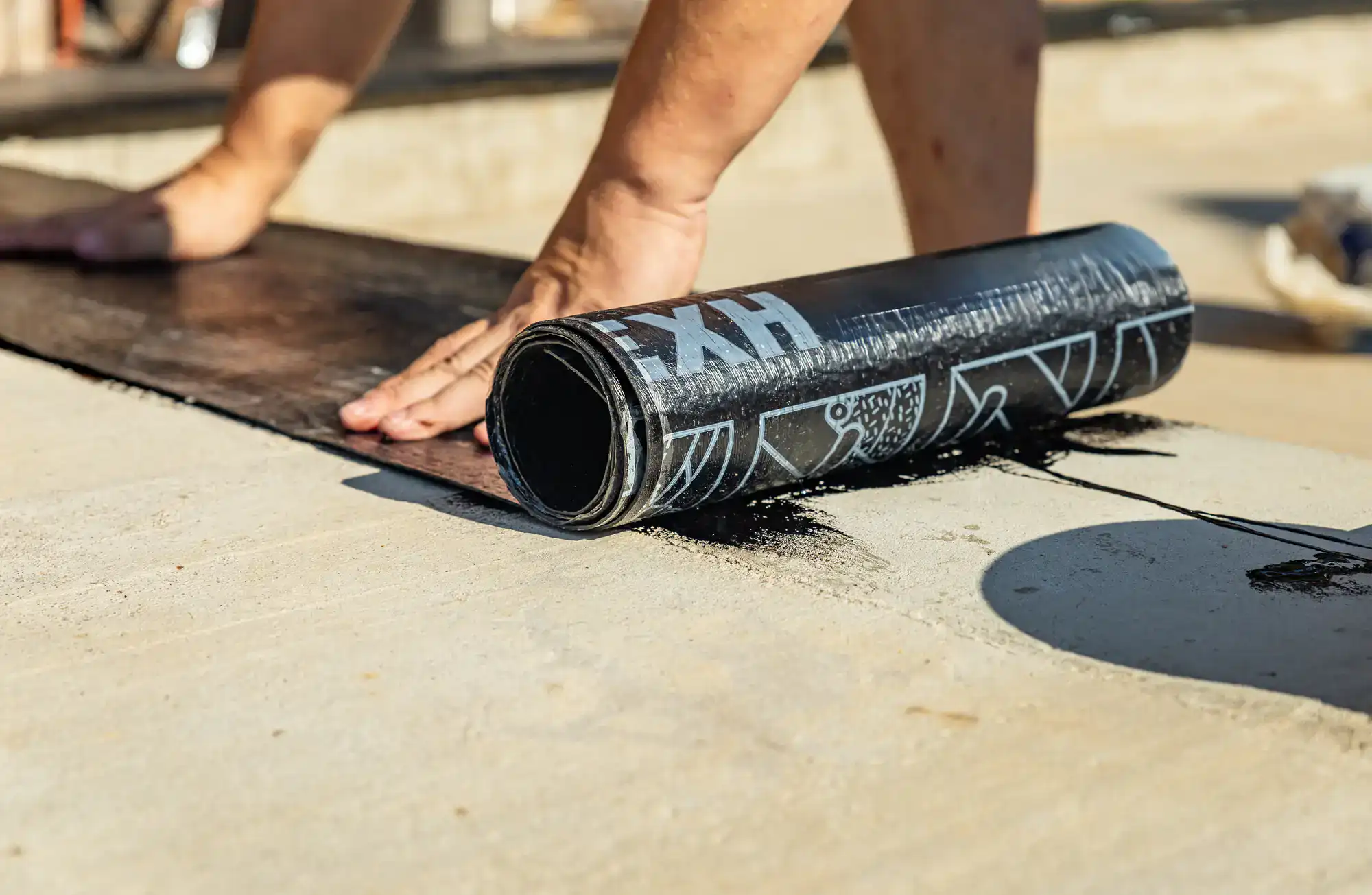
That’s the full picture — and we operate as a one-stop shop. We handle mold sampling and inspection, the remediation itself, demolition of affected materials when needed, and waterproofing to address the moisture source. For a lot of Montgomery County homeowners, that means one call, one contractor, and a problem that’s actually solved rather than temporarily masked.
Montgomery County isn’t a generic suburban market when it comes to mold risk. The combination of climate, housing age, and geography here creates conditions that make mold more common — and more persistent — than homeowners often expect.
The county gets about 45 to 48 inches of rain annually, with summer humidity that regularly sits above 65 to 70 percent. That’s a near-ideal environment for mold growth in any space with even minor moisture intrusion. Add in the clay-heavy soil in many parts of Montgomery County — which retains water against foundation walls — and basement mold becomes less of a surprise and more of a predictable outcome in homes without modern waterproofing.
The housing stock compounds this. A significant portion of Montgomery County’s homes were built before 1960, particularly along the Main Line corridor running through Bryn Mawr, Ardmore, Narberth, and Wayne. These are beautiful homes — but original basement construction, aging plumbing, and older wood framing mean they’re more vulnerable to deep mold colonization than newer builds. When mold gets into old-growth wood framing, it doesn’t sit on the surface. It moves through the material, and surface cleaning doesn’t reach it.
Communities along the Schuylkill River — Norriton, Conshohocken, Pottstown — have an additional layer of flood exposure that creates recurring mold risk after heavy rain events. Mold can begin growing within 24 to 48 hours of a water event, which is why emergency response speed matters so much. We’re available 24/7 and offer emergency response service for exactly this reason — because waiting until Monday morning after a Friday night basement flood is how a manageable problem becomes a major one.
We’re based in Willow Grove, which puts us in the middle of all of this. We know the housing stock, the soil conditions, and the neighborhoods throughout Montgomery County. When someone in Lansdale calls about a basement smell they can’t locate, or a homeowner in Blue Bell finds mold behind a finished wall during a renovation, we’re not starting from scratch on what the local conditions look like. That familiarity matters in a way that’s hard to quantify but easy to feel when you’re working with someone who actually knows your area.
Small patch on a non-porous surface, proper protective gear, good ventilation — go ahead and handle it yourself. That’s a reasonable call, and we’d tell you the same thing in person.
But if the area is larger than 10 square feet, if you’ve already tried cleaning it and it came back, if you can smell something but can’t find the source, or if anyone in your home is dealing with respiratory issues — that’s when professional remediation stops being optional and starts being the smarter financial and health decision. The cost of getting it right the first time is almost always lower than the cost of fixing a failed attempt.
We’ve been handling mold remediation, inspections, and the full range of environmental hazard work across Montgomery County for two decades. Free estimates, 24/7 availability, and a process that addresses the moisture source — not just the visible mold. If you’re not sure what you’re dealing with, that’s exactly when to call.
Summary:
Share: