Finding the right contractor in Montgomery County takes more than a Google search. Here's what actually separates the good ones from the rest.
You’ve got a project in mind. Maybe it’s a long-overdue renovation, a basement that’s been holding water, or a wall you want gone. You know you need a contractor — you just don’t know which one to trust. Montgomery County has no shortage of options, but not all of them are licensed for the work your home actually needs, and some of the most important steps in a renovation get skipped entirely. This page breaks down what to look for in a local contractor, what Pennsylvania law actually requires, and where environmental services fit into the picture — especially in a county full of older homes.
Montgomery County is a big, varied place. The homes in Bryn Mawr don’t look anything like the ones in Pottstown, and the renovation needs in a 1920s Main Line colonial are completely different from a 1970s split-level in Horsham. That range matters when you’re choosing a contractor, because the right fit depends on more than just price and availability.
The housing stock across Montgomery County skews older. A large portion of homes were built before 1978 — the year the federal government banned lead-based paint — and many were built before the 1980s, when asbestos was still a common building material. This is the reality of working on older homes in this region, and it’s something a good contractor should already know how to navigate.
Pennsylvania has a specific law governing home improvement work called the Home Improvement Consumer Protection Act, or HICPA. Any contractor performing $5,000 or more in home improvement work per year is required to register with the Pennsylvania Attorney General’s Office. That registration number — the PA HIC number — must appear on every contract, estimate, and advertisement they put out. If you’re looking at a bid and there’s no HIC number on it, that’s a problem.
Beyond HICPA registration, certain types of work require an actual state-issued license — not just registration. Asbestos removal and lead paint abatement are two of them. Pennsylvania law treats these as a separate category entirely, and for good reason. The health risks of disturbing asbestos or lead paint without proper containment are serious, and the legal exposure for doing it wrong is significant. A general contractor who isn’t certified cannot legally perform this work, full stop.
So what does a qualified contractor actually look like? They carry proof of licensing and insurance. They pull permits for work that requires them. They give you a written estimate before anything starts, and that estimate spells out scope, timeline, and cost — not just a ballpark number on a napkin. They show up when they say they will, communicate when something changes, and don’t ask for full payment upfront. These aren’t high standards. They’re the baseline.
More than one in four homeowners who’ve hired a contractor have run into problems — and the most common complaint isn’t price. It’s communication. Contractors who go silent mid-project, who don’t flag issues until they’ve already become expensive, who are impossible to reach after the check clears. That pattern is avoidable if you know what to ask before you hire.
The questions that matter most aren’t complicated, but a lot of homeowners skip them because they feel awkward or they’re eager to get the project moving. Don’t skip them. A contractor who gets defensive about basic credential questions is telling you something important.
Start by asking for their PA HIC registration number and verifying it through the Attorney General’s office — it takes about two minutes online. Ask whether they carry general liability insurance and workers’ compensation, and ask for a certificate of insurance, not just their word for it. If the project involves anything that might disturb older building materials — demo, gutting, opening walls — ask whether they’re licensed for asbestos and lead work specifically. Most general contractors are not. That doesn’t make them bad contractors; it just means you may need a specialist involved before they can safely proceed.
Ask how they handle unexpected discoveries. What happens if they open a wall and find mold? What if a floor tile tests positive for asbestos? The answer to that question tells you a lot about how organized and experienced they actually are. A contractor who says “we’ll figure it out” is not the same as one who has a documented protocol and a licensed environmental partner they work with regularly.
Finally, ask about communication. Who’s your point of contact? How do they handle change orders? Will someone be on-site supervising, or is the crew working independently? These feel like small questions, but they’re the difference between a smooth project and a frustrating one. Montgomery County homeowners tend to be thorough researchers — and the good contractors in this market know that and welcome the scrutiny.
Want live answers?
Connect with a EJS Environmental expert for fast, friendly support.
Here’s something most home improvement content leaves out entirely: for a significant portion of Montgomery County homes, environmental testing isn’t optional — it’s the step that has to happen before the real work can begin. Renovation and demolition disturb materials. If those materials contain asbestos, lead, or mold, disturbing them without proper containment creates a health hazard and a legal liability.
That’s where we come in. At EJS Environmental Services LLC, we work alongside general contractors — not instead of them. We handle the environmental piece so the renovation can move forward safely, on schedule, and in compliance with EPA and HUD regulations. Think of it as clearing the path before the build begins.
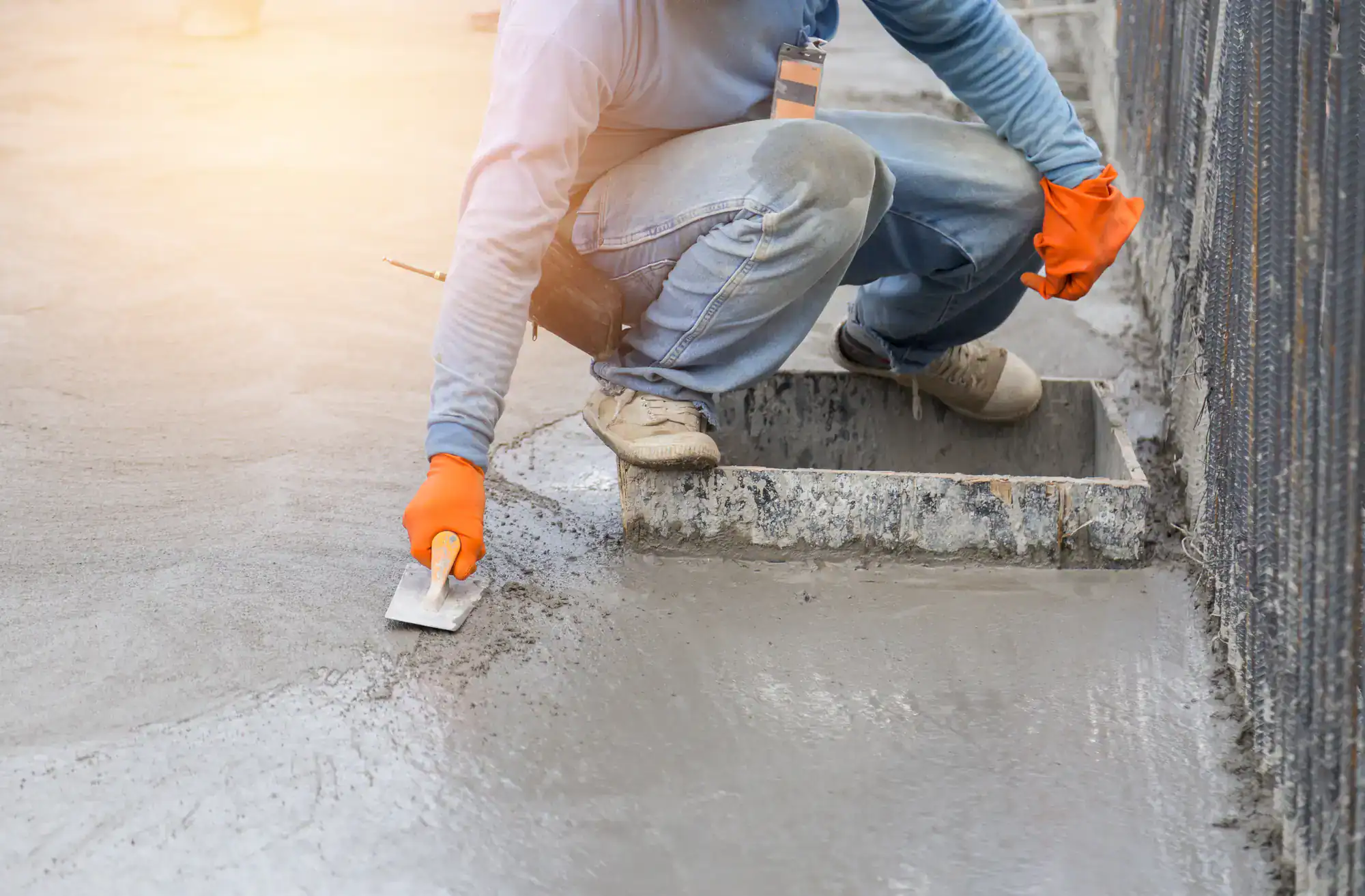
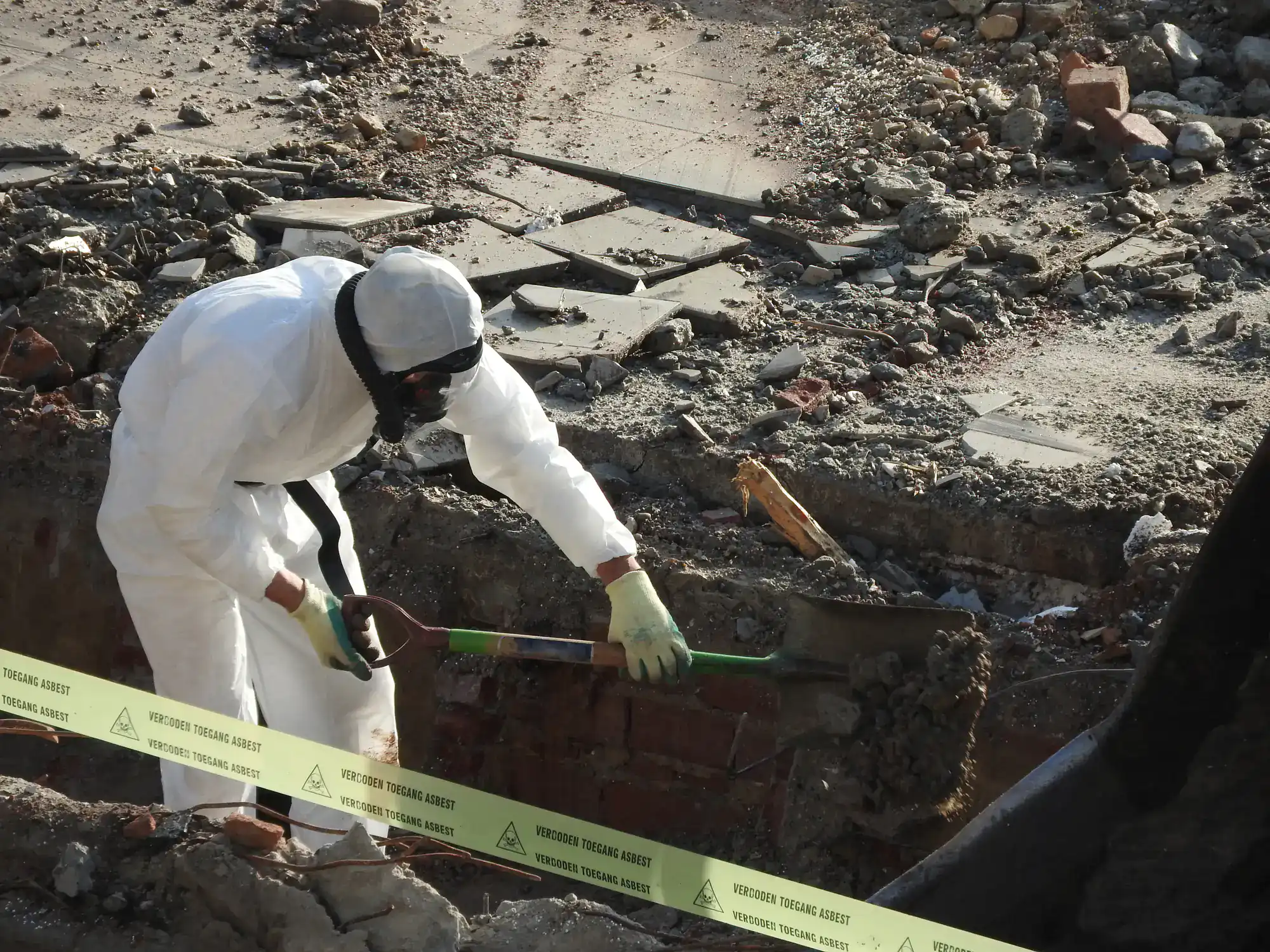
Before demo starts on an older home, someone needs to assess what’s inside the walls, under the floors, and above the ceiling tiles. That’s not a general contractor’s job — it requires certified inspectors who know what to look for and how to test for it. We conduct mold sampling, asbestos inspections, lead testing, radon assessments, and water quality testing. Once we know what’s there, we can remediate it safely before anyone picks up a sledgehammer.
The remediation process itself is more involved than most people expect. For asbestos, it means setting up a contained work area with negative air pressure, using HEPA filtration systems to capture airborne particles, following strict removal and disposal protocols, and conducting clearance testing after the work is done to confirm the space is safe. Lead abatement follows EPA and HUD guidelines — requirements that apply to any pre-1978 home, and that are non-negotiable for properties with federally backed mortgages or rental units covered under HUD regulations.
Mold remediation follows a similar containment model. We don’t just spray and walk away. We find the moisture source, remove the affected material, treat the area, and verify through post-remediation testing that the air quality meets clearance standards. Skipping that final step is one of the most common ways mold problems persist — it wasn’t fully gone in the first place.
We also handle demolition and interior gutting when environmental hazards are part of the picture. If a home needs to be stripped down before a major renovation, we do that work in a controlled sequence — environmental assessment first, then demo, then clearance — so the general contractor walks into a clean, safe space ready for the next phase.
Montgomery County has one of the highest median home values in Pennsylvania — around $461,900. These are not throwaway properties. They’re investments that families have built equity in over decades, and the decision to renovate is often tied to protecting or growing that equity. That makes cutting corners on the environmental piece especially risky, because the cost of doing it wrong — in health consequences, regulatory penalties, or failed home inspections — can far exceed whatever was saved upfront.
The county’s older neighborhoods carry the most exposure. Homes in Ambler, Lansdale, Norriton, and across the Main Line were largely built during the era when asbestos and lead paint were standard materials. That doesn’t mean every renovation will uncover a problem, but it does mean every renovation in an older Montgomery County home deserves a proper assessment before work begins. We’ve been doing this work across Chester, Delaware, Montgomery, Bucks, and New Castle counties for over two decades, and the projects that go sideways almost always share one thing in common: someone skipped the testing step.
We also work with homeowners who are in the middle of a real estate transaction. Inspections turn up mold, asbestos, or lead findings regularly in this market, and the clock is ticking. We offer free estimates, emergency response availability, and 24/7 phone access — because these situations don’t always surface during business hours. If you get a call at 9pm that your closing is in jeopardy because of an environmental finding, we’re the number you want to have. We’re also experienced in working directly with insurance companies when the situation calls for it, which takes one more thing off your plate when you’re already dealing with enough.
The short version: verify credentials before you commit, ask direct questions about how they handle unexpected discoveries, and don’t assume a general contractor is equipped for every type of work your home might need. In a county with as much older housing as Montgomery County, the environmental piece of a renovation isn’t a niche concern — it’s a practical one.
The best projects run smoothly because the right specialists are involved at the right stages. A great general contractor and a certified environmental service working together is how complex projects get done right the first time, without delays, surprises, or compliance issues after the fact.
If you’re planning a renovation, dealing with a recent discovery, or just want to know what you’re actually working with before work begins, reach out to EJS Environmental Services LLC. We’ll give you a straight answer, a free estimate, and a clear plan — no pressure, no runaround.
Summary:
Article details:
Share: