Crawl space mold is rarely just a crawl space problem. Here's what professional remediation actually involves — and why cutting corners costs more in the end.
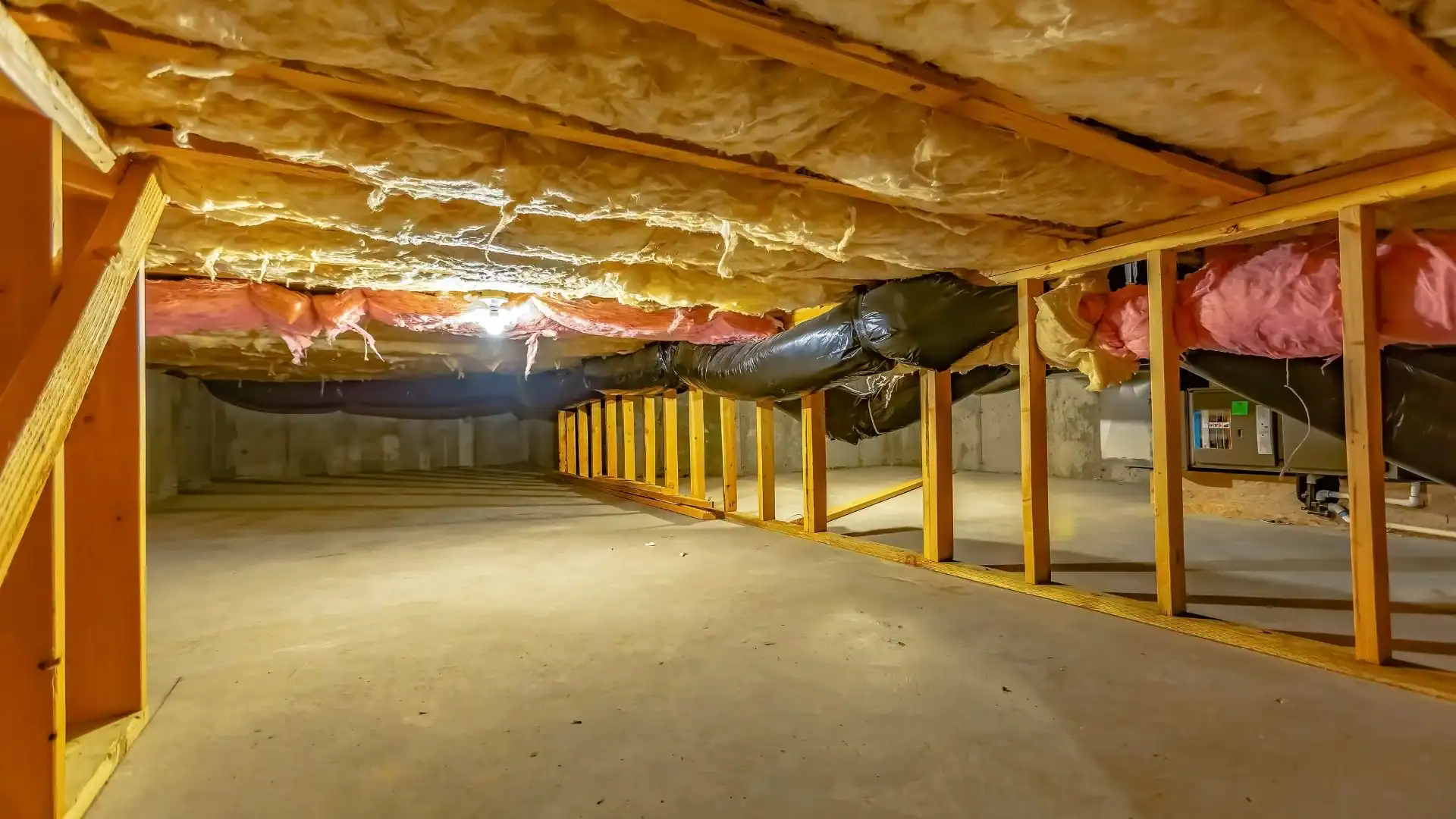
You probably didn’t go looking for this problem. Maybe a home inspector flagged it. Maybe you’ve been noticing a musty smell that no amount of cleaning seems to fix. Maybe someone in your house has been coughing more than usual and you finally decided to check under the floor. However you got here, the fact that you’re researching this is a good sign — because crawl space mold is one of those problems that quietly gets worse the longer it sits. This page covers what professional crawl space mold remediation actually involves, what makes it more complicated than most people expect, and how to make sure the job gets done in a way that actually sticks.
There’s a common assumption that mold in the crawl space stays in the crawl space. It doesn’t. The air in your crawl space doesn’t just sit there — it moves upward. Through gaps around pipes, wiring, ductwork, and subflooring, that air gets pulled into your living space continuously. Depending on the home, anywhere from 25 to 50 percent of the air on your first floor previously circulated through the crawl space. That’s not a minor detail.
This movement is called the stack effect. Warm air rises and escapes through upper levels of the home, which creates negative pressure below that draws replacement air upward from the crawl space. The colder it gets outside, the stronger this pull becomes — which is why homeowners across Montgomery County who seal up for a Pennsylvania winter often notice musty odors and unexplained respiratory symptoms most acutely in January and February, not in the summer when the mold was actually growing.
The health effects of mold exposure tend to build gradually, which makes them easy to dismiss or misattribute. Persistent coughing, runny nose, itchy eyes, skin irritation, and headaches that don’t resolve with allergy medication are all common. For children, the elderly, and anyone with asthma or a compromised immune system, the effects can be more serious and show up faster.
What makes crawl space mold particularly insidious is that the same humid environment that grows mold also breeds dust mites — which the EPA identifies as the leading cause of indoor asthma attacks. Both travel upward through the stack effect, meaning your family is breathing a mix of mold spores, mycotoxins, and allergens every single day the problem goes unaddressed.
People often spend months treating the symptoms — buying air purifiers, switching laundry detergents, scheduling allergy appointments — before anyone thinks to check what’s happening below the first floor. If your home in Abington, Lansdale, or anywhere across Montgomery County was built before 1970, there’s a reasonable chance the crawl space has never been properly sealed or assessed. Older homes throughout the region were built with vented crawl spaces that made sense under older building science — but modern research is clear that venting crawl spaces actually introduces more humid outdoor air in summer, making the problem worse, not better.
The structural side of this is just as serious. Mold on floor joists and subfloor sheathing doesn’t just sit on the surface — it breaks down wood fibers over time, reducing the load-bearing capacity of the framing that holds up your first floor. Bouncy floors, persistent squeaks, and uneven surfaces are often the first signs homeowners notice above grade. By the time those symptoms show up, the damage below is usually significant. The sill plate — the piece of lumber that sits directly on your foundation and supports the entire floor system — is especially vulnerable, and mold there is a structural issue that goes well beyond air quality.
Montgomery County’s weather is genuinely tough on crawl spaces. Hot, humid summers regularly push outdoor relative humidity above 70 to 80 percent across the Philadelphia suburbs. Mold species like Cladosporium, Penicillium, and Stachybotrys start proliferating on wood surfaces when humidity exceeds 60 percent — which means the entire summer is essentially open season for mold growth in any crawl space that isn’t properly conditioned.
Spring makes things worse. The Schuylkill River, Wissahickon Creek, Perkiomen Creek, and the other waterways running through Montgomery County mean groundwater levels rise significantly as the ground thaws and spring rains move through. Properties near these creek corridors face real hydrostatic pressure that drives moisture directly into crawl spaces through foundation walls and floors. If your home sits in Ambler, Conshohocken, Schwenksville, or anywhere near a creek, you’ve probably dealt with some version of this already.
Then winter arrives and seals everything up. The mold that bloomed all summer sits undisturbed until the stack effect pulls its spores into the living space — and suddenly you’re noticing a smell you can’t explain, or your kids are coughing through February. This seasonal cycle repeats every year until someone addresses both the mold and the moisture source that feeds it. The mold isn’t the root problem. The moisture is. That distinction matters enormously when it comes to choosing how the work gets done and who does it.
Want live answers?
Connect with a EJS Environmental expert for fast, friendly support.
The word “remediation” gets used loosely in this industry, so it’s worth being specific about what a thorough professional process actually looks like. It starts with a proper inspection — not just a visual scan, but actual moisture measurements. The IICRC S520 standard, which governs professional mold remediation, sets the threshold at 19 percent wood moisture content. Above that level, mold growth is highly probable. Without measuring, you’re guessing.
From there, the work follows a specific sequence: containment, source correction, mechanical removal, antimicrobial treatment, drying, and post-remediation verification. Each step matters, and skipping any of them is how you end up paying for the same job twice. The most commonly skipped step — especially among contractors who quote low — is addressing the moisture source before starting remediation. If the water intrusion pathway isn’t fixed first, the mold comes back. Every time.
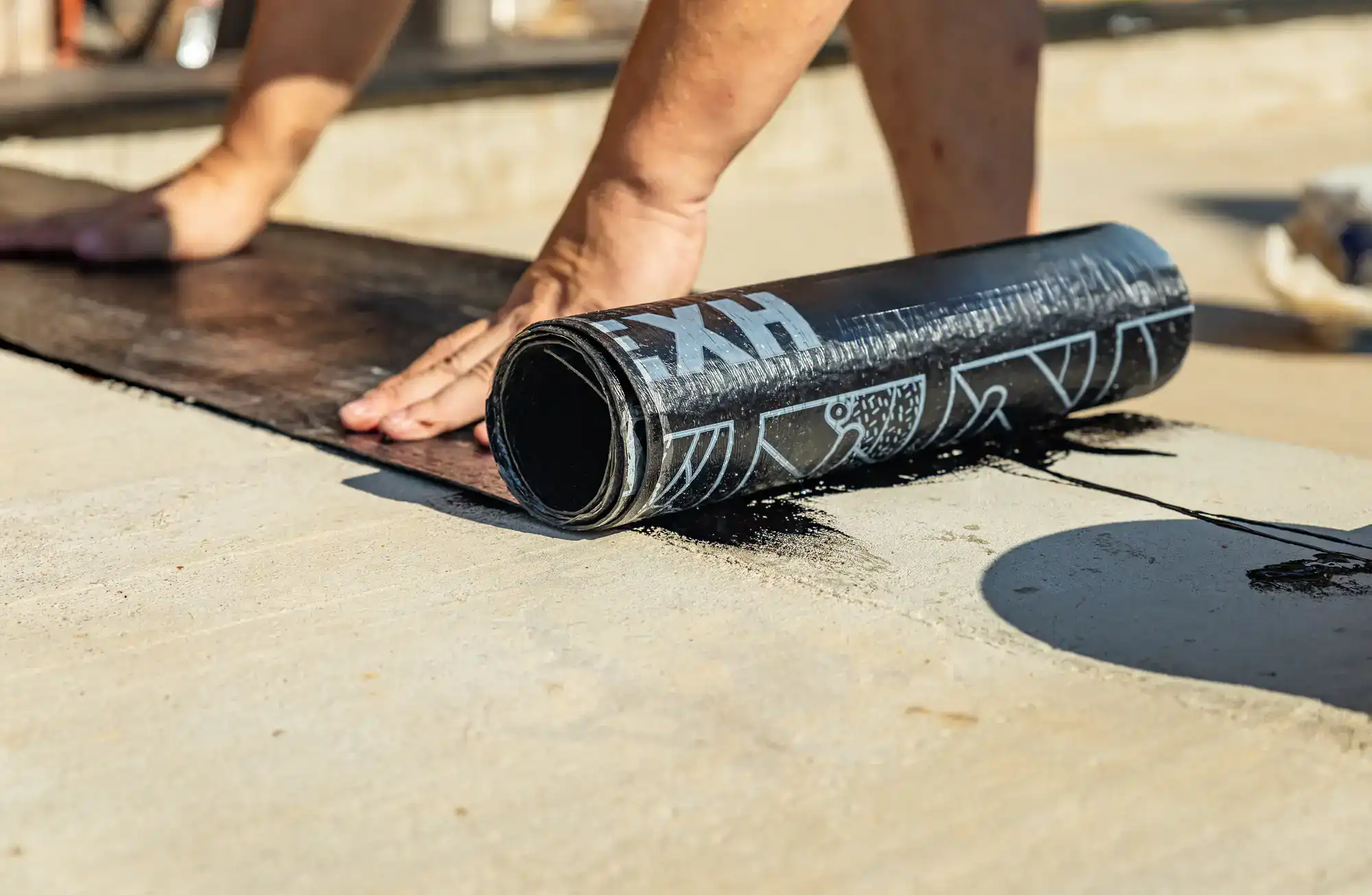
Crawl spaces impose physical constraints that most other mold remediation environments don’t. Limited headroom, low lighting, soil or gravel substrates, proximity to electrical panels, plumbing runs, and HVAC equipment — these aren’t just inconveniences, they affect how containment gets established, how equipment gets positioned, and how thoroughly the work can be done. Contractors without the right specialized equipment for confined-space work simply can’t do this job properly, regardless of how good their intentions are.
Proper containment means isolating the crawl space from the living area above using polyethylene barriers and establishing negative air pressure so that any disturbed spores flow into the containment zone rather than escaping upward into your home. This requires a negative air machine with HEPA filtration — not a shop vac, not a standard dehumidifier. HEPA filtration captures particles down to 0.3 microns, which is what you need to actually contain mold spores rather than just blow them around.
The removal process itself also looks different on wood than it does on drywall or hard surfaces. Bleach kills surface mold but can’t penetrate into wood grain, where the mycelium — the root system of the mold — lives. That’s why mold treated with bleach comes back within weeks. Professional mechanical removal means sanding, scraping, or in some cases dry ice blasting to remove both the visible mold and the mycelium from the wood surface. After that, an antimicrobial coating is applied to make the treated surface hostile to future growth. Then industrial dehumidification runs to stabilize the environment — because the remediation process itself adds moisture, and without active drying, dormant spores can reactivate.
The final step, post-remediation verification, is what separates contractors who are confident in their work from those who’d rather you not look too closely. Air quality testing after the job confirms that mold levels have returned to normal — and provides documentation that matters enormously if you’re in the middle of a real estate transaction in Montgomery County, where lenders often require written verification before closing.
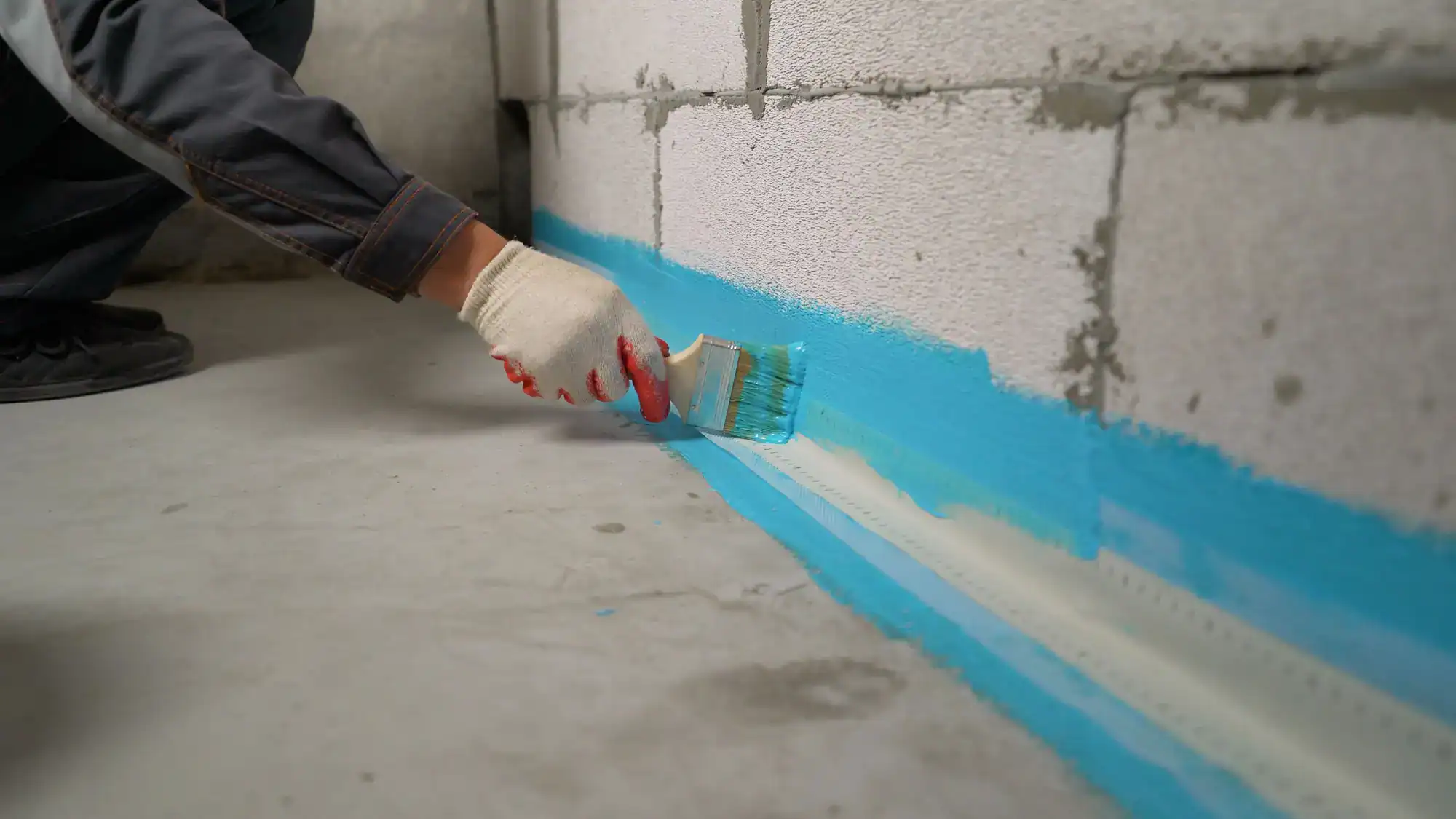
Here’s the part most mold-only companies don’t love to talk about: removing the mold without addressing the moisture that caused it is a temporary fix. You’ll be back to square one within a season or two. A complete solution almost always involves some combination of mold remediation, waterproofing, vapor barrier installation, improved drainage, and sometimes demolition of damaged materials that are too far gone to treat. That’s a lot of coordination if you’re hiring separate contractors for each piece.
This is where the one-stop model matters practically, not just as a marketing angle. When the same company handles the mold remediation, the waterproofing, and the demolition of compromised materials, there’s no finger-pointing between contractors, no scheduling gaps, and no situations where the waterproofing company says the mold company should have caught something. The scope gets assessed once, the solution gets designed as a system, and the work gets done in the right sequence by people who are all accountable to the same outcome.
For homeowners in King of Prussia, Horsham, Blue Bell, or anywhere across Montgomery County dealing with a crawl space that has both active mold and a moisture intrusion problem, this matters a lot. Crawl space encapsulation — sealing the space with a heavy-duty vapor barrier, conditioning the air, and eliminating the pathway for outside humidity to enter — is the long-term answer. But encapsulation on top of an unresolved moisture problem is just sealing the problem in. The sequence has to be right, and that’s much easier to manage when one team is handling the whole project.
Cost is a real consideration here too. Crawl space mold remediation typically runs between $1,800 and $7,500 depending on severity, size, and what else needs to be addressed. When you factor in waterproofing and encapsulation, the number goes up — but so does the permanence of the fix. Doing it in stages with separate contractors usually costs more in the long run, both in dollars and in the time spent managing the process. We also offer cash discounts, which makes a comprehensive single-project approach more accessible than most homeowners expect.
Pennsylvania doesn’t require a state mold remediation license, which means the barrier to entry for anyone calling themselves a mold contractor is essentially zero. In that environment, the things that actually matter are years of real experience, federal certifications, verifiable credentials, and a clear explanation of exactly what the work involves and why.
Ask any contractor you’re considering whether they measure wood moisture content before starting, how they establish containment, whether they address the moisture source as part of the scope, and whether post-remediation air testing is included. The answers will tell you a lot.
We’ve been doing this work in Montgomery County and across the Main Line for over two decades. We’re fully licensed, bonded, and insured, EPA/HUD compliant, and available around the clock — because crawl space mold has a way of becoming urgent at inconvenient times. If you’re ready to get a straight answer about what you’re dealing with, EJS Environmental Services LLC offers free estimates and the kind of honest assessment that makes the rest of the process a lot less stressful.
Summary:
Article details:
Share: