Interior or exterior waterproofing — which one actually solves the problem? Here's what Montgomery County homeowners need to know before spending a dime.
Somewhere between the third rainstorm and the second ruined box of holiday decorations, most Montgomery County homeowners stop asking “is this a problem?” and start asking “what do I actually do about it?” That’s a good question — and one worth answering carefully, because the waterproofing industry is full of contractors who’ll give you a confident answer before they’ve looked at a single wall.
The interior vs. exterior debate is real, and neither side is completely wrong. What matters is understanding what each method does, when each one makes sense, and why getting the diagnosis right is more important than any product or system. Let’s get into it.
At the most basic level, interior and exterior waterproofing solve the same problem from opposite directions. Exterior systems try to stop water before it ever touches your foundation wall. Interior systems accept that water will find a way in — and make sure it has somewhere to go that isn’t your basement floor.
Neither approach is inherently superior. What determines effectiveness is whether the method matches the actual source of your water problem. A contractor who recommends the same solution for every basement — without inspecting the exterior drainage, the foundation material, the soil type, or the age of the home — is guessing. In Montgomery County, where most homes were built in the 1960s and have been absorbing water for fifty-plus years, guessing gets expensive fast.
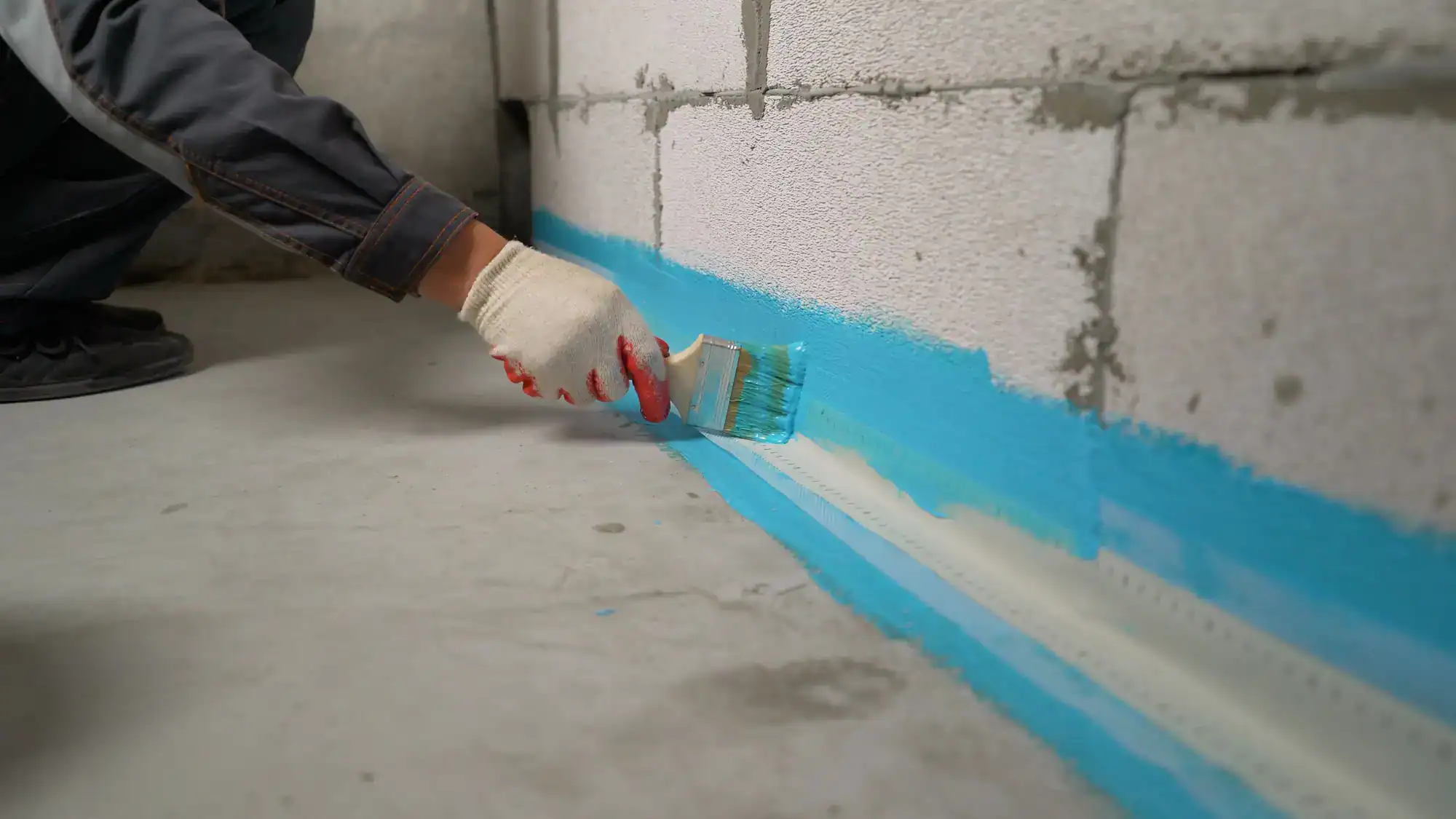
Interior waterproofing doesn’t stop water from entering the foundation — it intercepts it before it can cause damage. The core of most interior systems we install is a perimeter drainage channel along the base of the basement walls, typically paired with a sump pump that collects and removes the water. Some systems also include vapor barriers and dehumidifiers to control moisture in the air, not just on the floor.
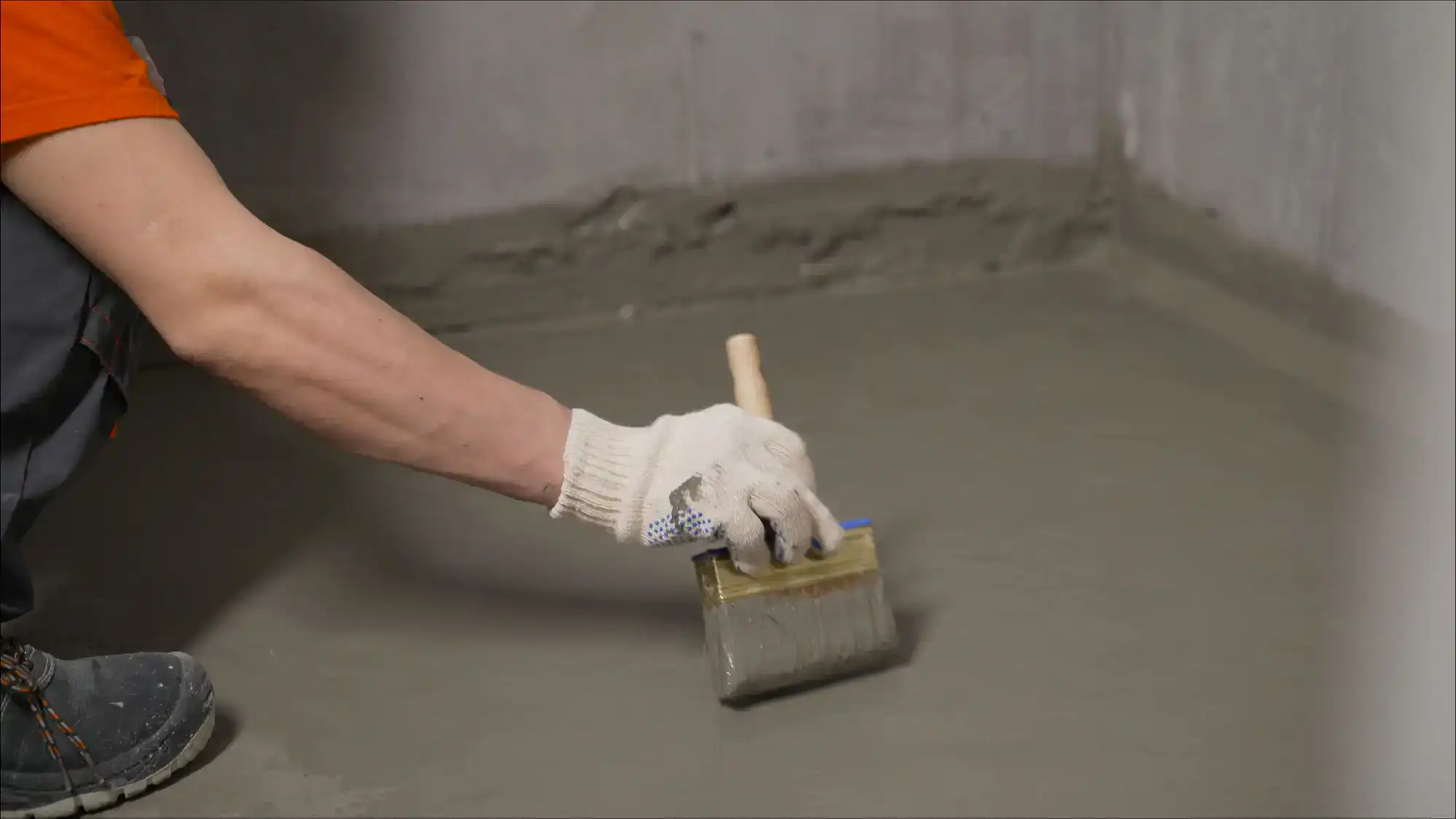
The most common misconception about interior waterproofing is that it’s a band-aid. That label belongs to waterproof paint and surface sealants — products that can’t withstand hydrostatic pressure and usually fail within a season or two. A properly engineered interior drainage system is different. It’s a permanent, managed pathway for water that would otherwise pool against your foundation, saturate your floor, and create the damp conditions that mold needs to take hold within 24 to 48 hours of any water event.
For most existing homes in Montgomery County, interior waterproofing is also the more practical option. Exterior excavation requires digging down to the base of your foundation — sometimes eight or ten feet — which means tearing up landscaping, driveways, patios, and anything else in the way. If you’ve got an established yard or a finished exterior, that’s significant disruption for a problem we can often handle just as effectively from inside.
Interior systems can also be installed year-round, which matters in Pennsylvania. If your basement floods in January, you don’t have to wait until the ground thaws. We can start work immediately, and the disruption stays inside — a channel cut along the perimeter of your basement floor, not a trench dug across your entire yard.
Cost is another factor worth naming directly. Interior waterproofing typically runs between $1,500 and $5,000 depending on the size of the space and system complexity. Exterior waterproofing, once you factor in excavation, waterproof membrane application, drainage board installation, and backfill, tends to run $8,000 to $15,000 or more. That’s not an argument that interior is always the right choice — but it’s a number worth knowing before anyone starts digging.
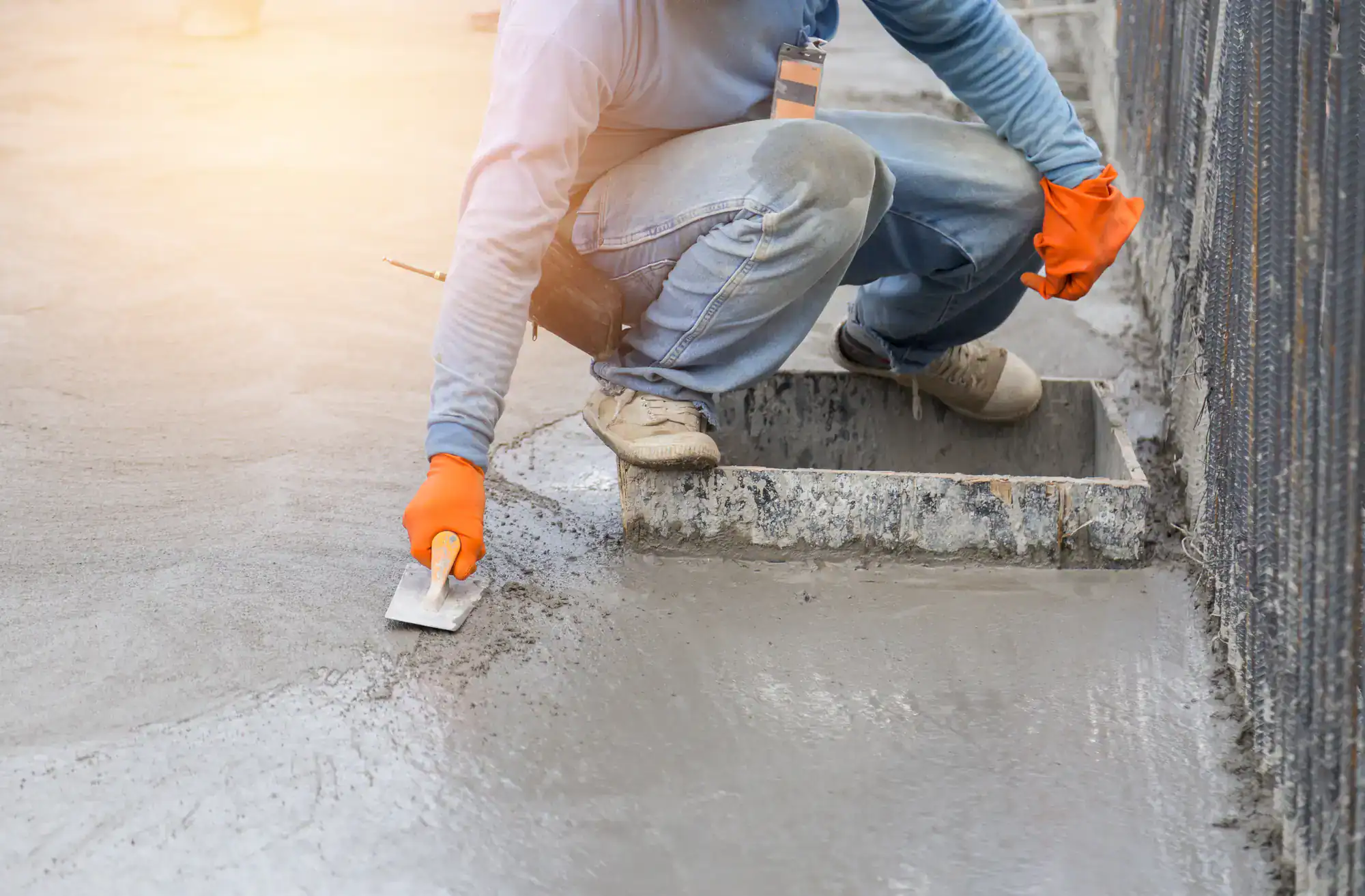
Exterior waterproofing has a real advantage: it addresses the problem at the source. By applying a waterproof membrane directly to the outside of the foundation wall and installing drainage that directs water away before it builds up, exterior systems prevent water from ever making contact with the foundation. For new construction, this is almost always the right approach — it’s far easier and less expensive to waterproof a foundation before the house is built around it.
For existing homes, exterior waterproofing makes the most sense in specific situations. If your foundation wall has significant structural cracks that need to be sealed from the outside, exterior work may be necessary. If the grading around your home actively directs water toward the foundation and can’t be corrected without major excavation anyway, you might as well do the waterproofing at the same time. And in cases where the water table is consistently high — which affects certain lower-lying areas near the Schuylkill River and its tributaries throughout Montgomery County — exterior drainage systems can provide more comprehensive protection.
The honest answer is that many homes benefit from both. Exterior improvements like correcting the grading, extending downspouts, and clearing gutters reduce the volume of water pressing against the foundation. Interior systems manage whatever still gets through. Treating these as an either/or choice is often where homeowners — and some contractors — go wrong.
What doesn’t work, regardless of which direction you approach from, is skipping the diagnosis. The Wissahickon Creek corridor, the Perkiomen Creek watershed, the neighborhoods built on clay-heavy soils in upper Montgomery County — these areas have different water profiles. A home in Norriton sitting in a Schuylkill floodplain has different waterproofing needs than a split-level in Lansdale on a slight grade. The method should follow the assessment, not the other way around.
Want live answers?
Connect with a EJS Environmental expert for fast, friendly support.
The most common reason waterproofing fails isn’t a bad product — it’s a wrong diagnosis. A contractor who applies an interior drainage system to a home where the real problem is a cracked exterior wall and poor grading hasn’t solved anything. The water still gets in; it just has a slightly more organized path to the sump pit.
Misdiagnosis is rampant in this industry, partly because the symptoms of water intrusion look similar regardless of the cause. Wet walls, white efflorescence deposits, damp floors — these tell you water is getting in, but they don’t tell you where it’s coming from or why. Getting that part right requires an actual inspection, not a quick walk-through followed by a quote.
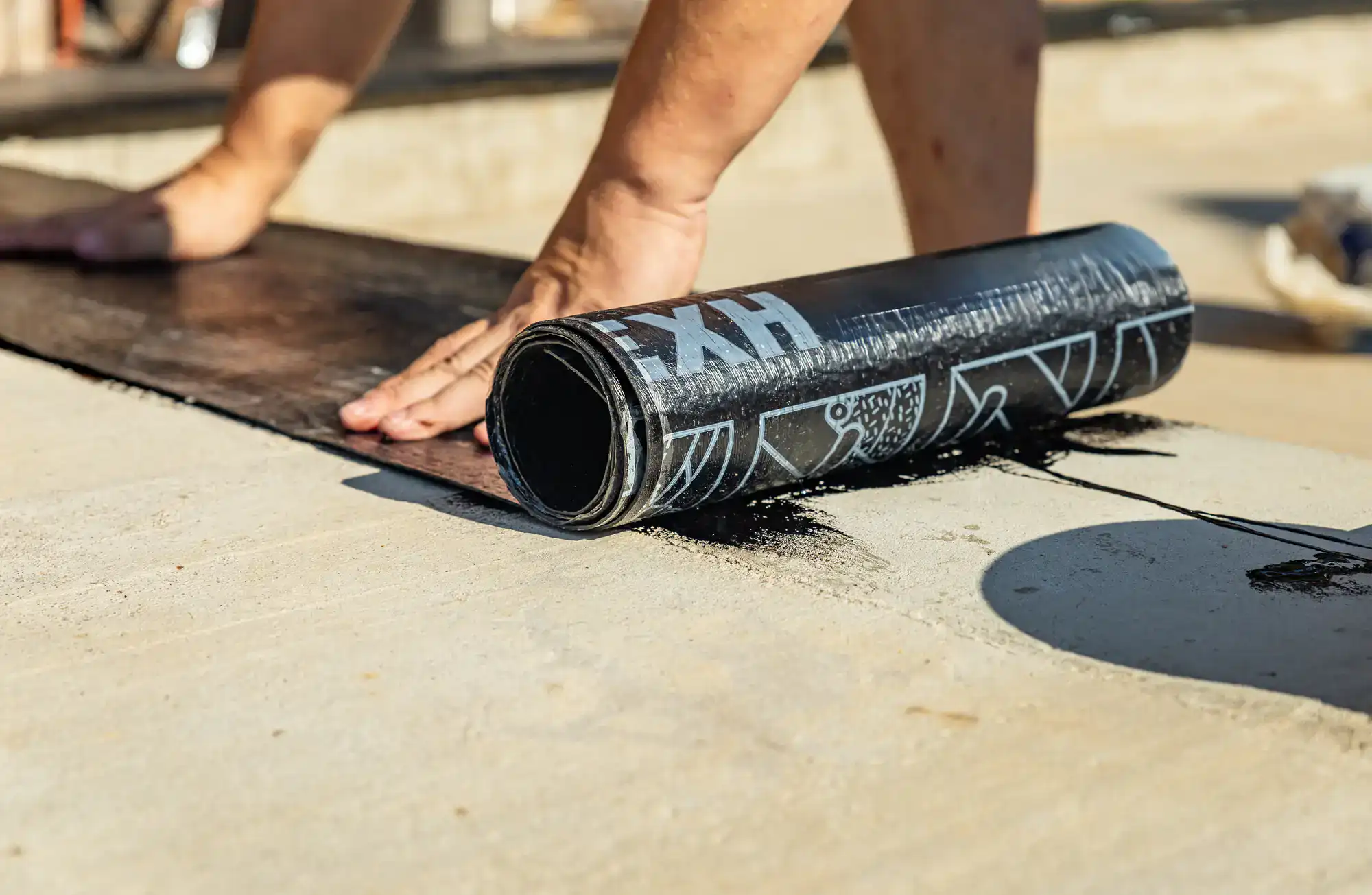
Even correctly installed systems fail eventually if they’re not maintained. Sump pumps have a lifespan — typically seven to ten years — and a pump that fails during a heavy storm is just as useless as no pump at all. Interior drainage channels can clog with sediment, especially in older homes where the soil around the foundation contains a lot of clay. Exterior membranes can crack, delaminate, or get punctured during landscaping work. None of these systems are set-it-and-forget-it.
Montgomery County’s climate adds another layer of wear. Pennsylvania’s freeze-thaw cycle is hard on foundations. Water that seeps into a hairline crack in November freezes in December, expands, and makes the crack wider. By spring, what was a minor seep has become a genuine leak. This cycle repeats every winter, and foundations that weren’t waterproofed or maintained properly show it. Homes built in the 1950s and 1960s — which is most of the housing stock in communities like Abington, Cheltenham, and Upper Dublin — are particularly vulnerable because their original construction predates modern waterproofing standards.
There’s also the mold factor, which doesn’t get enough attention in waterproofing conversations. Mold can begin growing within 24 to 48 hours of a water event. In a basement that’s been intermittently damp for years, you may already have mold present in wall cavities, behind insulation, or under flooring — and a new waterproofing system won’t remove it. Addressing the moisture source and the existing mold at the same time is the only way to actually solve the problem.
A French drain — a perforated pipe buried in a gravel-filled trench — is one of the most effective tools in basement waterproofing, and it works differently depending on where it’s installed. An interior French drain runs along the perimeter of the basement floor, collecting water that seeps through the walls or up through the floor and channeling it to a sump pit. An exterior French drain is installed around the outside of the foundation to intercept groundwater before it reaches the wall.
In practice, the two systems are often used together. The exterior drain reduces the volume of water pressing against the foundation. The interior drain handles whatever still gets through. The sump pump removes it from the home entirely. Each component does a specific job, and when they’re sized and installed correctly, the system as a whole is highly effective — even in areas with significant groundwater pressure.
The sizing piece matters more than most people realize. A sump pump that’s too small for the volume of water your basement collects during a heavy storm will run continuously, overheat, and fail. A drainage channel that’s not properly sloped will hold standing water instead of moving it. These aren’t complicated problems, but they require someone who’s actually paying attention during installation — not a crew working through a checklist as fast as possible.
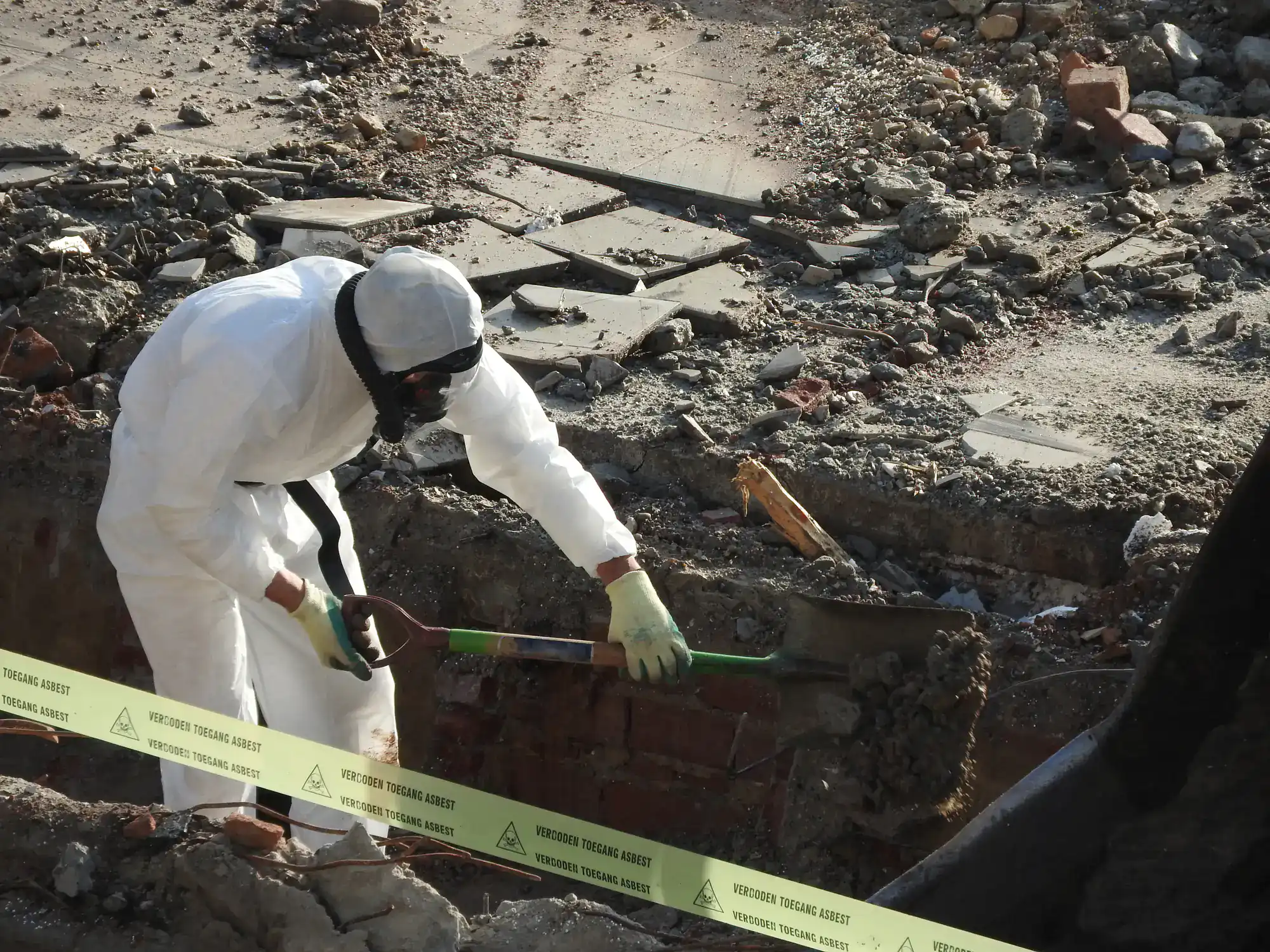
For older homes in Montgomery County, there’s one more consideration that rarely comes up in standard waterproofing conversations: what’s in the walls. Homes built before 1978 likely contain lead-based paint. Homes with original insulation or pipe wrap may contain asbestos. Any waterproofing work that involves cutting, drilling, or disturbing those walls can expose both workers and homeowners to hazardous materials — unless the contractor is certified to handle them. This is something most waterproofing-only companies aren’t equipped for, and it’s worth asking about before any work begins.
The interior vs. exterior question doesn’t have a universal answer — but it does have a right answer for your specific home. That answer comes from a real assessment, not a sales pitch. It accounts for your foundation type, your drainage conditions, your soil, your climate exposure, and yes, the age of your home and what might be hiding behind those walls.
Montgomery County has been issued 20 Presidential Disaster Declarations — five of them for flooding alone. This is not a low-risk area, and the homes here weren’t built with that risk in mind. Most of them need more than a coat of waterproof paint and good intentions.
If you’re dealing with a wet basement, a musty smell, or a waterproofing system that already failed once, we offer free estimates, 24/7 availability, and the kind of whole-home assessment that looks at the full picture — water, mold, and everything else that tends to come with it in an older home.
Summary:
Article details:
Share: