Fall is the best time to check your home for environmental hazards. Here's what to look for before winter makes things worse.
Fall in Montgomery County means leaves on the ground, cooler nights, and the slow creep of that to-do list you’ve been putting off since spring. Most of it is manageable. Some of it isn’t — and the part that isn’t tends to live behind your walls, under your floors, or in your basement.
If your home was built before 1978, this checklist is for you. Environmental hazards like asbestos, lead paint, and mold don’t announce themselves. They sit quietly until something disturbs them — a renovation, a burst pipe, or a furnace firing up for the first time since April. Fall is the right time to look, before winter makes everything harder to find and more expensive to fix.
The older the home, the longer the list. Montgomery County’s housing stock skews old — particularly along the Main Line, where homes built in the 1920s and 1930s are common, and in communities like Jenkintown, Cheltenham, and Ambler where mid-century construction is the norm. That’s not a problem in itself, but it does mean a higher likelihood of materials that were standard back then and are now known hazards.
The big three are asbestos, lead-based paint, and mold. Radon is worth mentioning too — Pennsylvania ranks among the highest-risk states in the country for it, and the EPA recommends every PA home be tested regardless of age or construction type. None of these hazards are visible to the naked eye in the way a cracked foundation or a missing shingle is. That’s what makes fall inspections so important: you’re looking for conditions, not just obvious damage.
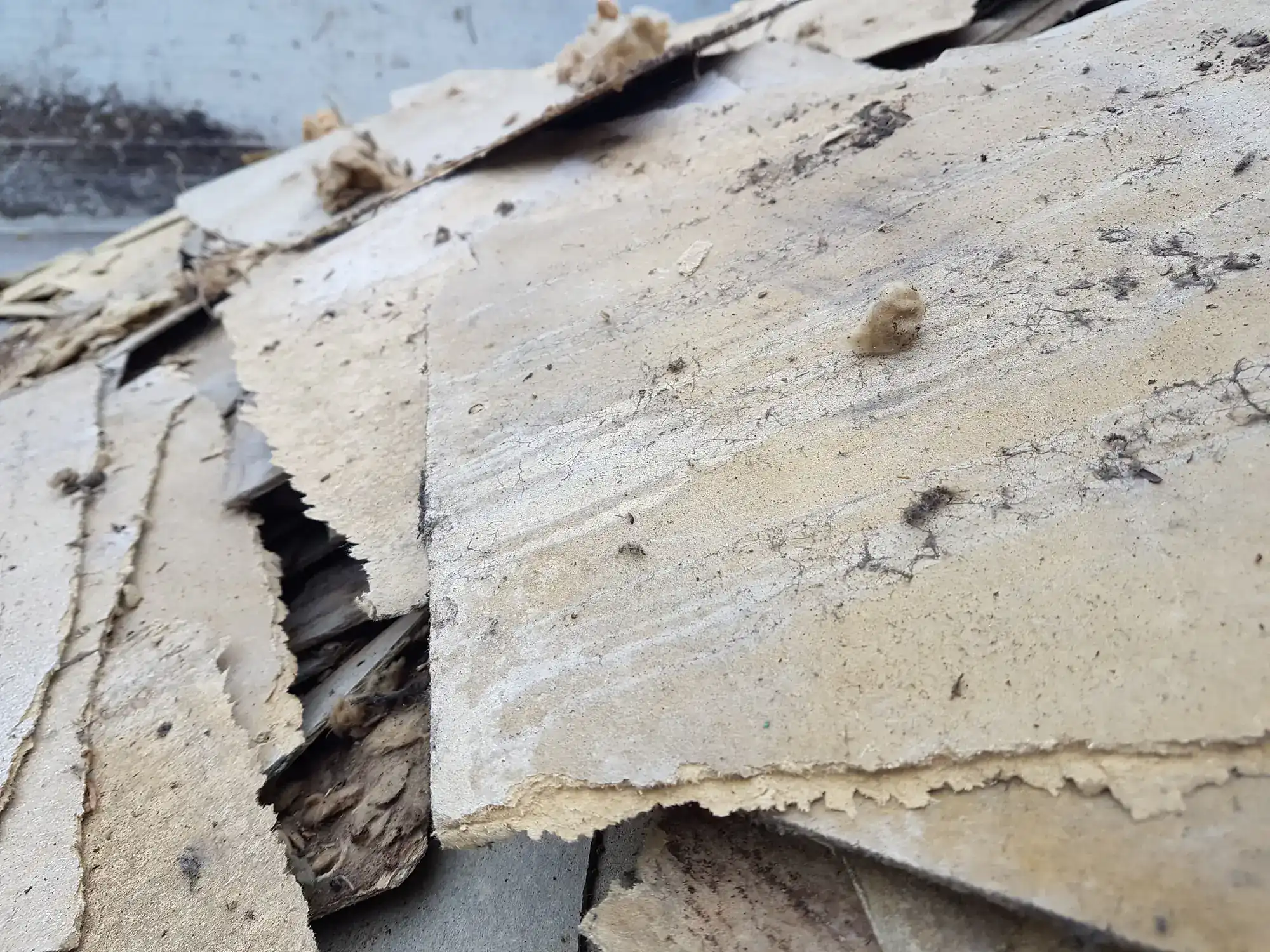
Asbestos was used in more than 3,000 building products before regulations started catching up in the late 1980s. Pipe insulation, floor tiles, ceiling tiles, roofing shingles, joint compound, wall board — if your home was built before the mid-1990s, there’s a reasonable chance some of those materials contain it.
Here’s the thing about asbestos: undisturbed, intact asbestos-containing materials are generally not an immediate danger. The risk comes when those materials are damaged, deteriorating, or disturbed. Winter creates exactly those conditions. Freeze-thaw cycles stress foundations and walls. Heating systems that have been dormant since spring kick back on and move settled dust — including potentially asbestos fibers — through ductwork and into living spaces. A renovation you started in October to finish before the holidays can unknowingly release fibers into the air without proper containment.
Visually, you can look for a few things. Old pipe insulation that looks like corrugated cardboard or gray felt wrap is a common source. Vinyl floor tiles from the 1950s through the 1980s — especially 9-inch square tiles — are frequently suspect. Popcorn ceilings installed before 1978 are another one. Insulation around furnaces and boilers in older homes is worth noting too.
What you cannot do is confirm asbestos by looking at it. The only way to know is lab testing. And if you suspect a material contains asbestos, the worst thing you can do is disturb it to get a closer look. Leave it alone, note its location and condition, and have a licensed professional assess it. In Pennsylvania, asbestos abatement contractors must hold both state and federal certification — not every contractor who offers “removal” is legally authorized to do the work safely.
Lead-based paint was banned in residential use in 1978. If your home predates that year — and a significant portion of homes in communities like Norristown, Lansdale, Abington, and Glenside do — you should assume lead paint is present somewhere until a certified inspector tells you otherwise.
The nuance here is similar to asbestos: lead paint in good condition, properly adhered to a surface, is not an immediate hazard. The problem starts when it deteriorates. Chipping, peeling, and chalking paint releases lead dust that settles on floors, windowsills, and surfaces where it gets picked up by hands, feet, and the air your family breathes. Children under six are most vulnerable — lead exposure affects neurological development in ways that can be permanent — but elevated lead exposure is harmful to adults too, contributing to blood pressure issues and kidney damage over time.
Before winter, walk through your home and look specifically at friction surfaces: windows and doors that stick or rub, painted stair railings, baseboards near high-traffic areas. These are the spots where paint deteriorates fastest. Look at the exterior too — peeling paint on older siding or trim is a lead hazard that can be tracked inside on shoes and clothing.
If you’re planning any renovation work this fall, stop before you start sanding, scraping, or demolishing anything in a pre-1978 home without knowing what you’re dealing with. Federal law requires contractors working in these homes to follow specific lead-safe work practices, and for good reason. Improper disturbance of lead paint creates a far more dangerous situation than the original intact surface.
Montgomery County homeowners should also know that the county’s Department of Health and Human Services received a $1.8 million HUD grant in October 2024 specifically to address lead hazards in qualified homes. A Certified Lead Inspector and Risk Assessor must perform the testing required under that program — which is exactly the credential we hold. If you think you might qualify, that’s worth a conversation.
Want live answers?
Connect with a EJS Environmental expert for fast, friendly support.
Basements are where fall home inspections get serious. They’re the lowest point in the house, the first place water finds its way in, and the environment most conducive to the kind of slow-building mold growth that doesn’t get noticed until it’s become a real problem.
In Montgomery County, where winters bring genuine freeze-thaw cycles and older homes frequently have stone or block foundations, the basement deserves its own walk-through before temperatures drop. You’re looking for evidence of moisture — past or present — and for conditions that will get worse once the ground freezes and thaws repeatedly over the coming months.
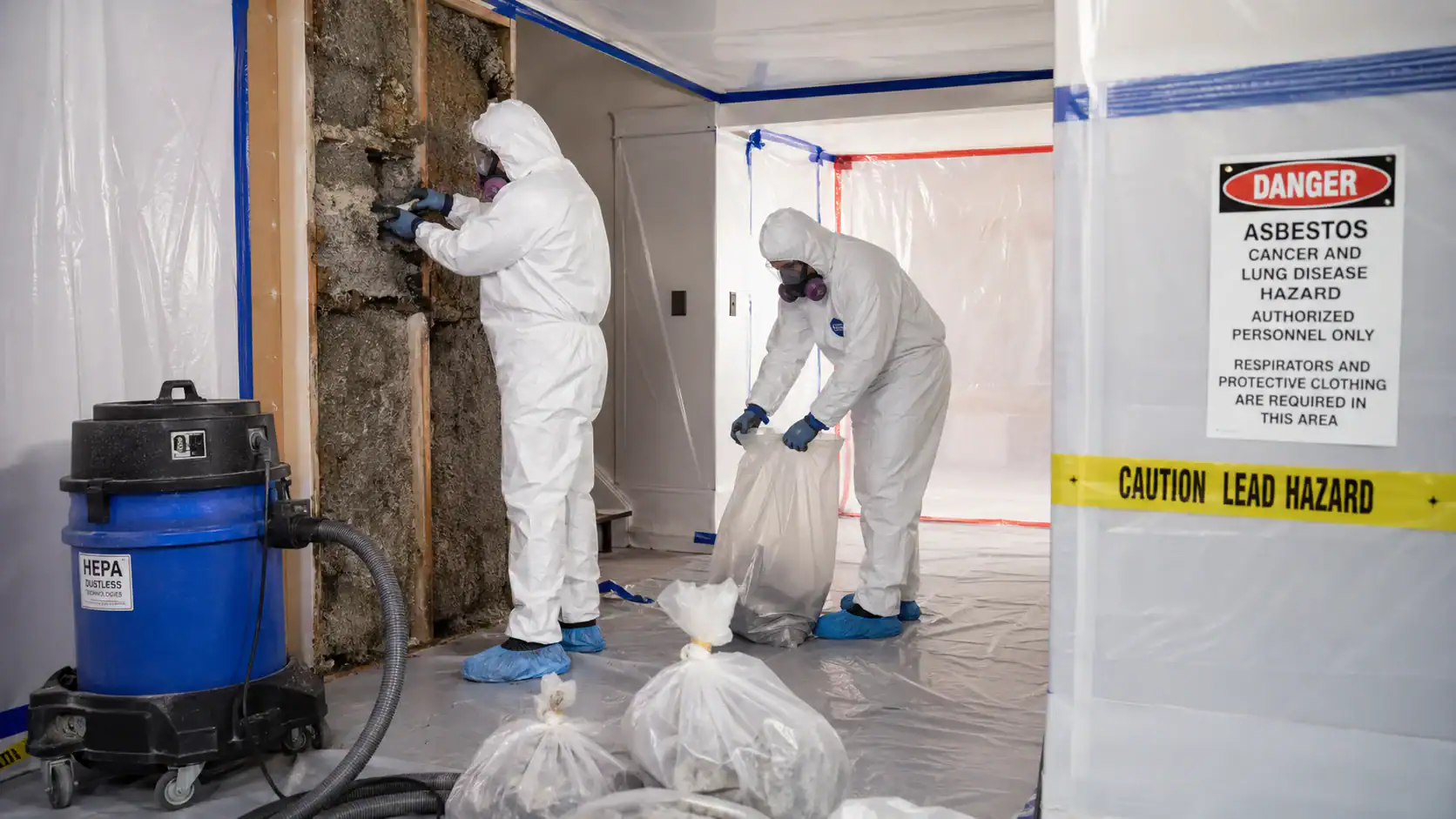
Mold doesn’t need a flood to get started. It needs moisture and time — and most basements in older Montgomery County homes have had plenty of both. The EPA estimates that roughly one in four people has a genetic predisposition to mold illness that makes exposure particularly serious for them.
The signs to look for aren’t always obvious. A persistent musty smell, even without visible growth, is one of the most reliable indicators that mold is present somewhere — often behind finished walls, under flooring, or in insulation. Visible discoloration on walls or ceilings — black, green, or white patches — is more obvious but not always present in the early stages. Water stains, even old ones, tell you water has been in that space before and may return. Peeling paint or efflorescence (the white chalky residue on concrete or block walls) signals moisture coming through from outside.
The seasonal urgency here is real. Mold requires wet materials to be dried within 24 to 48 hours to prevent growth. A slow leak that’s been manageable through summer can become a significant mold problem once winter rain and snowmelt push more water against your foundation. And once a home is sealed up for cold weather, indoor air quality becomes more concentrated — mold spores that were diluting into summer air circulation are now cycling through a closed system.
One thing worth knowing: surface cleaning with household bleach does not solve a mold problem. It kills what’s visible on the surface but doesn’t penetrate porous materials like drywall, wood framing, or insulation where mold roots actually grow. It also does nothing to address the moisture source. We handle professional mold remediation that removes affected materials, addresses the underlying cause, and uses HEPA filtration to capture airborne spores during the process so the problem doesn’t spread to other parts of the home.
Beyond mold, there are structural and mechanical items in the basement that directly affect your home’s environmental safety going into winter. Work through these before the first hard freeze.
Start with the foundation walls themselves. Look for new or widening cracks — horizontal cracks in block or poured concrete walls are particularly worth noting, as they can indicate lateral pressure from soil. Vertical cracks may be settling and less urgent, but any crack that lets in water is a problem waiting to get worse when that water freezes and expands. If you see daylight through a crack, that’s not a fall project to defer.
Check your sump pump now, not in February. Pour a bucket of water into the sump pit and confirm it activates and drains properly. A failed sump pump during a January thaw is one of the fastest ways to create a mold situation in an older home. If yours is more than seven to ten years old, it’s worth having it looked at regardless of whether it seems to be working.
Look at any exposed pipe insulation in the basement, particularly on pipes running along exterior walls. Old fiberglass or foam insulation that’s deteriorating should be replaced — both to prevent pipes from freezing and, if the insulation contains asbestos-containing materials, to prevent it from further degrading and releasing fibers into the air. This is especially relevant in older homes in communities like Pottstown, Horsham, and Ambler where original plumbing and heating systems are still common.
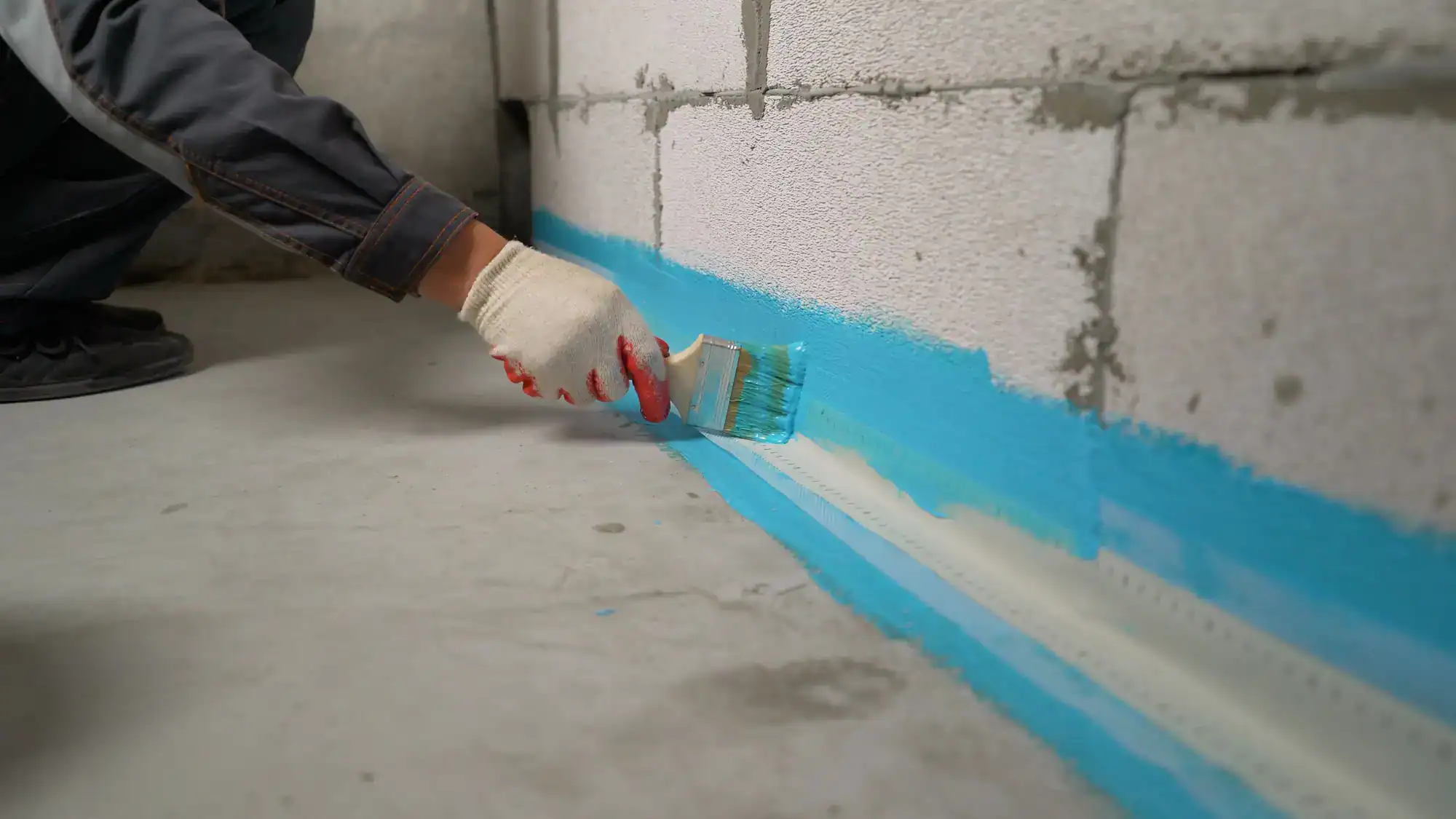
Finally, check your basement humidity levels. Indoor humidity should stay below 60% to minimize mold growth risk. If you don’t have a hygrometer, they’re inexpensive and worth having. If your basement consistently runs humid, that’s a conversation about waterproofing — something we handle alongside mold and asbestos work so you’re not coordinating between multiple contractors.
A self-inspection goes a long way. It tells you what to watch, where to look, and when something feels off. But there’s a clear line between what a homeowner can reasonably assess and what requires a licensed professional — and in the environmental hazard space, crossing that line in the wrong direction can make things significantly worse.
If you find suspected asbestos-containing materials that are damaged or about to be disturbed, stop. Don’t touch them, don’t try to sample them yourself, and don’t start the renovation until they’ve been assessed. The same goes for deteriorating lead paint in a pre-1978 home, any mold growth covering more than a small area, or signs of significant water intrusion into your foundation. These aren’t DIY situations — not because they’re impossible to understand, but because improper handling creates hazards that didn’t exist before you started.
We’ve been doing this work in Montgomery County, PA for nearly two decades, and we handle all of it: testing, abatement, mold remediation, waterproofing, demolition, and clean-outs — under one roof, with one point of contact. If your fall inspection turns up something you’re not sure about, we offer free estimates and pick up the phone around the clock. You don’t have to figure out the next step alone.
—
**Frequently Asked Questions**
**What environmental hazards should I check for before winter?** The main ones in older homes are asbestos-containing materials, lead-based paint, mold, and moisture damage. Radon is worth adding to that list — Pennsylvania is one of the highest-risk states for radon gas, and the EPA recommends every PA home be tested. If your home was built before 1978, all of these are worth evaluating before cold weather sets in.
**How do I know if my home contains asbestos materials?** You can’t tell by looking. Certain materials are more likely to contain asbestos — old pipe insulation, 9-inch vinyl floor tiles, popcorn ceilings installed before 1978, insulation around older furnaces and boilers — but visual identification is not confirmation. Only lab testing confirms the presence of asbestos fibers. If you suspect a material, leave it undisturbed and have a licensed inspector assess it.
**What’s the difference between a regular home inspection and an environmental inspection?** A standard home inspection covers structural and mechanical systems — roof, foundation, electrical, plumbing, HVAC. Inspectors are not certified to test for asbestos, lead paint, or mold. Those require a separately credentialed environmental professional. Many Montgomery County homeowners assume their pre-purchase inspection covered environmental hazards. In most cases, it didn’t.
**Does Montgomery County have any programs for lead hazard removal?** Yes. Montgomery County’s Department of Health and Human Services received a $1.8 million HUD grant in October 2024 for its Lead Hazard Control Program, which helps qualified residents address lead hazards in their homes. The program requires testing by a Certified Lead Inspector and Risk Assessor — credentials we hold. If you think you may qualify based on income or housing type, contact us to discuss whether your home is eligible.
**When should I stop trying to handle this myself and call someone?** As soon as asbestos or lead paint is suspected in a material you’re about to disturb. Any mold growth that’s spread beyond a small, isolated area. Any basement water intrusion that’s recurring or getting worse. These situations don’t improve with a wait-and-see approach, and improper handling can spread hazards through the rest of your home. We’re available 24/7 to answer questions about what you’ve found during your inspection.
Summary:
Share: