Not all basement fixes are created equal. Here's what actually works, what to avoid, and how to choose the right contractor for your home.
If you’ve got water in your basement, you already know the frustration. Maybe it’s a puddle after every heavy rain. Maybe it’s just that smell — that persistent, musty smell that tells you something’s wrong even when the floor looks dry. Either way, you’ve probably Googled your way through a dozen articles and still aren’t sure what you actually need.
That’s what this page is for. We’ll walk you through the real options, explain how each one works, and help you figure out what questions to ask before you let anyone touch your foundation. Starting with the most important thing: understanding why water gets in to begin with.
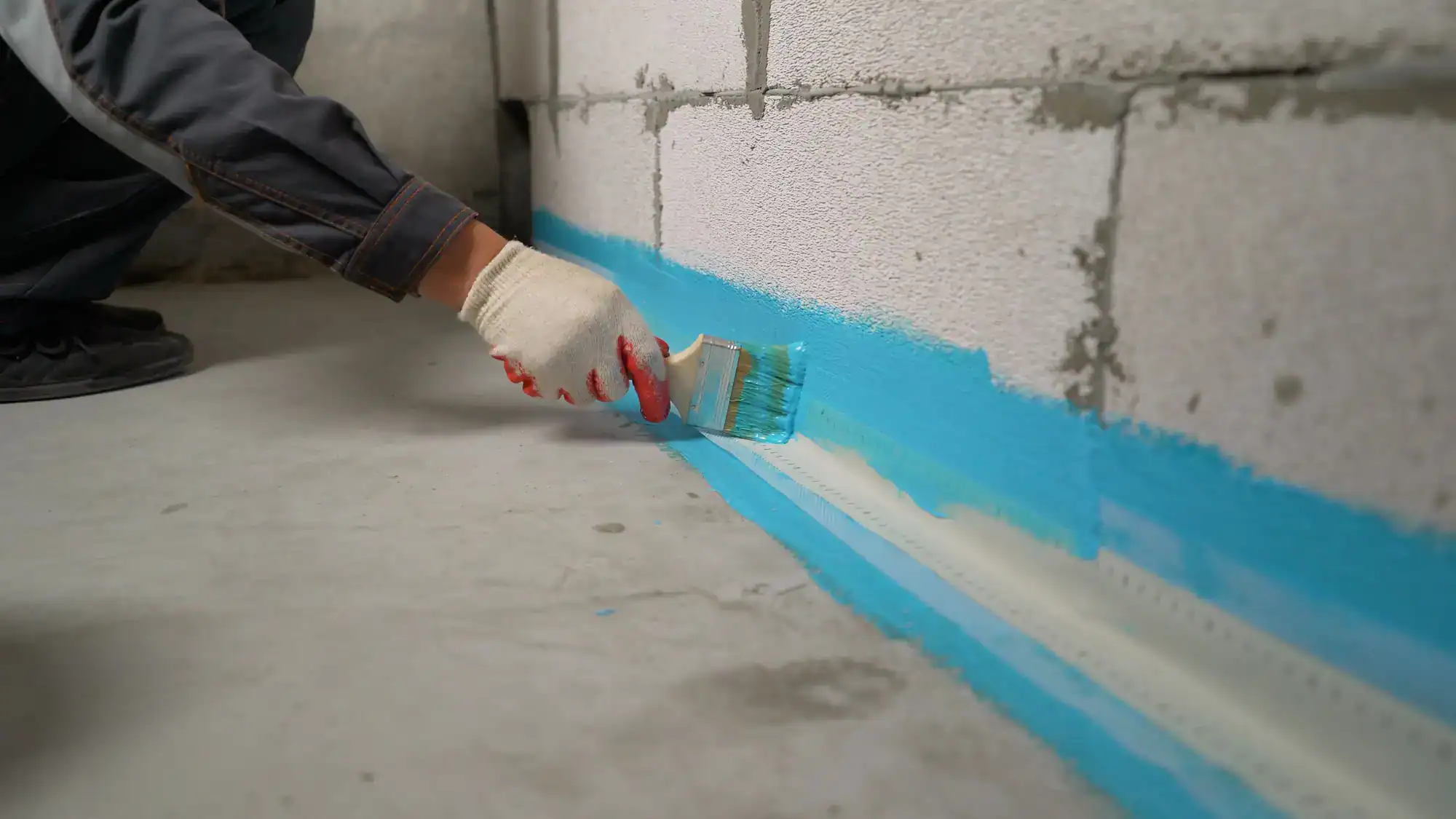
The most common mistake homeowners make is treating a wet basement like a surface problem. They buy waterproof paint at the hardware store, roll it on, and feel good about it — until the next heavy rain proves it was never going to hold. Surface sealants can’t withstand hydrostatic pressure, which is the force of water-saturated soil pushing against your foundation walls from the outside. Paint doesn’t fix that. Neither does caulk.
Real dry basement solutions address the source of the water, not just the evidence of it. That means understanding whether water is entering through foundation cracks, seeping in at the wall-floor joint, rising from a high water table, or draining toward your home because of grading or drainage failures around your property. The fix depends entirely on the cause — and that’s why a proper diagnosis matters more than any specific product or method.
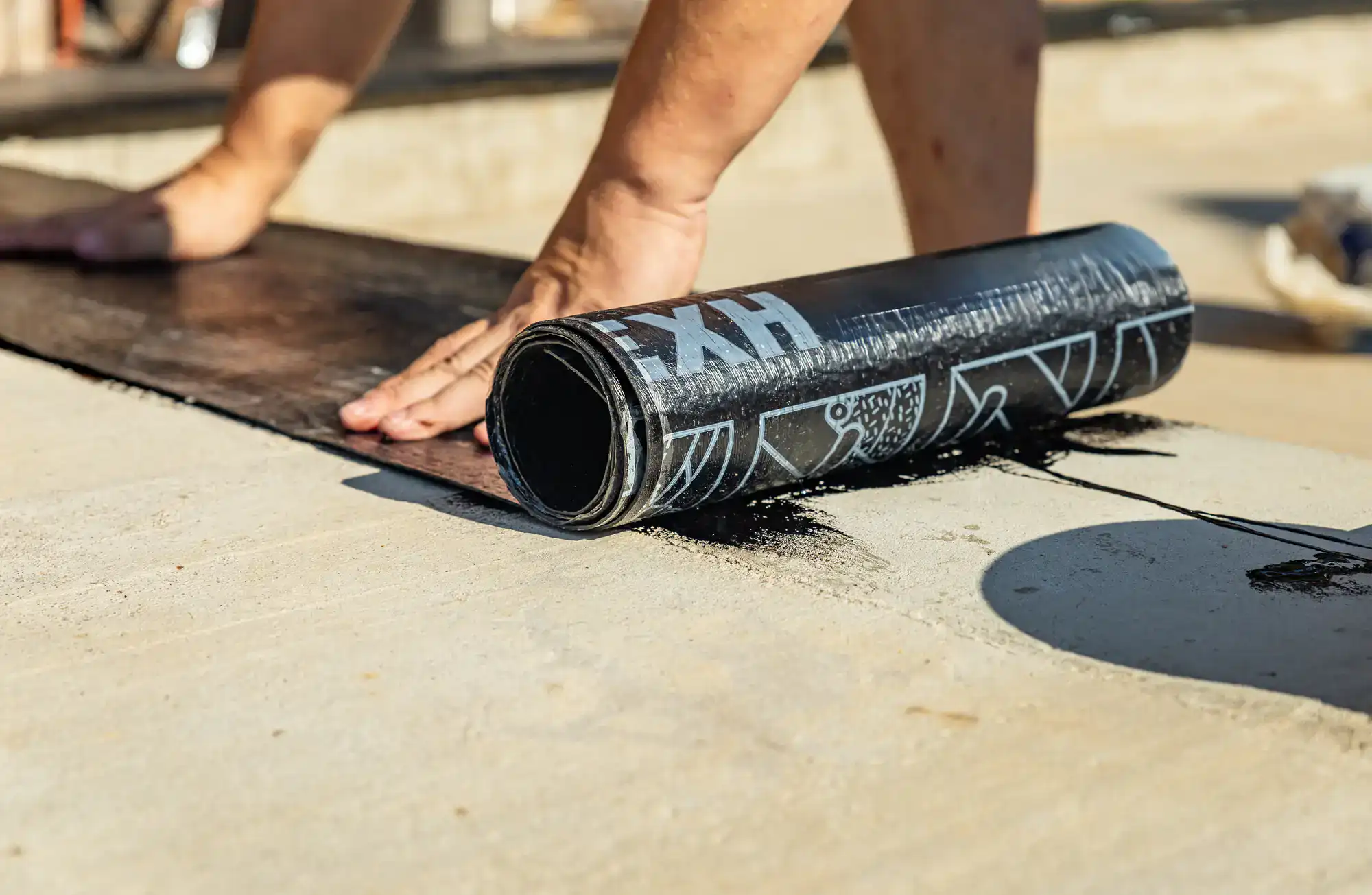
Exterior waterproofing is often described as the most thorough approach — and in the right situation, that’s true. The process involves excavating the soil around your foundation, applying a waterproof membrane directly to the exterior walls, installing a drainage board to redirect water away from the foundation, and then backfilling. Done correctly, it stops water before it ever reaches your walls.
The catch is that it’s also the most disruptive and expensive option. Excavating around a home isn’t a small job, and it’s not always necessary. For existing homes where the landscaping, hardscaping, or proximity to neighboring properties makes excavation impractical, interior drainage systems often deliver equally durable results at a fraction of the cost and disruption.
That said, exterior waterproofing is genuinely the right call in certain scenarios — particularly when foundation walls show significant structural damage, when cracks are actively growing, or when a home is being renovated and the exterior is already exposed. If you’re in an older home in Montgomery County communities like Norriton Township or Pottstown where stone or early poured-concrete foundations are common, an exterior assessment is worth including in any serious evaluation.
The key is that neither interior nor exterior waterproofing is universally superior. A contractor who recommends one without examining the other hasn’t done a thorough job. The right answer depends on your home’s specific construction, your soil conditions, and where the water is actually coming from — not on what a particular company happens to sell.
For most homes dealing with chronic basement water, an interior French drain system is the most practical and reliable long-term solution. The concept is straightforward: a perforated pipe is installed at the perimeter of your basement floor, at or just below the wall-floor joint — exactly where water tends to enter. That pipe collects the water and channels it to a sump pump, which then discharges it away from the house.
What makes this approach so effective is that it works with the water rather than trying to stop it at the wall. Water will always find the path of least resistance. An interior drainage system gives it one — a controlled path that keeps it out of your living space and off your floor.
A properly installed sump pump is the other half of this equation. And not just any pump — a system with a battery backup is essential in Montgomery County, where summer thunderstorms and nor’easters regularly knock out power for hours at a time. The last thing you want is a working drainage system with a pump that’s offline during the exact storm that tests it.
One thing worth understanding: French drain installation is not a DIY project. It requires breaking up the concrete floor along the perimeter, installing the drainage pipe at the correct pitch, sealing the system properly, and ensuring the sump pit is sized and positioned correctly for your home’s water volume. Done wrong, it creates new problems. Done right, it’s the kind of solution that lasts for decades with minimal maintenance — and that transfers real value if you ever sell the home.
In Montgomery County communities like Horsham, Blue Bell, and areas along the Wissahickon Creek corridor, where clay-heavy soils and elevated groundwater tables are common, interior drainage systems have become the go-to solution for a reason. The soil in much of the county doesn’t drain quickly. When it’s saturated — after a heavy spring rain or a stretch of wet weather — that pressure doesn’t relieve itself fast. A system designed to manage that ongoing reality outperforms any one-time exterior coating or sealant.
Want live answers?
Connect with a EJS Environmental expert for fast, friendly support.
Picking the right contractor matters as much as picking the right method. This is a category where overselling is common, where some companies quote $15,000 for work that costs a fraction of that, and where homeowners who’ve already been burned once are understandably skeptical. The good news is that a few straightforward criteria separate contractors worth hiring from those worth avoiding.
Pennsylvania requires any contractor performing at least $5,000 of annual home improvement work to hold a state license. That’s the floor. Beyond that, you want someone who’s bonded and insured, who pulls permits where required, and who can explain the reasoning behind their recommendation — not just the price.
A basement repair company worth hiring should be able to tell you, clearly and specifically, where your water is coming from. Not a vague “your basement has moisture issues” — an actual explanation of the entry point, the likely cause, and why the proposed solution addresses that specific cause. If a contractor walks through your basement for ten minutes and hands you a quote without explaining the diagnosis, that’s a red flag.
They should also be upfront about what the work involves. How much of your floor will be opened up? Will there be dust or debris? How long will it take? What’s the warranty, and does it transfer if you sell the house? These aren’t unreasonable questions, and a contractor who gets defensive about any of them is telling you something important.
One thing that often gets overlooked — especially in older homes throughout Montgomery County — is what might be behind the walls before any waterproofing work begins. Homes built before 1978 have a meaningful chance of containing lead paint. Homes built before 1980 may have asbestos-containing materials in insulation, floor tiles, or joint compound. When a contractor opens up a basement wall or breaks up a concrete floor, those materials can be disturbed. Most waterproofing companies aren’t equipped to identify or handle that. We’re a Certified Lead Inspector and Risk Assessor, fully EPA and HUD compliant, and we test for hazardous materials before starting — and remediate them if needed. That’s how we do the job the right way.
Montgomery County has a housing stock that tells a real story about why basement waterproofing here isn’t one-size-fits-all. A significant portion of homes in communities like Bryn Mawr, Ambler, Wayne, and Lansdale were built between the 1920s and the 1960s. Many have stone or early poured-concrete foundations that were never designed with modern waterproofing in mind. Some have had previous waterproofing work done — work that may have addressed symptoms without addressing causes, or that’s simply aged out of effectiveness.
The soil conditions in this region add another layer of complexity. Much of Montgomery County sits on piedmont clay soils that expand when wet and contract when dry. That cyclical movement puts lateral pressure on foundation walls year after year, widening cracks and creating new entry points for water. Combine that with the county’s roughly 47 inches of annual rainfall — spread across all four seasons, with no real dry window — and you have conditions that test foundations constantly.
Working with a genuine basement specialist means working with someone who understands those local conditions, not just waterproofing in the abstract. It means someone who’s seen the specific failure patterns common in Cheltenham colonials and Hatboro split-levels and Phoenixville row homes. Experience in your actual market changes the quality of the diagnosis.
We’ve been that specialist in this area for over twenty years. We offer free estimates, cash discounts for those who prefer them, and 24/7 availability because we know that water doesn’t wait for a convenient time. If you’re dealing with an active flooding situation or you’ve just discovered something concerning in your basement, you shouldn’t have to leave a voicemail and hope someone calls back tomorrow.
The one-stop model we bring to every project — testing, remediation if needed, drainage installation, waterproofing — exists because partial solutions are how homeowners end up calling us after they’ve already paid someone else. We’d rather do it right the first time.
A wet basement is one of those problems that feels manageable right up until it isn’t. The water gets in a little more each season. The smell gets harder to ignore. The finishing project you’ve been planning stays on hold. And the longer it goes, the more it costs — in damage, in repairs, and eventually in what it does to your home’s value.
The good news is that the right solution exists for almost every situation. It just has to be the right one for your specific home, your specific soil, and your specific problem — not a generic fix that looks good on paper and fails by spring.
If you’re in Montgomery County and you want a straight answer about what’s actually going on in your basement, reach out to us. We’ll come take a look, give you an honest assessment, and tell you exactly what you need — and why.
Summary:
Share: