Water in your basement and no idea what it'll cost to fix? This guide breaks down real repair costs for Montgomery County homeowners — no fluff, no runaround.

You noticed water in your basement. Maybe it’s a puddle in the corner after a heavy rain. Maybe it’s a damp smell that’s been there so long you’ve started to think it’s normal. Either way, you’re now doing what every homeowner in this situation does — trying to figure out what fixing it is actually going to cost before you call anyone.
That’s a smart instinct. This guide gives you real numbers, explains what drives the price up or down, and cuts through the stuff that tends to confuse people — starting with the insurance question everyone asks and almost no one gets a straight answer on.
The reason basement leak repair quotes vary so dramatically — we’re talking $500 to $15,000 for what can look like the same problem — is that the price follows the source, not just the symptom. A wet basement wall and a puddle on the floor look similar from across the room, but the fix for each can be completely different.
A hairline crack that lets in moisture after heavy rain is a different problem than hydrostatic pressure pushing water through a porous block foundation wall. And both of those are different from a failed sump pump or a drainage system that’s been slowly losing the battle for years. The repair cost tracks directly to what’s actually causing the water intrusion — which is why a real assessment matters more than a ballpark guess.
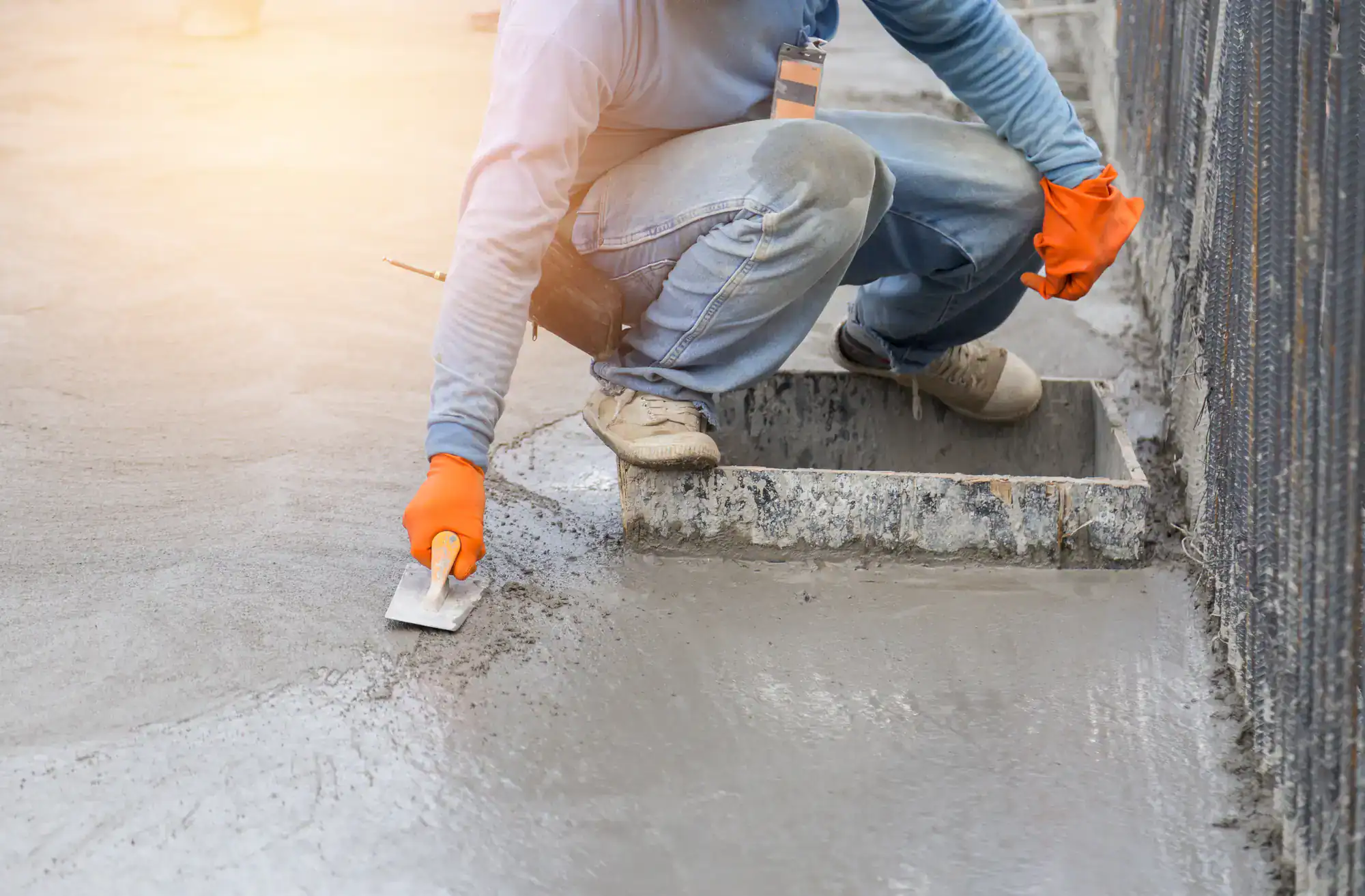
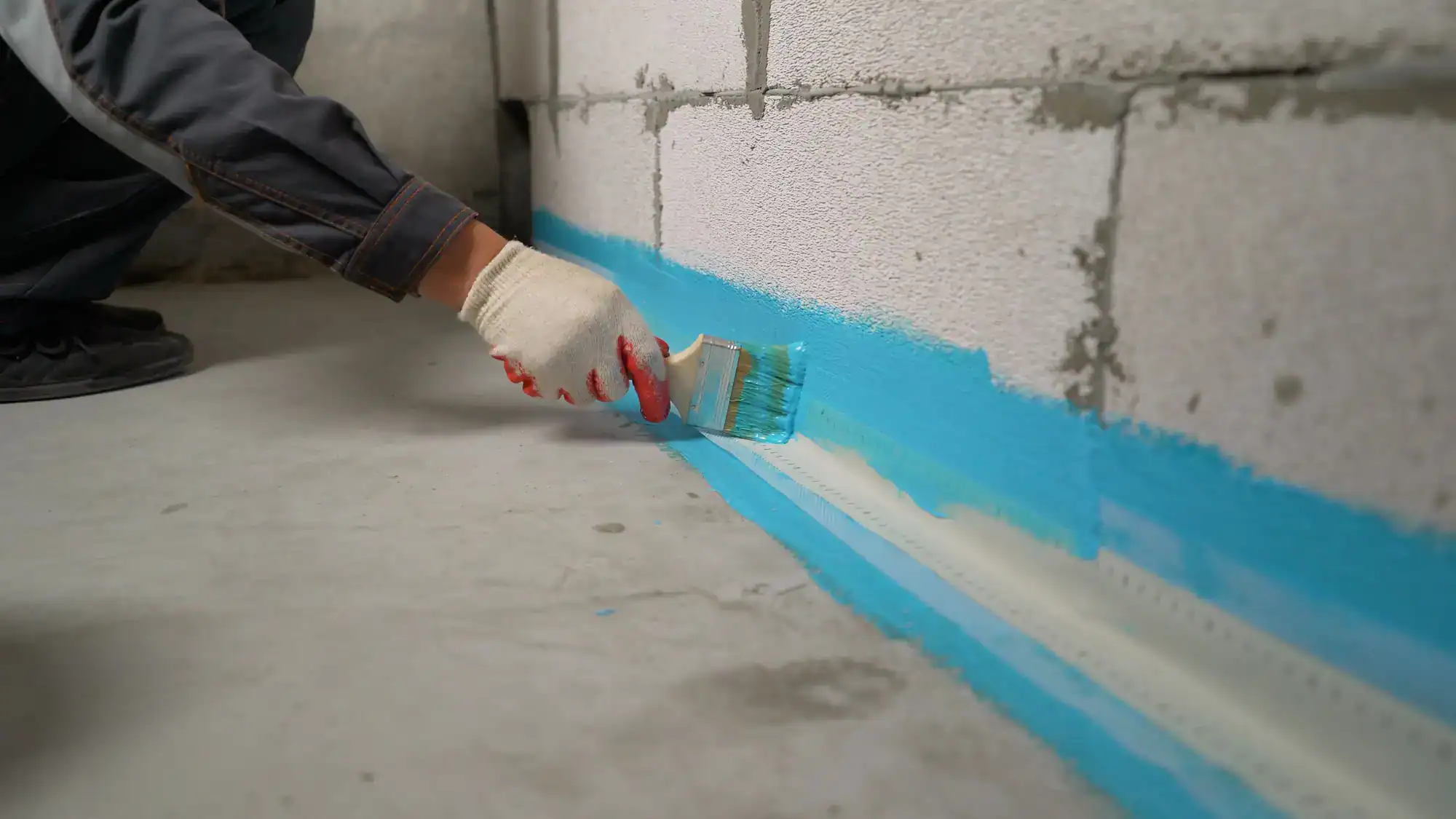
Interior waterproofing is the most common approach for homes throughout Montgomery County, and for good reason. It addresses the drainage problem directly without requiring excavation around your foundation — which means less disruption, faster turnaround, and generally lower cost than exterior work.
At the simpler end, crack injections using epoxy or polyurethane run roughly $500 to $1,500 per crack. These work well for isolated vertical cracks in poured concrete foundations — the kind that form as a house settles over time. They’re not a patch; done correctly, they seal the crack from the inside out and hold up long-term.
A full interior drainage system — which typically means a French drain channel installed along the perimeter of the basement floor, connected to a sump pump — runs between $2,000 and $7,000 for most homes. This is the permanent solution for basements that take on water regularly, especially in areas with clay-heavy soil like much of central and eastern Montgomery County. Clay doesn’t drain — it holds water against your foundation walls and creates sustained hydrostatic pressure. A surface sealer from the hardware store doesn’t solve that. A properly designed drainage system does.
For more comprehensive interior waterproofing — wall panels, vapor barriers, battery-backup sump systems, and full perimeter drainage — you’re looking at $6,000 to $12,000. That range covers most serious moisture problems in older homes without needing to touch the exterior.
One thing worth knowing: the labor is where most of the cost lives. Roughly 60 to 80 percent of a typical waterproofing job is labor, not materials. That’s why quotes from different contractors can look so different even when they’re describing the same work — overhead, crew size, and experience level all factor in.
Exterior waterproofing is the more comprehensive option, but it’s also significantly more involved. It requires excavating around the perimeter of your foundation, applying a waterproof membrane or coating to the exterior wall, installing drainage board and a French drain at the footing, and then backfilling. When it’s the right solution, it’s the right solution — but it’s not always necessary, and it’s not always the better value.
Cost-wise, exterior waterproofing typically runs $5,000 to $15,000 for a standard residential job, and can go higher depending on how much of the foundation needs to be addressed and how accessible the perimeter is. Homes on tight lots or with mature landscaping close to the foundation add complexity and cost.
In Montgomery County, exterior work is most commonly recommended when there’s clear evidence that the water is entering from outside the foundation wall rather than rising from below — or when the foundation itself has structural issues that need to be addressed from the outside. For most interior moisture problems driven by groundwater pressure and poor drainage, a well-designed interior system achieves the same result at lower cost and with far less disruption to your yard.
The other factor that rarely gets mentioned: older homes in this area — particularly the stone and brick foundations common in communities like the Main Line, Cheltenham, Abington, and Jenkintown — don’t always respond well to exterior membrane systems designed for poured concrete. The material compatibility matters, and it’s one of the reasons individual assessment is worth more than a one-size-fits-all recommendation.
If a contractor tells you exterior waterproofing is your only option without first assessing your foundation type, drainage conditions, and the actual source of the water — that’s worth a second opinion.
Want live answers?
Connect with a EJS Environmental expert for fast, friendly support.
This is the question almost every homeowner asks, and the answer is almost always the same: no. Standard homeowners insurance does not cover basement waterproofing or most forms of water intrusion. Seepage, groundwater pressure, and drainage failure are classified as maintenance issues or gradual damage — not covered perils.
The exception is sudden, accidental water events: a pipe bursts, an appliance overflows, a storm damages your roof and water enters from above. Those are covered. Water working its way through your foundation wall over months or years is not. It’s worth knowing this upfront rather than finding out after you’ve already filed a claim.
Flood insurance through the National Flood Insurance Program (NFIP) is a separate policy from homeowners insurance, and it has its own limitations. NFIP flood coverage typically applies to the above-ground portions of your home — not basement contents, not basement walls, and not the kind of groundwater seepage that affects most Montgomery County basements. If your basement floods because the Schuylkill River overflows its banks and water enters through your window wells, that’s a different scenario than chronic hydrostatic pressure through a block foundation wall — and the coverage rules treat them differently.
There is one useful option that most homeowners don’t know about: a water backup endorsement. This is a rider you can add to your standard homeowners policy that covers damage from sump pump failure or sewer/drain backup. It typically adds $10 to $30 per year to your premium and can cover a meaningful portion of damage costs if your sump pump fails during a storm. It doesn’t cover waterproofing the basement itself, but it covers what happens when your existing system can’t keep up. Worth asking your insurance agent about if you haven’t already.
The practical reality for most Montgomery County homeowners is that basement leak repair is an out-of-pocket expense. That’s frustrating, but it’s also why transparent pricing matters — and why we offer cash discounts and free estimates without hidden fees. When insurance isn’t picking up the tab, knowing exactly what you’re spending before work starts makes a real difference.
Montgomery County’s housing stock is older than most people realize. The median home in the county was built in 1969, and roughly one in five homes predates 1950. That matters for basement waterproofing in a few specific ways.
Older foundations — particularly the stone and block foundations common in Norriton, Pottstown, Lansdale, and throughout the Main Line — are more porous than modern poured concrete. They were built before current drainage standards existed, and the drainage systems that were installed alongside them were designed for a landscape with far more permeable surface area than what exists today. Decades of development have increased stormwater runoff significantly, and those original systems are frequently undersized for current conditions.
The clay-heavy soils across much of central and eastern Montgomery County compound the problem. Clay retains water rather than letting it pass through, which means sustained hydrostatic pressure against your foundation walls — especially after the prolonged wet periods that come with the region’s spring thaw and summer storm seasons. Montgomery County has received 20 Presidential Disaster Declarations, with flooding among the leading causes. This isn’t theoretical risk. It’s documented local history.
There’s also something that rarely comes up in conversations about basement waterproofing but is genuinely important for older homes here: when you open up a basement in a pre-1980 home, you have a meaningful chance of encountering asbestos-containing materials — pipe insulation, floor tiles, ceiling tiles — or lead paint. Most waterproofing contractors are not licensed to handle those materials. In Pennsylvania, they’re legally required to stop work when they encounter them. We hold the state-issued licenses for asbestos and lead abatement, along with EPA/HUD compliance certifications, which means we don’t have to stop. One call, one contractor, start to finish — regardless of what’s found behind the walls.
Most basement leak repairs in Montgomery County fall somewhere between $1,500 and $12,000, depending on the source of the problem, the age and type of your foundation, and how long the issue has been developing. Catching it early almost always costs less than addressing it after mold has set in or a crack has widened through a few more winters.
Get a real assessment before you accept any quote. Understand what’s causing the water intrusion — not just where it’s showing up. And ask the contractor directly whether they’re licensed to handle whatever they might find, because in an older Montgomery County home, that question matters more than most people expect.
We offer free estimates with no obligation, cash discount pricing, and 24/7 availability — including emergency response when you can’t wait until Monday morning.
Summary:
Article details:
Share: