Not all wet basement fixes are created equal. Here's how to tell foundation waterproofing from basement waterproofing — and which one your home actually needs.
If you’ve got water showing up in your basement — whether it’s a puddle after every rain, a persistent musty smell, or white chalky residue creeping up your walls — you already know something’s wrong. What you might not know is whether you’re dealing with a foundation problem, a basement problem, or both. Those aren’t the same thing, and the fix isn’t either. Understanding the difference between foundation waterproofing and basement waterproofing is the first step toward actually solving the problem instead of just managing it. Here’s what you need to know.
Foundation waterproofing addresses water before it ever reaches the interior of your home. We apply it to the exterior face of your foundation walls — the side that’s buried in the ground — and its job is to stop water from penetrating the structure in the first place. Think of it as a shield rather than a mop.
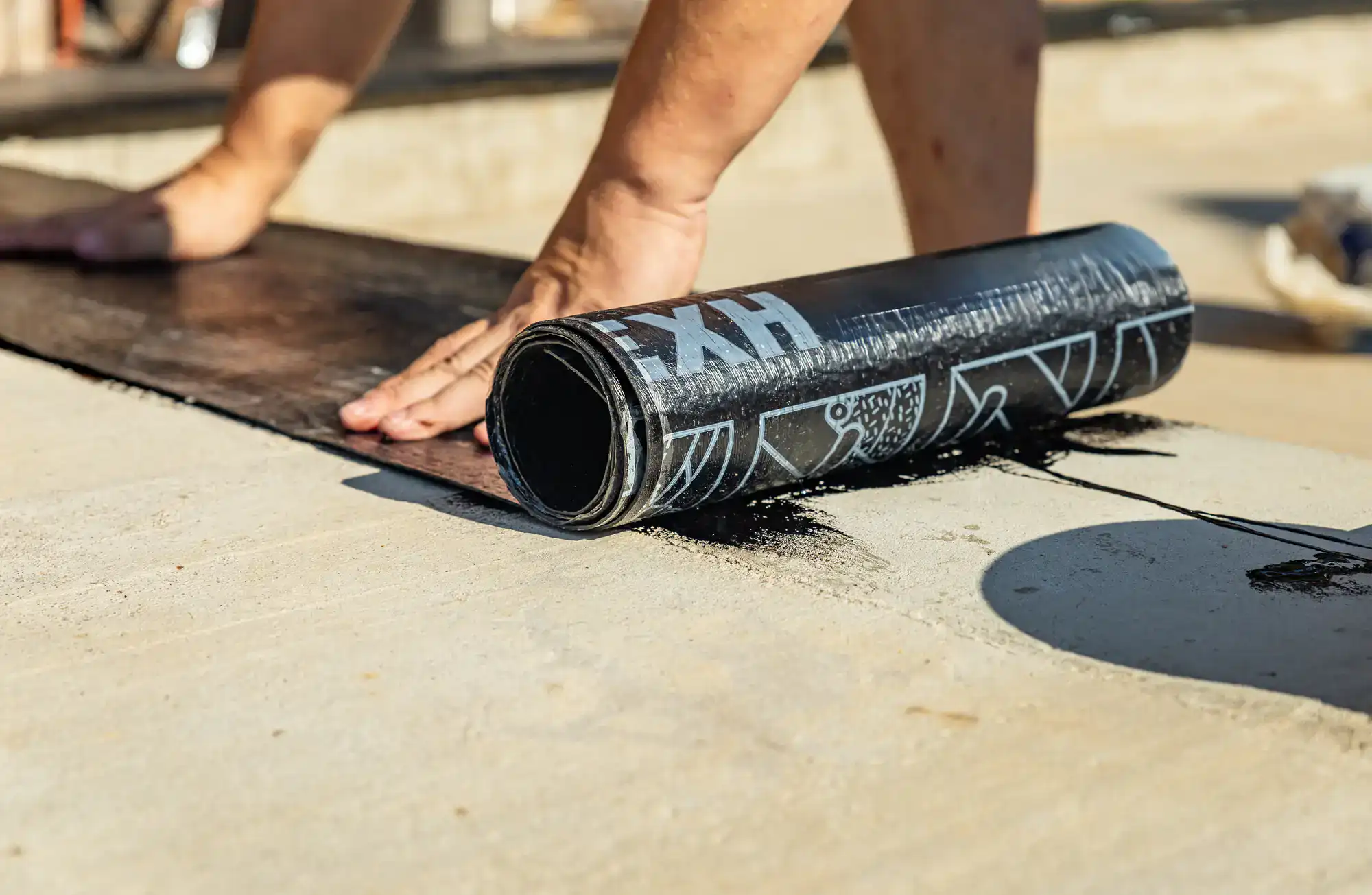
The process typically involves excavating the soil around the perimeter of your home down to the footing, applying a waterproof membrane or coating to the exposed foundation walls, installing a drainage board to redirect water away, and laying a perforated drain pipe at the base that channels groundwater away from the structure. It’s more involved than interior methods, but it treats the source of the problem rather than the symptom.
Exterior waterproofing is the most thorough approach available, and it’s worth understanding exactly what you’re signing up for before you commit. The work starts with excavation — our crews dig down alongside your foundation walls, sometimes six to eight feet deep depending on your home’s construction. This is why it’s not a weekend DIY project and why it costs more than interior methods. You’re moving a significant amount of earth.
Once the walls are exposed, any existing coating — often an old tar-based application that’s degraded over decades — is cleaned off. A new waterproof membrane is applied directly to the foundation wall. This might be a liquid-applied coating, a sheet membrane, or in some cases a bentonite clay product, depending on your soil conditions and the severity of the moisture problem. Over that goes a drainage board, sometimes called a dimple mat, which creates a channel for water to flow downward rather than pressing against the membrane.
At the base of the foundation, a perforated drain pipe — commonly called a French drain or drain tile — is installed to collect that water and route it away from your home. The excavated area is then backfilled and graded to direct surface water away from the structure as well.
The reason exterior waterproofing is considered the gold standard is simple: it stops water on the outside, before it ever contacts your foundation wall. That means no hydrostatic pressure building up against the concrete or block, no moisture working its way through cracks, and no guesswork about where it’s coming from. For homes throughout Montgomery County with older foundations — particularly the stone and brick construction common throughout the Main Line and older Norristown neighborhoods — exterior waterproofing is often the most appropriate long-term solution. Those original tar coatings applied decades ago weren’t built to last forever, and in many cases, they haven’t.
The honest trade-off is disruption and cost. Exterior waterproofing will affect your landscaping, and it takes longer than interior methods. But the protection it provides is comprehensive, and the long-term maintenance requirements are minimal compared to interior drainage systems.
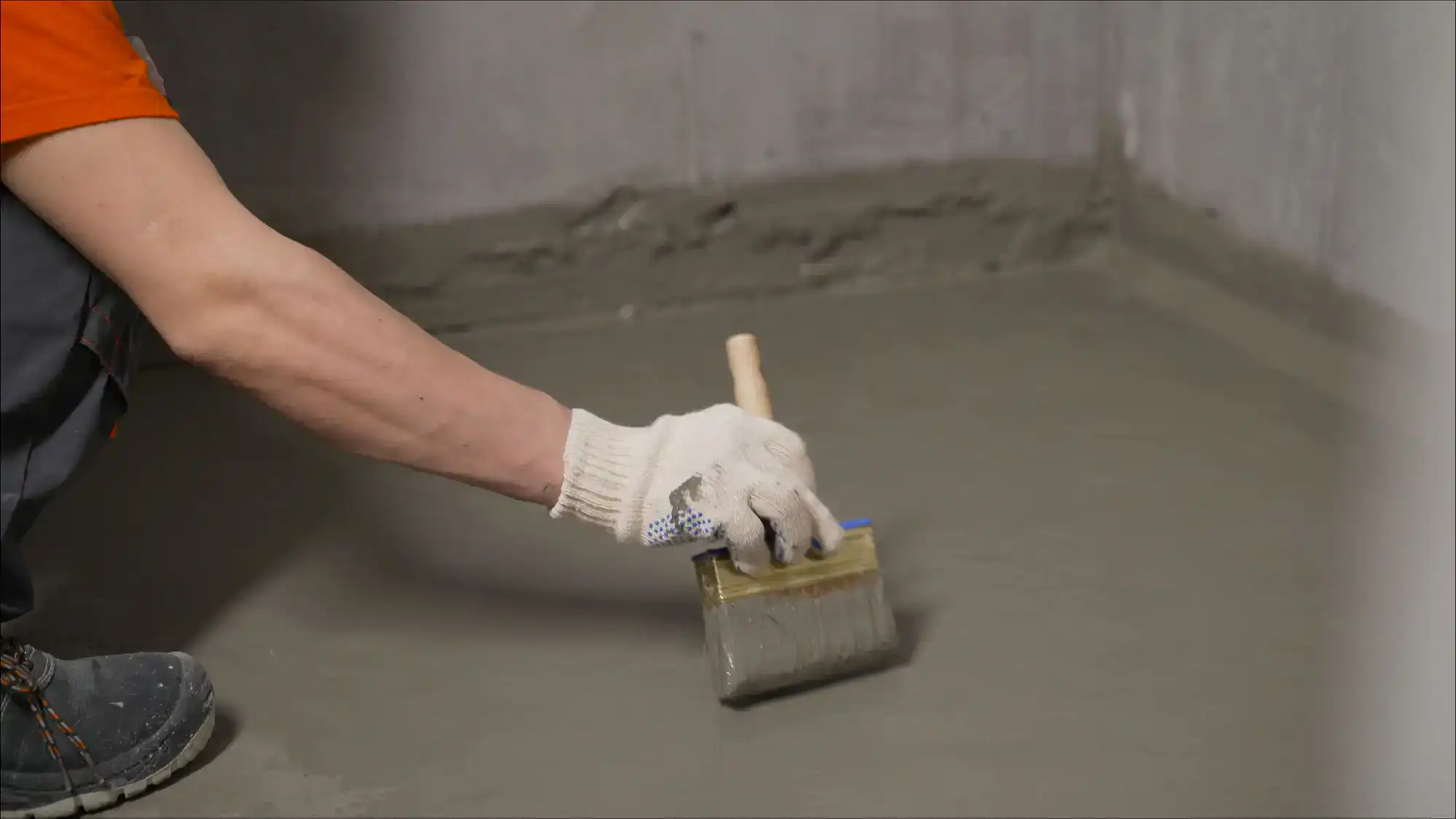
Basement sealing sits on the other end of the spectrum. It’s the application of waterproof coatings, sealants, or epoxy injections to the interior surfaces of your basement walls and floor. You’ve probably seen the products at hardware stores — waterproof paint, hydraulic cement, crystalline sealants. They’re marketed as straightforward solutions, and for certain situations, they genuinely are.
Where basement sealing works well is in cases of minor condensation or very low-level moisture vapor transmission. If your basement walls are slightly damp in summer due to humidity differences between the interior and exterior air, a quality sealant can help. If you have a hairline crack that’s letting in a small amount of moisture, an epoxy or polyurethane injection can seal it effectively.
Where basement sealing falls short is when hydrostatic pressure is the real problem. Hydrostatic pressure is what happens when the soil around your foundation becomes saturated — the water has nowhere to go except through any weakness it can find in your walls. That pressure can be substantial, and no surface coating applied from the inside is going to hold it back indefinitely. Water under pressure finds a way through. This is why homeowners who apply waterproof paint to a leaking basement wall often find themselves dealing with the same problem again within a season or two.
Montgomery County’s soil composition makes this particularly relevant. Much of the county sits on clay-heavy ground, and clay retains water. When it rains — and after Hurricane Ida dropped eight to ten inches on the region in a matter of hours in 2021, everyone here knows how hard it can rain — that clay holds the moisture against your foundation walls for days. That sustained pressure is exactly the scenario where interior sealants alone aren’t enough.
Interior waterproofing methods that go beyond simple sealing — like a perimeter drain tile system installed inside the basement floor, paired with a sump pump — are a different story. These systems don’t stop water from entering the wall, but they intercept it before it can cause damage and redirect it out of the home. They’re effective, they can be installed in a day or two, and they don’t require excavation. The trade-off is that the sump pump needs maintenance and eventual replacement, and the drainage channels need to be kept clear. It’s an ongoing system rather than a one-time fix.
Want live answers?
Connect with a EJS Environmental expert for fast, friendly support.
This is the question every Montgomery County homeowner eventually lands on, and the honest answer is: it depends on your specific situation. The method that’s right for a 1940s stone-foundation colonial on the Main Line isn’t necessarily right for a 1980s poured-concrete ranch in Lansdale. Soil conditions, water table depth, the severity and source of the intrusion, your budget, and what you plan to do with the space all factor in.
What we can tell you is that the contractor who pushes one method without a thorough inspection first is doing you a disservice. A proper diagnosis — figuring out whether water is entering through hydrostatic pressure, surface runoff, poor grading, or condensation — has to come before any solution is recommended. That’s where we start every assessment.
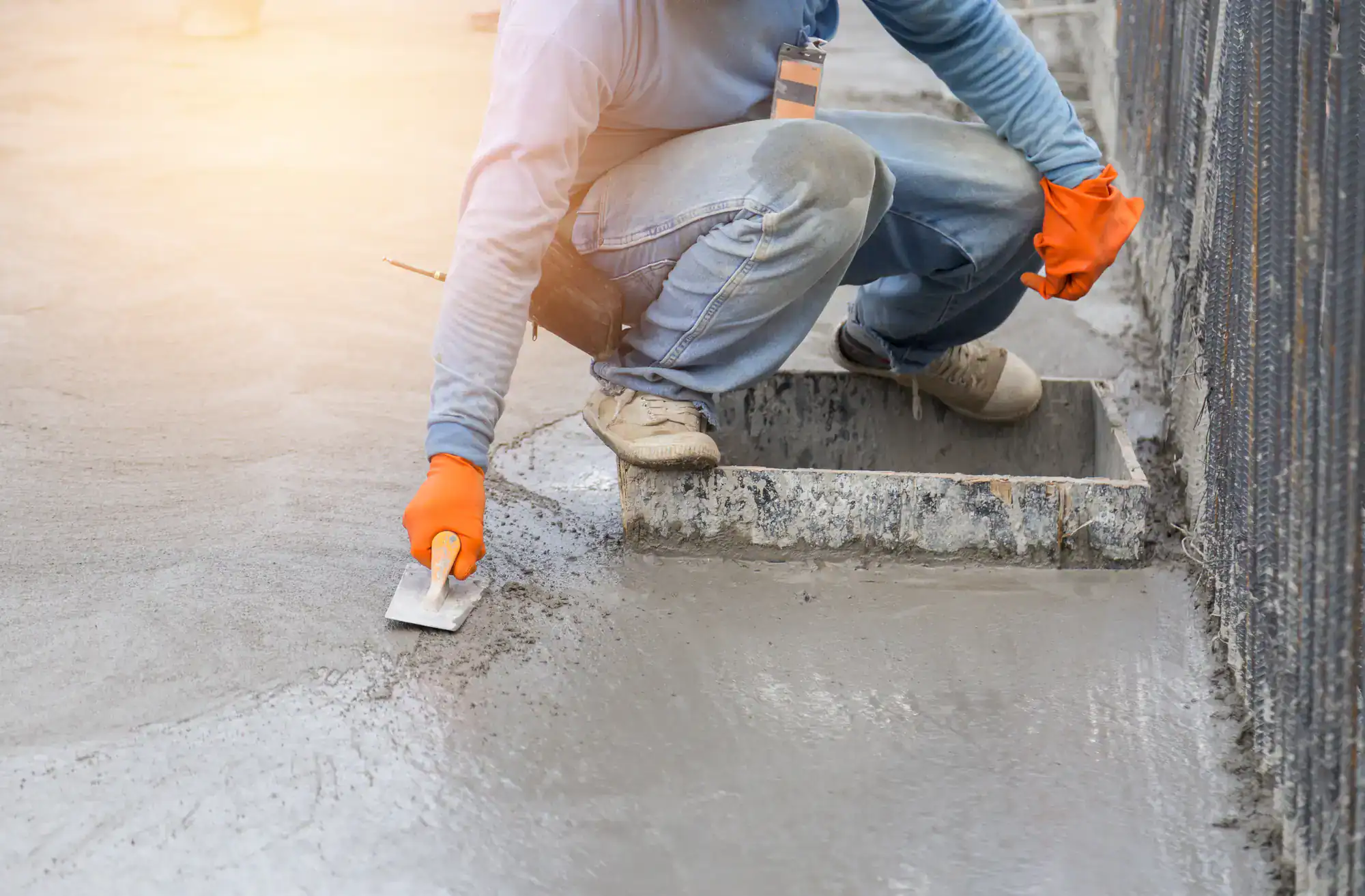
Exterior waterproofing makes the most sense when the problem is structural and the water source is groundwater pressing against your foundation from outside. If you’re seeing bowing or bulging walls, significant cracking in the foundation itself, or water intrusion that occurs even without heavy rain — just from a high water table — that’s a signal that the exterior approach is warranted. You’re dealing with sustained pressure, not just storm runoff.
It’s also the right call when you’re doing major renovations and the exterior is already being disturbed. If you’re adding an addition, replacing a driveway, or regrading your yard, that’s the moment to address the foundation from the outside. The excavation cost is partially absorbed by work that’s already happening.
Timing matters in another way, too. Exterior waterproofing is weather-dependent. You can’t excavate and apply membranes in frozen ground or during heavy rain. Spring and summer are the practical windows, though fall can work if you catch it early enough. Montgomery County’s winters are hard on foundations — freeze-thaw cycles expand existing cracks and open new ones — so addressing exterior issues before the ground freezes is worth prioritizing.
One thing that rarely gets mentioned in the standard contractor conversation: in older Montgomery County homes, exterior excavation can expose more than just wet concrete. Homes built before 1978 frequently have lead paint on interior walls and, in some cases, asbestos-containing materials in areas that waterproofing work might disturb. We’re a certified lead inspector and risk assessor, which means we’re equipped to handle those discoveries properly — not just flag them and walk away. That’s not something most waterproofing-only contractors can say.
Interior waterproofing — whether that’s a drain tile system, a sump pump installation, or targeted crack injection — is often the more practical choice when excavation isn’t feasible or when the problem is manageable and you need a faster, less disruptive solution.
If you have established landscaping you’d rather not tear up, a finished driveway or patio along the foundation perimeter, or a timeline that doesn’t allow for a multi-day exterior project, interior methods can absolutely get the job done. A properly installed interior drainage system with a quality sump pump is not a second-rate fix — it’s an effective, durable solution for a wide range of moisture problems. The key word is “properly installed.” A system that’s undersized for your home’s drainage needs, or installed without accounting for where the water is actually entering, won’t perform the way it should.
Interior work can also be done year-round, which matters in a county where spring flooding can arrive before exterior crews are available. After major weather events — the kind that send the Perkiomen Creek over its banks and leave basements throughout the watershed with standing water — the ability to get interior work scheduled quickly is a real advantage. We offer emergency response service and answer the phone around the clock, because water intrusion doesn’t wait for Monday morning.
The honest long-term cost picture is something most contractors skip over. Interior drainage systems cost less upfront and cause less disruption, but they require ongoing maintenance. Sump pump motors wear out — typically every seven to ten years — and the drainage channels need to be kept clear of debris. Exterior waterproofing costs more to install but has minimal maintenance requirements once it’s done. Neither answer is wrong; they’re just different financial commitments, and you should know that going in.
For homeowners who are about to finish your basement — converting it into living space — this decision becomes more urgent. Finishing a basement before addressing water intrusion is a mistake that tends to be expensive to undo. Get the waterproofing right first, then build the space you want.
The difference between foundation waterproofing and basement waterproofing comes down to where the problem starts and how you want to stop it. Exterior methods address water at the source. Interior systems manage water that gets through. Both work — when they’re the right tool for the job.
What makes the difference is an honest assessment from someone who isn’t financially committed to one answer. We offer both approaches because the goal is to fix your specific problem, not to sell you the method we happen to specialize in. That’s a rarer thing in this industry than it should be.
If your Montgomery County home has water finding its way in — whether you’re in Ardmore, Norristown, King of Prussia, or anywhere in between — EJS Environmental Services LLC is available to take a look, give you a straight answer, and provide a free estimate. No pressure, no guesswork, and no upselling you on work your home doesn’t need.
Summary:
Share: