Hiring the wrong contractor for lead paint or asbestos removal can cost you far more than the job itself. Here's what legitimate certification actually looks like.
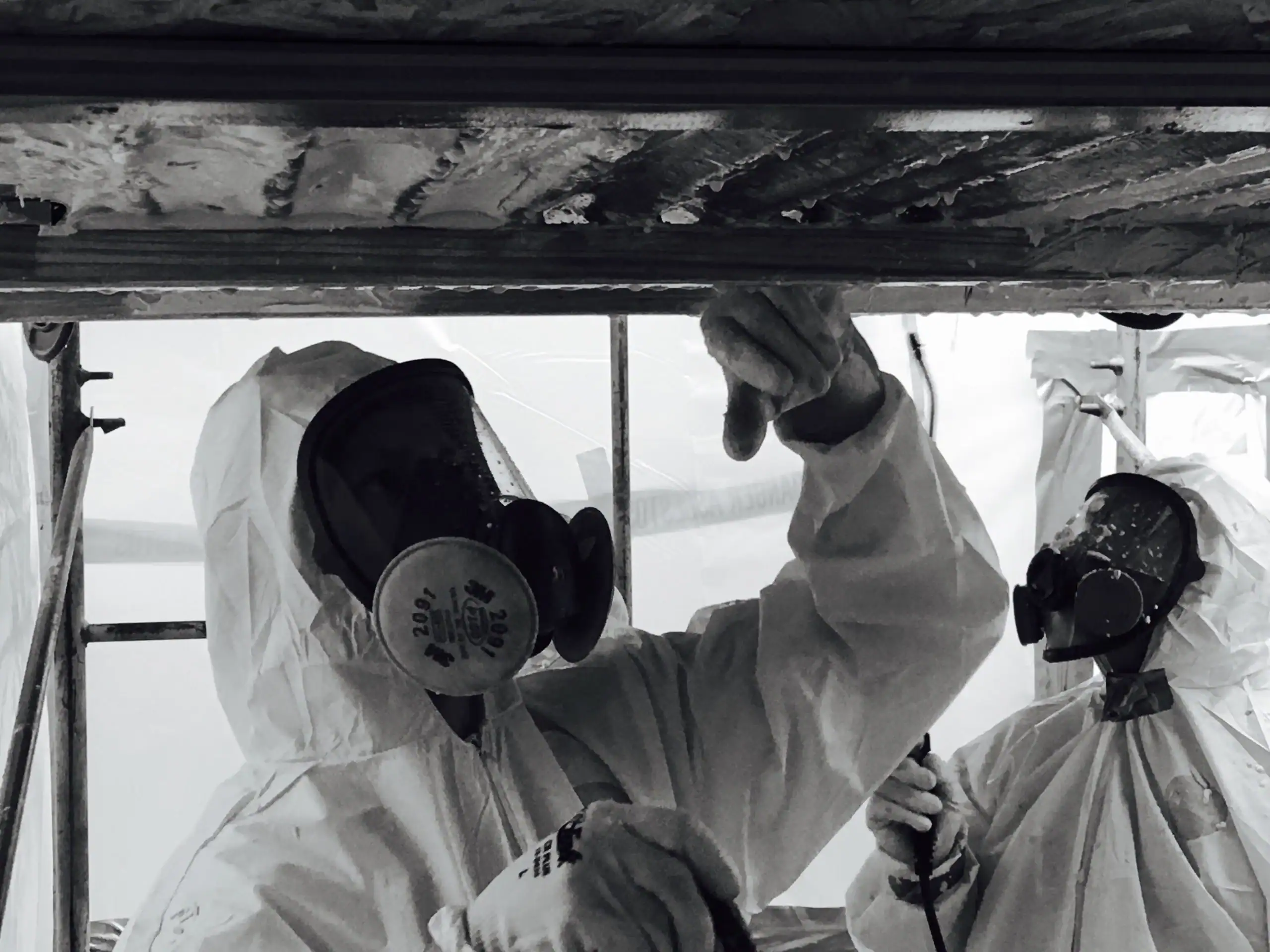
If you’ve just found out your home has lead paint or asbestos — or you’re about to start a renovation on a pre-1978 property in Montgomery County, PA — the first thing most people do is search for a contractor. The second thing they do is realize they have no idea how to tell a legitimate one from someone who just says they’re certified.
That confusion is completely understandable, and it’s also exactly what unlicensed contractors count on. We’ve put together this guide to lay out what real certification looks like, what insurance a legitimate contractor should carry, and why emergency availability matters more than most people realize until they actually need it.
There’s no single “asbestos removal certificate” that covers everything. Legitimate abatement work requires multiple layers of credentials — at the federal level, the state level, and at the firm level — and Pennsylvania has its own specific requirements that go beyond what the EPA mandates nationally.
Understanding those layers isn’t just academic. If a contractor skips one of them, the work they perform may be illegal, uninsured, and potentially more dangerous than leaving the materials in place. In Montgomery County, where a significant portion of the housing stock predates 1978, this comes up more often than most homeowners expect. We’ve worked on hundreds of properties across Norriton Township, Lower Merion, Lansdale, and Ambler where lead paint and asbestos were discovered during routine renovations or home sales.
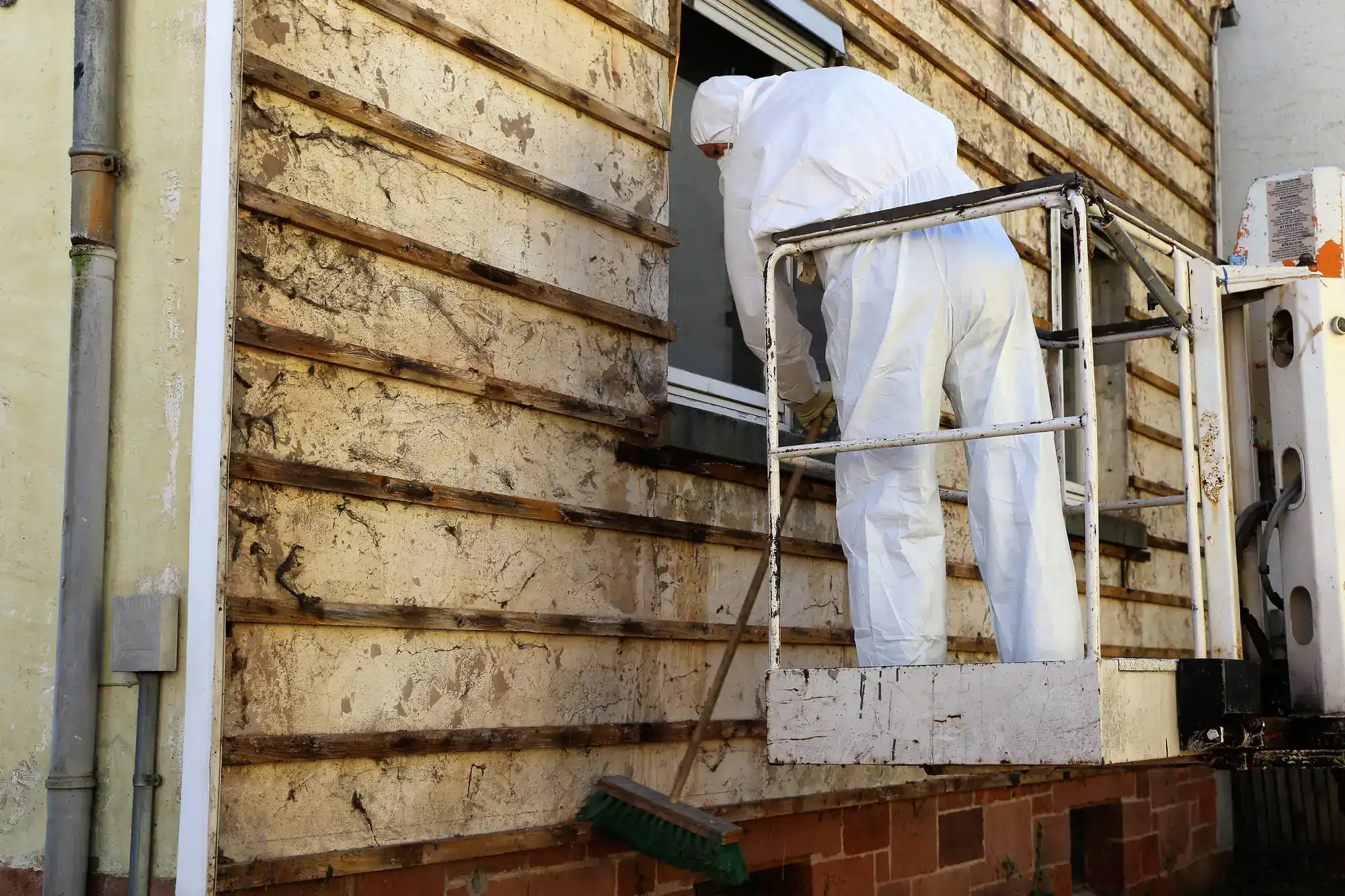
Most people ask about licensing. Fewer think to ask about insurance — and that’s a costly oversight. A contractor without the right insurance coverage doesn’t just put themselves at risk. They put you at risk.
General liability insurance is the baseline, but it’s not enough for asbestos work. A legitimate abatement contractor should also carry workers’ compensation insurance, which protects their employees if something goes wrong on your property, and Contractors Pollution Liability (CPL) insurance, which is a specialized policy that covers third-party bodily injury, property damage, and cleanup costs if hazardous materials spread beyond the work area during abatement. Most general contractors don’t carry CPL insurance because most general contractors don’t do abatement work. If a contractor can’t confirm they have it, that’s a serious red flag.
Why does this matter so much? Consider what happens when a water main breaks in an older Norristown row home, disturbs asbestos floor tiles, and a contractor without pollution liability handles the cleanup. What starts as a manageable remediation job can turn into a claim that exceeds the value of the home itself. We’ve seen cases in the industry where a $10,000 water damage situation became a $1 million liability problem because an uninsured contractor spread contamination beyond the original work area. That liability doesn’t disappear — it falls on whoever hired the contractor.
Professional liability insurance rounds out the picture. It protects against claims arising from errors or omissions in the abatement process itself. For any contractor doing inspection, testing, and remediation work, this coverage matters.
When you’re vetting any contractor for lead paint removal or asbestos abatement in Montgomery County, ask them directly: Do you carry general liability, workers’ comp, contractors pollution liability, and professional liability? A legitimate operation will have clear answers. We carry all four.
Not every asbestos situation gives you two weeks to plan. A burst pipe in an Ambler home built in the 1950s. A storm that damages an older ceiling in Lansdale. A pre-sale inspection that comes back with findings three days before closing in Lower Merion. These situations are real, they happen regularly in Montgomery County, and they require a contractor who can respond immediately without cutting corners on safety.
Pennsylvania law actually accounts for this. Standard asbestos abatement projects require at least five calendar days’ prior notification to the Pennsylvania Department of Labor and Industry before work begins. But for legitimate emergency abatement projects, that requirement drops to one business day. That distinction exists precisely because regulators understand that hazardous material situations don’t always wait for normal timelines.
What doesn’t change in an emergency is the safety protocol. Containment areas still need to be established. Negative air pressure systems and HEPA filtration still need to run. Materials still need to be bagged, labeled, and transported to a licensed disposal facility. Post-abatement clearance testing still needs to happen. The difference between emergency abatement and standard abatement is response time — not the quality or legality of the work itself.
This is why we offer 24/7 availability. When you’re dealing with asbestos exposed by water damage at 10 PM on a Sunday, or when a real estate transaction is on the line and the clock is running, you need someone who picks up the phone and can mobilize quickly. We can respond to emergency situations because the moments that create the most urgency are also the ones where cutting corners is most tempting — and most dangerous.
If you’re in a time-sensitive situation in Montgomery County, the worst thing you can do is hire whoever responds fastest without checking credentials. Speed matters, but not more than certification, insurance, and a documented process.
Want live answers?
Connect with a EJS Environmental expert for fast, friendly support.
Pennsylvania doesn’t just follow federal EPA guidelines for asbestos work — the state has its own certification law that applies independently. Under the Pennsylvania Asbestos Occupations Accreditation and Certification Act, it is illegal for anyone to perform asbestos abatement work in the Commonwealth without certification from the Pennsylvania Department of Labor and Industry. That applies to individual workers, supervisors, inspectors, project designers, and the contracting firm itself.
This isn’t a technicality. It’s a meaningful legal distinction that affects your liability as a property owner. If you hire an uncertified contractor and something goes wrong, you don’t have a lot of places to hide. The law puts the responsibility on everyone in the chain.
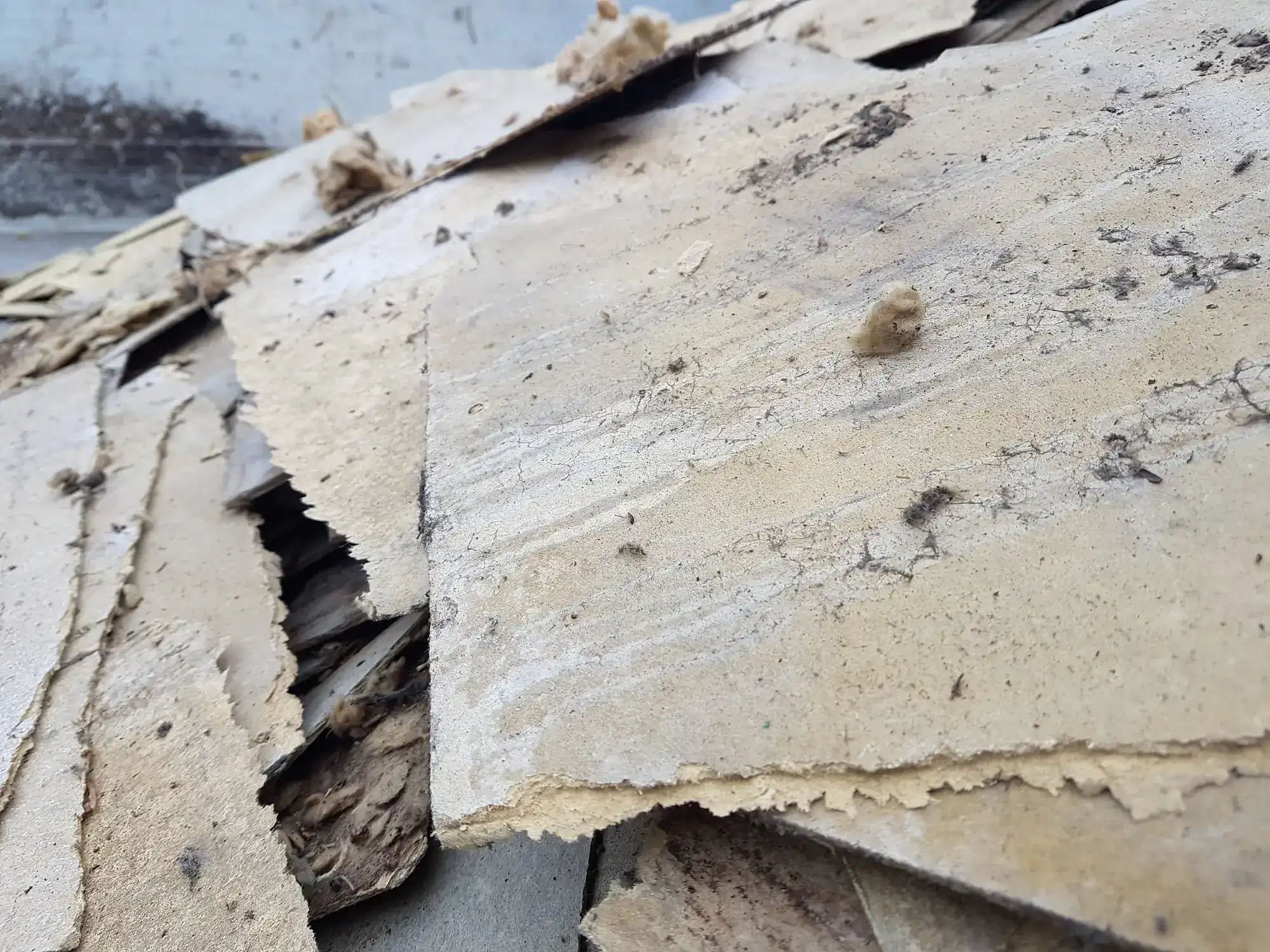
Federal EPA certification and Pennsylvania DLI certification are not the same thing, and a contractor who has one doesn’t automatically have the other.
At the federal level, the EPA requires contractors performing renovation, repair, or painting work that disturbs paint in pre-1978 homes to hold EPA Lead-Safe Certification under the Renovation, Repair, and Painting Rule — commonly called the RRP Rule. This is the baseline credential most renovation contractors are familiar with. It covers lead-safe work practices during renovation, but it does not authorize full lead abatement work. For that, a separate, higher-level EPA abatement certification is required, covering specific roles: Lead Inspector, Risk Assessor, Abatement Supervisor, Abatement Worker, and Project Designer.
Pennsylvania is an EPA-authorized state for lead abatement programs, which means contractors working in PA must meet state-specific requirements rather than applying directly to the EPA for firm certification. For asbestos, the Pennsylvania Department of Labor and Industry administers its own certification program under Act 194 and Act 161, which were enacted in 1990 and took effect in 1991. Every individual performing asbestos abatement work in Pennsylvania — and the firm employing them — must hold current DLI certification.
For homeowners in Montgomery County dealing with lead paint removal or asbestos abatement, the practical takeaway is straightforward: ask any contractor you’re considering to confirm both their federal credentials and their Pennsylvania DLI certification. Ask for specific certification types, not just a general “yes, we’re certified.” A legitimate contractor will have no hesitation providing that information. We hold both the federal EPA credentials — including the Certified Lead Inspector and Risk Assessor designation — and full Pennsylvania DLI certification for asbestos abatement work.
Montgomery County is the third-largest county in Pennsylvania by population, and a significant share of its housing stock was built before 1978. That’s not a generalization — it’s a structural reality in communities like Norristown, Ambler, Lansdale, Cheltenham, Abington, Jenkintown, and across much of the Main Line. Victorian-era homes in Lower Merion, mid-century Cape Cods in Hatboro, older row homes in Conshohocken — these properties carry real lead paint and asbestos risk, and the owners of those homes deal with it constantly during renovations, sales, and repairs.
In October 2024, Montgomery County received a $1.8 million HUD grant specifically for lead hazard control. That funding reflects a recognized, ongoing public health priority in this county. HUD-funded lead abatement projects have their own compliance requirements that go beyond standard EPA certification, including specific documentation, clearance testing, and reporting standards. We work on HUD-funded projects regularly and understand those requirements in detail.
Ambler deserves a specific mention. The borough has a well-documented history of industrial asbestos contamination, and awareness of asbestos risk runs higher there than in most communities. If you own or are purchasing property in Ambler, the question isn’t whether asbestos is a concern — it’s whether the contractor you’re considering has the credentials and experience to handle it properly.
Montgomery County’s active real estate market also creates a steady stream of transaction-driven abatement situations. Sellers face mandatory lead paint disclosure requirements for pre-1978 homes. Buyers request abatement as a condition of sale. Lenders require HUD compliance documentation. These situations need a contractor who understands the full regulatory picture, not just the removal process — and who can provide the written abatement reports and clearance testing documentation that transactions require.
The short version: verify credentials before you commit to anyone. Ask for specific certification types — not just “we’re licensed.” Confirm they carry contractors pollution liability insurance, not just general liability. Make sure the firm itself is certified, not just the individual showing up at your door. And if you’re dealing with an urgent situation, make sure they can actually respond when you need them.
We’ve been doing this work in Montgomery County and the surrounding area for two decades. We hold EPA and HUD-compliant certifications including the Certified Lead Inspector and Risk Assessor designation, full Pennsylvania DLI certification for asbestos abatement, and the complete insurance stack that legitimate abatement work requires. We offer free estimates, 24/7 emergency availability, and a one-stop approach that handles everything from initial testing through final clearance — so you’re not coordinating multiple contractors through an already stressful situation.
If you have questions or need to talk through what your specific situation requires, reach out to us directly. We’ll give you a straight answer.
Summary:
Article details:
Share: