Not sure what happens during a professional mold inspection? Here's what the process actually looks like — and why it's worth doing right the first time.
You noticed something. Maybe it’s a smell in the basement that wasn’t there last winter. Maybe it’s black stuff creeping along the grout in your shower that keeps coming back no matter how many times you scrub it. Maybe your family has been dealing with sniffles and headaches that nobody can quite explain.
Whatever brought you here, the question is the same: do you actually have a mold problem, and how bad is it?
A professional mold inspection gives you a real answer — not a guess, not a worst-case scenario, not a sales pitch. Here’s exactly what the process looks like and what you should expect from start to finish.
Most people picture a mold inspection as someone walking around with a flashlight looking for dark spots. The reality is a lot more involved than that — and that’s a good thing, because the mold you can see is almost never the whole story.
A thorough inspection starts with a conversation. We ask about the history of your property: any past flooding, recent leaks, water stains, condensation issues, or spots where the smell seems strongest. That context matters. It tells us where to focus and what we’re likely to find.
From there, we move through your property systematically — using moisture meters to measure what’s happening inside walls and floors, thermal imaging to detect temperature differences that indicate hidden moisture, and air sampling to capture what’s actually circulating through the space. Samples go to an accredited laboratory for analysis, and the results come back as a written report with specific findings, mold types identified, contamination levels, and a clear picture of what remediation — if any — is needed.

This is one of the most common questions we get, and it deserves a straight answer. The black or dark-colored mold you see on shower grout, caulk lines, or tile is usually not the infamous Stachybotrys chartarum — the species most people associate with “toxic black mold.” The most common culprits in bathrooms are Cladosporium and Aspergillus, which are far less acutely toxic. That said, “less toxic” doesn’t mean harmless, and it definitely doesn’t mean you should ignore it.
Here’s the real concern with shower mold: if it keeps coming back after you clean it, that’s not a surface problem. That’s a moisture problem. Grout and caulk are porous. When water is consistently moving through the wall assembly — whether from a slow leak behind the tile, inadequate ventilation, or degraded waterproofing — mold doesn’t just sit on the surface. It grows into the material. What you see on the grout line may be the smallest part of what’s actually there.
In older Montgomery County homes — particularly the stone-foundation colonials and early 20th-century properties throughout Lower Merion, Bryn Mawr, and Narberth — bathroom walls were often built without the moisture barriers that are standard today. That means water has had decades to find its way in, and mold has had time to establish itself well behind what you can see.
When we inspect a home in Montgomery County, we determine whether you’re dealing with a cosmetic surface issue or something that’s worked its way into the wall cavity. That distinction changes everything about what the remediation looks like, how much it costs, and whether the problem is likely to come back. Cleaning the grout again is not the answer if the moisture source hasn’t been addressed. Finding that source — and fixing it — is the only way to stop the cycle.
Mold doesn’t always announce itself visually. Sometimes the first sign is physical — and it’s easy to mistake for allergies, a seasonal cold, or just feeling run down.
The most common symptoms of mold exposure are respiratory: coughing, wheezing, nasal congestion, throat irritation, and worsened asthma. Eye and skin irritation are also common, especially with prolonged exposure. Some people report headaches and fatigue that they can’t tie to any obvious cause. The tell-tale sign that often gets overlooked is this: symptoms that improve when you leave the house and return when you come back. That pattern is worth paying attention to.
Children under five, adults over sixty-five, and anyone with asthma, allergies, or a compromised immune system are more vulnerable to serious reactions. But even in otherwise healthy adults, sustained mold exposure in an enclosed living space isn’t something the body just shrugs off.
It’s also worth thinking beyond health. Mold feeds on organic building materials — drywall, wood framing, insulation. Left unchecked, it doesn’t just affect air quality; it compromises the structural integrity of the home itself. In a Montgomery County market where median home values are high and the housing stock in communities like Ardmore, Wynnewood, and Jenkintown carries real historical and financial weight, the cost of ignoring a mold problem compounds quickly. Early detection through a professional inspection is almost always far less expensive than dealing with the damage after months or years of unchecked growth.
The bottom line: if something feels off in your home — a smell, a symptom, a stain — getting a professional assessment is the fastest way to know whether you’re dealing with something minor or something that needs immediate attention.
Want live answers?
Connect with a EJS Environmental expert for fast, friendly support.
The honest answer is: it depends on the species, the concentration, how long you’ve been exposed, and your individual sensitivity. Mold exists on a spectrum, and not every situation is a health emergency. But here’s what’s true across the board — any mold growth inside a home means there’s an active moisture problem. And active moisture problems don’t stay the same size. They grow.
The danger isn’t always immediate. It’s cumulative. A small mold colony in a finished basement in Lansdale or a crawlspace in Horsham can spread significantly over a single humid Pennsylvania summer. The longer it goes unaddressed, the more it costs to fix and the more exposure accumulates for the people living in the space.
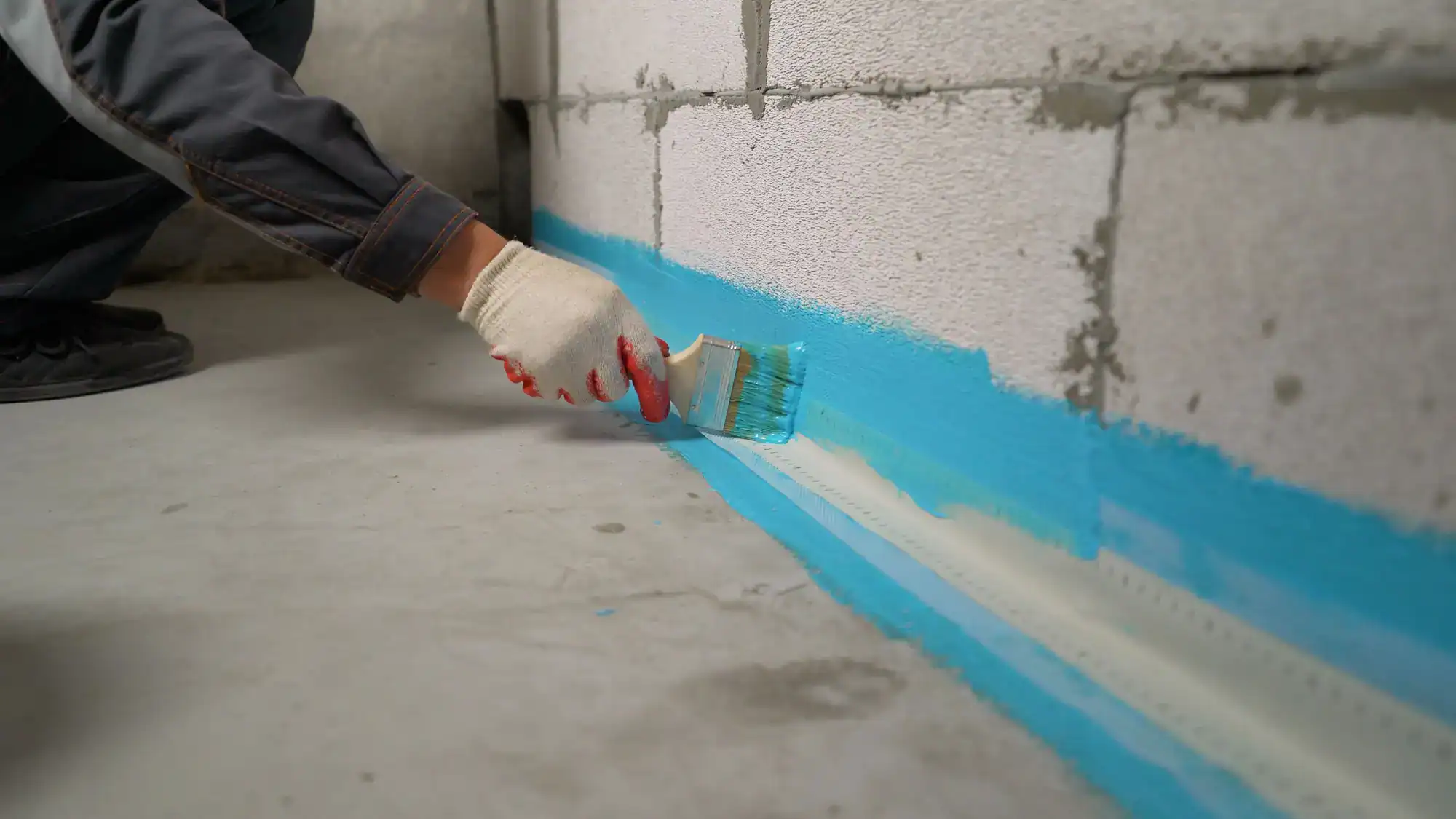
Montgomery County has a particular combination of factors that make mold a more common problem here than in drier or newer housing markets. The summers are hot and muggy — consistently in the mid-to-upper 80s with significant humidity — which creates ideal conditions for mold to grow and spread. Pennsylvania has also seen increased precipitation in recent years, which means more moisture is finding its way into foundations, basements, and crawlspaces than in previous decades.
Then there’s the housing stock. The Main Line communities — Lower Merion, Haverford, Narberth, Bryn Mawr — are full of homes built in the early 1900s and even earlier, with stone or brick foundations, original plumbing, and construction methods that predate modern moisture barriers. These are beautiful, valuable properties, and they’re also among the most mold-prone in the region. Post-war developments throughout Lansdale, Blue Bell, and Hatboro have their own challenges: aging infrastructure, finished basements that hide moisture behind drywall and carpeting, and HVAC systems that have been circulating air — and potentially spores — for fifty or sixty years.
The flood-prone corridors along the Wissahickon Creek, Perkiomen Creek, and Schuylkill River tributaries add another layer of risk. Communities like Norriton, Conshohocken, Collegeville, and Royersford have seen repeated water events over the years, and post-flood mold is a near-certainty when water sits in a finished space for any length of time. Mold can begin growing within 24 to 48 hours of water exposure — which means the window between a flooding event and a mold problem is shorter than most homeowners expect.
Understanding your home’s specific risk profile is part of what we provide during a thorough inspection. It’s not just about finding mold that’s already there — it’s about understanding where your home is vulnerable so you can address it before the next wet summer or the next heavy rain event along the Perkiomen.
This is one of the most important questions to understand before you’re in the middle of a mold situation — because the answer is more complicated than most homeowners expect, and the timing of what you do matters.
Standard homeowners insurance policies in Pennsylvania do not typically cover mold remediation. The general rule is that insurance covers sudden, accidental events — a burst pipe, a water heater that fails overnight, an appliance overflow. If mold results directly from one of those covered events, there’s a reasonable chance some portion of the remediation cost will be covered. But most policies cap mold coverage at $5,000 to $10,000, which often falls well short of actual remediation costs depending on the extent of the damage.
What’s almost never covered: mold from slow leaks, gradual moisture buildup, deferred maintenance, or flooding. Standard policies don’t cover flood damage at all — that requires separate flood insurance through FEMA’s National Flood Insurance Program, and even that may not extend to mold remediation. For homeowners in flood-prone areas of Montgomery County — along the Wissahickon corridor in Whitpain Township, or in lower-lying sections of Norriton and Conshohocken — this is worth understanding clearly before a water event happens.
Here’s where professional documentation becomes critical. If you have any legitimate basis for a mold claim, what insurance adjusters actually need is a paper trail: photographs, moisture meter readings, air sampling results, a written report from a licensed inspector, and a clear connection between the mold and the covered event. A professional inspection report creates that record. Without it, a claim is difficult to support regardless of the underlying facts.
We’ve worked with insurance companies on applicable claims throughout Montgomery County, and the cases that move forward are the ones where the documentation is thorough and the timeline is clear. Getting a professional inspection done promptly after a water event — not weeks later — is the single most important thing you can do to preserve your options.
If you’ve noticed a persistent musty smell, visible mold growth that keeps returning, unexplained health symptoms in your household, or any recent water damage — those are all reasons to get a professional assessment. Not because every situation turns into a major remediation project, but because knowing what you’re actually dealing with is the only way to make a smart decision about what to do next.
The homes throughout Montgomery County — from the historic Main Line to the post-war neighborhoods in the county’s interior — carry real moisture risk, and that risk doesn’t resolve itself. Catching a problem early almost always means a smaller, less expensive fix. Waiting almost always means the opposite.
We at EJS Environmental Services LLC have been handling mold inspections, testing, and remediation across Montgomery County for two decades. If you’re ready for a straight answer about what’s going on in your home, reach out for a free estimate — we’re available around the clock, including for emergency situations.
Summary:
Article details:
Share: