Black mold looks bad — but the real danger might be in how you handle it. Here's what every Montgomery County homeowner needs to know before touching it.
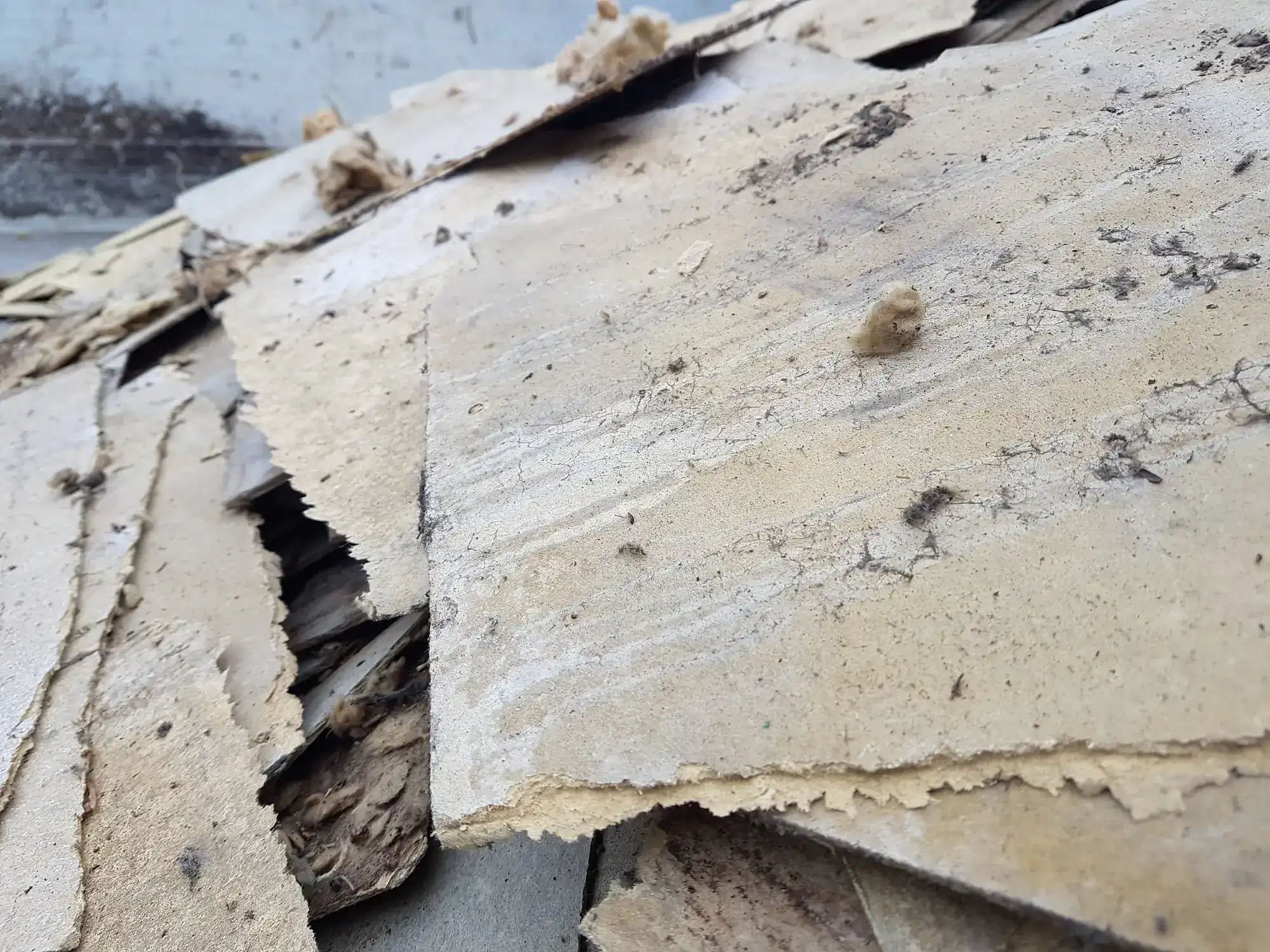
You noticed something dark and fuzzy in the corner of your basement, behind the bathroom vanity, or creeping along the ceiling of your Ambler crawl space. Maybe it’s been there a while. Maybe you just found it this morning. Either way, your first thought was probably: *can I just clean this myself?*
It’s a fair question — and the honest answer is more complicated than most websites will tell you. Before you reach for the bleach or call the first company you find, it helps to understand what black mold actually does to your body, why cleaning it the wrong way can make things significantly worse, and what a proper remediation actually looks like. That’s what we’re covering here.
Not every mold is created equal, but the CDC’s guidance is consistent: all indoor mold should be removed, regardless of species. That said, Stachybotrys chartarum — what most people mean when they say “black mold” — produces mycotoxins that can cause real health problems, especially with repeated or prolonged exposure.
The most common effects show up in the respiratory system first. Coughing, wheezing, nasal congestion, chest tightness, and a persistent sore throat are all typical complaints. People with asthma or existing allergies tend to feel it faster and harder. According to research from the EPA and Lawrence Berkeley National Laboratory, approximately 4.6 million asthma cases in the U.S. are directly attributable to dampness and mold exposure in the home. That’s not a fringe statistic — that’s a significant public health problem hiding in basements and behind drywall across the country.
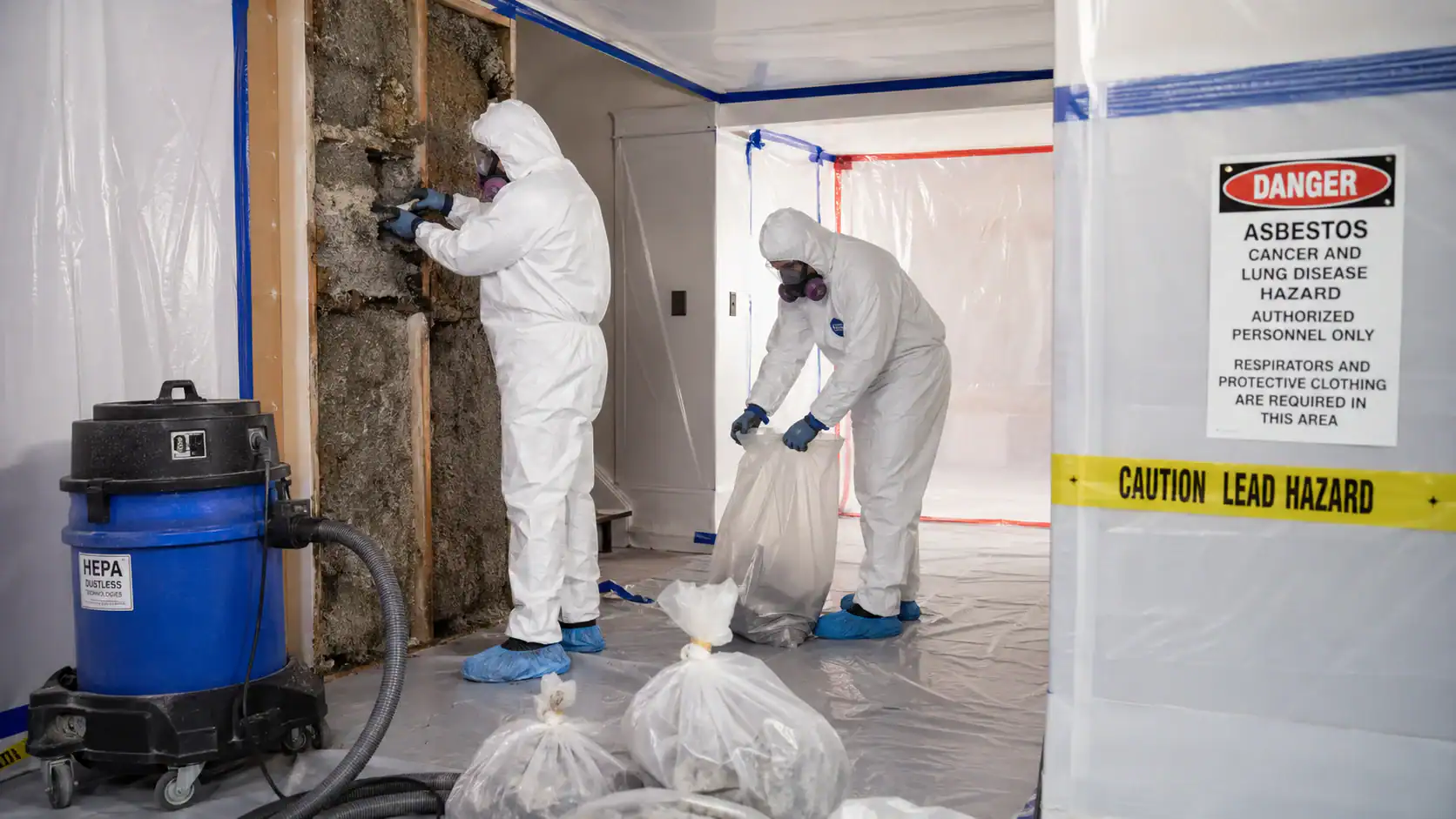
For healthy adults in good shape, mold exposure might show up as a nagging cough or some extra congestion that’s easy to chalk up to seasonal allergies. For children, elderly family members, and anyone with a compromised immune system, the picture can look very different.
Infants exposed to mold in their first year of life have nearly three times the risk of developing asthma compared to those who aren’t. That’s a meaningful number when you consider how many older homes throughout Montgomery County — the stone-foundation colonials in Norriton Township, the mid-century split-levels in Horsham, the Victorian-era rowhouses in Pottstown — have basements that quietly accumulate moisture season after season without anyone realizing it.
Allergic reactions to mold can range from sneezing and itchy eyes to full-blown skin rashes. People with chronic sinusitis are often surprised to learn that mold may be a contributing factor — a Mayo Clinic study attributed 93% of chronic sinus infections to mold. If someone in your household has been dealing with unexplained sinus issues, frequent headaches, or a cough that just won’t quit, the indoor air quality in your home is worth a serious look.
The danger isn’t always dramatic or immediate. That’s actually part of what makes black mold so easy to underestimate. You don’t necessarily feel sick the first time you’re exposed. The effects tend to build gradually, which is why so many people live with symptoms for months before connecting them to what’s growing in their basement.
Most mold-related content stops at respiratory symptoms. That’s where the conversation usually ends. But the National Institute of Environmental Health Sciences has documented a broader picture of what prolonged mold exposure can do — and it extends well beyond your lungs.
Extended exposure to mold and mycotoxins has been linked to neurological effects including brain fog, short-term memory loss, dizziness, blurred vision, and ringing in the ears. These aren’t rare edge cases — they’re documented outcomes associated with living in a home with a serious, unaddressed mold problem. NIEHS research has also connected long-term mold exposure to increased rates of depression, anxiety, and chronic stress in both adults and children. The indoor environment you spend the most time in has a measurable effect on how you think and feel, not just how you breathe.
Chronic respiratory conditions are another concern. Hypersensitivity pneumonitis — an inflammatory lung condition triggered by repeated exposure to organic dust, including mold spores — can develop in people who’ve been exposed over a long period. For anyone with existing COPD or asthma, ongoing mold exposure can accelerate the progression of those conditions in ways that are difficult to reverse.
Here’s the part that often surprises people: the severity of these effects doesn’t always correlate with how much mold you can see. Mold grows inside walls, under flooring, in HVAC ductwork, and in attic insulation. The visible patch in the corner is sometimes the smallest part of the problem. Homes along the Schuylkill River corridor in Montgomery County — Norriton Township, Conshohocken, Pottstown — that have experienced any basement flooding are particularly susceptible to hidden mold growth that started behind drywall and spread quietly for months before anyone noticed.
The takeaway isn’t that you should panic. It’s that you should take it seriously, get it properly assessed, and not assume that what you can see is all there is.
Want live answers?
Connect with a EJS Environmental expert for fast, friendly support.
This is the part most articles skip over, and it’s the most practically important thing on this page. Cleaning black mold without proper containment doesn’t just fail to solve the problem — it often creates a bigger one.
When mold is disturbed without professional containment and HEPA filtration in place, airborne spore counts can spike anywhere from 10 to 1,000 times above normal levels. Those spores travel through your home’s air, land on new surfaces, and start new colonies in areas that were previously clean. What started as a basement problem can become a first-floor problem within hours of an aggressive DIY cleaning session.
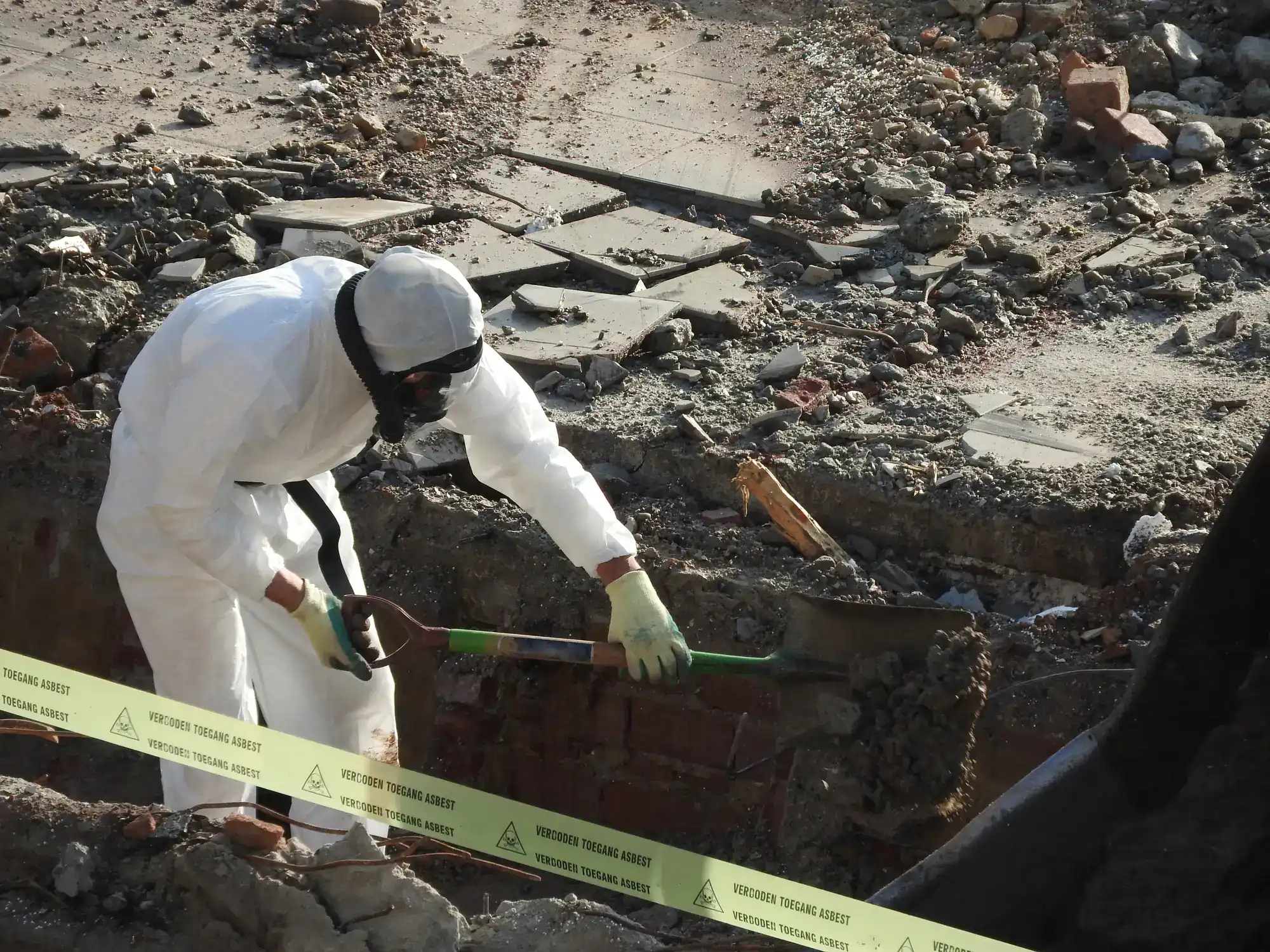
Bleach is the first thing most people reach for, and it makes intuitive sense — bleach kills germs, so it should kill mold. On non-porous surfaces like ceramic tile or glass, that logic holds. On porous materials like drywall, wood framing, and insulation — which is where black mold most commonly takes hold — bleach only penetrates about 1/16 of an inch into the surface.
That’s enough to kill the mold you can see and temporarily remove the discoloration. But the mold’s root structure, called hyphae, lives deeper in the material. It survives the bleach, and within a few weeks, the surface growth returns. This is why so many Montgomery County homeowners find themselves scrubbing the same patch of wall every few months without ever actually solving the problem. The mold isn’t coming back — it never left.
Professional remediation handles porous materials differently. Contaminated drywall, insulation, and similar materials are physically removed and properly disposed of rather than cleaned in place, because cleaning isn’t enough. Semi-porous materials like wood framing can sometimes be treated using abrasive methods and antimicrobial agents, but only after the moisture source driving the growth has been identified and fixed. That last part matters more than most people realize. No remediation is complete — or lasting — if the underlying moisture problem is still active.
In older homes throughout Montgomery County, that moisture source is often a failing foundation waterproofing system, a slow plumbing leak inside a wall, or inadequate drainage around the home’s perimeter. These aren’t problems bleach was ever going to solve.
A legitimate mold remediation job isn’t a spray-and-walk-away service. It follows a specific sequence designed to contain the problem, remove it completely, and verify that the work was done.
It starts with a proper inspection — not just a visual scan, but moisture readings, air sampling where appropriate, and an assessment of the full scope of contamination, including what might be hidden behind walls or under flooring. From there, the affected area is sealed off with plastic sheeting and put under negative air pressure so that spores disturbed during the work can’t migrate to other parts of your home. HEPA-filtered air machines run continuously throughout the job, capturing particles down to 0.3 microns — far smaller than the naked eye can detect.
Contaminated porous materials come out. Salvageable surfaces get treated. And when the work is complete, post-remediation air testing confirms that spore counts have returned to acceptable levels before containment comes down. That final clearance test is what separates a professional job from a guess.
For homeowners in communities like Ambler, Horsham, Bryn Mawr, or Berwyn — where a significant portion of the housing stock predates 1980 — there’s an added layer to consider. Older homes frequently contain asbestos in insulation, floor tiles, and pipe wrapping. When mold remediation requires opening walls or removing materials in a pre-1980 home, the potential for asbestos disturbance is real. Having a contractor who is federally licensed for both mold remediation and asbestos abatement means you don’t have to stop the job, find a second company, and coordinate a handoff. We handle both, which matters more than it might seem when you’re in the middle of a remediation and something unexpected turns up.
We also offer professional waterproofing services, because mold remediation without addressing the moisture source is a temporary fix at best. If your basement in Lansdale or King of Prussia keeps getting wet every spring, the mold will return — guaranteed — unless the water intrusion is resolved at the same time.
Finding mold in your home doesn’t have to turn into a crisis — but it does deserve a serious response. The health effects are real, the financial stakes are significant, and the window for preventing a small problem from becoming a large one is shorter than most people expect. Mold can begin growing within 24 to 48 hours of water exposure, which means delays rarely work in your favor.
Don’t try to clean it yourself before you understand the full scope of what you’re dealing with. Get a professional assessment first. If the mold is in a porous material, if it covers more than a small surface area, or if you have any reason to suspect it’s been growing for a while, professional remediation is almost certainly the right call — both for your health and for your home’s value.
We’re based in Willow Grove and have been serving Montgomery County and the surrounding region for over twenty years. We offer free estimates, 24/7 availability for urgent situations, and a one-stop approach that covers mold testing, remediation, waterproofing, and asbestos abatement under one roof. If you found something in your home tonight and you’re not sure what to do next, you don’t have to wait until Monday morning to get answers.
Summary:
Share: