Hear from Our Customers
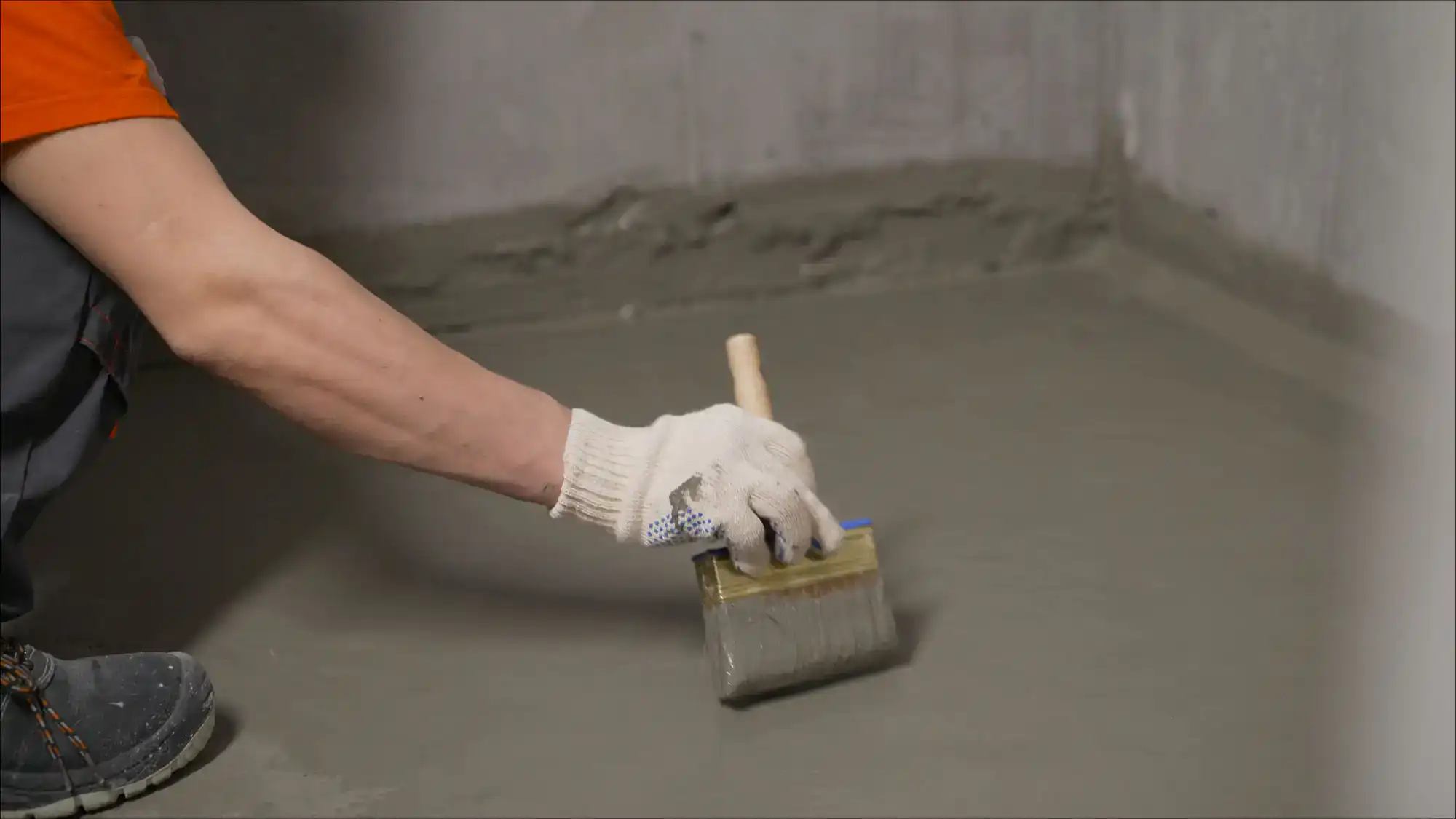
Water in your basement isn’t just inconvenient — in a home worth $800,000 or more, it’s a direct threat to your equity. Wynnewood’s housing stock is dominated by stone Colonials and Tudor-style homes built between the 1920s and 1950s. Those foundations were never designed to handle a century of freeze-thaw cycles, clay soil expansion, and modern storm runoff. When the cracks form and the water finds its way in, it doesn’t stop on its own.
A properly waterproofed basement changes what that space can be. No more avoiding the lower level after a storm. No more dehumidifiers running constantly. No more wondering whether the musty smell is just dampness or something worse. The fix creates a stable, dry environment that stays that way — not just until the next heavy rain.
Wynnewood’s clay-heavy soils retain moisture for days after a storm, keeping hydrostatic pressure against your foundation walls long after the sun comes back out. FEMA expanded its flood insurance maps for Lower Merion Township in 2016 specifically because of how water moves through this area. If your basement has been damp for years, that’s not a coincidence — it’s geology. And it’s fixable.
We’ve been working in the greater Philadelphia region for over 20 years, serving homeowners across Montgomery County, Delaware County, and beyond. Wynnewood sits across both — Lower Merion Township on one side, Haverford Township on the other — and we’re licensed and active in both counties. That dual-jurisdiction experience isn’t something every contractor brings to the table.
What makes us different isn’t a tagline. It’s the scope. Most waterproofing companies stop at the water. We’re a full environmental hazard abatement company, which means if your decades-old Wynnewood basement also has mold, lead paint exposure, or other hazardous materials hiding behind the moisture problem, we handle that too. One contractor, one call, no handoffs.
We’re fully licensed, bonded, and insured, EPA and HUD compliant, and certified as lead inspectors and risk assessors. For homeowners near Lankenau Medical Center, along the Lancaster Avenue corridor, or tucked into the Penn Wynne neighborhoods — we know Wynnewood, and we know these homes.
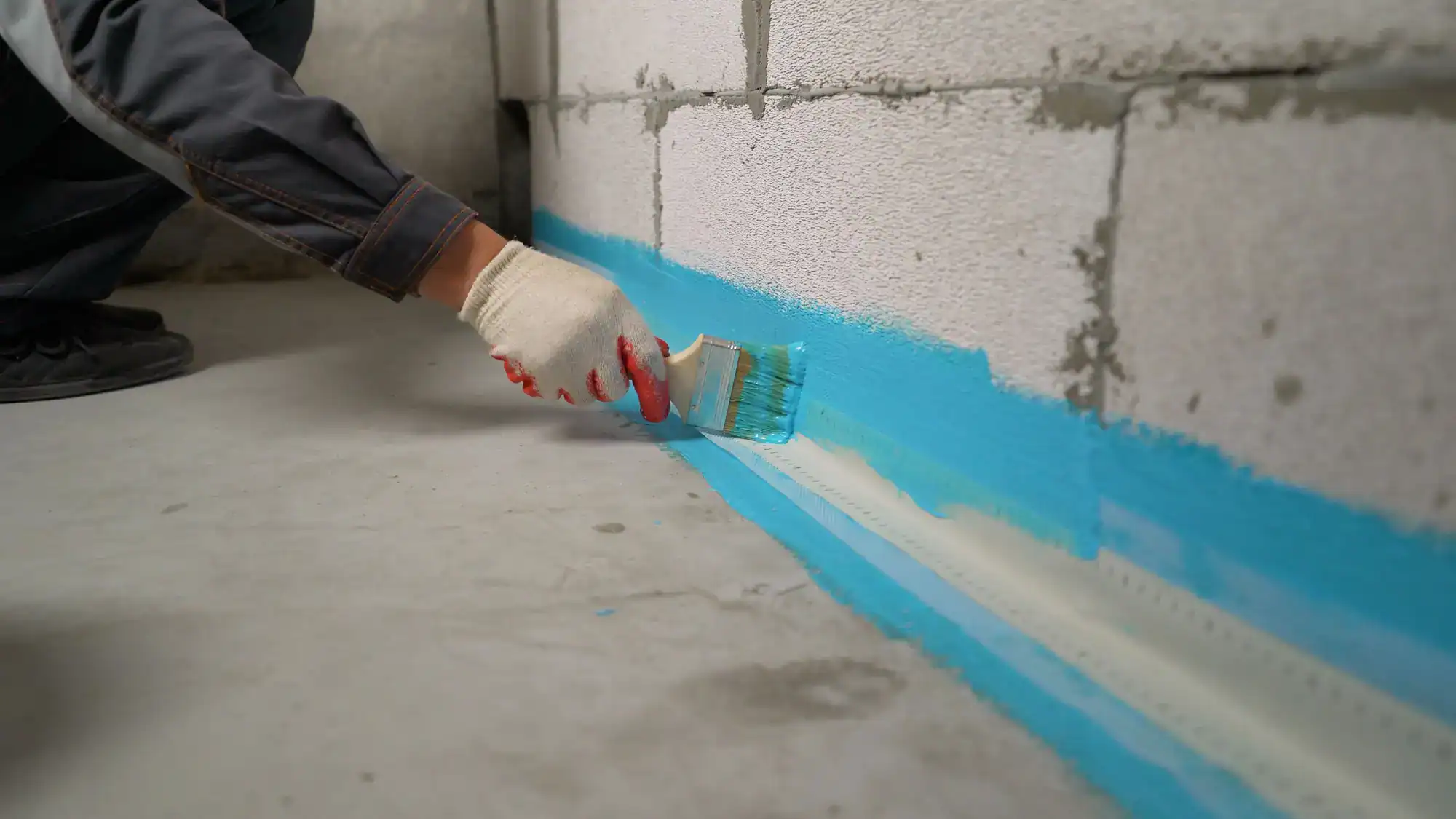
It starts with a free estimate. Someone from our team comes out, looks at your actual basement, and gives you a straight read on what’s happening and what it’s going to take to fix it. No pressure, no upselling, no one-size-fits-all pitch. Wynnewood homes vary significantly — a stone Colonial in North Wynnewood has different foundation dynamics than a twin home near the Penn Wynne border — so the assessment is specific to your property.
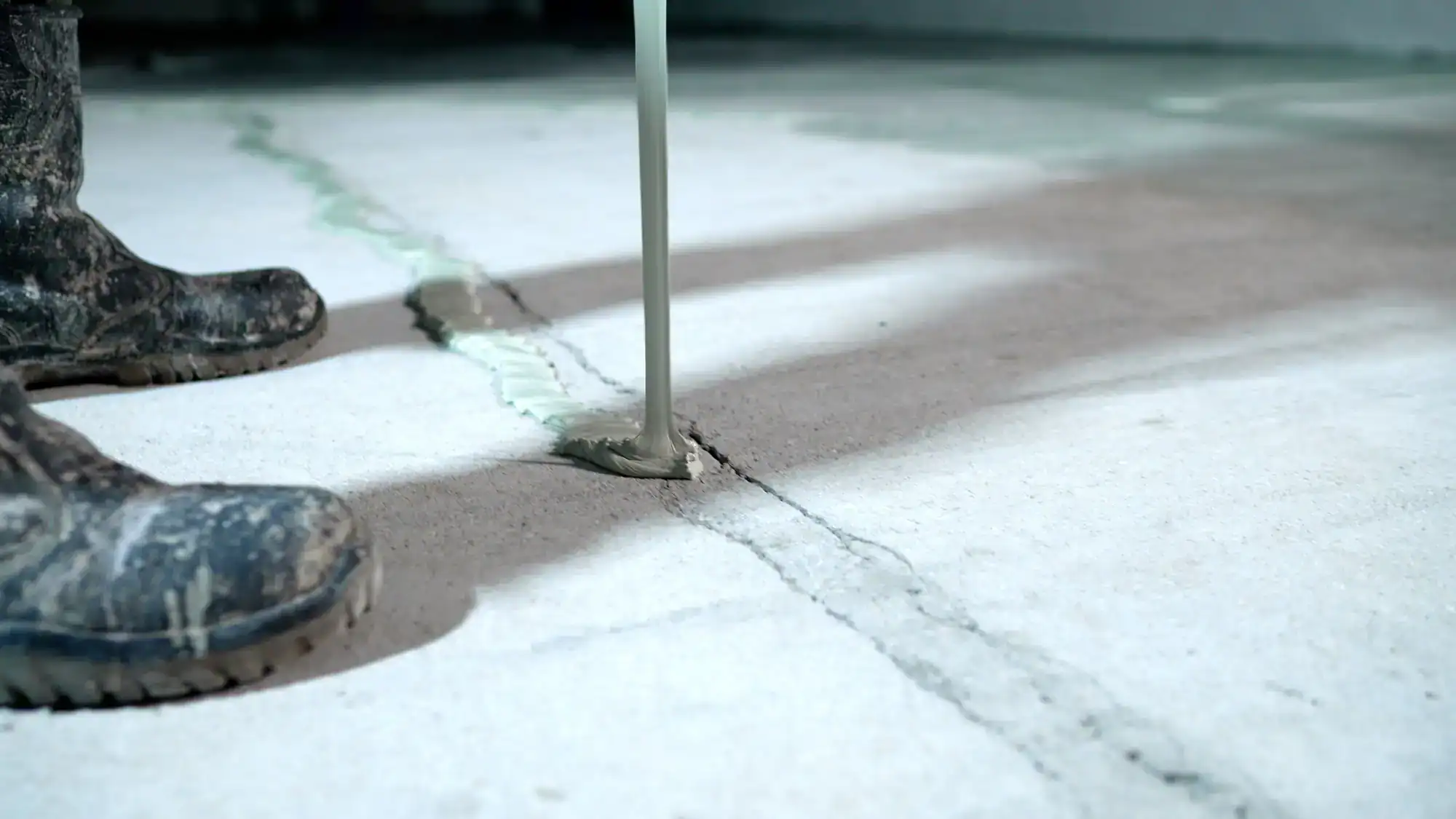
From there, we walk you through the recommended approach. Depending on what we find, that might involve interior drainage systems, exterior waterproofing barriers, sump pump installation, crack injection, or a combination. For homes in Lower Merion Township, certain foundation work requires a building permit under Pennsylvania’s Uniform Construction Code — we’re familiar with that process and factor it into the timeline from the start. If your property falls under Haverford Township’s jurisdiction instead, the permit office and requirements are different, and we navigate that too.
Once the work begins, we use state-of-the-art equipment and HEPA filtration systems to keep the job clean and contained. The goal is a permanent solution — not a patch that buys you two more years. When we’re done, you’ll know exactly what was done and why, and you’ll have a basement that handles whatever the next storm season throws at it.
Ready to get started?
Basement waterproofing with us isn’t a single product sold as a solution. It’s a comprehensive assessment and remediation process that addresses the actual source of water intrusion — not just the surface where it shows up. For Wynnewood homes, that often means dealing with foundation walls that have been under hydrostatic pressure for decades, drainage systems that were installed before modern standards existed, and mortar joints in stone foundations that have slowly deteriorated over a century of wet winters.
The service covers interior and exterior waterproofing approaches, sump pump installation and repair, French drain systems, crack injection, vapor barriers, and concrete sealing — whatever the job actually requires. Because we’re also a full environmental services company, the assessment includes a look at co-occurring hazards. Homes built before 1978 in Wynnewood almost certainly contain lead-based paint, and a wet basement that’s been damp for years is a prime environment for mold. We can test, remediate, and waterproof under one roof.
Emergency response is available around the clock. If a summer storm floods your finished basement on a Saturday night, you don’t have to wait until Monday. We answer the phone at all hours — because water damage doesn’t wait, and neither should you. Free estimates, transparent pricing, and cash discounts are available for Wynnewood homeowners ready to get this handled for good.
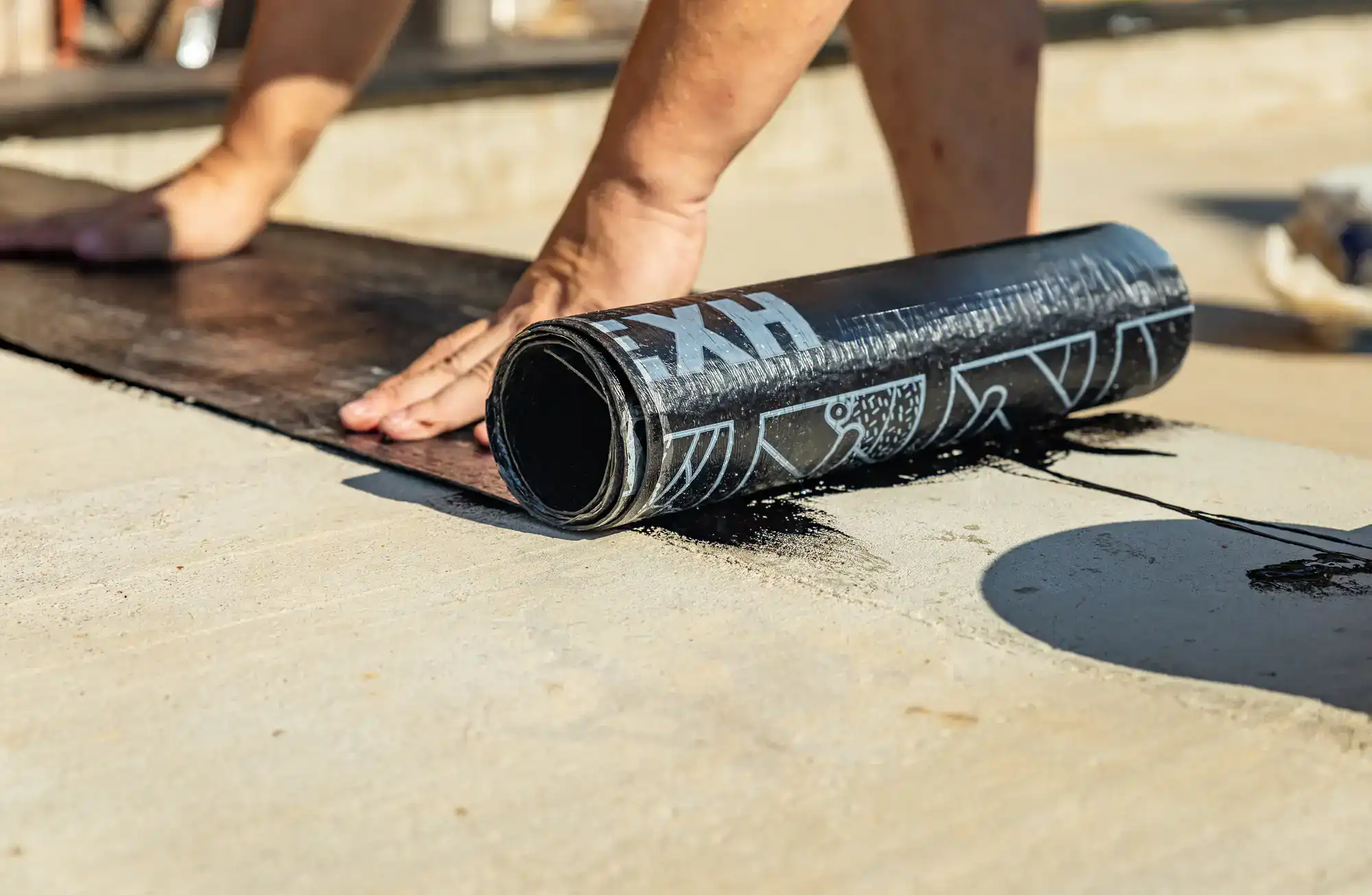

This is one of the most common frustrations we hear from homeowners on the Main Line. The short answer is that most previous repairs addressed the symptom — water on the floor — without addressing the source. Paint-on waterproofing products, basic sump pumps, and surface-level crack patches are temporary measures. They don’t stop hydrostatic pressure from continuing to push against your foundation walls.
In Wynnewood specifically, the clay-heavy soils surrounding most foundations retain moisture for extended periods after rainfall. That sustained pressure finds every weak point in an aging stone or concrete foundation — and in homes built in the 1920s through 1950s, there are plenty of them. Mortar joints deteriorate, poured concrete develops micro-cracks, and each freeze-thaw cycle widens those openings a little more. A permanent fix requires identifying where water is actually entering and installing a drainage system or barrier that redirects or blocks it at the source — not just manages it after it’s already inside.
Waterproofing costs vary based on the size of your basement, the severity of the water intrusion, the type of solution required, and whether co-occurring issues like mold or foundation damage are present. For most Wynnewood homes, interior drainage system installations generally run in the range of $5,000 to $15,000. Exterior waterproofing — which involves excavating around the foundation to apply a barrier — tends to cost more, often $10,000 to $30,000 or higher depending on the scope.
That said, the cost of not waterproofing is worth factoring in too. In a community where median home sale prices run well above $800,000, water damage that leads to mold, structural deterioration, or failed home inspections can cost far more in lost equity than the waterproofing job itself. We offer free estimates so you know exactly what you’re looking at before committing to anything. Cash discounts are available, and there’s no pressure — just a straight assessment of what your basement needs.
It depends on the scope of work. Lower Merion Township enforces Pennsylvania’s Uniform Construction Code, and certain types of foundation work — particularly anything structural — require a building permit through the township’s Building and Planning Department. Interior drainage systems and sump pump installations are often less likely to require permits, while exterior excavation and foundation repairs more commonly do.
If your Wynnewood property falls within Haverford Township rather than Lower Merion — which applies to homes in the southern portion of the 19096 ZIP code — the permit requirements and the office you’d contact are different. This dual-township situation is genuinely unique to Wynnewood, and it’s something a lot of contractors overlook. We’re licensed and active in both Montgomery and Delaware counties, so we’re familiar with both jurisdictions and factor permit requirements into the project plan from the beginning. You won’t be caught off guard by a permit issue mid-project.
Yes — but it requires understanding how those foundations actually fail, which is different from how modern poured concrete fails. Stone foundations, which are common throughout Wynnewood’s pre-war housing stock, don’t crack the same way. They leak at the mortar joints, at the transition between the stone wall and the footing, and through the porous stone itself. The fix involves a combination of interior drainage channels that intercept water before it reaches the floor, sump systems that remove it, and in some cases exterior barriers that prevent it from reaching the wall in the first place.
The key is matching the solution to the specific failure mode of your foundation — not applying a generic approach. Homes in North Wynnewood and the Wynnewood Valley area tend to have larger, more complex foundations that require a more thorough assessment. We’ve spent two decades working with exactly this type of construction across the Main Line and surrounding Philadelphia suburbs. A stone foundation that’s been leaking for 40 years can be stabilized. It just takes the right approach and someone who’s actually done it before.
It’s usually both, and one leads to the other. Persistent dampness in a basement creates the exact conditions mold needs to grow: moisture, limited airflow, and organic material to feed on. In Wynnewood’s older homes, that organic material is often wood framing, stored belongings, or decades of accumulated dust. A musty smell after rain is almost always a sign that moisture is getting in consistently enough to sustain microbial growth, even if you can’t see visible mold yet.
The problem with treating just the smell — with dehumidifiers, air fresheners, or even mold-killing sprays — is that you’re managing the symptom while the moisture source continues. We’re a full environmental hazard abatement company, which means we can assess for mold, test air quality, remediate what’s already there, and then waterproof the basement so the conditions that allowed mold to grow in the first place are eliminated. That’s a different outcome than what you get from a waterproofing-only contractor who leaves the mold problem behind.
Every project starts with a free estimate — no charge, no obligation, just a real look at your basement and a straight answer on what it needs. From there, pricing is transparent and specific to your job. We offer cash discounts for homeowners who prefer that arrangement, which can make a meaningful difference on larger projects.
Wynnewood homeowners tend to be thorough researchers who gather multiple quotes before making a decision — and that’s exactly the right approach for a job like this. Basement waterproofing is not a small investment, and the quality of the work matters enormously for a home in the $800,000-plus range. The free estimate process is designed to give you everything you need to make a confident, informed decision: a clear scope of work, honest pricing, and a team that can answer your questions without pushing you toward a decision you’re not ready to make. If you want to compare quotes, do it. We’re confident in what we bring to the table.
Other Services we provide in Wynnewood