Hear from Our Customers
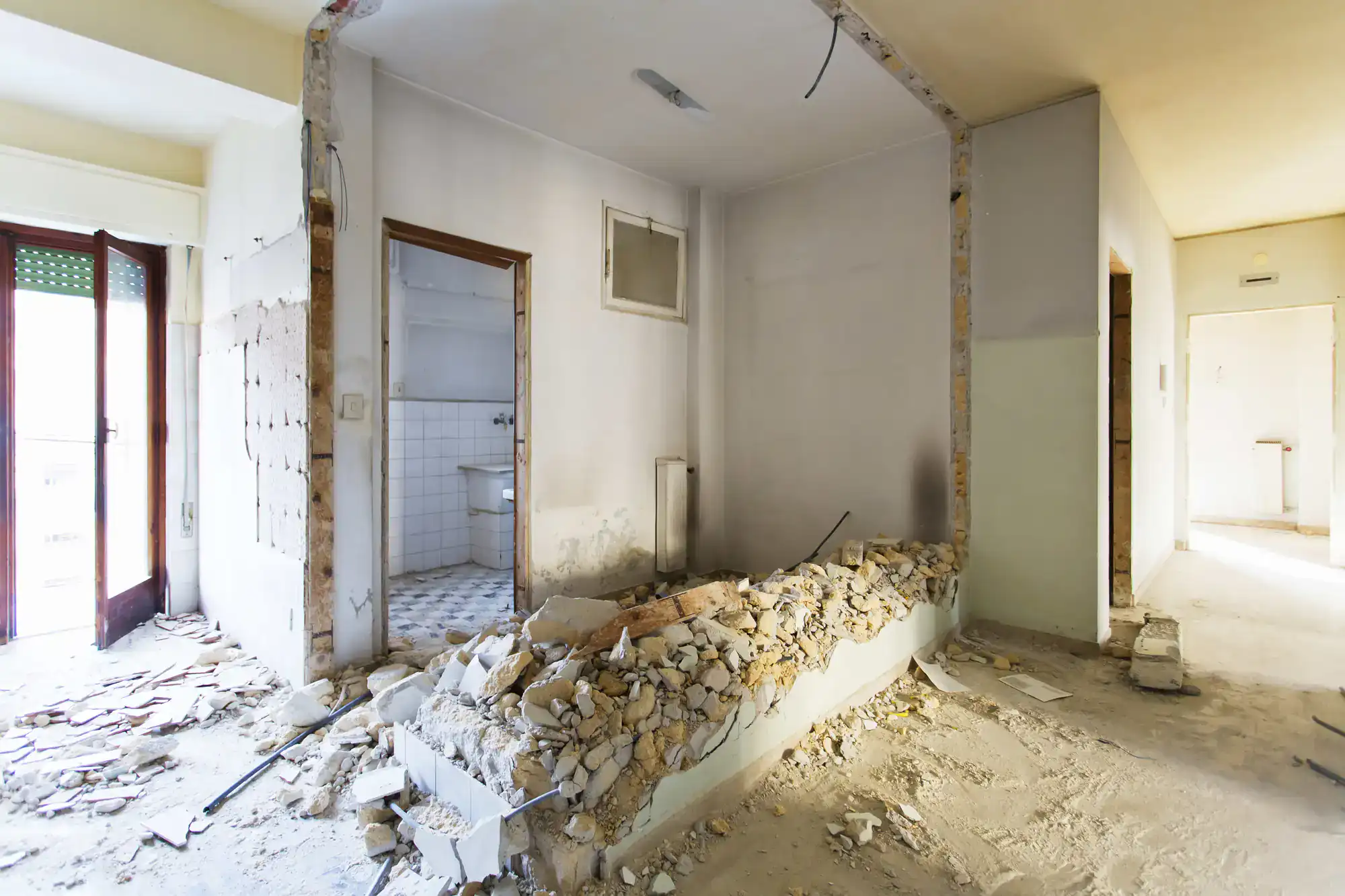
When you’re gutting a kitchen in a stone colonial off Lancaster Avenue or stripping a bathroom in one of the Tudor-style homes in the English Village Historic District, you’re not just dealing with drywall and tile. You’re dealing with a century of building materials — and a lot of them are hazardous. Asbestos in the floor tiles, lead paint on every surface, older insulation that nobody wants disturbed without proper containment. That’s the reality of renovating in Wynnewood, and it’s not a reason to panic — it’s a reason to hire the right contractor from the start.
What changes when you do that is straightforward. The project doesn’t stop. There’s no emergency call to a second company when something turns up mid-demo. No permit violations in a township that actually enforces its building codes. No mystery about what was found, how it was handled, or whether the air in your home is safe when the crew leaves. Lower Merion Township requires a building permit for interior demolition — and working with a licensed, certified contractor means that process is handled correctly, not skipped.
The end result is a clean, cleared, compliant job site — ready for whatever comes next. Whether that’s a full gut renovation, a basement rebuild, or a structural teardown, you get a project that moves forward instead of stalling.
We’ve been doing this work in Montgomery County and across the Main Line for over twenty years. That means we’ve been inside the stone colonials, the Tudor-style homes, the plaster-walled ranchers — the housing stock that defines Wynnewood and the surrounding communities. We know what a 1920s Wynnewood home looks like behind the walls, and we know how to handle what we find there.
We’re a Certified Lead Inspector and Risk Assessor under Pennsylvania state law, EPA and HUD compliant, and fully licensed, bonded, and insured. We carry HEPA filtration systems on every job, use licensed supervision throughout, and we answer the phone at any hour — including when a basement flood at 11pm turns into an emergency demolition situation. That’s not a selling point. That’s just how we operate.
The reason contractors and homeowners in Lower Merion Township keep calling us is simple: we handle the whole thing. Testing, abatement, demolition, and cleanup — one contractor, one call, no gaps.
It starts with a free estimate. We come out, look at the scope of the project, and give you a real number — not a ballpark designed to get a foot in the door. If you’ve already got an estimate from someone else, we’ll beat it. That’s a standing offer, not a one-time deal.
Before any demolition work begins, we assess the materials in the space for asbestos and lead. In Wynnewood, where nearly every home predates the 1978 federal lead paint ban and a large percentage were built before asbestos was regulated, this step isn’t optional — it’s the foundation of a legal, safe project. If hazardous materials are present, we handle abatement in-house before the demo crew touches anything. We also pull the required building permit from Lower Merion Township’s Building and Planning Department, because interior demolition requires one and working without it creates liability that follows the property long after the project is done.
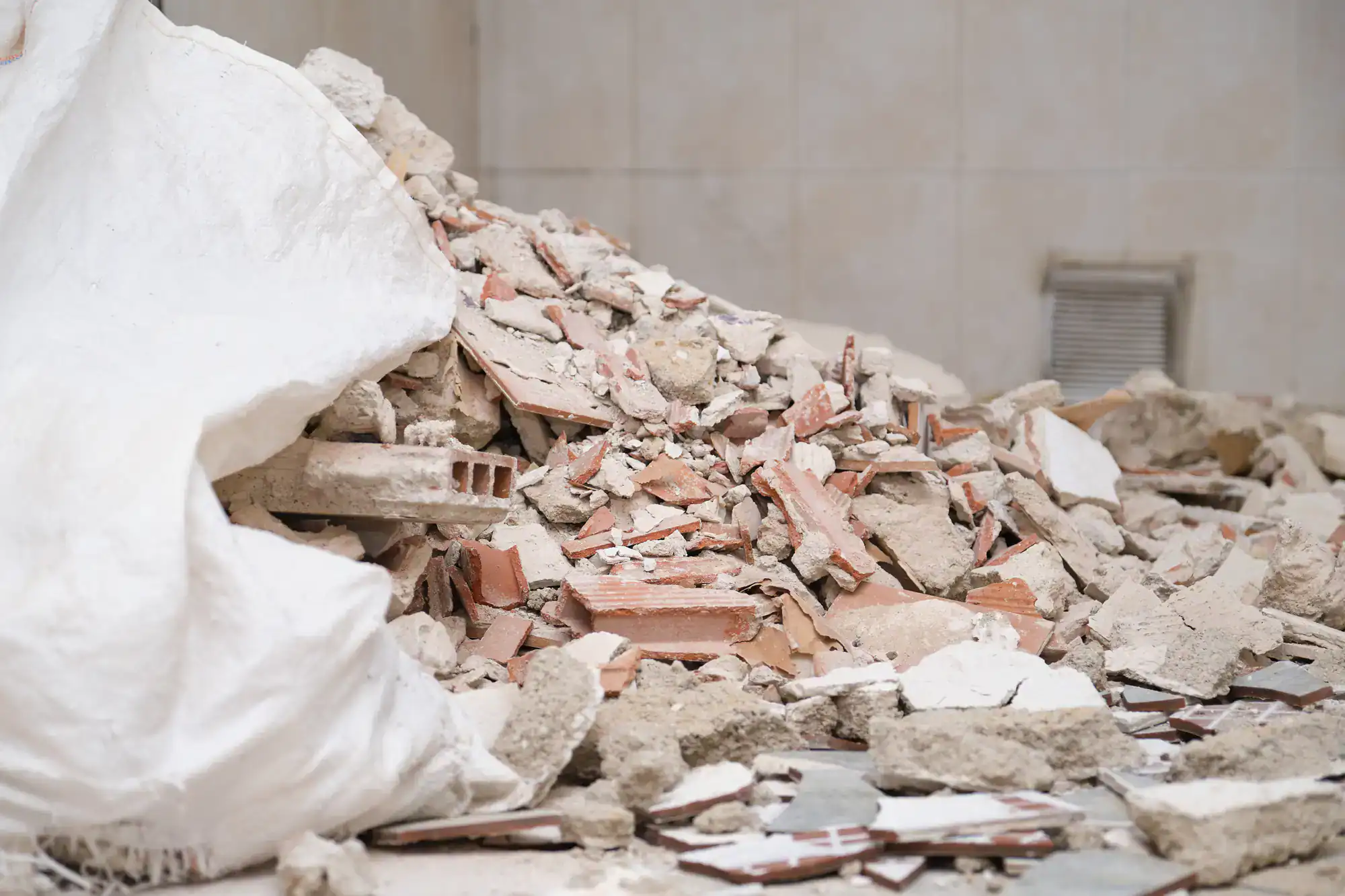
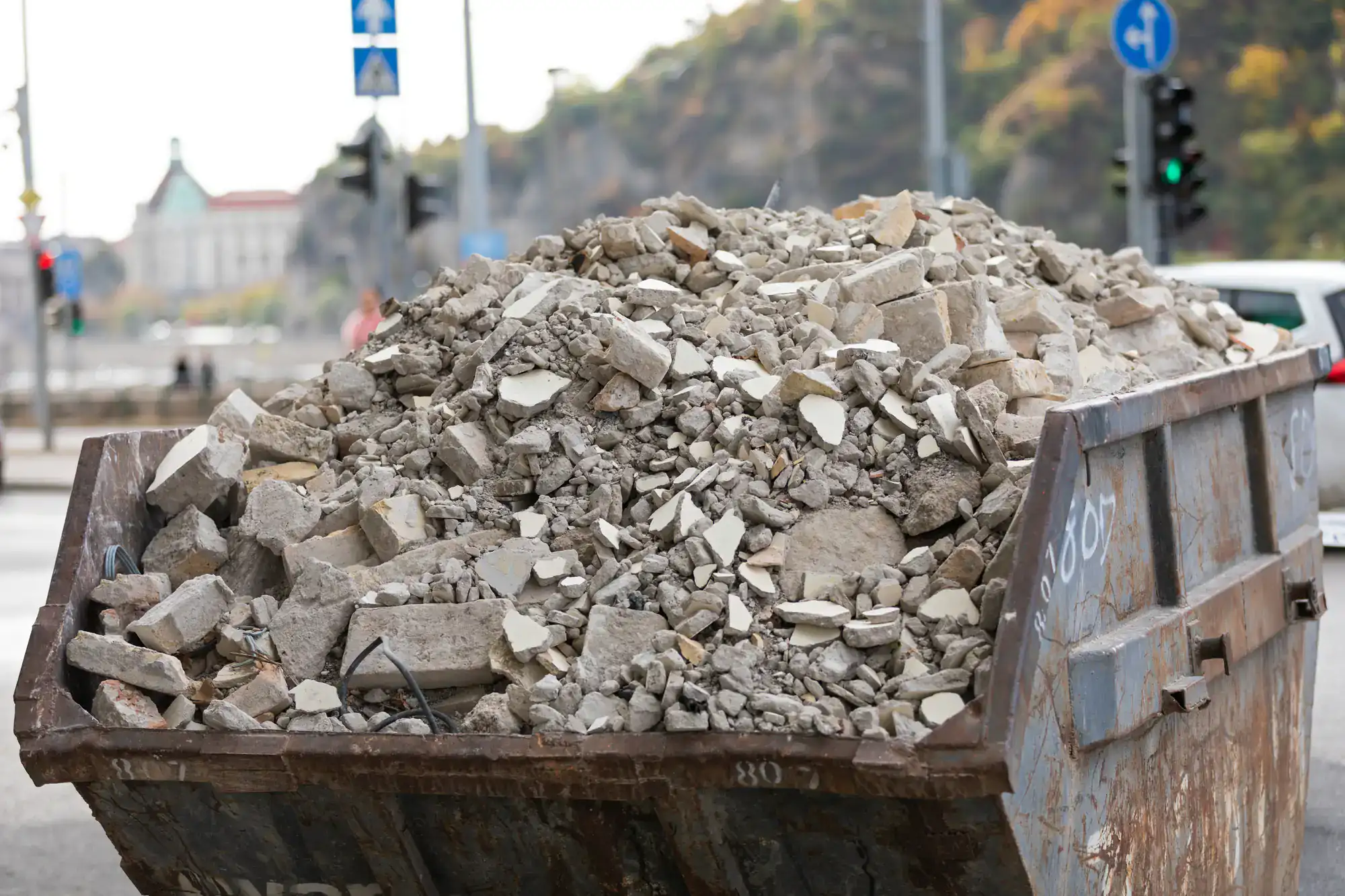
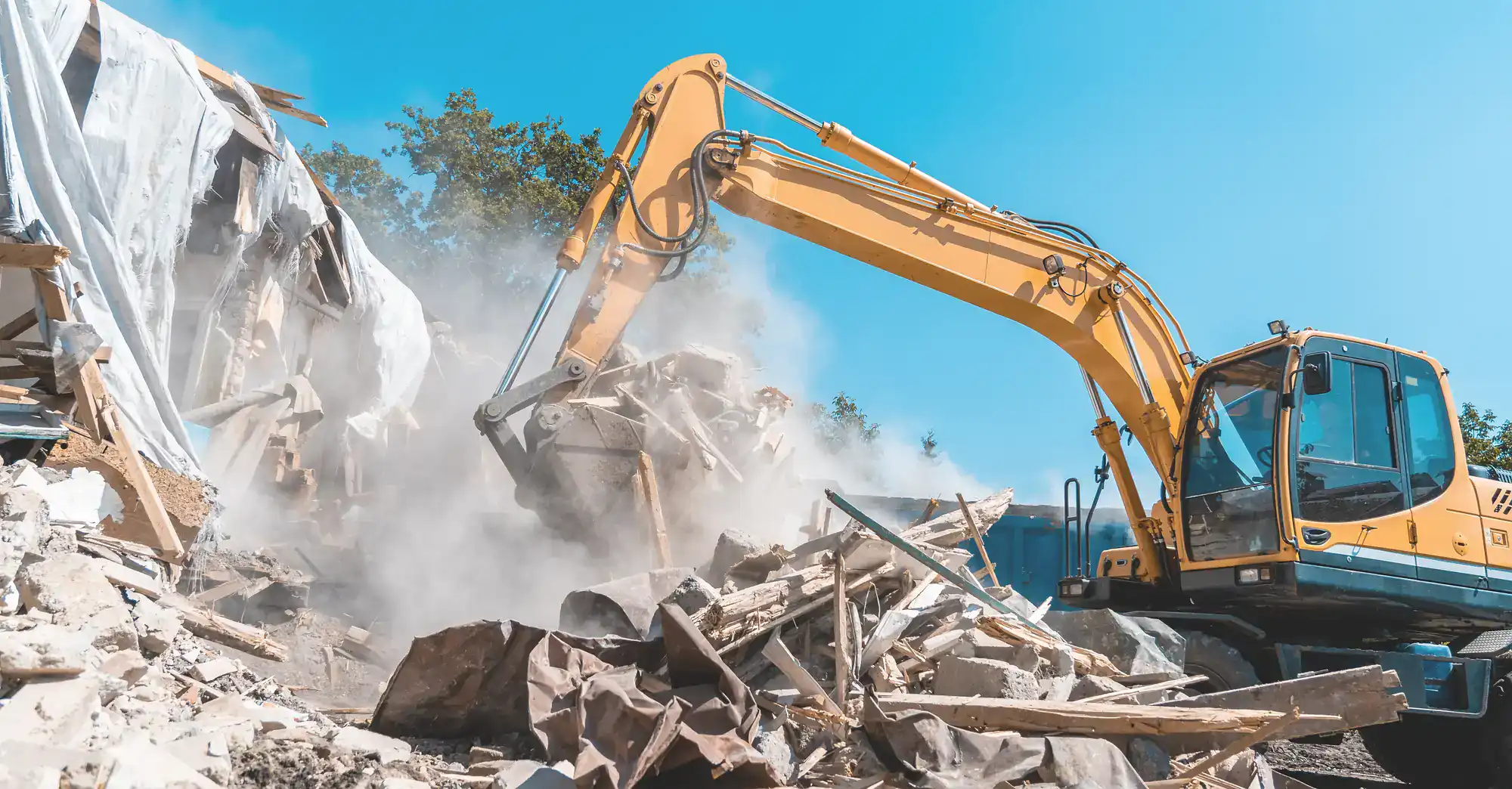
Once abatement is complete and permits are in place, the demolition work begins — with licensed supervision on-site throughout. We use HEPA filtration to contain dust and debris, and we don’t leave until the space is cleared, clean, and ready for the next phase. You get documentation of everything that was found, how it was handled, and confirmation that the site meets regulatory standards. That paperwork matters — especially in a community where homes regularly change hands at $775,000 and up.
Ready to get started?
Most demolition contractors do one thing: they tear stuff out. If they hit asbestos or lead mid-project, the job stops while you scramble to find a certified abatement company, wait for their schedule to open up, and pay two mobilization fees instead of one. In Wynnewood — where the English Village homes date to 1925 and the Toland Farm neighborhood was built in the 1920s — that scenario isn’t a remote possibility. It’s the likely outcome of hiring a contractor who isn’t certified for environmental work.
We handle the full scope. That includes pre-demolition testing, asbestos and lead abatement, interior gutting, structural demolition, and post-demo cleanup — all under one roof, with one licensed team. We serve Wynnewood as part of our core Montgomery County service area, and we’re familiar with the specific conditions that come with Lower Merion Township’s older housing stock. We also handle waterproofing, which matters in a community where stone foundation walls and older drainage systems make basement water intrusion a recurring issue — particularly through the freeze-thaw cycles that hit the Philadelphia area every winter.
Emergency response is available around the clock. If a pipe bursts, a storm compromises a structure, or a water event turns your finished basement into a demo job overnight, we’re reachable at any hour. Free estimates, cash discounts, and a beat-any-estimate guarantee apply across all services.
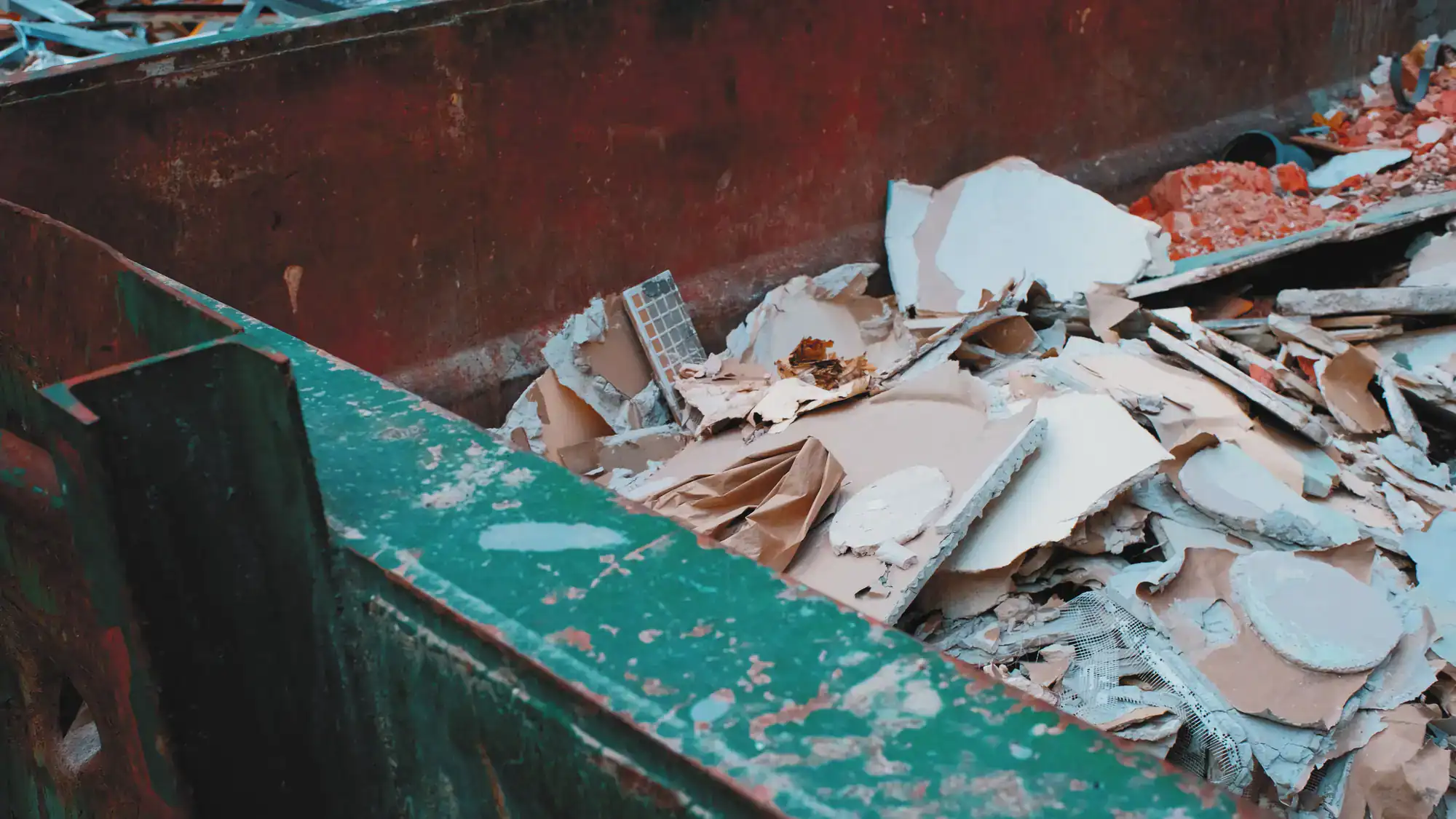
Yes — Lower Merion Township explicitly requires a building permit for interior demolition, and it’s listed as its own permit category in the township’s online portal. This isn’t a gray area. If you’re gutting a kitchen, stripping a bathroom, or doing any significant interior teardown in Wynnewood, you need a permit before work begins.
The reason this matters beyond just compliance is that unpermitted work in Lower Merion Township creates liability that stays with the property. If you sell the home later and a buyer’s inspector or attorney discovers unpermitted demolition work, it can complicate or kill the transaction. Lower Merion is one of the most actively code-enforced townships in Pennsylvania — it has the funding and the staff to follow through. Working with a licensed contractor who pulls the permit correctly from the start is the straightforward way to avoid that problem entirely.
If your home was built before 1978, assume lead paint is present on painted surfaces until a certified inspector tells you otherwise. That covers virtually every home in Wynnewood — including the English Village Historic District homes from the late 1920s, the Toland Farm neighborhood from the same era, and the broader residential stock that was built out through the mid-20th century. Asbestos is similarly common: it was used in floor tiles, ceiling tiles, pipe insulation, joint compound, and plaster in homes built through the 1980s.
The only way to know for certain is a professional assessment by a state-certified inspector before demolition begins. We hold Pennsylvania’s Certified Lead Inspector and Risk Assessor credential — which means we can assess, document, and handle what we find, all before a single wall comes down. You don’t need to hire a separate testing company and then a separate abatement company and then a demolition crew. One call handles all of it.
A standard demolition contractor tears out materials — drywall, flooring, framing, fixtures. An environmental abatement contractor is certified to safely remove hazardous materials like asbestos and lead paint, following specific protocols under Pennsylvania state law and EPA regulations. In most cases, these are two different companies with two different license types, which is why renovation projects in older homes frequently stall: the demo crew hits something hazardous, has to stop, and the homeowner is left coordinating a second contractor.
In Wynnewood, where the housing stock almost universally predates modern hazmat regulations, treating these as two separate services is an expensive way to run a project. We hold both capabilities under one roof — we’re a state-certified abatement contractor and a full-service demolition company. That means the project doesn’t stop when something turns up. It gets handled in sequence by the same licensed team, and you get a single point of accountability for the entire job.
Interior demolition generally runs between $2 and $8 per square foot depending on the scope, materials involved, and what’s found during the process. A single-room gut — stripping a kitchen or bathroom down to the studs — typically falls in the $1,000 to $5,000 range. A full floor or whole-house gut-out can run from $3,000 to $9,800 or more, depending on square footage and what the assessment turns up.
In Wynnewood specifically, the older housing stock does affect cost. Homes built in the 1920s and 1930s — like those throughout the English Village and Toland Farm neighborhoods — often have plaster walls instead of drywall, layered flooring materials, and older mechanical systems that require careful disconnection before demo begins. If asbestos or lead abatement is required, that adds to the total, but it’s a known, manageable cost when it’s identified upfront. The real expense is when it’s discovered mid-project by a contractor who isn’t certified to handle it. We offer free estimates so you get a real number before any work begins, and we’ll beat any legitimate competing estimate.
Yes — but only if they hold the right credentials. Pennsylvania requires contractors performing asbestos abatement to be certified under Acts 194 and 161, which govern asbestos accreditation and certification in the state. This is a mandatory, state-issued license — not something a contractor can claim without documentation. Similarly, lead abatement work on pre-1978 properties must be performed by a contractor who is EPA RRP (Renovation, Repair, and Painting) certified and, for more comprehensive work, holds a Certified Lead Inspector or Risk Assessor credential.
We hold all of these. That’s what makes the one-stop model work — it’s not just a convenience pitch, it’s a credential question. The junk removal companies that show up in local search results for Wynnewood demolition can haul debris. They cannot legally perform asbestos or lead abatement in a pre-1940 stone colonial in Lower Merion Township. If you’re hiring for a home in Wynnewood, ask any contractor you’re considering to show you their Pennsylvania asbestos certification and their EPA RRP documentation before they touch anything.
Yes — and in Wynnewood, that service gets used more than you might expect. The older stone homes throughout the community, many of which were built in the 1920s and 1930s, are prone to water intrusion through foundation walls and aging drainage systems. When a significant rain event, a burst pipe, or a sump failure sends water into a finished basement, the demolition clock starts immediately. Wet drywall, soaked insulation, and saturated flooring need to come out fast — not on Monday morning when a contractor’s schedule opens up.
We’re available by phone 24 hours a day, seven days a week, with emergency response capability for exactly these situations. The reason that matters beyond just speed is that water damage in a pre-1940 home isn’t just a moisture problem — disturbing wet materials that contain lead or asbestos without proper containment creates a secondary hazard that a standard water mitigation company isn’t equipped to handle. Because we’re both a certified abatement contractor and a demolition contractor, we can respond to an emergency, assess what’s in the affected materials, and handle removal safely and legally — all in one response.
Other Services we provide in Wynnewood