Hear from Our Customers

When water finds its way into your basement in Whitemarsh — whether it’s a slow seep after a heavy rain or a full-on flood when the Wissahickon Creek rises — the damage doesn’t stop at the waterline. Moisture works its way into your walls, your framing, your air. Left alone, it turns into mold. And mold turns into a much bigger problem than a wet floor ever was.
Whitemarsh’s housing stock tells the story clearly. A huge share of homes here were built in the 1950s through the 1970s, when the township’s population exploded and foundations went up fast. Those foundations are now 50 to 70 years old, and they were never designed to handle decades of hydrostatic pressure from the 13 distinct hydric soil types that cover nearly 3,900 acres of this township. In some areas, the water table sits as shallow as one to two feet below the surface. That’s what Whitemarsh Township’s own Open Space Plan documents.
Once the water is out and the system is in place, you get your basement back. You get air quality back. And in a market where homes regularly list between $600,000 and well over $1 million, you protect the investment you’ve been building for years. That’s the outcome worth focusing on.
We’ve been working in Montgomery County for over two decades, and we know what Whitemarsh basements actually deal with — the spring thaw pressure, the summer thunderstorms that dump two inches in an hour, the slow seasonal creep of groundwater through aging block foundations in Flourtown and Lafayette Hill. We’re not guessing at what’s happening under your house. We’ve seen it, diagnosed it, and fixed it.
We’re fully licensed, bonded, and insured, EPA and HUD compliant, and we carry a Certified Lead Inspector and Risk Assessor on staff — which matters more than most homeowners realize when you’re working in a home built before 1978. We also offer free estimates, cash discounts, and 24/7 availability, because water doesn’t check your calendar before it shows up.
One call covers it all. Testing, remediation, waterproofing, and demolition if it comes to that — handled by one company, start to finish.
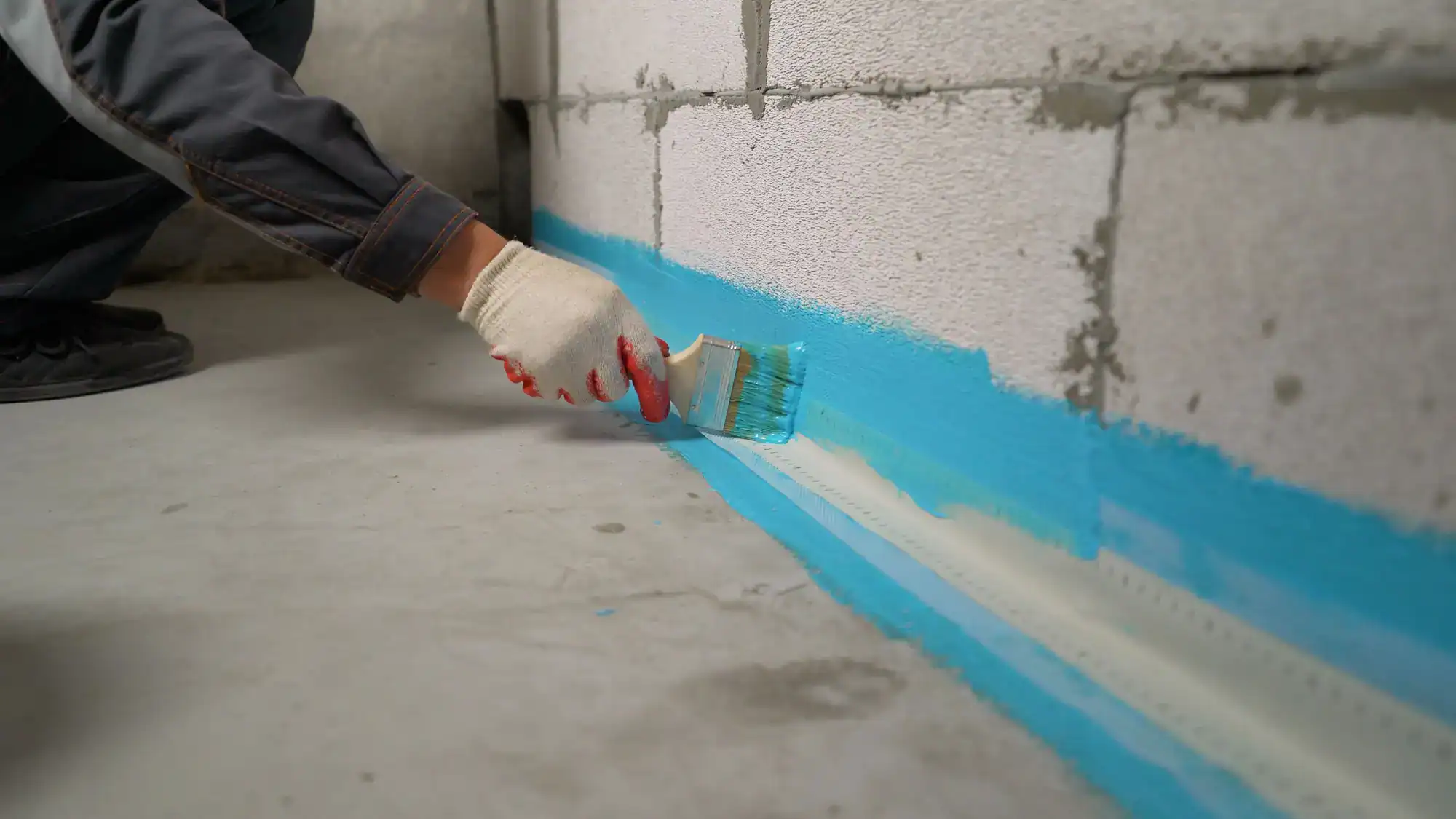
It starts with a free assessment. We come out, look at what’s going on, and give you a straight answer about what’s causing the problem and what it’s going to take to fix it. No vague estimates, no pressure. You’ll know the scope and the cost before anyone picks up a tool.
From there, the approach depends on what we find. Most Whitemarsh homes need an interior drainage solution — a perimeter drain channel, a sump pump system, and in many cases a vapor barrier or full encapsulation. These interior systems are less disruptive than exterior excavation, faster to install, and built to handle exactly the kind of sustained groundwater pressure that Whitemarsh’s hydric soils create. If there are cracks in the foundation wall, we address those directly with injection sealing. If mold has already taken hold — which it often has by the time someone calls us — we handle the remediation before we seal anything, so you’re not locking moisture and spores inside a finished wall.
One thing worth knowing: Whitemarsh Township requires a building permit for finished basement work, and the Building and Codes Department at 610-825-3535 is your point of contact for that. If your project involves structural changes or exterior drainage modifications, there may be additional review under the township’s Stormwater Management Ordinance. We can walk you through what applies to your specific job so there are no surprises when the inspector shows up.

Ready to get started?
Basement waterproofing in Whitemarsh isn’t a one-size-fits-all job. The combination of shallow groundwater, aging mid-century foundations, and a township that has its own formal Flood-Prone Property Acquisition Policy means the solution has to be engineered for what’s actually happening — not what works on a generic diagram.
Depending on your home’s specific situation, the work might include interior perimeter drainage, sump pump installation or replacement, wall crack injection, vapor barrier installation, crawl space encapsulation, or exterior grading corrections. If water damage has already led to mold growth — which is common in homes near the Wissahickon Creek corridor or in lower-lying sections of Flourtown — mold remediation comes first, using HEPA filtration systems throughout the process to protect your indoor air quality while the work is underway. That’s not standard practice across the industry. It’s our standard.
Because we handle environmental hazard abatement alongside waterproofing, you’re not bringing in a second contractor to deal with what the water left behind. Everything gets addressed in one project, by one team, under one set of credentials. For Whitemarsh homeowners who are managing busy schedules and high-value properties, that matters. Waterproofing basement cost varies based on scope, but your free estimate will lay out exactly what’s needed and what it will run — no filler line items, no discovery charges after the work starts.
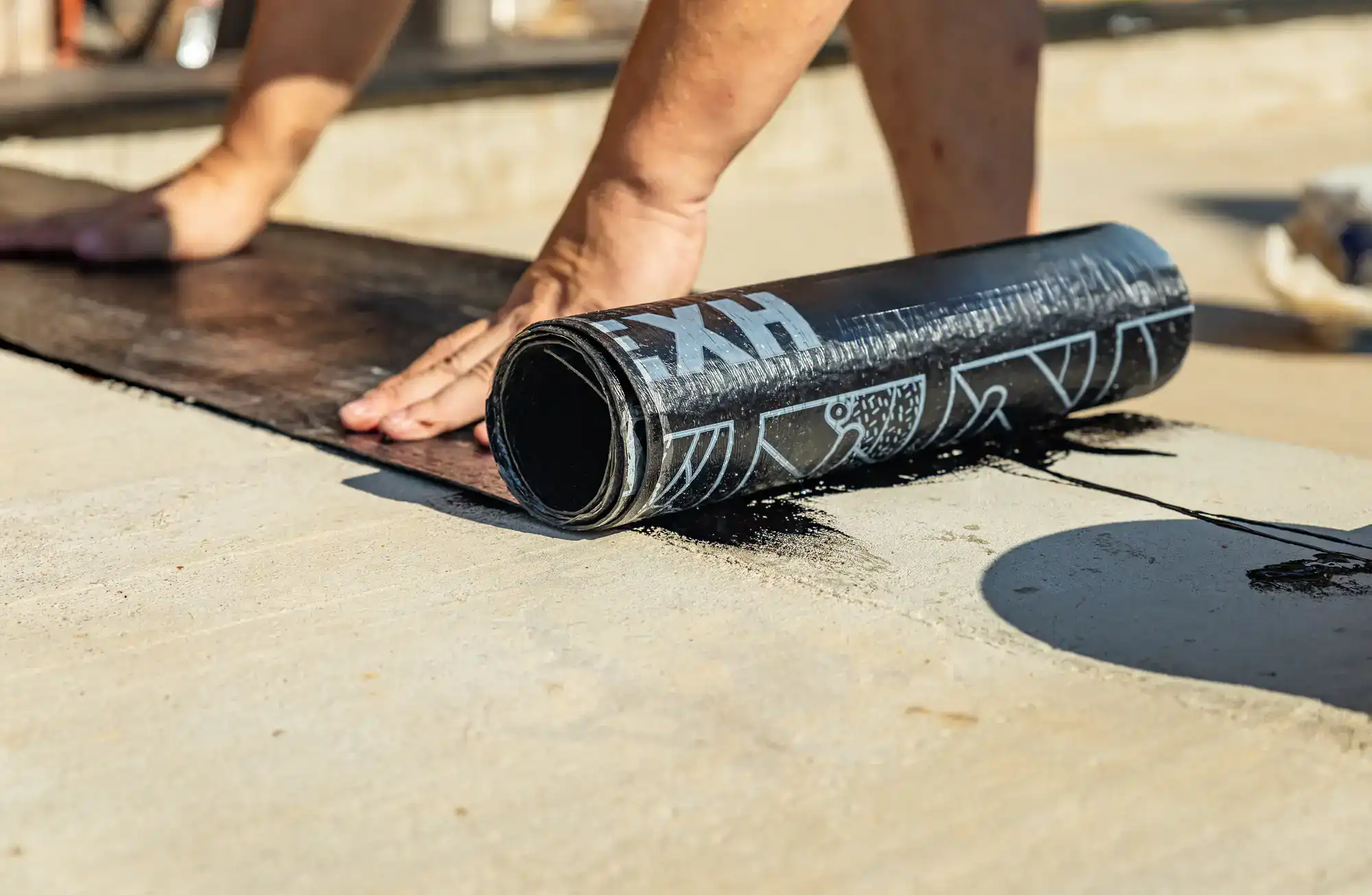
This is one of the most common questions we hear from homeowners in Whitemarsh, and the answer almost always comes back to the soil. The township sits on 13 distinct hydric soil types covering nearly 3,900 acres — soils that are slow to drain and hold water close to the surface long after the rain is gone. In some areas, the water table is only one to two feet below grade. That means even after a storm passes, the ground around your foundation stays saturated for days, and that sustained pressure pushes water through any crack, joint, or porous section it can find.
It’s also worth knowing that Whitemarsh Township’s own Board of Supervisors formally acknowledged that homes outside mapped flood zones still experience recurring flooding from major storms — that’s documented in the township’s Flood-Prone Property Acquisition Policy. So if your basement floods and your neighbor’s doesn’t, it’s not random. It’s topography, soil type, and how your foundation was built. The fix is a properly designed interior drainage system that manages that pressure rather than trying to stop it at the wall.
The honest answer is that it depends on what’s actually going on, which is why a free estimate matters. That said, most interior basement waterproofing projects in the Montgomery County area fall somewhere between $3,000 and $10,000 depending on the size of the basement, the severity of the water intrusion, and what systems need to be installed. A straightforward sump pump replacement or crack injection repair will sit on the lower end. A full perimeter drainage system with a new sump pump, vapor barrier, and any mold remediation that’s needed will run higher.
For Whitemarsh specifically, homes in the 2,000 to 3,500 square foot range — which is common along the Ridge Pike and Flourtown Road corridors — tend to fall in the mid-range of that window. The more important number is what deferred waterproofing costs: mold remediation alone can run $2,000 to $6,000 or more, and a wet basement flagged during a home inspection can knock significantly more than that off your sale price in a market where homes list at $600,000 and up. We offer cash discounts and free estimates so you know exactly where you stand before committing to anything.
These terms get used interchangeably, but they’re not quite the same thing. Basement sealing typically refers to applying a waterproof coating or sealant directly to the interior of foundation walls — it’s a surface-level treatment that can help with minor moisture and condensation but won’t hold up against actual hydrostatic pressure. If your walls are actively leaking or you’re dealing with water coming in through the floor-wall joint, sealing alone isn’t going to solve it.
Basement waterproofing is a broader term that covers the full system: interior drainage channels, sump pump installation, crack injection, vapor barriers, and in some cases exterior waterproofing membranes or grading corrections. In Whitemarsh, where the soils are genuinely water-retentive and the groundwater table is shallow in many neighborhoods, a surface sealant is rarely the right answer on its own. The pressure behind that wall is constant during wet seasons, and it needs somewhere to go. A drainage system gives it a managed path out rather than letting it find its own way through your foundation.
It depends on the scope of the work. If you’re doing a straightforward interior drainage installation or sump pump replacement without touching finished walls or making structural changes, a permit may not be required. But if the project involves finishing any portion of the basement, altering drainage patterns outside the home, or any excavation work, Whitemarsh Township’s Building and Codes Department will likely need to be involved. Their number is 610-825-3535.
It’s also worth knowing that the township’s Floodplain Conservation District provisions require basement floors in designated floodplain areas to sit at least two feet above the 100-year flood elevation. If your property is near the Wissahickon Creek corridor or any other designated area, that affects what can legally be done with the space. The township’s Stormwater Management Ordinance also comes into play for any exterior work involving grading or drainage changes. We walk through all of this during the estimate so you’re not caught off guard by a permit requirement mid-project.
Mold doesn’t always announce itself visibly. The more common signs are a persistent musty smell, allergy symptoms that get worse when you’re in the lower level of the house, or visible discoloration on drywall, wood framing, or insulation. In Whitemarsh homes built in the 1950s through 1970s — which make up a large portion of the township’s housing stock — finished basement walls often hide mold that’s been growing behind them for years, fed by slow moisture intrusion that was never properly addressed.
The reason this matters for waterproofing is that you can’t seal mold inside a wall and call it fixed. If mold is present, it needs to be remediated before the waterproofing system goes in — otherwise you’re trapping the problem rather than solving it. We handle both, which is part of why the one-stop model exists. We use HEPA filtration systems throughout remediation to protect the air quality in your home during the process. Once the mold is out and the moisture source is addressed, you’re actually starting fresh — not just drier.
The straightforward answer is that most waterproofing companies only do waterproofing. If there’s mold behind the wall, a lead paint concern in your pre-1978 home, or structural damage that needs demolition before anything else can happen, you’re calling a second contractor — and coordinating two separate scopes of work on a problem that’s already stressful. We handle all of it: testing, mold remediation, waterproofing, and demolition when it’s needed, under one license, one insurance policy, and one point of contact.
For Whitemarsh homeowners specifically, the lead paint credential matters more than most people expect. A significant number of homes in Lafayette Hill, Flourtown, and the Fort Washington corridor were built before 1978, and any work that disturbs painted surfaces in those homes requires a Certified Lead Inspector and Risk Assessor on site. That’s not a credential every contractor carries. Beyond that, we’re available 24 hours a day, seven days a week — because the Wissahickon Creek doesn’t wait for Monday morning, and neither should your call for help. Free estimate, cash discounts, and two decades of Montgomery County experience. That’s the difference.
Other Services we provide in Whitemarsh