
Hear from Our Customers
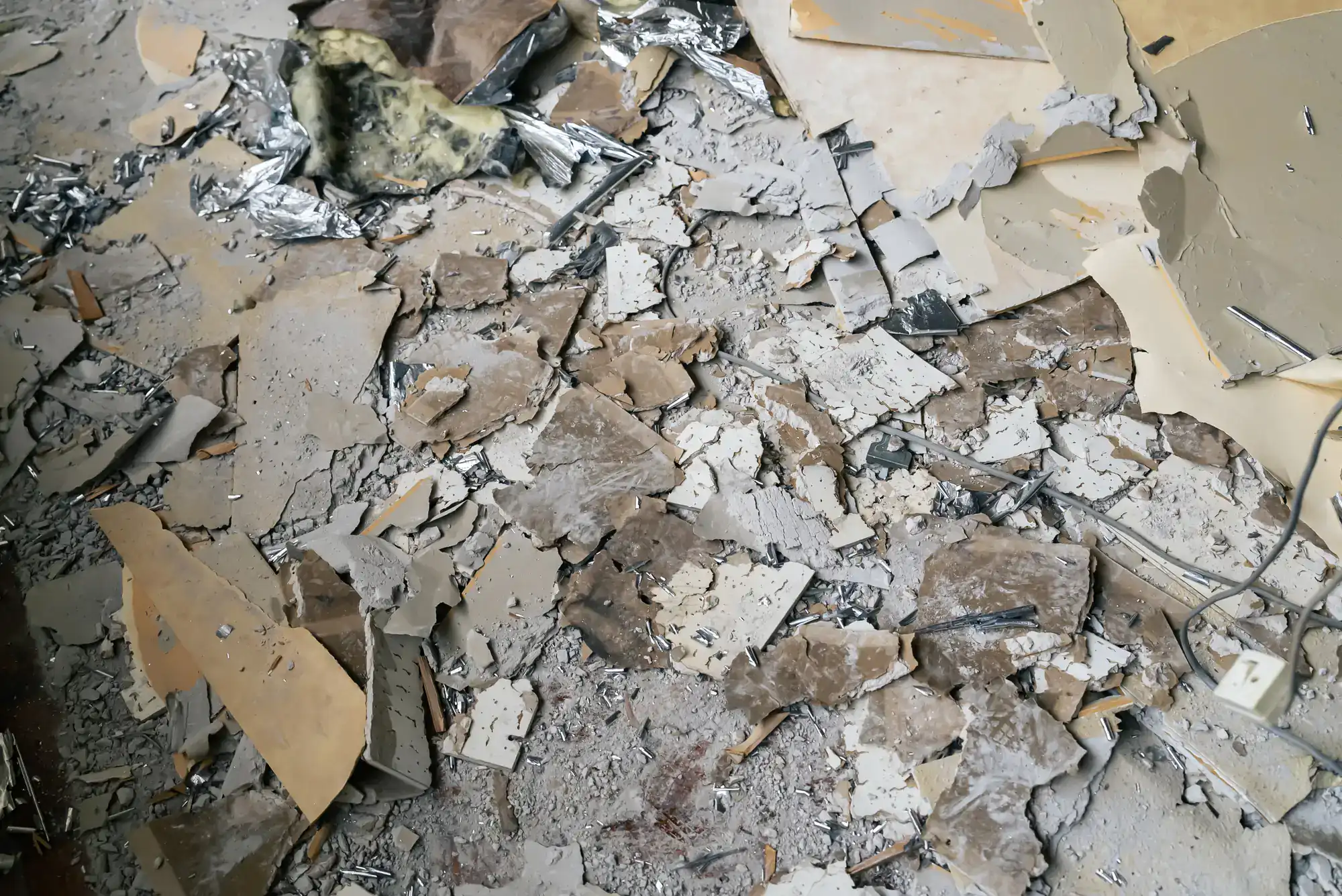
When you’re gutting a postwar home in Whitemarsh Village or dealing with water damage in a Lafayette Hill colonial, the last thing you need is to manage five different contractors. You need one team that shows up knowing what they’re doing — and doesn’t leave you with a half-finished job and an open ceiling.
The homes in this township were built during a construction boom that peaked in the 1950s, which means a significant portion of the housing stock predates federal bans on both lead paint and asbestos-containing materials. When you disturb those materials without a certified contractor, you’re not just taking a health risk — you’re violating federal law. We hold EPA Certified Lead Inspector and Risk Assessor credentials, which means we can legally inspect and certify lead conditions before demolition begins, not just remove materials after the fact.
Whitemarsh also has a documented flooding problem. The Schuylkill River runs along the township’s southern edge, and the Board of Supervisors has formally adopted a Flood-Prone Property Acquisition Policy for homes that flood repeatedly. If your basement has taken water, mold starts forming within 24 to 48 hours. Speed matters. Having a contractor who answers the phone at 2 AM and can handle the gutting, abatement, and waterproofing in sequence — without you coordinating the handoffs — is what actually stops the damage from compounding.
We’re based in Glenside — a short drive from the heart of Whitemarsh via Germantown Pike. We’ve been working on the postwar housing stock of Montgomery County for over two decades, which means the 1950s split-levels and colonials that define Whitemarsh are familiar territory, not a learning curve.
We’re fully licensed, bonded, and insured. We’re EPA and HUD compliant. We hold a Certified Lead Inspector and Risk Assessor credential that goes well beyond the basic RRP certification most contractors carry. Because Whitemarsh Township requires contractors to be registered with the township before they can pull building permits, you need someone who can handle that process — not hand you a form and wish you luck.
What you get with us is a contractor who already knows the regulatory landscape in Whitemarsh, has worked in neighborhoods like yours, and can manage every phase of the job under one roof.
It starts with a free estimate and a walkthrough. Before anything gets torn out, we assess the scope of the job, identify any hazardous materials present, and give you a written breakdown of what’s included. For homes in Whitemarsh built before 1978 — which covers a large portion of the township — that assessment includes testing for asbestos and lead. You’ll know what’s in your walls before we touch them.
Once the scope is confirmed, we handle the permit process with Whitemarsh Township’s Building and Codes Department at 616 Germantown Pike. If your property falls within the township’s historic district — particularly in areas like Barren Hill or near the Fort Washington corridor — we account for Historical Architectural Review Board requirements before work begins. That’s a step that catches a lot of homeowners off guard when they hire contractors who aren’t familiar with local regulations.
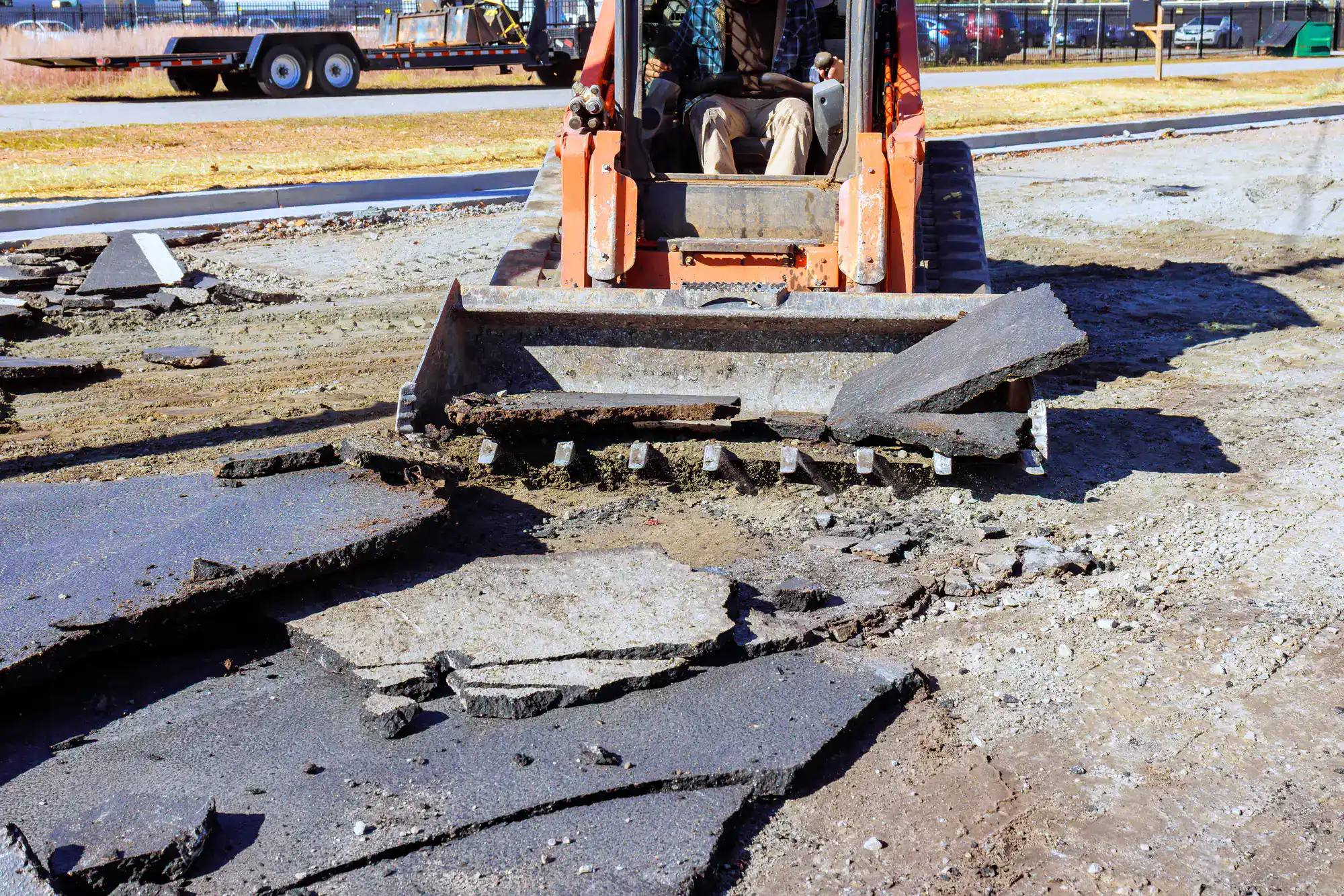
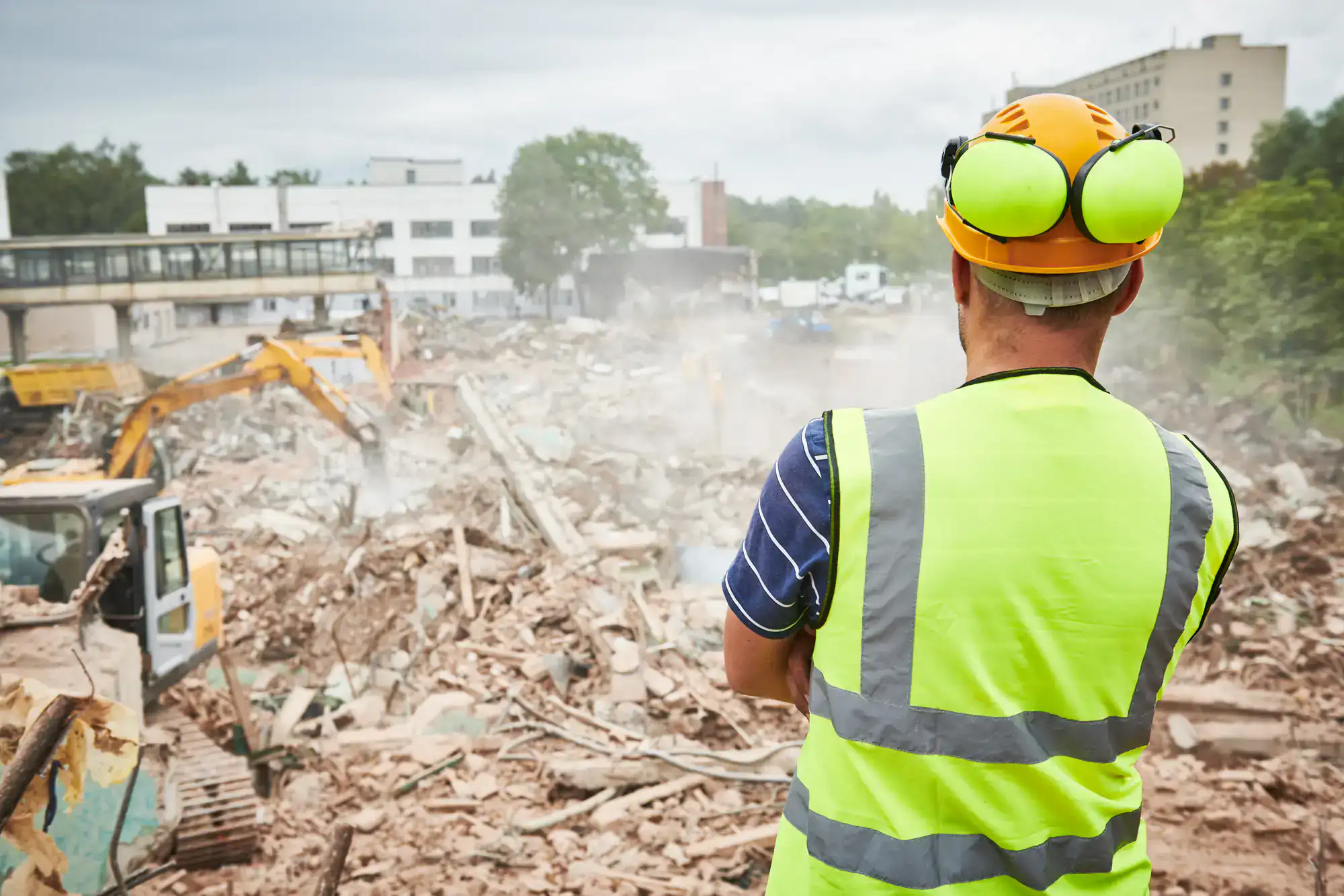
From there, we set up proper containment using HEPA filtration and negative air pressure systems, complete the demolition or gutting, and handle construction debris removal so you’re not left managing disposal on your own. If waterproofing is part of the scope, that gets done in the same mobilization. When we leave, the job is finished — not handed off.
Ready to get started?
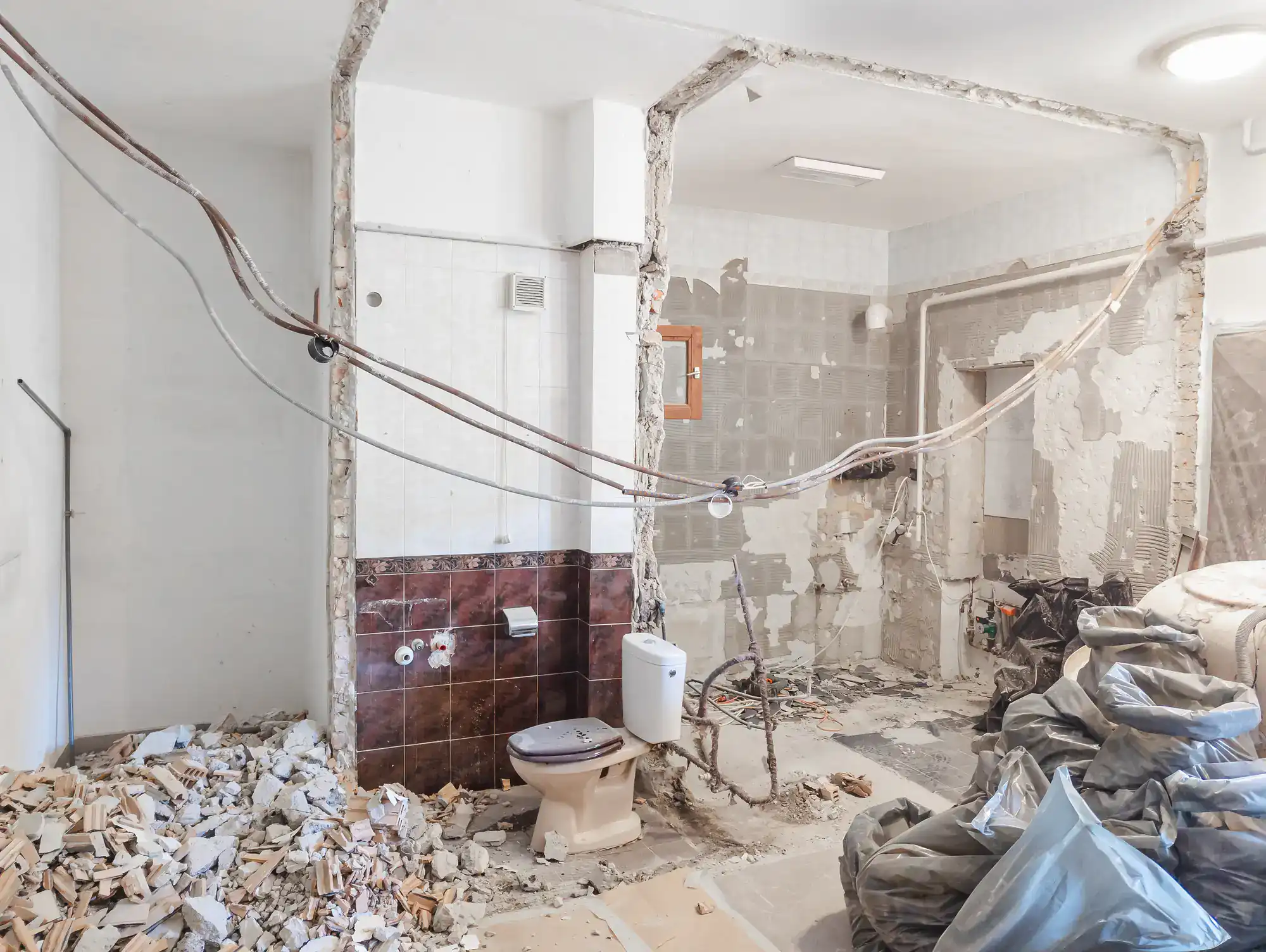
The core of what we do is environmental hazard abatement combined with full demolition and gutting services. For Whitemarsh homeowners, that typically means handling the kind of work that comes up in older homes: interior gut-outs ahead of renovation, water damage restoration and structural drying after a flood event, asbestos abatement in materials like floor tiles, pipe insulation, and ceiling texture, and lead paint removal in pre-1978 homes throughout the township.
We also handle mold remediation, basement waterproofing, and construction debris removal — all under the same engagement. You’re not paying for three separate mobilizations or managing the sequencing yourself. The one-stop model exists because the work is connected. You can’t waterproof a basement that hasn’t been properly gutted and dried. You can’t demo a wall in a 1952 Whitemarsh home without knowing what’s in it first.
For homeowners dealing with emergency situations — a burst pipe in winter, a flooded basement after a storm near the Schuylkill — we’re available 24/7. That’s not a marketing line. It means the phone gets answered, and a crew gets dispatched. We also offer cash discounts and free estimates, and every job comes with a written scope so you know exactly what you’re getting before we start.
Yes — and this is one of the most important things to confirm before you hire anyone. Whitemarsh Township’s Building and Codes Department requires that only contractors registered with the township can obtain building permits for work within its borders. That means if you hire an unregistered contractor, you’re either looking at work that proceeds without a permit — which creates real legal exposure for you as the homeowner — or you’re left navigating the permit process yourself.
We’re a licensed, bonded, and insured contractor operating throughout Montgomery County and are equipped to handle permit acquisition as part of the job. That includes standard demolition permits as well as Earth Disturbance Permits for projects involving excavation or grading. If your project is in or near a designated historic area of Whitemarsh — Barren Hill, for example — there may also be Historical Architectural Review Board approval required before exterior work begins. We handle that process so you don’t have to learn it on the fly.
The short answer is: you test for it before anything gets disturbed. The longer answer is that if your home was built before 1978 — which describes the majority of the housing stock in neighborhoods like Whitemarsh Village, Lafayette Hill, and Barren Hill — there’s a meaningful probability that asbestos-containing materials and lead-based paint are present somewhere in the structure. Floor tiles, pipe insulation, ceiling texture, joint compound, and roofing materials from that era commonly contained asbestos. Lead paint was standard on interior and exterior surfaces until it was banned for residential use in 1978.
We hold an EPA Certified Lead Inspector and Risk Assessor credential, which is a federal qualification that legally authorizes us to inspect, test, and certify lead conditions before demolition begins. That’s a different level of credential than the basic RRP certification that most contractors carry — and it means you get a legally defensible assessment of what’s in your home, not just a guess. Testing happens before we touch a wall, and the results inform exactly how the abatement and demolition scope gets structured.
In most cases involving a flooded basement in an older Whitemarsh home, the honest answer is you need both — and it’s significantly easier when that’s the same company. Water damage restoration covers the extraction, drying, and assessment. But if the flooding has affected drywall, insulation, subfloor, or structural framing, those materials often need to come out before the space can be properly dried and treated for mold. That’s demolition work, and in a pre-1978 home, it’s demolition work that may involve asbestos or lead abatement before anything gets torn out.
Whitemarsh Township has a formally adopted Flood-Prone Property Acquisition Policy, which is the township’s own acknowledgment that certain homes here experience recurrent, serious flooding. If your home has flooded before or sits in a lower-lying area near the Schuylkill River corridor, the damage sequence after a major storm is predictable. We handle water damage restoration, gutting, abatement, and waterproofing in sequence — which means the job gets done correctly instead of being handed off between contractors who aren’t coordinating with each other.
Permit fees in Whitemarsh Township are set by the township’s fee schedule and vary based on the scope and type of work — demolition, electrical, plumbing, mechanical, and zoning each carry separate fees. For a standard interior demolition or gut-out, you’re typically looking at a building permit at minimum, and potentially an Earth Disturbance Permit if the project involves any excavation or grading around the foundation.
The more important point is that the permit process in Whitemarsh is not something you want to manage yourself while also overseeing a demolition job. The township requires contractors to be registered before they can pull permits, and projects in the historic district carry additional review requirements. When you work with us, permit acquisition is part of the process — we handle the application, the fees, and the coordination with the Building and Codes Department at 616 Germantown Pike. You’ll know what the permit costs as part of your written estimate upfront, so there are no surprises after the job starts.
For a typical postwar home in Whitemarsh — a 1,500 to 2,500 square foot colonial or split-level built between 1945 and 1975 — a full interior gut-out generally runs anywhere from a few days to a couple of weeks depending on scope, the presence of hazardous materials, and permit timing. If asbestos or lead is identified during the pre-demo assessment, abatement adds time to the front end of the project, but it’s time that’s legally required and not something that can be skipped.
The permit process with Whitemarsh Township’s Building and Codes Department also affects scheduling. Getting a permit pulled before work begins is not optional, and turnaround time from the township varies. We factor that into the timeline from the start so you’re not caught waiting mid-project. If your project is in a historic district area, the Historical Architectural Review Board review adds another step. We account for all of this in the initial estimate and schedule so the timeline you get is realistic, not optimistic.
We do offer cash discounts, and it’s straightforward — paying in cash eliminates processing fees on our end, and we pass that savings directly to you. For homeowners in Whitemarsh managing a renovation budget on a 70-year-old home, where unexpected abatement findings can shift costs mid-project, any legitimate way to reduce the bottom line matters. The cash discount is one of the few pricing levers in this industry that’s actually real and predictable.
Beyond that, every job starts with a free estimate and a written scope of work. That means you know what you’re paying for before we start, and there are no line items that appear on the final invoice that weren’t discussed upfront. In a service category where vague bids and surprise costs are common complaints, the combination of transparent pricing and a cash discount option is how we keep the relationship straightforward from the first call to the last haul.
Other Services we provide in Whitemarsh