Hear from Our Customers
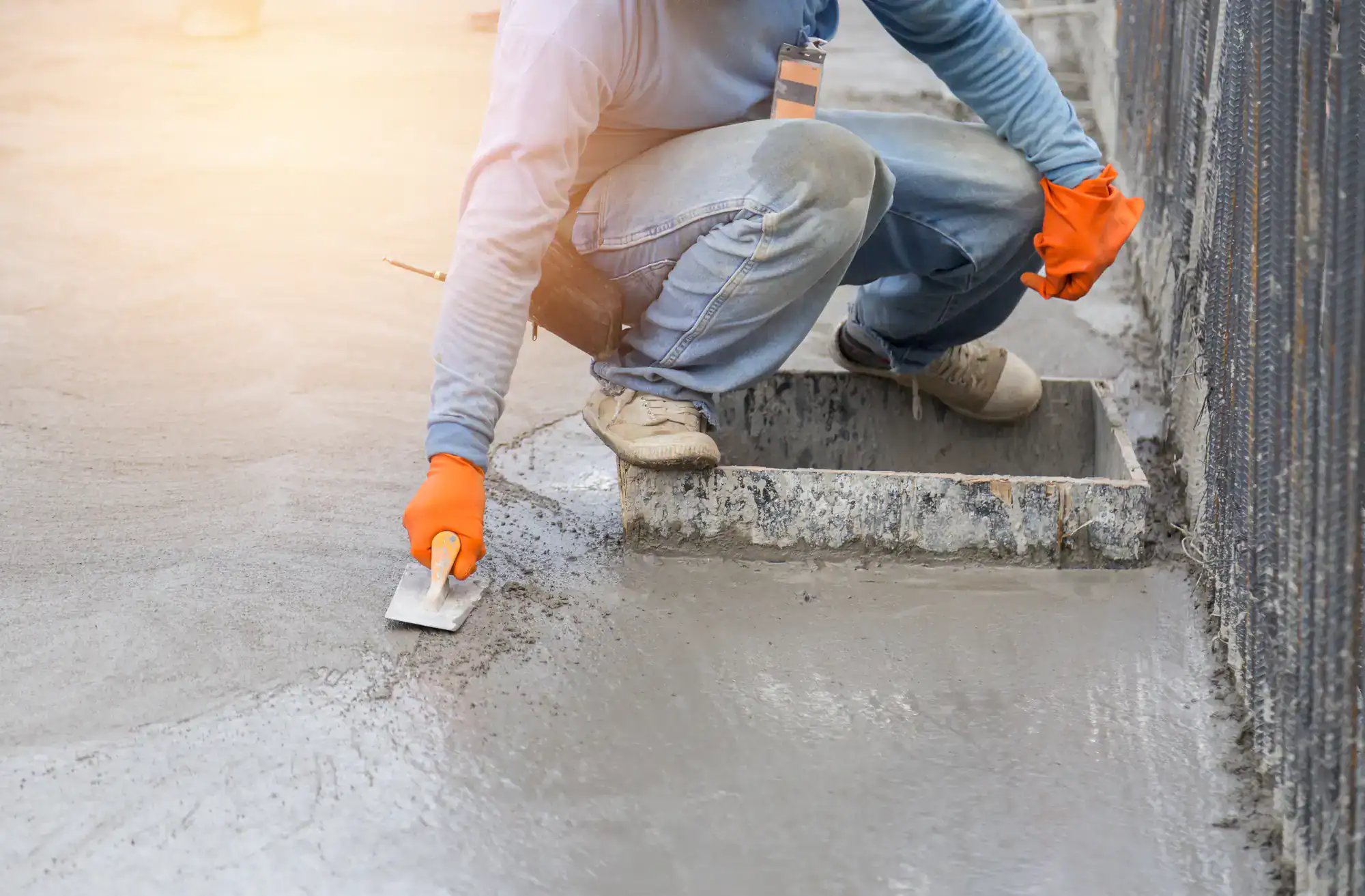
Once the water is gone and the source is sealed, you stop losing sleep every time a storm rolls up the PA 309 corridor. You stop avoiding the basement. You stop wondering what that smell means or whether the walls are getting worse. That shift — from dread to done — is what this work actually delivers.
In Sellersville, a lot of the homes sitting along Bethlehem Pike and throughout the borough were built long before modern waterproofing existed. Stone foundations, old block walls, drainage systems that were never designed to handle today’s storm intensity — these aren’t flaws in your home, they’re just realities of living in one of upper Bucks County’s most historic communities. Addressing them properly means understanding what you’re dealing with before picking up a drill.
The other thing worth knowing: Bucks County has been hit harder and harder by intense rainfall events in recent years. What used to be a rare flooding situation is becoming a seasonal concern for a lot of homeowners in the 18960 ZIP code. Getting ahead of it — or dealing with it correctly after it’s happened — protects the equity you’ve built in your home and keeps mold from turning a water problem into a health problem.
We’ve been working in Chester, Delaware, Montgomery, New Castle, and Bucks counties for two decades. That’s not a number thrown out for effect — it means we’ve been inside enough older homes in Sellersville and communities like Perkasie, Telford, and West Rockhill to know that the fix that works on a 1990s poured-concrete foundation in a newer subdivision isn’t the same fix that works on a stone or block wall in a pre-war borough home.
We’re fully licensed, bonded, and insured, and our owner holds certification as a Lead Inspector and Risk Assessor under EPA and HUD guidelines. That matters here. A meaningful portion of Sellersville’s housing stock was built before 1978, which means any time walls get disturbed during waterproofing work, lead paint becomes a real consideration — not a footnote. We handle it as part of the job, not as a separate conversation.
You get free estimates, 24/7 phone availability, emergency response when timing matters, and cash discounts when that works better for you. One company. One call. No coordinating between three different contractors to solve one problem.
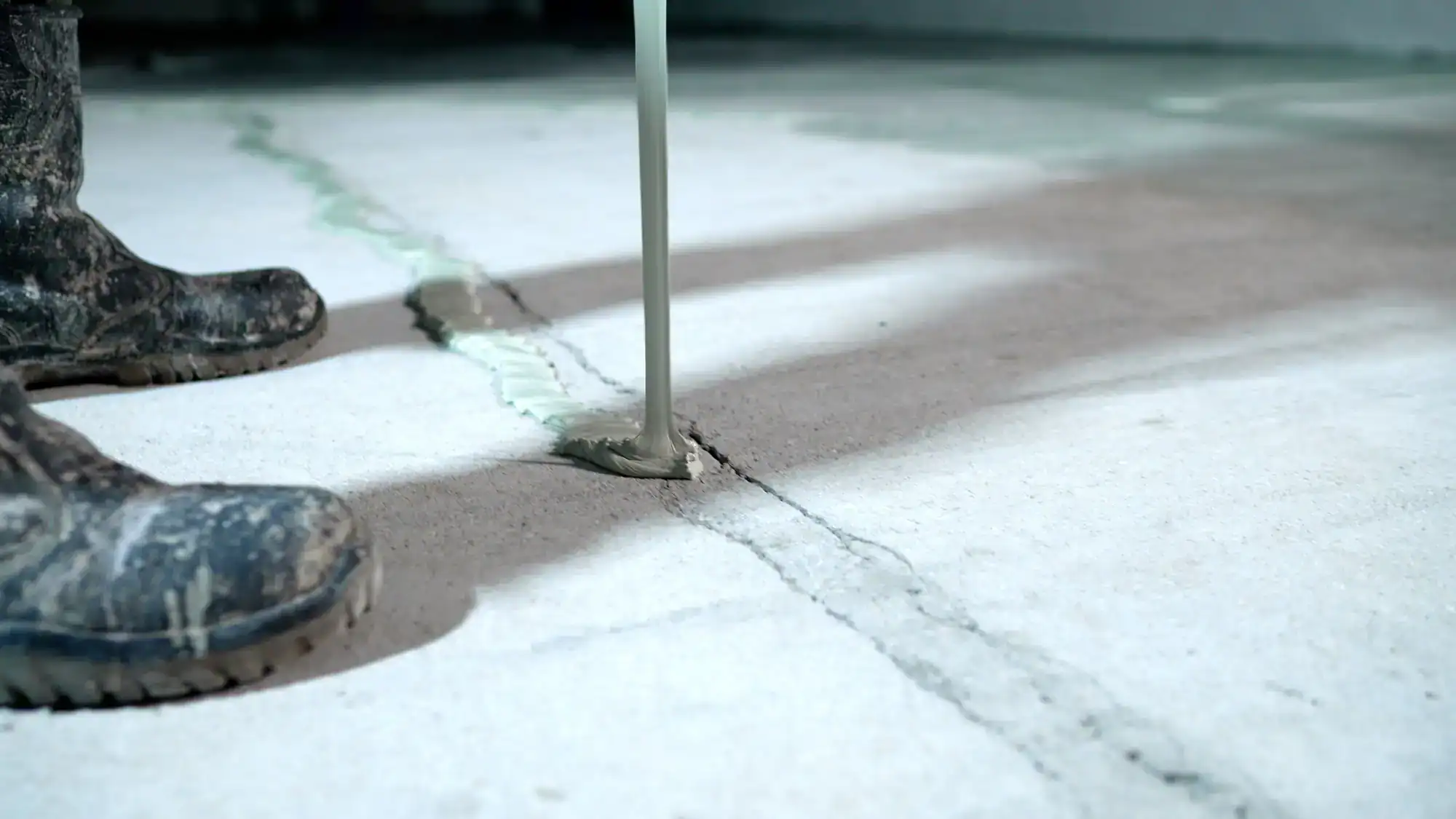
It starts with a real conversation — not a form submission that disappears into a queue. When you call us, you talk to someone who can ask the right questions: where the water is coming in, how long it’s been happening, what the foundation looks like, and whether there’s any visible mold or structural concern. From there, we schedule a free on-site estimate at a time that works for you.
On-site, we assess the actual source of the problem. In Sellersville’s older homes, that often means looking at hydrostatic pressure from water-saturated soil pushing against aging foundation walls, surface runoff that’s being funneled toward the house instead of away from it, or drainage systems that were connected to the municipal storm sewer in ways that no longer hold up under today’s rainfall volume. We look at all of it before recommending anything.
Once the scope is clear, we walk you through exactly what needs to happen and what it will cost — no surprises. Work is done using HEPA filtration systems and professional-grade equipment to keep the rest of your home clean during the process. If your project requires a permit through Sellersville Borough’s building department, we handle that as part of the job. When we’re done, your basement is dry, the source is addressed, and you know what was done and why.
Ready to get started?
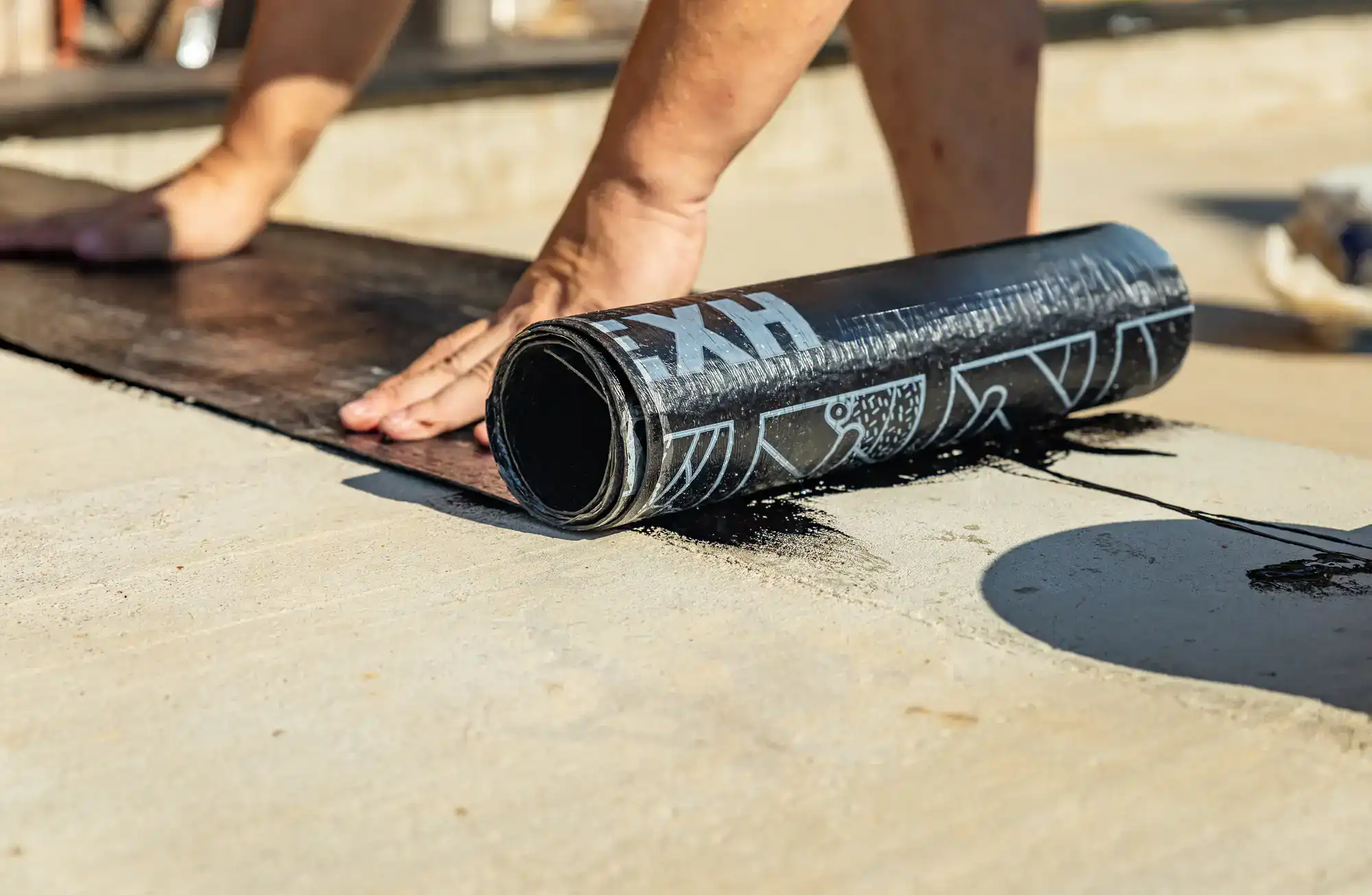
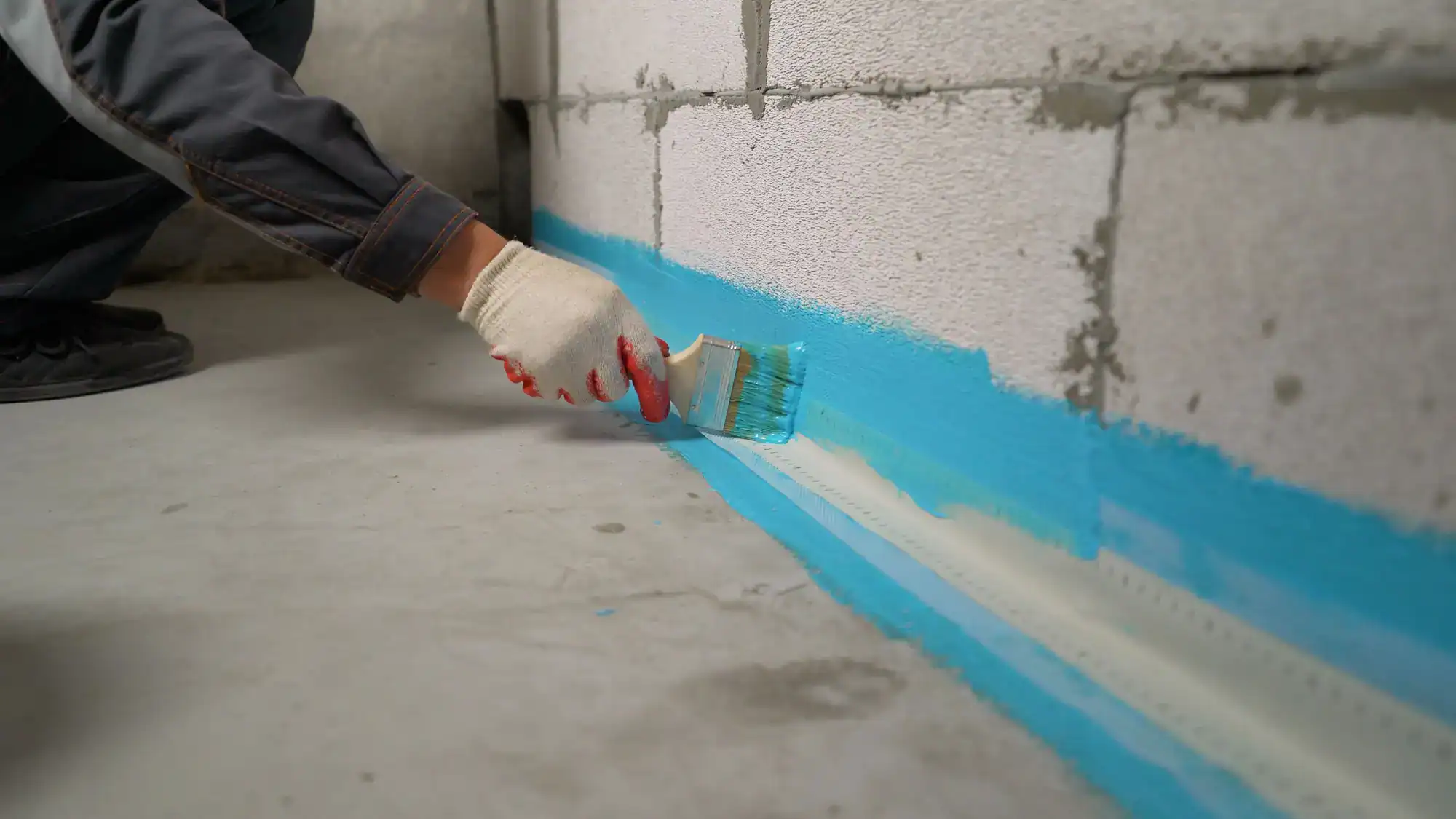
Basement waterproofing in Sellersville isn’t one thing. Depending on your home and what’s driving the moisture, the right solution might be interior drainage, exterior waterproofing membrane application, sump pump installation or replacement, French drain installation, crack injection, crawl space encapsulation, or some combination of these. We assess first and recommend based on what your specific foundation actually needs — not what’s easiest or most profitable to install.
Because we’re also a full environmental services company, we can handle what a lot of waterproofing-only contractors can’t. If mold is present when we open up a wall, we remediate it. If lead paint becomes a concern during the work — which is a real possibility in Sellersville’s pre-1978 housing stock — we’re already certified to manage it safely. If demolition is needed to access a foundation problem, we do that too. You don’t get handed off to a second or third contractor mid-project.
The homes throughout the Pennridge area — Sellersville, Perkasie, Telford, West Rockhill, and the surrounding townships — share a lot of the same foundation characteristics and drainage challenges. We’ve worked in these communities long enough to know what those challenges look like and how to fix them without overcomplicating or overcharging. If you’ve been quoted $10,000 to $20,000 by another company and it didn’t feel right, it’s worth getting a second opinion.
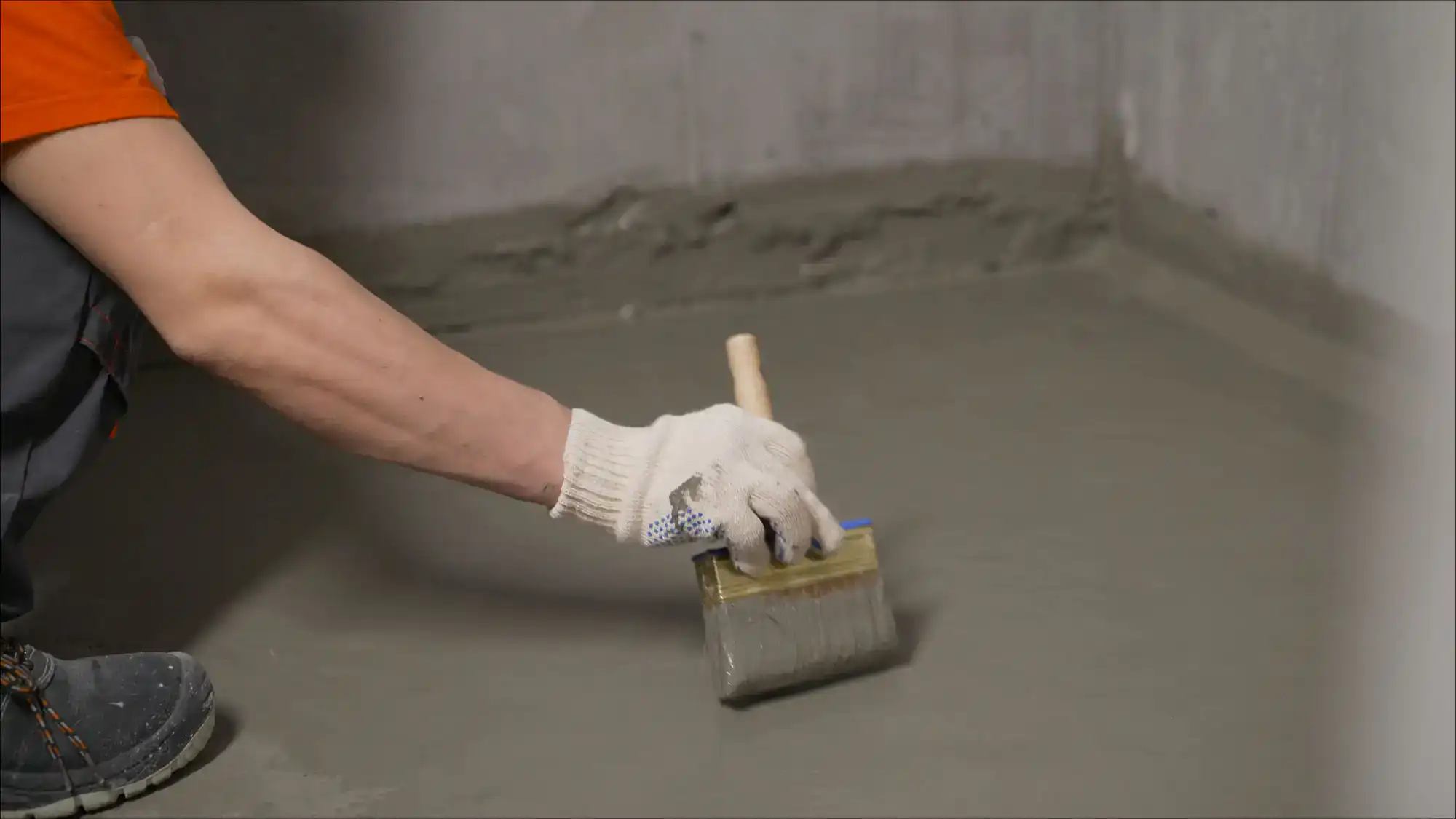
The rain stopping doesn’t mean the water pressure on your foundation stops. In upper Bucks County, the soil holds moisture for a long time after a storm — and that saturated soil pushes water against your foundation walls through a process called hydrostatic pressure. Older homes in Sellersville, especially those with stone or concrete block foundations, are particularly vulnerable because those materials weren’t built with modern waterproofing membranes or drainage systems in mind.
There’s also a drainage factor that’s specific to a lot of older Sellersville homes: some were originally connected to the municipal storm sewer system in ways that are no longer code-compliant. When the storm sewer gets overwhelmed during a heavy event — which is happening more frequently in Bucks County — water can back up into your basement through those old connections. Identifying which of these sources is driving your flooding is the first step, and it’s something that needs to be assessed in person before any fix is recommended.
Cost varies a lot depending on what’s actually causing the problem and what your foundation looks like. A straightforward crack injection or sump pump installation might run a few hundred to a couple thousand dollars. A more involved interior drainage system or exterior waterproofing job on an older Sellersville home can range from $3,000 to $10,000 or more depending on scope and access. Some companies operating in the Sellersville and upper Bucks County market have been known to quote $10,000 to $20,000 for work that doesn’t need to cost that much.
The best way to get a real number is a free on-site estimate — which is exactly what we offer. There’s no obligation, and you’ll leave the conversation knowing what the actual problem is and what it would take to fix it. We also offer cash discounts, which can meaningfully reduce the final cost for homeowners who prefer that option.
Yes — and in many cases it’s one of the highest-return investments you can make before listing. A wet basement is one of the most common red flags on a home inspection in this area, and it gives buyers immediate leverage to negotiate the price down or walk away entirely. In Sellersville, where median home values have climbed significantly and many homes carry real equity, letting a water problem tank your sale price doesn’t make financial sense.
Beyond the inspection, buyers in the upper Bucks County market are increasingly aware of moisture and mold issues in older homes — and they’re asking about it. A documented waterproofing repair, done by a licensed contractor, is a selling point. It tells the buyer the problem was identified and fixed properly, not just painted over. If your home was built before 1978, having a certified contractor on record who managed the work in compliance with lead safety guidelines adds another layer of credibility to the transaction.
Crawl space moisture and basement water intrusion are different problems, but they’re often connected — and in Sellersville’s older homes, it’s not unusual to find both happening at the same time. A damp crawl space creates humidity that moves through the floor system into the rest of the house, contributing to mold growth, wood rot, and air quality issues that you feel even if you never go down there.
We handle crawl space encapsulation as part of our full-service model, which means if your assessment turns up moisture issues in both areas, you don’t need to bring in a second contractor. A vapor barrier system installed in the crawl space — combined with the appropriate basement waterproofing solution — addresses the full picture. This is especially relevant for homes in the Pennridge area where crawl spaces are common and the soil conditions create persistent ground moisture that doesn’t let up between seasons.
Honestly, the best time is before you have a problem — but most people call after the water is already in. If you’re planning ahead, late summer through early fall tends to be a good window in this part of Bucks County. The ground is drier, which makes exterior work easier and more effective, and you’re getting ahead of the late fall rains and the spring thaw cycle that drives the highest flooding risk in the 18960 area.
That said, waterproofing work can be done year-round, and if your basement is actively taking on water, waiting for the “right season” isn’t an option. Interior drainage systems and crack repairs can be completed in any weather. Exterior membrane work is more weather-dependent, but we’ll be straightforward with you about what can and can’t be done at a given time of year — and what the right sequence of work looks like for your specific situation.
This is one of the most important questions you can ask a waterproofing contractor in Sellersville — and most of them don’t have a good answer. A large portion of the homes in this borough were built before 1978, when lead-based paint was still standard. Any time a contractor drills into, cuts through, or disturbs walls in a pre-1978 home, there’s a real potential for lead dust exposure if it isn’t managed properly.
Our owner is a Certified Lead Inspector and Risk Assessor, and all work is performed in compliance with EPA and HUD guidelines. That’s not something most waterproofing-only contractors in this area can say. It means if lead paint is present in your basement or on your foundation walls, we identify it, we manage it safely, and we don’t leave you with a new hazard in place of the old one. For homeowners in Sellersville’s historic housing stock, this credential isn’t a bonus — it’s a genuine protection that most of the competition simply doesn’t offer.
Other Services we provide in Sellersville