Hear from Our Customers
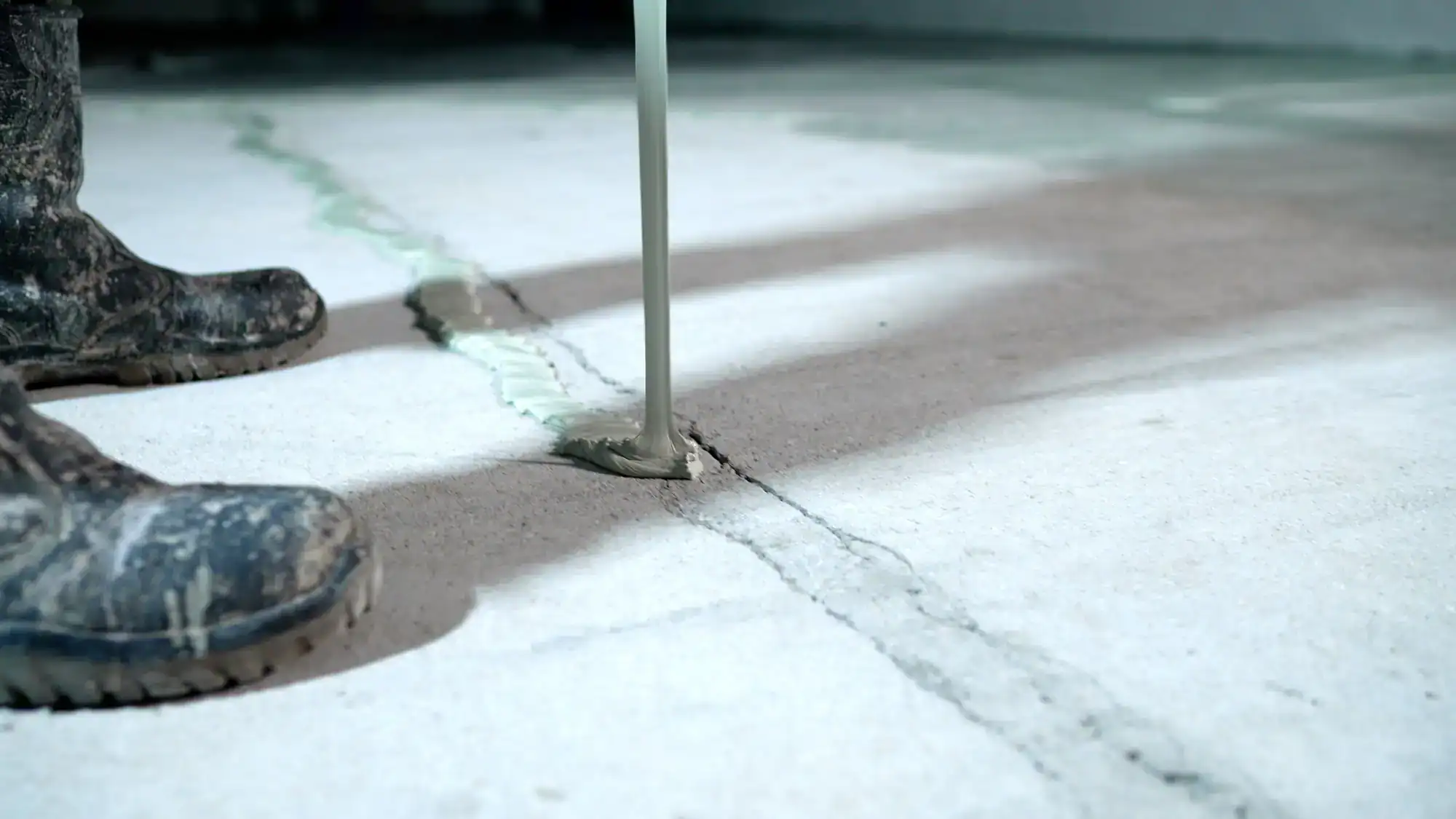
Plymouth Township’s housing stock tells a specific story. Most of the residential neighborhoods off Germantown Pike and Belvoir Road are filled with Cape Cods, split-levels, and ranch homes built between the 1950s and 1970s. Those foundations — poured concrete and concrete block — are now 50 to 75 years old. Whatever waterproofing existed when they were built is long gone. What’s left is a wall that’s been quietly absorbing moisture, freeze-thaw stress, and hydrostatic pressure every single season since.
When you get basement waterproofing done right, the immediate result is obvious — no more water on the floor after a storm, no more musty smell when you open the door, no more white mineral deposits creeping down the block wall. But the longer-term result matters just as much. In a market where the median home value in Plymouth Township sits around $439,800, a wet basement isn’t just an inconvenience. It’s a liability. Home inspectors flag it. Buyers walk away from it. And mold, once it gets established in a damp basement, doesn’t stay in the basement.
Plymouth also sits in a climate zone that doesn’t give your foundation a break. Southeastern Pennsylvania gets roughly 45 to 48 inches of rain spread across all four seasons, and the winters add freeze-thaw cycles on top of that. The water pressure against your foundation walls isn’t a seasonal problem — it’s a year-round one. Getting it properly addressed means you stop managing a recurring issue and start actually using your basement again.
We’ve been doing this work across Montgomery County for over 20 years, and Plymouth Township is part of our core service area — not a stretch zone, not a far reach. We know the housing stock here, we know what the Schuylkill River does to soil saturation in the lower-lying neighborhoods near Chemical Road, and we know what a 1965 block foundation looks like after a wet spring.
What makes us different from the franchise operators you’ve probably already heard from isn’t a proprietary drainage system or a commissioned salesperson with a clipboard. We’re a fully licensed, bonded, and insured environmental services company — certified lead inspectors included — which matters a lot in Plymouth’s pre-1978 housing stock. When waterproofing work uncovers mold, or a wall that’s been painted over with lead-based paint, we don’t have to stop and call someone else. We handle it.
Free estimates, cash discounts, and 24/7 availability aren’t marketing language here. They’re how we actually operate.
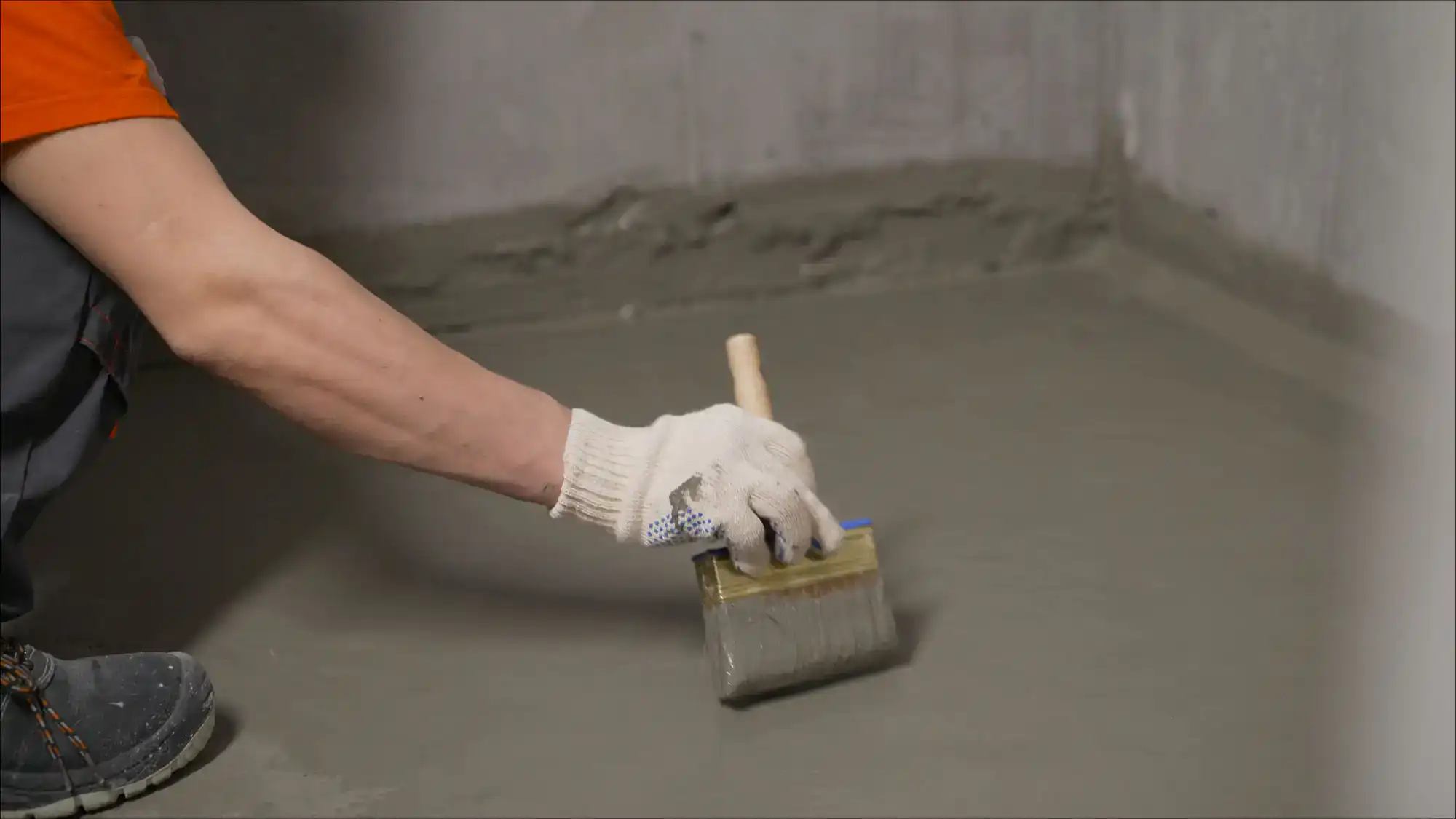
It starts with a free estimate and a real assessment of what’s going on. Not a sales pitch — an honest look at your foundation, where the water is entering, and what’s driving it. In Plymouth Township, that often means checking for hydrostatic pressure from saturated soils near the Schuylkill River corridor, surface water runoff collecting against the foundation from an uphill neighbor’s yard, or deteriorating mortar joints in an aging block wall. The source matters, because the fix depends on it.
Once we’ve identified the problem, we walk you through exactly what needs to happen. That might be interior drainage, exterior waterproofing, crack injection, a sump pump installation, or some combination. If we find mold or suspect lead paint during the process — which is genuinely common in Plymouth’s mid-century homes — we’re already equipped to handle it. You don’t need to find a separate contractor or pause the project.
Plymouth Township’s Code Enforcement Department at 700 Belvoir Road administers building permits for the township, and we work within that framework. Any work that requires a permit gets handled correctly and documented properly, so there are no surprises when it comes time to sell your home. After the work is done, you get a dry basement and a clear record of what was done and how.
Ready to get started?
Basement waterproofing through us isn’t a single product sold under a brand name. It’s a diagnosis-first approach that covers the full range of what your foundation actually needs. Interior waterproofing systems, exterior membrane application, French drain installation, sump pump installation and replacement, crack repair, and wall stabilization are all on the table — depending on what your home requires, not what hits a sales quota.
Because we’re a full environmental services company, the scope of what we can handle goes beyond what a waterproofing-only contractor can offer. If your Plymouth Township basement has water damage that’s led to mold growth — which happens fast, often within 24 to 48 hours of a flooding event — we test and remediate it. If the remediation work involves disturbing painted surfaces in a home built before 1978, our certified lead inspector credentials mean we handle that safely and in full compliance with EPA and HUD standards. HEPA filtration systems are used throughout to protect your indoor air quality during the process.
For Plymouth homeowners near the Schuylkill River floodplain or in neighborhoods with significant grade changes that funnel runoff toward foundations, we also assess exterior drainage and grading as part of the overall picture. The goal isn’t to sell you the most expensive system. It’s to fix the actual problem so you’re not calling again in two years.
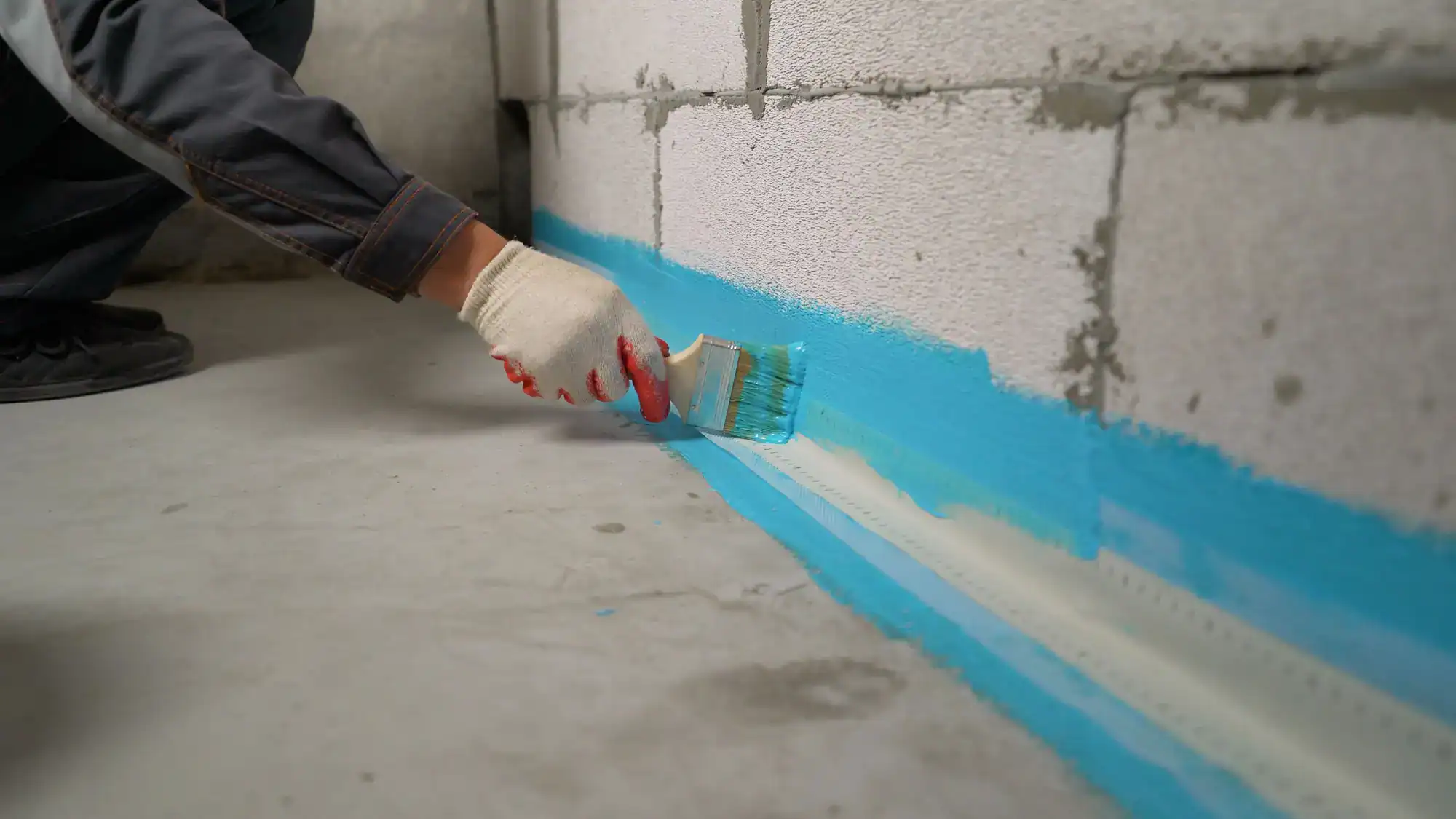

The most common culprit in Plymouth Township is hydrostatic pressure — water-saturated soil pushing against your foundation walls from the outside. Plymouth’s southwestern boundary runs along the Schuylkill River, and Plymouth Creek drains through the middle of the township. After a significant rain event, the water table in lower-lying areas rises quickly, and that pressure has to go somewhere. In a 50- or 60-year-old block foundation, it finds the path of least resistance — deteriorated mortar joints, hairline cracks, or the joint where the wall meets the floor.
Topography plays a role too. Many of Plymouth’s residential neighborhoods sit on rolling terrain, and properties at the base of a slope receive concentrated runoff from uphill neighbors during storms. If your gutters and downspouts are also directing water toward the foundation rather than away from it, you’re compounding the problem. A proper assessment looks at all of these factors together — not just the crack on the wall.
The honest answer is that cost depends heavily on what’s actually causing the problem and how extensive the water intrusion is. A straightforward interior crack injection on a poured concrete wall is significantly less expensive than a full interior drainage system with a new sump pump. For most Plymouth Township homes — mid-century Cape Cods and split-levels with block or poured concrete foundations — interior waterproofing systems with a sump pump installation typically run somewhere in the range of $3,000 to $8,000 depending on the scope. Exterior waterproofing, which involves excavating around the foundation, is more involved and costs more.
What drives costs up unnecessarily is when a contractor sells you a system designed for a worst-case scenario when your home has a more targeted problem. That’s why we start with a free estimate and a real diagnosis before recommending anything. Cash discounts are available, and we’ll give you a clear picture of what the work actually costs before anything starts. No surprises on the back end.
Waterproofing stops new moisture from entering, which eliminates the ongoing source that feeds mold growth. But if mold is already present in your basement — which is common in Plymouth’s older homes that have been dealing with seasonal moisture for decades — waterproofing alone doesn’t remove it. Existing mold needs to be properly remediated before or alongside the waterproofing work, otherwise you’re sealing a contaminated space and the problem continues from the inside.
This is where our one-stop model matters in a real, practical way. Most waterproofing contractors aren’t equipped to handle mold remediation. They’ll finish the waterproofing and tell you to call someone else about the mold. We handle both under the same roof, using HEPA filtration systems throughout the process to prevent spores from spreading to the rest of your home. In Plymouth’s mid-century housing stock, where older HVAC systems can quickly distribute disturbed particulates, that containment process isn’t optional — it’s essential.
It depends on the scope of the work. Plymouth Township operates under a home rule charter and has its own Code Enforcement Department at 700 Belvoir Road. The township follows the International Property Maintenance Code and has opted into Pennsylvania’s Uniform Construction Code, which means work involving structural modifications — including certain foundation repairs and drainage system installations — typically requires a building permit and inspection.
Cosmetic repairs like applying sealant to a wall generally don’t require a permit. But if the work involves cutting the basement floor for an interior drainage system, installing a sump pit, or making structural repairs to a foundation wall, you’re likely in permit territory. Working with a fully licensed and insured contractor who understands Plymouth Township’s permitting process matters here — not just for compliance, but because unpermitted work on a foundation can create real problems when you go to sell your home. We work within the township’s permit framework as a standard part of how we operate.
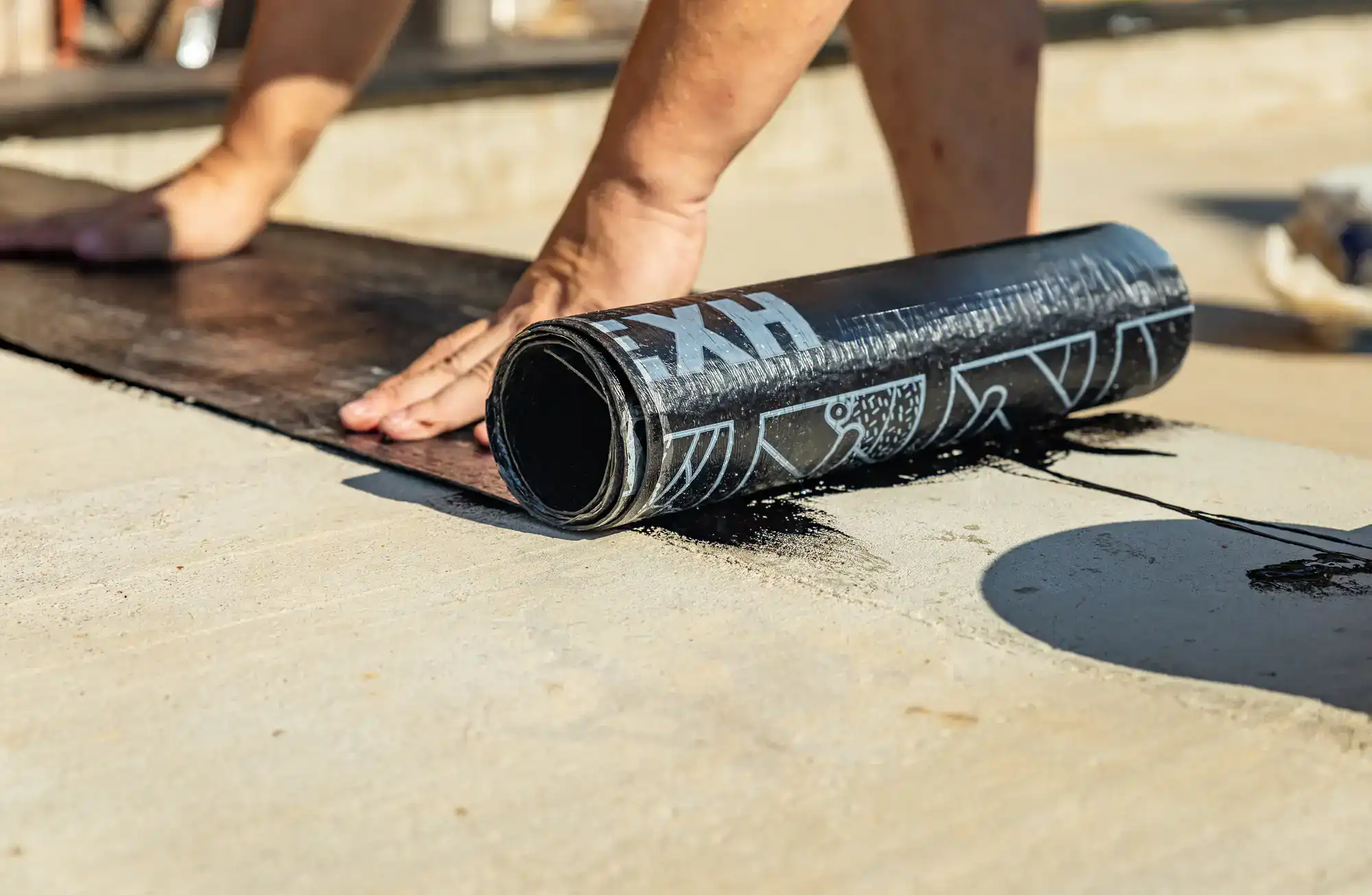
Exterior waterproofing involves excavating the soil around your foundation, applying a waterproof membrane directly to the outside of the foundation wall, and installing drainage board and gravel to redirect water away before it ever contacts the wall. It addresses the problem at the source. It’s also more invasive, more expensive, and typically not necessary for every home.
Interior waterproofing manages water that’s already entered or is under pressure to enter by installing a drainage channel along the perimeter of the basement floor, routing it to a sump pump that discharges it away from the home. For most Plymouth Township homes — particularly the mid-century block foundation homes in neighborhoods off Germantown Pike and Plymouth Road — interior waterproofing is the more practical and cost-effective solution. It doesn’t prevent water from reaching the wall, but it controls it before it becomes a problem in your living space. The right answer depends on your specific foundation, your water source, and your budget. That’s what the free estimate is for.
No catch. Cash payments eliminate credit card processing fees and reduce administrative overhead on smaller jobs, and we pass that savings directly to you. For Plymouth Township homeowners who are already comparing quotes from multiple contractors — and given the number of waterproofing companies serving the 19462 area, most people are — it’s a straightforward way to get more value out of the same job without cutting corners on materials or labor.
It’s also worth noting that we’re not a franchise operation with royalty fees, commissioned sales reps, or corporate overhead baked into every quote. Our pricing reflects actual labor and materials for your specific home. The cash discount is one piece of a broader pricing philosophy: give Plymouth homeowners a fair number upfront, do the work right, and let the results speak. If you want to know what your specific job would cost, the estimate is free and comes with no pressure to commit.
Other Services we provide in Plymouth