Hear from Our Customers
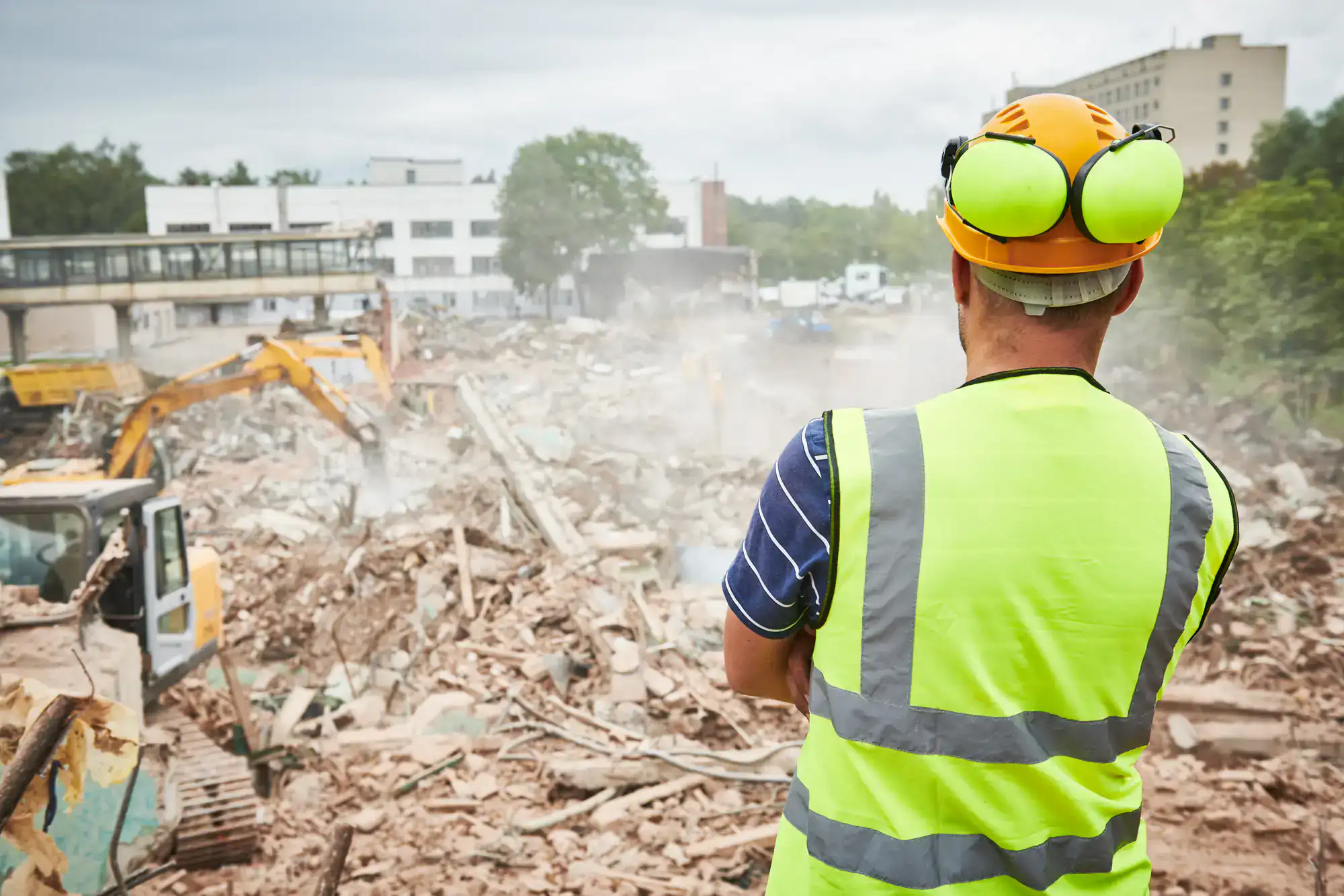
Plymouth Township homes tell a story through their walls — and sometimes that story includes asbestos floor tiles, lead paint under three layers of drywall, and mold behind the water-stained corner nobody wanted to look at too closely. That’s not a reason to panic. It’s just the reality of owning a pre-1978 home in a community that’s been continuously built and rebuilt since English Quakers settled here in 1686. The question isn’t whether your home has any of this. The question is who’s qualified to handle it correctly.
When you hire a contractor who can only do part of the job, you end up managing the rest yourself — scheduling a separate tester, waiting on abatement clearance, then calling the demo crew, then figuring out debris removal. That’s weeks of coordination for a project that should take days. We handle every step in a single engagement. Testing, remediation, demolition, gutting, waterproofing, debris removal — one company, one point of contact, one invoice.
For Plymouth Township homeowners sitting on a median home value around $542,000, that kind of simplicity isn’t just convenient. It’s protection. Projects that drag across multiple contractors are where things fall through the cracks — where compliance gaps appear, where timelines blow up, and where costs balloon. Getting it done right the first time, under one roof, is what keeps a renovation project from becoming a six-month ordeal.
We’re based in Glenside — about eight miles from Plymouth Township via Germantown Pike, the same road that’s connected these communities since the 1600s. This isn’t a company that added Plymouth to a service area map. Montgomery County is home territory, and Plymouth’s specific permit process, Code Enforcement requirements, and housing stock are familiar ground.
What separates us from most demolition contractors in the area isn’t just experience — it’s the credentials behind it. Eric holds EPA Certified Lead Inspector and Risk Assessor status, which means he can legally inspect, test, and certify lead conditions in your home, not just remove them after someone else makes the call. Add EPA/HUD compliance, full licensing, bonding, and insurance across Montgomery County, and you have a contractor who’s built for the exact type of work Plymouth’s older homes require.
Plymouth Township operates under a home rule charter — its own Code Enforcement Department, its own permit fee structure, its own inspection process. We know how to navigate that. Permits get pulled correctly, inspections get scheduled on time, and your project doesn’t stall because someone submitted the wrong form.
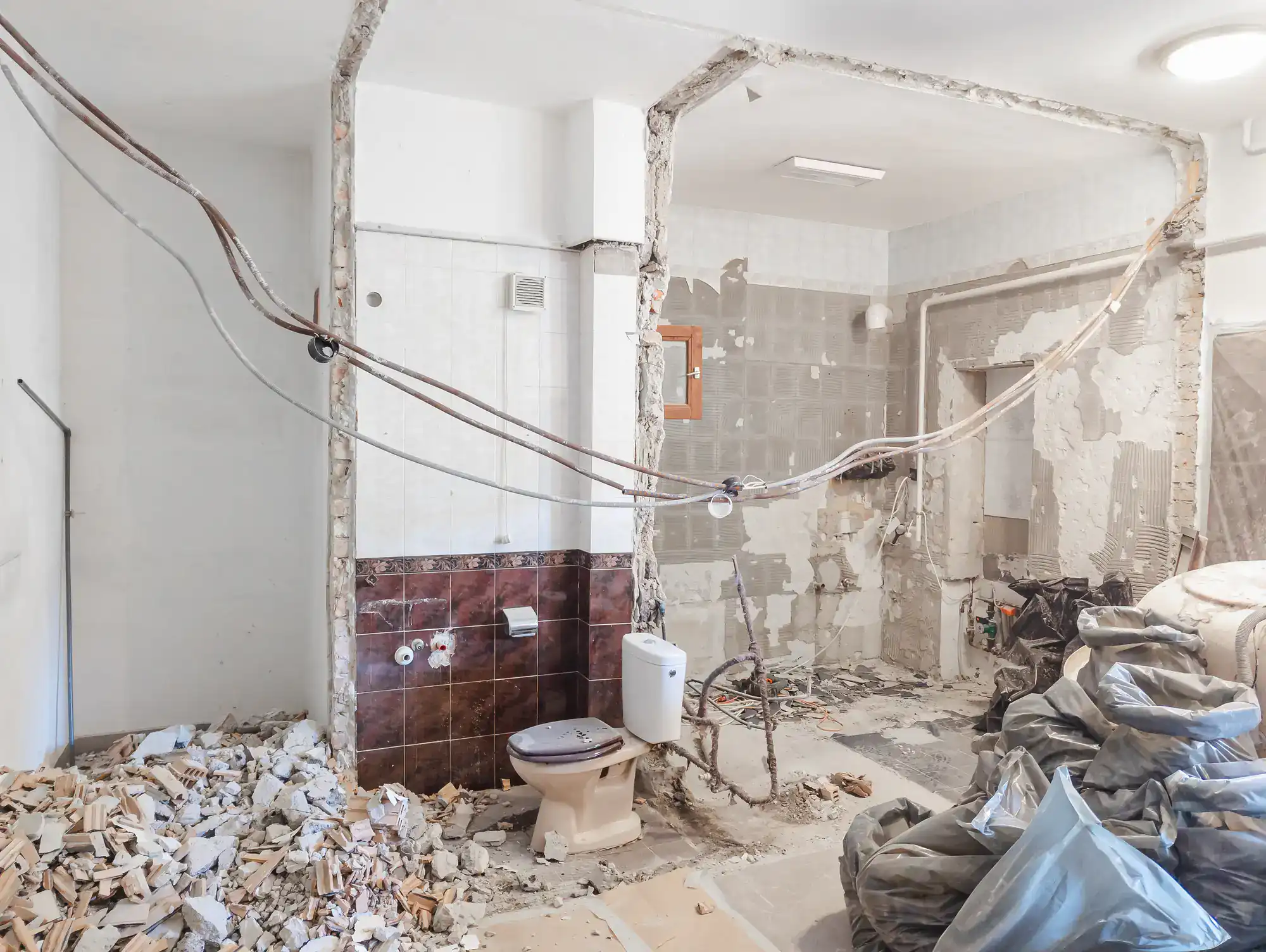
It starts with a free estimate and a real conversation about what you’re dealing with. Whether it’s a full gut renovation, a water-damaged basement, or a room that needs to come down before anything else can go up — the first step is understanding the scope before anyone touches a wall. We come to you, assess the project, and give you a clear picture of what’s involved and what it costs.
If the structure was built before 1978 — which covers a significant portion of Plymouth Township’s housing stock, from Cold Point’s historic district through the township’s extensive postwar development — a hazmat survey happens before demolition begins. This isn’t optional under federal EPA and Pennsylvania regulations; it’s required. We conduct the testing, interpret the results, and handle any necessary abatement in-house. There’s no waiting on a separate abatement firm to clear the site before the demo crew can start.
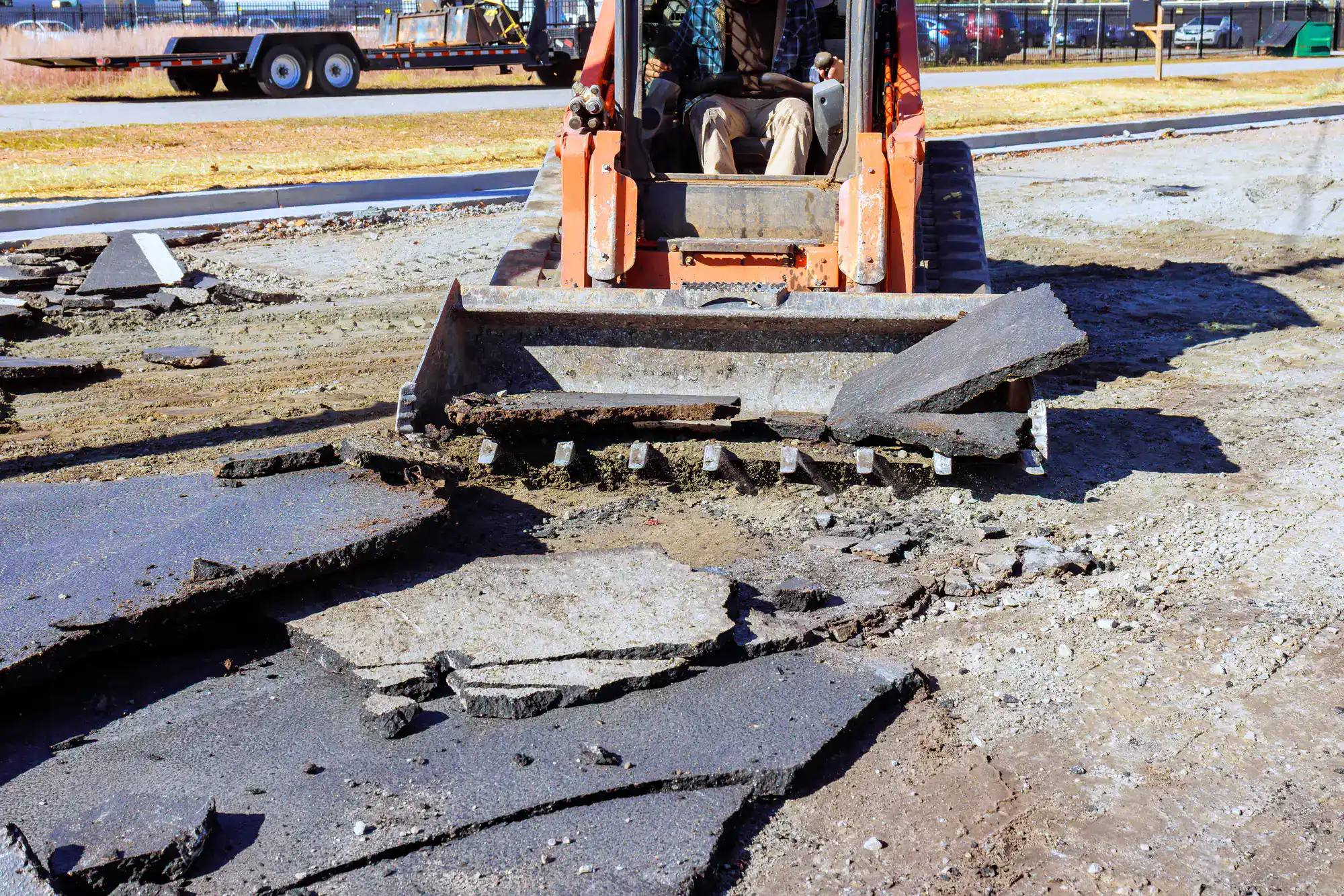
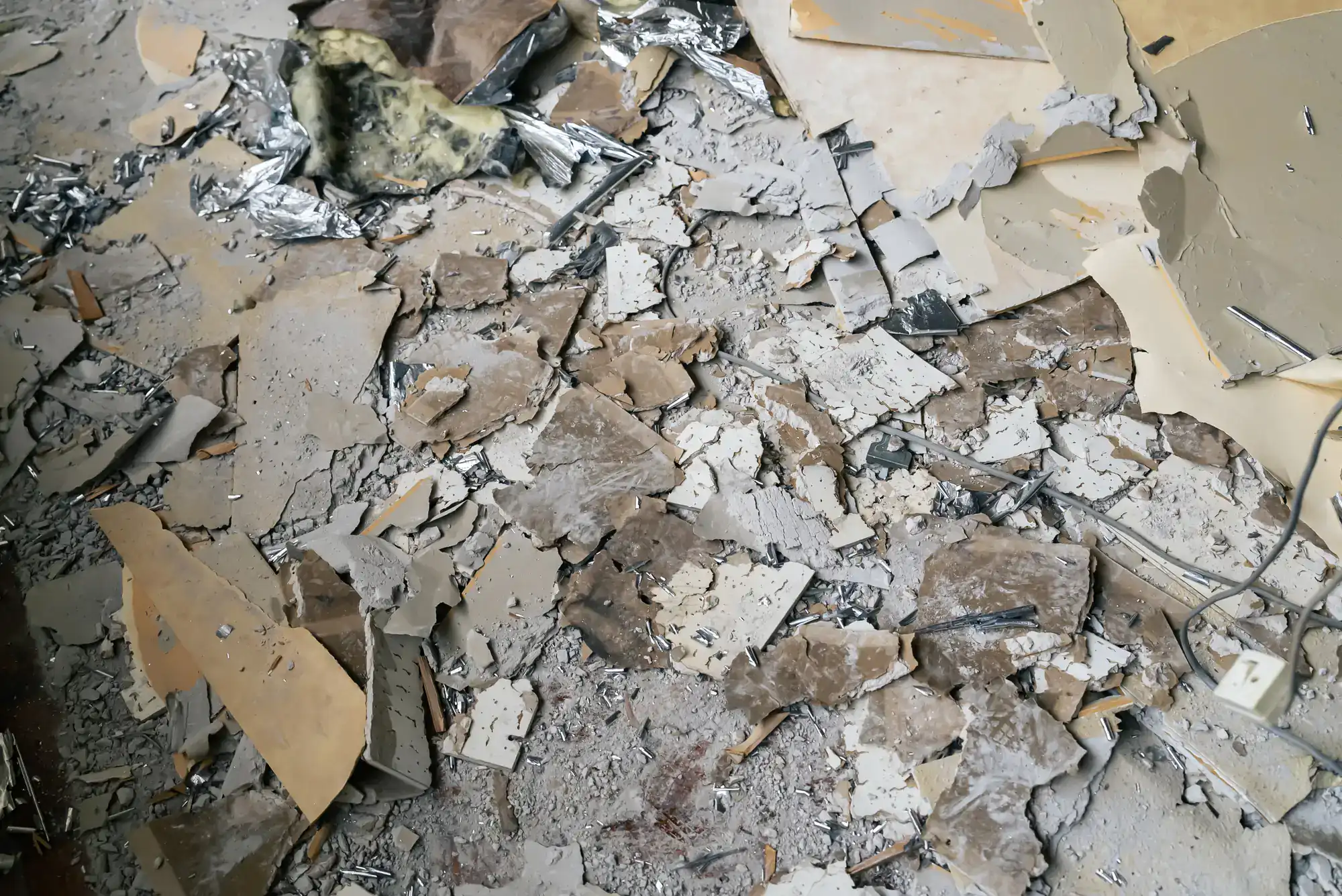
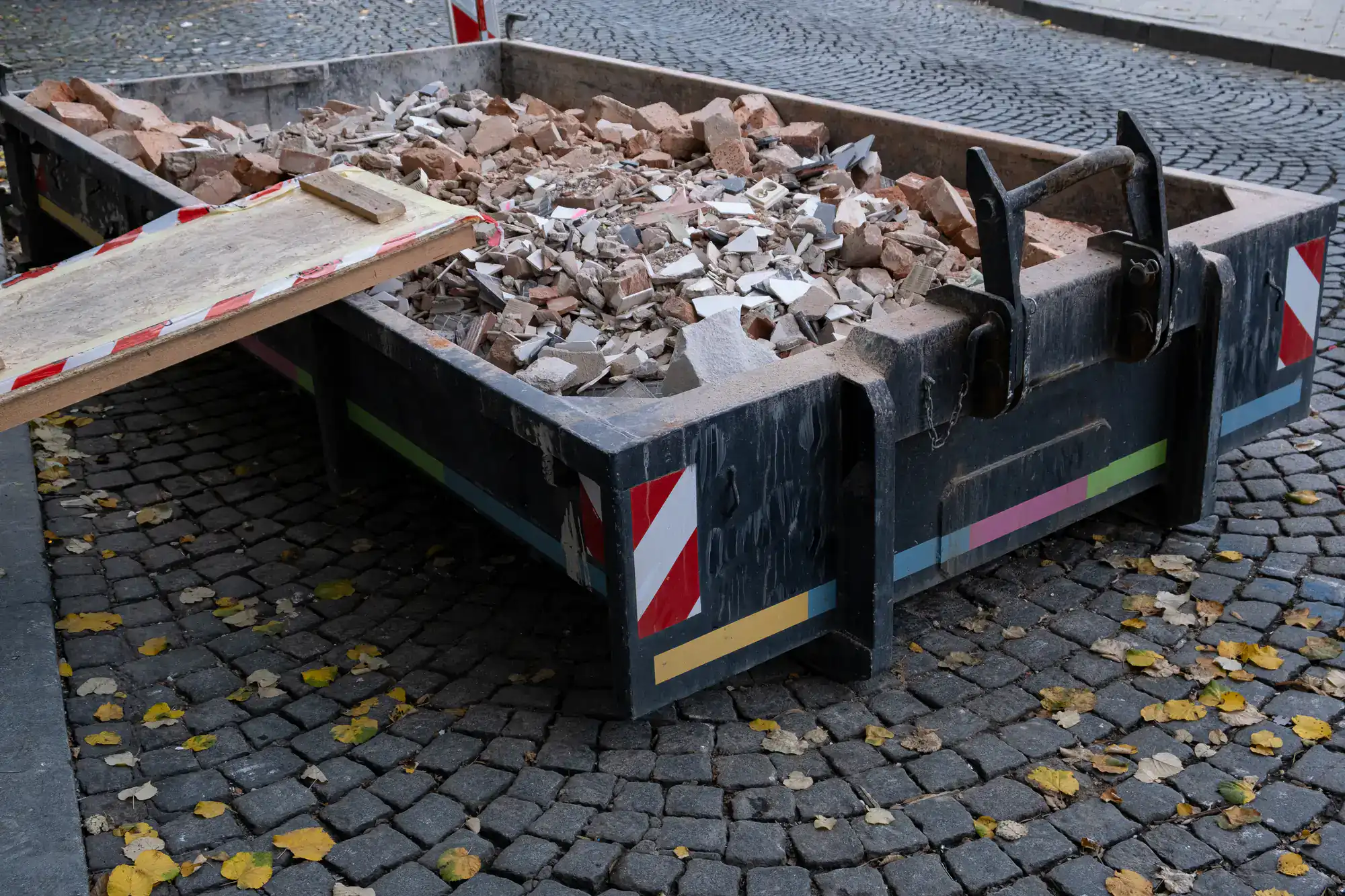
Once the site is clear, demolition and gutting proceed with HEPA filtration systems running to contain airborne particles — critical in occupied or partially occupied structures. Plymouth Township’s Code Enforcement Department requires a demolition permit with a signed contract attached; we manage that process as part of the job. When the work is done, construction debris removal is handled before the crew leaves. You’re not left with a dumpster full of materials to figure out on your own.
Ready to get started?
Most demolition contractors show up, knock things down, and leave. What they don’t do is handle what’s inside the walls of a Plymouth Township home built in 1962 — or what’s growing behind the drywall of a basement that flooded twice during Wissahickon Creek overflow events. We’re built for the full picture.
Our core services include asbestos testing and abatement, lead paint inspection and remediation, interior demolition and gutting, mold remediation, water damage restoration, structural demolition, waterproofing, and construction debris removal. These aren’t separate service lines you have to book independently. They’re part of a single, coordinated process that moves from hazmat clearance through demolition to final cleanup without stopping. For Plymouth Township homeowners near lower-lying areas along the Wissahickon watershed — where basement flooding and water intrusion are a recurring reality — the combination of water damage restoration and gutting capability under one contractor is particularly relevant.
We’re fully licensed, bonded, and insured, and carry EPA Certified Lead Inspector and Risk Assessor credentials alongside EPA/HUD compliance — qualifications that matter specifically for Plymouth’s pre-1978 residential stock and for any federally-assisted housing in the township. Free estimates are standard. Cash discounts are available. And if something happens at 11 PM on a Tuesday — a pipe burst, a sudden mold discovery, a structural concern that can’t wait — we’re reachable around the clock.

Yes — Plymouth Township requires a demolition permit, and because the township operates under a home rule charter rather than the standard Pennsylvania Township Code, the process runs through its own Code Enforcement Department with locally-set requirements. One thing that catches people off guard: Plymouth Township requires a signed contract to accompany every permit application. You can’t just submit the paperwork and wait — the contract has to be in place first. The permit fee structure is also tiered based on project value, with a plan review fee, inspection fees, and a 20% administrative surcharge applied on top.
We handle the permit process as part of the job. That means the application is submitted correctly the first time, the signed contract is in order, and the inspection gets scheduled at the right stage of the project. If you’ve ever had a project stall because a permit was submitted with missing documentation, you know how much time that wastes. Getting it right from the start is part of how we keep Plymouth Township projects on schedule.
Under federal EPA regulations — specifically the National Emission Standards for Hazardous Air Pollutants (NESHAP) — any demolition or renovation of a structure that may contain asbestos-containing materials requires a thorough inspection by a trained inspector before work begins. Homes built before 1978 are the threshold, and a home built in the 1960s in Plymouth Township falls squarely within that range. That covers a significant portion of the township’s residential stock, from the Cold Point area through Plymouth Valley and the subdivisions that went up during the postwar building boom.
Asbestos can show up in places people don’t expect — floor tiles, pipe insulation, ceiling tiles, joint compound, roofing materials, and textured wall coatings. You don’t know it’s there until you test for it. Montgomery County’s own guidance is clear: asbestos must be removed only by a licensed contractor and is not accepted at county hazardous waste collection events. We hold the certifications to conduct the inspection, identify the materials, and handle abatement in-house — so there’s no gap between the testing phase and the remediation phase where work has to stop and wait.
This is one of the most important distinctions homeowners in Plymouth Township can understand before hiring anyone for demolition or renovation work. An RRP (Renovation, Repair, and Painting) certified contractor is trained to follow lead-safe work practices during renovation projects — containment, cleaning, and basic testing. That’s the baseline. A Certified Lead Inspector and Risk Assessor, by contrast, is federally qualified to conduct full lead inspections, interpret the results, assess the risk level, and certify the lead status of a property. That’s a significantly higher credential.
In practical terms: an RRP contractor can follow the rules. A Certified Lead Inspector can make the call. For Plymouth Township homeowners dealing with pre-1978 properties — and especially for any property subject to HUD’s lead-safe housing rules, such as federally-assisted housing or rental units — the distinction matters legally. We hold EPA Certified Lead Inspector and Risk Assessor status, which means the inspection, the risk assessment, and the remediation can all happen under one contractor without bringing in a third-party inspector to certify the work before demo can proceed.
Plymouth Township sits within the Wissahickon Creek watershed, and properties in lower-lying areas of the township — particularly near creek corridors and drainage areas — deal with periodic flooding and water intrusion. When water gets into a basement and isn’t addressed quickly, mold begins forming within 24 to 48 hours. By the time most homeowners call a contractor, there’s already a mold problem behind the drywall, under the flooring, and in the insulation — even if the visible damage looks minor.
A gutting job in that context isn’t just about removing materials. It’s about removing contaminated materials safely, treating the underlying structure, and making sure the space is clear before anything new goes in. We handle the full sequence: water damage assessment, gutting, mold remediation with HEPA containment, and waterproofing — so you’re not patching over a problem that’s going to come back. For Plymouth Township homeowners who’ve dealt with a recurring wet basement, getting the remediation right the first time is what breaks the cycle.
The honest answer is that it depends on the scope, and anyone who gives you a number before seeing the project is guessing. Interior demolition of a single room in a Plymouth Township home runs differently than a full basement gut with mold remediation, or a partial structural demo with asbestos abatement included. The variables that move the number most significantly are square footage, the presence of hazardous materials requiring abatement, permit costs, debris volume, and whether waterproofing or restoration work is part of the scope.
What we provide is a free, written estimate with a clear scope of work before anything starts. No vague time-and-materials language, no surprise charges for debris disposal or permit acquisition after the fact. For Plymouth Township homeowners paying cash, cash discounts are available — which is an unusual transparency in a service category where pricing is notoriously opaque. The estimate conversation is also where hazmat concerns get identified early, so there are no mid-project surprises that blow up the budget when something unexpected turns up behind a wall.
It does, in a few practical ways. Plymouth Township has operated under a home rule charter since 1976, which means it’s not governed by the standard Pennsylvania Township Code that applies to most surrounding municipalities. The township runs its own Code Enforcement Department with locally-enacted ordinances, its own permit fee structure, and its own inspection schedule. Contractors who are used to the standard Montgomery County township permit process can run into friction when they submit applications that don’t meet Plymouth Township’s specific requirements — including the signed contract requirement that accompanies every permit application.
There’s also a provision in Plymouth Township’s code worth knowing: any structure for which a building permit is issued must be completed to the shell stage within two years of permit issuance. If it isn’t, the township can issue a mandatory demolition order. That’s not a hypothetical — it’s a real enforcement mechanism that affects partially completed renovation projects. Our familiarity with Plymouth Township’s Code Enforcement process means permits are handled correctly from the start, inspections are scheduled at the right project stages, and nothing gets flagged mid-project for a procedural issue that should have been caught at submission.
Other Services we provide in Plymouth