Hear from Our Customers
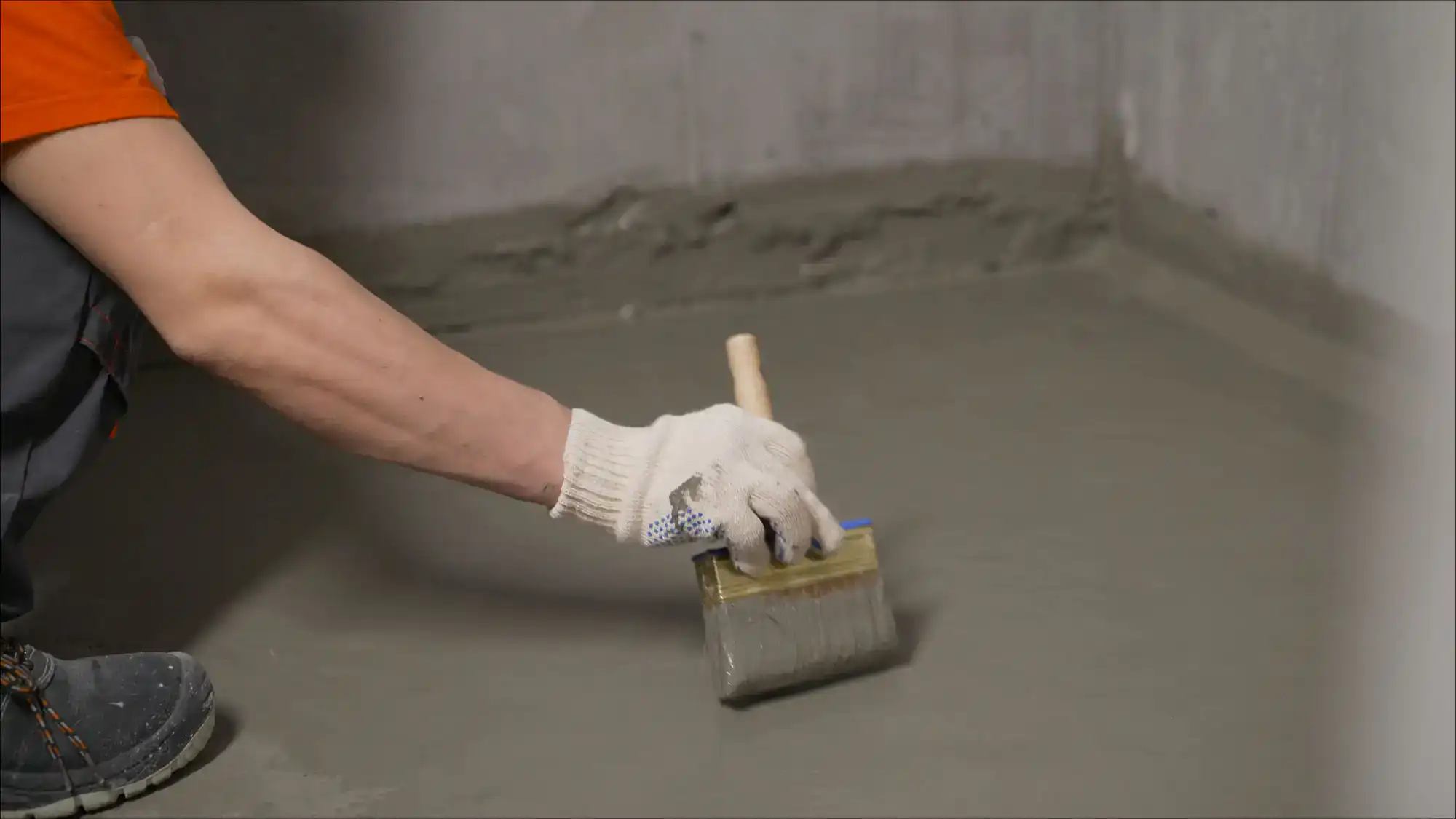
Water in your basement isn’t random. In Plymouth Meeting, it’s usually the same story: clay-heavy soil surrounds your foundation, absorbs rainfall like a sponge after every storm that rolls through the I-476 corridor, and then presses that water against your walls with steady, relentless force. That pressure doesn’t take days off. It just keeps pushing until it finds a way in — through a crack, a joint, or straight through porous concrete.
Once that’s fixed properly, the difference is immediate. No more musty smell greeting you at the basement door. No more white mineral stains creeping up the walls. No more mentally budgeting for whatever the next wet spring is going to cost you.
For Plymouth Meeting homeowners — where the median home value sits above $542,000 — a dry, stable basement isn’t just comfortable, it’s protective. It keeps your finished space usable, keeps mold from getting a foothold, and keeps your home’s value intact when it’s time to sell. Buyers in the 19462 market notice water issues immediately, and so do their inspectors.
We’ve been working in Plymouth Meeting and Montgomery County for over twenty years. That’s twenty years of learning exactly what the soil around Butler Pike does after a heavy rain, what freeze-thaw cycles do to a 1960s foundation on Plymouth Road, and what it actually takes to keep water out of homes built before modern waterproofing standards existed.
What makes us different from most waterproofing companies isn’t just experience — it’s the scope of what we handle. Testing, remediation, demolition, and waterproofing all under one roof. If your wet basement in Plymouth Meeting has already turned into a mold situation, you don’t need to find a second contractor. You make one call, and we handle the full picture.
We’re fully licensed, bonded, and insured. EPA and HUD compliant. Certified lead inspectors and Risk Assessors — which matters more than people realize in Plymouth Meeting, where a significant portion of the housing stock was built between the 1940s and 1970s.
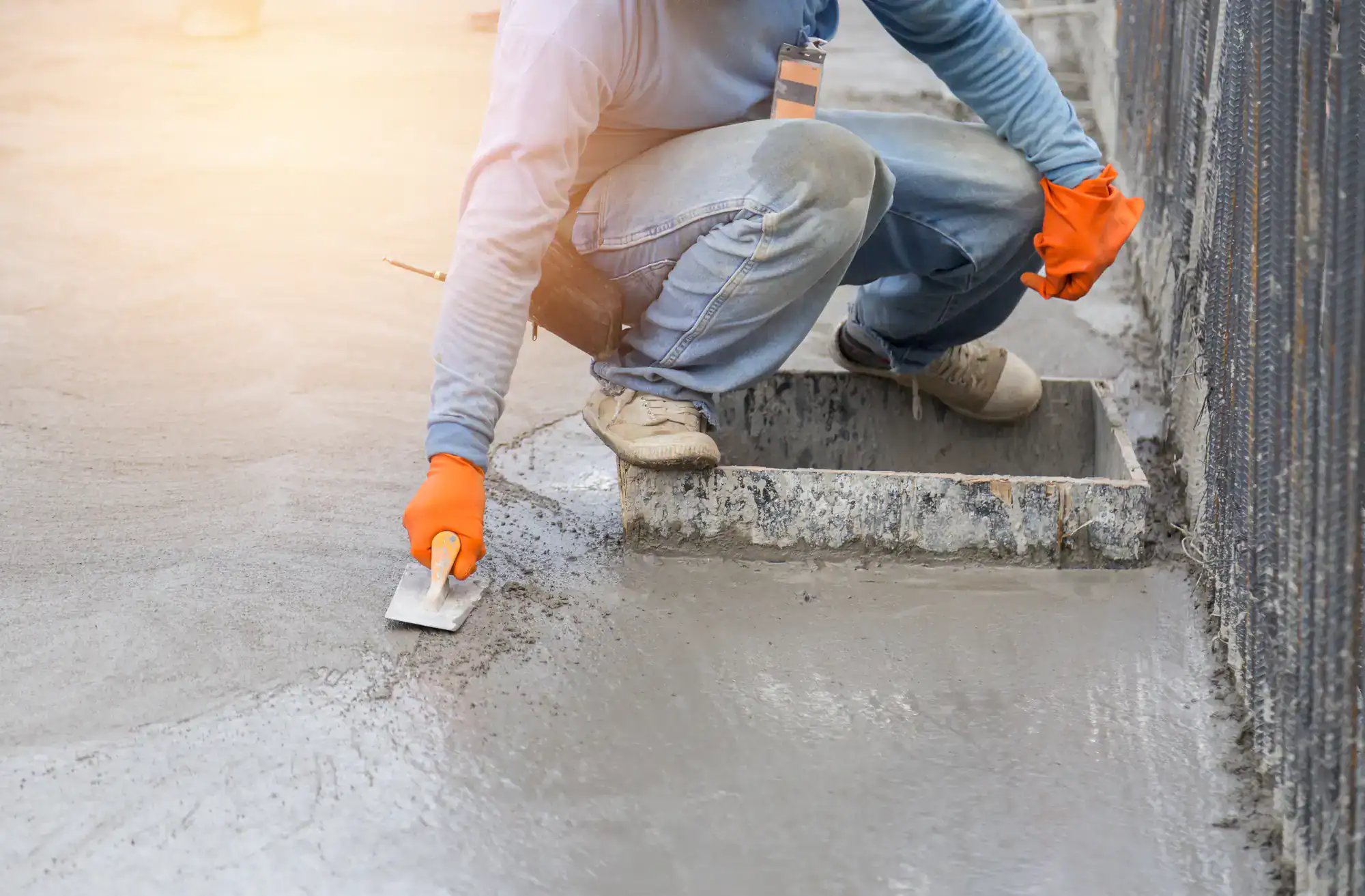
It starts with a free estimate and a real inspection. Not a sales walkthrough — an actual assessment of what’s happening in your basement and why. We look at where water is entering, what’s driving it, and what the right fix actually is. In Plymouth Meeting, that usually means accounting for the clay bowl effect around your foundation and evaluating whether hydrostatic pressure, surface drainage, or a combination of both is the root cause.
From there, we walk you through the solution clearly. Interior drainage systems, exterior waterproofing, crack injection, sump pump installation or replacement, vapor barriers — whatever your basement actually needs, not a package that happens to be profitable. If your home was built before 1978, we handle the work under EPA and HUD compliance standards, which is standard practice for us given how much of Plymouth Meeting’s housing predates modern construction codes.
Because we also handle mold remediation and demolition in-house, we can address anything the water has already damaged without stopping the job and handing you off to someone else. The work gets done in sequence, cleanly, and without the coordination headaches that come with managing multiple contractors. We’re available by phone around the clock — including the Saturday night in March when your sump pump decides it’s done.
Ready to get started?
Basement waterproofing isn’t one product. It’s a diagnosis followed by the right combination of solutions — and in Plymouth Meeting, that combination is shaped by your home’s age, your lot’s drainage situation, and what the soil and water table are doing around your specific foundation.
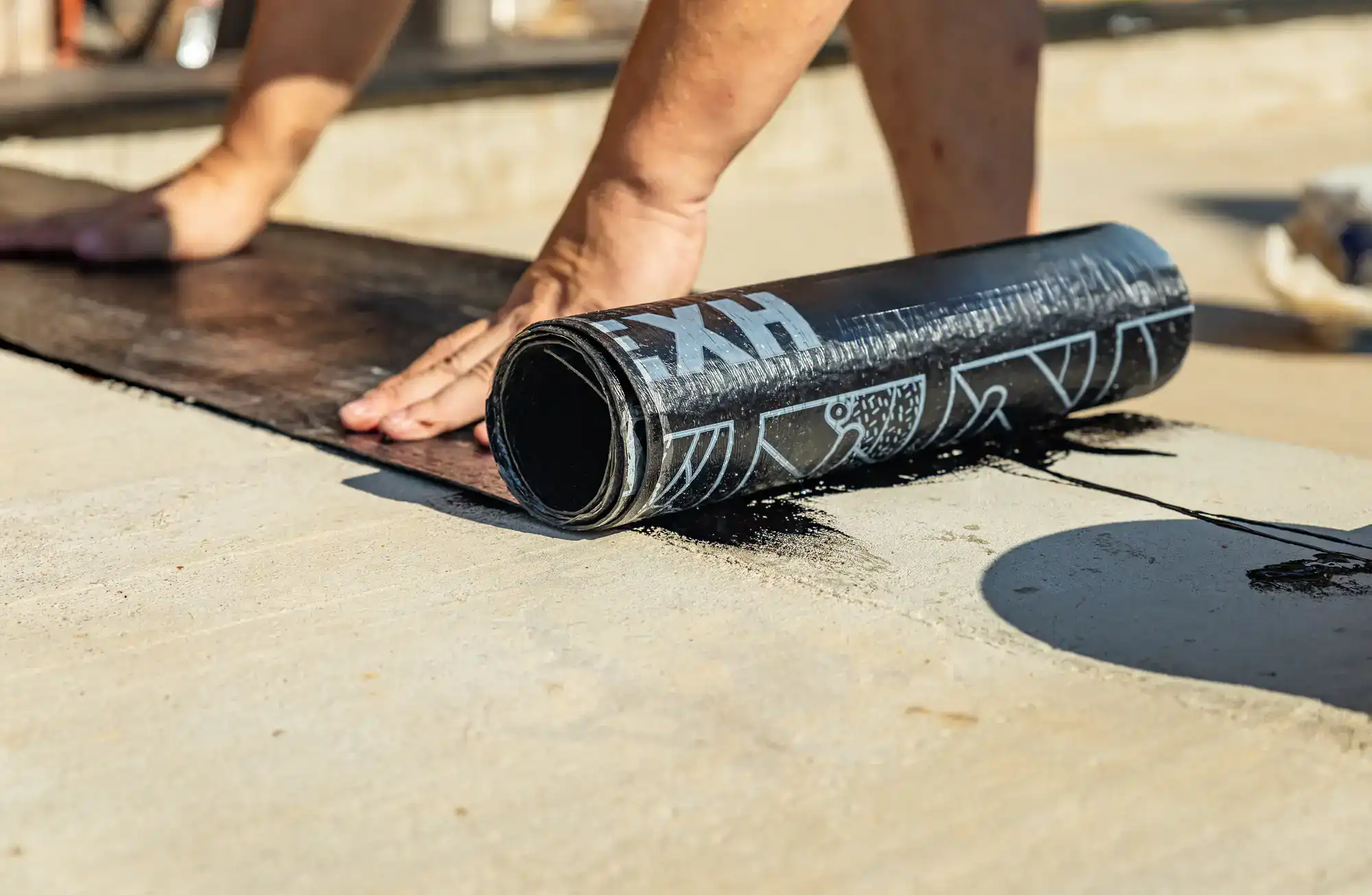
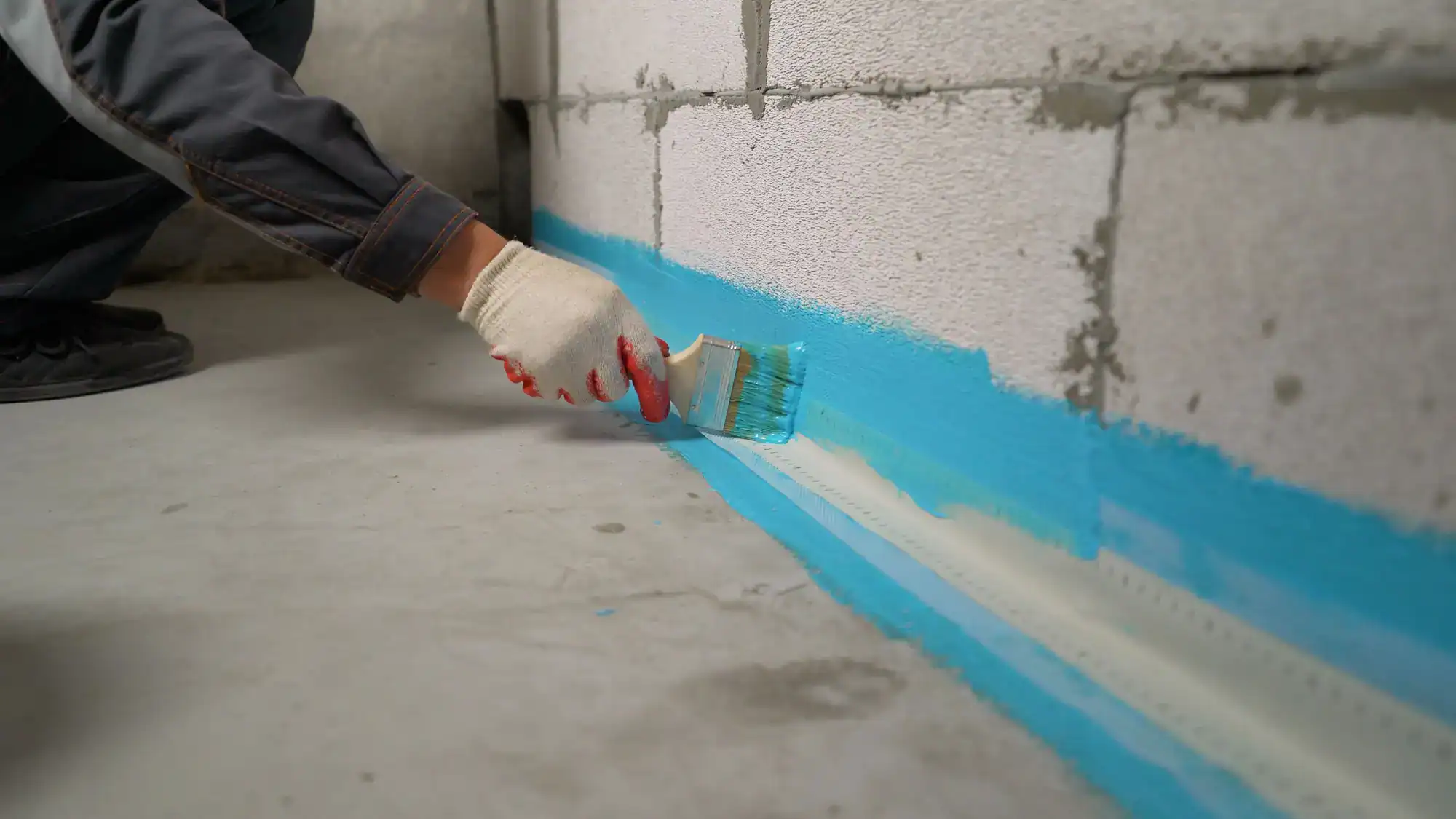
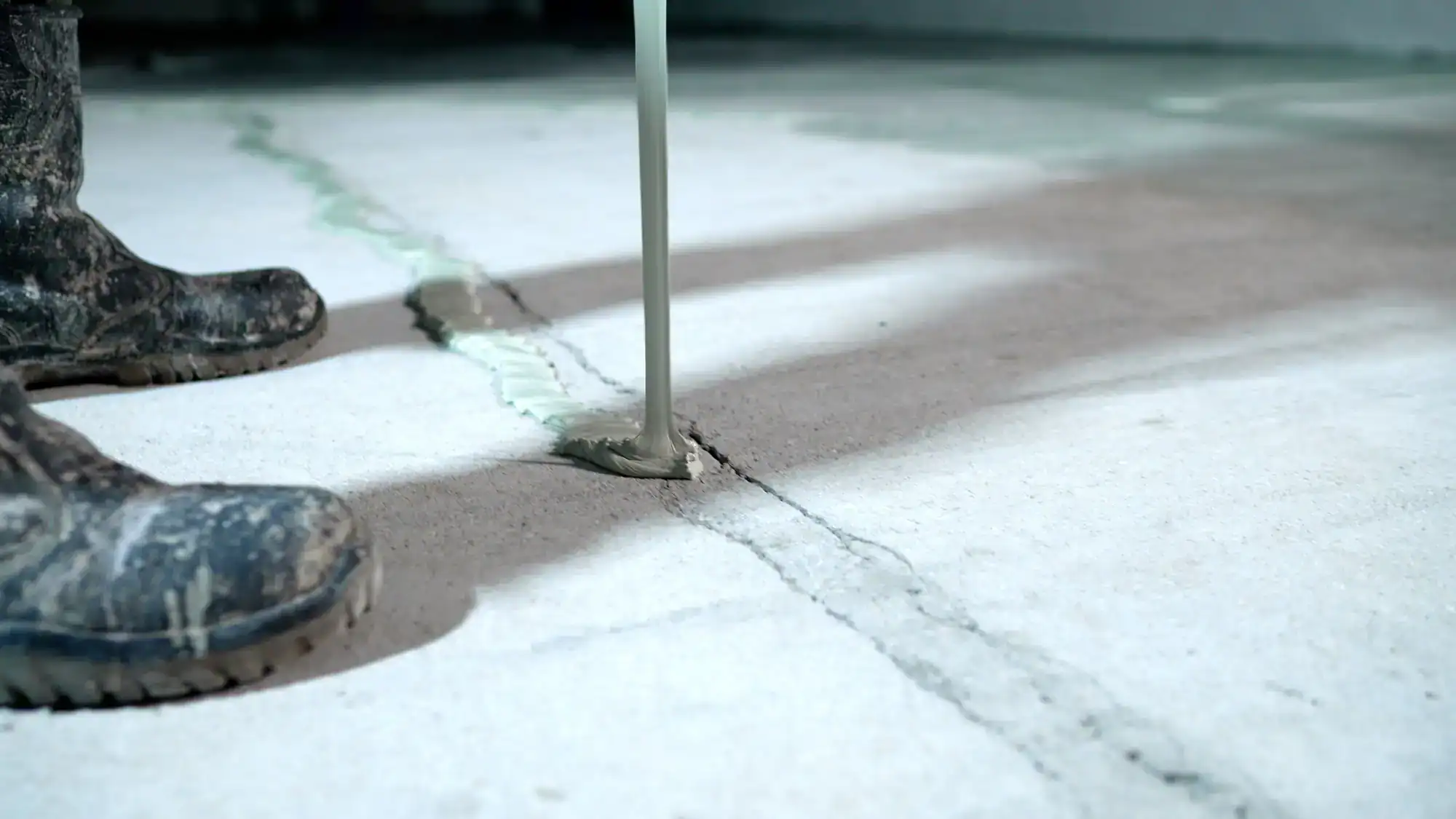
Interior waterproofing systems redirect water that’s already entering, routing it to a sump pump and out of the home before it can pool or spread. Exterior waterproofing addresses the problem from the outside — excavating around the foundation, applying waterproof membrane coatings, and improving drainage so water never reaches your walls in the first place. Crack injection seals active leaks in poured concrete foundations. Sump pump installation and replacement keeps your system functional when it matters most — and in a community that sits at the convergence of two major interstate corridors and sees serious weather, “functional when it matters most” is not a hypothetical.
Every job also includes our assessment for related hazards. If your basement walls are disturbed during waterproofing work and your home was built before 1978, lead paint and asbestos are real considerations. Our certified lead inspector credentials and EPA-compliant processes mean those risks are managed properly, not ignored. HEPA filtration systems run throughout the job. And when it’s done, you get straight documentation — no vague warranties, no fine print surprises. Cash discounts are available for qualifying projects, and the estimate is always free.
The most common reason is the clay bowl effect combined with hydrostatic pressure — and Plymouth Meeting’s soil conditions make this especially prevalent. When your home was built, the excavated soil around your foundation was backfilled loosely. That loose clay absorbs water much faster than the dense, undisturbed soil beyond it. After a significant rainstorm — the kind that regularly rolls through the I-476 corridor in spring and summer — that saturated clay presses against your foundation walls with increasing force until water finds a way through.
Compounding this is Plymouth Meeting’s proximity to Plymouth Creek and its position in the broader Schuylkill River watershed. In lower-lying areas of the community, the water table can sit relatively close to the surface, which means hydrostatic pressure builds from below as well as from the sides. The fix isn’t just patching the visible entry point — it’s managing where the water goes so it never reaches your foundation walls with enough pressure to force its way in.
Cost depends heavily on what’s actually causing the problem and how far along the damage is. A straightforward interior drainage system with sump pump installation in a Plymouth Meeting home typically runs somewhere in the range of $3,000 to $8,000 depending on the basement’s size and the severity of the water intrusion. Exterior waterproofing — which involves excavating around the foundation — is more involved and can range from $8,000 to $20,000 or more for a full perimeter treatment. Targeted crack injection repairs are on the lower end, often $500 to $1,500 per crack depending on depth and access.
What drives cost up in Plymouth Meeting is the combination of older housing stock and clay-heavy soil. Homes built in the 1950s through 1970s — which make up a significant portion of Plymouth Meeting’s residential base — often have poured concrete or block foundations that have experienced decades of freeze-thaw stress. That can mean more extensive crack repair or drainage work than a newer home would require. We provide free estimates, so you’ll know exactly what you’re looking at before any commitment is made. Cash discounts are available for qualifying projects.
The short answer: it depends on where the water is coming from and how your foundation is constructed. Interior waterproofing manages water that’s already entering — it doesn’t stop the water from reaching your foundation, but it controls where it goes so it drains safely rather than pooling on your floor. It’s effective, less disruptive, and works well for homes where exterior excavation isn’t practical or necessary. Exterior waterproofing addresses the problem at the source by creating a barrier between the soil and your foundation walls before water ever makes contact.
In Plymouth Meeting, many homes have landscaping, driveways, or structures close to the foundation that make exterior excavation more complex and costly. For those homes, a well-designed interior drainage system combined with proper sump pump capacity is often the most practical long-term solution. That said, if your foundation walls are actively bowing or showing signs of structural movement — which can happen in Montgomery County homes after years of hydrostatic pressure from clay soil — exterior work may be necessary regardless of what’s easier. A proper inspection will tell you which approach actually fits your situation.
Yes — and faster than most people expect. Mold can begin developing within 24 to 48 hours of moisture exposure under the right conditions. Basements provide exactly those conditions: limited airflow, organic materials like wood framing and drywall, and the kind of persistent dampness that comes from repeated water intrusion. Once mold establishes itself, it doesn’t stay in the basement. Spores move through your home’s air system and can affect living spaces well above the foundation level.
This is one of the reasons we handle both waterproofing and mold remediation in-house. In Plymouth Meeting, where spring flooding and summer humidity create extended periods of basement moisture, it’s common for a waterproofing job to uncover mold that’s already taken hold behind finished walls or under flooring. When that happens, you don’t want to stop the waterproofing job, find a separate remediation contractor, wait for their schedule, and then restart. We assess for mold as part of the inspection process, and if it’s there, we handle it in the same scope of work — so the problem gets resolved completely, not just partially.
In most cases, yes — at least for certain types of work. Exterior waterproofing projects that involve excavation around your foundation typically require a building permit through Plymouth Township or Whitemarsh Township, depending on which side of the line your property sits on. Interior drainage system installations may also require permits depending on the scope of work involved. Any project that includes excavation near utility lines requires a PA One Call notification through 811 before work begins — that’s a state requirement, not optional.
Permit requirements exist to ensure the work is done to code and that your home’s structural integrity is verified by the appropriate local authority. Skipping permits might seem like a way to save time or money upfront, but it can create serious problems when you go to sell your home — unpermitted work is a red flag for buyers and inspectors in the Plymouth Meeting real estate market. We handle permit compliance as a standard part of the job, so you’re not left navigating the township process on your own.
The most honest answer is this: most waterproofing companies do one thing. They install an interior drainage system, or they seal cracks, or they replace sump pumps. If your problem turns out to be bigger than that — if there’s mold behind the wall, or lead paint that needs to be managed during the work, or demolition required to access the foundation — they either stop and refer you out, or they proceed without the credentials to handle it properly.
We handle testing, remediation, demolition, and waterproofing under one roof. That’s not a marketing point — it’s a practical advantage for Plymouth Meeting homeowners whose homes often have multiple layers of issues built up over decades. Two decades of regional experience, certified lead inspector credentials, full EPA and HUD compliance, HEPA filtration, 24/7 availability, and a genuine free estimate with no pressure attached. Cash discounts are available for qualifying projects, which is a real consideration when you’re looking at a significant repair on a home in the 19462 market. You get straight answers about what’s wrong, what fixes it, and what it costs — and then you decide.
Other Services we provide in Plymouth Meeting