Hear from Our Customers
Most Phoenixville homeowners don’t call about a damp basement until they absolutely have to. Maybe it’s a storm that sent French Creek over its banks, or a spring thaw that turned a minor seep into a real problem. Either way, by the time water is visible, it’s usually been working on your foundation for a while.
Getting that fixed isn’t just about keeping the floor dry. It’s about protecting the structure underneath your home, the air quality your family breathes, and the equity you’ve built in a market where median home values have climbed past $484,000. A wet basement is one of the first things a home inspector flags — and one of the fastest ways to lose leverage in a sale.
For homes in Phoenixville’s historic district — most of them built before 1900 with original stone or brick foundations — the stakes are even higher. These foundations were never waterproofed in any modern sense. They rely on drainage patterns that have long since shifted, mortar joints that have been deteriorating for over a century, and soil that expands and contracts with every wet season. Once you fix the water problem properly, you stop that cycle. The basement becomes usable space instead of a liability, and the rest of the house is better for it.
We’ve been doing this work across Chester, Montgomery, Delaware, Bucks, and New Castle counties for over two decades. That’s not a tagline — it means we’ve worked in the clay soil conditions specific to this region, in homes that predate the Civil War, and on foundations that most contractors would rather not touch.
Phoenixville is a borough we know well. We’ve worked in the historic district, in neighborhoods built by Phoenix Iron and Steel, and in newer developments along the Schuylkill River corridor where construction on former industrial land creates its own set of foundation challenges. We’re fully licensed, bonded, and insured — and we carry EPA/HUD certification for lead hazard work, which matters in a borough where the majority of homes were built before 1978.
When you call us, you’re not getting a call center or a seasonal crew. You’re getting a company that has been operating in this county long enough to know what’s actually under your floor — and how to fix it right.
It starts with a free estimate. We come out, look at what’s actually happening with your foundation, and give you a straight answer about what’s causing the problem and what it will take to fix it. No pressure, no upsell, no manufactured urgency. Just an honest assessment from someone who’s seen this kind of foundation before.
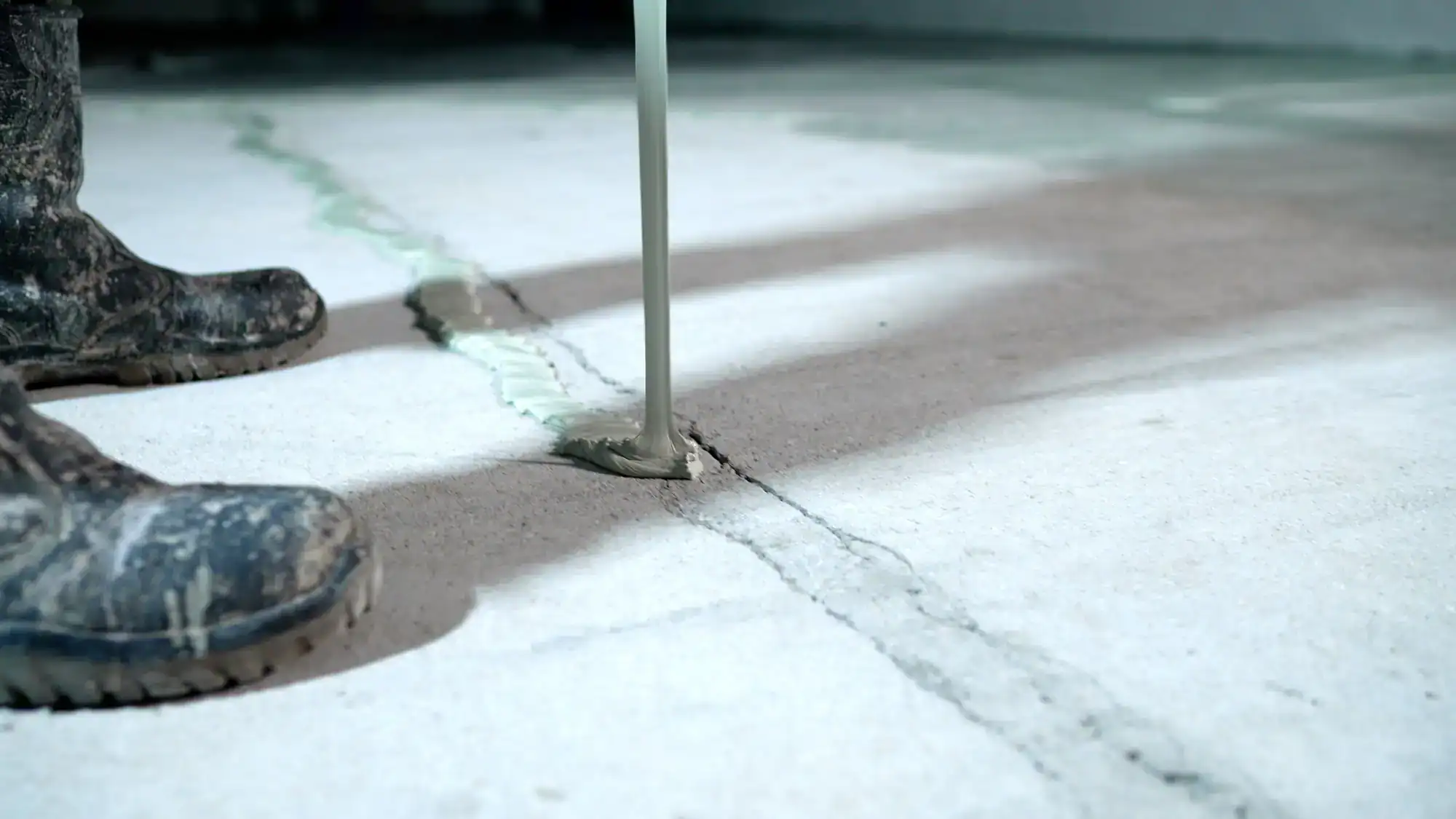
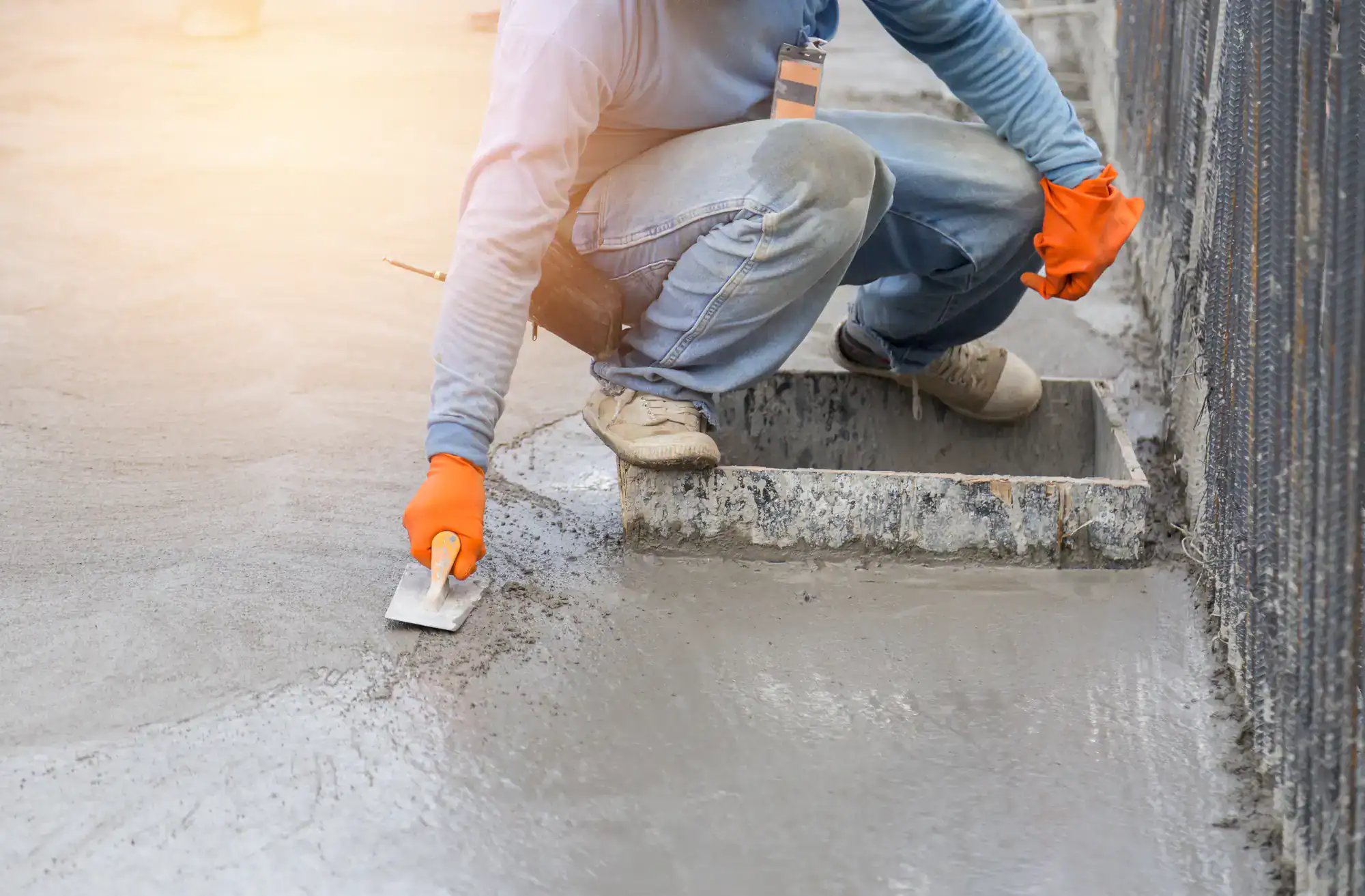
From there, the work depends on what we find. In Phoenixville’s older homes, that often means addressing deteriorated mortar joints in stone or brick foundations, installing interior drainage systems, or correcting how water is being directed around the perimeter of the house. Chester County’s clay-heavy soil holds water against foundation walls long after the rain stops — so the solution has to account for that ongoing pressure, not just the most recent storm. If your project involves structural work or breaking the concrete floor for a drainage system, we’ll walk you through the permit process for Phoenixville Borough. Homes in the historic district may have additional review requirements, and we know how to navigate that without turning a waterproofing job into a six-month ordeal.
If we find mold, lead paint, or other hazardous materials during the work — which is common in basements this old — we handle it. That’s the part that separates us from a waterproofing-only contractor. You don’t get handed off to someone else mid-project.
Ready to get started?
Most waterproofing companies do one thing: they waterproof. If they find mold growing on your basement walls — which is extremely common in Phoenixville’s older homes — they document it and leave you to find someone else. If they disturb lead paint during demolition prep, that’s your problem. We’re built differently. Testing, remediation, demolition, and waterproofing all happen under one roof, with one crew, on one timeline.
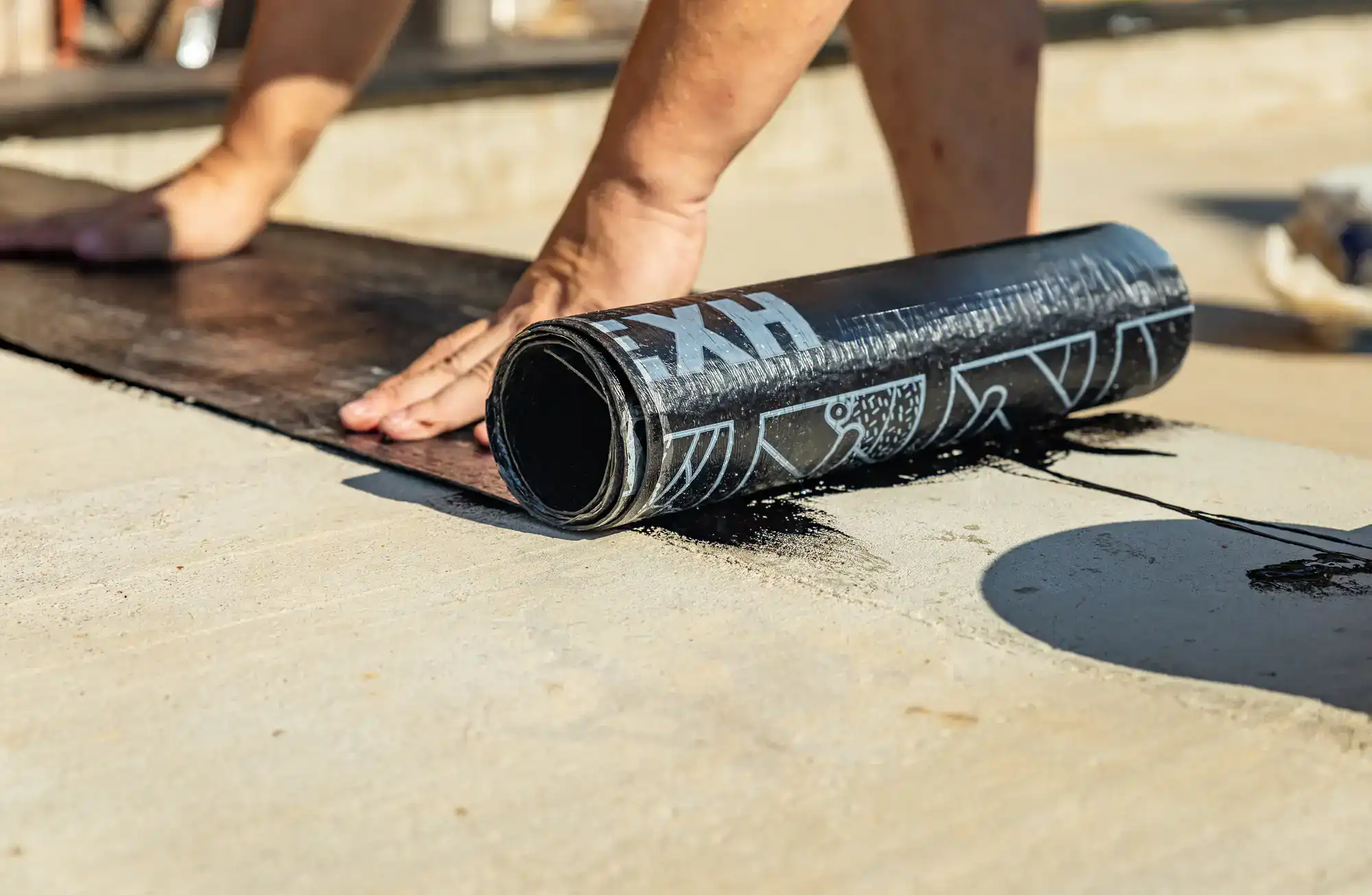
On the waterproofing side, we work with interior drainage systems, sump pump installation and repair, French drain installation, foundation crack repair, exterior waterproofing membranes, and crawl space encapsulation. The right solution depends on your specific foundation type — and in Phoenixville, that could mean a 19th-century stone wall, a mid-century poured concrete foundation, a concrete block structure, or new construction on former industrial fill near the Steelpointe corridor. Each one behaves differently, and each one gets treated accordingly.
We also use HEPA filtration systems throughout our work, which matters in older basements where disturbed materials — mold spores, dust, particulates from deteriorating mortar — can move through the rest of the house if not properly contained. Cash discounts are available, and free estimates are always the starting point. If you’re not sure what you’re dealing with yet, that’s exactly what the estimate is for.

This is one of the most common questions we hear from homeowners in Phoenixville, and the answer usually comes down to soil. Chester County has clay-heavy soil that absorbs water during a storm and holds onto it for days afterward — sometimes weeks. That saturated soil sits pressed against your foundation wall, and the water doesn’t have anywhere to go except through. It finds micro-cracks in mortar joints, gaps around pipe penetrations, or the cold joint where the floor meets the wall.
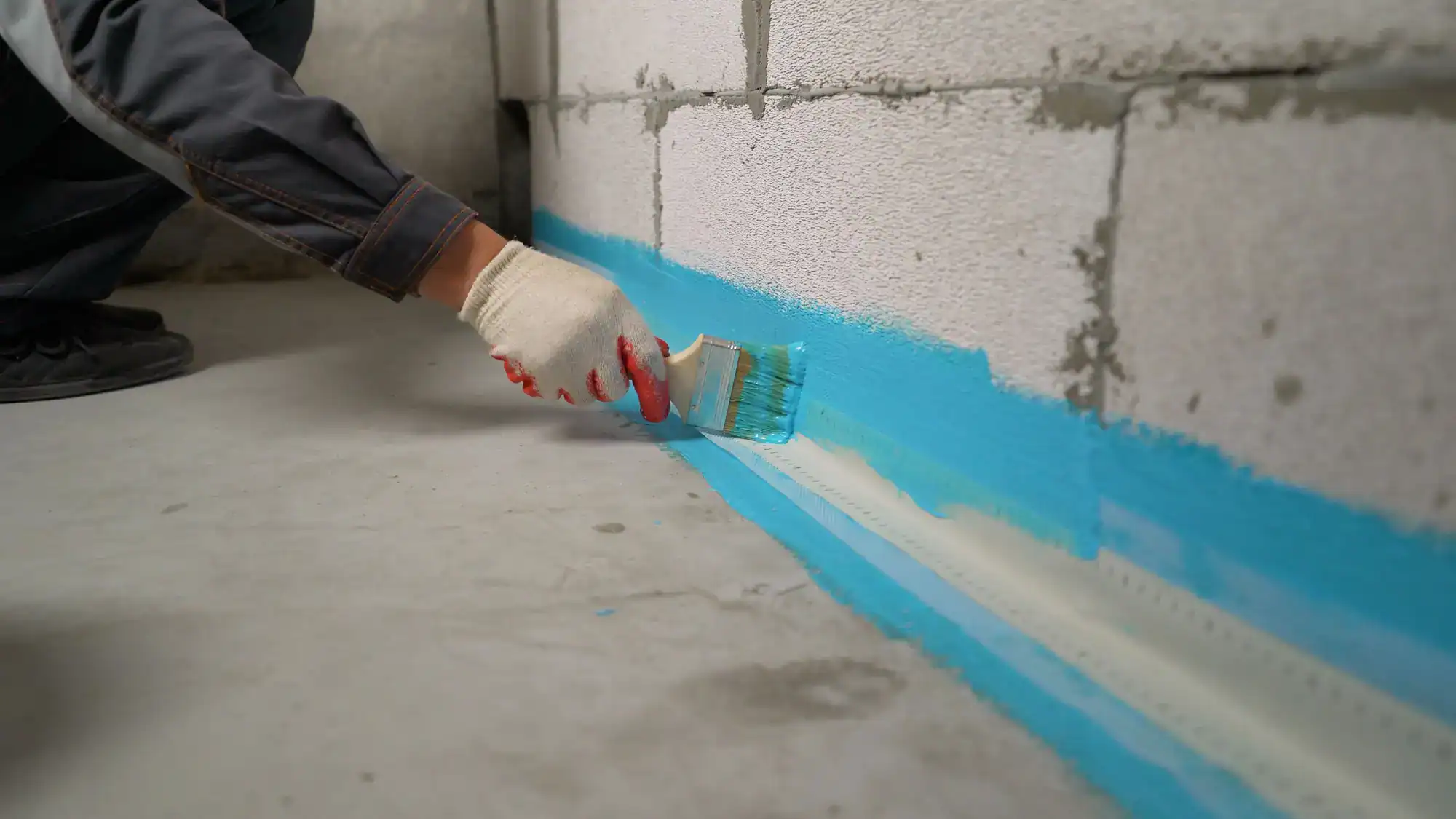
In homes near French Creek or the lower-lying areas close to the Schuylkill River, there’s an additional factor: the groundwater table rises during and after significant rain events, which can push water up through the basement floor itself — not just through the walls. This is sometimes called hydrostatic pressure, and it’s why surface-level fixes like paint-on sealers rarely hold. The pressure behind the water doesn’t go away just because you’ve covered the wall. A proper drainage system — interior or exterior, depending on your situation — redirects that water before it becomes your problem.
The honest answer is that it depends on what’s actually causing the problem. Nationally, the average cost of basement waterproofing runs around $4,950, but that number covers an enormous range of situations — from a single crack repair to a full interior drainage system with sump pump installation in a large basement. In Chester County, costs tend to sit in line with that national average, though older homes with stone or brick foundations can run higher because the work is more involved.
What affects the price most is the scope: how large the space is, what type of foundation you have, whether the water is coming through walls or up through the floor, and whether there are secondary issues like mold or structural damage that need to be addressed at the same time. That’s why we start every job with a free estimate — so you know what you’re actually dealing with before you commit to anything. We also offer cash discounts that can make a meaningful difference in the final number. The goal is to give you a clear, honest picture of the cost upfront, not after the work has started.
It depends on the scope of the work. In Phoenixville Borough, waterproofing projects that involve structural changes — like breaking the concrete floor to install an interior drainage system, repairing foundation cracks that affect structural integrity, or installing a sump pump that requires new electrical work — typically require a building permit through the borough’s Code Enforcement office. Straightforward crack injections or surface sealers generally don’t trigger a permit requirement, but anything that touches the structure or involves significant excavation usually does.
If your home is in the Phoenixville Historic District — which covers a large portion of the borough’s older neighborhoods — there’s an additional layer to consider. The Historical Architectural Review Board (HARB) has jurisdiction over exterior alterations to contributing buildings in the district. If your waterproofing project involves exterior excavation, changes to exterior drainage, or anything visible from the street, HARB review may be required on top of the standard building permit. We’re familiar with how this process works and can help you understand what’s needed before the work starts, so there are no surprises mid-project.
Yes — and it’s one of the most common situations we deal with in this area. The Phoenixville Historic District alone contains over 900 buildings, most of them built before 1900, and the majority have original stone or brick foundations that were never designed with modern waterproofing in mind. These foundations relied on gravity drainage and the natural permeability of the surrounding soil — a system that works reasonably well when everything is undisturbed, but breaks down over decades as soils compact, drainage patterns change, and mortar joints deteriorate.
The approach for a stone foundation is different from what you’d do with poured concrete. You’re often dealing with mortar joint failure, mineral deposits from long-term water migration, and in some cases, structural movement from freeze-thaw cycles over many winters. Interior drainage systems work well in these situations because they intercept water at the base of the wall before it spreads across the floor, rather than trying to stop it at the wall face — which is difficult to do permanently with a stone foundation. We assess each situation individually and recommend what will actually hold up over time, not just what’s quickest to install.
The most obvious sign is visible growth — dark spots or patches on walls, wood framing, or stored items. But mold often hides behind finished walls, under flooring, or in insulation before it becomes visible. A musty smell that doesn’t go away, even after the basement dries out, is usually a reliable indicator that mold is present somewhere in the space. Unexplained respiratory irritation or allergy symptoms that improve when you leave the house can also point to an air quality issue originating in the basement.
In Phoenixville’s older homes, mold and water intrusion almost always go together. A basement that has been damp for years — even mildly damp — has almost certainly developed some degree of mold growth. The problem with treating the mold without fixing the water is that it comes back. We handle both: we can test for mold, remediate it properly using HEPA filtration to prevent spore spread during the process, and then waterproof the space so the conditions that caused the mold don’t return. Handling it as one project rather than two separate calls saves time, reduces disruption, and ensures the fix actually sticks.
We offer cash discounts on waterproofing projects, and in a borough like Phoenixville — where a lot of the housing stock is owned by longtime residents who have been in their homes for decades — that can make a real difference. Phoenixville isn’t the Main Line. It has a working-class history built around the Phoenix Iron Works, and many of the homeowners in the older neighborhoods are on fixed incomes or tight budgets, even while sitting on significant home equity. The cash discount exists because we’d rather work with people in this community than price them out of a fix their home genuinely needs.
Beyond the discount, the free estimate is always the first step — there’s no cost to finding out what you’re dealing with, and no obligation to move forward until you’re comfortable with the scope and the price. We’re also available 24/7, which matters in a river town where basement emergencies don’t wait for business hours. If a storm pushes the Schuylkill or French Creek up and your basement starts taking on water on a Sunday night, you can reach a real person at us — not a voicemail.
Other Services we provide in Phoenixville