Hear from Our Customers
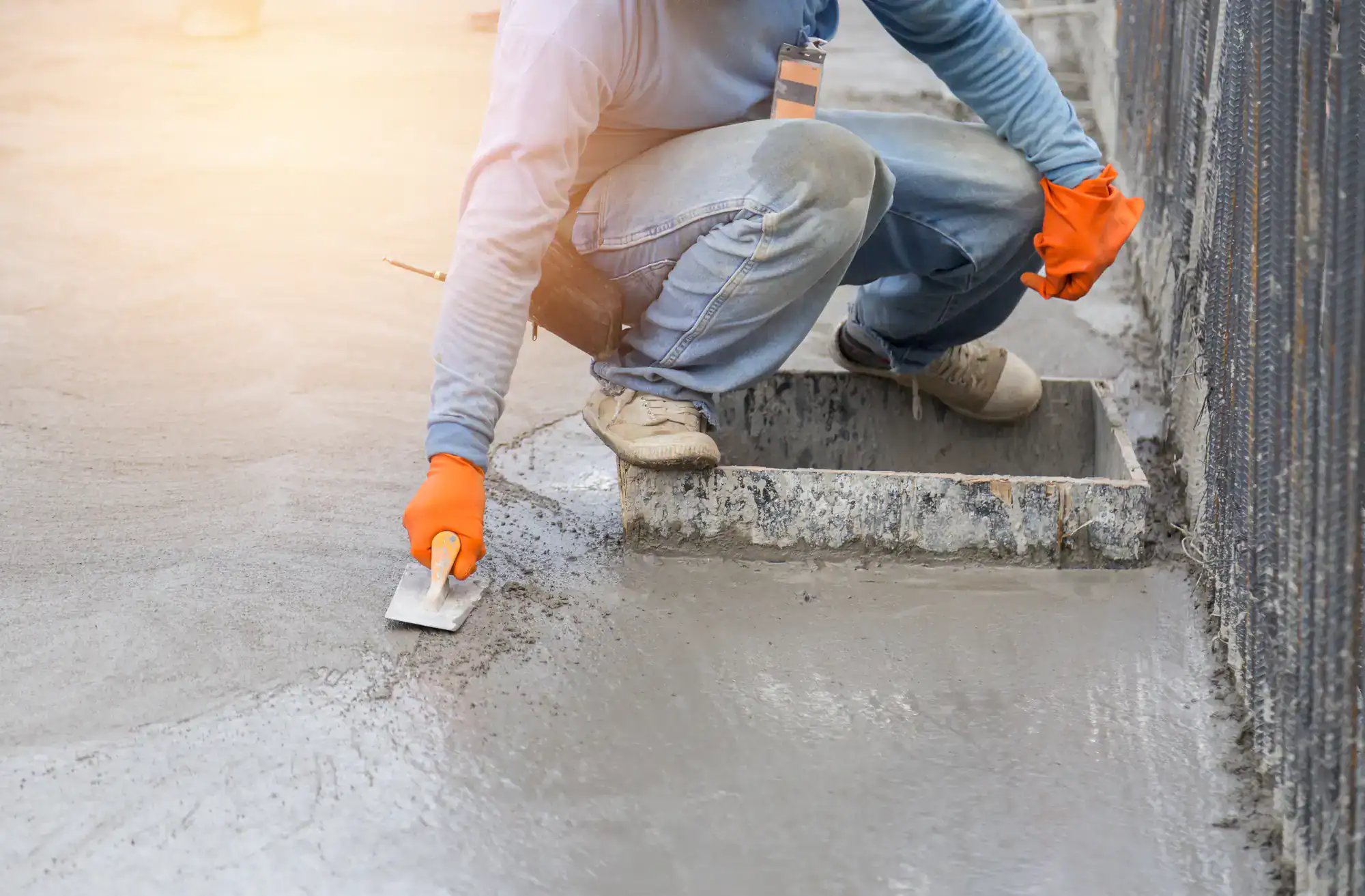
Water in your basement is not just an inconvenience. It is mold waiting to grow, finished space waiting to be destroyed, and a home sale waiting to fall apart. Once the problem is properly fixed, that threat goes away — and so does the anxiety every time a storm rolls through.
Hilltown’s terrain is part of the problem. The township is literally named for its hills, and that rolling landscape directs runoff straight toward foundations, especially on properties that sit at the base of a slope or near the drainage corridors of the East Branch Perkiomen Creek or Neshaminy Creek. Add the clay-heavy soils that are common throughout Upper Bucks County — soil that holds moisture against your foundation walls for days after a rain event — and you have a recipe for persistent hydrostatic pressure that forces water through cracks, joints, and porous block whether you want it to or not.
Getting this fixed means your basement becomes usable space again. It means the musty smell is gone. It means you are not running downstairs every time it rains to check the sump pump. And if you are planning to sell, it means a home inspector does not flag a wet basement and hand the buyer a reason to walk or renegotiate. Homes in Hilltown routinely sell in the $350,000 to $1 million range — protecting that investment is not optional.
We have been doing this work for over twenty years across Chester, Delaware, Montgomery, New Castle, and Bucks County — which means Hilltown is home turf, not a stretch of the service map. Our team knows the roads off Route 309, the older stone farmhouses near Blooming Glen, and the kind of drainage challenges that come with building on rolling Upper Bucks County terrain.
What makes us different from a standard waterproofing company is the scope of what we handle. Water intrusion in an older Hilltown home often means mold is already present — and in a house built before 1978, disturbing those walls can mean lead paint exposure. We are a Certified Lead Inspector and Risk Assessor, EPA and HUD compliant, and equipped to handle every layer of the problem in one engagement. No coordinating three different contractors. One call covers it.
Every job is backed by full licensing, bonding, and insurance. We offer free estimates, cash discounts, and 24/7 availability — not as perks, but as standard practice.
It starts with a free estimate. We send someone out to look at your foundation, assess where water is entering and why, and give you a straight answer about what needs to be done. No vague proposals, no pressure — just a clear picture of the problem and what fixing it actually involves.
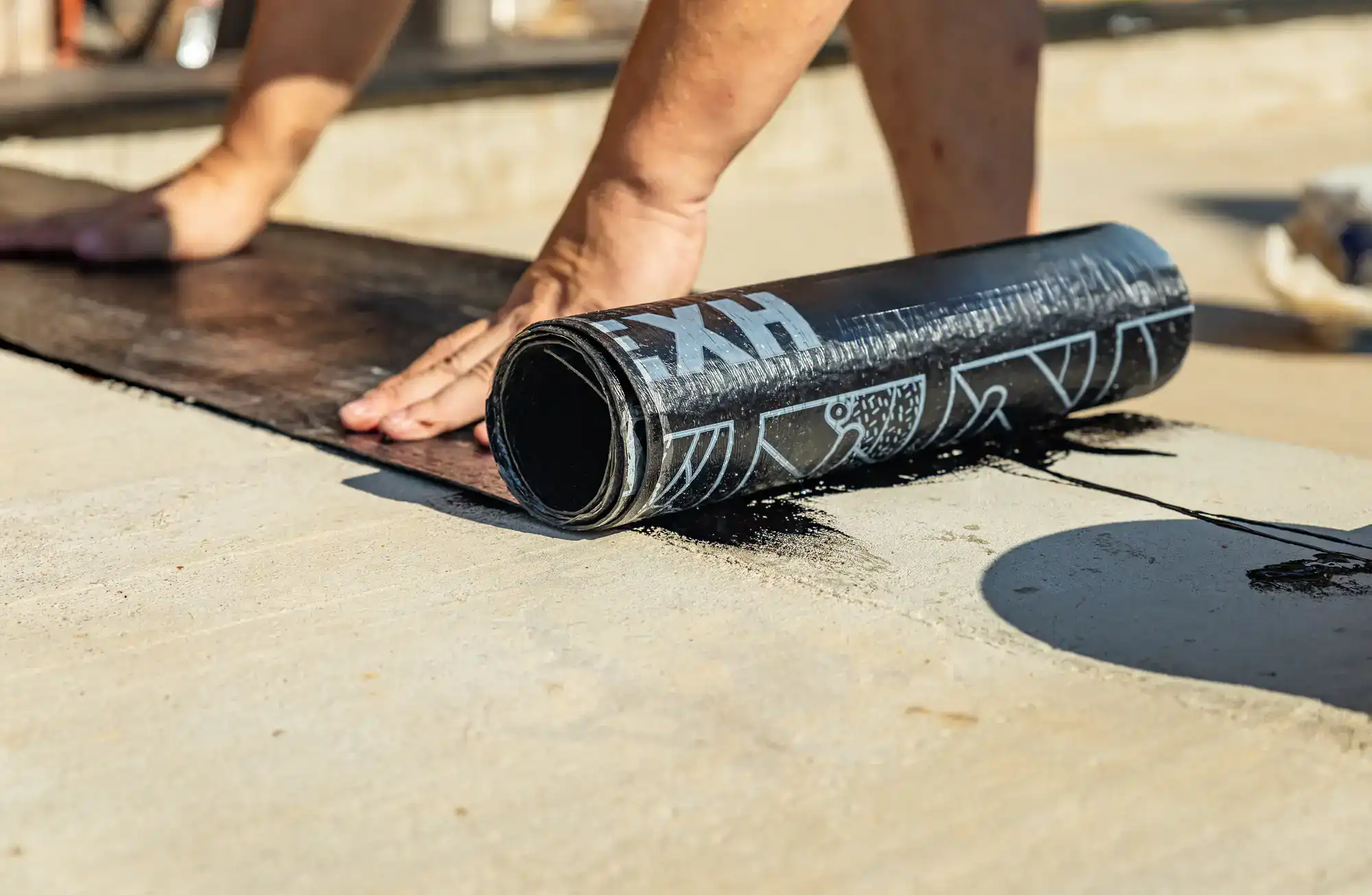
From there, the approach depends on what your home needs. Interior drainage systems are the most common solution for Hilltown homes — a perimeter drain installed along the interior base of the foundation wall channels water to a sump pump before it can spread across the floor. For homes with cracked or failing block walls, wall reinforcement or crack injection may be part of the scope. Exterior waterproofing, which involves excavating around the foundation and applying a waterproof membrane, is a more intensive option for severe cases. Every job uses HEPA filtration systems to keep dust and airborne particles contained during the work — especially important in older Hilltown homes where disturbing walls can release mold spores or lead dust.
Hilltown Township enforces the Pennsylvania Uniform Construction Code, and certain work — particularly anything involving drainage installation or electrical connections to a sump pump — may require a permit from the township’s Building and Zoning Department. We are fully licensed and handle that process correctly. When the job is done, your basement is dry, the work is documented, and you are not left wondering whether an unpermitted installation is going to cause problems when you sell.
Ready to get started?
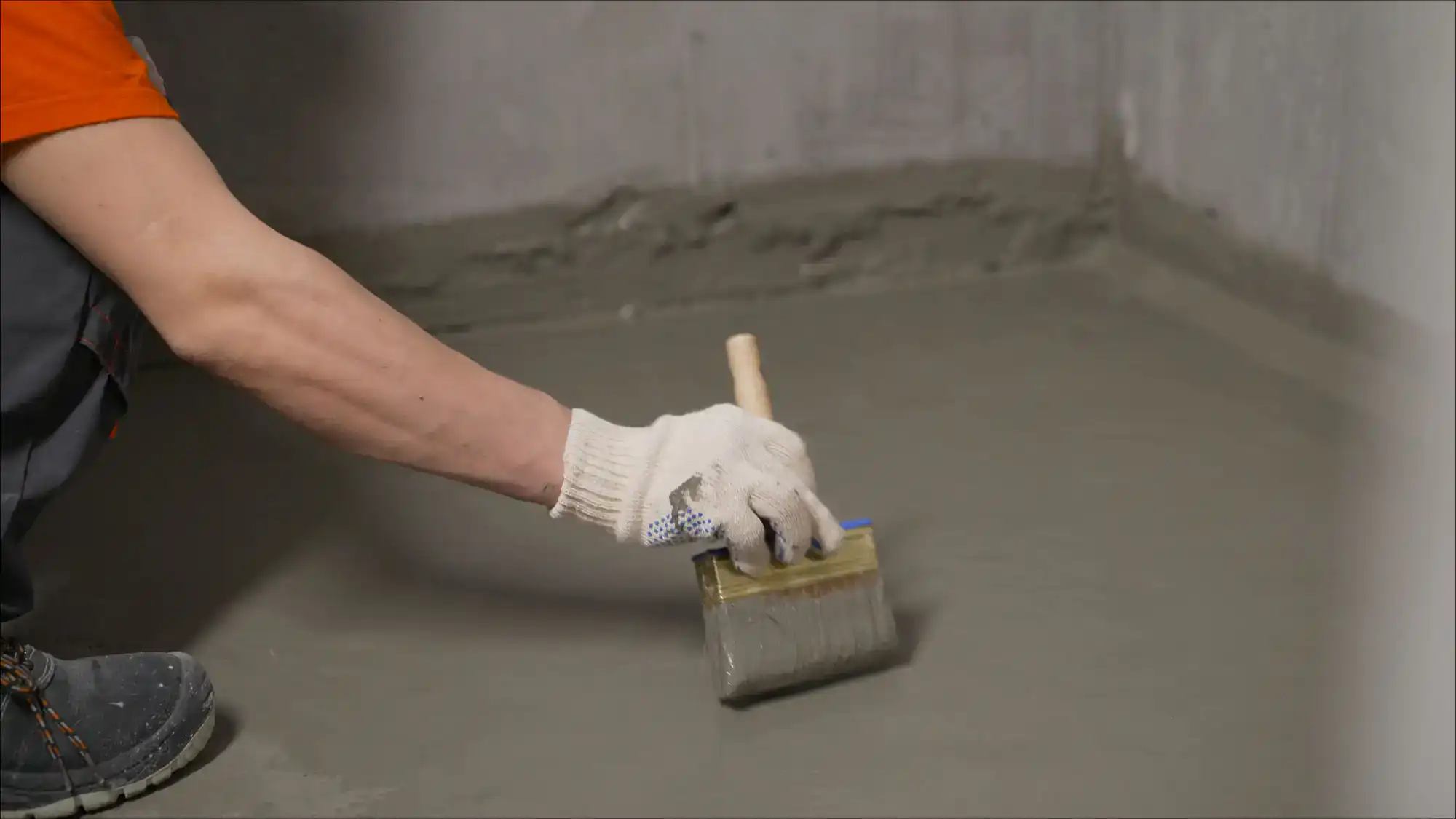
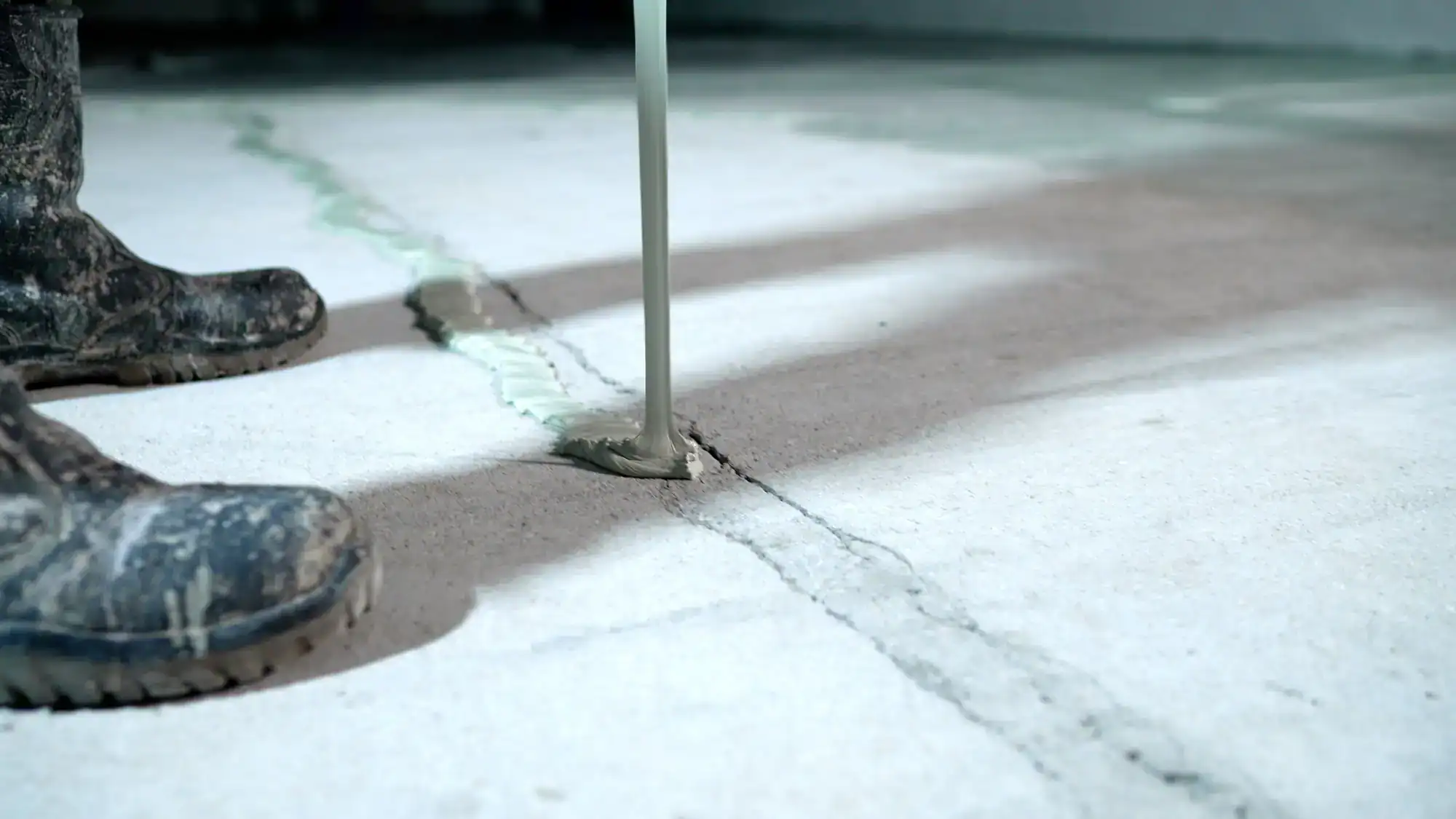
Basement sealing — applying hydraulic cement to a crack or rolling on a waterproof paint — is a temporary fix. It addresses the symptom without touching the cause. For most Hilltown homes, the cause is sustained hydrostatic pressure from clay-heavy soil that stays saturated long after the rain stops. Sealing that pressure out is not realistic. Managing it is.
What we deliver is a system that controls water movement rather than trying to block it entirely. Interior drainage channels it. A properly sized sump pump removes it. Wall reinforcement stops further structural movement. When mold is already present — which it often is by the time a homeowner calls — remediation is handled as part of the same project. If lead paint is involved, as it commonly is in Hilltown’s older housing stock near Blooming Glen or Line Lexington, our certified lead inspector credentials mean that work is handled safely and in compliance with EPA and HUD requirements.
The result is a comprehensive fix, not a patch. Whether your home is a newer colonial in a Hilltown subdivision or a pre-Civil War stone farmhouse off Route 152, the solution is built around what your specific foundation actually needs — not a one-size package pulled off a shelf.
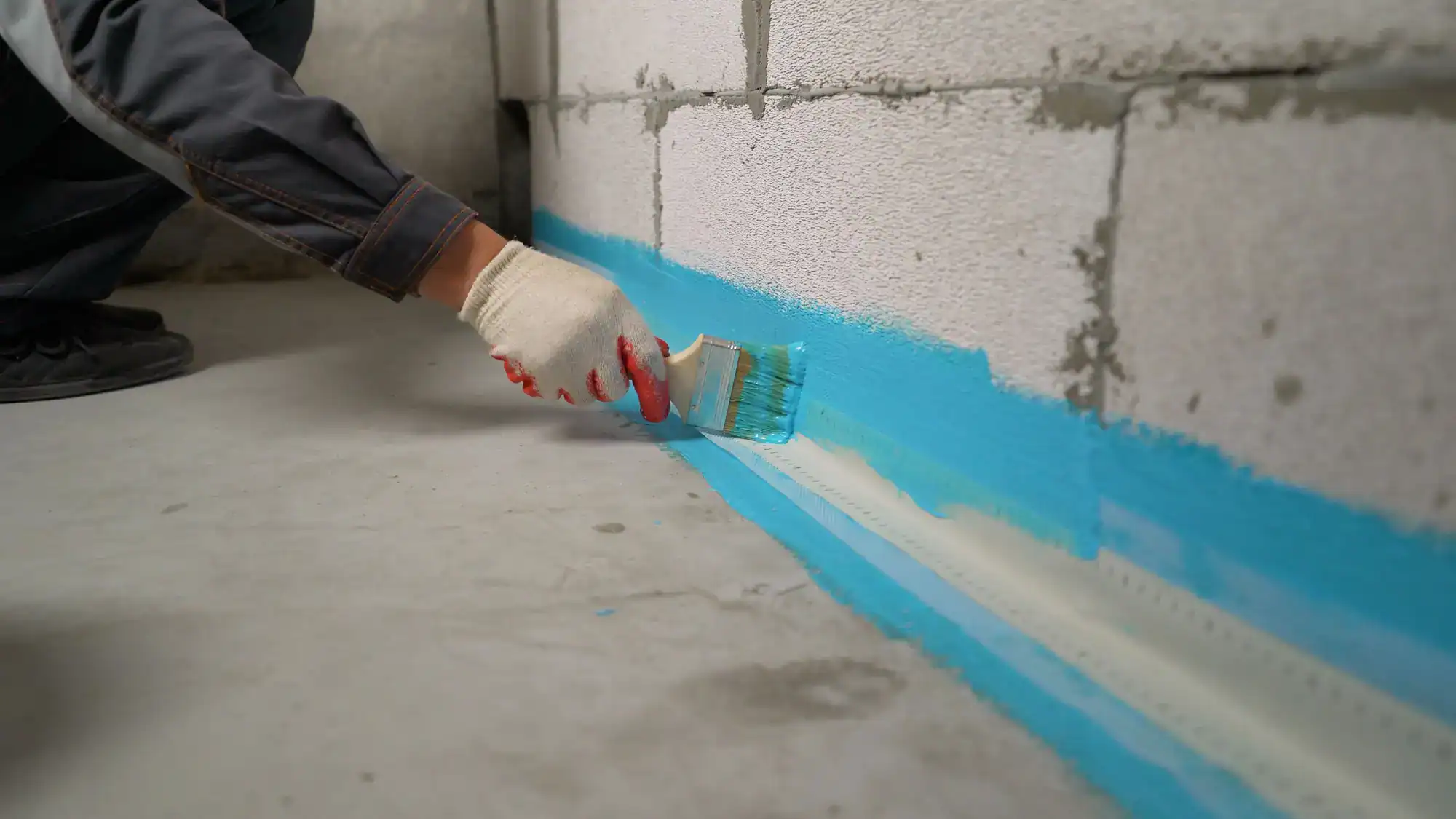

This is one of the most common situations we run into in Hilltown. A previous contractor applied hydraulic cement to a crack, or painted on a waterproof coating, and it held for a season or two — then water found another way in. That is because surface-level repairs do not address the underlying pressure. In Hilltown, the clay-heavy soils throughout Upper Bucks County stay saturated against your foundation walls for extended periods after rain events. That sustained hydrostatic pressure does not care about a patched crack — it will find the next weak point in the wall or the floor-wall joint.
A real fix requires managing where the water goes, not just trying to stop it at the wall. An interior drainage system installed along the perimeter of the basement floor intercepts water before it spreads and routes it to a sump pump. That system works with the pressure rather than against it, which is why it holds up long-term where surface patches do not. If you have had repairs done before and water keeps coming back, the drainage system is almost certainly what was missing.
The honest answer is that it depends on the scope, and scope varies a lot. A straightforward interior drainage system with sump pump installation in this market typically runs somewhere between $5,000 and $15,000, depending on the size of the basement, how much of the perimeter needs to be addressed, and whether any wall repair or mold remediation is part of the job. Exterior waterproofing — which involves excavating around the foundation — is more labor-intensive and can run higher.
What drives cost up in Hilltown specifically is the age and variety of the housing stock. An older stone farmhouse near Blooming Glen has different foundation conditions than a 1990s poured-concrete colonial in a newer subdivision, and the solution needs to match the structure. The best way to get a real number is a free on-site estimate, which is how we start every job. You get a clear scope, a clear price, and no surprises after the work begins. Cash discounts are available, which can make a meaningful difference on a project of this size.
It depends on what work is being done. Hilltown Township enforces the Pennsylvania Uniform Construction Code, which it adopted formally in 2004. Under the UCC, a residential building permit is required for alterations that involve plumbing, electrical, or mechanical systems. That means if your waterproofing project includes a sump pump installation with an electrical connection — which most interior drainage systems do — a permit is likely required from the Hilltown Township Building and Zoning Department.
This matters more than most homeowners realize. Work done without the required permit can create complications at resale, void homeowner’s insurance coverage for related claims, and put you in a difficult position if the township discovers the unpermitted work during a future inspection. We are fully licensed and handle the permitting process correctly. You do not have to figure out whether your project needs a permit — that is part of what a licensed contractor handles for you. Hiring someone who skips that step to save time is a risk that tends to show up at the worst possible moment.
Interior waterproofing manages water after it enters the foundation wall by intercepting it at the base and routing it to a sump pump before it spreads across the floor. It involves installing a drainage channel along the interior perimeter of the basement, usually beneath the floor slab. It is less invasive, faster to complete, and the most common solution for the kind of persistent seepage that Hilltown homeowners deal with after heavy rain or during spring snowmelt when the ground is partially frozen and runoff has nowhere to go.
Exterior waterproofing addresses the problem from outside the foundation. It involves excavating the soil around the perimeter of the home, cleaning the foundation wall, applying a waterproof membrane, and installing drainage board and a French drain at the footing. It is more comprehensive but also significantly more labor-intensive and expensive. In most cases, interior drainage is the right call — it handles the hydrostatic pressure that Hilltown’s clay soils generate without requiring a full excavation. Exterior work is typically reserved for situations where the foundation wall itself is failing or where the exterior drainage is severely compromised. A proper assessment will tell you which approach your home actually needs.
Yes, and it happens faster than most people expect. Mold needs two things to grow: moisture and an organic surface. A wet basement provides both. Once mold establishes itself on framing, drywall, insulation, or stored belongings in the basement, the spores become airborne and migrate upward into the living areas of the home through gaps in the floor, HVAC systems, and stairwells. For families with children or anyone with respiratory sensitivities — which describes a significant portion of Hilltown households — that indoor air quality impact is a real health concern, not just a cosmetic one.
The older the home, the more complex this can get. In Hilltown’s historic housing stock — stone farmhouses, pre-war construction, and mid-century homes throughout the township — mold remediation sometimes intersects with lead paint concerns, because disturbing older walls and materials can release lead dust at the same time. We handle both. Mold remediation and lead abatement are part of the same service model, which means you are not managing two separate contractors trying to coordinate around each other. HEPA filtration systems are used throughout every job to contain airborne particles during the work.
Because no one should commit to a waterproofing project without understanding exactly what they are dealing with first. Basement water problems in Hilltown range from minor seepage through a single crack to full-scale hydrostatic pressure across an entire foundation wall — and the right solution, and the right cost, looks completely different depending on which situation you are actually in. We send someone out to assess your specific foundation, your soil conditions, and your drainage situation before any money changes hands.
It also reflects how we run the business. The goal is not to sell you the most expensive system — it is to fix the actual problem. Hilltown homeowners are not going to hire a contractor they do not trust, and trust starts with transparency. A free estimate means you get a real picture of the problem, a clear scope of work, and a straight price before you make any decision. If you call at 11pm after a summer storm has put water on your basement floor, someone picks up. From there, the process moves at whatever pace makes sense for your situation.
Other Services we provide in Hilltown