Hear from Our Customers
A lot of Hilltown homes were built before 1978. That means before a single wall comes down, there’s a real chance you’re dealing with asbestos insulation, lead paint on the trim, or both — and most general contractors aren’t legally qualified to tell you which. We are. Our EPA Certified Lead Inspector and Risk Assessor credential isn’t a marketing badge. It’s a federal qualification that means we can inspect, test, and certify lead conditions before work begins — not just remove them after the fact.
Hilltown’s terrain doesn’t make things easier either. The East Branch Perkiomen Creek and Neshaminy Creek drain much of the township, and between Pennsylvania’s freeze-thaw winters and summer storm season, water finds its way into older homes here more often than homeowners expect. When it does, mold starts forming within 24 to 48 hours. Getting the right contractor on-site fast — one who can assess the damage, handle abatement, and gut the affected areas — makes the difference between a contained repair and a months-long ordeal.
You shouldn’t have to coordinate four separate contractors to get one project done. When we show up, testing, abatement, demolition, waterproofing, and debris removal are all handled under one roof. That’s not a convenience feature — it’s the whole point.
We’ve been doing this work for over 20 years across southeastern Pennsylvania, and Bucks County has always been part of that footprint. Hilltown specifically — with its mix of pre-Civil War farmsteads near the village center, postwar ranch homes scattered through the Pennridge-area subdivisions, and everything in between — is exactly the kind of market where experience matters. Knowing what’s typically inside a 1962 colonial off Route 152 isn’t something you learn from a training manual.
We’re fully licensed, bonded, and insured — and compliant with Hilltown Township’s own contractor licensing ordinance under Chapter 68 of the Township Code, which requires all contractors operating in the township to hold a local license. That’s a layer of local compliance that unlicensed operators routinely skip. Owner-operated, EPA/HUD certified, and available around the clock, we’re built for the kind of projects Hilltown homeowners actually face — not the easy ones.
It starts with a free estimate. You describe what you’re dealing with — a gutted basement after a flood, a wall that needs to come down before renovation, a structure on your property that’s past its useful life — and we assess the full scope before anything is quoted or scheduled. No pressure, no vague ballpark numbers.
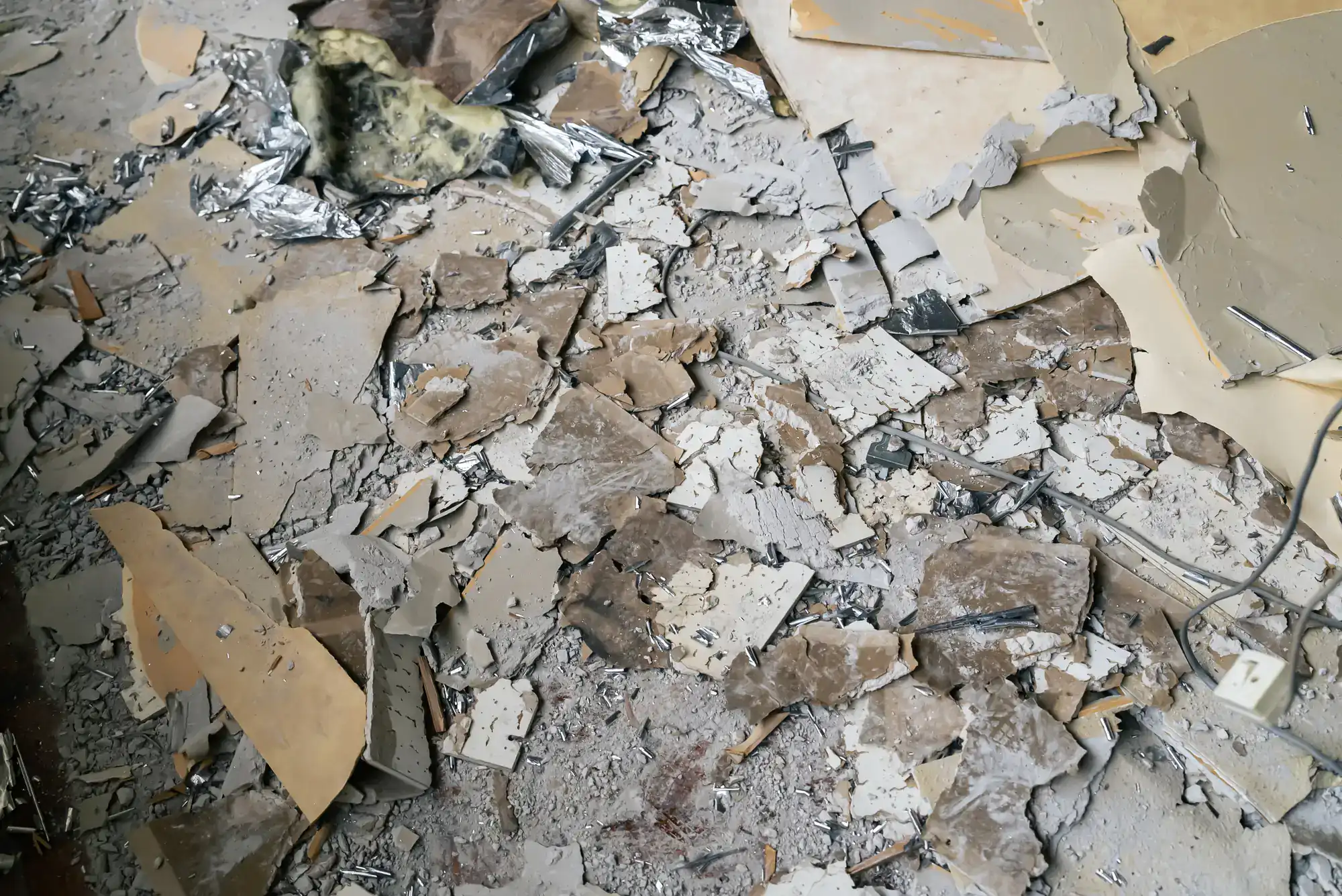
If the project involves a home built before 1978, which covers a significant portion of Hilltown’s housing stock, the next step is environmental assessment. We test for asbestos, lead, and mold on-site. If hazardous materials are present, abatement happens first — using HEPA filtration and negative air pressure containment to keep your home’s air safe throughout the process. This isn’t optional. Under EPA NESHAP regulations and Pennsylvania UCC requirements, abatement must be completed and certified before structural demolition can proceed.
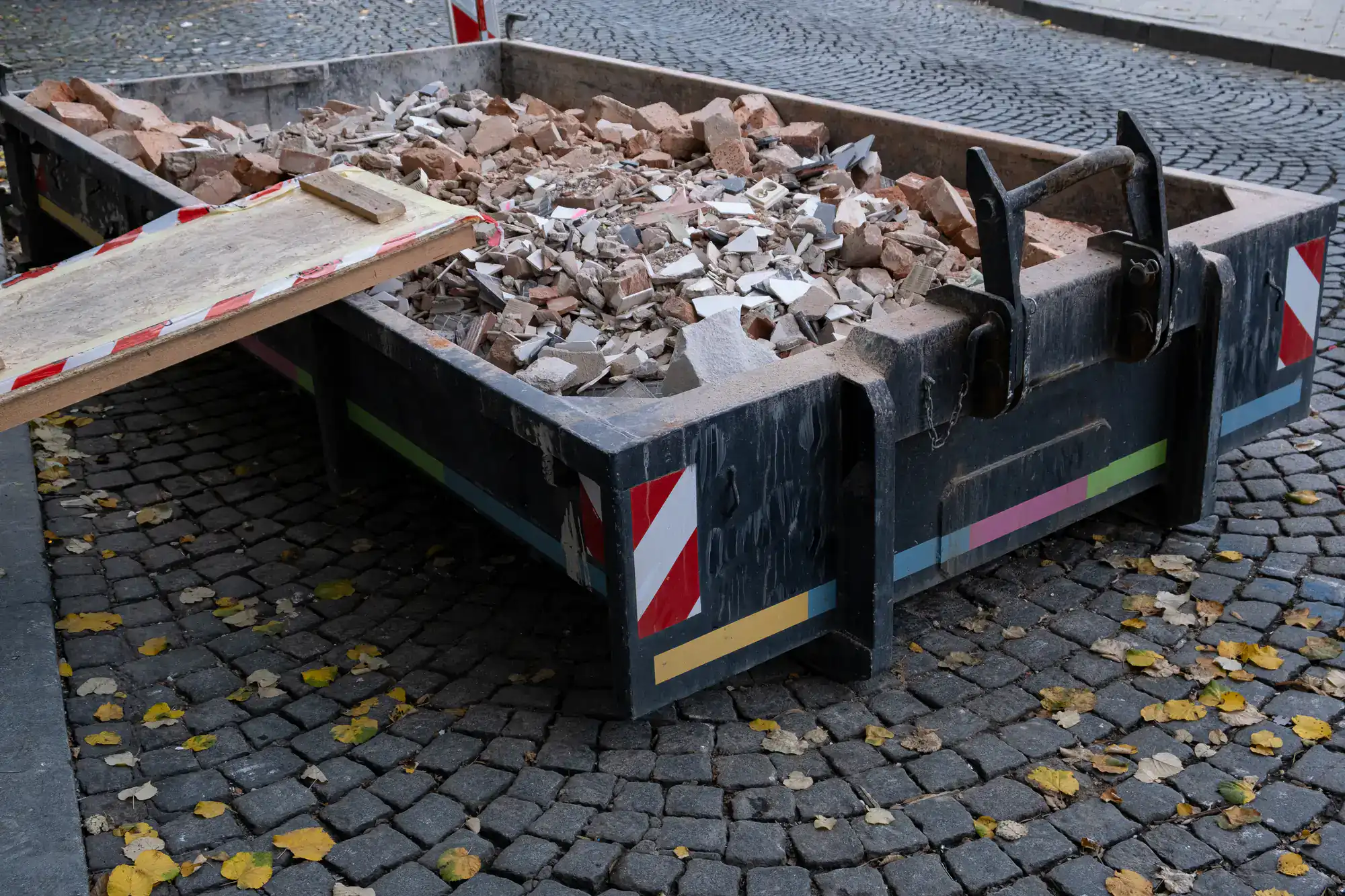
Once clearance is confirmed, demolition or gutting begins. We handle permit acquisition through Hilltown Township’s Building and Zoning Department, so you’re not navigating the Chapter 65 construction code requirements on your own. When the work is done, debris is removed and the site is left clean. The whole process — from first call to final cleanup — runs through one company, one point of contact, and one invoice.
Ready to get started?
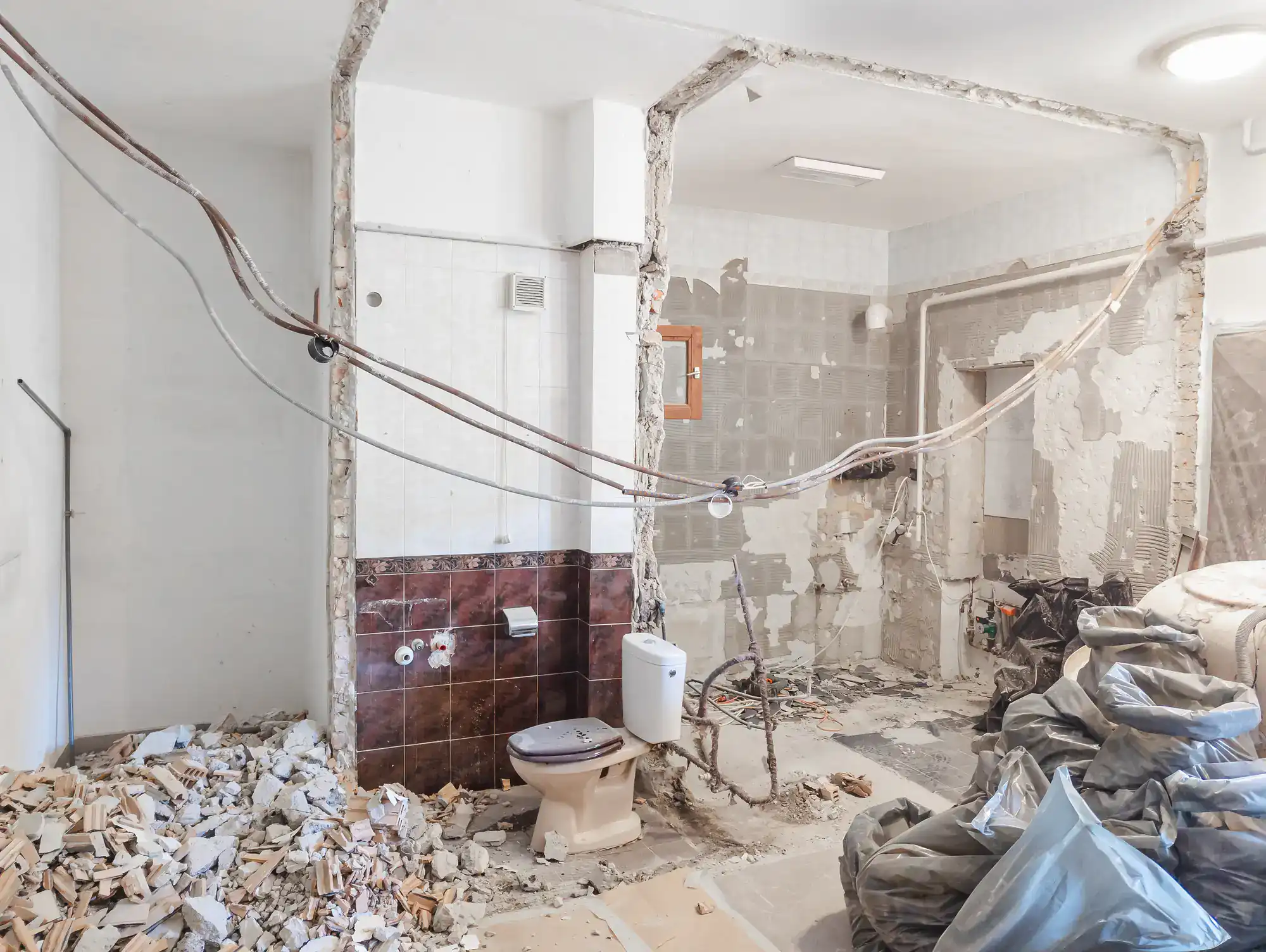
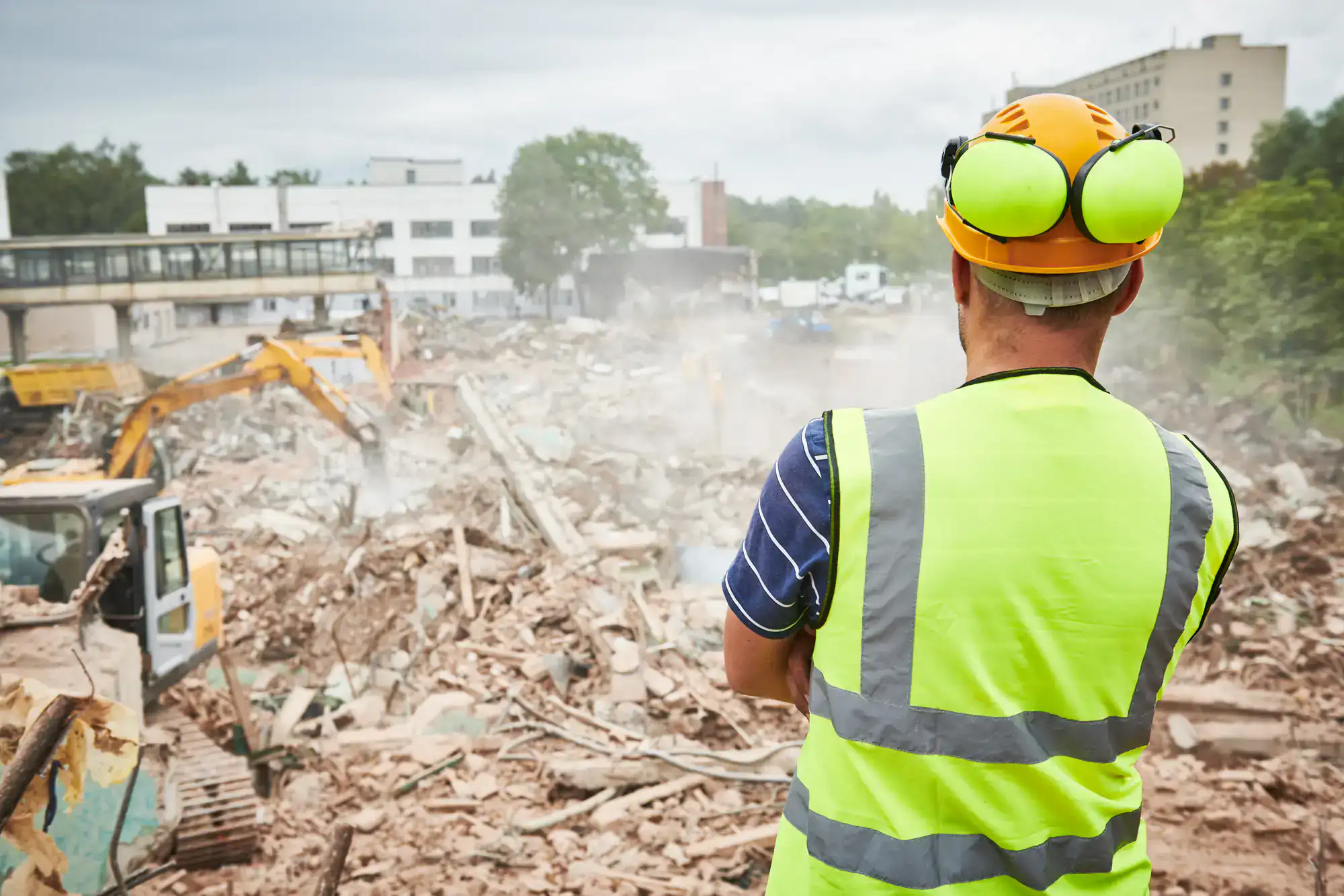
Hilltown isn’t a one-size-fits-all market. A historic farmstead near Blooming Glen calls for selective demolition — careful gutting that removes damaged or hazardous material without compromising a structure that’s been standing for 150 years. A flooded basement in a 1970s colonial off Route 309 calls for fast, thorough interior gutting followed by waterproofing. A detached barn or outbuilding on a large lot — common throughout this township’s rural-suburban landscape — may require full structural demolition and site clearing. We handle all of it.
Our services include full and selective interior demolition, structural teardown, asbestos abatement, lead paint removal, mold remediation, basement waterproofing, construction debris removal, and emergency response for water and storm damage. HEPA filtration systems are used on every abatement job. All work is performed by licensed professionals on-site throughout the project — not handed off to a rotating crew.
For Hilltown homeowners with properties that received any form of federal assistance, or rental properties subject to HUD lead-safe housing requirements, our EPA/HUD compliance means the work is done by a contractor who is legally qualified to be there. That’s a distinction that matters when it comes to resale, insurance, and liability — and it’s one that most demolition contractors in the upper Bucks County market simply can’t make.
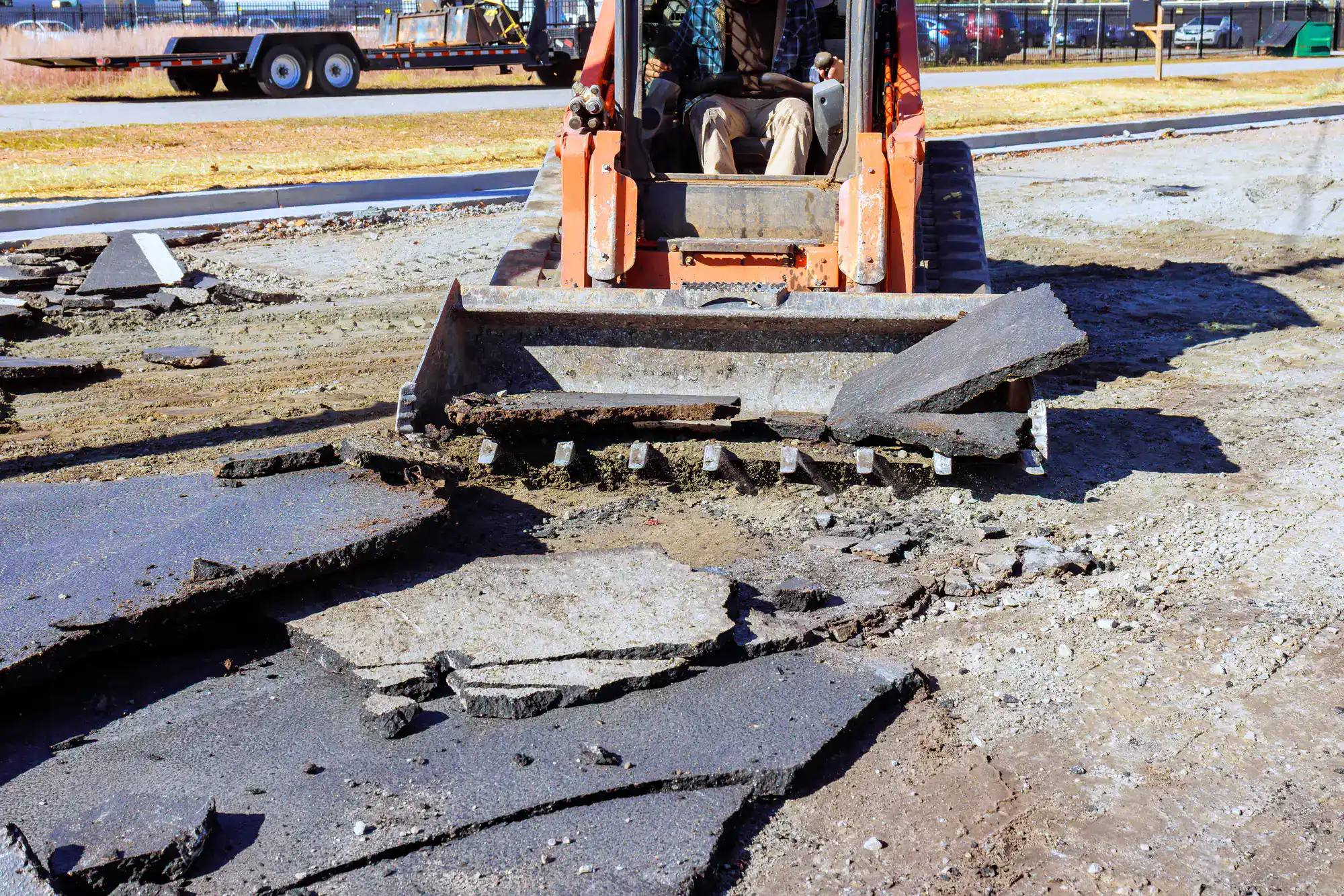

Yes — Hilltown Township requires a building permit for demolition, and the application process has specific requirements. You’ll need to submit a plot plan showing all structures to be demolished, the location of existing structures on the property, and the location of water service and sewer connections. This is governed by Chapter 65 of the Township Code, which enforces the Pennsylvania Uniform Construction Code at the local level.
On top of that, Hilltown Township has its own contractor licensing ordinance under Chapter 68 — meaning any contractor working in Hilltown must hold a locally-issued license, separate from state-level credentials. We handle the permit process as part of the project scope, so you’re not navigating the Building and Zoning Department on your own. Skipping permits isn’t just a code violation — it can create real liability at the time of sale, and some insurers won’t cover work done without proper documentation.
The honest answer is: you don’t know until it’s tested. Asbestos was commonly used in insulation, floor tiles, ceiling tiles, pipe wrap, and joint compound in homes built before 1978 — and a significant portion of Hilltown’s housing stock falls into that category, from the postwar ranch homes in residential subdivisions to the older village structures in Blooming Glen and Deep Run.
Visual inspection isn’t enough. Asbestos fibers are invisible to the naked eye, and materials that contain asbestos often look identical to those that don’t. We perform on-site environmental assessment before any demolition work begins — testing for asbestos, lead, and mold as part of the pre-project process. If asbestos is found, abatement is completed and certified before structural work proceeds, in compliance with EPA NESHAP regulations. This protects you, your family, and anyone else on the property during the job.
Full demolition means taking a structure down to the foundation — or removing it entirely. Interior gutting means removing specific elements inside the structure: drywall, flooring, insulation, fixtures, ceilings, or damaged materials, while leaving the structural frame intact. Which one is right for your project depends on what you’re trying to accomplish and what condition the structure is in.
In Hilltown, gutting is often the appropriate approach for older homes and historic structures where the bones of the building are sound but the interior has sustained water damage, mold, or simply needs to be stripped back before renovation. Full demolition is more common for detached outbuildings, barns, or structures that are beyond practical repair — which isn’t unusual on Hilltown’s larger lots, where accessory structures from earlier farming use are still standing. We assess both options during the free estimate and give you a straight answer on which scope makes sense for your specific property.
Yes — and in Hilltown, water damage emergencies are a real and recurring situation. The township is drained by the East Branch Perkiomen Creek and Neshaminy Creek, and between freeze-thaw cycles in winter, spring snowmelt, and summer thunderstorms, older homes in the area are regularly exposed to water intrusion. When a pipe bursts at 2 AM or a basement floods during a nor’easter, mold begins forming within 24 to 48 hours. The longer you wait, the more material has to come out.
We’re available 24 hours a day, 7 days a week for exactly this reason. Emergency response means a qualified crew can be dispatched quickly to assess the damage, contain the affected area, begin abatement if hazardous materials are involved, and start the gutting process before secondary damage compounds the problem. One call handles the entire scope — you don’t need to find a separate mold inspector, abatement firm, and demo crew while your basement is still wet.
It depends on the scope and method of the work, but in most cases involving significant demolition or gutting of a pre-1978 home, yes — lead paint must be addressed before or during the work under EPA RRP rules and Pennsylvania Department of Labor and Industry requirements. If the work disturbs more than a regulated threshold of painted surface area, it triggers lead-safe work practice requirements at minimum, and in many cases full abatement.
What sets us apart here is the level of certification. Most contractors in the upper Bucks County market hold the basic EPA RRP certification, which qualifies them to perform renovation work on pre-1978 homes under lead-safe practices. We hold the EPA Certified Lead Inspector and Risk Assessor credential — a higher-level federal qualification that allows us to inspect, test, and certify lead conditions, not just comply with removal protocols. For Hilltown homeowners with older properties, that distinction affects what can legally be done, documented, and certified on your behalf.
The cash discount is straightforward: when payment is made in cash, we pass the savings from eliminated processing fees directly to the customer. There’s no hidden trade-off in materials, crew quality, or scope of work — the job gets done the same way regardless of how you pay. It’s just a pricing reality that some customers benefit from, and we’d rather be transparent about it than quietly absorb it.
For Hilltown homeowners — many of whom are making significant investments in properties that have been in their families for years, or undertaking major renovation projects on large-lot homes that require substantial upfront work — the cash discount can represent meaningful savings on a project that already involves testing, abatement, demolition, and cleanup. Combined with the free estimate and written scope of work we provide before any commitment is made, it reflects the same straightforward approach that runs through our entire operation. You know what you’re paying, you know what you’re getting, and there are no surprises on the invoice when the job is done.
Other Services we provide in Hilltown