Hear from Our Customers
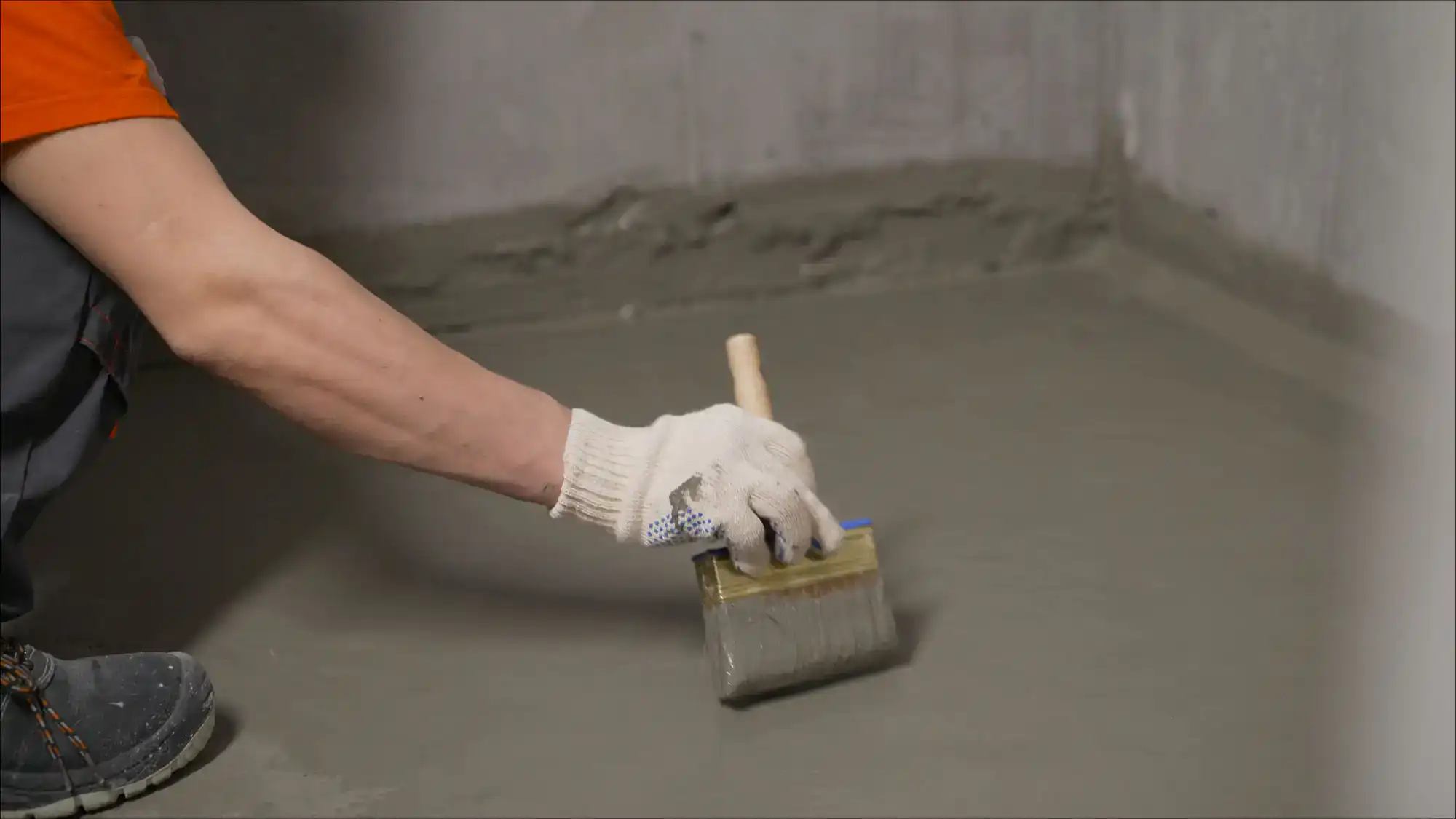
When your basement stays dry, everything above it stays stable. No warped framing, no mold creeping up the walls, no musty smell greeting you every time you walk downstairs. For many Easttown homeowners, solving the moisture problem also means finally being able to use that space — finished or not — without worrying about what’s happening behind the walls.
Easttown’s topography is part of the story here. The township sits on rolling hills with clay-heavy soils that hold water long after a storm passes. That saturated ground pushes against your foundation constantly — a condition called hydrostatic pressure — and it doesn’t stop just because the rain did. Homes throughout Easttown, many of them built in the early 1900s or during the post-war boom of the 1950s, weren’t built with modern drainage systems. They were built before anyone thought much about what that hillside water would do to a foundation over 70 years.
The good news is that this is a solvable problem. A properly waterproofed basement doesn’t just stop the water — it stabilizes the environment of your entire home, protects a property that in Easttown likely carries a price tag well above $800,000, and removes the kind of red flag that stops a home sale cold when a buyer’s inspector walks through.
We’ve been working in Chester County for two decades, with deep roots in Easttown specifically. That means we’ve been in the crawl spaces and stone basements of Victorian estates, under the split-levels built during Easttown’s 1950s growth surge, and in the pre-war colonials throughout the township. We know what these homes look like from the foundation up — and we know where they fail.
What sets us apart isn’t just experience. It’s that we handle the whole picture. Most waterproofing companies show up, install a drain, and leave. If there’s mold, that’s someone else’s problem. If there’s lead paint on the walls they just disturbed, that’s your problem. We’re a certified lead inspector and risk assessor, EPA/HUD compliant, and equipped to handle remediation, demolition, and waterproofing under one roof. For Easttown’s older housing stock, that matters more than most homeowners realize until they’re already mid-project.
We’re fully licensed, bonded, and insured. Free estimates, cash discounts available, and someone answers the phone at 2 a.m. — because that’s when basements flood.
It starts with a free assessment. We come to your Easttown home, look at what’s actually happening with your foundation, and give you a straight answer about what needs to be done and what it’ll cost. No pressure, no inflated estimates designed to scare you into signing the same day.
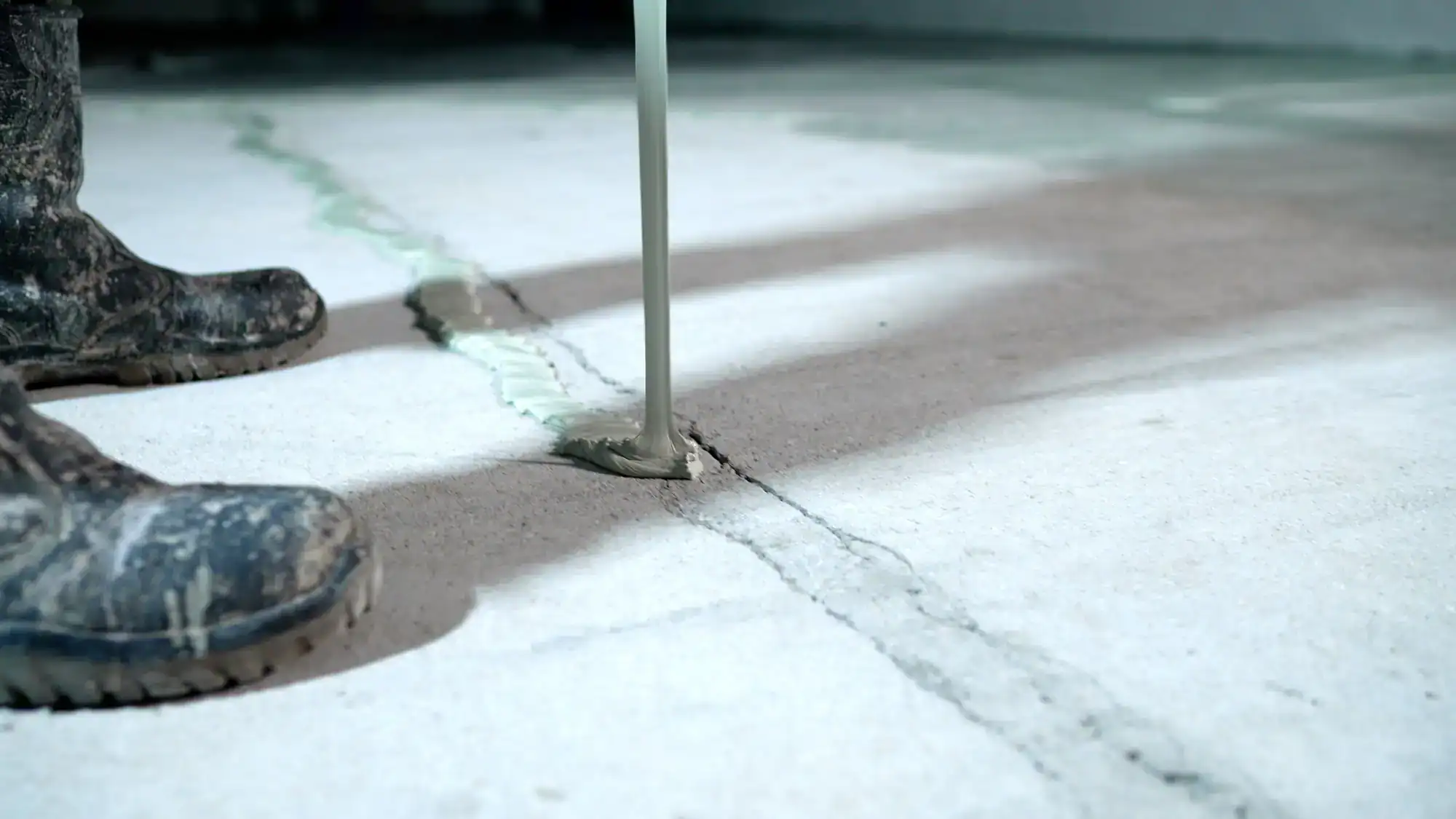
From there, the process depends on what we find. Some homes need interior drainage systems — a French drain installed along the perimeter of the basement floor that redirects water to a sump pump before it can pool. Others need exterior excavation and membrane application to stop water at the source. Many Easttown homes, especially the older stone and masonry foundations common throughout the township, need a combination of crack injection, wall reinforcement, and drainage improvement. If we find mold during the assessment — which happens often in homes that have had long-term moisture exposure — we handle that too, using HEPA filtration systems to contain and remove contaminants safely.
One thing worth knowing: certain work in Easttown Township may require a permit under Pennsylvania’s Uniform Construction Code, particularly if the project involves structural modifications or significant excavation. We’ll flag anything relevant during the estimate so there are no surprises. The goal is a clean, dry basement — and a process that doesn’t leave you managing a construction aftermath on your own.
Ready to get started?
Basement waterproofing from us isn’t a single product with a single fix. It’s a full assessment of what’s causing the moisture problem and a solution built around that specific cause. For Easttown homes, that often means addressing multiple entry points — because a Victorian stone foundation leaks differently than a poured concrete block basement in a 1960s ranch.
Interior drainage systems, sump pump installation and replacement, exterior waterproofing membranes, crack injection, wall stabilization, and drainage regrading are all part of what we do. If there’s mold present — which Chester County’s wet springs and clay soils make more common than most homeowners expect — we handle mold testing and remediation as part of the same engagement. For older homes where that remediation work might disturb lead-based paint or other environmental hazards, our certified lead inspector and risk assessor credentials mean you’re covered there too.
Emergency response is available when you need it. If a storm rolls through Chester County overnight and you wake up to standing water, you’re not waiting until Monday morning. We’re available 24/7, and we show up. Every job comes with a free estimate upfront and straightforward pricing — no hidden fees, no bait-and-switch after the work starts.
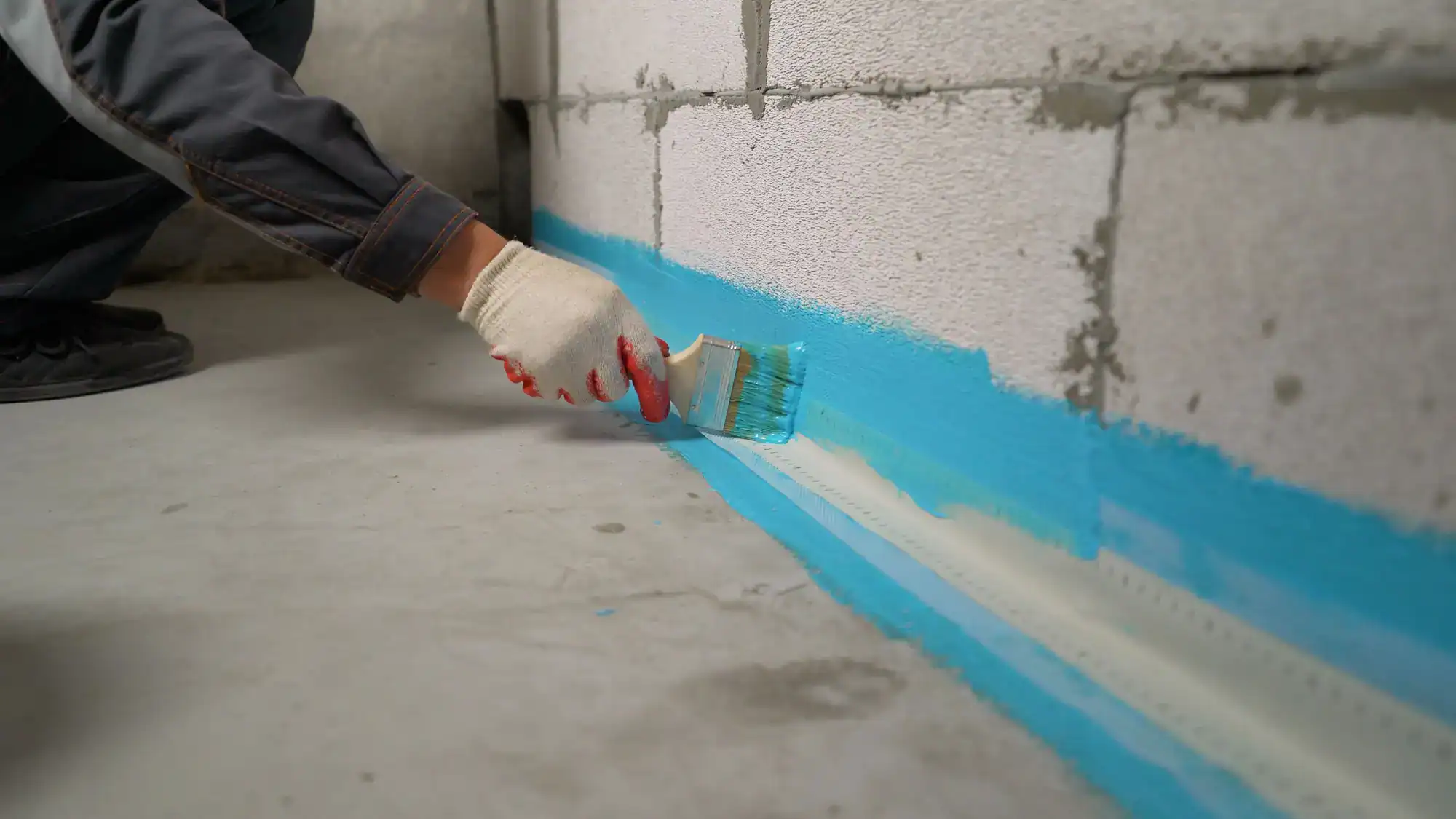

Easttown’s geography is the short answer. The township sits on rolling hills with clay-dense soils that don’t drain quickly. When it rains heavily — and southeastern Pennsylvania gets around 44 to 48 inches of precipitation a year, with concentrated spring storms that hit fast — that water saturates the ground around your foundation and creates hydrostatic pressure. That pressure finds the path of least resistance, which is usually a crack in the foundation wall, a joint between the wall and floor, or porous masonry in an older stone or block foundation.
The longer answer is that most Easttown homes weren’t built with drainage systems designed to handle modern precipitation patterns. Pre-war colonials and Victorian-era homes were built with rubble stone or brick foundations and lime mortar — materials that are inherently porous and that have had decades to develop new leak pathways. Post-war homes from the 1950s and 1960s, which make up a large portion of Easttown’s housing stock, often have minimal foundation depth and basic construction that’s now 65 to 70 years old. The combination of aging materials and Easttown’s specific soil and slope conditions is exactly why basement flooding here is so common — and why surface-level fixes rarely hold.
The honest answer is that it depends heavily on what’s actually causing the problem and how extensive the work needs to be. A basic crack injection on a single wall runs significantly less than a full interior drainage system with sump pump installation. For most Easttown homes dealing with moderate water intrusion, a complete interior waterproofing solution — French drain, sump pump, and wall sealing — typically falls somewhere in the range of $5,000 to $15,000 depending on the basement’s size and the severity of the issue. Exterior excavation and membrane work, which is more involved, can run higher.
What tends to drive costs up in this area specifically is the age and construction type of the housing stock. Stone foundations common in older Easttown homes require different techniques than poured concrete, and if mold remediation or lead paint handling is needed — both of which are more likely in pre-1978 homes — that adds to the scope. We provide free estimates, so you’ll know exactly what you’re looking at before any work starts. Cash discounts are also available, which can meaningfully reduce the final number.
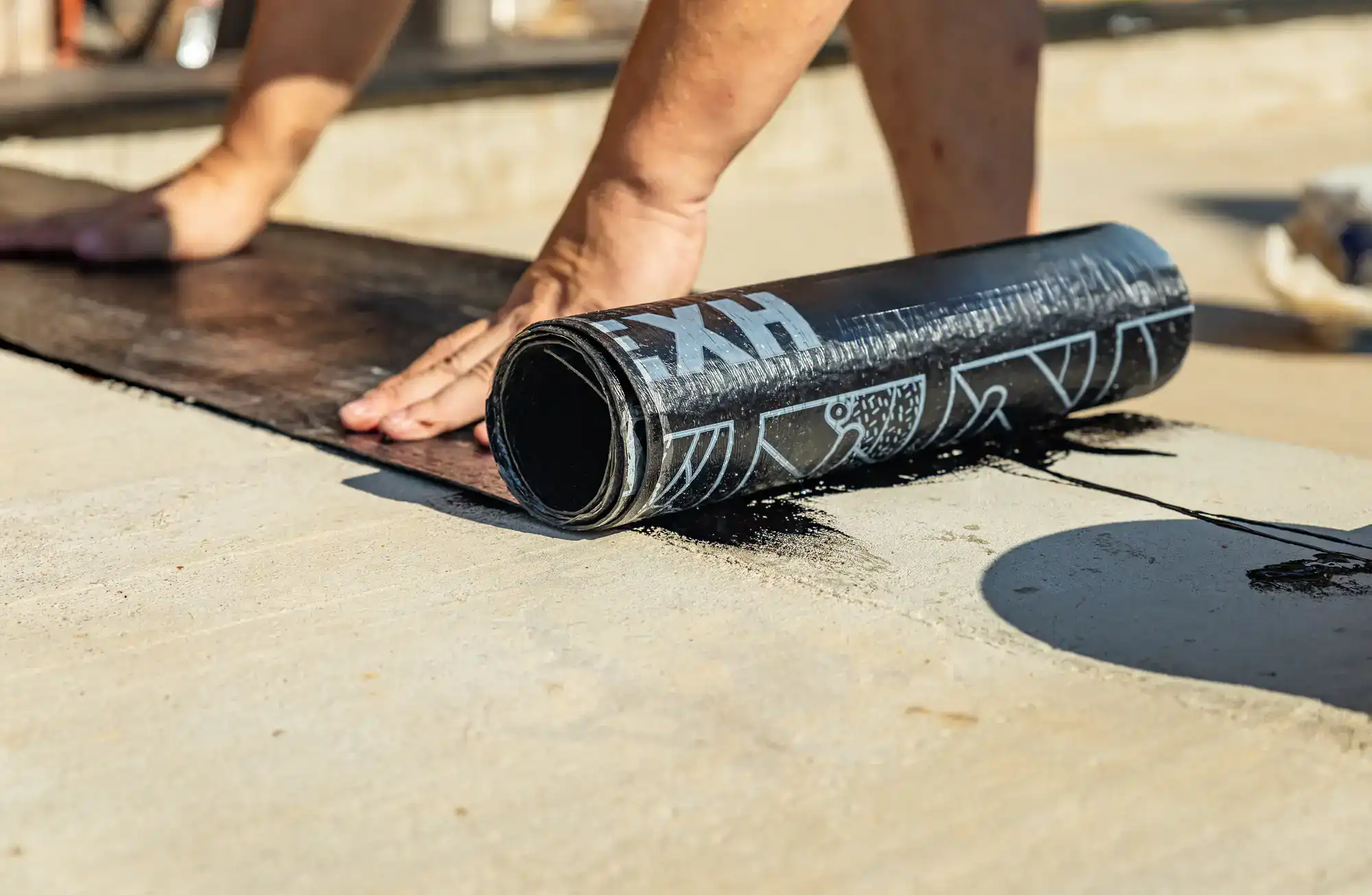
Exterior waterproofing addresses the problem at the source — it involves excavating around the foundation, applying a waterproof membrane to the outside of the wall, and improving the drainage grade so water moves away from the house rather than toward it. It’s the most comprehensive approach, but it’s also the most disruptive and typically the most expensive. For homes where the exterior drainage is severely compromised or where the foundation wall itself is deteriorating, it’s often the right call.
Interior waterproofing manages water after it enters the foundation zone — using a drainage channel installed along the inside perimeter of the basement floor to collect and redirect water to a sump pump, which then expels it away from the home. This approach doesn’t stop water from reaching the foundation, but it prevents it from pooling in your living space and relieves the hydrostatic pressure that causes wall damage over time. For many Easttown homeowners, particularly those in older homes where exterior excavation would be extremely disruptive or cost-prohibitive, interior waterproofing is the practical and effective solution. In some cases, a combination of both approaches is the right answer — which is something we assess on a home-by-home basis.
Yes — and in most cases, waterproofing and mold remediation need to happen together, not separately. Mold doesn’t appear out of nowhere. It grows where there’s persistent moisture, and in Easttown’s older housing stock, a basement that’s been taking on water for years has almost certainly developed some level of mold growth — whether it’s visible or hidden behind finished walls and insulation. Waterproofing without addressing existing mold just seals the problem in.
We handle both sides of this. We test for mold, remediate it using HEPA filtration systems that contain and remove airborne spores during the process, and then waterproof the space so the conditions that caused the mold can’t return. For homes in Easttown where the basement framing or drywall has been compromised by long-term moisture, we also handle demolition of damaged materials as part of the same project. One company, one process, no hand-off to a second contractor who doesn’t know the full history of the space.
Most Easttown homes that have any history of basement moisture benefit from a functioning sump pump — and many homes that were built before the 1980s either don’t have one or have one that’s well past its useful life. A sump pump’s average lifespan is around 10 years with regular use, and in a township with Chester County’s wet springs and clay soils, “regular use” is an understatement.
Signs that your current pump may be failing include unusual noises during operation, the pump running constantly without clearing water, visible rust or corrosion on the unit, or water in the pit that never seems to go down. A pump that runs but doesn’t move water is often worse than no pump at all — it gives a false sense of security. During our free estimate, we assess the existing sump system as part of the overall evaluation. If it needs replacement or a battery backup added (which is worth serious consideration in an area that loses power during storms), we’ll tell you clearly and price it out before any work begins.
Cash discounts are available on waterproofing and remediation work, and they’re worth asking about when you call. For homeowners in Easttown who are managing a significant repair on a high-value property — and in a market where median home prices sit above $844,000, a waterproofing project is a real investment — reducing the out-of-pocket cost where possible makes a genuine difference.
Beyond cash discounts, the free estimate itself has real value in this category. Basement waterproofing is an industry with a well-known reputation for high-pressure sales and inflated quotes. Coming in with a no-obligation assessment means you can get a straight answer about what your specific Easttown home actually needs before you commit to anything. For homeowners comparing multiple contractors — which is a smart move — that transparency is a meaningful starting point. Call us, get the estimate, and make your decision from there.
Other Services we provide in Easttown