Hear from Our Customers
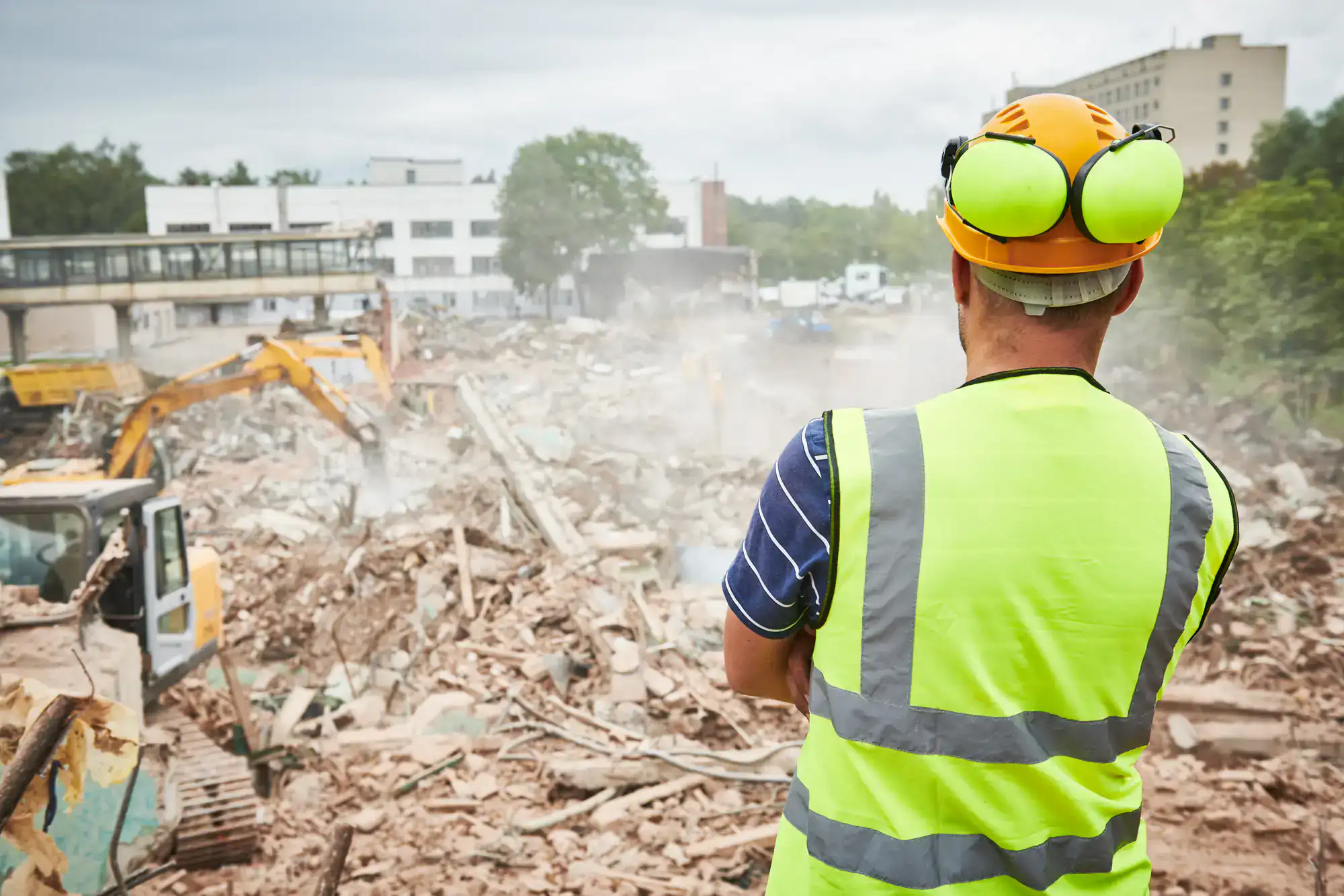
Most demolition jobs in Devon and Berwyn don’t go sideways because of the demo itself. They stall because nobody tested for asbestos before the drywall came down, or because the contractor didn’t know Easttown Township requires a separate demolition permit with a disposal plan and a rodent inspection letter before work can legally begin. That’s where projects stall — and where costs climb.
When you work with us, we handle testing, abatement, permitting, and demolition under one roof. The project actually moves. No waiting on a separate inspector. No scrambling to find an abatement crew after the fact. No permit delays because the paperwork wasn’t filed right. You get a clear timeline, a compliant job, and a finished space that’s ready for whatever comes next.
Easttown’s housing stock — Victorian-era estates, pre-war colonials, and the large wave of mid-century homes built during the township’s 1950s population boom — carries a high probability of asbestos-containing materials and lead paint. Homes built before 1978 account for a significant share of what’s standing in Devon and Berwyn today, and every one of them needs certified assessment before demolition work starts. We hold EPA Lead Inspector credentials on our team, which means you’re not finding out about a problem halfway through the job.
We’ve been doing this work for over two decades — not just demolition, but the full picture: hazardous material testing, certified lead and asbestos abatement, gutting, waterproofing, and cleanup. We’re EPA Certified, HUD compliant, and fully licensed, bonded, and insured. Chester County is an active part of our service territory, and the housing stock here — particularly in older Devon and Berwyn neighborhoods — is exactly the kind of work we were built for.
Our owner holds EPA Certified Lead Inspector and Risk Assessor credentials, which means we can legally identify and certify lead conditions in your home, not just remove them after someone else makes the call. That distinction matters when you’re dealing with a pre-1978 property near Lancaster Avenue or a historic home within view of Waynesborough.
You get 24/7 availability, free estimates, HEPA filtration systems on every abatement job, and a team that handles the permit process so you don’t have to track down a demolition permit application while also managing a renovation timeline. We know Easttown Township’s requirements inside and out because we work here regularly.
It starts with a free estimate and an honest assessment of what you’re working with. For most homes in Devon and Berwyn, that means a thorough inspection for asbestos-containing materials and lead paint before any structural work is discussed. If hazardous materials are present — and in Easttown’s older housing stock, they often are — we handle the certified abatement first, using HEPA filtration and proper containment to keep the rest of your home clean and safe during the process.
Once abatement is complete, the demolition work begins. We pull the required demolition permit from Easttown Township, provide the disposal documentation the township requires, and file the Pennsylvania DEP’s NESHAP notification — a mandatory ten-working-day notice required before demolishing any structure with asbestos-containing materials. If your property involves a historically significant structure and the township’s Historical Commission needs to review the demolition plan, we navigate that process too. You’re not handed a stack of paperwork and told to figure it out.
After demo, the space is cleared, cleaned, and ready. Whether you’re gutting a basement that took on water from the Darby Creek corridor during a wet spring, tearing down an interior for a full renovation, or clearing a structure on a subdivided estate lot, the process ends the same way — with a space that’s clean, documented, and ready for what comes next.
Ready to get started?
We handle the full scope of what a demolition project in Easttown actually requires. That means asbestos and lead testing and inspection, certified abatement, interior gutting and structural demolition, construction debris removal, waterproofing, and final cleanup — all under one contractor. For homeowners in Devon and Berwyn who are renovating a pre-1978 home, responding to water damage, or preparing a property for sale or subdivision, this matters more than it might seem. Coordinating multiple vendors on a complex job adds time, cost, and risk. Having one licensed, certified team handle it from inspection through cleanup removes all of that friction.
Easttown Township has its own permit requirements, and we know them. The demolition permit process here includes a disposal plan, a rodent inspection clearance, and — for older or historically significant structures — potential review by the township’s Historical Commission. We manage all of it. For properties near the Tredyffrin/Easttown area with deeper historic significance, that kind of regulatory familiarity isn’t optional — it’s what keeps your project on schedule.
Emergency response is available around the clock. If a water event in an older Berwyn home requires immediate gutting to prevent mold from taking hold, we respond. Mold establishes itself within 24 to 48 hours of water exposure, and in a home with aging materials and layered renovation history, that window closes fast. You don’t have to wait until Monday morning.

Yes — and it’s more involved than a standard building permit. Easttown Township requires a separate demolition permit for complete demolition projects, and the application has to include a written plan explaining how the demolition will be carried out and where the materials will be disposed of. You also need a letter from a certified exterminator confirming the structure is free of rodents before the permit is issued.
On top of that, Pennsylvania DEP requires a minimum ten-working-day NESHAP notification before any demolition of a structure that contains asbestos-containing materials — which applies to a significant portion of Easttown’s older housing stock in Devon and Berwyn. If your property is considered historically significant, Easttown’s Historical Commission may also require a review period of 60 to 90 days before a demolition permit is approved. We handle all of this on your behalf — filing the right paperwork, coordinating the required documentation, and making sure nothing stalls your project because of a missed regulatory step.
The honest answer is: you don’t, until a certified inspector tests for it. If your home was built before 1978 — which describes a large share of the housing stock in Devon and Berwyn, including Victorian-era estates, pre-war colonials, and the mid-century homes built during Easttown’s 1950s population surge — there’s a meaningful statistical probability of both asbestos-containing materials and lead paint being present somewhere in the structure.
Asbestos was commonly used in floor tiles, pipe insulation, roofing materials, joint compound, and textured ceilings. Lead paint was standard on interior and exterior surfaces. Neither is visible to the naked eye, and neither is something you want disturbed without certified abatement in place. We hold EPA Certified Lead Inspector and Risk Assessor credentials, which means we can legally inspect, test, and certify lead conditions in your home — not just remove what someone else identifies. That’s a meaningful difference when you’re making decisions about a renovation or demolition project in an older Easttown property.
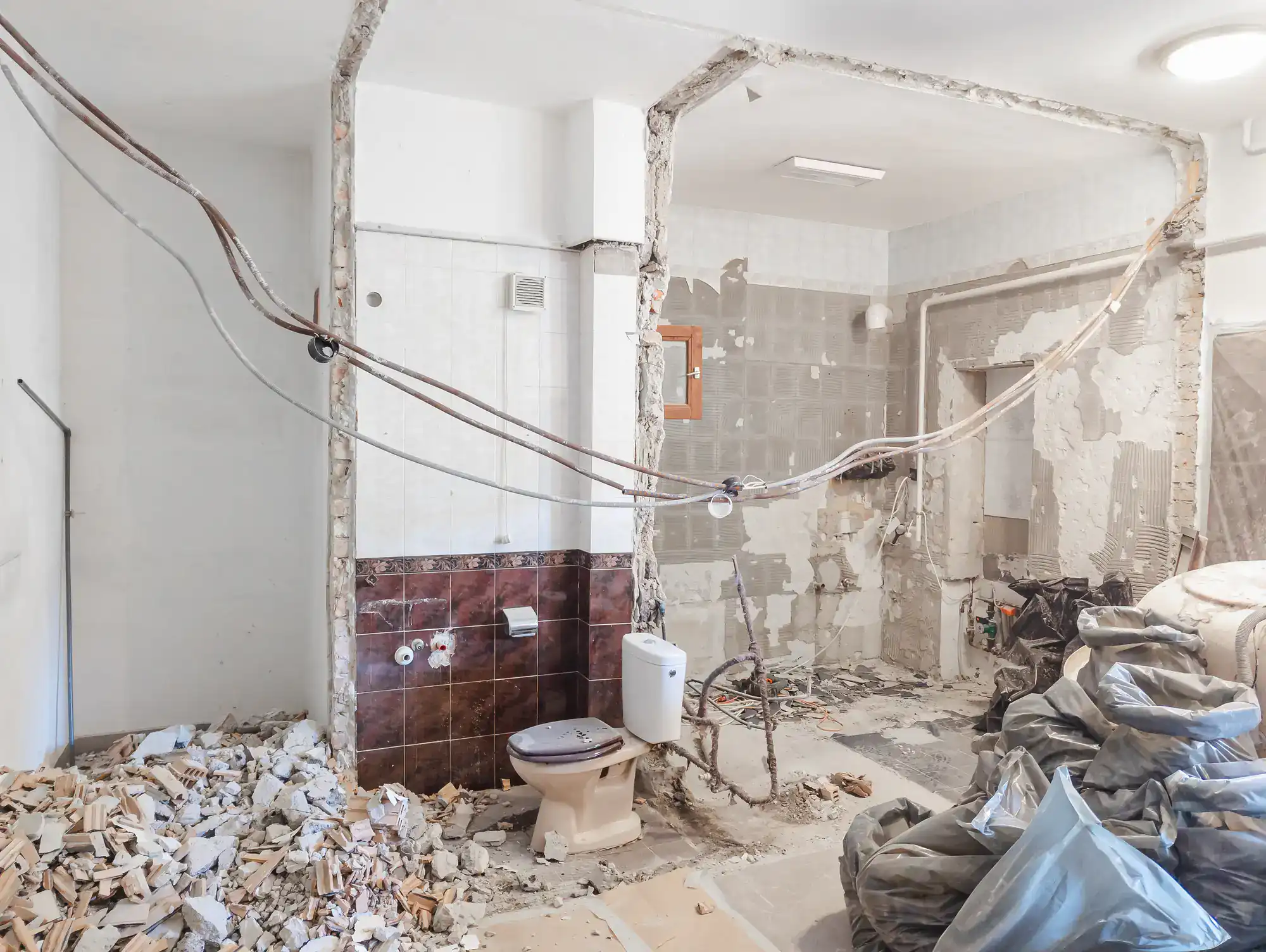
Interior demolition — sometimes called gutting — covers the removal of everything that needs to go before new construction begins. That typically includes drywall, flooring, ceilings, insulation, cabinetry, fixtures, and sometimes structural elements like non-load-bearing walls. What’s included depends entirely on the scope of your project, which is why the process always starts with a walkthrough and a clear estimate before anything is touched.
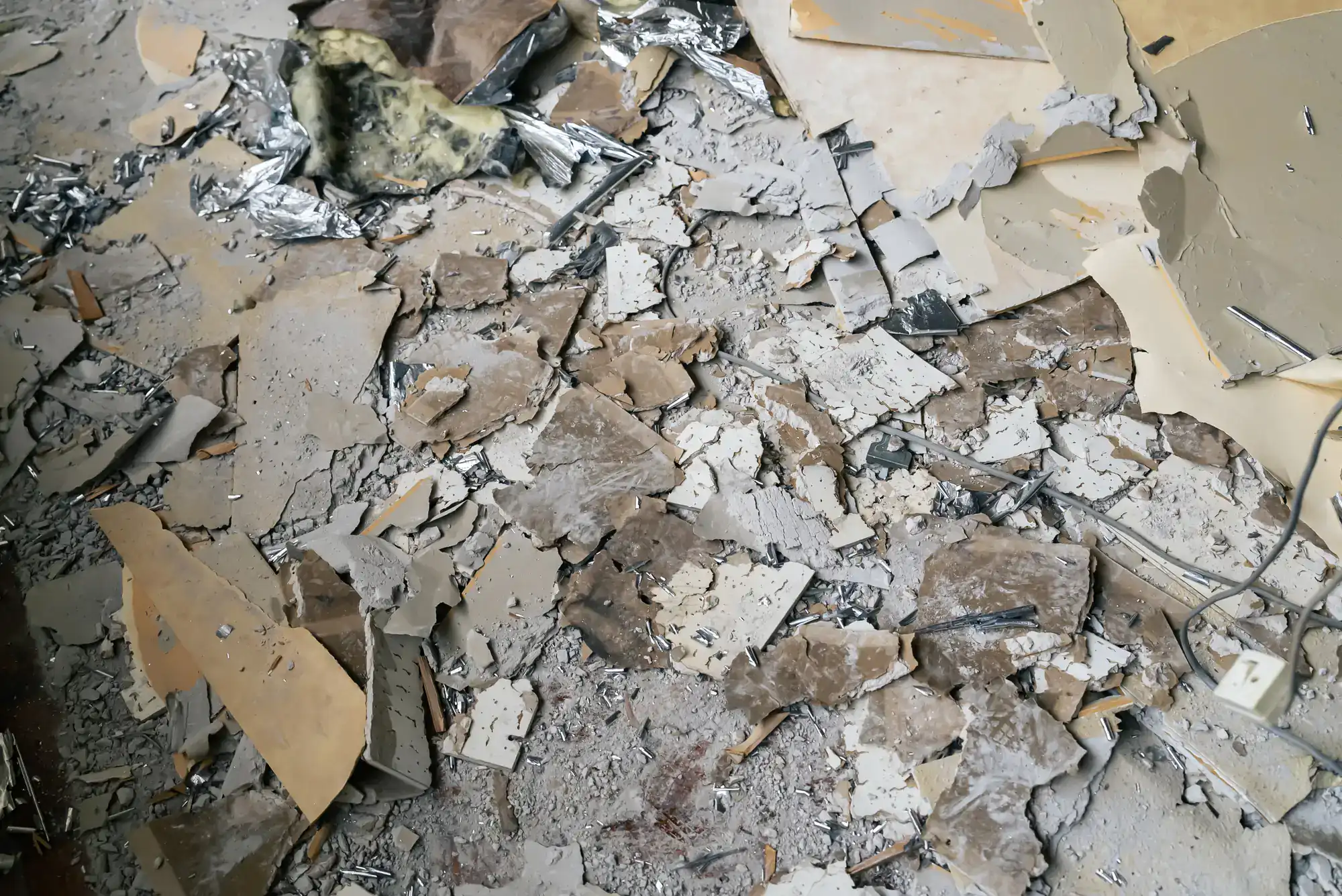
For homes in Easttown, the gutting process almost always begins with a hazardous materials assessment. Because so much of the housing stock in Devon and Berwyn predates 1978, there’s a real chance that materials being removed — old drywall, floor tiles, insulation, textured surfaces — contain asbestos or lead. If abatement is needed, it happens first, using HEPA filtration and containment to protect the rest of the home. Once the space is cleared and certified clean, the structural demolition work proceeds. Construction debris removal is handled as part of the job — you’re not left with a pile of material to figure out on your own.
Water damage moves fast. Mold can begin developing within 24 to 48 hours of exposure, and in an older home with wood framing, plaster walls, and layered flooring, moisture gets into places that aren’t immediately visible. The longer it sits, the more material has to come out — and the more likely you are to find a secondary problem behind the first one.
We offer 24/7 emergency response for exactly this scenario. If a pipe fails in a 1920s Devon colonial during a January freeze, or if spring runoff pushes water into a Berwyn basement — both real risks given Easttown’s terrain along the Darby Creek corridor and its steep-slope areas — you can call and reach a real person, not a voicemail. The response includes an immediate assessment of what needs to come out, certified abatement if hazardous materials are disturbed during the gutting process, and full debris removal. The goal is to stop the damage from compounding and get the space ready for restoration as quickly as possible.
Yes. We are EPA/HUD compliant, which is a specific federal qualification required for work on pre-1978 properties subject to HUD’s lead-safe housing rule — formally known as 24 CFR Part 35. This applies to federally-assisted housing and any pre-1978 residential property where renovation, repair, or demolition work disturbs lead-based paint.
This is not the same as the basic EPA Renovation, Repair, and Painting (RRP) certification that most contractors carry. HUD compliance is a higher bar, and it matters when you’re dealing with the kind of older housing stock that defines much of Devon and Berwyn. If you’re a landlord preparing a Chester County rental property for occupancy, a homeowner restoring an older Main Line home, or managing a pre-1978 property that involves any federal financing or assistance, you need a contractor who meets this standard. We do — and our EPA Certified Lead Inspector credential means we can inspect and certify lead conditions, not just perform the removal work after someone else has made the determination.
Yes — every project starts with a free estimate, no commitment required. For demolition and abatement work in Easttown, that estimate includes a walkthrough of the property, an honest assessment of what the job involves, and a clear breakdown of what the work will cost before anything is signed. There are no hidden fees added after the fact for permit filing, hazardous material handling, or debris disposal — those are part of the conversation upfront.
Cash discounts are available for qualifying projects, which is worth asking about when you call. Easttown’s older homes — particularly in Devon and Berwyn — often involve more complexity than a homeowner expects going in: multiple layers of hazardous materials, permit requirements specific to the township, and sometimes Historical Commission review for older structures. Getting a detailed, itemized estimate before the project starts is the best way to avoid surprises. We provide that, and the estimate gives you a real picture of the full scope — testing, abatement, demolition, debris removal, and cleanup — so you’re making a decision with complete information.
Other Services we provide in Easttown