Hear from Our Customers
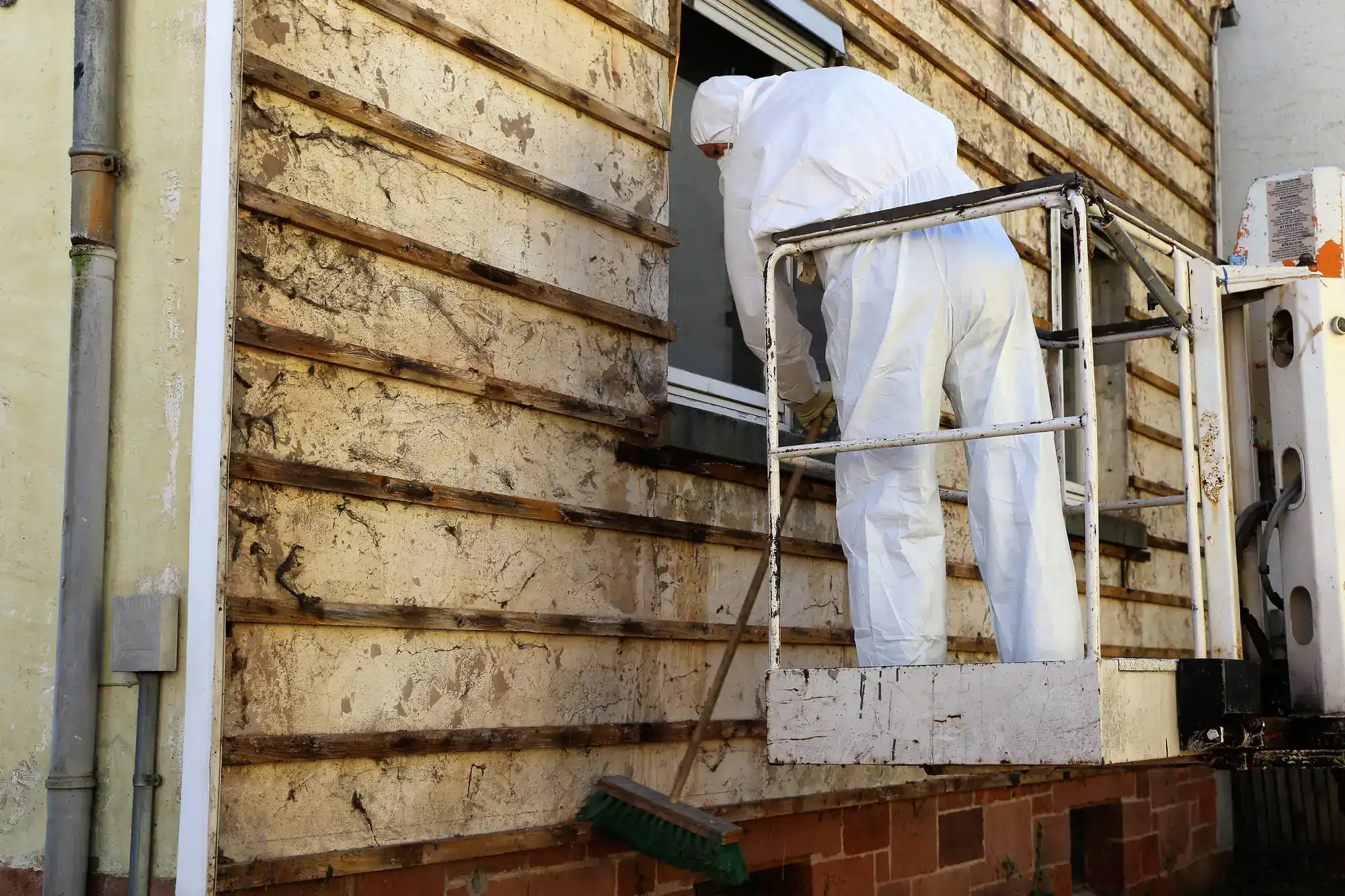
Whitemarsh Township’s housing stock tells the whole story. The township’s homes increased by over 54% during the 1950s alone, with continued growth through the 1960s and 1970s along Ridge Pike and Germantown Pike. That means a large portion of the homes in Lafayette Hill, Barren Hill, and Spring Mill were built during the exact decades when asbestos was standard in floor tiles, pipe insulation, attic fill, plaster, and popcorn ceilings. If you’re renovating, selling, or just finally getting around to updating a kitchen or bathroom in one of those Whitemarsh homes, you’re in the zone where asbestos shows up.
When it’s removed correctly, the project moves forward. The contractor you hired to redo your kitchen can get back in. The buyer who flagged asbestos in the inspection report stops having second thoughts. The family that moved to Whitemarsh for the Colonial School District gets to stop wondering what’s behind the walls of the home they just bought. That’s what this is really about — not the removal itself, but everything that becomes possible once it’s done.
The other thing that changes is peace of mind. We’re available 24/7, which means you’re not sitting on a stopped project until Monday when something suspicious turns up mid-renovation on a Saturday afternoon. Emergency response is available, the process is explained clearly, and you won’t be left guessing what comes next.
We’ve been doing this work for two decades — long enough to have seen every version of the problem that southeastern Montgomery County’s older housing stock can produce. Stone farmhouses along Ridge Pike. Mid-century split-levels off Germantown Pike. Colonials in the Fort Washington corridor. We know what 1960s pipe wrap looks like when it’s been disturbed, and we know what it takes to contain it properly so the rest of the house stays clean.
We’re fully licensed by the Pennsylvania Department of Labor and Industry, bonded, insured, and EPA/HUD compliant. A Certified Lead Inspector and Risk Assessor is on staff — not outsourced, on staff. That matters when you’re dealing with a pre-1978 home in Whitemarsh, where a significant share of the housing was built in that exact era.
The one-stop model is real, not a sales pitch. Testing, abatement, demolition, cleanup — we handle the full sequence so you’re not coordinating between three vendors while a renovation sits idle.
It starts with a call and a free estimate. Someone from our team comes to your home, takes a look at what you’re dealing with, and gives you a straight answer about what needs to happen and what it will cost. If testing is needed first, we collect samples and send them to a certified lab. You get real results, not a guess.
Once the scope is confirmed, we handle the Pennsylvania DEP notification requirements — state law requires a minimum five-day advance notice before friable asbestos removal begins, and for larger projects, a ten-working-day federal NESHAP notification applies. You don’t need to track that yourself. We manage the regulatory side so the project stays compliant and on schedule.
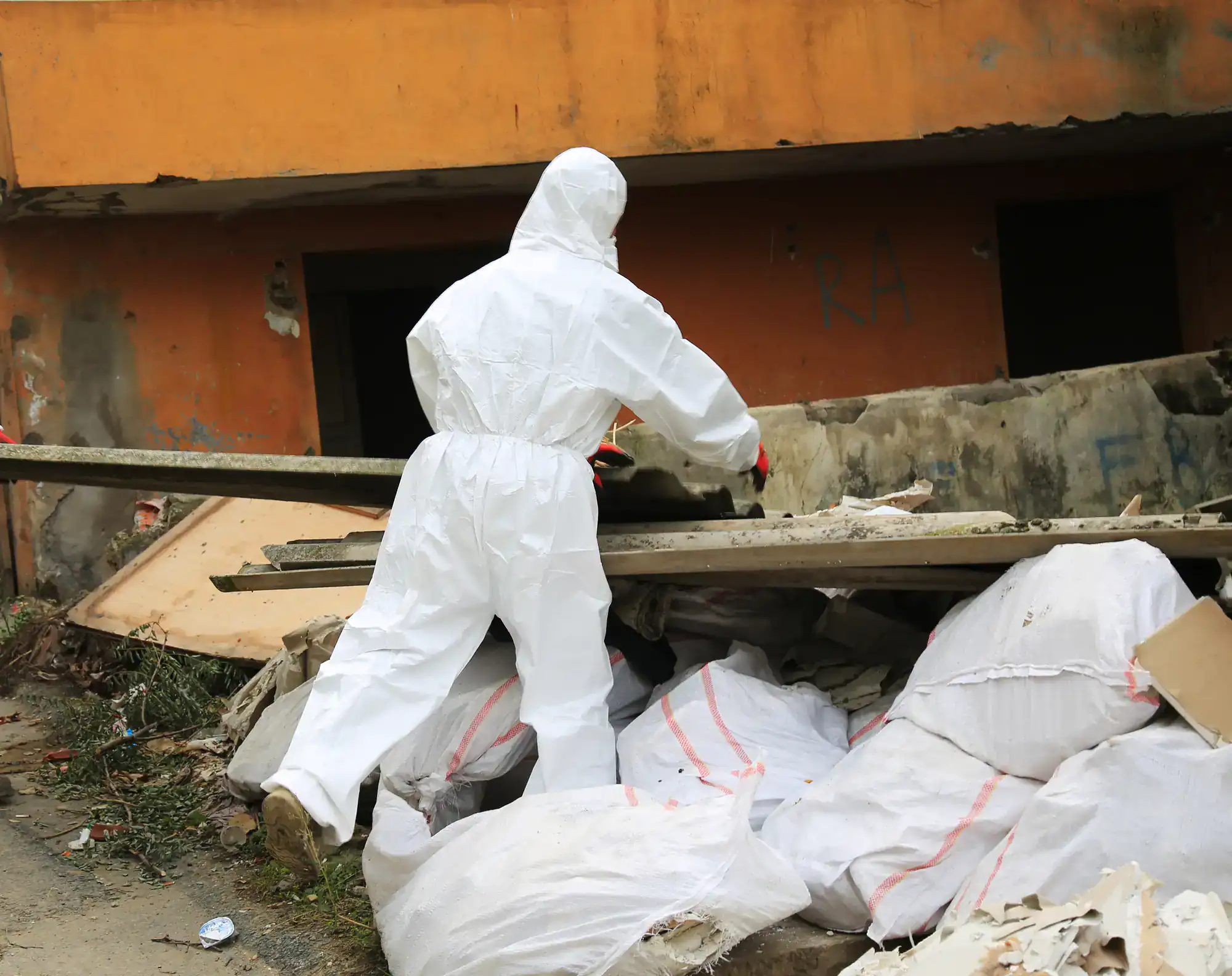
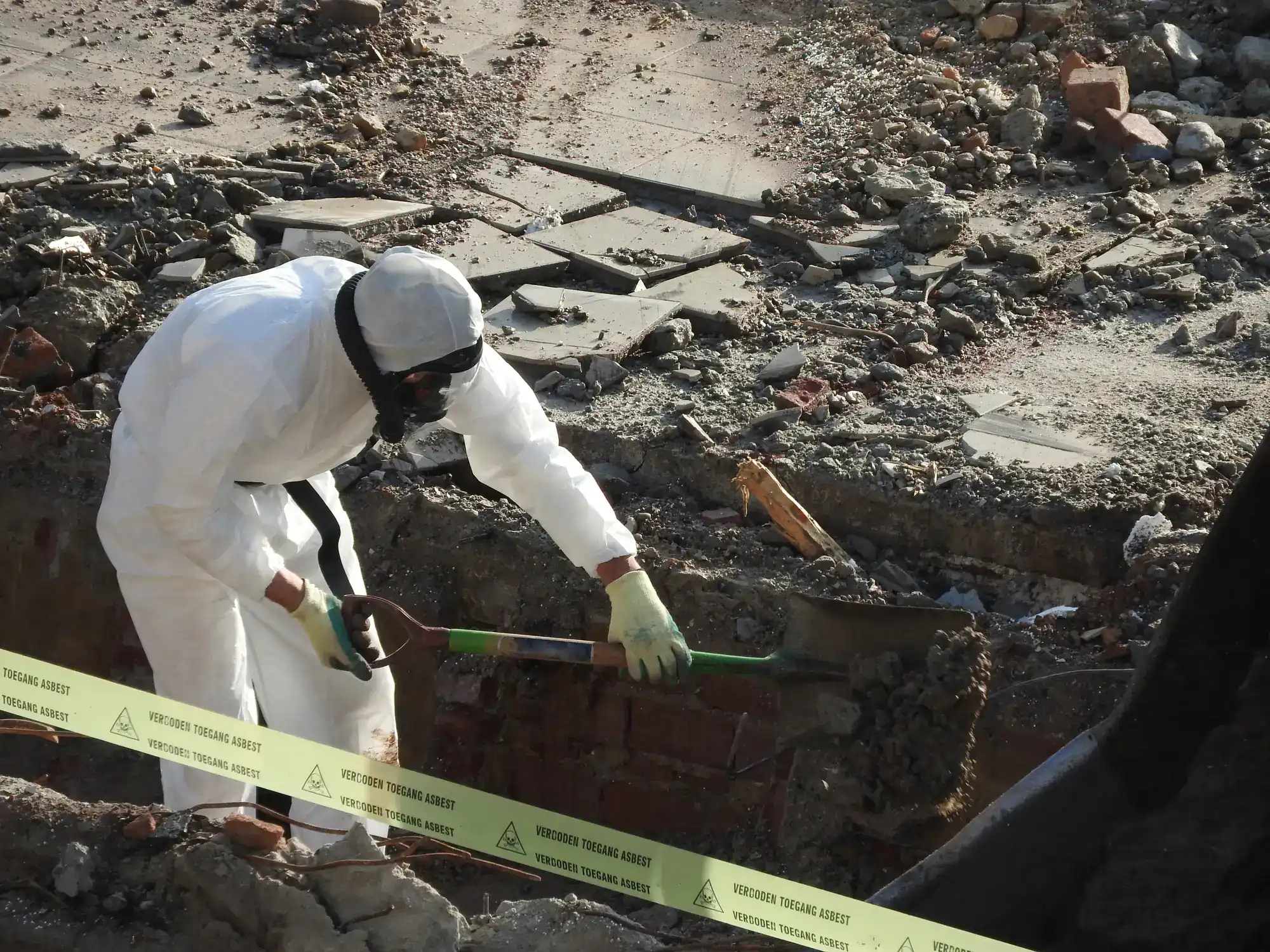
The actual removal is done under full containment — HEPA filtration systems and negative air pressure are standard on every job, whether it’s a single bathroom floor in a Barren Hill ranch or a full attic insulation removal in a Lafayette Hill colonial. After abatement is complete, post-clearance testing confirms the space is clean before containment comes down. If demolition or additional renovation work is part of the project, we can carry that through as well. The goal is to hand you back a space that’s ready for whatever comes next — not just a signed form saying the asbestos is gone.
Ready to get started?
The asbestos risk profile in Whitemarsh isn’t uniform, and the service shouldn’t be either. A pre-war stone farmhouse in Miquon has different materials and different challenges than a 1965 split-level in Lafayette Hill or a 1970s colonial near the Fort Washington State Park corridor. We work across all of it — pipe insulation, floor tile and mastic adhesive, attic and wall insulation, popcorn and acoustic ceiling coatings, duct wrap, roofing materials, plaster, and joint compound. If it was used in residential construction between the 1930s and 1980, we’ve removed it.
For homeowners in Whitemarsh’s active real estate market — where the average home sells in about eight days — turnaround time is part of the service. A clearance report that takes two weeks doesn’t work when a closing date is on the line. Our responsiveness and 24/7 availability are built for exactly that situation.
Beyond asbestos, we handle mold remediation, lead inspection and removal, waterproofing, and demolition under the same roof. For a family that bought a mid-century home in the Colonial School District and wants to know it’s genuinely safe — not just freshly painted — that full-service capability is the difference between one call and four. Cash discounts are available, and every job starts with a free estimate.
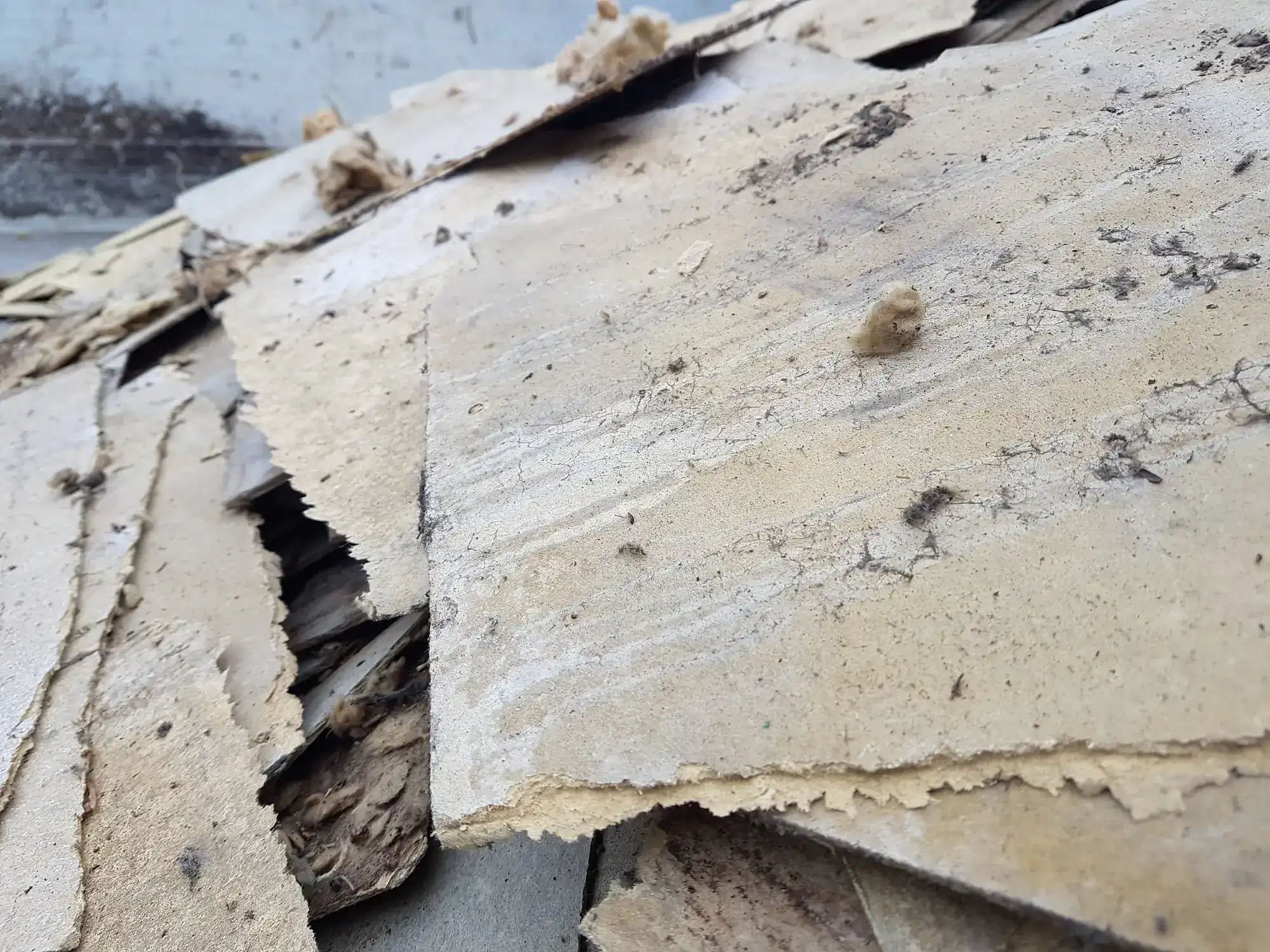
Yes, and the reason is straightforward. Whitemarsh Township’s housing stock grew by over 54% during the 1950s, with continued development through the 1960s and 1970s. That timeline puts a large portion of the township’s homes squarely in the peak era of asbestos use in American residential construction. Floor tiles, pipe insulation, attic fill, plaster, joint compound, popcorn ceiling spray, roofing shingles, and duct wrap all routinely contained asbestos during those decades.
If your home was built before 1980 in Whitemarsh — whether it’s a split-level off Germantown Pike, a colonial near Lafayette Hill, or an older stone structure along Ridge Pike — there’s a meaningful probability that asbestos-containing materials are present somewhere in the building. That doesn’t mean they’re dangerous today if they’re intact and undisturbed. But the moment renovation work begins, those materials can be disturbed and release fibers. Getting a professional inspection before any significant renovation is the most straightforward way to know what you’re dealing with.
The honest answer is that it depends on what’s there and how much of it needs to be removed. Nationally, residential asbestos removal typically runs between $1,192 and $3,240 for most standard jobs, with an average around $2,200. A single localized removal — one bathroom floor, one section of pipe wrap — will sit toward the lower end. A larger scope involving attic insulation, multiple rooms, or full mechanical system abatement will cost more.
For Whitemarsh homeowners, the more relevant number is often the cost of not doing it correctly. Improper removal can spread asbestos fibers through an HVAC system and contaminate an entire home, turning a manageable job into a six-figure remediation. We provide free estimates so you know the real number before any work begins, and cash discounts are available. There are no hidden fees and no inflated invoices after the fact — the estimate you get is the price you can plan around.
Pennsylvania state law requires that any contractor performing asbestos abatement hold a valid license from the PA Department of Labor and Industry under the Asbestos Accreditation and Certification Act. That applies to all asbestos work in the state, regardless of whether the property is residential or commercial. Whitemarsh Township operates as a home rule municipality, which means it has its own governing charter — but the PA DL&I licensing requirement applies township-wide.
For projects involving friable asbestos material removal above three square or three linear feet, Pennsylvania DEP requires a minimum five-day advance notification. Larger projects subject to federal NESHAP regulations — exceeding 160 square feet, 260 linear feet, or 35 cubic feet of regulated asbestos-containing material — require a ten-working-day notification to DEP before work begins. We handle all of this as part of the job. You don’t need to file anything yourself or track the regulatory timeline — we manage compliance from notification through final clearance documentation.
It depends on the scope and location of the work. For small, contained jobs — a single bathroom floor tile removal or a section of pipe wrap in a utility room — it’s often possible to remain in the home, provided the work area is properly sealed off from the rest of the living space. For larger removals involving attic insulation, multiple rooms, or materials near the HVAC system, temporary relocation is typically recommended.
The reason isn’t just precaution for its own sake. Asbestos fibers are microscopic and can travel through air movement, HVAC systems, and gaps in containment if the work isn’t done under proper negative air pressure. We use HEPA filtration systems and negative air pressure containment on every job — that’s what makes limited-occupancy scenarios viable when the scope allows for it. During your free estimate, we’ll give you a straight answer about whether you need to be out of the house, for how long, and what re-entry looks like after post-clearance testing confirms the space is clean.
The most common trigger is a renovation that opens up original building materials — pulling up a floor, removing ceiling tiles, cutting into walls, or replacing a boiler or furnace. In Whitemarsh’s mid-century housing stock, those materials were often installed with asbestos-containing products. A contractor tears up a 1962 kitchen floor in Lafayette Hill and finds black mastic adhesive under the vinyl tiles. Someone replaces a boiler in a Barren Hill ranch and finds pipe wrap that doesn’t look right. Work stops, the homeowner is unsure what to do, and the project is suddenly on hold.
The second most common trigger is a real estate transaction. A buyer’s inspection flags suspicious material, or a seller’s agent recommends testing before listing to avoid a deal falling apart at closing. In Whitemarsh’s market, where homes move in about eight days on average, that kind of delay has real financial consequences. Our 24/7 availability and emergency response service exist specifically for both of these scenarios — mid-renovation discoveries and time-sensitive transaction clearances where waiting isn’t an option.
Asbestos abatement is already an unplanned expense for most homeowners. Nobody budgets for it at the start of a kitchen renovation or a home sale. In a township like Whitemarsh — where a large share of residents are long-term owner-occupants who bought their homes decades ago and are now navigating major updates for the first time — that financial reality matters. The cash discount is a straightforward way to reduce the cost of doing the job right for people who are already dealing with an unexpected situation.
It also reflects how we operate in general. Free estimates, transparent pricing, no hidden fees after the fact — the cash discount is consistent with that approach. If paying cash saves you money and simplifies the transaction for both sides, it makes sense to pass that along. It’s not a promotional gimmick tied to a seasonal sale. It’s just a standing option that Whitemarsh homeowners can ask about when they call for their free estimate, and one that makes a fair price a little more manageable when the timing wasn’t exactly planned.
Other Services we provide in Whitemarsh