Hear from Our Customers
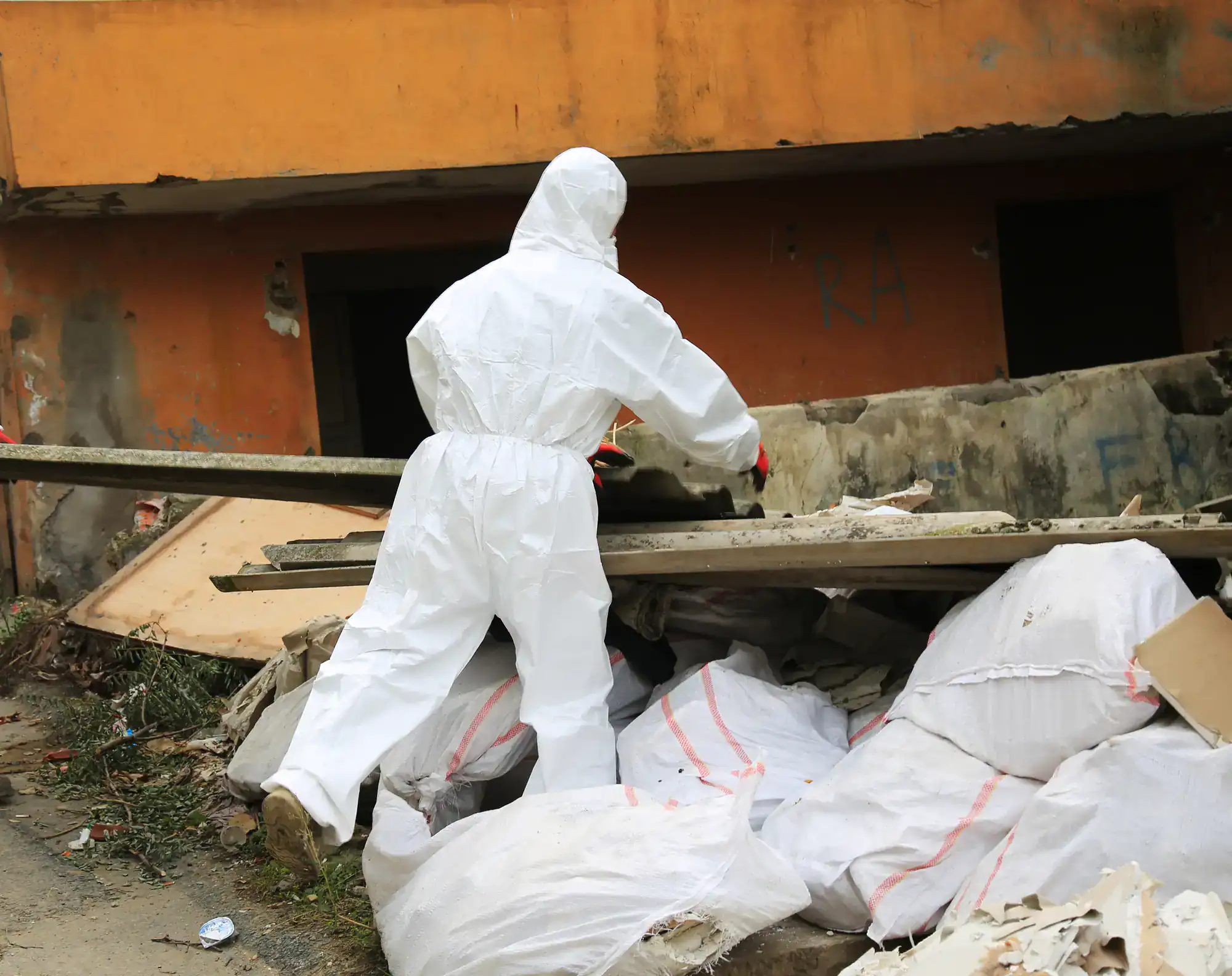
You stop guessing. That’s the first thing. When you’re living in a Trappe home that was built before 1980 — and a meaningful number of homes in this borough were — there’s always that background question during a renovation: is there something in these walls I should know about? Proper abatement by a licensed contractor answers that question definitively, with documentation you can hold onto and hand to a buyer, a contractor, or a building inspector without hesitation.
For Trappe homeowners specifically, this matters more than it does in newer communities. The housing stock here is genuinely layered — colonial and Victorian homes on West Main Street that have stood for over a century, mid-century ranches and split-levels from the 1950s and 1960s, and post-1985 construction that came in after Route 422 opened. The older the home, the more likely it contains asbestos-containing materials in places you wouldn’t immediately think to look: pipe wrap in the basement, joint compound behind the drywall, floor tiles under the linoleum, insulation around the boiler. Getting that professionally identified and removed means your renovation moves forward without stopping mid-demo, your air stays clean, and your home’s value reflects what it actually is — not what someone might worry it could be.
Trappe’s real estate market moves fast. Homes here are selling in around 19 days on average. If an asbestos issue surfaces during a buyer’s inspection, the clock doesn’t pause. Having a licensed abatement contractor who responds quickly, documents everything, and clears the job properly is the difference between a smooth closing and a deal that falls apart.
We’ve been performing licensed asbestos abatement across Montgomery County for two decades, with Trappe and the surrounding Perkiomen Valley as part of our core service area. That’s not a marketing number — it means we’ve worked in the full range of housing types this county has to offer, from pre-war stone colonials to 1970s apartment buildings to newer construction where asbestos still shows up in unexpected places.
We’re fully licensed under Pennsylvania’s Department of Labor and Industry, bonded, insured, and EPA/HUD compliant. We have a certified lead inspector and risk assessor on staff — which matters in a borough like Trappe, where a significant portion of the housing stock predates 1978 and lead paint is often sitting right alongside the asbestos. We don’t outsource that expertise. It’s here, on every job.
This isn’t a long drive for us. We know the Trappe housing stock, we know the PA DEP notification requirements, and we know what a 1920s colonial on Main Street looks like from the inside. When you call, you’re talking to people who have actually been in homes like yours.
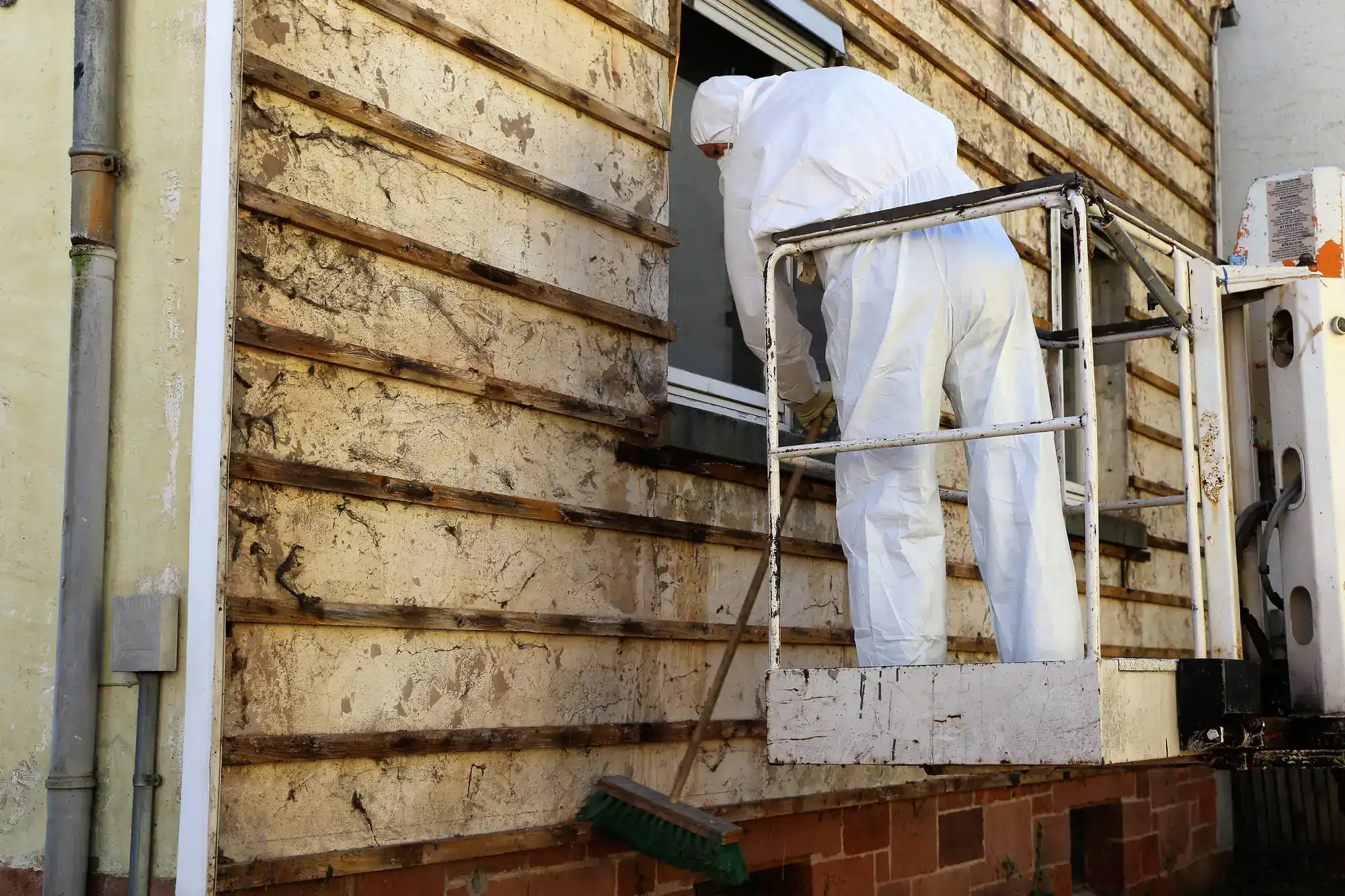
It starts with a call. You tell us what you’re dealing with — a renovation that turned up something suspicious, a boiler replacement that exposed old pipe insulation, a contractor who stopped work and told you to get someone in. We’ll ask the right questions, give you a free estimate, and get eyes on the situation fast. In a market where your closing date is already circled on the calendar, we don’t drag our feet.
If testing confirms asbestos-containing materials, we handle the notification process. Pennsylvania requires a minimum five-day advance notice to the DEP before friable asbestos removal above regulatory thresholds, and for larger projects subject to federal NESHAP rules, that window extends to ten working days. We manage that paperwork. You don’t have to figure out which form goes where.
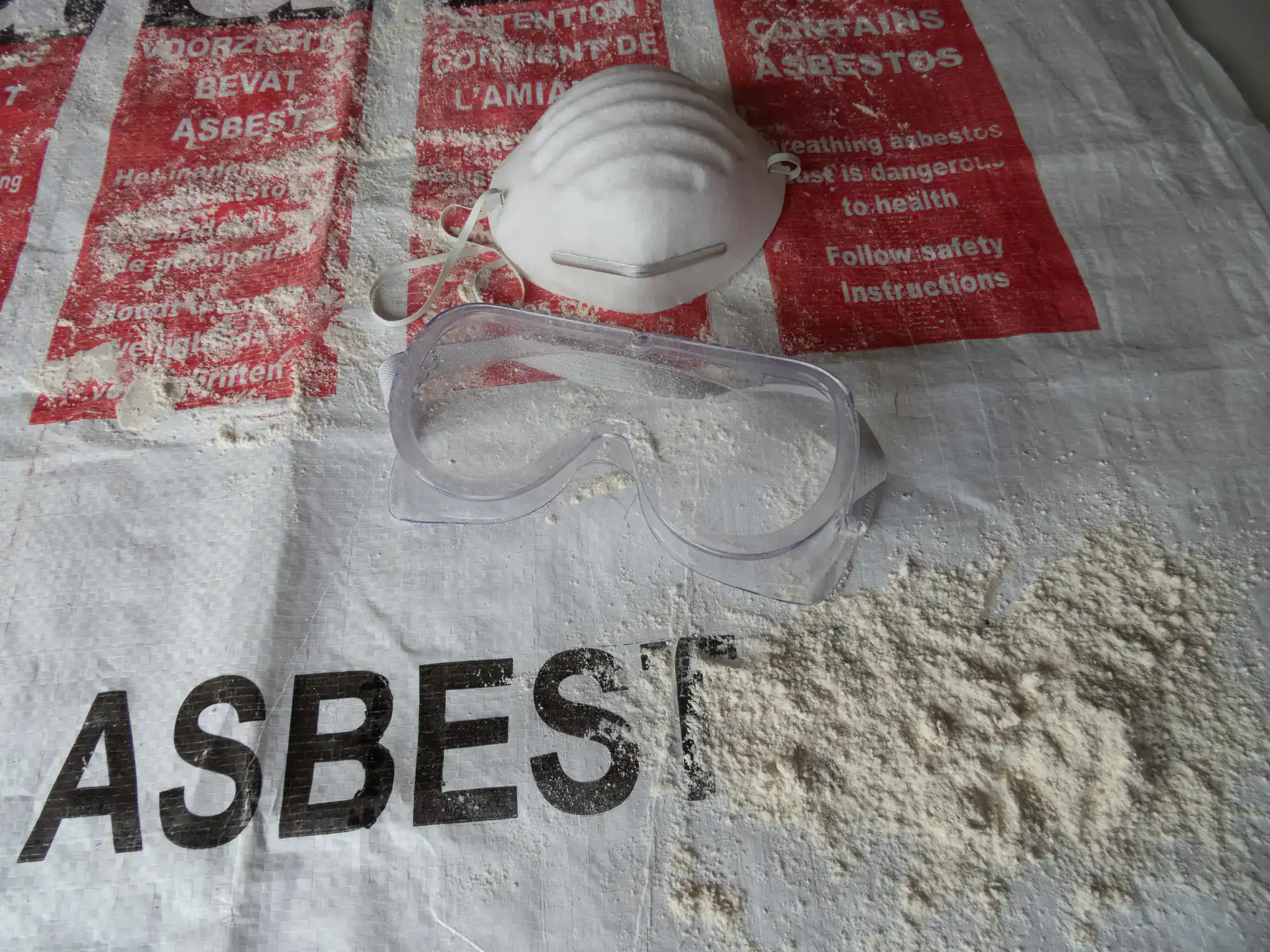
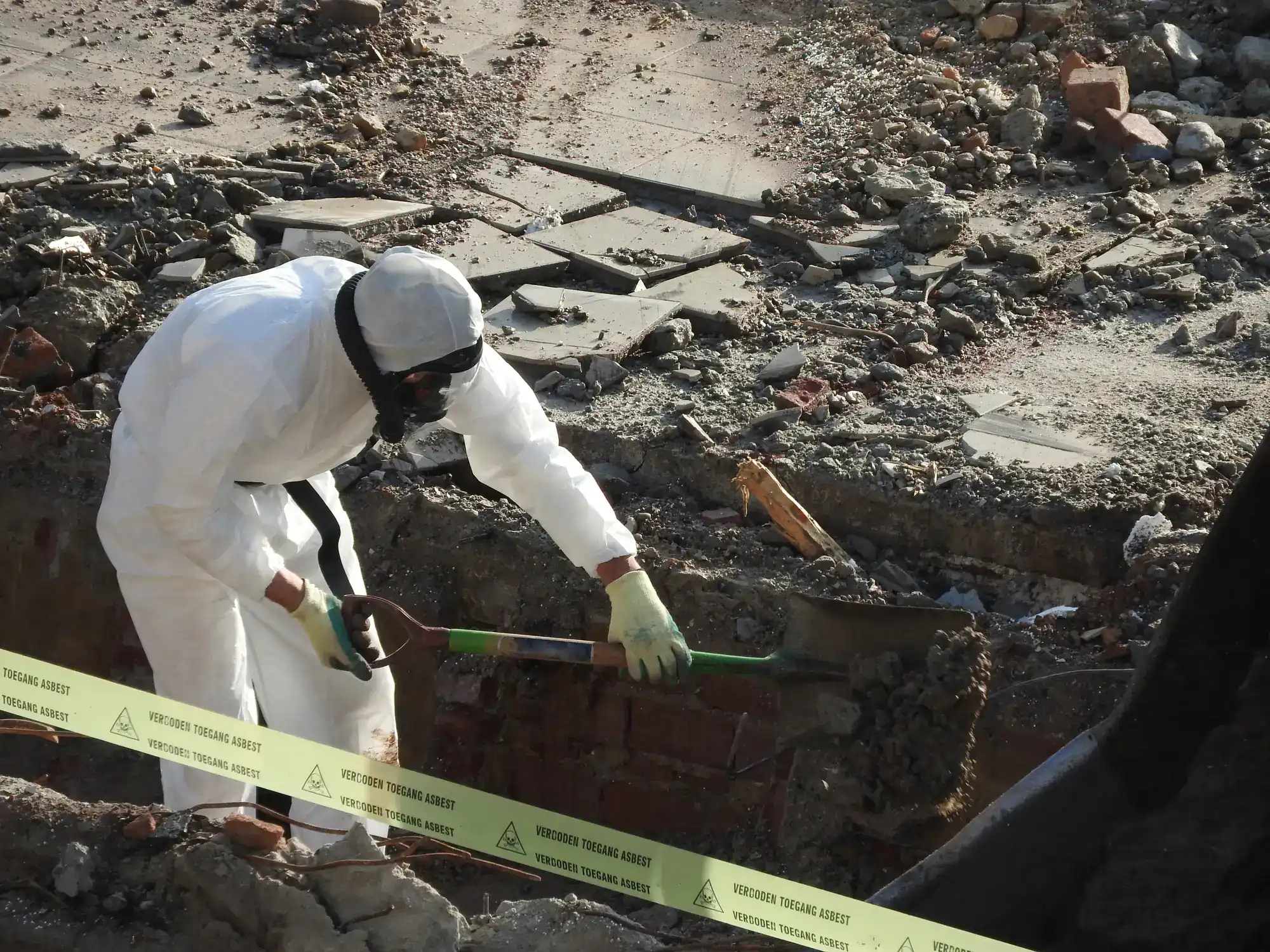
The removal itself is done under full containment — negative air pressure, HEPA filtration running throughout, wet methods to keep fibers from becoming airborne, and proper disposal through licensed channels. Once the work is complete, we conduct clearance testing to confirm the area is clean before containment comes down. You get written documentation of everything: what was found, what was removed, and what the post-abatement air readings showed. That’s the file you keep for your records, your buyer, or your contractor. The job isn’t done until the paperwork confirms it.
Ready to get started?
Most asbestos removal firms handle one thing. We handle the whole picture. We’re a true one-stop environmental contractor — asbestos abatement, lead inspection and removal, mold remediation, demolition, and waterproofing all under one roof. For a Trappe homeowner renovating a pre-war colonial or preparing a 1960s split-level for sale, that matters. You’re not coordinating three different licensed contractors and hoping their schedules align. You’re making one call.
Every job we run in the Trappe area includes HEPA air filtration, proper containment, wet-method removal, and full post-abatement clearance testing. We use state-of-the-art equipment on every residential job — not just the commercial ones. And because we have a certified lead inspector and risk assessor on staff, we can assess lead hazards in the same visit. In homes built before 1978, which describes a substantial portion of Trappe’s housing stock, asbestos and lead paint are often co-existing issues. Addressing both at once saves you time, money, and a second round of disruption.
We offer free estimates and cash discounts — straightforward, no pressure. If you’re a landlord managing older rental units in the 19426 zip code, a homeowner on a renovation timeline, or someone who just found something unexpected behind a wall, the first step is a conversation. We’re available around the clock, including for emergency situations where a contractor has accidentally disturbed suspected materials and work needs to stop until the air is cleared.

If your home was built before 1980, testing before any significant renovation is the right call — and in many cases, it’s required. Pennsylvania’s asbestos regulations apply to renovation and demolition projects where asbestos-containing materials may be disturbed above certain thresholds. Even if your project feels small, disturbing pipe insulation, floor tiles, joint compound, or plaster in an older Trappe home without knowing what’s in them is a real risk.
The housing stock in Trappe includes homes that are genuinely old. The colonial and Victorian properties along West Main Street have been standing for over a century, and many have gone through multiple renovation cycles without anyone ever inventorying what materials are present. A licensed inspector can tell you definitively what you’re dealing with before your contractor pulls a single nail. That knowledge either clears the path forward or catches a problem before it becomes a much larger one.
Residential asbestos removal typically runs between $1,200 and $3,200 for a standard job, with the national average landing around $2,200. The actual cost depends on what materials are involved, how much of it there is, where it’s located, and how accessible the work area is. Pipe insulation in a finished basement costs more to access than floor tiles in an open utility room.
For Trappe homeowners, the most common scenarios we see are pipe and boiler insulation in older homes, floor tiles in mid-century construction, and popcorn ceilings or joint compound in homes built through the 1970s. We offer free estimates before any work begins, so you know exactly what you’re looking at before committing to anything. There are no surprises on the back end. If you pay in cash, we also offer a cash discount — something you won’t find advertised by most asbestos removal companies in the region.
It depends on the scope and location of the work. For smaller, contained jobs — a section of pipe insulation in a basement utility room, for example — it’s often possible to remain in other parts of the home while work is in progress, as long as proper containment is maintained. For larger jobs involving multiple rooms or significant square footage, temporary relocation during active removal is the safer and more practical choice.
We’ll be direct with you about this during the estimate. If the work area is isolated and containment can be established cleanly, staying home is often fine. If the job requires opening up walls or ceilings in living spaces, we’ll tell you that upfront so you can make arrangements. Either way, no one re-enters the work area until post-abatement clearance testing confirms the air is clean. That’s not optional — it’s part of every job we run.
They’re often used interchangeably, but there’s a technical distinction worth understanding. Asbestos removal refers specifically to physically taking out asbestos-containing materials. Asbestos abatement is the broader term that covers all the methods used to address an asbestos hazard — which can include removal, but also encapsulation (sealing the material so fibers can’t be released) or enclosure (physically covering the material with a barrier).
In most residential situations in Trappe — particularly where renovation or demolition is involved — full removal is the appropriate approach, because encapsulation only works when the material isn’t going to be disturbed. If you’re gutting a kitchen, replacing a boiler, or tearing out flooring, encapsulation isn’t a real solution. Removal, done under proper containment with HEPA filtration and clearance testing, is what actually resolves the problem. We’ll tell you which approach is appropriate for your specific situation during the estimate — not whatever happens to cost more.
Most standard residential jobs take one to three days from start to clearance. A single-area job — pipe insulation in a basement, floor tiles in one room — can often be completed and cleared within a day. Larger projects involving multiple materials or multiple areas of the home take longer, and the PA DEP notification requirements add time to the front end of the project: a minimum five-day advance notice is required before friable asbestos removal above regulatory thresholds, and ten working days for projects subject to federal NESHAP rules.
This is worth factoring in early, especially given how fast Trappe’s real estate market moves. If you’re preparing a home for sale and an inspection has flagged suspected materials, don’t wait. The notification window alone can push your timeline by a week or more if you haven’t already started the process. Calling us early — even before you’re certain there’s a problem — gives you the most flexibility. We can move quickly once the regulatory clock has started.
Yes — fully. Pennsylvania law requires all asbestos abatement contractors to hold current certification from the Department of Labor and Industry under Acts 194 and 161. Every worker on a licensed contractor’s crew must meet this requirement. We’re fully licensed, bonded, and insured under Pennsylvania law, and our services are EPA and HUD compliant, meaning we meet federal standards on top of state requirements.
This is worth asking any contractor before you hire them. Not every company advertising asbestos removal in the Montgomery County area holds current PA DL&I certification — and hiring an unlicensed contractor doesn’t just put your family at risk, it can create legal and financial liability if the work is done improperly. We’ll show you our credentials before the job starts, not after. For Trappe homeowners — many of whom work in regulated industries and know exactly what proper documentation looks like — that’s the baseline expectation, and we meet it every time.
Other Services we provide in Trappe