Hear from Our Customers
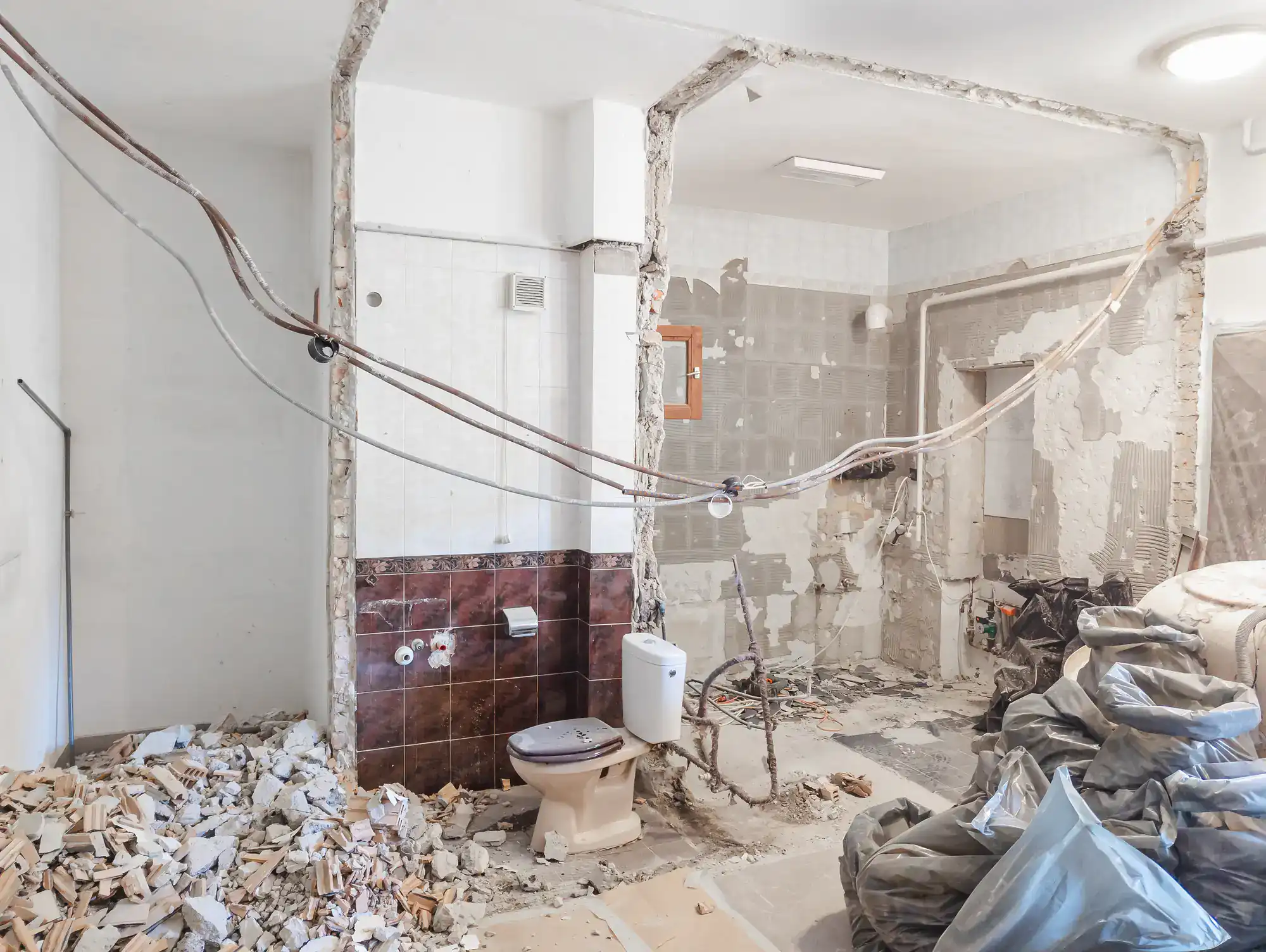
When demolition is handled correctly, you’re not just clearing space — you’re clearing liability. In Trappe, where Main Street is lined with colonial and Victorian homes that have been standing for well over a century, the stakes are real. A wall that comes down without proper testing first can release asbestos fibers or lead dust into the air your family breathes.
Once we complete a project, you walk away with something most demo jobs don’t give you: documented proof that the hazardous materials were handled correctly, the debris is gone, and the space is ready for whatever comes next. No mystery about what was in the walls. No lingering liability.
Trappe sits in the Perkiomen Creek watershed, and basement flooding after heavy storms is a documented, recurring reality here. When water gets in and mold follows — which it will within 24 to 48 hours — you need someone who can gut the damaged area, test for mold and asbestos, and start the remediation process without handing you off to three different contractors. That’s exactly what a one-stop service model is built for.
We’ve been doing this work for over 20 years, based right here in Montgomery County. That means we know the housing stock — the colonials off West Main Street in Trappe, the Victorian-era builds near Augustus Lutheran Church, the Heritage Park townhouses, the newer custom homes going up in Castlecove Village. Every era of construction brings a different set of hazards, and we’ve worked through all of them.
We’re fully licensed, bonded, and insured, hold EPA Certified Lead Inspector and Risk Assessor credentials, and carry EPA/HUD compliance certifications — qualifications that most contractors in this area simply don’t have. That’s not a flex. It’s what legally qualifies us to handle the work that pre-1978 Trappe homes actually require.
Free estimates, cash discounts, and 24/7 availability aren’t perks bolted on for marketing purposes. They’re how we’ve built a referral-based reputation in Trappe and communities like it for two decades running.
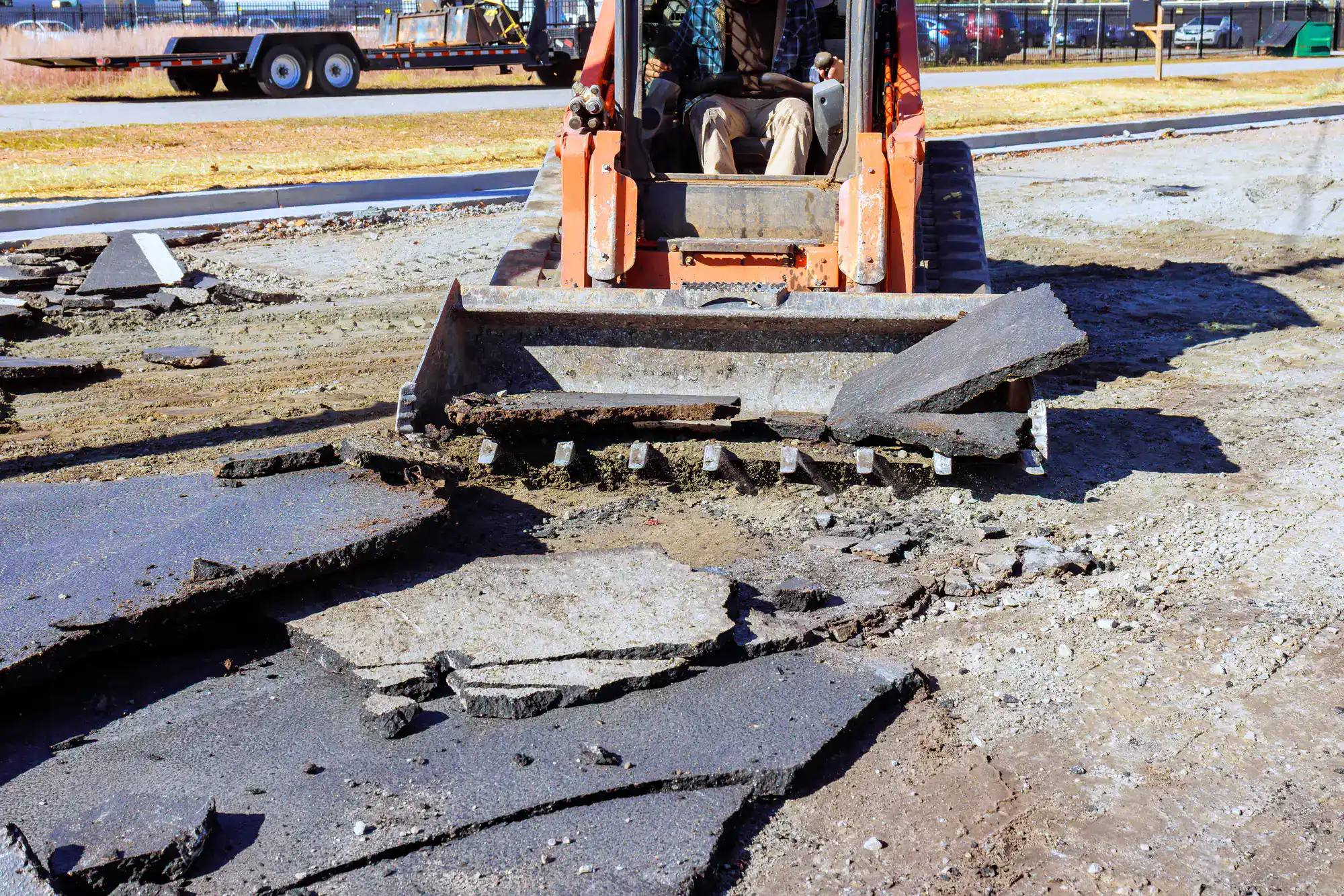
It starts with a free estimate and a real conversation about what you’re dealing with. Whether it’s water damage in a century-old Trappe basement, a gut renovation on a pre-1978 colonial, or a full interior demolition before a rebuild, we assess the scope before anything else. That assessment includes testing for asbestos, lead, and mold — because in a borough where homes routinely predate 1978, skipping that step isn’t just careless, it’s a federal compliance issue.
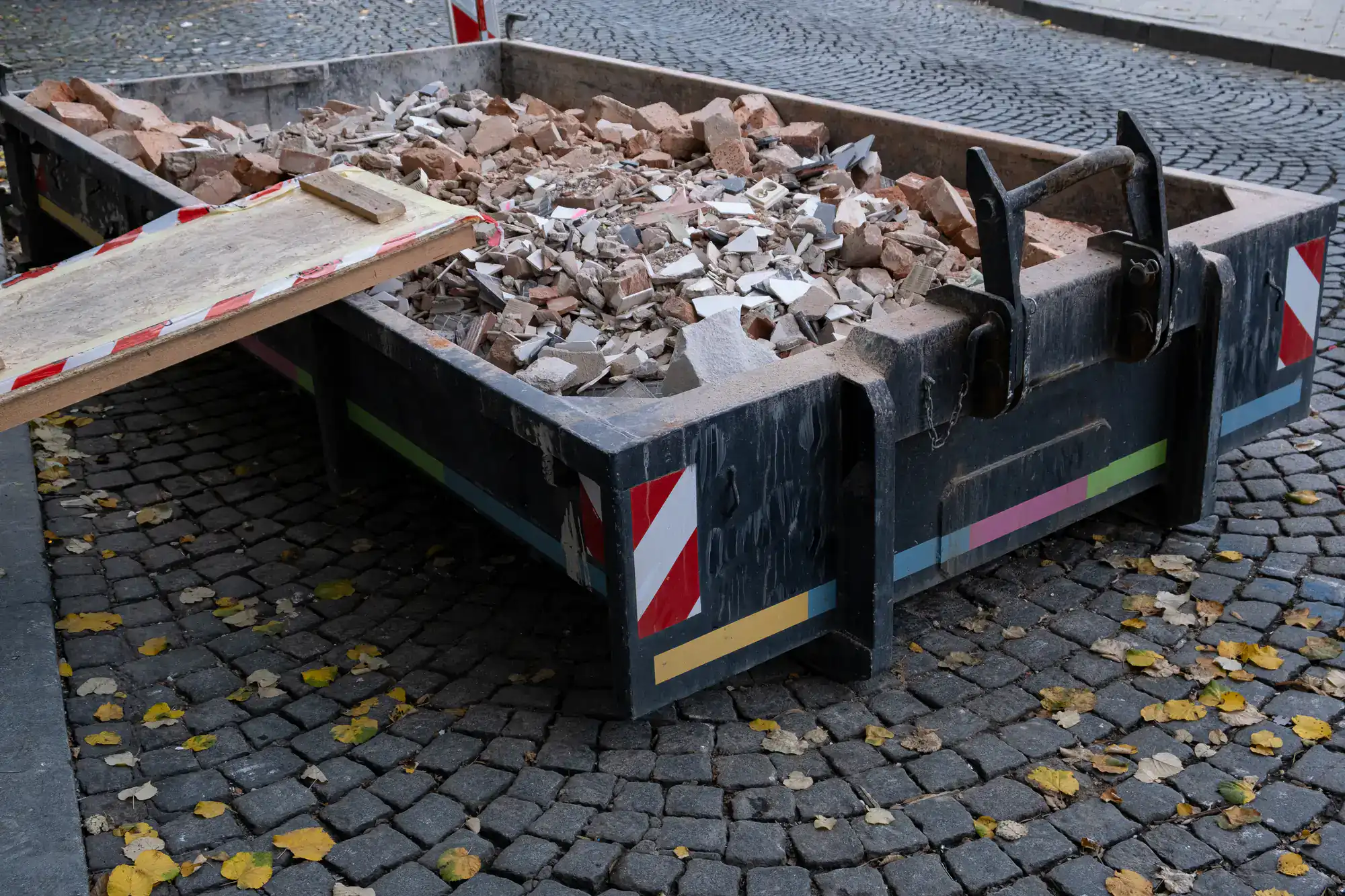
Once testing is complete, we handle the abatement first. That means HEPA-filtered containment, proper removal of hazardous materials, and documentation that satisfies EPA and HUD requirements. Then comes the demolition or gutting work itself — interior walls, flooring, ceilings, debris hauling, whatever the project calls for. Trappe Borough requires building permits under its adopted BOCA National Building Code for demolition work, and we pull those permits as part of the job. You don’t need to navigate that process yourself.
By the time we’re done, the space is cleared, documented, and ready. If waterproofing or restoration is part of the scope, that gets handled in the same project cycle — same crew, same contact, no coordination headaches.
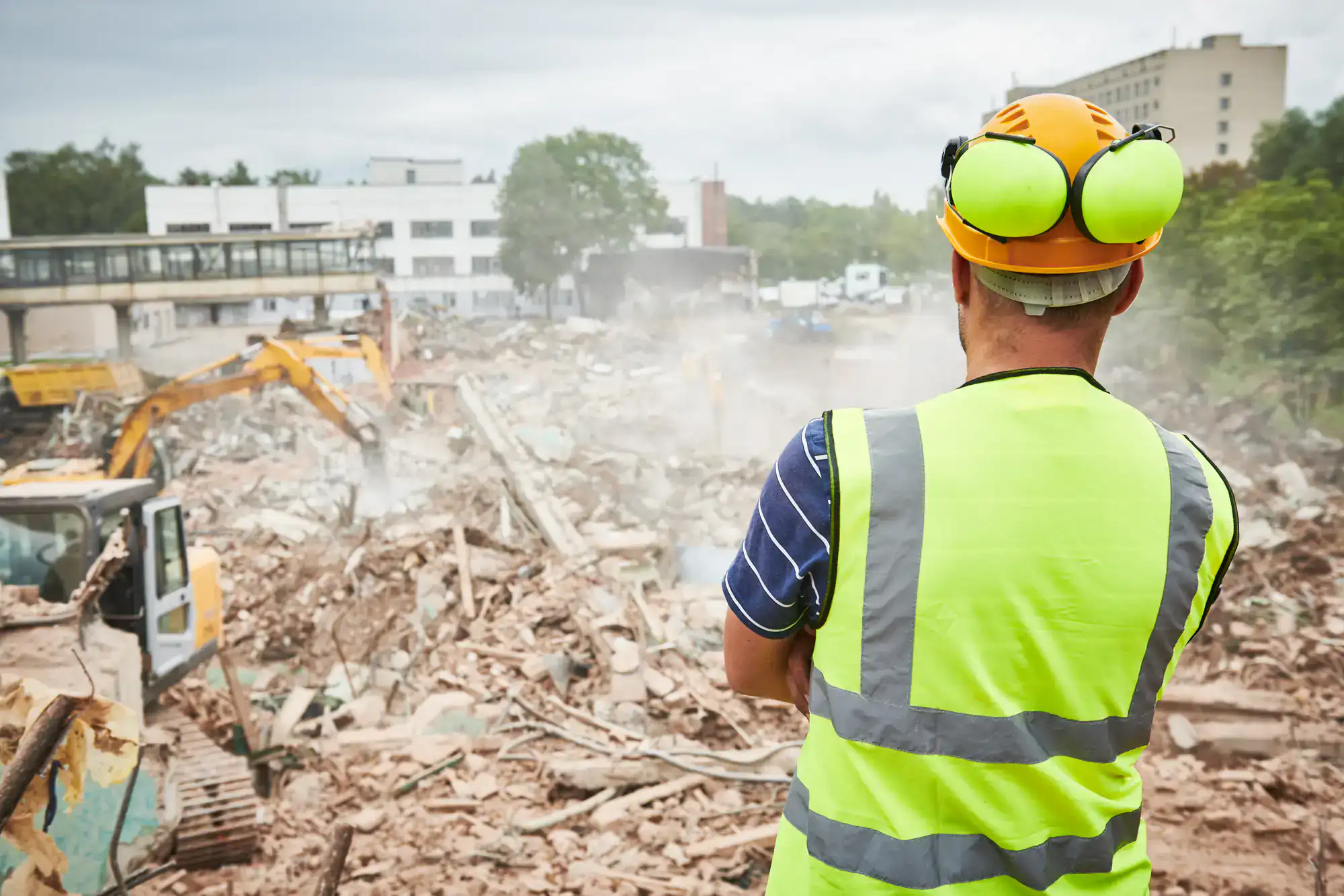
Ready to get started?
Most demolition contractors do one thing. We do everything the project actually needs. Testing and inspection, lead and asbestos abatement, mold remediation, interior gutting, full demolition, waterproofing, water damage restoration, and construction debris removal — all handled under one company. For Trappe homeowners dealing with the aftermath of a Perkiomen watershed storm or mid-renovation discovery of hazardous materials, that matters more than it sounds.
Our EPA Certified Lead Inspector and Risk Assessor credential means we can legally inspect and certify lead conditions in Trappe’s older housing stock — not just remove what’s found. Our EPA/HUD compliance certification means we’re qualified to work on federally-assisted housing and pre-1978 properties under HUD’s lead-safe housing rule, which disqualifies a significant number of regional competitors from taking on those jobs at all. If your home was built before 1978 — and a substantial portion of Trappe’s residential properties were — this distinction is what separates a contractor who can legally do the work from one who can’t.
We use HEPA filtration systems on every abatement job to prevent contaminated air from migrating through the home during the process. Emergency response is available around the clock, because flooding and water damage in this watershed area don’t wait for business hours. And if you’re preparing a Trappe property for sale in a market where homes move in roughly 14 days, the last thing you need is a remediation delay holding up your timeline.

Yes. Trappe Borough operates under the BOCA National Building Code, which requires a building permit for any demolition, structural removal, or significant alteration work on a property. That means before a wall comes down or an interior space gets gutted, the correct paperwork needs to be filed with the borough and approved. Skipping this step doesn’t just create a compliance problem — it can affect your ability to sell the property later, since unpermitted work shows up during title searches and home inspections.
We handle permit acquisition as part of every project. You don’t need to become familiar with Trappe Borough’s code requirements or navigate the filing process yourself. The permit gets pulled, the work gets done correctly, and you have documentation that everything was above board from start to finish. That’s part of what it means to hire a fully licensed contractor rather than someone operating without credentials.
The honest answer is: you don’t know until it’s tested. Any home built before 1978 is a candidate for lead paint, and homes built before the mid-1980s may contain asbestos in insulation, floor tiles, textured ceilings, pipe wrap, or roofing materials. Trappe was founded in 1717, and its Main Street corridor is full of colonial and Victorian homes that predate those cutoffs by decades. Even if a home has been renovated before, hazardous materials can remain in untouched areas behind walls or under flooring.
We hold EPA Certified Lead Inspector and Risk Assessor credentials, which means we can conduct a formal inspection and provide certified documentation of what’s present — not just remove materials blindly. If testing reveals asbestos or lead, abatement happens before any demolition or gutting work begins. Federal law requires this sequence, and we’re equipped to handle both the testing and the remediation without handing you off to a separate contractor.
Water damage and mold go hand in hand, and in Trappe, where the Perkiomen Creek watershed creates documented flooding risk during heavy storms, this is a scenario that plays out regularly. Mold begins forming within 24 to 48 hours of water intrusion, so the response timeline matters. The longer the delay, the more material gets compromised and the more expensive the remediation becomes.
The process starts with an assessment of the affected area — how far the water penetrated, what materials are involved, and whether asbestos or lead is present in the materials that need to come out. Older Trappe homes with original flooring, plaster walls, or legacy insulation require testing before gutting begins. Once the scope is clear, we handle the mold remediation, remove and dispose of the damaged materials, and address the underlying moisture issue through waterproofing if needed. The entire process — from initial assessment through cleanup — is handled by one company, which means no gaps between what one contractor leaves behind and what the next one inherits.
Both — and that’s the point. We handle the full project cycle: testing, abatement, interior gutting, full demolition, debris removal, waterproofing, and water damage restoration. Most contractors in this space specialize in one piece of the job, which means you end up coordinating multiple companies, multiple schedules, and multiple invoices for what should be a single project. That coordination gap is where projects get delayed, costs inflate, and things fall through the cracks.
For a Trappe homeowner gutting a kitchen in a 1940s colonial or converting a flooded basement into usable living space, having one company handle every phase means the project moves faster and the handoffs are seamless. There’s no waiting for an abatement company to finish before a demo crew can schedule their visit. We manage the entire scope, which keeps the timeline tight and the accountability clear.
Cost depends heavily on the scope — what’s being removed, what hazardous materials are present, how large the affected area is, and whether permits and testing are factored in. A straightforward interior gut of a single room in a post-1978 home is a very different project from a full basement demolition in a pre-1940 Trappe colonial where asbestos testing, lead abatement, and waterproofing are all part of the scope.
What you should expect from any legitimate contractor is a free, itemized estimate before any work begins — one that accounts for permit fees, hazmat disposal, debris removal, and labor without hiding those costs until after you’ve signed. We provide free estimates with transparent pricing upfront, and cash discounts are available for homeowners paying out of pocket. In a market like Trappe where homes are valued at $416,000 or more on average, the cost of hiring an uncredentialed contractor who cuts corners on hazmat compliance far outweighs any savings on the front end.
No catch. Cash payments reduce administrative overhead — no processing fees, no delayed receivables, simpler accounting. We pass that savings directly to the customer. It’s a straightforward operational reality, not a promotional gimmick.
For Trappe homeowners managing a renovation budget on a historic property, or dealing with an unexpected water damage event that insurance may only partially cover, that discount can make a real difference. Many of the projects we handle in older Montgomery County communities involve out-of-pocket costs that weren’t in anyone’s plan — a storm floods the basement, a renovation uncovers asbestos, a pre-sale inspection flags a lead issue. In those situations, having a contractor who’s upfront about pricing and willing to work with you on payment is genuinely useful. The cash discount is one way we keep the working relationship straightforward from the first conversation to the final invoice.
Other Services we provide in Trappe