Hear from Our Customers
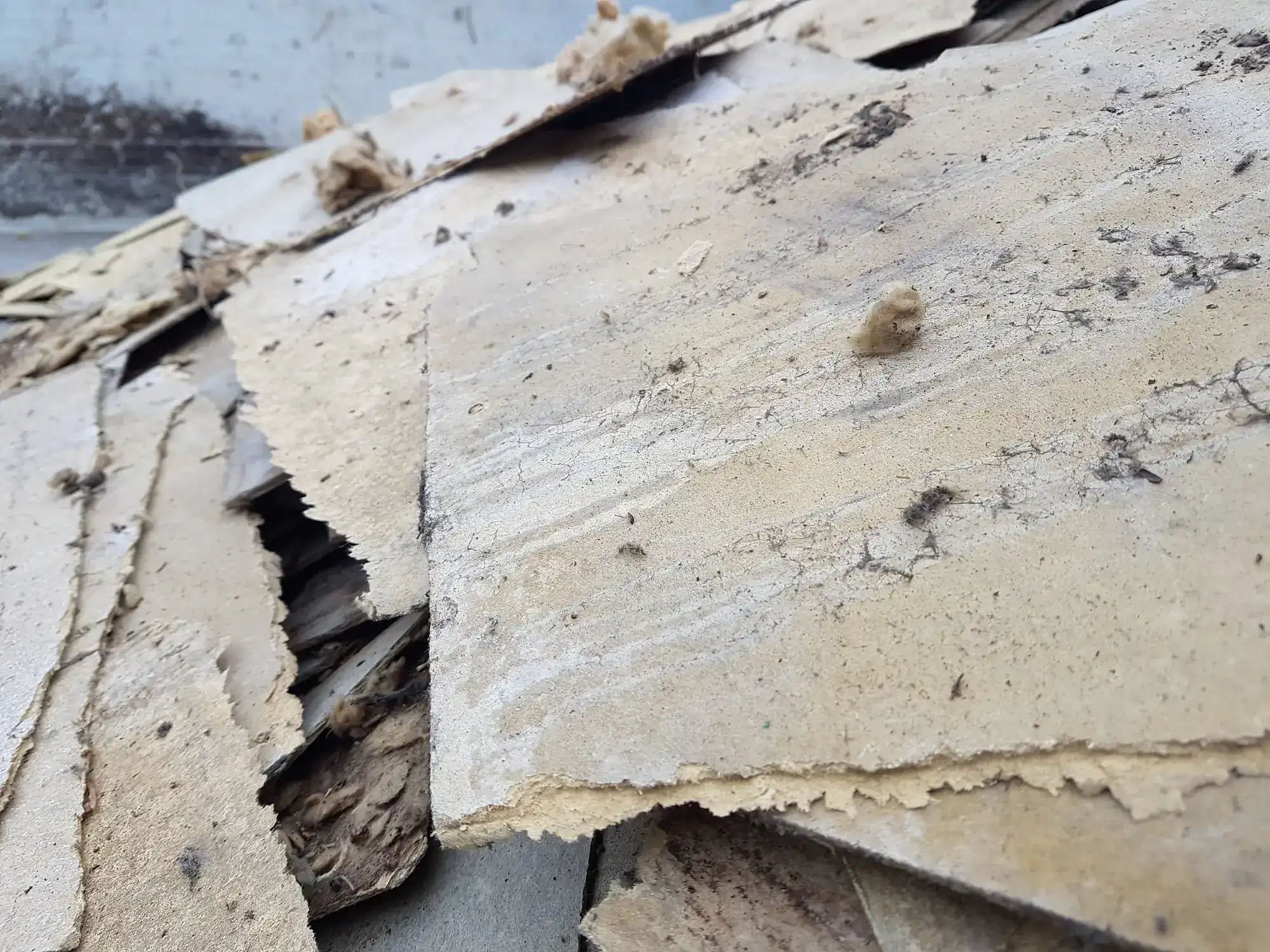
The median construction year for homes in Fort Washington is 1968. That puts the bulk of the housing stock in the 19034 zip code directly in the era when asbestos was standard in floor tiles, pipe insulation, boiler wrap, ceiling tiles, and joint compound. If you’re renovating a kitchen, replacing a furnace, or finishing a basement in a home built in that window, there’s a real chance you’re about to disturb something that needs to be handled carefully — not just swept up and thrown in a dumpster.
What changes after proper abatement isn’t just the air quality. It’s the peace of mind that comes with knowing your home is safe for your family, your renovation can move forward without a stoppage, and your property is clean on paper when it counts. In Fort Washington’s competitive real estate market, where homes are listing near $750,000, a failed inspection or an undisclosed environmental issue doesn’t just delay a sale — it can kill one entirely.
With nearly 20% of homes in Fort Washington built before the 1940s, some properties carry a more layered hazard profile than others. Pre-war construction here often means original mechanical systems, original insulation, and decades of undisturbed materials that nobody’s touched since they were installed. Whether your home is a 1940s colonial near Bethlehem Pike or a 1960s split-level closer to the Fort Washington State Park, we give you a clear picture of what you’re dealing with — and a clean path forward.
We’ve been doing this work in Fort Washington, Upper Dublin Township, and the surrounding Montgomery County region for over two decades. That’s not a tagline — it’s the difference between a crew that’s seen every variation of asbestos-containing material your neighborhood’s housing stock can produce and one that’s still figuring it out on your job.
We’re fully licensed by PA DL&I under the Pennsylvania Asbestos Accreditation and Certification Act, EPA/HUD compliant, fully bonded, and insured. There’s also a Certified Lead Inspector and Risk Assessor on staff — a specific, named credential that matters when your pre-1978 Fort Washington home has more than one hazard hiding behind the drywall. That’s not uncommon here. Asbestos, lead paint, and mold often share the same walls in homes of this era.
Fort Washington is core service territory for us — not a zip code added to a list. We know Upper Dublin Township’s regulatory environment, understand what Montgomery County requires for abatement notification, and show up when we say we will. That last part matters more than most contractors will admit.
It starts with a call or a free estimate request. We come out, inspect the suspected materials, and collect samples for lab testing. You get a confirmed answer — not a guess, not a visual assessment, but actual lab results that tell you exactly what you’re dealing with and where. From there, a clear abatement plan is built around your timeline, whether that’s a renovation schedule, a real estate closing date, or an emergency situation that came up mid-project.
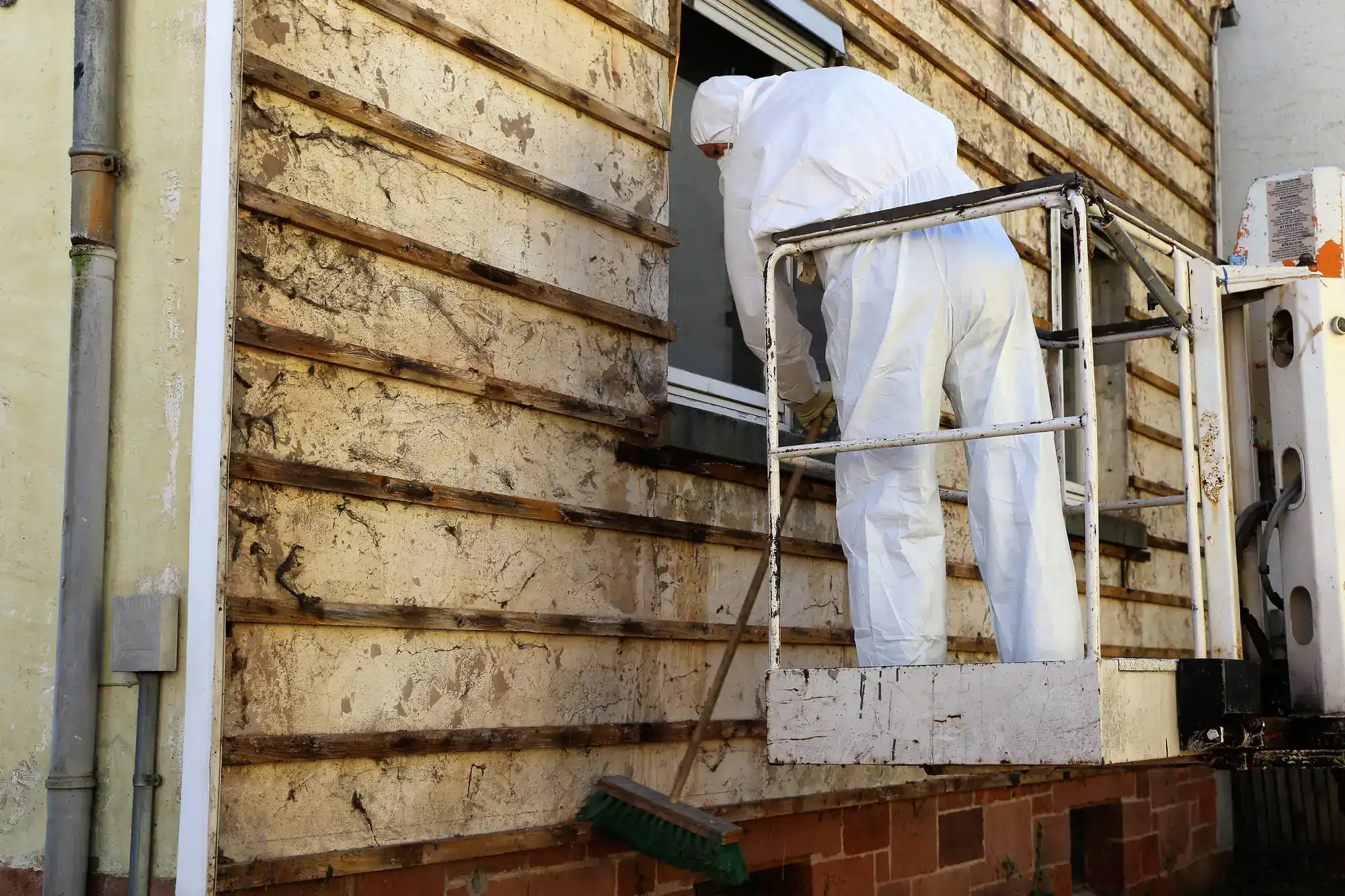
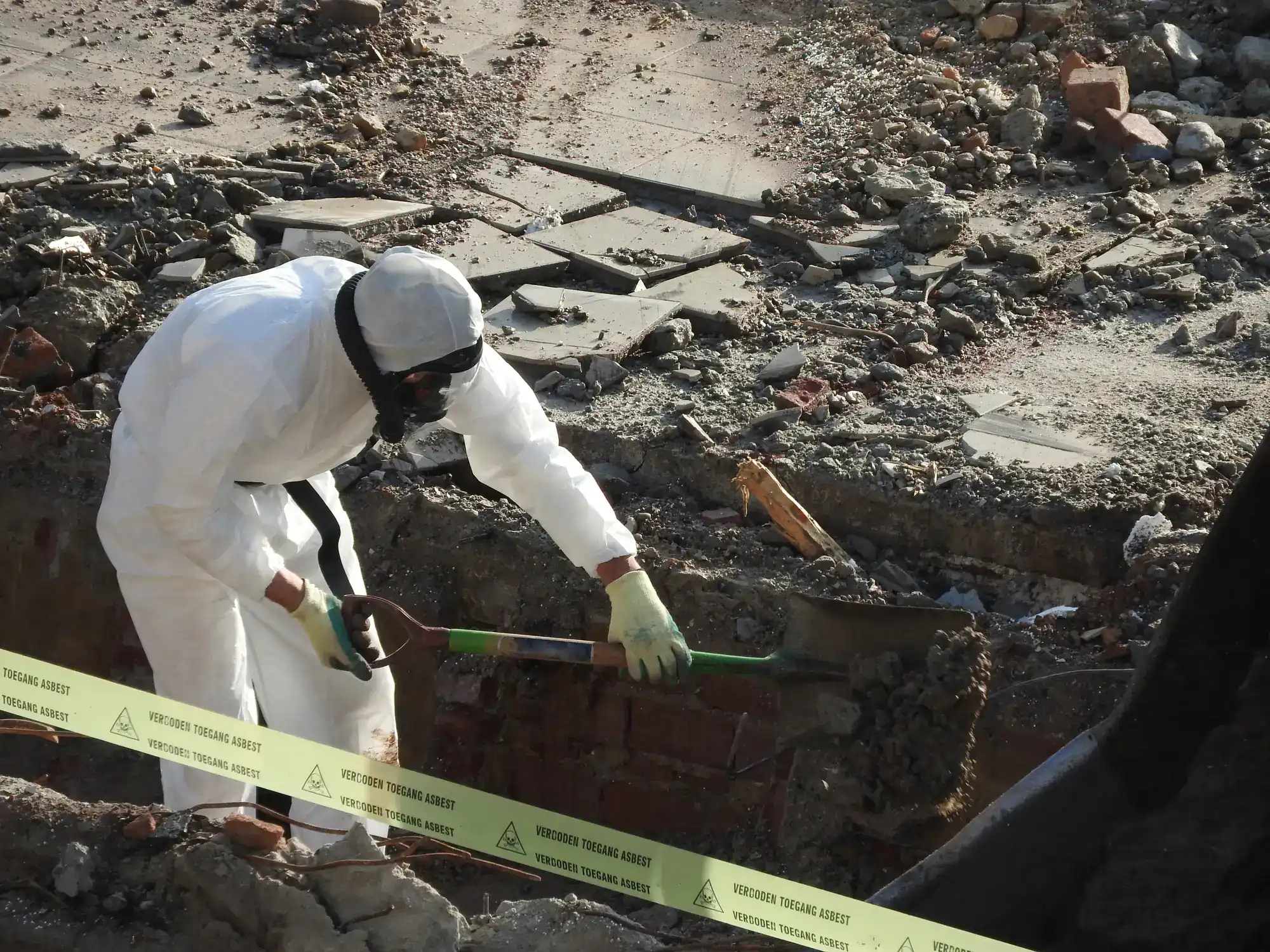
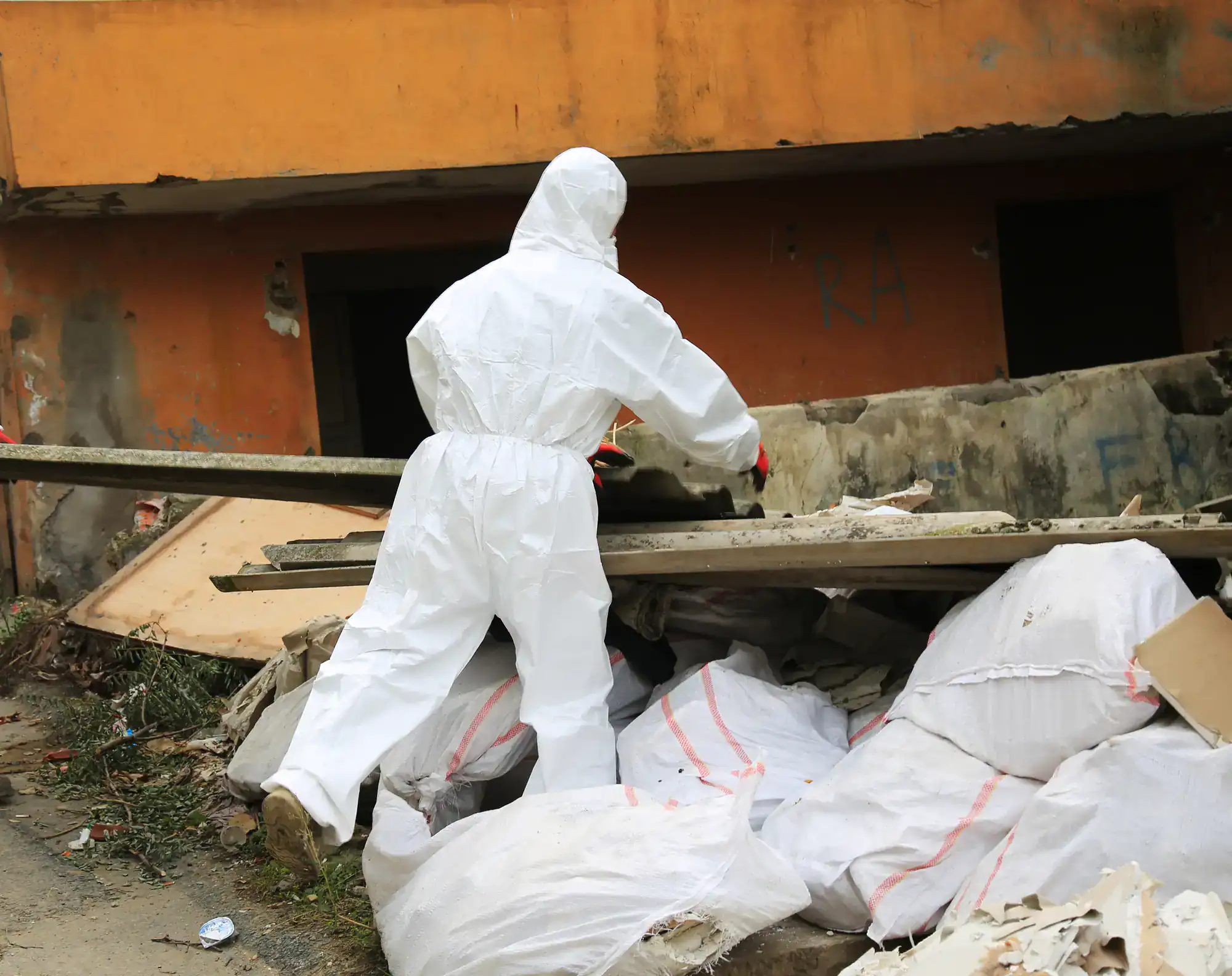
Once the plan is in place, the work begins with full containment. Negative air pressure systems and HEPA filtration are set up before any material is disturbed. This isn’t optional equipment — it’s how you prevent a contained problem from becoming a whole-house contamination event. All abatement in Montgomery County requires PA DEP notification, which we file on your behalf. As of January 2026, that notification fee for projects in Montgomery County is $400 — something we factor into the process from the start so there are no surprises.
After the abatement is complete, post-clearance air testing confirms the space is clean. You receive the documentation — lab results, clearance reports, disposal records — everything you’d need for a real estate transaction, a building permit, or your own records. If other hazards turn up during the process, like lead or mold, we handle those too. One company, one project, start to finish.
Ready to get started?
Most asbestos removal firms handle one thing. We handle the full picture. Testing and inspection, full abatement, lead remediation, mold sampling and remediation, demolition, waterproofing, duct cleaning, furnace and boiler removal, oil tank removal, and environmental clean-outs — all under one roof. For Fort Washington homeowners opening up a 1960s home and finding layered problems, that matters. You shouldn’t have to coordinate three separate contractors to get your house back to a clean, safe, move-forward state.
The Fort Washington Office Park adds a commercial dimension worth mentioning. Office buildings constructed during the 1970s and 1980s — the era when much of that commercial district was developed — regularly contain asbestos in mechanical systems, ceiling tiles, floor tiles, and fireproofing materials. Renovation, HVAC upgrades, or partial demolition in those buildings requires a licensed abatement contractor before any other work can proceed. We serve both residential and commercial clients throughout Upper Dublin Township and the surrounding Montgomery County area.
We’re available 24/7 and offer emergency response for situations that can’t wait — a burst pipe that disturbs old insulation, storm damage to a roof with asbestos shingles, or a contractor who just pulled up floor tiles mid-renovation and stopped cold. Free estimates are available for every job, and cash discounts apply for clients who pay that way. The goal is to make doing this right as straightforward as possible — not more complicated than it needs to be.
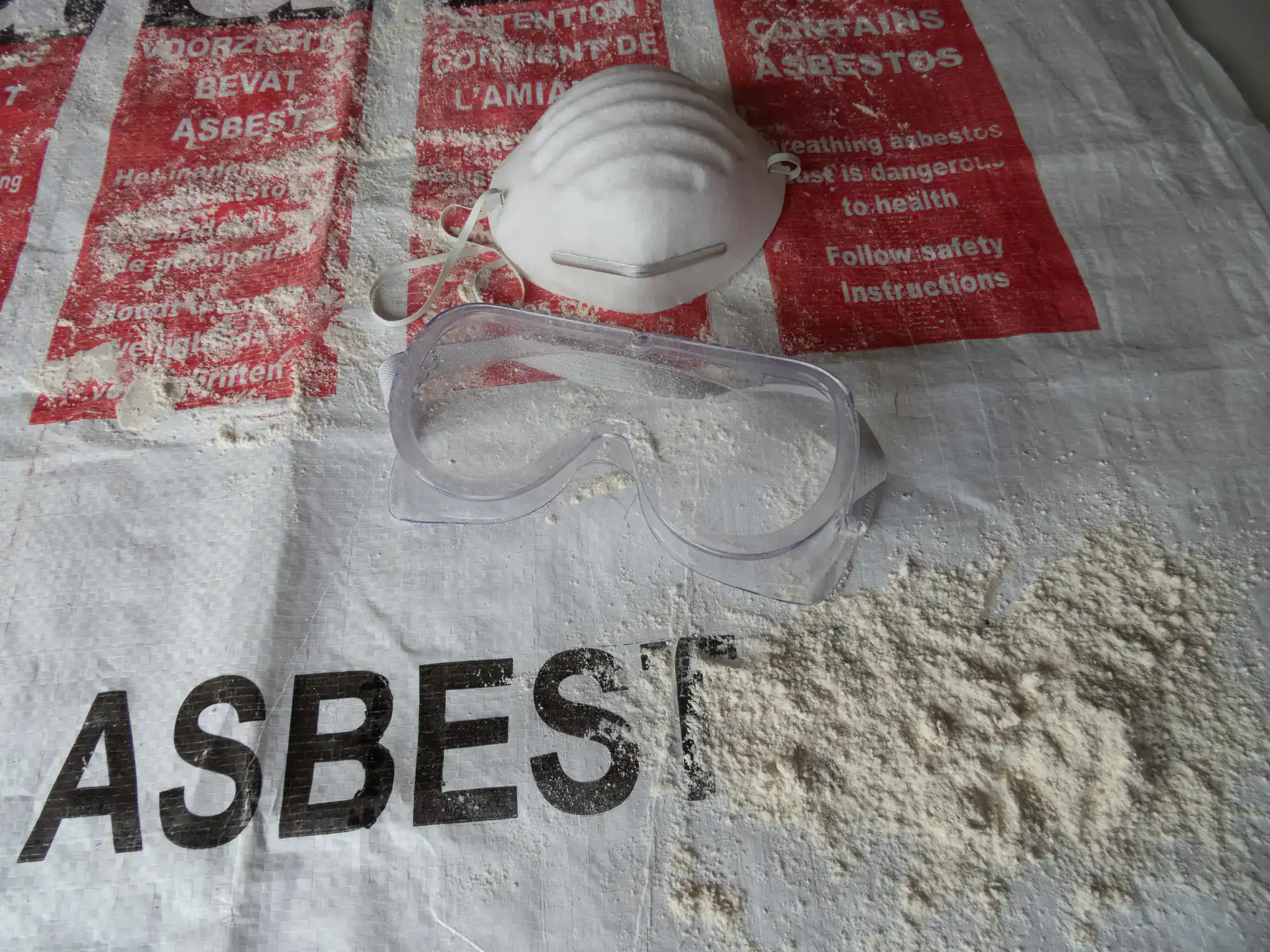
The honest answer is that you can’t know by looking. Asbestos-containing materials don’t look different from non-asbestos versions of the same product — the only way to confirm it is lab testing. A visual inspection can identify materials that are likely suspects based on their age, location, and condition, but a bulk sample sent to an accredited lab is what gives you a definitive answer.
Given that most homes in Fort Washington were built in the 1950s and 1960s, the statistical likelihood of encountering asbestos-containing materials somewhere in the structure is high. Common locations include vinyl floor tiles and the mastic adhesive underneath them, pipe and boiler insulation, acoustic ceiling tiles, textured plaster or popcorn ceilings, and roofing shingles. If your home was built before 1980 and you’re planning any renovation that opens walls, pulls up flooring, or disturbs mechanical systems, testing before you start is the responsible move — and in many cases, it’s required before a contractor can legally proceed.
Not always. Asbestos-containing materials that are in good condition and won’t be disturbed can sometimes be managed in place through a process called encapsulation — essentially sealing the material so fibers can’t become airborne. This is a legitimate option in certain situations and is worth discussing during your inspection.
That said, encapsulation isn’t a universal fix. If the material is deteriorating, if you’re planning renovation work that will disturb it, or if you’re preparing a property for sale in Fort Washington’s competitive real estate market, full removal and documentation is usually the better path. Buyers and their attorneys at the $700,000–$900,000 price point that defines this market are thorough. A clearance report showing the material was properly removed carries more weight in a transaction than an encapsulation record — and it removes the issue entirely rather than managing it indefinitely. We can walk you through both options honestly during the estimate so you can make the right call for your specific situation.
Pennsylvania law requires asbestos abatement contractors to be licensed under the Pennsylvania Asbestos Accreditation and Certification Act, administered by PA DL&I. For most abatement projects — particularly anything beyond very small, limited repairs — licensed contractor involvement is legally required. Montgomery County’s own guidance is clear on this point: asbestos is not accepted at county Household Hazardous Waste events, and removal must be performed by a licensed contractor. Improper removal and disposal carries real penalties.
Beyond the legal requirement, the practical risk of DIY removal is significant. Documented cases exist of homeowners removing asbestos-containing flooring without proper containment, spreading fibers throughout the home and turning a localized problem into a whole-house contamination event. The cost of remediation after that kind of mistake is substantially higher than the cost of hiring a licensed contractor from the start. In Pennsylvania, the regulatory framework exists for a reason — and in a community like Fort Washington, where property values and family health are both on the line, this is one area where cutting corners doesn’t pay.
Cost varies depending on what’s present, where it is, and how much of it there is. A single localized area — like a section of pipe insulation or a small run of floor tiles — will cost significantly less than a whole-house project involving multiple material types across several rooms. Broadly speaking, residential abatement projects in the Montgomery County area can range from a few hundred dollars for limited scope work to several thousand for more extensive jobs. The only way to get an accurate number for your specific property is a site visit and estimate.
We offer free estimates on every job in Fort Washington, which means there’s no cost to finding out what you’re dealing with. The estimate will reflect the actual scope — materials present, square footage, containment requirements, PA DEP notification fees, disposal, and post-clearance testing. No vague ranges, no surprises after the work starts. For clients who pay cash, we also offer cash discounts, which can make a meaningful difference on larger projects. The goal is transparency from the first conversation.
Timeline and displacement depend on the scope of the project. A focused removal — one room, one material type — can often be completed in a single day, and in some cases the rest of the home remains accessible during the work because the affected area is fully contained. Larger or more complex projects that involve multiple areas or material types will take longer, and in those situations temporary displacement is sometimes the right call for the family’s safety during active abatement.
We’ll give you a straight answer on this during the estimate — not a vague “it depends” with no follow-up. You’ll know going in how long the job is expected to take, which areas of the home will be under containment, and whether you need to make arrangements to be elsewhere. For families with children in the Upper Dublin School District, or households with elderly residents who are among the most vulnerable to respiratory hazards, getting that timeline right upfront matters. The post-clearance air testing at the end of the job is what confirms the space is safe to return to — not just a contractor’s word.
Yes, and it’s one of the more common reasons people in Fort Washington call us. Fort Washington’s real estate market moves at a high price point — median listings near $750,000 — and at that level, buyer due diligence is thorough. Home inspectors flag suspected asbestos-containing materials regularly in the 19034 zip code, and buyers’ attorneys often require testing and, if positive, licensed abatement as a condition of closing. Sellers who want to list clean and avoid contingencies are increasingly getting ahead of this before the property even hits the market.
We understand real estate timelines. The process — inspection, testing, abatement, post-clearance documentation — is structured to produce the paper trail that a transaction requires: lab results, clearance reports, and disposal records that satisfy both buyers and their representatives. If lead paint or mold turns up during the process, which isn’t unusual in pre-1978 Fort Washington homes, we handle that in the same engagement rather than sending you to find a second contractor. When a closing date is on the calendar, you need a team that can work to a deadline and deliver documentation that holds up. That’s exactly what we’re set up to do.
Other Services we provide in Fort Washington