Hear from Our Customers
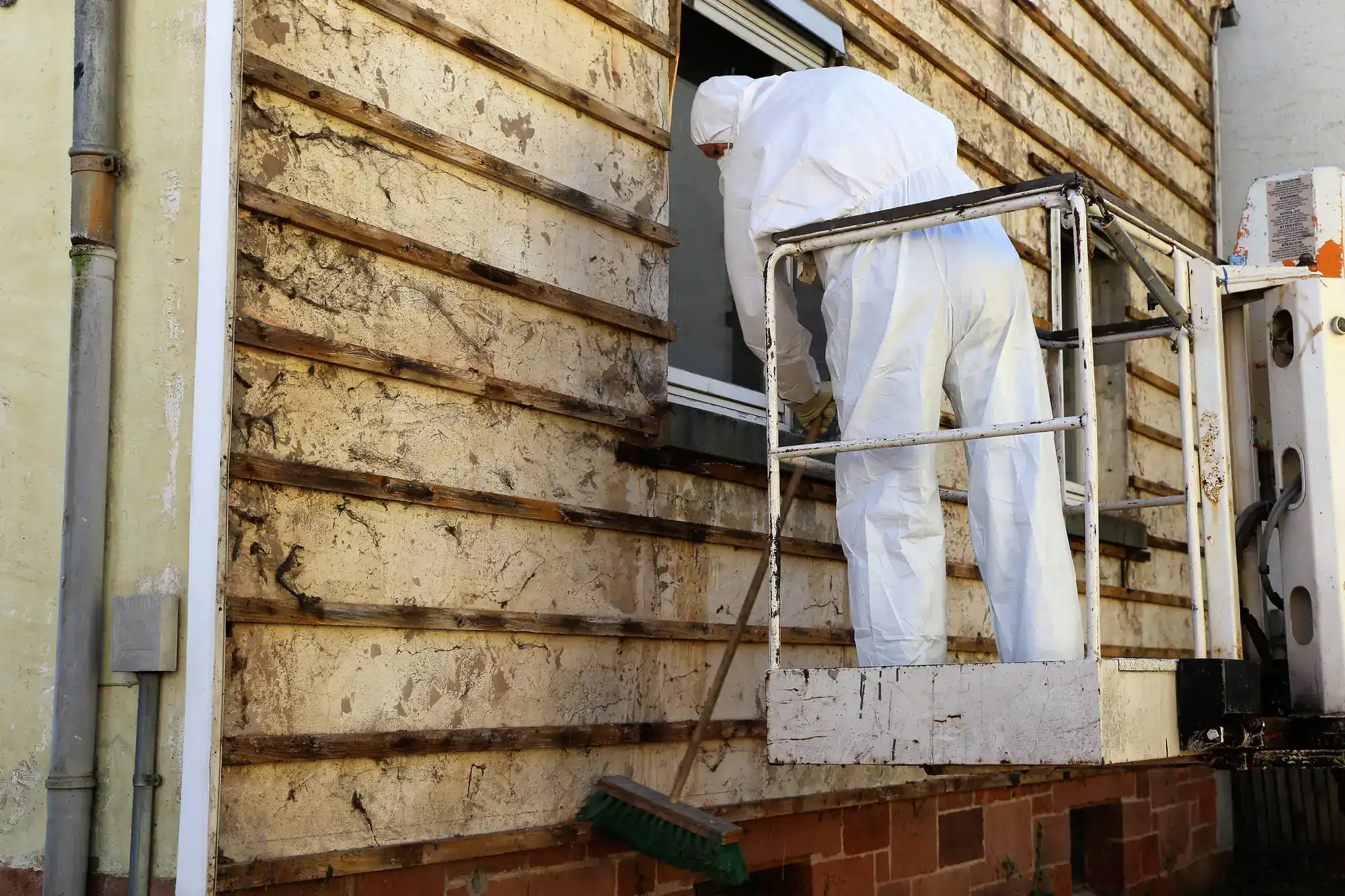
Easttown Township homes are some of the most valuable in Pennsylvania — second-highest median home value in the state for municipalities of its size. That kind of investment deserves to be protected. When asbestos-containing materials are properly identified, contained, and removed, you stop carrying an invisible liability through every renovation decision, every real estate disclosure, and every year you continue living in the home.
Easttown’s housing stock spans Victorian-era estate homes in Devon to the post-war colonials and split-levels built as those large lots were subdivided throughout the 1950s and 1960s. That mid-century construction window — roughly 1930 through 1979 — is exactly where asbestos shows up most: floor tiles, pipe wrap, plaster, joint compound, ceiling tiles, roofing materials. If your Easttown home falls in that range, the question isn’t really whether asbestos is present. It’s whether anyone has looked.
Once we complete the abatement work and post-clearance air testing confirms the results, you get something most homeowners in this situation don’t expect: clarity. You can move forward with a renovation without stopping mid-project. You can list a home on Easttown’s fast-moving market — where properties average just 10 days before going under contract — without a disclosure problem hanging over the transaction. The work is documented, the air is tested, and the uncertainty is gone.
We’ve been doing asbestos abatement work in Chester County and across southeastern Pennsylvania for two decades. The surrounding communities — Wayne, Malvern, Exton, Newtown Square — are all established service areas. Easttown Township is not a new market for us. We know the housing stock along Lancaster Avenue, the older homes tucked off Sugartown Road, and the kind of construction you find in Berwyn and Devon neighborhoods that were built out from subdivided estate lots.
Every job is handled by our fully licensed, bonded, and insured crew operating under PA DL&I certification. We have a Certified Lead Inspector and Risk Assessor on staff — not a vague “certified” claim, but a specific, verifiable credential that matters in homes where lead paint and asbestos often coexist. We’re EPA/HUD compliant, and our phone is answered 24 hours a day, seven days a week. When something turns up mid-renovation on a Thursday night, that matters more than most people realize until it happens to them.
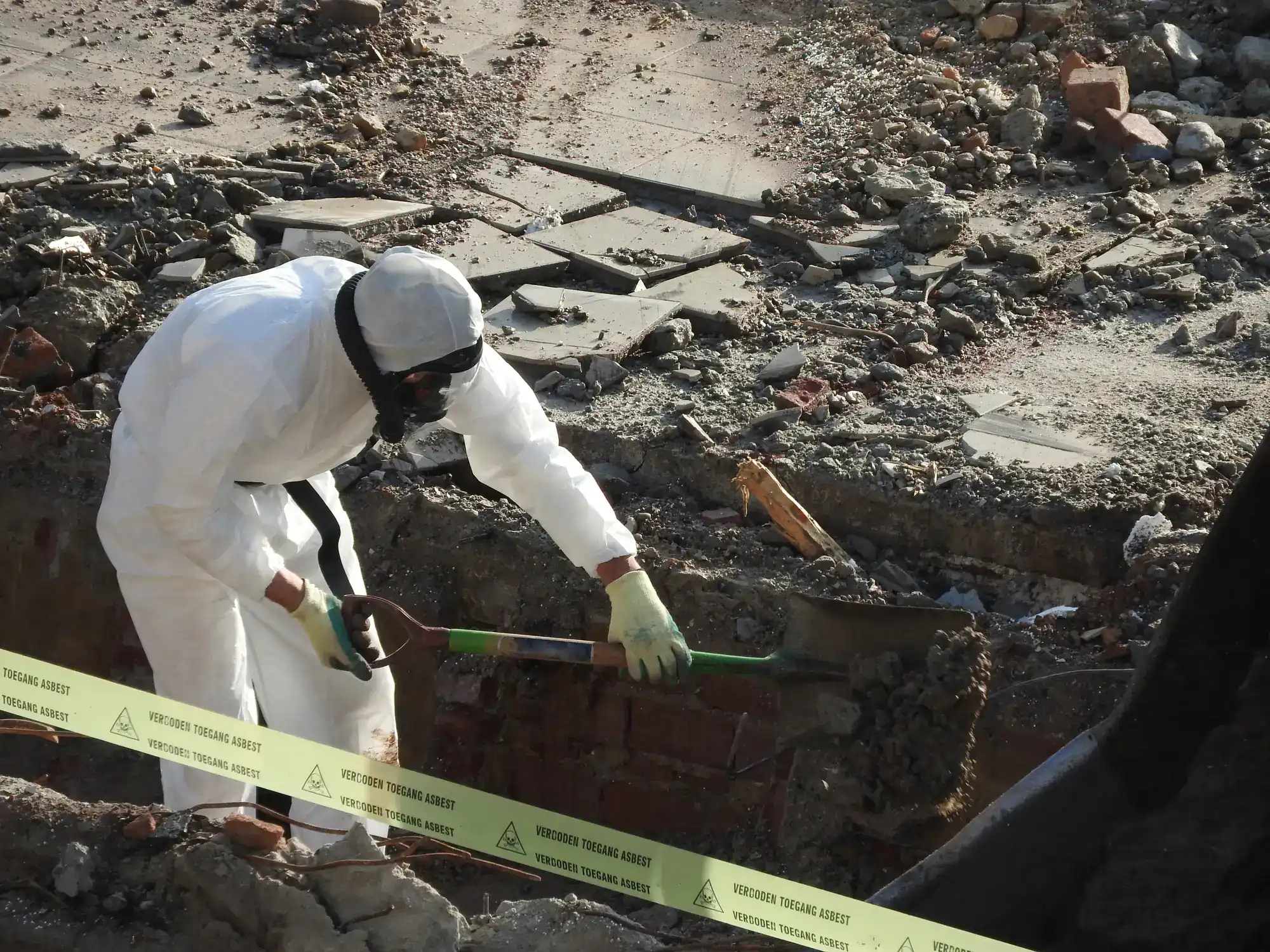
It starts with an inspection. Before anything is removed, the material gets tested. We’ll collect samples, identify what you’re dealing with, and give you a clear picture of the scope — what needs to come out, what can stay, and what the full job actually looks like. In Easttown’s older homes, that assessment often turns up more than the one obvious spot that triggered the call. Pipe wrap in the basement, floor tiles under newer flooring, textured ceiling material — it adds up, and it’s better to know the full picture before work begins.
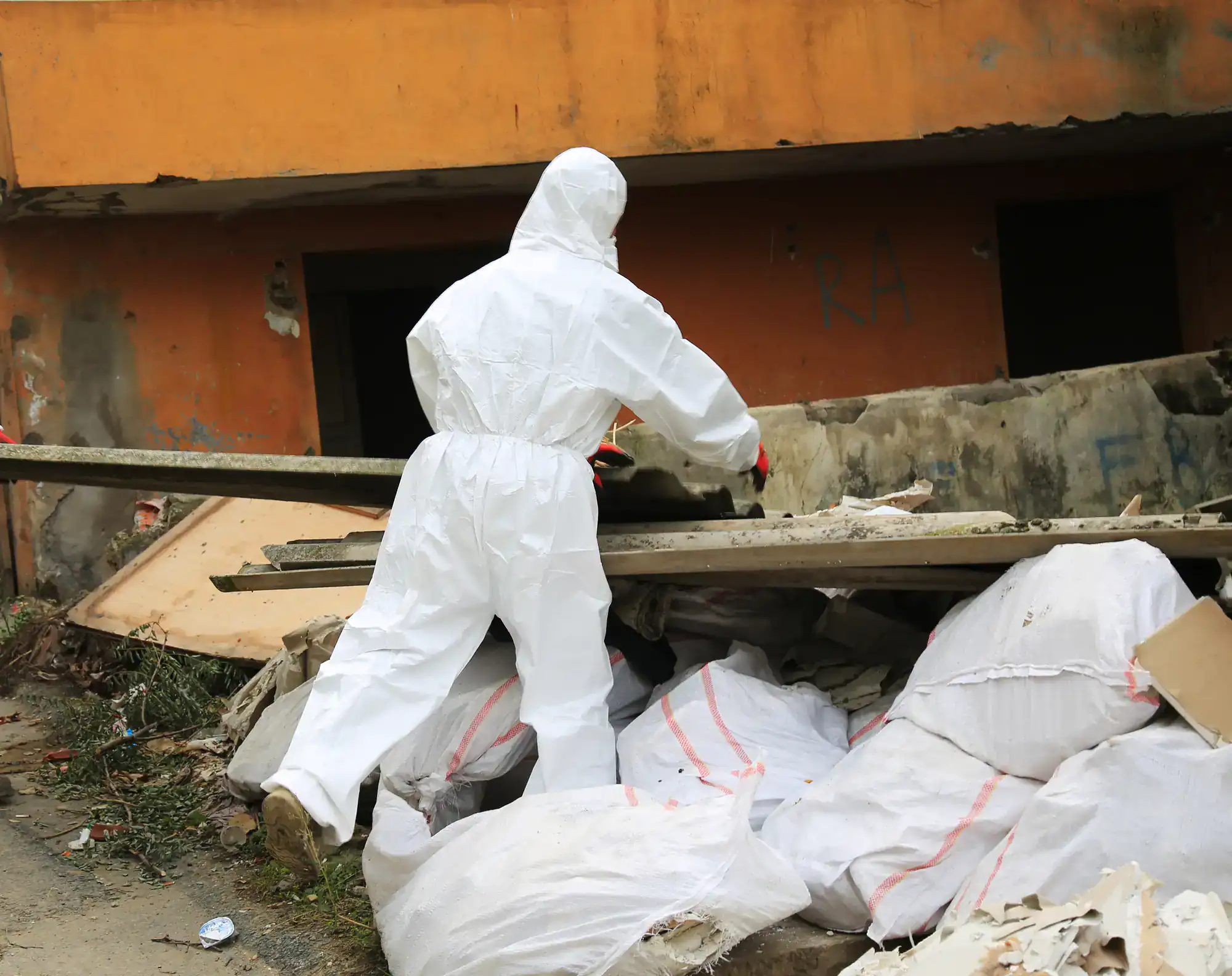
Once the scope is confirmed, our abatement crew establishes containment. That means sealing off the work area, setting up HEPA filtration and negative air pressure systems, and making sure fibers don’t migrate to the rest of your home during removal. This isn’t a shortcut step. It’s the step that separates legitimate abatement from the kind of removal that leaves a home worse off than before. For Chester County projects that meet PA DEP NESHAP thresholds — typically commercial or multi-family work — required notifications go to the DEP Southeast Regional Office, and we handle that paperwork. For single-family homes in Easttown, state DEP notification isn’t required, but PA DL&I contractor certification still is.
After removal, post-abatement air clearance testing confirms that fiber levels are within safe parameters. You get documentation. The containment comes down. The job is done — and there’s a paper trail that holds up whether you’re staying in the home, selling it, or pulling a permit for the next phase of your renovation.
Ready to get started?
Asbestos abatement in Easttown Township rarely exists in isolation. A 1958 Berwyn ranch that needs floor tile removal may also have pipe wrap insulation in the basement and a mold issue behind the wall that’s been there for years. A Devon estate home undergoing a kitchen gut may need lead assessment alongside asbestos testing — both are common in pre-1978 construction, and both require specific credentials to handle properly. Our one-stop service model covers asbestos inspection, testing, and abatement, plus demolition, mold remediation, lead inspection, waterproofing, and full cleanup. One call, one contractor, one timeline.
Every job includes HEPA filtration systems, state-of-the-art containment equipment, and post-clearance air testing. Nothing is handed off to a subcontractor or left to you to coordinate. The crew that sets up the containment is the same crew that completes the removal and the cleanup. That consistency matters when you’re dealing with a regulated material in a home worth over a million dollars.
Free estimates are available on every job, and cash discounts apply. In a community where renovations routinely involve multiple contractors and significant budgets, knowing the full scope and cost upfront — before any work begins — is how we start every client relationship. If you’re preparing to list a home in Easttown’s 10-day market, or you’ve uncovered something unexpected mid-renovation off Conestoga Road or near the Devon Horse Show Grounds, the process starts with a single call.
It depends on the type of property and the scope of work. For single-family homes and small residential buildings with four or fewer units — which covers the vast majority of Easttown Township’s housing stock — Pennsylvania DEP does not require advance notification under NESHAP regulations. That’s a state-level exemption for residential properties, and it applies here in Chester County the same as anywhere else in Pennsylvania.
What does still apply, regardless of property type, is the PA DL&I certification requirement. Under Acts 194 and 161, any contractor performing asbestos abatement in Pennsylvania must hold current certification from the Department of Labor and Industry. This isn’t optional, and it’s verifiable — PA DL&I maintains a public database of licensed contractors. For commercial or multi-family projects in Easttown that exceed NESHAP thresholds, a 10-working-day advance notice to the DEP Southeast Regional Office is required, and the current notification fee for Chester County projects is $300, increasing to $400 in January 2026. We handle all required notifications as part of the job.
The only way to know for certain is to have the material tested by a qualified professional. Visual identification alone isn’t reliable — asbestos-containing materials often look identical to non-asbestos versions of the same product. If your home was built between roughly 1930 and 1979, there’s a real possibility that some materials contain asbestos, and Easttown Township has a substantial number of homes in that construction window.
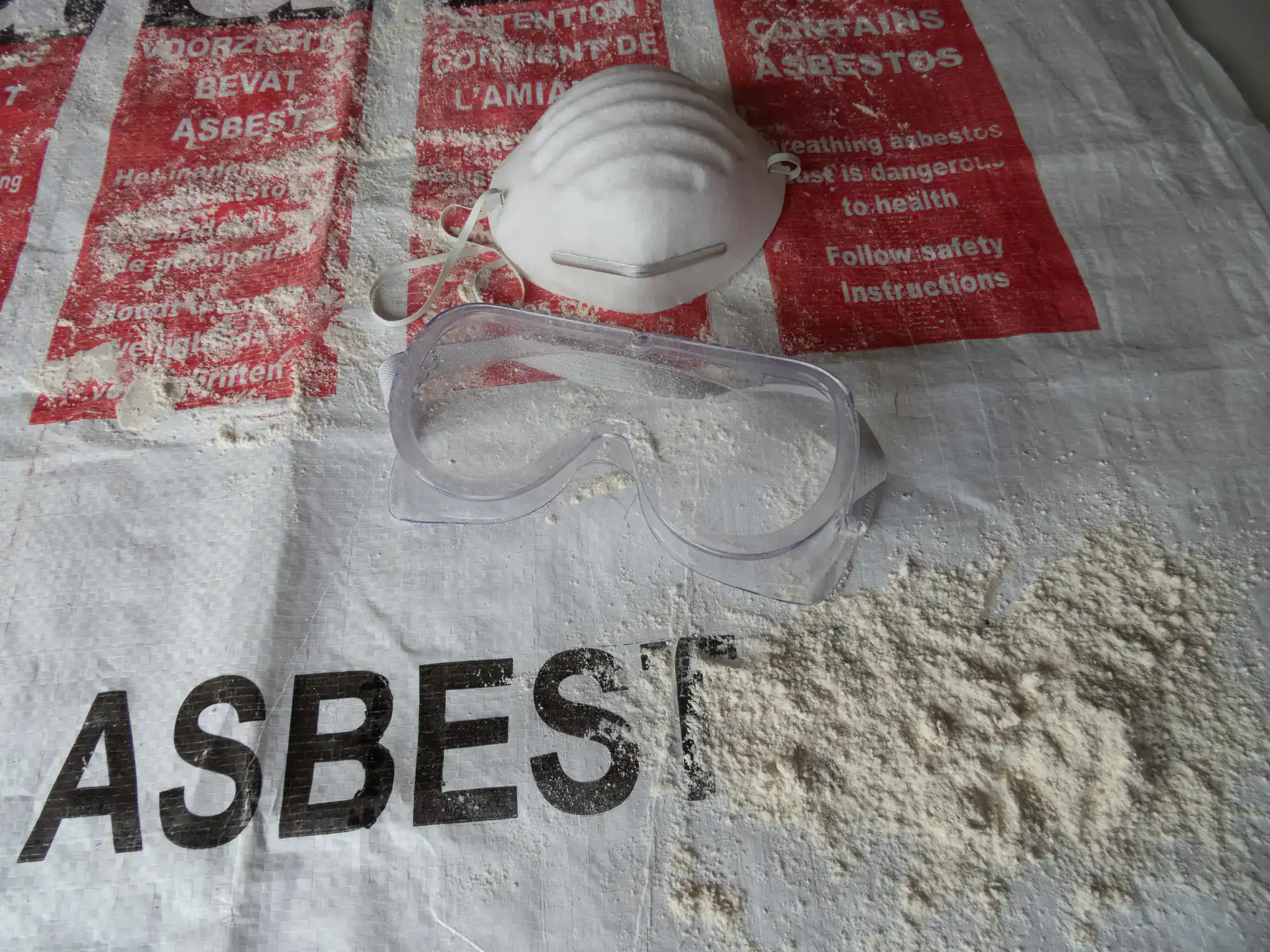
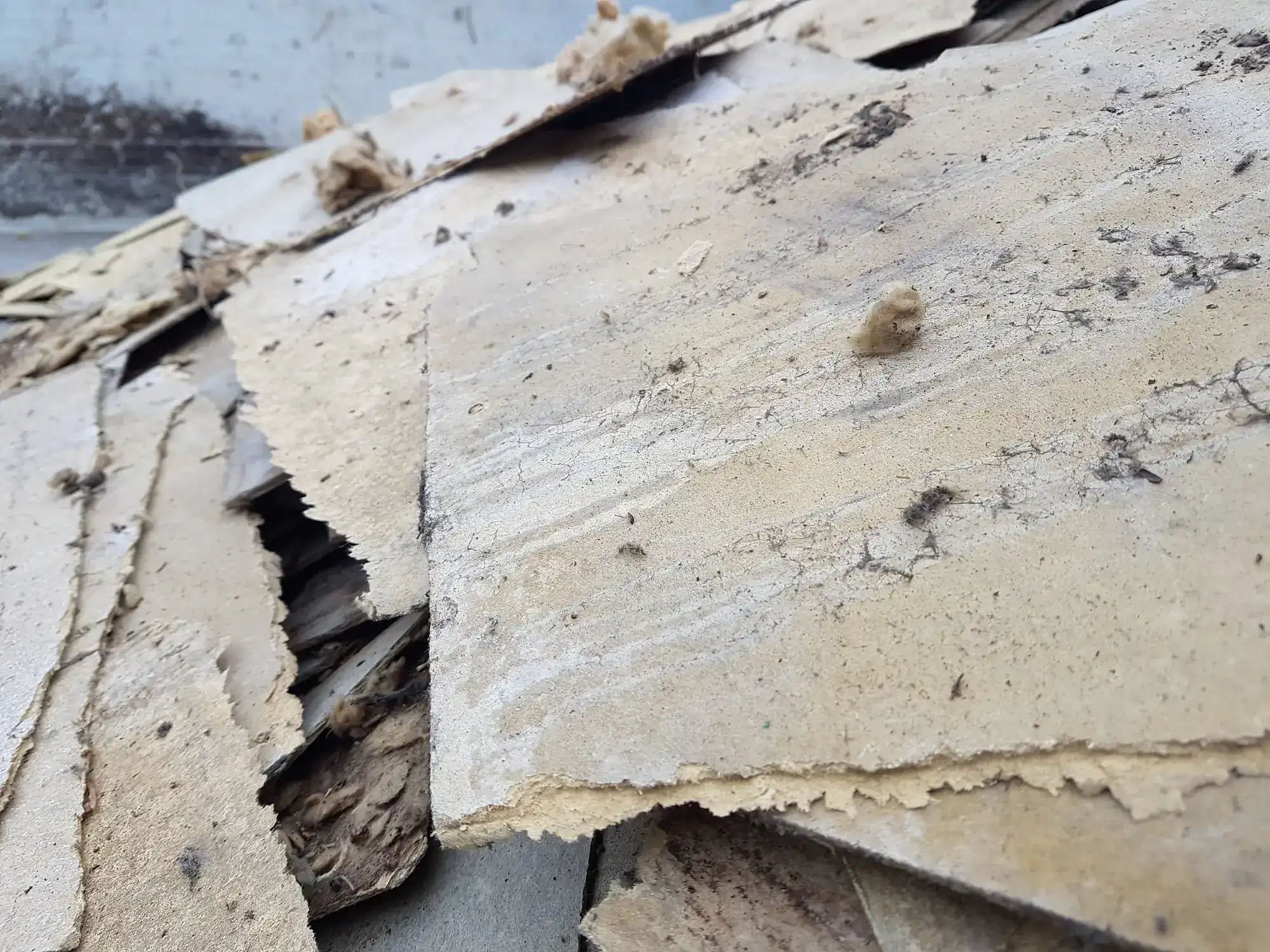
Common locations in homes of this era include vinyl floor tiles, sheet flooring adhesive, pipe and duct insulation, textured ceiling coatings, joint compound, plaster, and roofing shingles. In the larger estate-style homes found in Devon and Berwyn — many of which have been renovated in layers over the decades — it’s not unusual to find multiple generations of materials stacked on top of each other, some of which predate asbestos regulations entirely. We start with a thorough inspection and collect samples for laboratory analysis before any removal work is scoped or priced. You’ll know exactly what you’re dealing with before any decisions are made.
In most residential abatement jobs, you don’t need to vacate the entire home — but the answer depends on the location and scope of the work. If the affected area can be properly isolated with containment barriers and negative air pressure, the rest of your home typically remains accessible during the project. We’ll walk you through what’s realistic for your specific situation before work begins, so there are no surprises about where your family can and can’t be during the job.
For larger-scope projects — full basement abatement, extensive pipe wrap removal throughout the home, or situations where the HVAC system is involved — temporary relocation for the duration of the work may be the safer and more practical choice. Easttown homes tend to be larger than average, which can actually work in your favor: more square footage often means more physical separation between the work area and the living space. The post-abatement air clearance test at the end of the job is what confirms it’s safe to return to any previously contained area — not just our word that the work is done.
This comes up regularly in Easttown’s real estate market, and it’s worth understanding how it typically plays out. If a pre-purchase inspection identifies suspected asbestos-containing materials, the transaction doesn’t automatically fall apart — but it does require a decision. The buyer, seller, or both may need to address the material before closing, depending on what’s in the purchase agreement and what the lender requires.
At $1.1 million median sale price and an average of 10 days on market, Easttown transactions move fast and carry significant financial weight on both sides. A confirmed asbestos finding that isn’t handled properly can delay closing, affect financing, or create disclosure liability after the sale. Having a licensed asbestos removal contractor who can respond quickly, complete the work, and provide documented clearance testing results is the difference between a deal that closes on schedule and one that doesn’t. We offer 24/7 availability and emergency response service specifically because these situations don’t wait for a convenient time. If you’re under contract and a timeline is involved, call immediately — the sooner the scope is assessed, the more options you have.
For a typical residential job — a single room, a section of pipe wrap, or a contained area of floor tile — costs generally fall in the range of $1,500 to $3,500. Larger projects, more complex scopes, or homes with multiple affected areas can run higher, and the only way to get an accurate number for your specific situation is a proper inspection and estimate. We provide free estimates on every job, so you’re not paying for the assessment before you’ve decided anything.
In the context of Easttown’s real estate market and home values, the cost of professional abatement is rarely the deciding factor. What matters more to most homeowners here is getting the job done correctly, getting documentation that holds up, and not having to revisit the problem later. Cutting corners on asbestos removal — hiring an unlicensed crew or an uninsured contractor — can result in failed clearance tests, regulatory liability, and a remediation bill that’s significantly higher than the original job would have cost. Cash discounts are available through us, and the estimate is always free, so there’s no reason not to get a real number before making any decisions.
Yes — and it’s not surprising given the age and character of the housing stock. Lancaster Avenue, which runs through the northern part of Easttown Township as part of the historic Philadelphia-Lancaster Turnpike corridor, is lined with homes that span multiple construction eras. Many of the colonials, ranches, and split-levels built in Berwyn and Devon during the 1950s and 1960s used asbestos-containing materials as a matter of standard construction practice at the time. It wasn’t a shortcut or a defect — it was the industry norm.
The larger estate-style properties in Easttown add another layer of complexity. Homes that were built in the early 20th century and then renovated in the 1940s, 50s, or 60s may have asbestos-containing materials from multiple renovation periods layered on top of original construction. Pipe insulation, boiler wrap, floor tile adhesive, and textured plaster are all common findings in homes of this type and age. Pennsylvania ranks fourth in the nation for mesothelioma and asbestos-related deaths — that statistic reflects decades of residential and industrial exposure across the state. In a township as historically built-out as Easttown, with homes this old and this well-maintained over generations, the presence of asbestos isn’t unusual. What matters is knowing where it is, handling it properly, and moving forward with documentation that protects you and your home.
Other Services we provide in Easttown