Hear from Our Customers
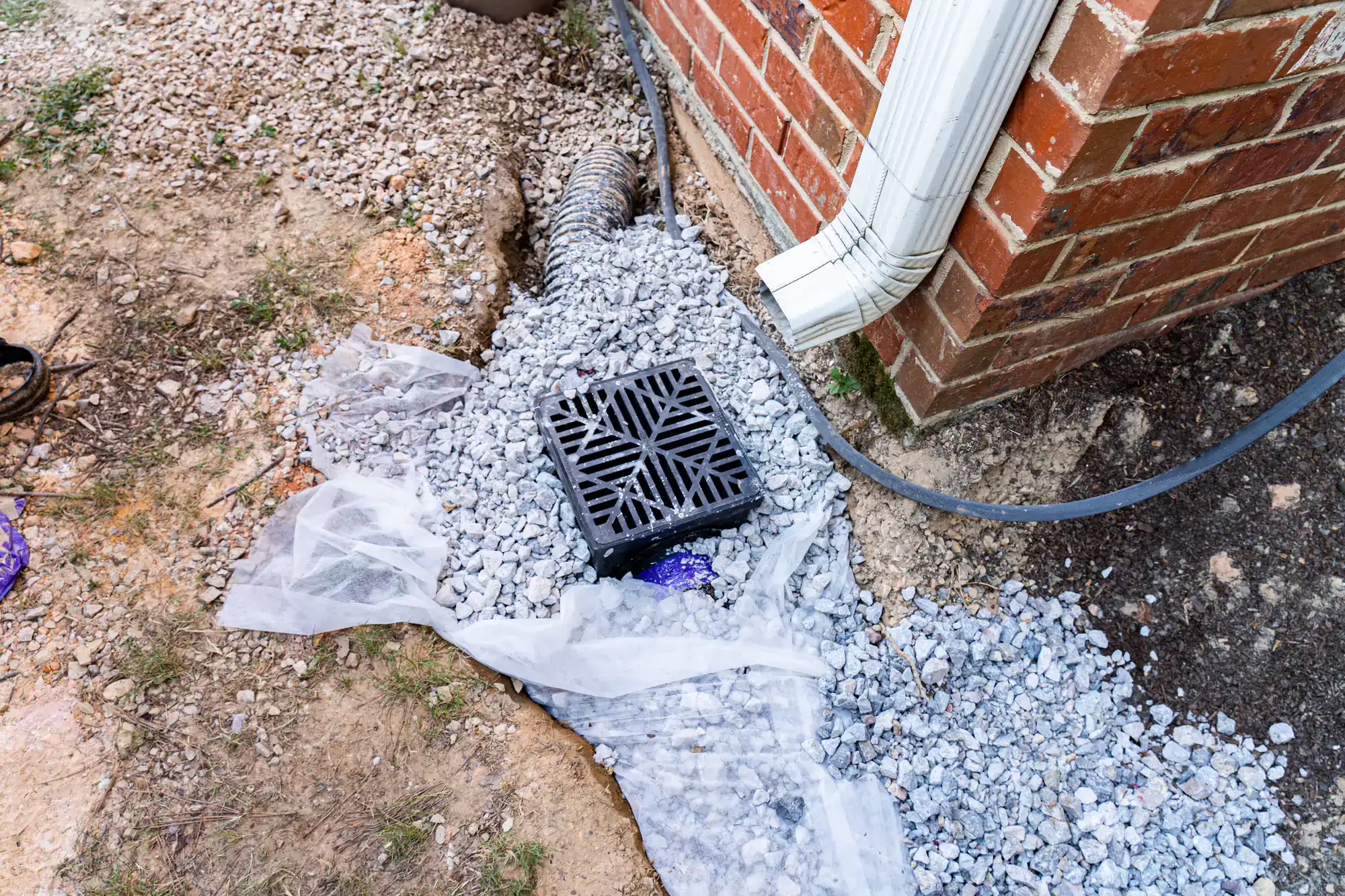
Once the water stops coming in, things shift. The corner you’ve been ignoring becomes usable space. The musty smell that you’ve explained away for years — gone. If you’ve been thinking about finishing your basement or just want to stop holding your breath every time it rains, a properly installed french drain system is usually where that story starts.
Wynnewood gets about 46 inches of rain a year, and a good chunk of that arrives fast and heavy. The clay-heavy soils throughout Lower Merion Township don’t drain quickly — they hold water and push it steadily against whatever’s in the way, which in most cases is a 90-year-old masonry foundation that was never designed to handle that kind of sustained pressure. A french drain intercepts that water before it reaches the wall.
And because FEMA specifically expanded its flood insurance map in 2016 to include areas along Indian Creek right here in Wynnewood, this isn’t abstract risk. For homes in that corridor especially, a french drain isn’t just smart — it’s protection you can point to on a map.
We’ve been working in Montgomery County and Delaware County for about two decades. Wynnewood sits right at the line between both — Lower Merion Township on one side, Haverford Township on the other — and we know this area well. The stone homes near Penn Wynne, the Tudor-style properties in the English Village Historic District, the Colonial Revival houses in the Toland Farm neighborhood — we’ve worked on all of it.
What makes us different isn’t just the drainage work. We’re also a certified lead inspector and risk assessor with full EPA and HUD compliance. That matters here because most of Wynnewood’s housing stock predates 1978, and excavating near those foundations without testing first is genuinely risky. We test before we dig. We use HEPA filtration on every job where hazardous materials could be present. And we handle everything — drainage, mold, lead, asbestos — so you’re not juggling three different contractors to solve one problem.
It starts with a free estimate. Someone comes out, walks the property, looks at where the water is coming from and where it needs to go. For most Wynnewood homes, that means evaluating the foundation depth, the soil conditions, and whether an exterior or interior french drain system makes more sense for your specific situation. We also check for any environmental concerns — lead paint, asbestos, anything that needs to be addressed before excavation begins. That step alone separates us from every other drainage contractor in this market.
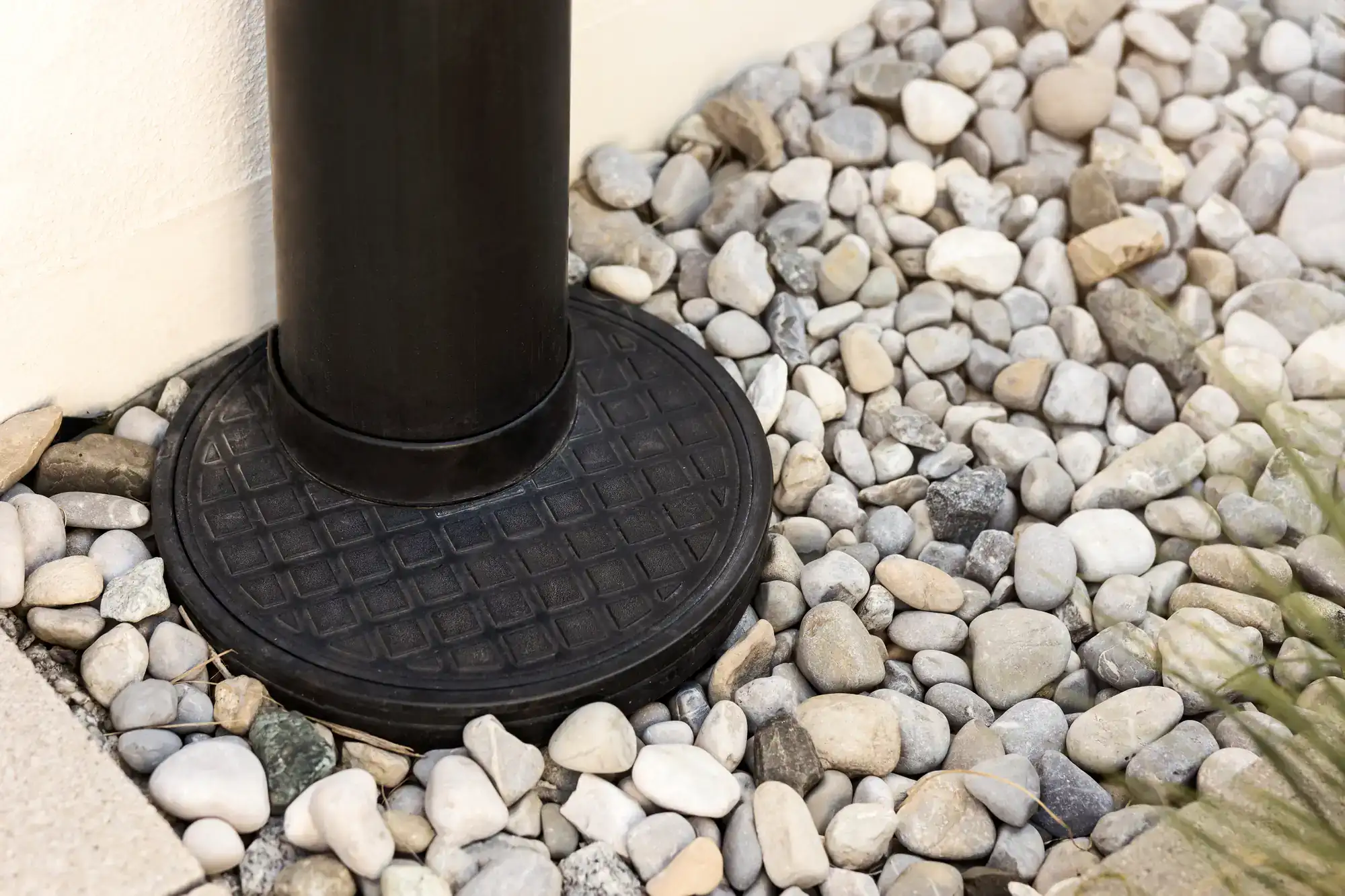
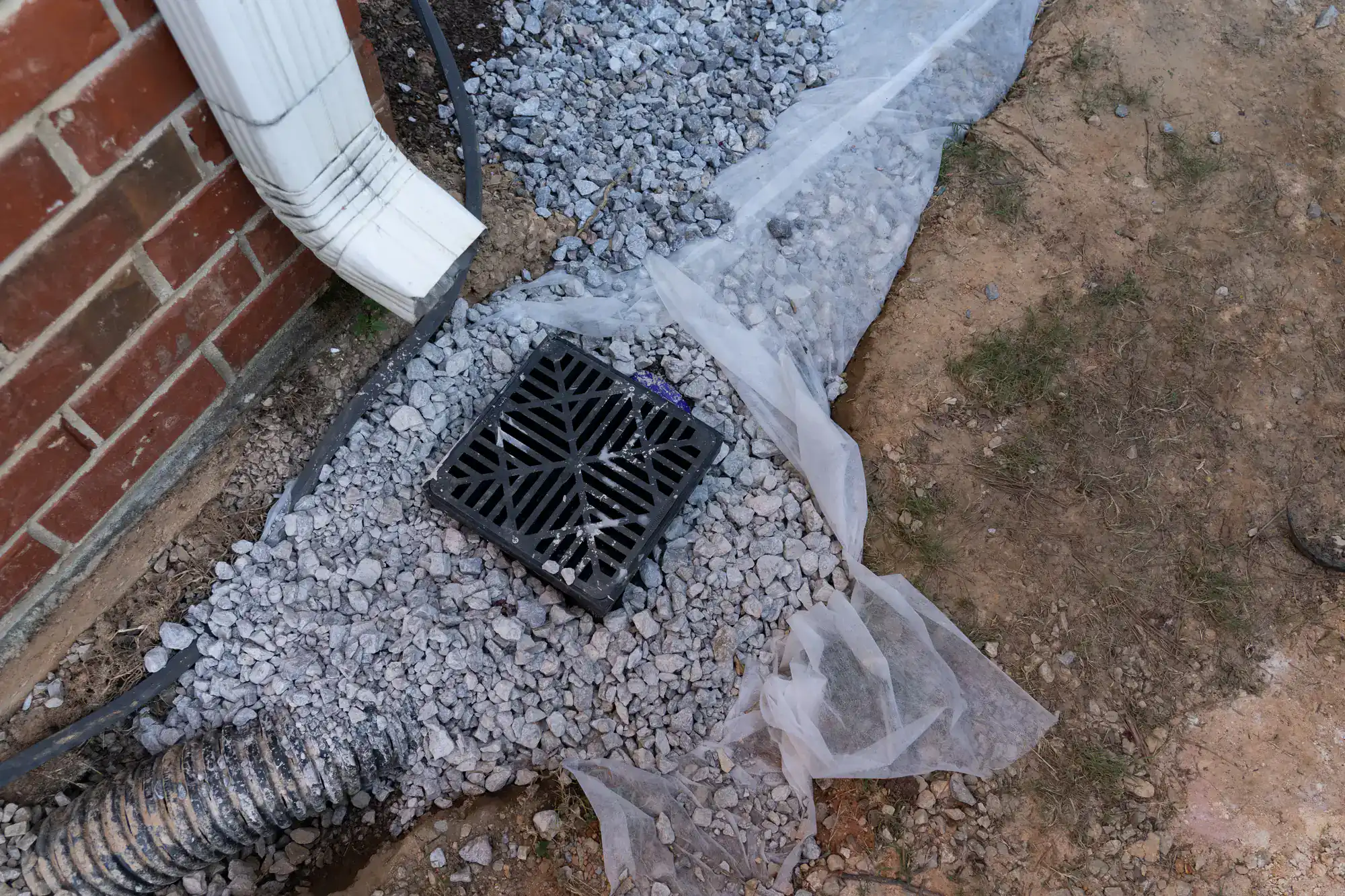
Before any exterior digging starts, we handle the permitting. Lower Merion Township requires a grading and runoff permit for foundation-adjacent excavation, and we take care of that — you don’t have to figure it out yourself. Once we’re cleared, the installation involves trenching to the right depth, laying rigid perforated PVC pipe (not the cheap corrugated stuff that collapses in a few years), surrounding it with clean crushed stone, and wrapping the whole system in filter fabric so soil can’t infiltrate and clog it over time.
The outlet gets connected to a functional discharge point — whether that’s a daylight outlet, a dry well, or a sump pump, depending on your property’s layout. Then we backfill, clean up, and walk you through what was installed and why. The goal is that you leave that conversation understanding exactly what’s in the ground and how long it should last — which, if it’s done right, is 30 to 40 years.
Ready to get started?
French drain installation in Wynnewood isn’t a one-size-fits-all job. The homes here — many of them stone-faced, masonry-block, and pushing a century old — have drainage challenges that newer construction simply doesn’t. Freeze-thaw cycles crack mortar joints over decades. Mature trees shift grading. And the clay soils throughout Lower Merion hold water long after the rain stops, keeping hydrostatic pressure against those old walls for hours. The drainage solution has to account for all of that.
For most homes, that means an exterior french drain installed at or below the footing depth, designed to catch groundwater before it ever reaches the wall. For homes where exterior access is limited — tight lots, finished landscaping, proximity to neighboring properties — an interior french drain beneath the basement slab is often the better path. We do both, and we’ll tell you honestly which one makes more sense for your home rather than defaulting to whatever’s easier to install.
Every job also includes our environmental assessment process. If your home was built before 1978 — which covers the vast majority of Wynnewood’s housing stock, including the English Village Historic District and the Penn Wynne corridor — we test for lead and assess for asbestos before a shovel goes in the ground. That’s not an add-on. It’s standard. Because doing drainage work on a 1930s stone home without that step isn’t just cutting corners — it’s a health risk that most contractors in this area aren’t equipped to handle.

Yes, in most cases you do. Lower Merion Township requires a grading and runoff/erosion control permit before any excavation near a foundation. If the project disturbs more than 1,500 square feet of land, an engineered plan may also be required and submitted to the Township’s Planning Division. This is a step that homeowners often don’t know about until a contractor skips it — and then they’re left holding the liability.
We handle the permitting process as part of the job. We’re familiar with Lower Merion Township’s requirements and submit what’s needed before any work begins. You won’t have to navigate the Building and Planning Department on your own, and you won’t be stuck with an unpermitted installation that creates problems if you ever go to sell the home.
The range is wide, and that’s not a dodge — it genuinely depends on the scope of the project. Interior systems typically run $40 to $85 per linear foot. Exterior systems range from $10 to $50 per linear foot, though that can climb depending on depth, soil conditions, and what’s encountered during excavation.
In Wynnewood specifically, a few factors tend to push costs toward the middle or upper end of that range. The clay-heavy soils in Lower Merion require more careful excavation. Many homes here need the system installed at a greater depth to reach below the footing. And because most of the housing stock is pre-1978, environmental testing before excavation is a necessary part of the process — not an optional extra. We offer free estimates so you know exactly what you’re looking at before committing to anything, and we offer cash discounts for those who prefer that route.
An exterior french drain is installed around the outside perimeter of the foundation, at or below the footing depth. It intercepts groundwater before it ever builds pressure against the wall — which is the ideal approach when access allows. For Wynnewood’s older stone and masonry-block foundations, exterior systems are often the most effective long-term solution because they address the problem at the source.
An interior french drain is installed beneath the basement floor slab. It collects water that has already entered the foundation and channels it to a sump pump for removal. It’s more disruptive during installation — the concrete floor has to be broken up and repaired — but it’s often the only viable option on lots where exterior access is limited, which is common in denser sections of Penn Wynne and other parts of Lower Merion where homes sit close together. Both systems work well when installed correctly. The right choice depends on your specific property, not a preference for one method over another.
It’s not a problem — it’s just something that has to be handled correctly. Homes built in the 1920s and 1930s, like many of the properties in the English Village Historic District and the Toland Farm neighborhood, almost certainly contain lead-based paint and may have asbestos in pipe insulation or other building materials. When a contractor excavates near those foundations without testing first, they risk disturbing hazardous materials without the equipment or certification to manage them safely.
We’re a certified lead inspector and risk assessor with full EPA and HUD compliance. Before any excavation begins on a pre-1978 home in Wynnewood, we assess for lead and other environmental hazards. If something is found, we handle it — we don’t stop the job and hand you a referral. We use HEPA filtration systems throughout the process to protect your household during the work. For older Wynnewood homes, this integrated approach isn’t a luxury — it’s the only responsible way to do drainage work.
A properly installed french drain should last 30 to 40 years. The key word there is properly. The systems that fail in three to five years are almost always the ones installed with corrugated flex pipe instead of rigid PVC, no filter fabric around the gravel, or insufficient slope to keep water moving. Those shortcuts are common because they save money at installation. They just don’t hold up.
To protect the investment over time, annual inspection is a good habit — checking that the outlet is clear, that there’s no surface settling above the trench line, and that water is still moving through the system as designed. Periodic french drain cleaning may also be needed depending on how much sediment the surrounding soil produces. In Wynnewood, where mature trees are everywhere and root intrusion is a real consideration, keeping an eye on the outlet and the pipe over time is worth the small effort. We can walk you through what to watch for after installation so you’re not guessing.
Yes — every project starts with a free, no-obligation estimate. Someone comes out, looks at the property, and gives you a clear picture of what’s going on, what the solution looks like, and what it’s going to cost. No pressure, no vague ballpark numbers, no surprises after the fact.
For Wynnewood homeowners, that estimate also includes an initial environmental assessment — a look at the age of the home, the materials likely present, and whether any testing should be done before work begins. Given that median home values here run well above $700,000, knowing exactly what you’re investing in before you sign anything is just the sensible way to approach it. We also offer cash discounts for homeowners who prefer to pay that way. Call us any time — we’re available 24 hours a day, including for emergency response when water intrusion can’t wait until Monday morning.
Other Services we provide in Wynnewood