Hear from Our Customers
A dry basement in Whitemarsh isn’t just more comfortable — it’s a protected investment. Fort Washington homes are listing near $685,000. Lafayette Hill isn’t far behind. When water is quietly working against your foundation year after year, it’s not just a nuisance. It’s equity walking out the door.
Whitemarsh sits on top of 13 identified hydric soil types — soils that were literally formed under saturated, flooded conditions. They don’t drain well. They hold water against your foundation walls and push it inward through hydrostatic pressure. Add the Wissahickon Creek watershed and the Sandy Run drainage corridor near Fort Washington State Park, and you’ve got a township where the ground stays wetter, longer, than most homeowners realize.
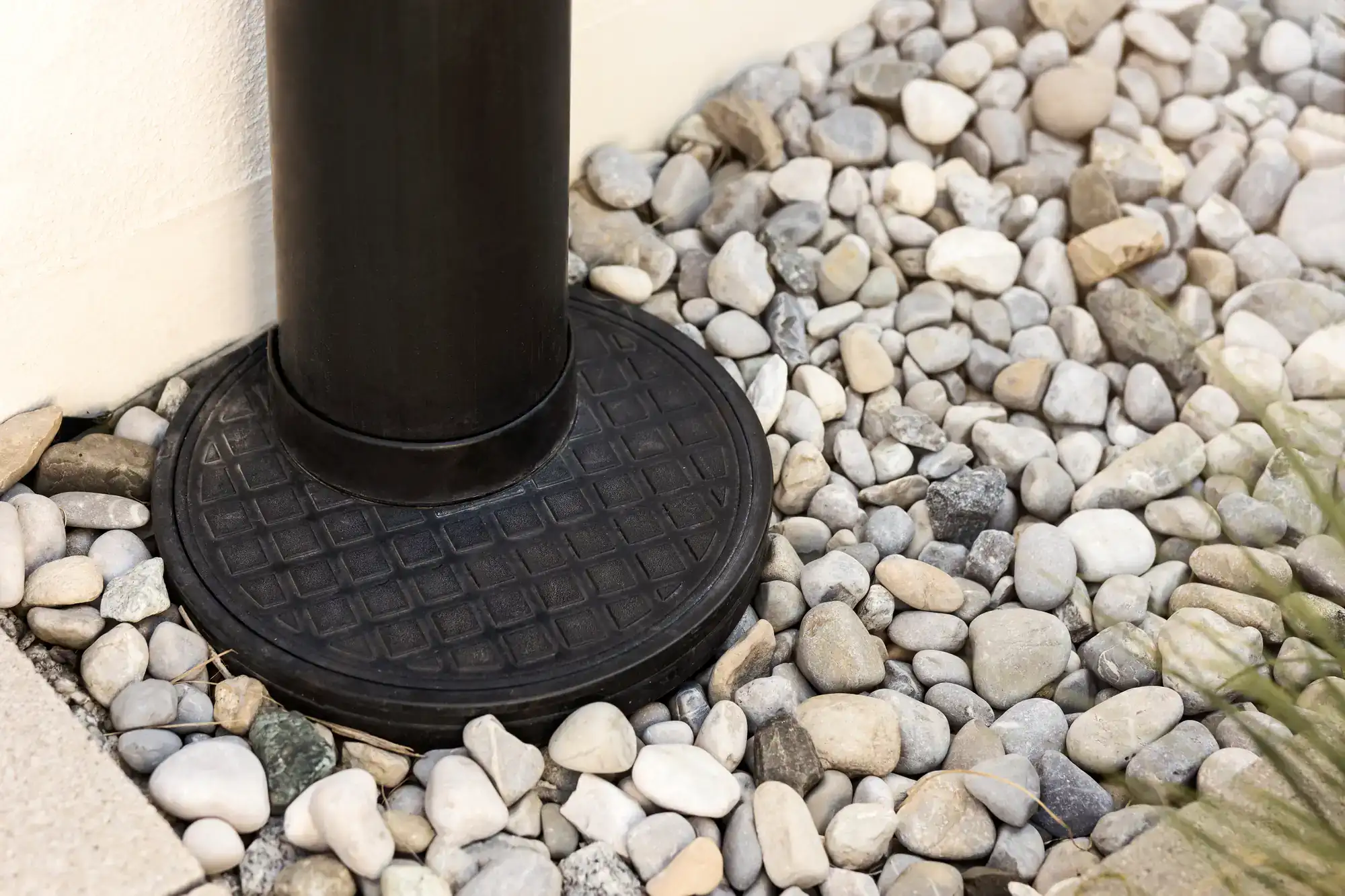
A properly installed french drain system intercepts that water before it reaches your foundation, redirects it to a lawful outlet, and keeps the pressure off your walls for decades. You stop mopping. You stop worrying every time a nor’easter rolls through. And if you’ve been thinking about finishing that basement — for a home office, a playroom, whatever — a dry foundation is where that project actually starts.
We’ve been working in Whitemarsh and Montgomery County for nearly twenty years. That means we’ve been in the basements of Fort Washington ranches, Lafayette Hill Cape Cods, and Flourtown split-levels long enough to know exactly what these homes are dealing with — and what they’re hiding inside their walls.
Here’s something most drainage contractors won’t tell you: in a township where the housing boom happened in the 1950s, ’60s, and ’70s, excavating near a foundation without testing first is a real risk. Lead paint, asbestos pipe insulation, contaminated soil — these aren’t rare finds in pre-1978 homes in Whitemarsh. They’re common ones. We hold a Certified Lead Inspector and Risk Assessor credential, which means we test before the first shovelful of earth is turned and handle whatever we find under full EPA and HUD compliance.
Fully licensed, bonded, and insured at the environmental services level. Free estimates. And yes, we answer the phone at 2 AM when the creek is rising.
It starts with a free on-site assessment. We look at where water is entering, how your yard grades, what your soil profile looks like, and whether your home’s age puts any environmental hazards in play before we start digging. For most Whitemarsh homes built before 1978, that last part isn’t optional — it’s how responsible work gets done.
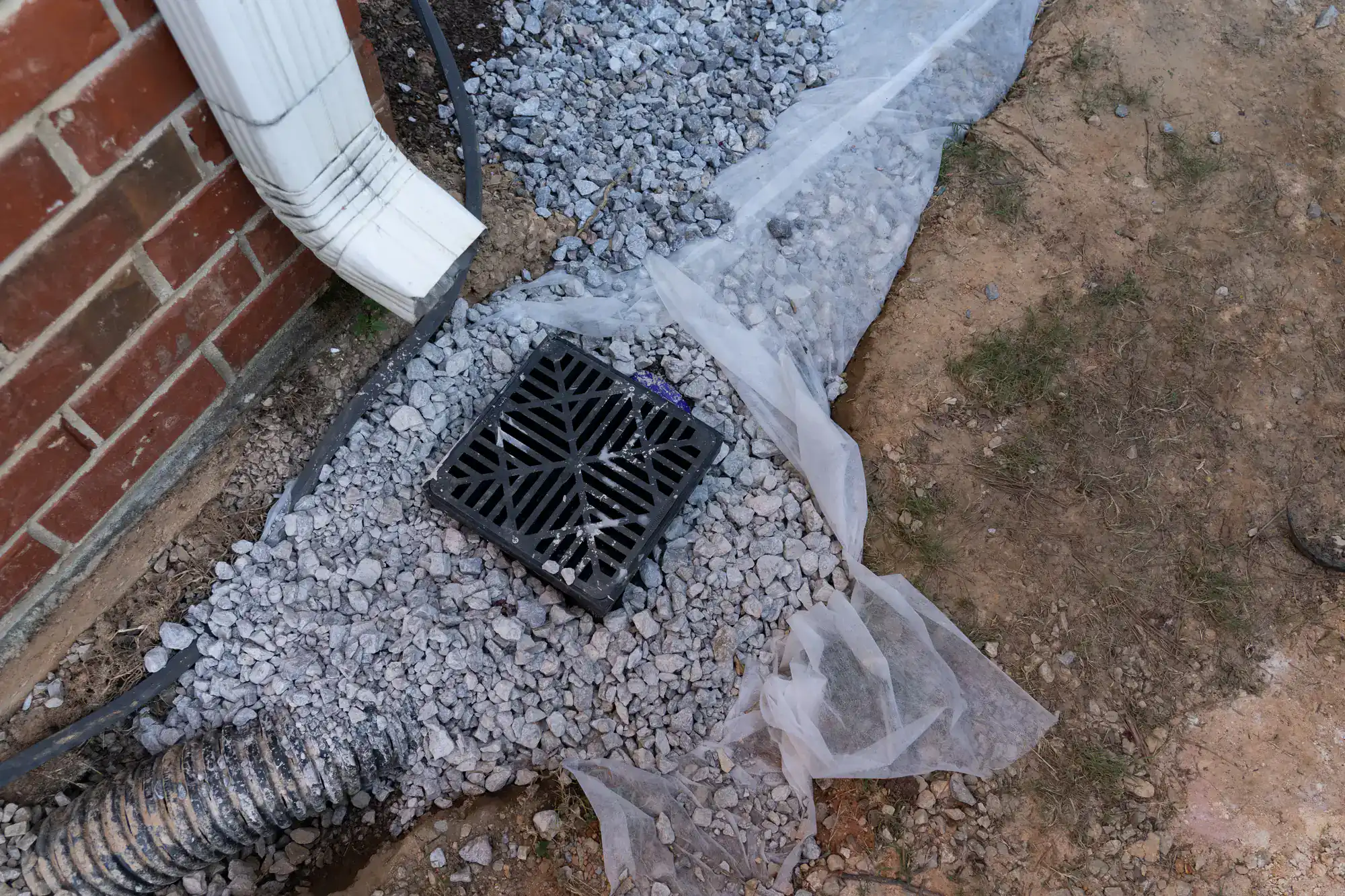
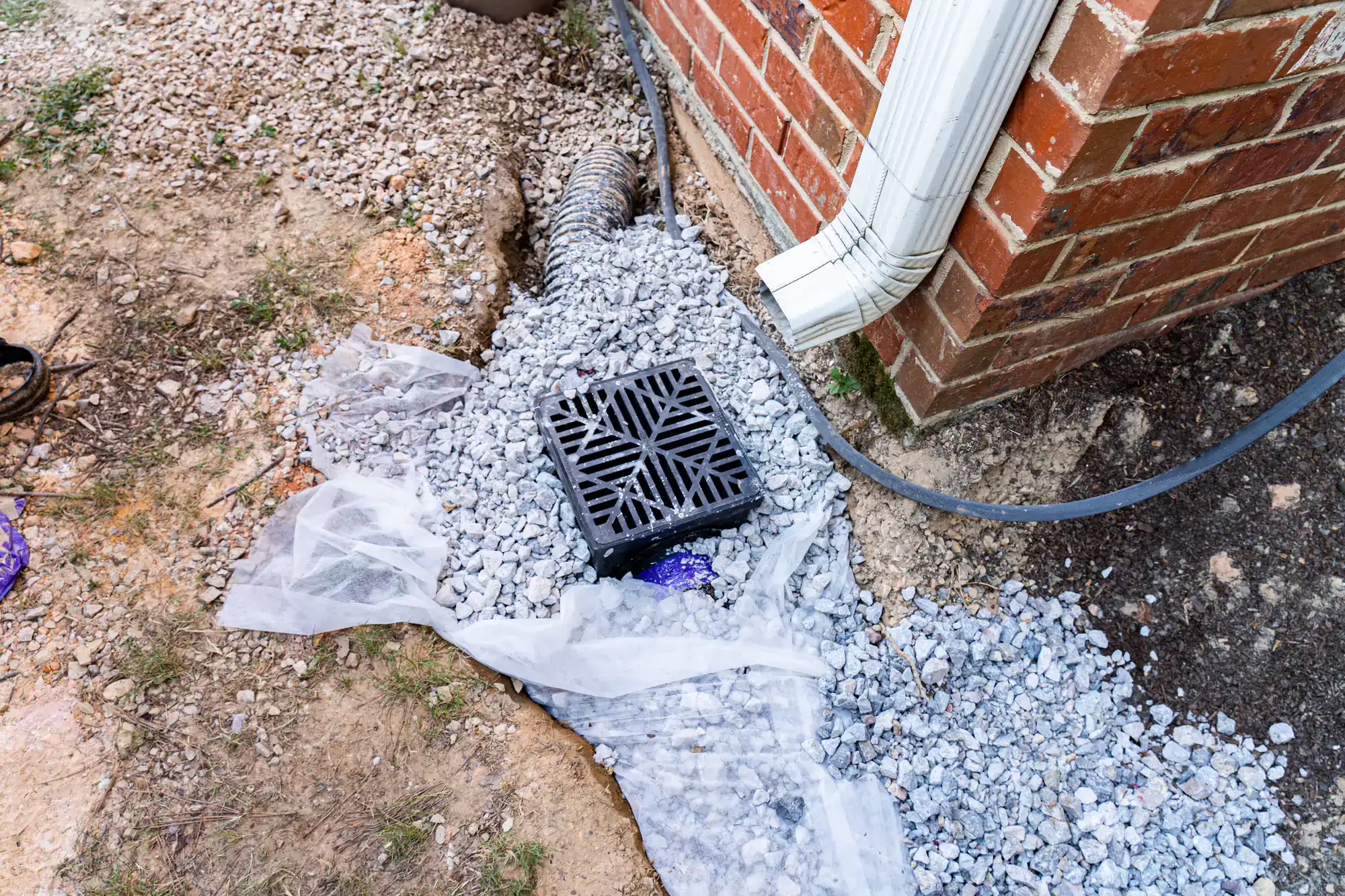
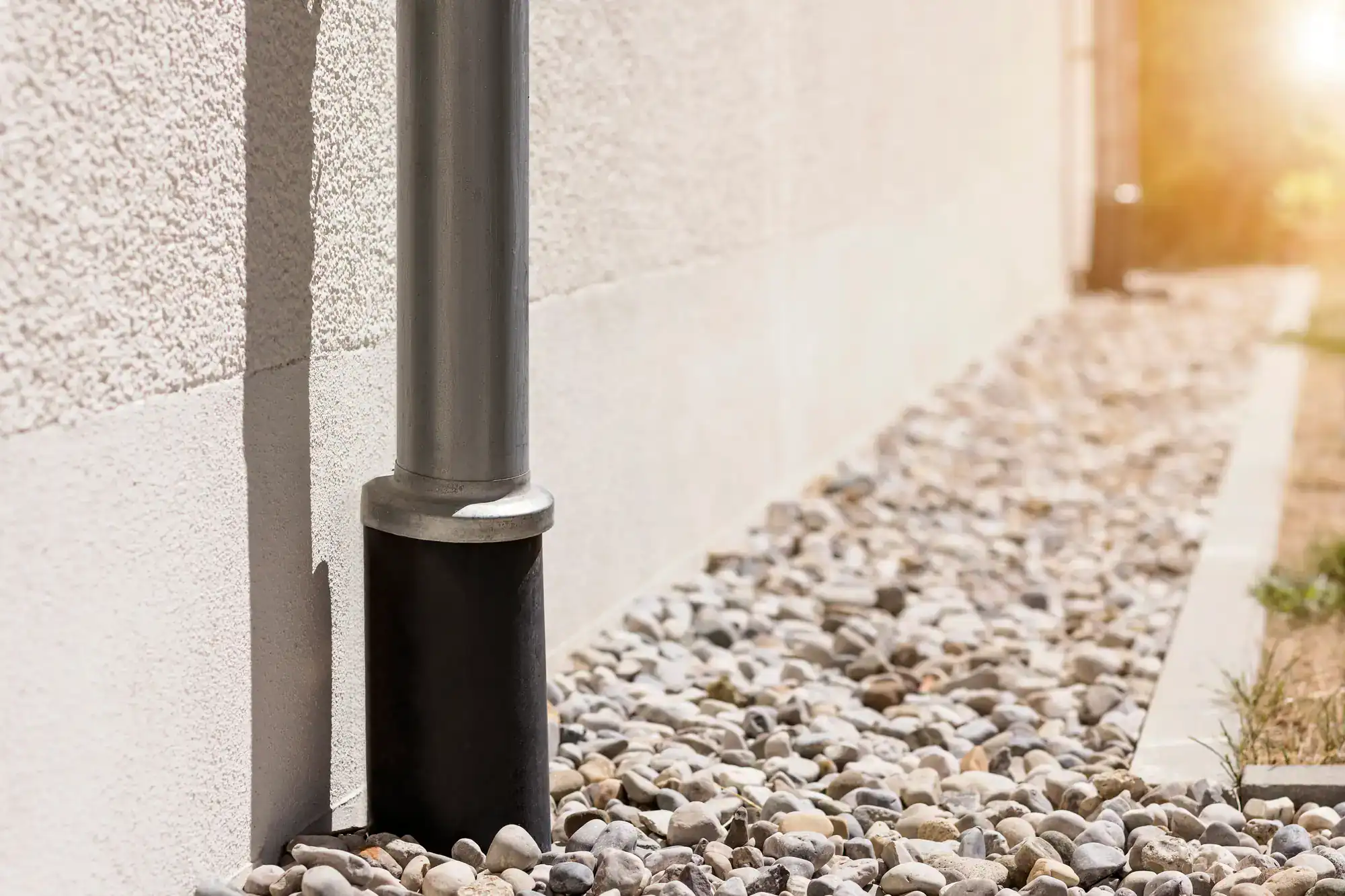
Once we know what we’re working with, we walk you through the plan. Exterior french drains are trenched to footing depth along the foundation perimeter, lined with geotextile filter fabric, filled with clean crushed stone, and fitted with rigid perforated PVC pipe — not the corrugated flex pipe that clogs and collapses within a few years. The system is sloped at a minimum 1% grade so water moves consistently toward a code-compliant outlet. Whitemarsh Township’s Chapter 58 stormwater code governs what that outlet can be, and we know those requirements well. If your project needs an Earth Disturbance Permit through the Building and Codes Department on Germantown Pike, we’ll tell you upfront — not after the trench is already open.
After installation, we clean up completely. If mold, lead, or asbestos was identified during the assessment, that remediation happens as part of the same engagement — not handed off to a separate contractor on a separate timeline.
Ready to get started?
French drain installation is the core of what we do here, but it’s rarely the whole picture. A basement that’s been taking on water in a Flourtown split-level or a Barren Hill colonial for twenty-plus years has usually developed secondary problems — mold behind the drywall, efflorescence on the foundation walls, sometimes compromised insulation. We handle the full chain: environmental testing, hazard remediation, drainage installation, sump pump integration if needed, and post-remediation cleanup.
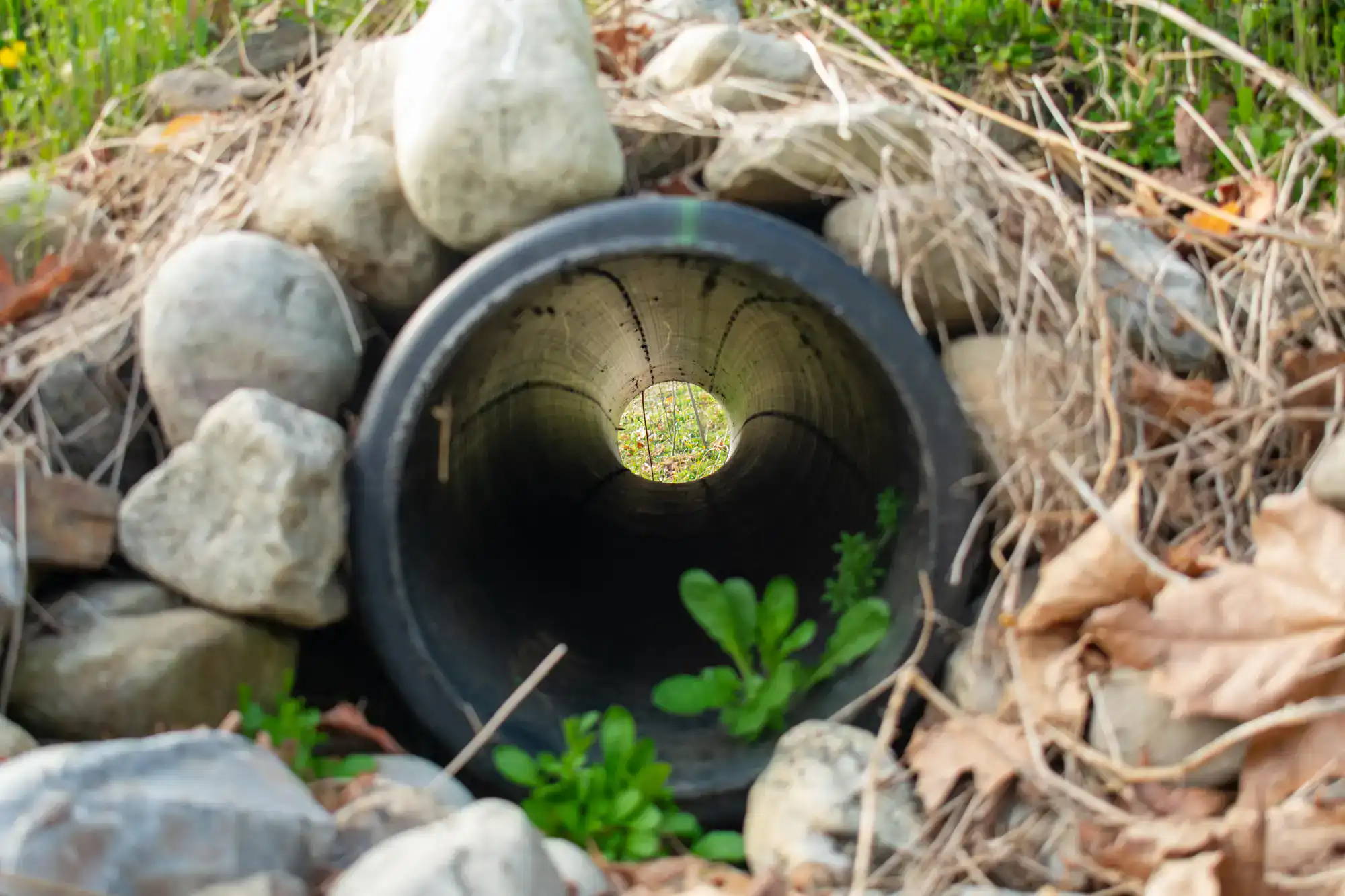
For surface and yard drainage, we install exterior french drain systems that capture runoff before it pools against your foundation or floods low-lying areas of your property. For basement water intrusion, interior perimeter drain systems channel water that penetrates the foundation to a sump pump and out of the living space. Both approaches use professional-grade materials — rigid PVC pipe, properly graded trenches, quality filter fabric — because a french drain that fails in five years isn’t a solution. It’s a repeat expense.
What makes this different in Whitemarsh specifically is the environmental layer. No other drainage contractor serving this township holds the certifications to test for and remediate lead and asbestos in the same project scope. For homeowners along Stenton Avenue, West Valley Green Road, or anywhere near the Wissahickon Creek corridor — where flooding has been documented and the housing stock is almost entirely pre-1978 — that matters more than it might anywhere else.
It depends on the scope of the project, but in many cases — yes. Whitemarsh Township’s Chapter 58 covers grading, erosion control, and stormwater management, and exterior french drain installations that involve significant excavation near the foundation can trigger an Earth Disturbance Permit requirement. The Building and Codes Department is located at 616 Germantown Pike in Lafayette Hill, and they’re the right call if there’s any question about whether your specific project needs one.
We handle this conversation upfront during the assessment phase. If a permit is required for your project, you’ll know before any work begins — not after the trench is already open. Skipping permits on a $600,000 home in Fort Washington isn’t a shortcut worth taking, and we don’t operate that way. We’re also familiar with the township’s Floodplain Management Ordinance (Ord. No. 962) for properties near the Wissahickon Creek or Sandy Run corridors, which can add another layer of requirements depending on where your home sits.
Most residential french drain installations in Montgomery County fall somewhere between $3,000 and $10,000, depending on the length of the system, whether you need an exterior perimeter drain, an interior basement drain, or both, and what the excavation reveals once we’re on-site. Larger perimeter systems on older homes with more complex drainage needs can run higher.
What often catches homeowners off guard isn’t the drain itself — it’s what’s found during the process. In Whitemarsh, where the majority of homes were built between the 1950s and 1970s, environmental testing adds a layer that most drainage contractors don’t account for at all. If lead-contaminated soil or asbestos insulation is present near the excavation zone, handling it properly under EPA protocols is not optional. We include environmental assessment as part of our process, so you’re not getting a lowball quote that quietly explodes once the digging starts. We offer free estimates with full transparency on scope and cost before anything begins.
It might be, but the right answer depends on where the water is coming from and where it needs to go. Surface flooding in a yard — water pooling after heavy rain, slow-draining low spots, saturated ground that stays wet for days — is often a strong candidate for a french drain or a combination of surface grading and a french drain system. In Whitemarsh, where the township’s own Open Space Plan identifies 13 hydric soil types covering nearly 3,900 acres, slow drainage isn’t unusual. These soils were formed under saturated conditions. They don’t shed water quickly by nature.
The key question is whether the water is coming from surface runoff, rising groundwater, or both. A surface french drain captures runoff and redirects it. An exterior perimeter drain addresses hydrostatic pressure from groundwater pushing against your foundation. Sometimes you need one; sometimes you need both. That’s exactly what the on-site assessment is for — we look at your specific drainage pattern, your yard’s grade, and your soil conditions before recommending anything.
Honestly, yes — and it’s worth taking seriously. The EPA estimates that roughly 24% of homes built between 1960 and 1978 contain lead-based paint, and Pennsylvania ranks among the top states in the country for pre-1978 housing stock. In Whitemarsh, where the housing boom was concentrated in the 1950s, ’60s, and ’70s, the odds that a home from that era has lead-painted foundation walls, lead-contaminated soil near the exterior, or asbestos-wrapped pipe insulation running through the basement are not trivial.
Most drainage contractors are not equipped to identify or safely manage these materials. They don’t test, they don’t hold environmental certifications, and if they disturb something hazardous during excavation, the liability lands on you. We’re a Certified Lead Inspector and Risk Assessor — we test before we dig, we identify what’s present, and we handle it under full EPA and HUD compliance protocols. It’s not an add-on service. It’s built into how we approach every project on a pre-1978 home, which in Whitemarsh means nearly every project we do.
A french drain installed with the right materials and proper slope should last 30 to 40 years. The difference between a system that holds up for three decades and one that clogs and fails in five comes down almost entirely to the materials and the installation quality. Rigid perforated PVC pipe, proper geotextile filter fabric, clean crushed stone, and a consistent minimum 1% grade — these aren’t upgrades. They’re the baseline for a system that actually works long-term.
What shortens the lifespan of most failed french drains is corrugated flex pipe, which collapses under soil pressure and clogs with sediment, and inadequate filter fabric that lets fine soil particles infiltrate the gravel bed over time. In Whitemarsh, where the hydric soils hold fine silt particles and stay saturated longer than average, those shortcuts fail faster than they would in drier conditions. Periodic cleaning — flushing the drain line every several years — also extends the system’s life and is something we can handle as part of ongoing maintenance.
We offer cash discounts for homeowners who prefer to pay that way — it’s a straightforward option that reduces transaction overhead on both sides, and we pass that savings along directly. For a project in the $5,000–$8,000 range, that’s a real number, not a rounding error.
Beyond that, the more meaningful savings for Whitemarsh homeowners usually comes from the one-stop model itself. When drainage, environmental testing, and any needed remediation are handled by the same certified team in a single project engagement, you’re not coordinating three separate contractors, paying three separate mobilization costs, or waiting weeks between phases while your basement sits exposed. For homeowners in Fort Washington or Lafayette Hill managing a busy household — and most are — the time and coordination savings alone are worth something. Add the fact that catching a lead or mold issue during a drainage project costs far less than discovering it during a future home sale inspection, and the value of doing it right the first time becomes pretty clear.
Other Services we provide in Whitemarsh