Hear from Our Customers
Water in your basement isn’t just an inconvenience — it’s a slow drain on your home’s value, your air quality, and your peace of mind. Once a proper french drain system is in place, you stop reacting to every heavy rain and start using that space the way you actually want to. Home office, storage that doesn’t smell, a finished room that stays finished — that’s what a working drainage system makes possible.
In Trappe specifically, this matters more than most people realize. The borough sits within the Perkiomen Creek watershed, where clay-heavy soils hold water instead of moving it away from your foundation. Add in the fact that Trappe’s annual precipitation runs above 44 inches — well above the national average — and you’ve got a combination that pushes water against older foundations year after year. For homes along Main Street or anywhere in the historic borough core, that pressure has been building for decades, sometimes longer.
The result of a properly installed french drain isn’t just “less water.” It’s reduced hydrostatic pressure against your foundation walls, less risk of mold taking hold behind drywall, and a home that holds its value in a market where the median property sits at $415,000. That’s worth protecting the right way.
We’ve been working in Montgomery County and the surrounding region for close to two decades. That’s not a number we throw out to sound impressive — it means we’ve been here through the flooding events, through the seasons, and through the specific challenges that come with working on homes that range from brand-new construction to buildings that predate the American Revolution.
Trappe is one of the oldest continuously settled boroughs in Montgomery County. Some homes here were standing before the Continental Army used Augustus Lutheran Church as a field hospital. We’re not going to pretend that’s the same as working on a 1990s subdivision — and we don’t treat it that way. Older foundations, lead-containing soil, aging drainage infrastructure — these are real conditions that require a contractor who’s certified to test for hazards before anyone picks up a shovel.
We’re fully licensed, bonded, and insured at the environmental services level. We carry EPA and HUD certifications as Certified Lead Inspectors and Risk Assessors. And we offer free estimates so you can understand exactly what your home needs before you commit to anything.
It starts with a free estimate. We come out, look at what’s actually happening with your yard or basement, and give you a straight answer about what’s causing the problem and what will fix it.
Before any excavation begins, we test for environmental hazards. In a borough like Trappe, where a significant portion of the housing stock predates 1978, the soil around older foundations can contain lead from decades of exterior paint weathering. As certified lead inspectors, we handle that before it becomes a problem for your family. This step is standard for us — not an add-on.
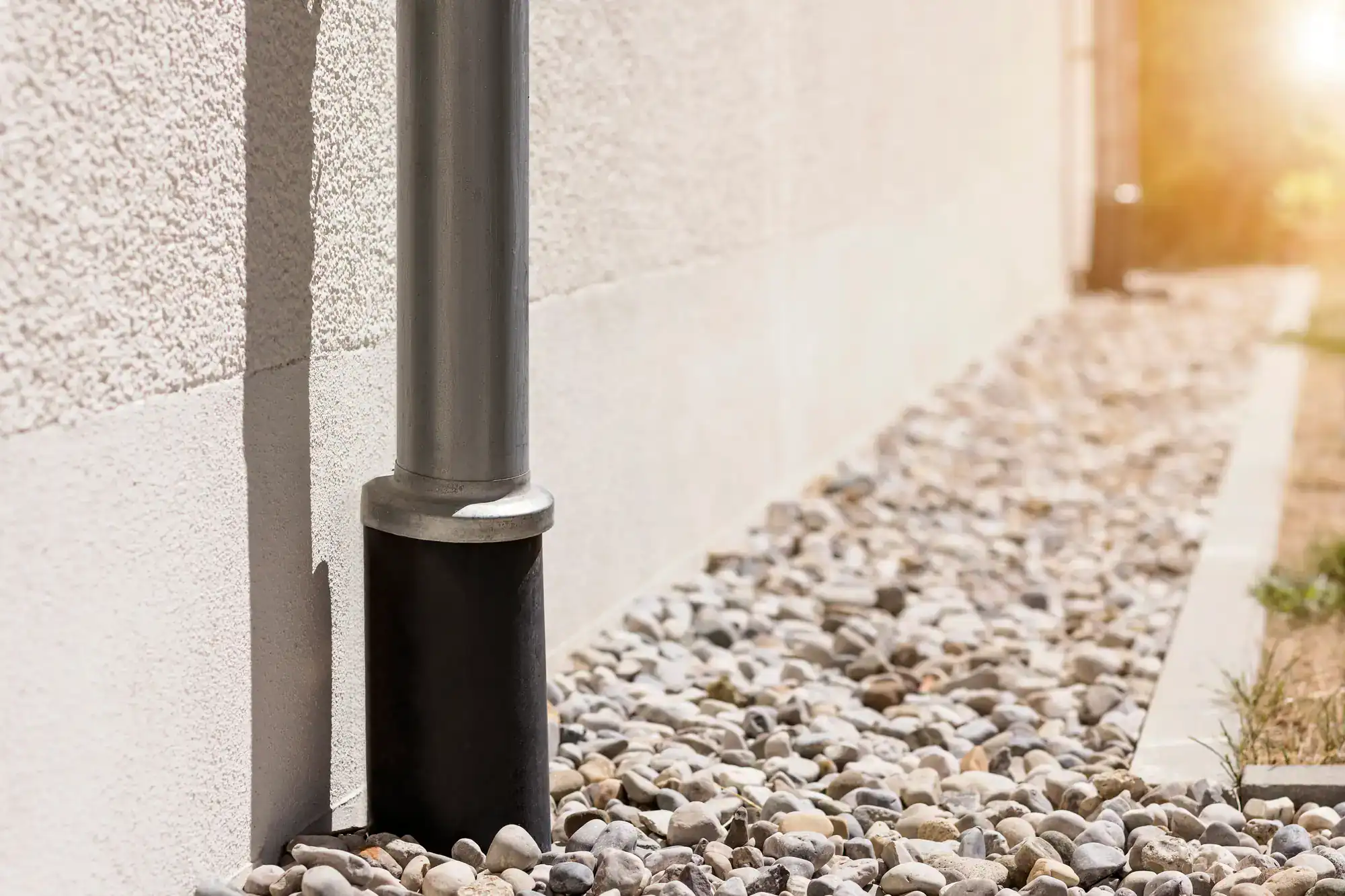
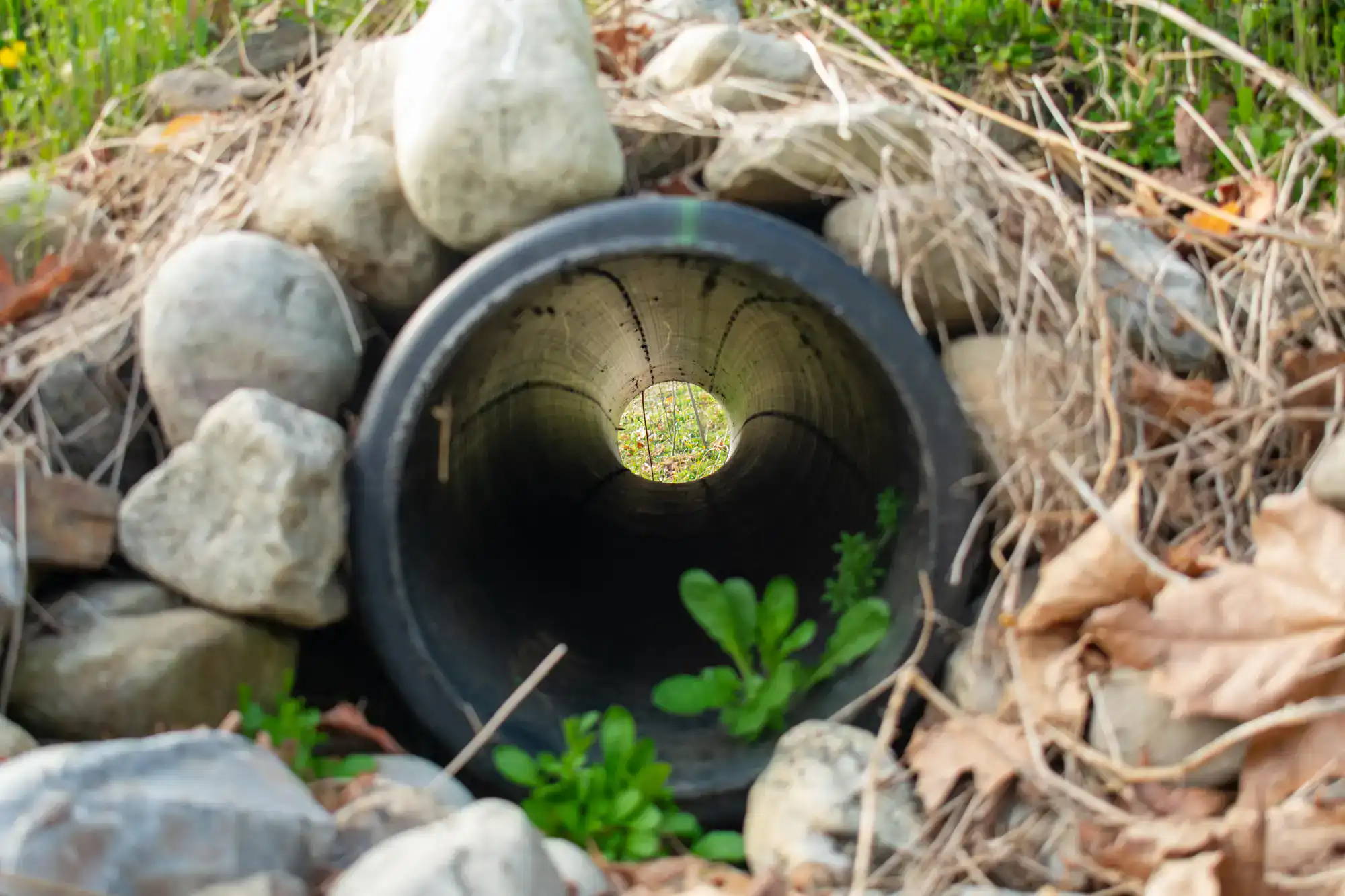
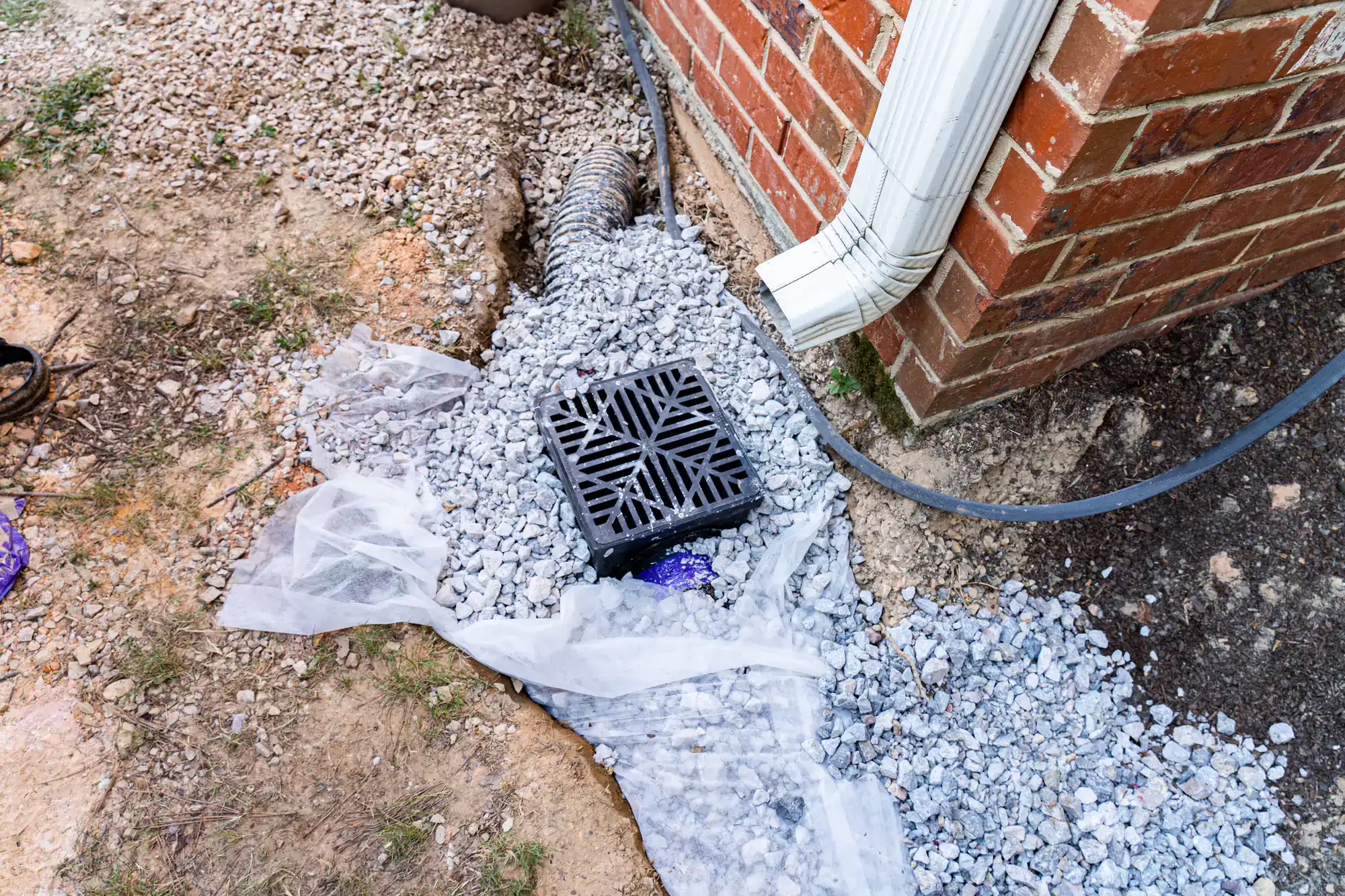
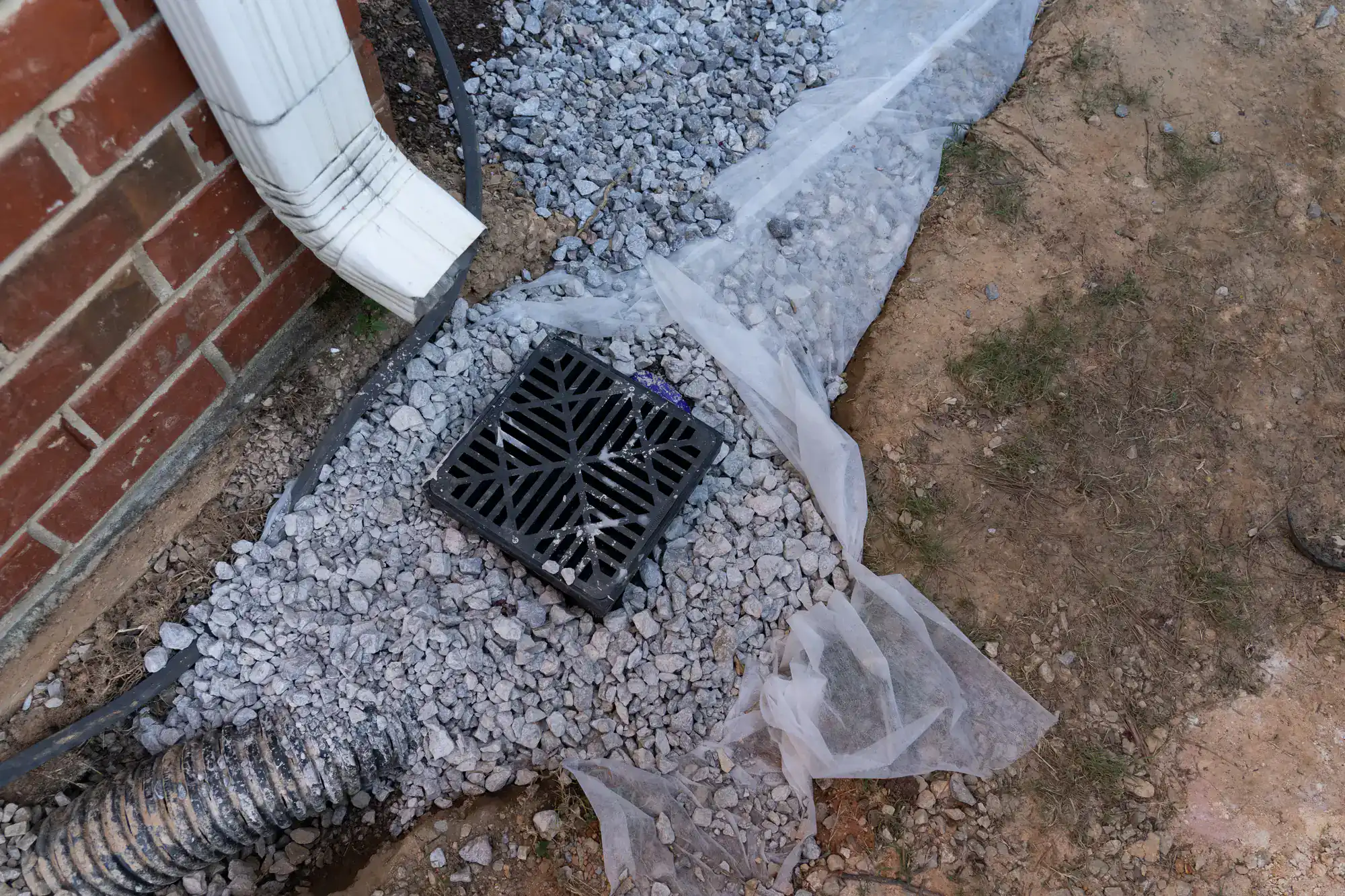
Once the site is cleared and safe, we install the french drain system using rigid perforated PVC pipe, proper geotextile filter fabric, and clean crushed stone — the components that actually determine whether a drain lasts five years or thirty. We calculate slope precisely, route the outlet correctly, and leave the site clean. If you’re in Trappe Borough, we work within the requirements of the local Stormwater Management Ordinance (Chapter 283) and any applicable state regulations, so there are no permit surprises after the fact. When we’re done, you’ll know what was installed, where it runs, and how to maintain it.
Ready to get started?
Most drainage contractors install the pipe and leave. We handle the full picture — environmental testing, french drain installation, mold remediation if it’s needed, and cleanup. For homeowners in Trappe dealing with a wet basement in a home that’s 80, 100, or 150 years old, that matters. Because the drainage problem is rarely the only problem. There’s often mold behind the paneling, deteriorated waterproofing on the foundation walls, or hazardous materials that a standard crew has no credentials to identify or address.
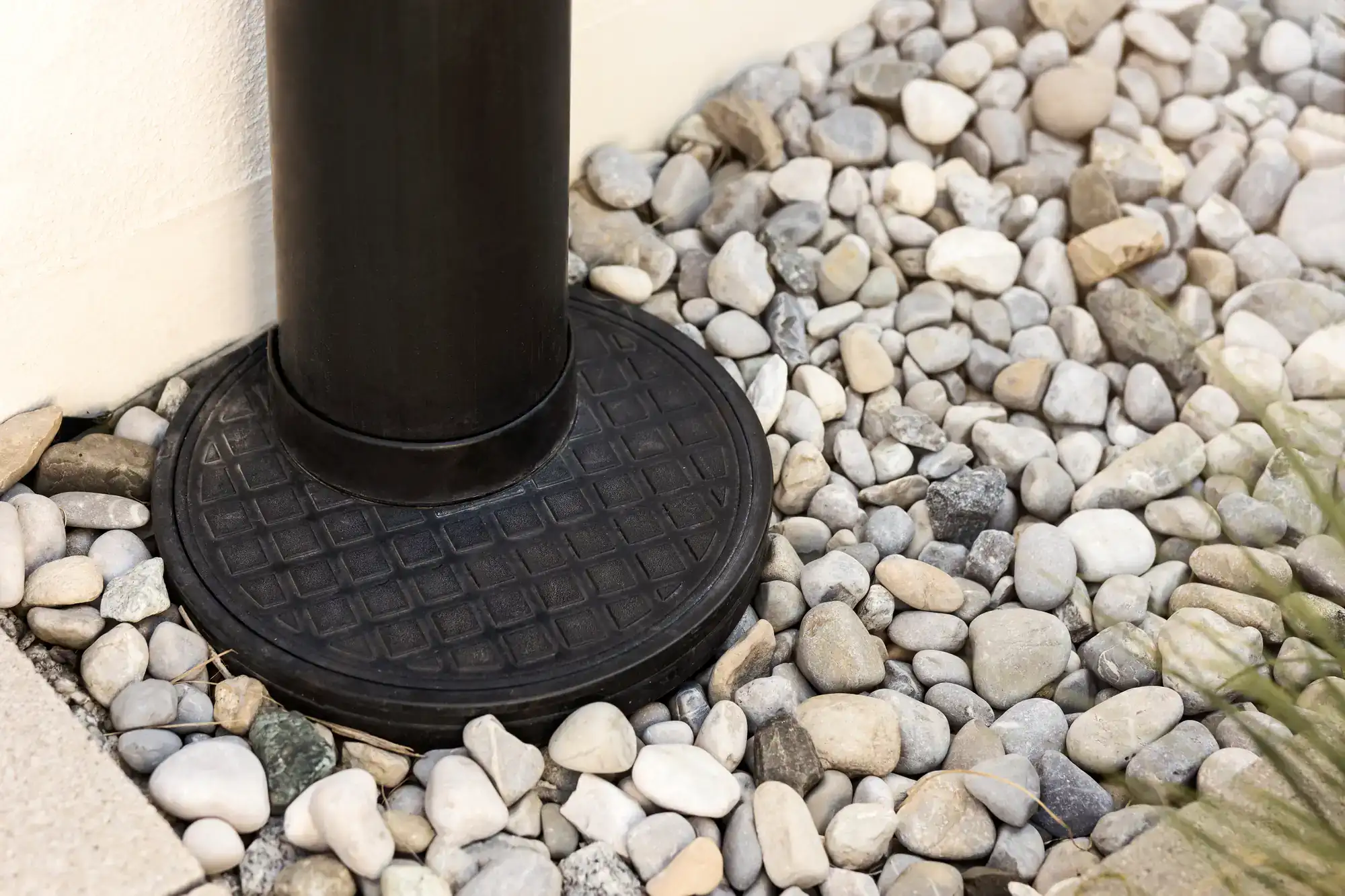
We install both interior and exterior french drain systems depending on what your property actually needs. Exterior systems intercept water before it reaches the foundation — the right choice when grading or yard drainage is the root cause. Interior perimeter drain systems manage water that’s already getting in, routing it to a sump pump and out of the home. In many Trappe properties, especially those in the historic Main Street corridor, we see both issues at once, and we design accordingly.
We also offer french drain cleaning and maintenance for existing systems that have started to slow down or back up — a common issue in systems that are several years old or were installed without proper filter fabric. If you’re not sure whether your current drain is still working, we can assess that too. Free estimates apply across all of it, and cash discounts are available for qualifying jobs.

The most common signs are water appearing along the base of your basement walls after heavy rain, a persistent musty smell that gets worse in spring or after storms, soft or saturated ground in your yard that takes days to dry out, or visible efflorescence — that white chalky residue — on your foundation walls. Any one of these points to a drainage problem that won’t resolve on its own.
In Trappe, the combination of clay-heavy soils and the borough’s position within the Perkiomen Creek watershed makes these symptoms more common than in areas with sandier, more permeable ground. Clay holds water instead of moving it, which means hydrostatic pressure builds against your foundation over time. If your home was built before modern waterproofing standards — which covers a lot of Trappe’s housing stock — there’s likely no original drainage system working in your favor. A free estimate will tell you exactly what’s happening and whether a french drain is the right fix or if something else is driving the issue.
Costs vary based on the type of system, the length of the drain, and what conditions we encounter on your property. Interior perimeter drain systems generally run in the range of $40 to $85 per linear foot. Exterior french drains, which involve excavation around the foundation or through the yard, typically fall between $10 and $50 per linear foot depending on depth and access. A full project for an average-sized home usually lands somewhere between $3,000 and $12,000.
In Trappe and the broader Montgomery County area, a few factors can affect where your project falls in that range. Homes with older stone or rubble foundations sometimes require more careful excavation. Pre-installation environmental testing — which we conduct as a standard step on any home that may contain lead paint or other hazardous materials — is included in our process. We also offer cash discounts on qualifying jobs, which can meaningfully reduce the final number. The clearest way to know what your specific home will cost is to schedule a free estimate — there’s no obligation and no pressure involved.
An exterior french drain is installed outside the foundation, typically in a trench dug along the perimeter of the home or through the yard. It intercepts groundwater and surface runoff before it ever reaches your foundation walls. This is the better long-term solution when the source of the problem is water pooling in the yard or saturating the soil around the house — which is a very common scenario in Trappe given the clay soil composition and the watershed’s tendency to push groundwater levels up after heavy rain events.
An interior french drain system is installed inside the basement, usually along the perimeter of the floor. It doesn’t stop water from entering the foundation — instead, it captures water that gets in and routes it to a sump pump, which then discharges it away from the home. Interior systems are often used when exterior excavation isn’t practical, when the water source is coming through the foundation itself rather than from the yard, or when a homeowner needs a faster or less disruptive solution. In many older Trappe homes, both systems are needed, and we’ll tell you that honestly rather than recommending one when two are warranted.
Potentially, yes. Trappe Borough has a codified Stormwater Management Ordinance — Chapter 283, adopted in 2014 — that governs how stormwater is managed on private property. Depending on the scope of the work, particularly for exterior installations that involve significant excavation or that alter how water flows off your property, a local permit may be required. Pennsylvania’s state-level regulations under Act 167 and DEP Chapter 102 can also apply to earth disturbance activities above a certain threshold.
This is one of the reasons working with a fully licensed contractor matters. We’re familiar with Trappe Borough’s requirements and the state-level framework that applies to drainage work in Montgomery County. We handle the compliance side so you don’t end up with a code violation or an insurance issue down the road. If a permit is required for your project, we’ll tell you upfront — it’s part of what a thorough estimate covers, and it won’t be a surprise after the work is done.
This is one of the most common questions we hear, and the answer usually comes down to one of a few things: changes in the surrounding landscape, increased impervious surface in the area, or a gradual deterioration of whatever drainage your home originally had. In the Perkiomen Creek watershed, which includes Trappe and the surrounding communities, decades of development have reduced the amount of open land that naturally absorbs rainfall. When that land gets paved over or built on, the runoff has to go somewhere — and it often ends up pushing into older foundations that were never designed to handle that volume.
Climate patterns have also shifted. The Perkiomen watershed has logged more than 31 flooding events at the Graterford gauge since 2000 alone. More intense rain events mean more water hitting the ground faster than the soil can absorb it, especially in areas with heavy clay content. If your home handled rain fine for 30 years and is now getting wet, the problem isn’t your house getting weaker — it’s the conditions around it getting harder. A properly designed french drain system addresses that directly by giving the water a controlled path away from your foundation.
Because in a borough like Trappe, where homes along Main Street date back to the 18th and 19th centuries, the soil around older foundations can carry real environmental risk. Lead-based paint was used on virtually every home built before 1978 — and in Trappe, plenty of homes predate that by a hundred years or more. Over decades of exterior weathering and past renovation work, lead can accumulate in the soil directly adjacent to the foundation. When a contractor excavates that soil without testing it first, they can disturb lead-contaminated material and bring it to the surface, where it can be tracked indoors, contacted by children in the yard, or inhaled during the installation process.
As Certified Lead Inspectors and Risk Assessors operating under EPA and HUD guidelines, we test before we dig. It’s not an upgrade or an optional add-on — it’s a standard part of how we work on any property where the risk exists. No drainage contractor in the immediate Collegeville-Trappe area holds these credentials. For a homeowner in a historic Trappe property, that distinction is the difference between a drainage installation that’s actually safe and one that creates a hazard no one warned you about.
Other Services we provide in Trappe