Hear from Our Customers
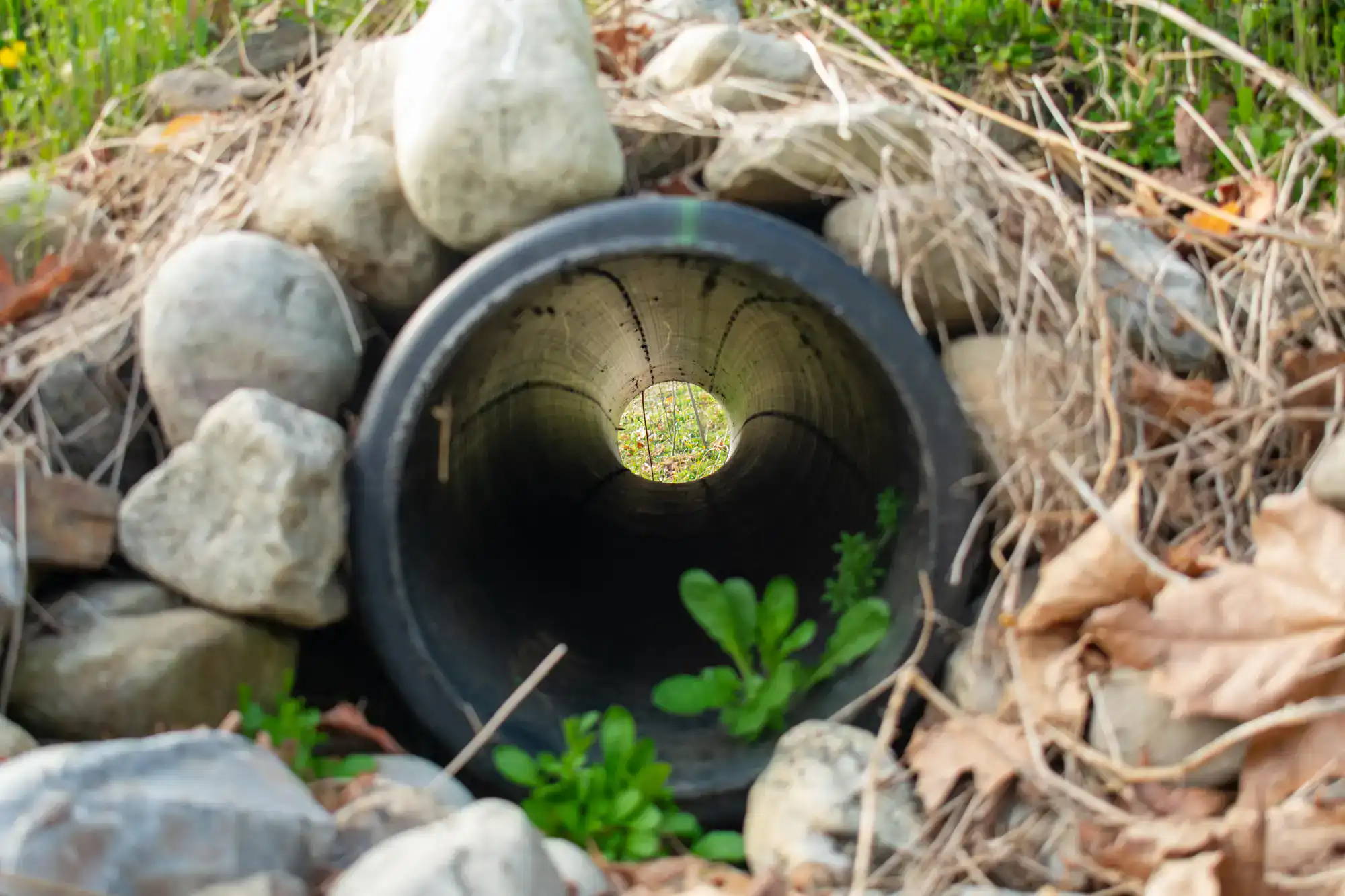
If water keeps finding its way into your basement after a heavy rain, it’s not bad luck — it’s hydrostatic pressure doing exactly what physics says it should. The ground around your foundation gets saturated, and the water has nowhere to go but through the path of least resistance. In Glenside, that path is usually a 1920s or 1930s stone foundation that was never designed to hold back modern stormwater volumes.
A properly installed french drain system redirects that water before it ever reaches your walls. You get a basement that stays dry through spring snowmelt, summer thunderstorms, and the kind of back-to-back rain events that have had Cheltenham Township running flood mitigation programs since 1952. That’s not a small thing when your home is worth over half a million dollars and you’re trying to protect it.
Beyond the basement itself, a working drainage system protects your foundation from long-term deterioration, keeps moisture out of walls where mold takes hold quickly, and makes your finished or soon-to-be-finished lower level actually livable. In Glenside, where homes are tightly spaced and lot grading matters, getting the drainage right the first time is the difference between a solved problem and a recurring one.
We’ve been working on homes throughout Montgomery County for over twenty years. That includes a lot of homes in Glenside — the kind built in the 1930s and 1940s near Keswick Village, with stone foundations, plaster walls, and decades of deferred moisture management. We know what’s in those walls. We know what’s in that soil. And before we touch any of it, we check.
That’s the part most drainage contractors skip. We hold Certified Lead Inspector and Risk Assessor credentials under EPA and HUD guidelines, which means we test for lead and environmental hazards before excavation begins — not after something turns up. In a neighborhood where the majority of homes predate 1978, that’s not a bonus service. It’s just the responsible way to do the job.
We’re fully licensed, bonded, and insured, and we handle everything in-house: drainage installation, mold remediation, and cleanup. No referrals to separate specialists. One call, one crew, one complete job.
It starts with a free on-site assessment. We come out, look at where the water is entering, evaluate your grading and soil conditions, and figure out whether an interior drain, exterior drain, or a combination of both makes the most sense for your property. In Glenside, where homes sit on relatively small lots with clay-heavy soil and high impervious surface coverage, the drainage plan often needs to account for both foundation pressure and surface runoff — those aren’t always the same problem.
From there, we walk you through exactly what we’re going to do and why. If your home was built before 1978 — which most homes near Easton Road and throughout the Cheltenham Township side of Glenside were — we conduct environmental testing before any excavation begins. That step protects you, your family, and our crew. Because Glenside straddles both Cheltenham and Abington Township, we also handle the applicable permit requirements for your specific address, so you’re not navigating two municipal codes on your own.
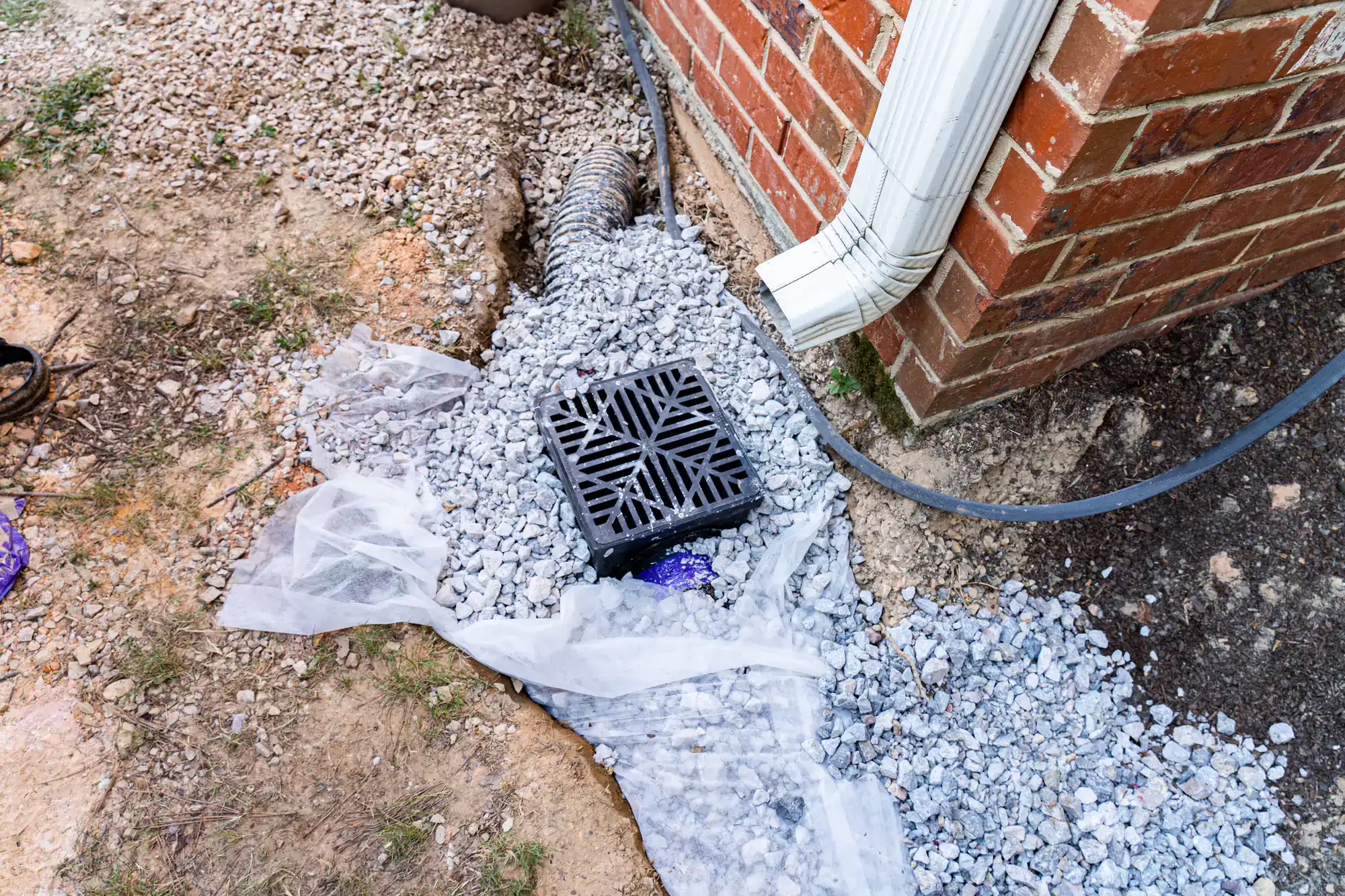
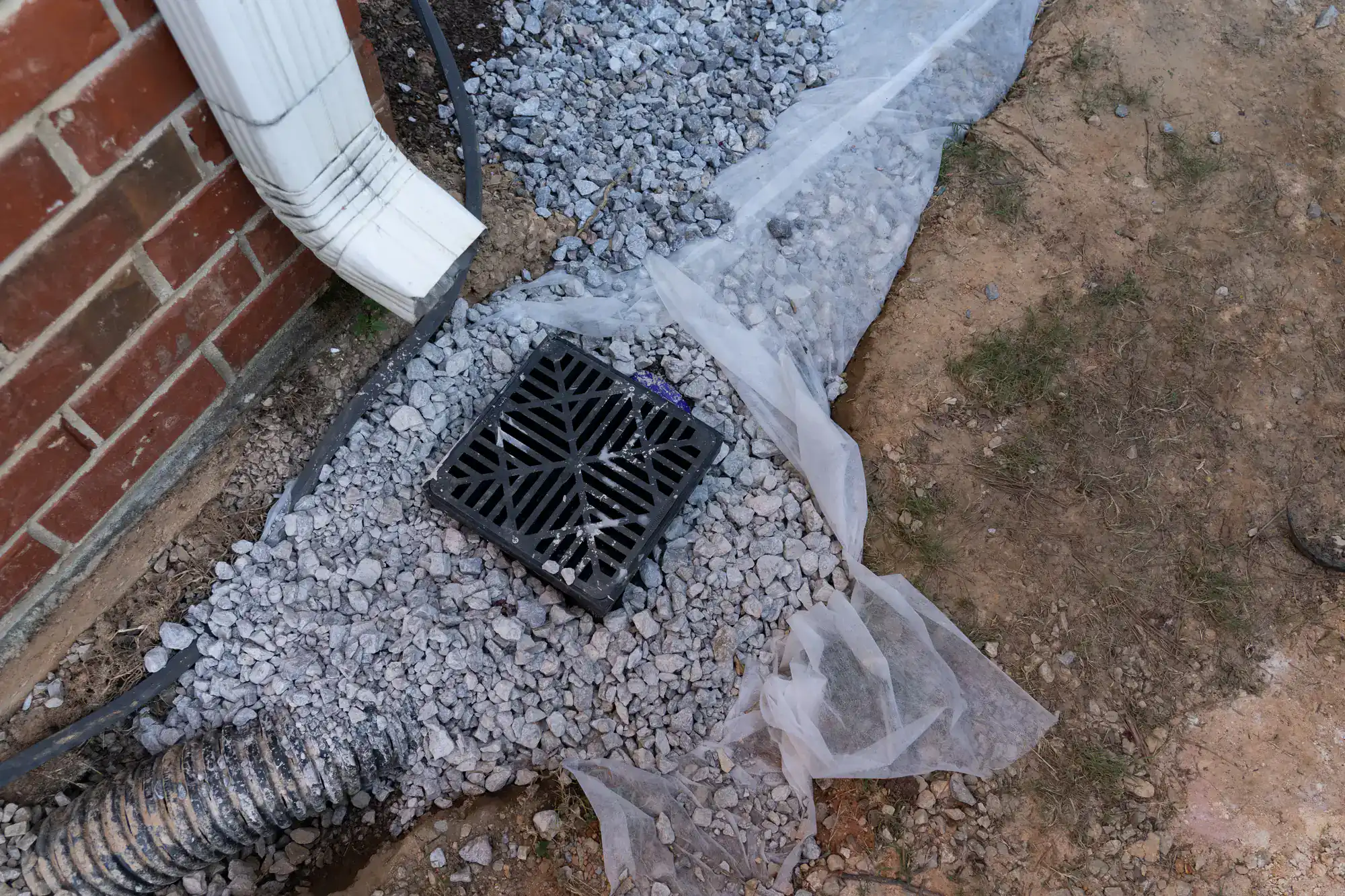
Once the work starts, we install perforated PVC pipe bedded in clean crushed stone, wrapped in geotextile filter fabric to keep soil out of the system long-term. Everything is graded to drain properly and outlet correctly. When we leave, the job is done — not handed off to someone else to finish.
Ready to get started?
The french drain systems we install are built to last 30 to 40 years when done correctly. That means rigid perforated PVC pipe — not the cheap corrugated flex tubing that collapses and clogs within a few years — properly sloped at a minimum one percent grade, seated in clean crushed stone, and protected by geotextile fabric that keeps fine soil particles from infiltrating the system over time. The outlet is sized and positioned to handle the actual volume your property generates, not just whatever was easiest to run.
For Glenside homeowners dealing with chronic basement moisture, we also assess whether a sump pump should be integrated into the system. Interior french drains that channel water to a sump basin are often the right call for homes where exterior excavation is limited by lot size or mature landscaping — both common scenarios in the denser blocks near the Glenside SEPTA station and throughout Keswick Village.
Because most homes here were built before environmental regulations existed, every project includes a pre-work hazard assessment at no additional charge. If we find lead, mold, or asbestos during the process, we handle it — same crew, same visit, no referrals. That’s the part of working with us that’s genuinely different from calling a standard waterproofing company. You get drainage expertise and environmental certification under one roof, which in a neighborhood like Glenside, matters more than most homeowners realize until they’re already mid-project.

Yes, and it’s more documented than most people realize. The U.S. Army Corps of Engineers has formally studied the Tookany Creek watershed and noted that urbanization in Cheltenham Township has led to increased stormwater runoff and reduced carrying capacity in the creek. That’s not background trivia — it’s the reason Cheltenham Township built a levee on Brookdale Avenue back in 1952 and why the township still runs an active flood control program today.
What that means for your Glenside basement is that the ground around your foundation is dealing with more water more often than it was designed to handle. When the watershed gets saturated after a heavy rain, hydrostatic pressure builds against your foundation walls — especially in older stone and block foundations that were never built with modern waterproofing standards in mind. A properly installed french drain system intercepts that water and redirects it before it reaches your walls. It’s not a guarantee against every flooding scenario, but it addresses the most common cause of chronic basement moisture in this specific area.
Most french drain installations fall somewhere between $1,650 and $12,250, with a national average around $5,000. Where your project lands in that range depends on whether you need an interior system, an exterior system, or both — and how much excavation is involved. In Glenside, where many homes have mature landscaping, limited lot depth, and older foundations that require careful handling, exterior installs can run toward the higher end of that range.
That said, the more useful number to keep in mind is what water damage actually costs. FEMA data shows that just one inch of water in a home can cause $25,000 in damage. In a community where the median home sale price recently crossed $520,000, a properly installed drainage system is a relatively small investment to protect a significant asset. We provide free, itemized estimates so you know exactly what’s involved before you commit to anything — no pressure, no guesswork.
It depends on which part of Glenside you’re in, and that’s a detail that catches a lot of homeowners off guard. Glenside is one of the few communities in Montgomery County that straddles two separate townships — Cheltenham Township covers the southern portion, and Abington Township covers the northern portion. Each municipality has its own building department and its own permit requirements for foundation-adjacent excavation and drainage work.
For most interior drainage projects, permits may not be required. But exterior excavation near your foundation — which is what an exterior french drain involves — typically requires a building or excavation permit through whichever township governs your address. Cheltenham Township also has active stormwater management regulations given the documented Tookany Creek flooding history, and work that affects how stormwater drains off your property may require additional review. We handle the permit process as part of the job, so you’re not left figuring out which township you’re in or which form to file.
It can be done safely, but it requires the right preparation — and that’s where most standard drainage contractors fall short. Homes built in the 1930s in Glenside almost certainly contain lead-based paint. Pennsylvania health data puts the likelihood at 87% for homes built before 1940. That lead can be in the paint on your basement walls, in the soil immediately surrounding your foundation, or in both. When excavation begins, that material gets disturbed — and if the contractor isn’t certified to handle it, you have a problem.
We hold Certified Lead Inspector and Risk Assessor credentials under EPA and HUD guidelines. Before any excavation begins on a pre-1978 home, we test for lead and other environmental hazards. If we find something, we handle it in-house mold remediation, asbestos testing — all under the same certification umbrella. We also use HEPA filtration systems on job sites where hazardous materials may be present. For a 1930s home in Glenside, that’s not an optional precaution. It’s the standard we hold ourselves to on every project.
An exterior french drain is installed around the outside perimeter of your foundation. It intercepts groundwater before it builds up pressure against your walls and redirects it away from the house. This is the most effective long-term solution when the water source is primarily subsurface — saturated soil pressing against your foundation after a rain event. The downside is that it requires excavation around the perimeter of your home, which can be disruptive and more expensive depending on your landscaping and lot conditions.
An interior french drain is installed inside the basement, typically along the perimeter of the floor. It doesn’t stop water from entering the foundation wall, but it captures it at the point of entry and channels it to a sump pump before it can spread across your floor. For Glenside homes on smaller lots with mature trees, tight property lines, or limited exterior access — which describes a lot of the older blocks near Keswick Village — an interior system is often the more practical option. In some cases, both systems work together. The right answer depends on where the water is coming from, how much of it there is, and what your property allows. That’s exactly what the free assessment is for.
We do offer cash discounts, and it’s straightforward — cash payments reduce our processing overhead, and we pass that savings directly to you. There’s no complicated qualification process. If you’re paying cash, let us know when you schedule your estimate and we’ll apply it to your quote.
Beyond that, the free estimate itself has real value that’s worth mentioning. A lot of homeowners in Glenside have called other contractors and received wildly different quotes with no explanation for the difference. Our estimates are itemized — you’ll see exactly what’s included, why each component is necessary, and what the total cost covers. That transparency matters in a community where the work involves older homes, potential environmental hazards, and dual-township permit considerations. You shouldn’t have to guess what you’re paying for, and with us, you won’t.
Other Services we provide in Glenside