Hear from Our Customers
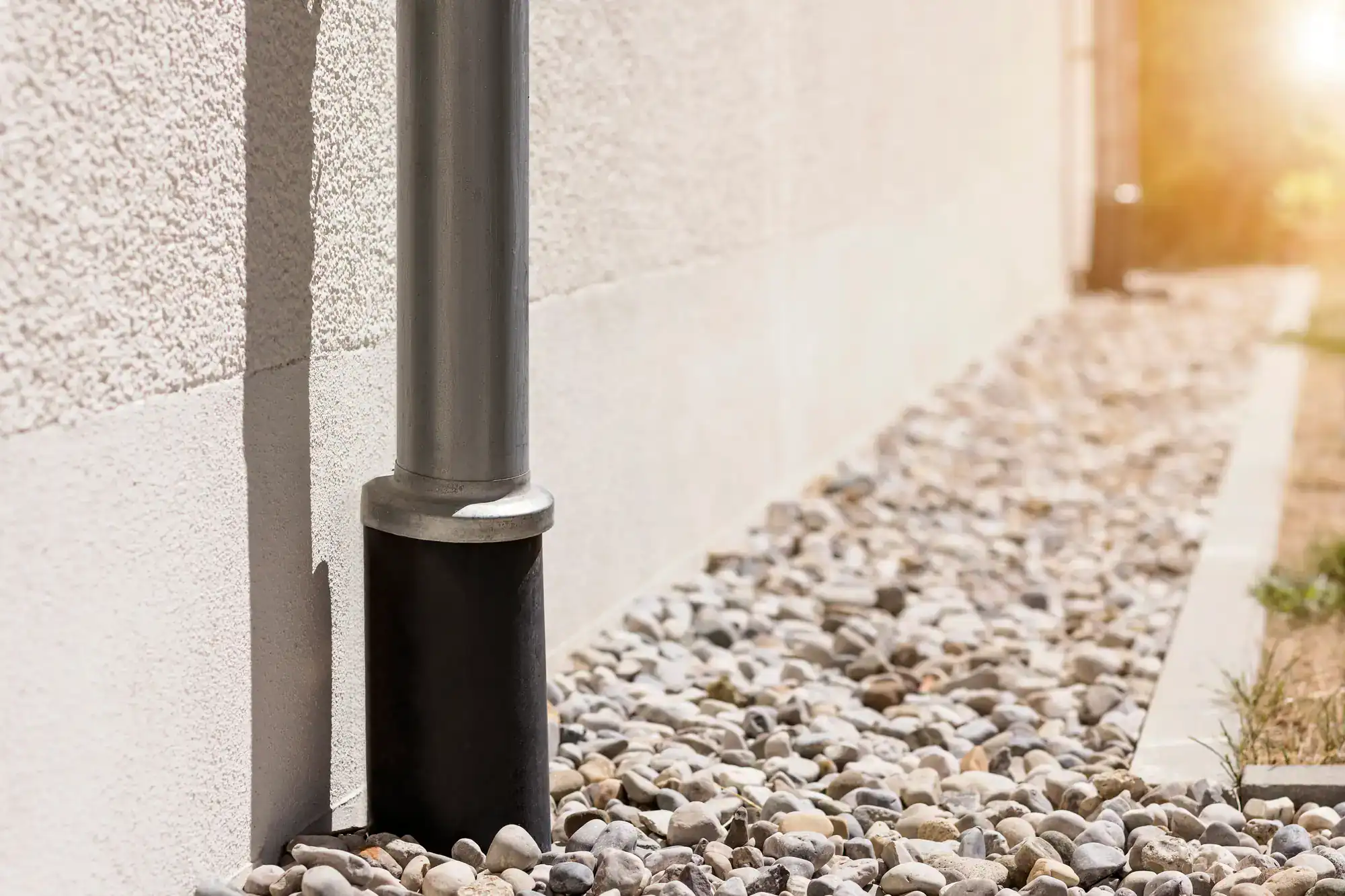
Easttown homes sit on Piedmont clay — and clay doesn’t drain. It holds water against your foundation like a sponge pressed against a wall. Every heavy rain, every spring thaw along the Main Line, that pressure builds. A properly installed french drain system intercepts that water before it ever reaches your foundation walls and routes it somewhere it can’t do damage.
What changes after the work is done isn’t just a dry basement floor. It’s the mold that never gets a chance to grow. It’s the finished basement that stays finished. It’s the home inspector’s report that doesn’t flag moisture intrusion when you’re ready to sell — and in a market where the Tredyffrin-Easttown School District premium drives real estate values, that report matters more than most homeowners realize.
The homes in Easttown span a wide age range, and a lot of them were built during an era when drainage was an afterthought. If your yard slopes toward your foundation, if you’ve got a low-lying lot, or if water seems to find you every time Lancaster Avenue floods after a storm — this is a solvable problem. You don’t have to keep mopping.
We’ve been working on homes throughout Easttown, Chester County, Delaware County, and the broader Main Line corridor for close to twenty years. That’s not a marketing number — it’s how long it actually takes to understand the clay soils, the older housing stock, and the specific drainage patterns that define this part of Pennsylvania.
What makes us different from the other drainage contractors showing up in search results for Easttown isn’t just experience. We’re a certified environmental services firm — meaning when excavation uncovers lead paint, asbestos pipe insulation, or mold in a pre-1978 foundation, we don’t stop and hand you a referral. We handle it. That’s a genuinely rare capability in this market, and it matters in a township where a significant portion of the housing stock predates the EPA’s 1978 lead paint threshold.
We’re fully licensed, bonded, and insured. We provide free estimates. Cash discounts are available. And someone actually answers the phone at 2 a.m. when the nor’easter hits.
It starts with a free estimate — a real walkthrough of your property where the drainage issue gets assessed properly, not guessed at. Before any digging happens, we evaluate where water is entering, how your lot is graded, and where the outlet needs to go. For older homes in Easttown, that assessment also includes a look at what might be present in the soil or along the foundation — lead paint, asbestos, or other materials that need to be handled before excavation begins. That step alone separates our process from what most drainage contractors offer.
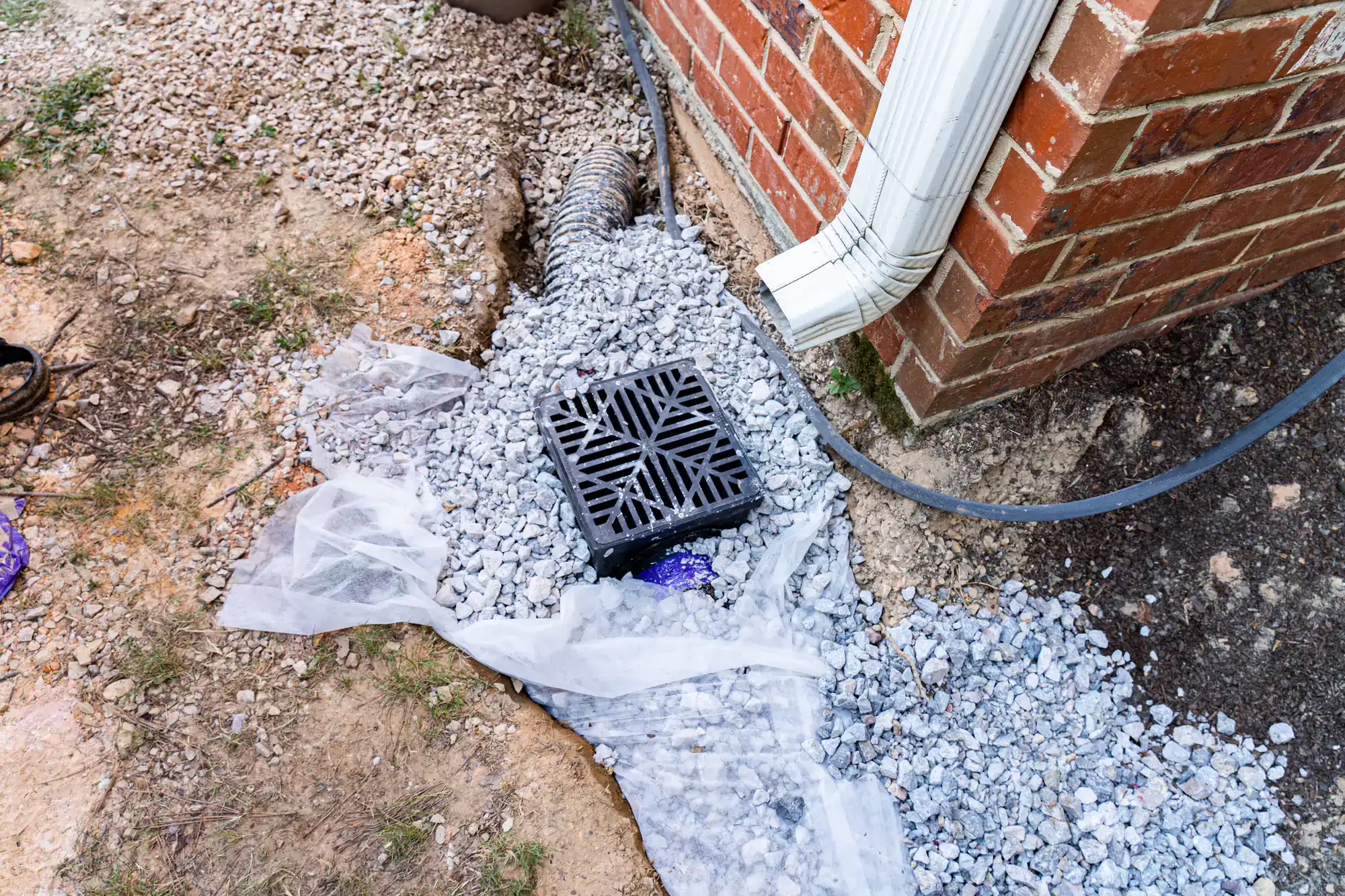
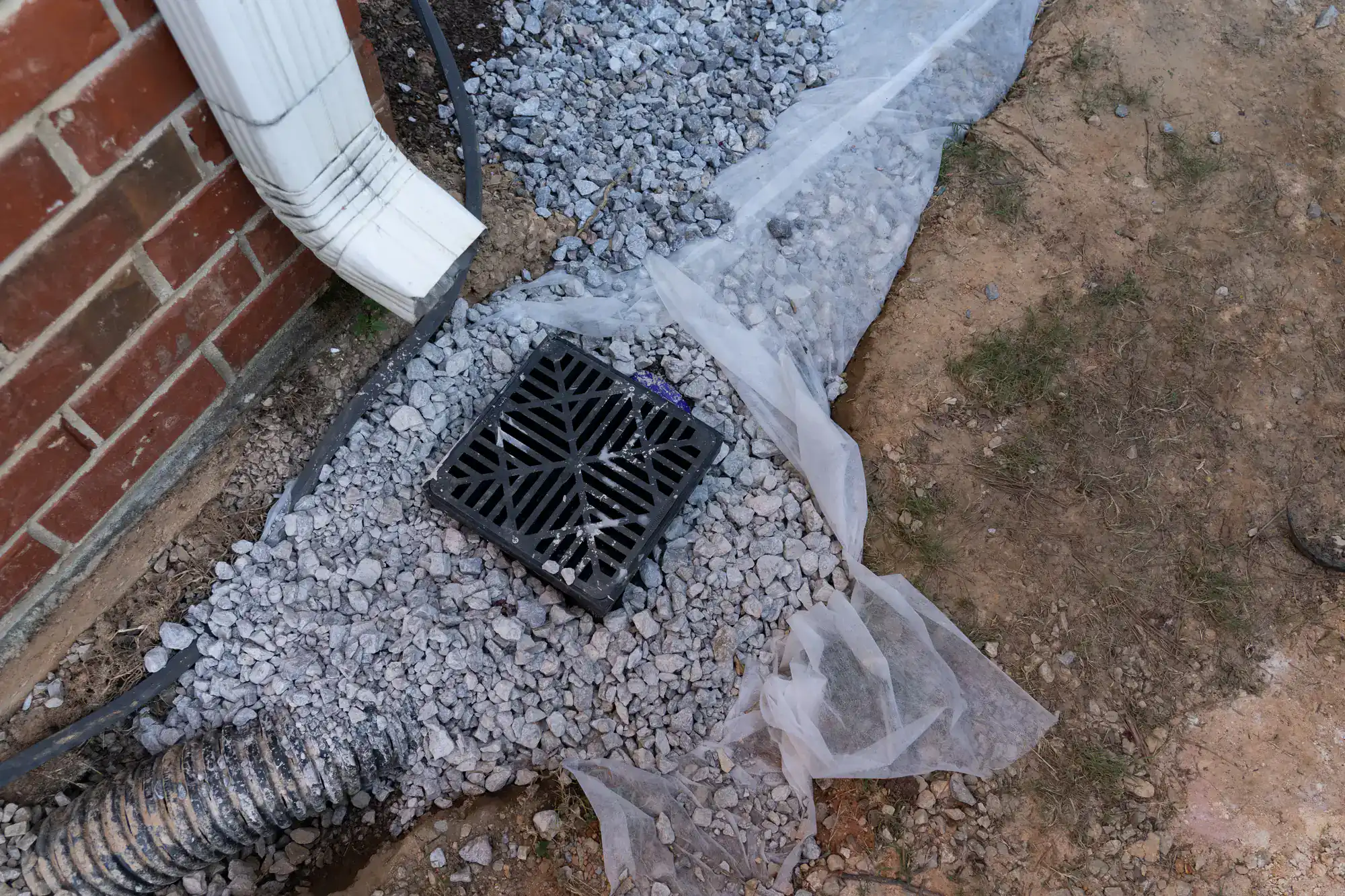
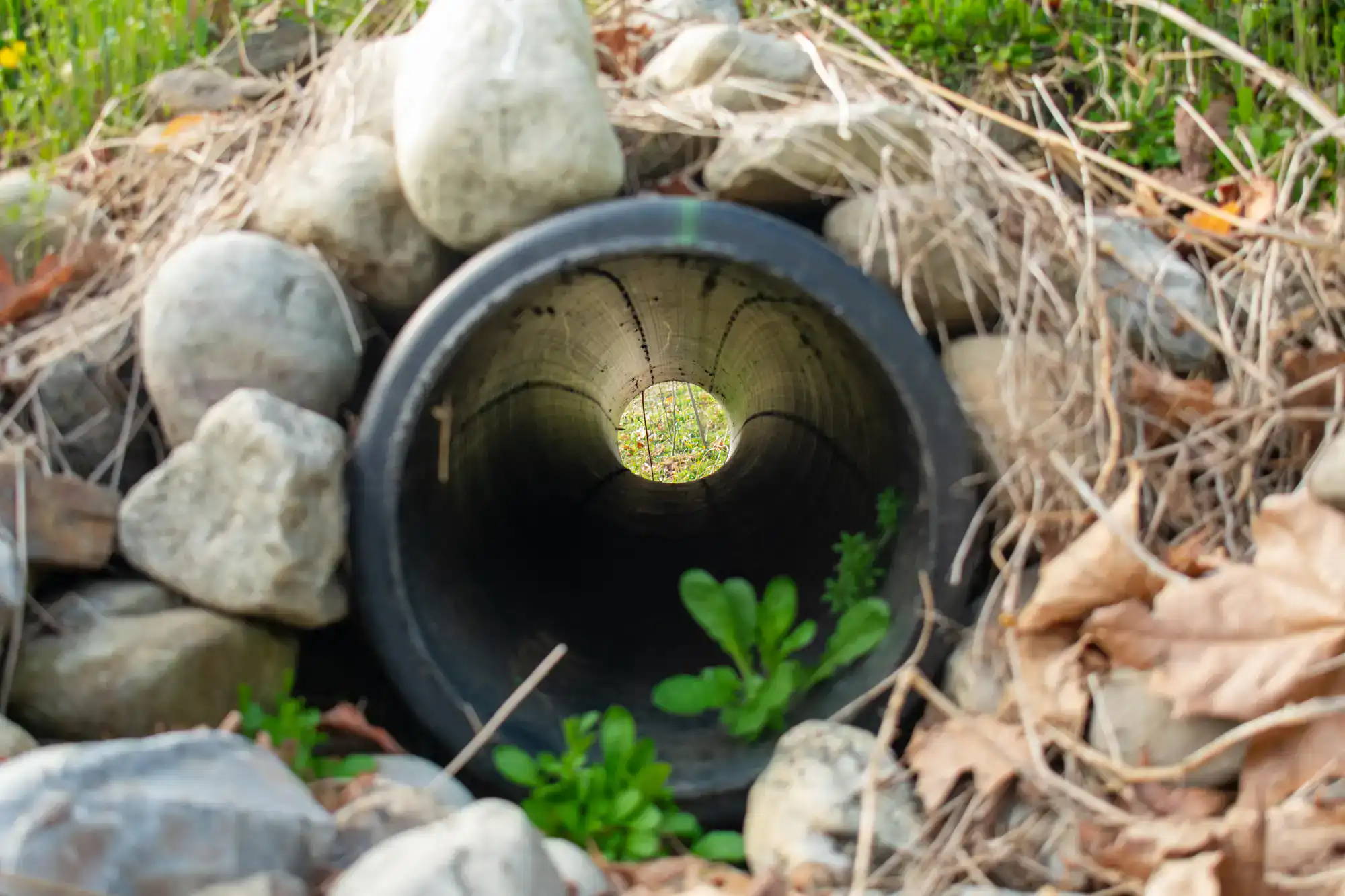
Once the plan is set and any required permits are pulled — Easttown Township’s Chapter 388 stormwater management ordinance governs drainage work that affects impervious surface, and we work within that framework — installation begins. The french drain pipe we use is rigid perforated PVC, not the flexible corrugated tubing that clogs within a few years. It goes in at the correct slope, wrapped in geotextile filter fabric, bedded in clean crushed stone, and routed to a proper outlet. Every component is chosen for longevity, not just to get the job done fast.
After installation, the site is cleaned up, the ground is restored, and you get a system that should perform reliably for 30 to 40 years. No mystery, no shortcuts, no three follow-up contractors needed.
Ready to get started?
French drain installation in Easttown covers both interior and exterior systems depending on where the water problem originates. Exterior french drains intercept surface and subsurface water before it reaches the foundation — ideal for Easttown properties with sloped lots or yards that collect runoff from neighboring properties. Interior french drains manage water that’s already getting through the foundation wall, routing it to a sump pump and out of the house. In some cases, both systems work together.
Because we hold EPA and HUD certifications as a Certified Lead Inspector and Risk Assessor, every project in Chester County includes the ability to test and address environmental hazards as part of the same engagement. No other drainage contractor operating in this market carries that credential. For a home built before 1978 — and there are a lot of them throughout Easttown — that matters. Disturbing lead-contaminated soil or asbestos pipe insulation without proper handling isn’t just a health risk, it’s a liability.
French drain cost in this area typically ranges from $1,650 to $12,250 depending on system length, depth, and complexity. FEMA data shows a single inch of water in a home can cause up to $25,000 in damage. The math on a proper installation isn’t complicated — it’s one of the more straightforward investments you can make in a home valued near $782,000.
It depends on the scope of the work, but the short answer is: possibly yes, and it’s worth knowing before you start. Easttown Township operates under Chapter 388, its formal stormwater management ordinance. Projects that add or alter impervious surface — driveways, patios, grading changes, or drainage modifications near the storm sewer system — can trigger a permit requirement. Specifically, changes involving between 500 and 999 square feet of impervious surface require a Simplified Drainage Approach, and anything over 1,000 square feet requires a standard drainage review by the Township Engineer.
A french drain installation itself may not always hit those thresholds, but associated grading, outlet placement near township infrastructure, or surface modifications often bring the project into review territory. We work within Easttown Township’s regulatory framework and handle the permit process as part of the project — so you’re not left navigating the township engineering office on your own or finding out after the fact that work needs to be redone to meet code.
A properly installed french drain system lasts 30 to 40 years. The operative word is properly. The systems that fail in five years — and there are plenty of them in older neighborhoods throughout Easttown and the Main Line — were typically installed with corrugated flexible pipe, no geotextile filter fabric, or inadequate gravel bedding. Soil infiltrates the pipe over time, the system clogs, and the water problem returns. You paid for a solution and got a delay.
The difference comes down to materials and installation standards. Rigid perforated PVC pipe, the correct grade of clean crushed stone, properly installed filter fabric, and a calculated slope of at least 1% toward the outlet — these aren’t premium upgrades, they’re the baseline for a system that actually performs over time. In a home with a median value approaching $782,000, installing a french drain the right way the first time is simply the better financial decision. The cost difference between a proper installation and a cheap one is a fraction of what you’d spend dealing with a failed system five years from now.
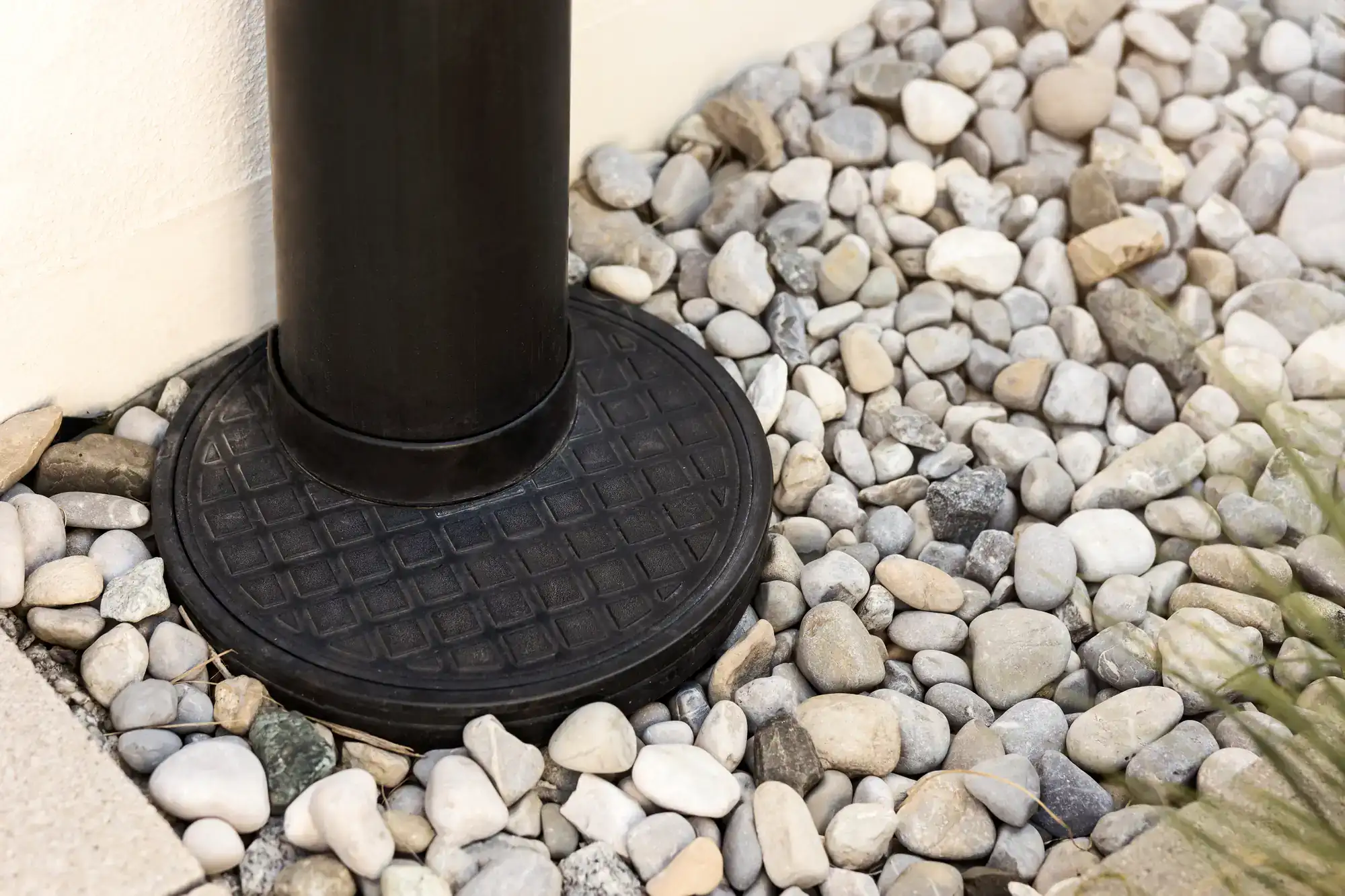
An exterior french drain is installed outside the foundation, typically in a trench dug along the perimeter of the home. It intercepts groundwater and surface runoff before it ever reaches the foundation wall — which makes it the preferred solution when the goal is keeping water away from the structure entirely. For properties in Easttown with sloped terrain, low-lying lots, or significant clay soil buildup along the foundation, exterior systems address the problem at the source.
An interior french drain is installed inside the basement, usually along the perimeter of the floor. It doesn’t stop water from entering the foundation wall — it manages water that’s already getting through and routes it to a sump pump for removal. Interior systems are often the right choice when exterior excavation isn’t practical, when the water intrusion is already well-established, or when a homeowner needs a solution that can be installed year-round regardless of ground conditions. In some cases, the best approach is a combination of both — exterior drainage to reduce hydrostatic pressure and an interior system as a backup. We assess both options during the free estimate and recommend based on what’s actually happening at your property, not what’s easiest to install.
Yes — and this is one of the most underappreciated risks in drainage work on older homes. Any excavation near the foundation of a pre-1978 home can disturb lead-contaminated soil, lead paint that has deteriorated and migrated into the ground over decades, or asbestos materials that were common in pipe insulation and building components of that era. A standard waterproofing contractor has no protocol for this. They dig, they install, and they leave — without any testing, any containment, or any awareness of what they may have disturbed.
We hold a federally recognized Certified Lead Inspector and Risk Assessor credential under EPA and HUD guidelines. Before excavation begins on any older property in Easttown, we can assess what’s present, test if needed, and handle any hazardous materials as part of the same project. HEPA filtration systems are used on-site where airborne risk exists. For families living in Easttown homes built before 1978 — which describes a substantial share of the housing stock in the township — this isn’t a hypothetical concern. It’s a real one, and it’s worth hiring a contractor who can actually address it.
Fall is often the best window for exterior french drain installation in Easttown — specifically September and October, before the ground freezes and while conditions still allow for clean excavation. The clay-dominant Piedmont soils throughout the township become significantly harder to work once temperatures drop consistently below freezing, which can push exterior projects into spring if you wait too long. Getting the work done in fall also means your system is in place and functional before the spring thaw, which is typically when hydrostatic pressure peaks in this region — snowmelt from the rolling terrain around Easttown combining with March and April rainfall to produce the heaviest water load of the year.
Interior french drain systems can be installed year-round since they don’t require outdoor excavation. If you’re dealing with active water intrusion and can’t wait for ideal exterior conditions, an interior system can provide immediate relief while a more comprehensive exterior solution is planned for better weather. We handle both and can advise on timing based on the specific conditions at your property.
Cash discounts are available. It’s a straightforward arrangement — paying in cash reduces processing overhead on both ends, and we pass that back to the customer. For homeowners in Easttown who are already investing in a significant home improvement on a property valued well above the regional average, it’s a practical way to reduce the total cost without cutting corners on the work itself.
Beyond the cash discount, we provide free estimates with full line-item transparency — meaning you know exactly what you’re paying for before you commit to anything. There’s no pressure, no manufactured urgency, and no vague quote that expands after the work starts. For a community of homeowners accustomed to making informed decisions about significant investments, that kind of upfront clarity tends to matter as much as the discount itself. Call anytime — including after hours — to schedule your estimate.
Other Services we provide in Easttown