Hear from Our Customers
Tredyffrin’s housing stock tells a story that spans three centuries — Welsh Quaker farmhouses, post-WWII colonials off Lancaster Avenue, mid-century split-levels near Berwyn, and 1980s townhomes in Chesterbrook. What they all have in common is that renovation or demolition work on any of them carries real risk if the contractor you hire isn’t certified to handle what’s inside the walls. Asbestos in pipe wrap. Lead paint on every surface built before 1978. Mold tucked behind a basement wall that’s been absorbing groundwater from Tredyffrin’s sloped, limestone-heavy terrain for thirty years.
When you hire a crew that’s EPA-certified — not just licensed to swing a hammer — the project moves differently. You don’t get a stop-work order because someone disturbed asbestos without proper containment. You don’t get a surprise mold bill three months after the renovation because the water damage wasn’t fully addressed before the walls went back up. You get a contained, documented, compliant job from day one.
That matters everywhere, but it matters especially here. Homes in the Tredyffrin-Easttown School District carry a premium that buyers pay specifically because of where they are. Any unpermitted work, any unresolved hazmat, any corner cut during demolition — it surfaces at resale. The cost of hiring a certified contractor is a fraction of what it costs to explain a failed inspection on a home worth over a million dollars.
We’re EJS Environmental Services LLC, a Glenside-based environmental abatement and demolition contractor with over twenty years of hands-on experience across Chester, Delaware, Montgomery, Bucks, and New Castle counties. Glenside sits just over the Montgomery County line from Tredyffrin — so when you call, you’re not waiting on a crew driving in from two counties away.
What sets us apart isn’t just the certifications, though those matter. It’s that this is an owner-operated company where a Certified Lead Inspector and Risk Assessor is part of the job — not a name on a wall. That credential goes beyond the basic EPA renovation certification. We can legally inspect, test, and certify lead conditions in your Tredyffrin home, not just remove them. That’s a meaningful difference when you’re dealing with a pre-1978 colonial near Paoli or a historic structure close to Valley Forge National Historical Park.
We’re fully licensed, bonded, and insured. We provide free estimates. Cash discounts are available. And yes — we offer 24/7 phone availability, because water damage in Tredyffrin doesn’t schedule itself around business hours.
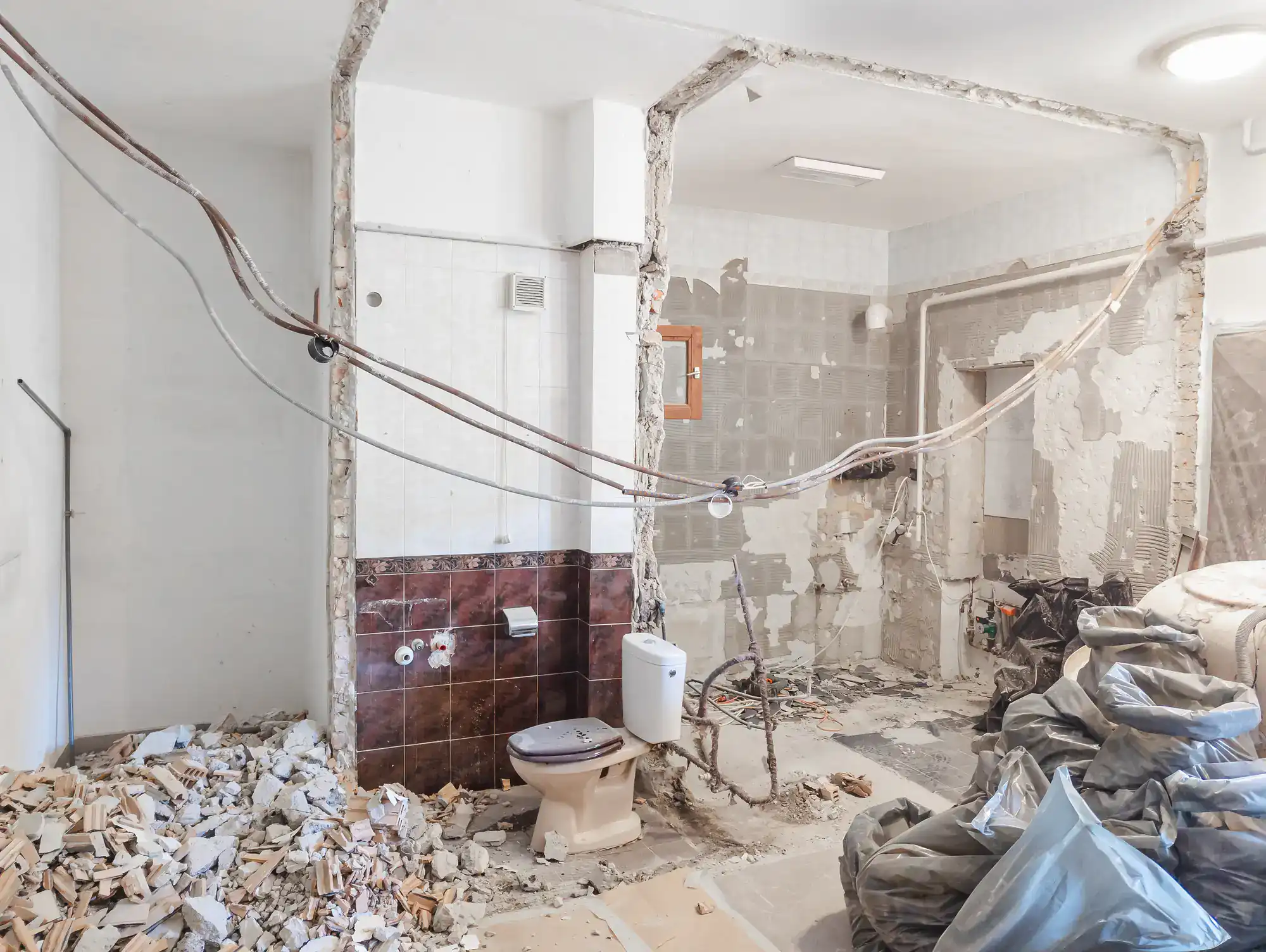
It starts with a free estimate and a real conversation about what you’re dealing with. Whether it’s a gutting project after a basement flood, a full interior demolition before a major renovation, or an emergency response to water damage — the first step is understanding the full scope before anyone picks up a tool.
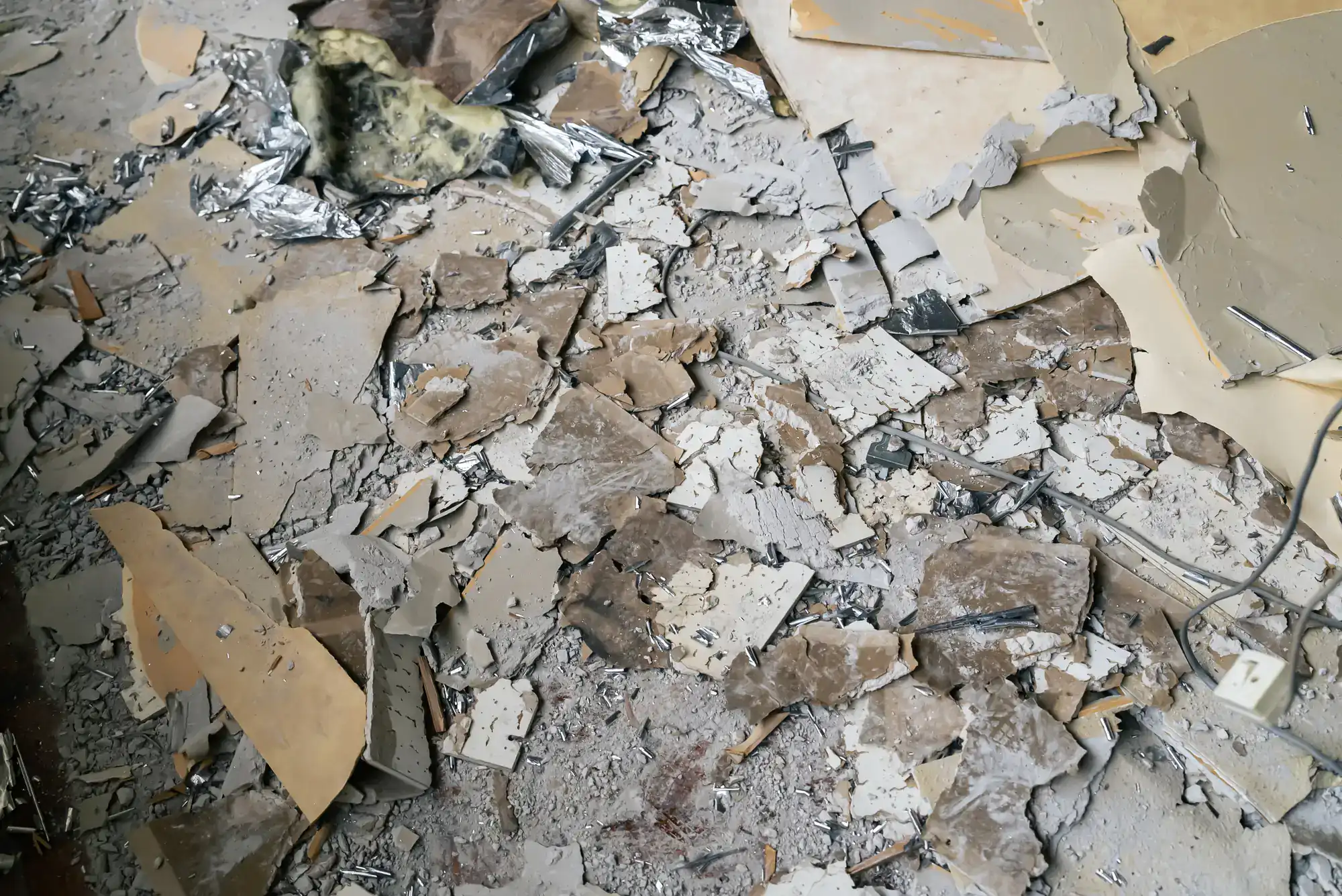
From there, we handle hazmat assessment and testing in-house. If asbestos, lead, or mold is present — and in Tredyffrin’s pre-1978 housing stock, there’s a real chance it is — abatement happens first, under proper containment with HEPA filtration running throughout. Pennsylvania DEP requires notification for asbestos abatement projects involving friable materials, and we handle that notification process on your behalf. Tredyffrin Township also requires a building permit for demolition work, submitted through the Permits and Inspections Department. We navigate that process so you don’t have to track down forms or figure out what the 2018 International Building Code requires for your specific project.
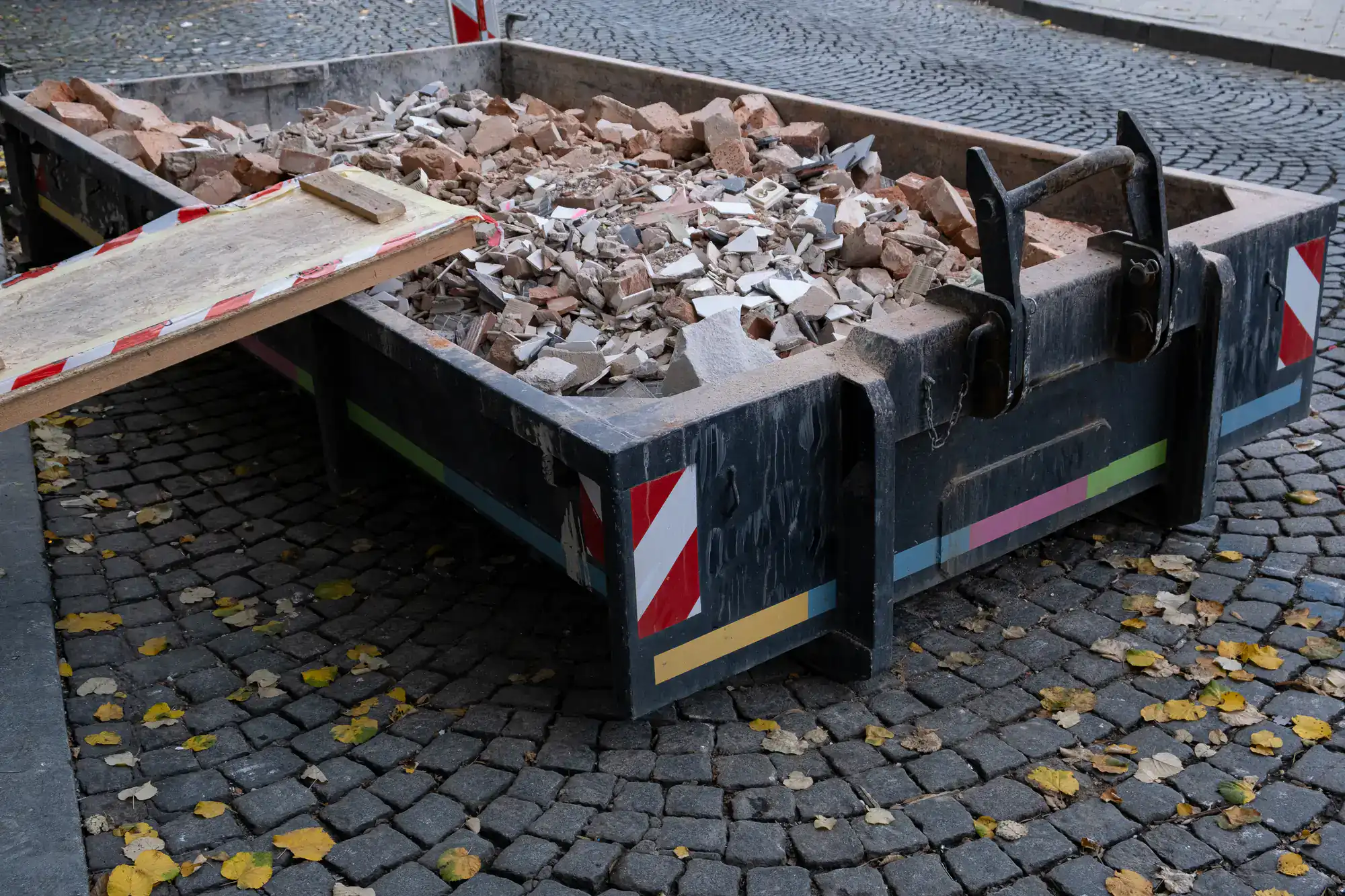
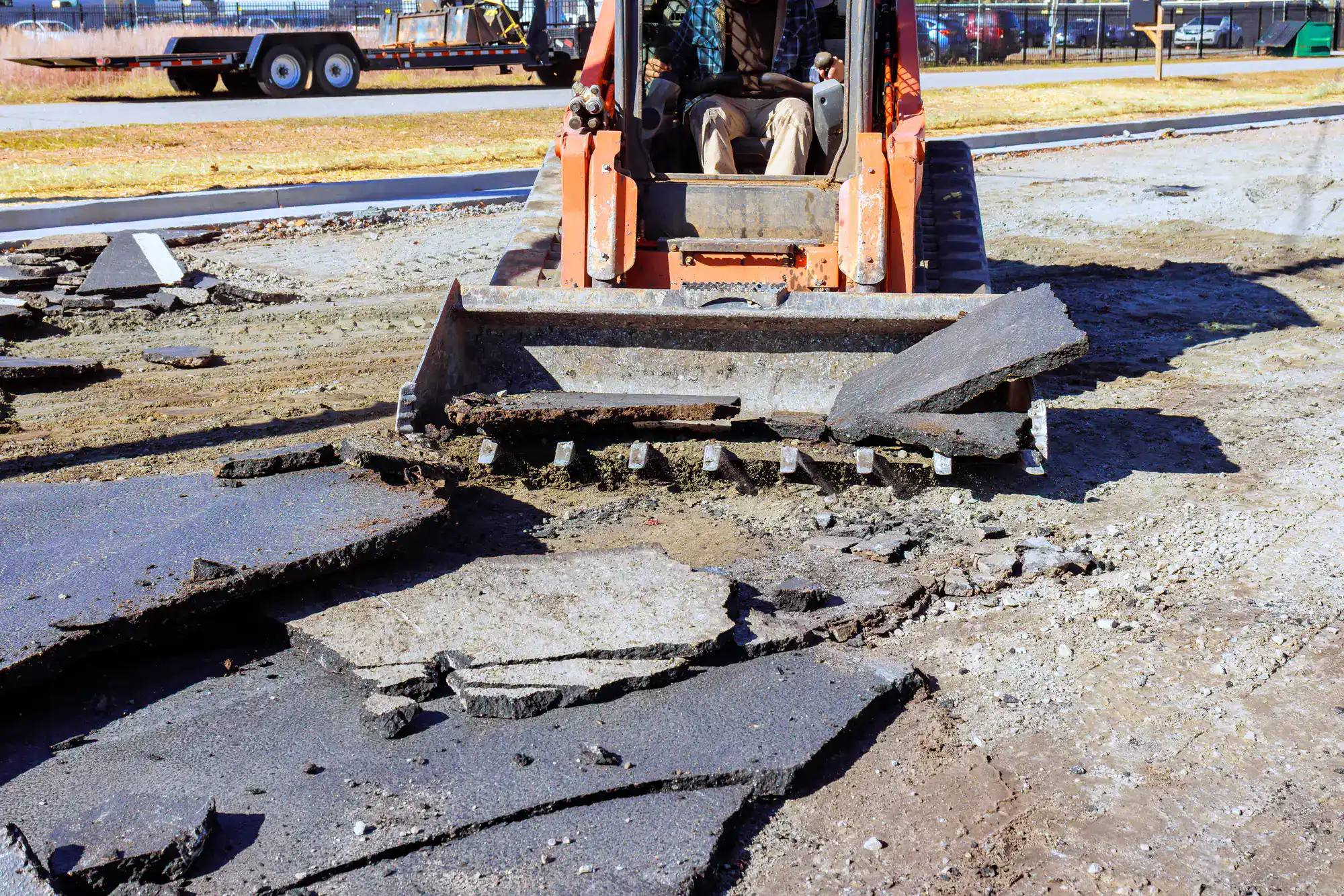
Once abatement is cleared and permits are in place, demolition proceeds — selectively or fully, depending on what the job calls for. Debris removal and site cleanup are part of the job, not an add-on charge at the end. If waterproofing or restoration work is needed after the demo, that stays under the same roof too. One company, one timeline, one point of contact from the first call to the final walkthrough.
Ready to get started?
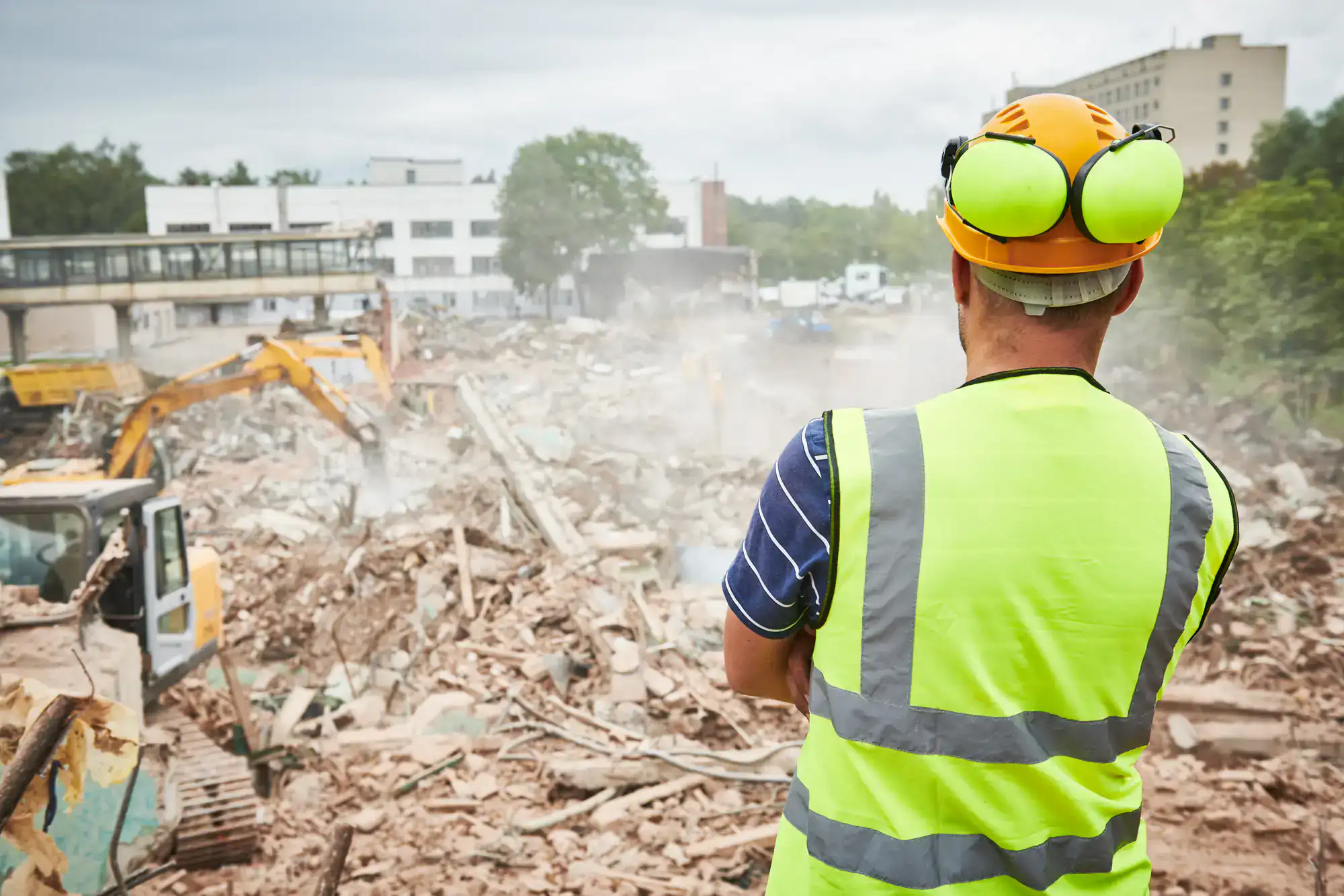
We handle the full range of residential and commercial demolition work in Tredyffrin and across Chester County — interior gutting, selective demolition, full structural teardown, and emergency demolition response when water damage or structural failure can’t wait. The one-stop model exists because the alternative — coordinating a mold tester, an asbestos firm, a demo crew, and a waterproofing contractor separately — costs more time and money than most homeowners realize until they’re already in the middle of it.
For Tredyffrin specifically, a significant portion of our work involves pre-renovation hazmat assessment and abatement. Homes in Berwyn, Wayne, Strafford, and Paoli were largely built before 1978, which means asbestos-containing materials and lead-based paint are a realistic part of the picture on nearly any demolition or gutting project. Our EPA and HUD certifications mean that work is handled in compliance with federal requirements — not worked around, not ignored, not left for someone else to deal with later.
Additional services available under the same contract include above-ground oil tank removal, mold remediation, water damage restoration, waterproofing, duct cleaning, radon and water testing, appliance and furnace disposal, and environmental clean-outs. We use HEPA filtration systems on every abatement job to prevent cross-contamination. If your project in Tredyffrin Township involves any combination of these needs, one call covers all of it.

Yes — Tredyffrin Township requires a building permit for any project that involves demolition, alteration, or structural work, including interior gutting. Permit applications go through the township’s Permits and Inspections Department, which administers requirements under the 2018 International Building Code as adopted by the township, alongside Pennsylvania’s Uniform Construction Code. You can reach that office at 610-644-1400 or pe*****@********in.org.
We can pull permits on your behalf, which is exactly what we do. This matters because proceeding without a permit — even on what seems like a straightforward interior job — can result in a stop-work order, fines, or a requirement to undo completed work. It also creates disclosure problems if you sell the home later, which is a real concern in a market where buyers are paying a premium specifically to be in the Tredyffrin-Easttown School District.
Strongly recommended, yes. Homes built before 1980 commonly contain asbestos in pipe insulation, floor tile adhesive, ceiling tiles, joint compound, roofing materials, and HVAC duct wrap — and a 1960s home in Berwyn or anywhere else in Tredyffrin’s older neighborhoods has a realistic chance of containing several of these. You won’t know until it’s tested, and you don’t want to find out after a crew has already disturbed it.
Pennsylvania DEP requires notification before any asbestos abatement project involving friable materials — and as of January 2026, that notification fee increases to $400 for Chester County projects. More importantly, the EPA’s Renovation, Repair, and Painting Rule requires that any contractor working on a pre-1978 home be EPA-certified. We hold EPA Certified Lead Inspector and Risk Assessor credentials, which means the testing, assessment, and abatement all happen under one roof with the documentation to back it up.
In many cases, yes — but with us, you’re not hiring two separate companies. A standard demolition contractor tears things down. An environmental abatement contractor tests for and removes hazardous materials like asbestos, lead, and mold before or during that demolition. In older homes, you typically need both, and the order matters: abatement has to happen before demolition proceeds in affected areas, or you risk contaminating the entire work zone.
The problem with hiring them separately is coordination. Two companies, two schedules, two sets of liability, and a gap in the middle where each one assumes the other handled something. We handle both under the same contract, with a certified professional overseeing the full sequence. For a homeowner in Tredyffrin managing a major renovation on a pre-1978 colonial while working full-time, that’s not a small thing — it’s the difference between a project that runs smoothly and one that stalls for weeks waiting on a second contractor.
It usually starts faster than people expect. Tredyffrin’s hilly terrain and limestone geology create real drainage challenges — groundwater moves quickly down slopes, and basements in older homes along those grades absorb moisture over time. Add a frozen pipe failure in January or a spring thaw that overwhelms a foundation drain, and you can have significant water intrusion before anyone realizes how far it’s spread.
Once water gets into walls, insulation, or subfloor material, the clock starts on mold growth — typically within 24 to 48 hours under the right conditions. At that point, restoration isn’t just drying things out. It means gutting the affected areas down to clean material, treating for mold, and rebuilding from there. We respond to emergency water damage situations and handle the full sequence: assessment, gutting, mold remediation, waterproofing, and restoration. The 24/7 phone availability exists specifically for these situations, because waiting until Monday morning on a flooded basement is not a real option.
We can, yes. Above-ground oil tank removal is part of our service offering, which is relevant in Tredyffrin because a meaningful portion of the township’s older housing stock — particularly homes in Wayne, Paoli, and the areas along Lancaster Avenue built in the mid-20th century — originally used oil heat. When those tanks are decommissioned or when a property is being renovated or sold, proper removal and disposal is required. An improperly abandoned tank creates environmental liability that can follow a property through multiple ownership changes.
Environmental clean-outs fall under the same umbrella — whether it’s a property that’s been vacant, a basement full of old materials that need proper disposal, or a commercial space being cleared before renovation. We handle the sorting, removal, and disposal of regulated materials, appliances, and furnaces as part of a broader demolition or abatement project, so you’re not making separate arrangements for each category of debris.
Yes — we offer cash discounts on qualifying projects, and it works exactly the way it sounds. If you pay in cash, the price reflects that directly. There’s no complicated process around it.
For homeowners in Tredyffrin undertaking significant renovation or demolition projects, this is worth asking about upfront during the free estimate. On a larger job — a full basement gutting, a multi-room abatement and demolition, or a combined water damage restoration and rebuild — the savings from a cash discount can be meaningful. It’s a straightforward pricing option that we pass directly to the customer, and it’s one of the more unusual things you’ll find in a category where pricing is often anything but transparent. When you call for your estimate, just ask — it takes about thirty seconds to find out whether your project qualifies.
Other Services we provide in Tredyffrin