Hear from Our Customers
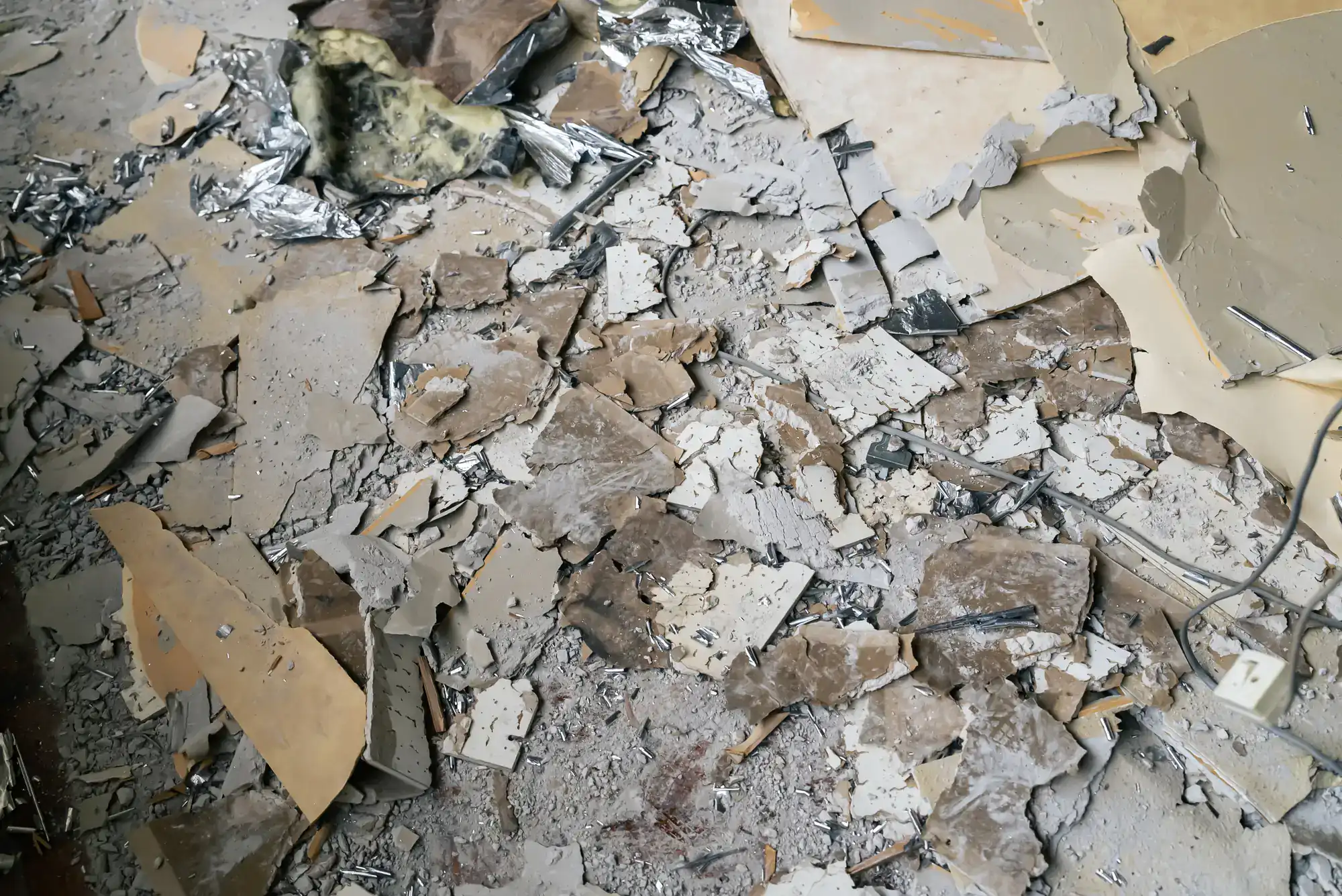
Plymouth Meeting’s housing stock tells a story. Colonials and split-levels built in the 1950s, 60s, and 70s are everywhere in Cold Point, Plymouth Valley, and Harmonville — and almost every one of them has some combination of asbestos-containing materials, lead paint, or both hiding behind finished surfaces. This is the reality of owning a pre-1978 home in this community, and it matters the moment you decide to gut a kitchen, renovate a basement, or tear something down.
What makes the difference isn’t just finding a demolition company near you. It’s finding one that’s federally certified to handle what they find. We hold EPA Certified Lead Inspector and Risk Assessor credentials — not the basic contractor certification most operators carry, but the federal qualification that legally allows us to inspect, test, and certify lead conditions before a single wall comes down. That credential protects you from liability, keeps your project legally compliant, and means you’re not scrambling to find a second contractor mid-job.
And when water damage enters the picture — which it does in Plymouth Meeting more than people expect, especially after a hard spring storm or a January pipe burst — the ability to assess, gut, abate, and waterproof under one roof saves you weeks of coordination and a lot of money. You get one point of contact, one timeline, and one company that sees the whole job through.
EJS Environmental Services LLC is a Glenside-based, owner-operated environmental abatement and demolition contractor with two decades of experience across Montgomery County. We’ve worked in homes throughout Plymouth Meeting and the surrounding townships — older construction, layers of history, and the kind of surprises that only show up once you open a wall.
We’re about 15 minutes from Plymouth Meeting via I-476, which matters when you need someone fast. We know the permit process at Plymouth Township’s Code Enforcement office on Belvoir Road. We understand the difference between a project that falls under Plymouth Township’s jurisdiction and one that crosses into Whitemarsh Township. That’s not something you want to figure out mid-project.
We’re fully licensed, bonded, and insured. We carry EPA and HUD compliance certifications, use HEPA filtration systems on every abatement job, and keep licensed supervision on-site throughout the work. We offer free estimates, cash discounts, and we answer the phone around the clock — because emergencies don’t wait for business hours.
It starts with a free estimate. We come out, walk the property, and assess what you’re working with. For any structure built before 1978 — which covers a significant portion of Plymouth Meeting’s residential housing — that assessment includes identifying potential asbestos-containing materials and lead paint before any demolition begins. This isn’t optional under federal EPA guidelines, and skipping it isn’t something a legitimate contractor does.
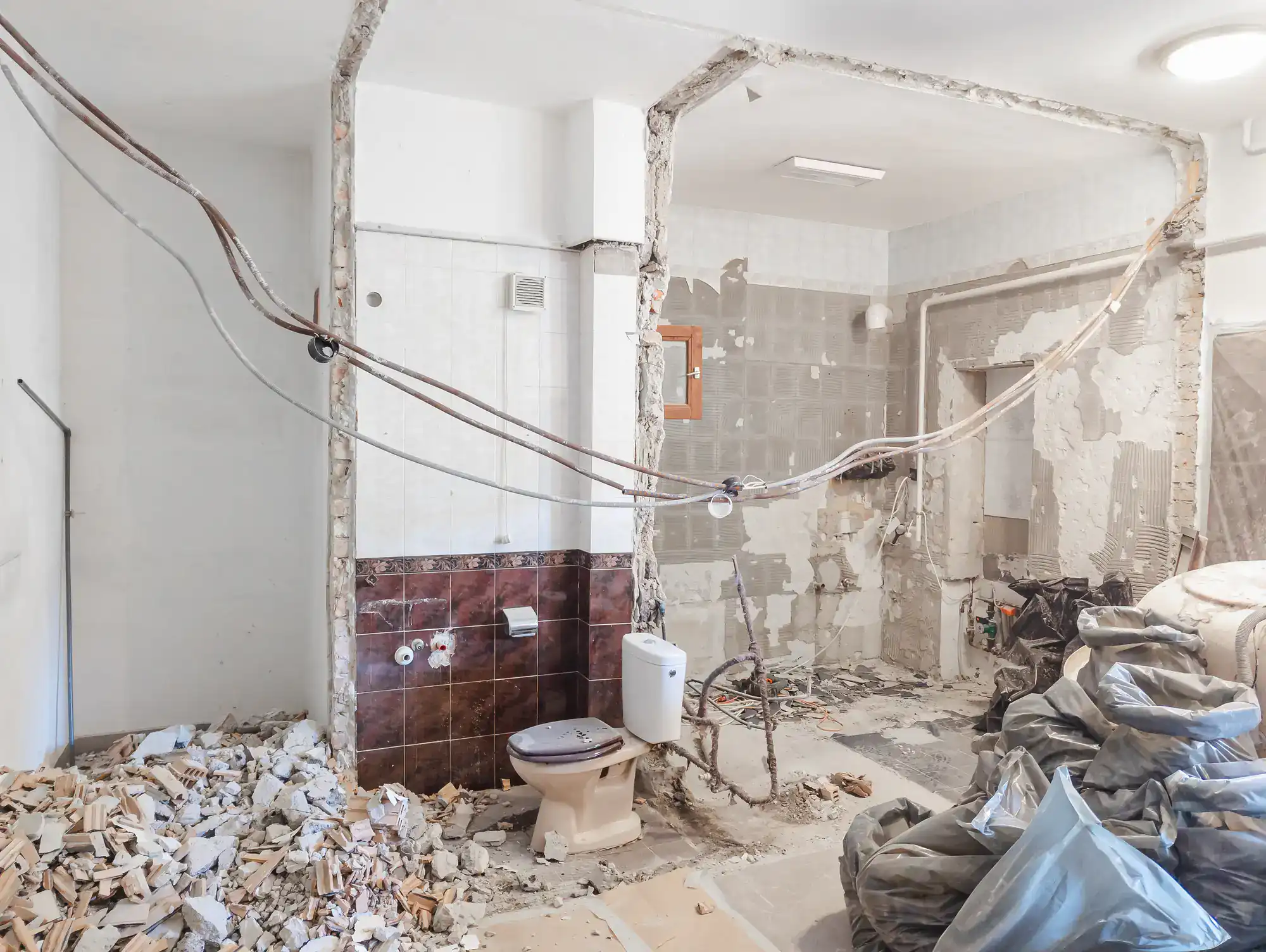
If hazardous materials are present, we handle the abatement first. That means proper containment, HEPA-filtered negative air pressure, and full documentation of the removal — the kind of paper trail that matters when you’re selling a home worth over half a million dollars or satisfying a buyer’s inspection contingency. Once the space is cleared and certified, the demolition work begins. Whether that’s a full gut-out, selective interior demolition, or structural teardown, we handle it with state-of-the-art equipment and a crew that knows what they’re doing.
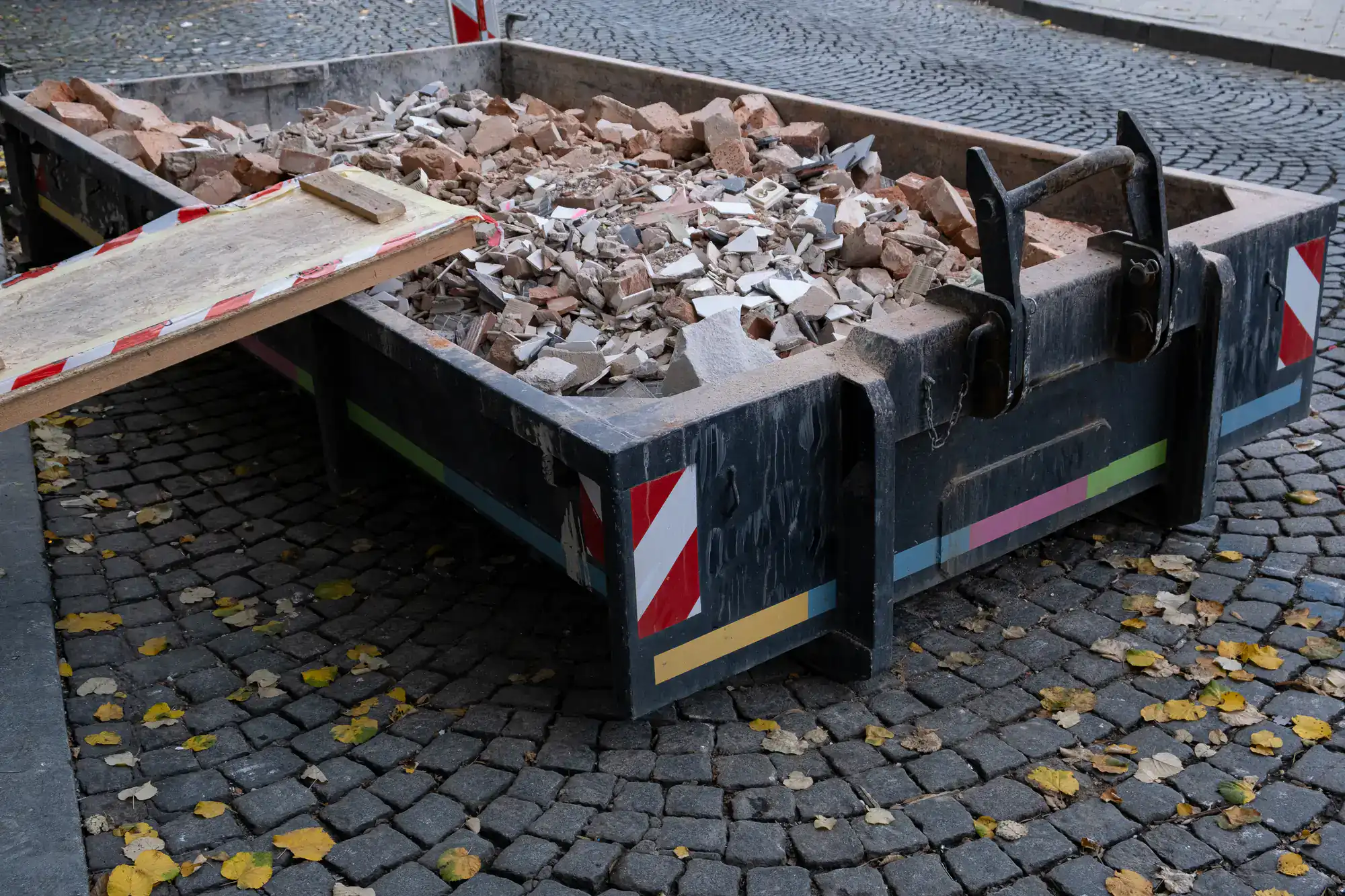
Plymouth Township requires a building permit for structural demolition, and if your property sits in the Whitemarsh Township portion of Plymouth Meeting, that’s a separate permit process entirely. We handle that coordination on your behalf. When the work is done, construction debris removal and site cleanup are part of the job — you don’t get handed a pile of rubble and a bill. We leave the site ready for whatever comes next.
Ready to get started?
We handle the full range of demolition and environmental services that Plymouth Meeting homeowners and property managers actually need. Residential interior demolition, basement gut-outs, full structural teardown, selective demo for renovations — it’s all in scope. So is the abatement work that has to come before it on any pre-1978 property: asbestos testing and removal, lead paint inspection and remediation, and mold assessment and treatment.
The one-stop model matters most when water damage is involved. Plymouth Meeting sees its share of flooded basements and burst pipes, and when the damage is bad enough to require gutting, you need a contractor who can assess the mold risk, remove the compromised materials, and waterproof the space — not three separate companies on three separate timelines. We do all of it, and because we’re EPA and HUD compliant, the documentation we provide holds up whether you’re dealing with a standard renovation, a federally-assisted property, or a pre-sale inspection.
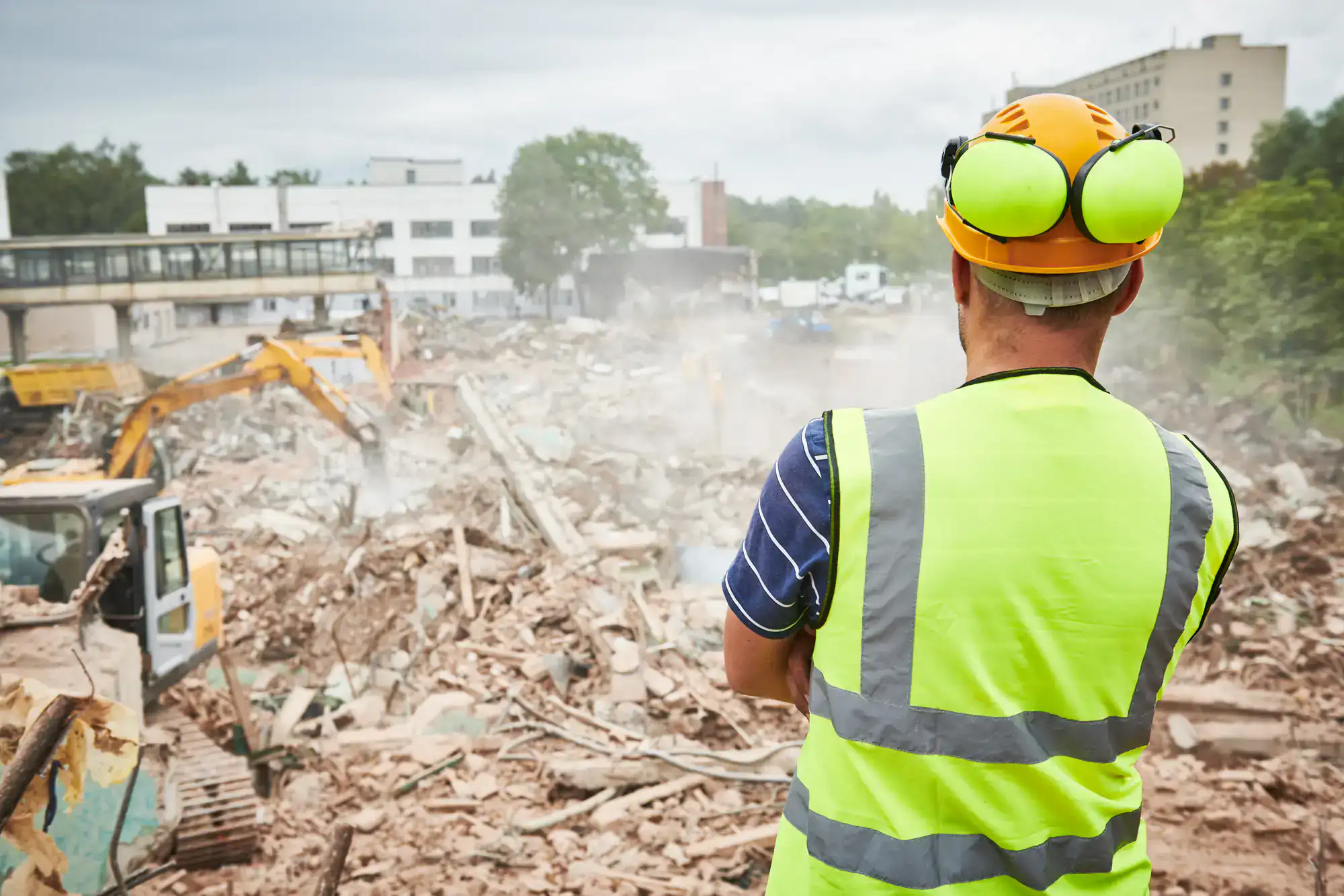
For commercial work, the ongoing redevelopment along West Germantown Pike — from the Plymouth Meeting Mall transformation to the office-to-residential conversions in the corridor — means demolition contractors in this market need to understand commercial-scale compliance and phased project timelines. We do. Whether you’re a homeowner in Harmonville or a property manager near the IKEA campus, the scope of work is built around what your specific project actually requires.
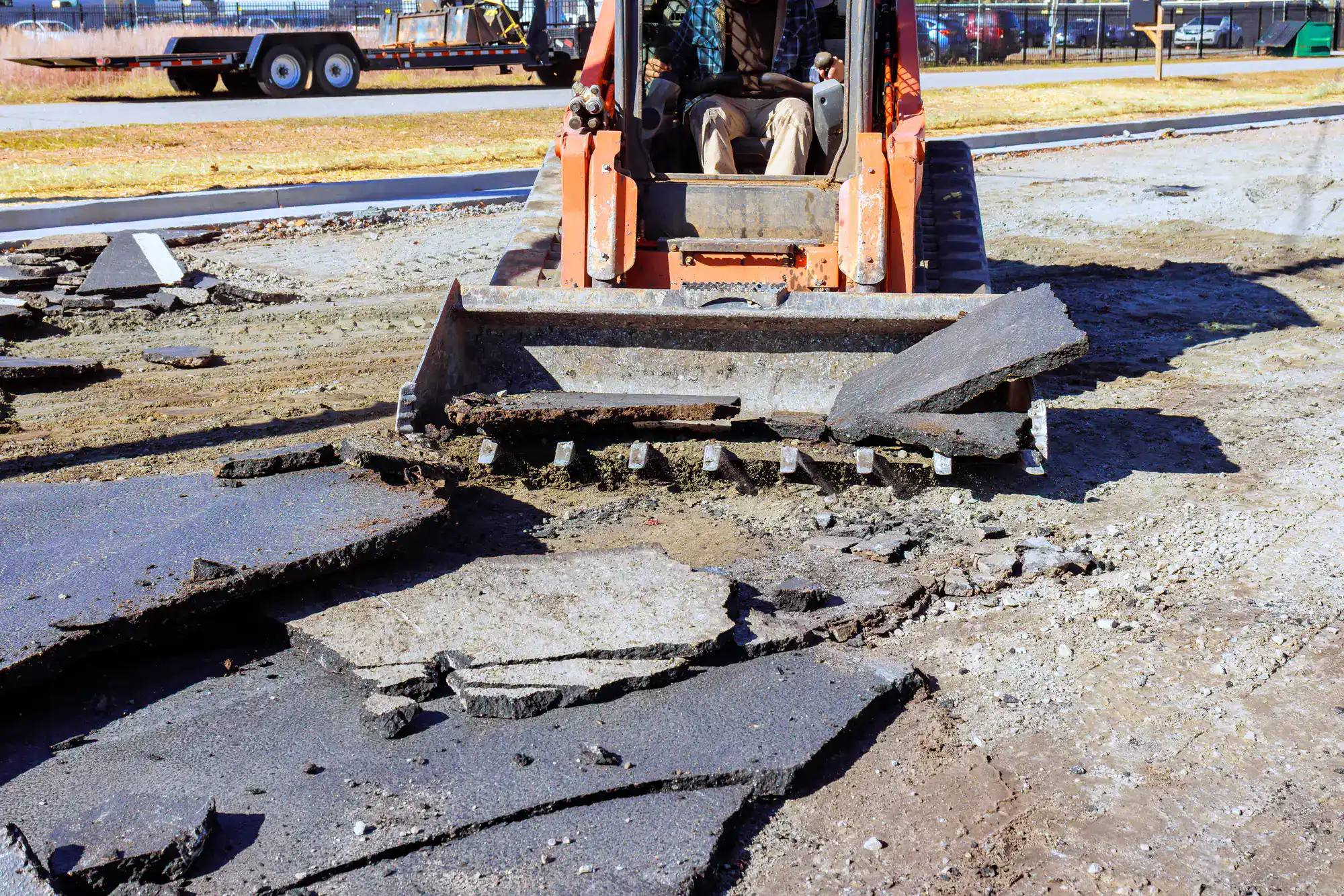
Yes — and the answer is slightly more complicated in Plymouth Meeting than in most towns because the community straddles two townships. If your property falls within Plymouth Township, you’ll need to pull a building permit through the Code Enforcement Department at 700 Belvoir Road. That application requires proof of insurance, a copy of your construction contract, plans, and zoning approval before work can begin. If your property is in the Whitemarsh Township portion of Plymouth Meeting, that’s an entirely separate permit process with its own building department.
On top of local permits, federal requirements apply regardless of which township you’re in. The EPA’s NESHAP standard requires asbestos notification before any demolition begins on a structure that may contain asbestos-containing materials — and in Plymouth Meeting’s pre-1978 housing stock, that’s a significant percentage of homes. We handle permit coordination as part of the job, so you’re not navigating two separate municipal offices while also trying to manage a construction timeline.
The short answer: if your home was built before 1978, you should assume both are present until testing proves otherwise. Plymouth Meeting’s residential neighborhoods — Cold Point, Plymouth Valley, Harmonville — include substantial mid-century housing stock that falls squarely in the high-risk window for asbestos-containing materials in floor tiles, ceiling tiles, pipe insulation, and roofing, as well as lead paint on virtually every painted surface.
Testing is the only way to know for certain what you’re dealing with, and it needs to happen before demolition begins — not during. We hold EPA Certified Lead Inspector and Risk Assessor credentials, which means we’re federally qualified to inspect, sample, and certify lead conditions in your home. That’s a different and more comprehensive qualification than a basic RRP contractor certification. We can test the property, document the findings, handle any required abatement, and provide the compliance paperwork — all before the first wall comes down.
Demolition typically refers to the removal of structural elements — walls, floors, ceilings, or entire structures. Gutting is a more targeted version of that: stripping a space down to its framing without necessarily touching the structural shell of the building. A basement gut-out, for example, removes drywall, insulation, flooring, and mechanical systems without taking down load-bearing walls or the foundation.
In practice, most Plymouth Meeting homeowners dealing with a renovation or water damage situation need gutting, not full demolition. If a basement floods and the drywall and insulation are compromised, you’re gutting that space — removing everything wet and damaged, assessing for mold, and starting fresh. If you’re tearing down a structure entirely or removing a major addition, that’s full demolition. The distinction matters because it affects permitting, scope, timeline, and cost. When you call us for a free estimate, we walk the space with you and tell you exactly what the job requires — no upselling, no vague scopes of work.
Construction debris removal is part of the job when you work with us — it’s not an add-on or a separate conversation after the fact. When demolition or gutting work is complete, we haul away the material, dispose of it properly, and leave the site clean and ready for the next phase of your project. That includes standard construction debris like drywall, framing, flooring, and fixtures.
Hazardous materials are handled differently and more carefully. Asbestos-containing materials and lead paint debris can’t go in a standard dumpster — they require proper containment, labeling, and disposal at a licensed facility. This is a federal requirement, not a preference. We handle that process with full documentation, which matters if you ever need to demonstrate compliant disposal to a buyer, inspector, or regulatory agency. In a market where homes are valued well above $500,000, having that paper trail is worth more than the disposal cost.
Water damage crosses into demolition territory when the materials that got wet can’t be dried and salvaged — and that threshold arrives faster than most people expect. Mold begins forming within 24 to 48 hours of a water intrusion event. Once drywall, insulation, or subfloor materials are saturated and mold has set in, drying them out isn’t enough. They need to come out.
Plymouth Meeting sees this scenario regularly — spring storms, snowmelt, and freeze-thaw pipe bursts in January and February send water into basements throughout the community. When the damage is extensive enough to require gutting, you need a contractor who can handle the demolition and the mold assessment in the same engagement. We do both. We assess what’s salvageable, remove what isn’t, test for mold, handle any required abatement, and can take the space through waterproofing so the same problem doesn’t come back next season. We’re available 24/7 for exactly these situations — call (484) 378-2453 any time.
Cash discounts are available, and in a community where home values average over $540,000 and projects aren’t small, that can translate into meaningful savings. It’s straightforward — paying cash reduces administrative overhead on our end, and we pass that back to you directly. No complicated program, no fine print.
Beyond that, the free estimate itself has real value in this market. Plymouth Meeting projects often involve pre-1978 housing with layered compliance requirements — asbestos, lead, permit coordination across Plymouth Township or Whitemarsh Township depending on where your property sits. Getting a clear, itemized scope of work before you commit means you know exactly what’s included: hazmat handling, permits, debris removal, documentation. There are no surprise line items after the contract is signed. For a project on a home in this price range, that kind of transparency upfront is worth as much as the discount itself.
Other Services we provide in Plymouth Meeting