Hear from Our Customers
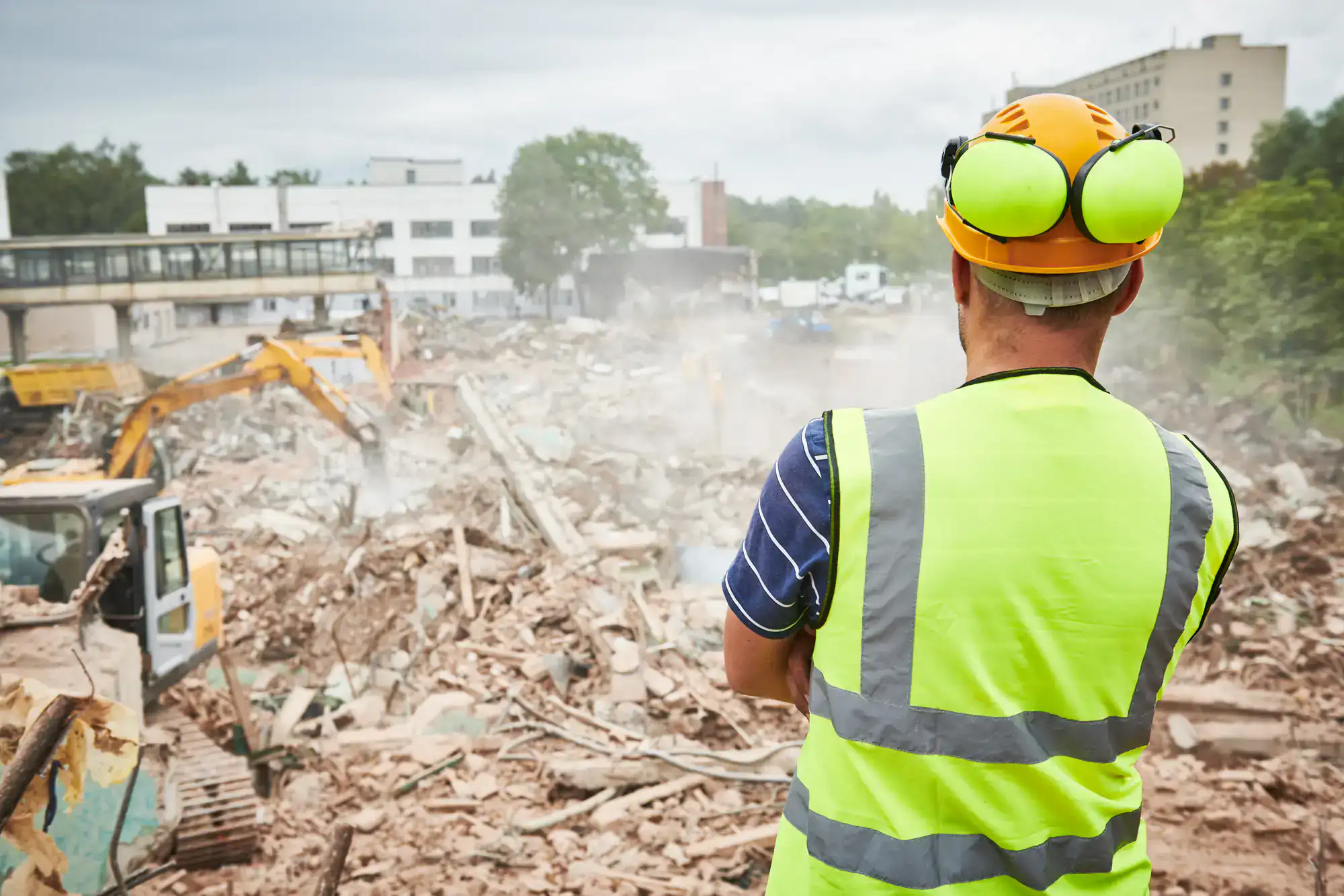
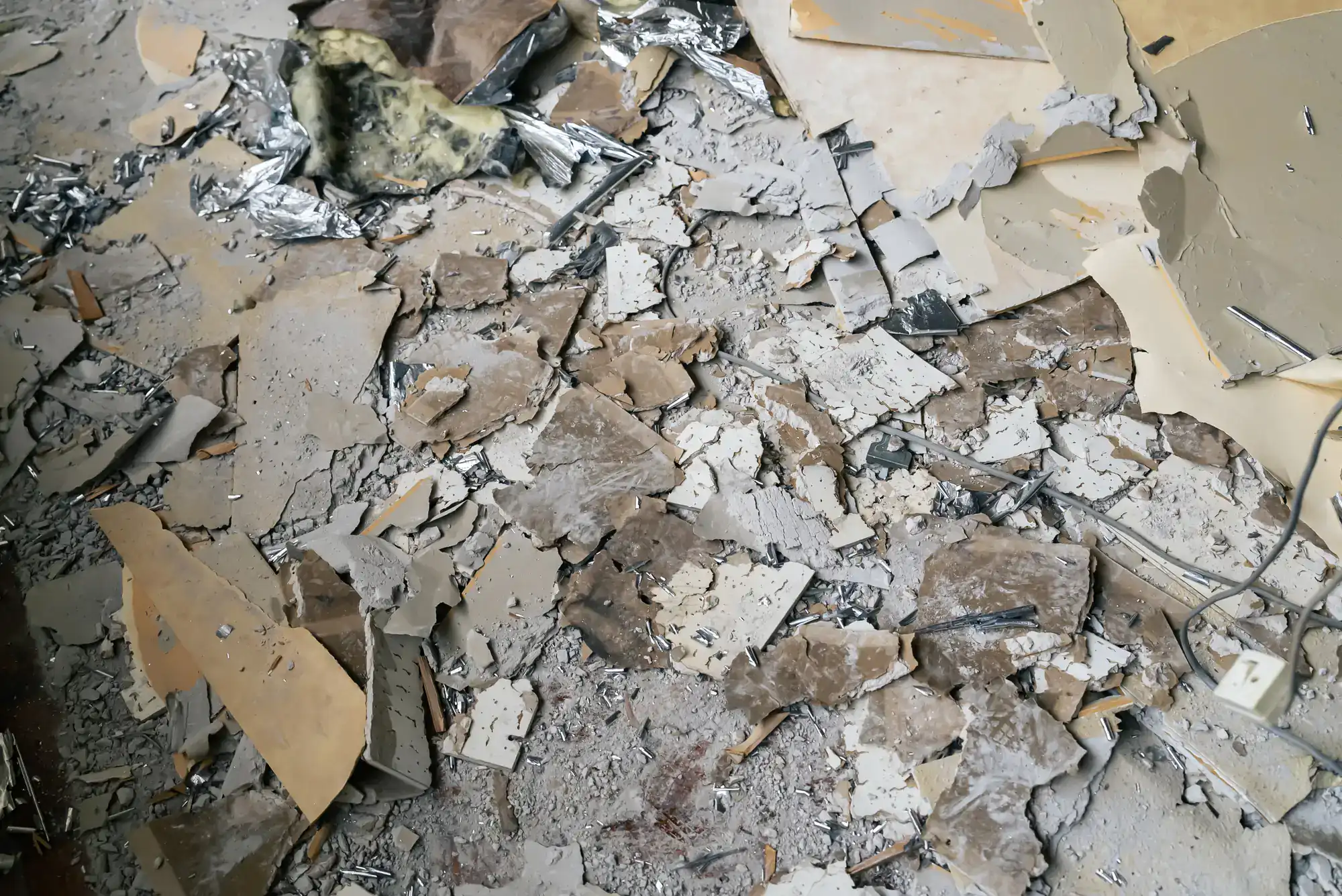
When you’re gutting a pre-war stone Colonial on the east side of Old York Road, the job almost never stops at demolition. You pull back the drywall and find asbestos pipe insulation. You open the ceiling and find lead paint on every surface underneath. That’s not a surprise in Jenkintown — that’s Tuesday. The median home here was built in 1938, which means virtually every renovation project in this borough carries hazardous materials as a baseline condition, not an exception.
What changes when you work with a contractor who handles it all is that the project actually moves forward. No waiting on a separate abatement crew to clear the site before our demo team can start. No coordination gap where mold keeps spreading because two vendors are pointing at each other. We handle asbestos testing and removal, lead abatement, mold remediation, gutting, demolition, waterproofing, and debris removal under one roof — so the job goes from problem to finished without the chaos in between.
For Jenkintown homeowners specifically, that matters more than it might in a newer suburb. These are older homes with layered histories, and the work requires someone who knows what they’re looking at when the walls come down. That’s not something you want to figure out mid-project.
We’re based in Glenside — right on the Route 611 corridor, a few minutes from Jenkintown’s downtown. This isn’t a regional company routing calls from across the state. The crew that shows up to your home knows this area, knows the housing stock, and has been working on pre-war properties throughout Montgomery County for two decades.
Owner Eric holds EPA Certified Lead Inspector and Risk Assessor credentials — a federal qualification that goes well beyond a basic contractor certification. It means we can legally inspect, test, and certify lead conditions, not just remove them. That distinction matters in a borough where nearly every home predates the 1978 lead paint ban. We’re also EPA/HUD compliant, fully licensed, bonded, and insured, and we meet Jenkintown Borough’s own permit requirements, including proof of insurance at application.
Whether you’re on the east side near the larger Colonials or dealing with an aging twin near Greenwood Avenue, the approach is the same: handle it right the first time.
It starts with a free estimate. We come out, assess the scope, and tell you exactly what’s there — what needs testing, what needs abatement, what can be demolished, and in what order. No vague verbal quotes that balloon later. You get a clear scope before anything starts.
From there, if testing confirms asbestos or lead — and in a Jenkintown home built before 1960, that’s a likely outcome — abatement happens first, under proper containment with HEPA filtration and negative air pressure. This isn’t optional in a pre-war home with kids or elderly residents inside. It’s the step that keeps the rest of the house safe while the work is happening. We also handle the required EPA NESHAP notification to the Pennsylvania DEP for asbestos-containing demolitions, and pull the necessary building permits through Jenkintown Borough’s office at 700 Summit Avenue — because unpermitted demolition in a borough with active code enforcement creates real legal exposure.
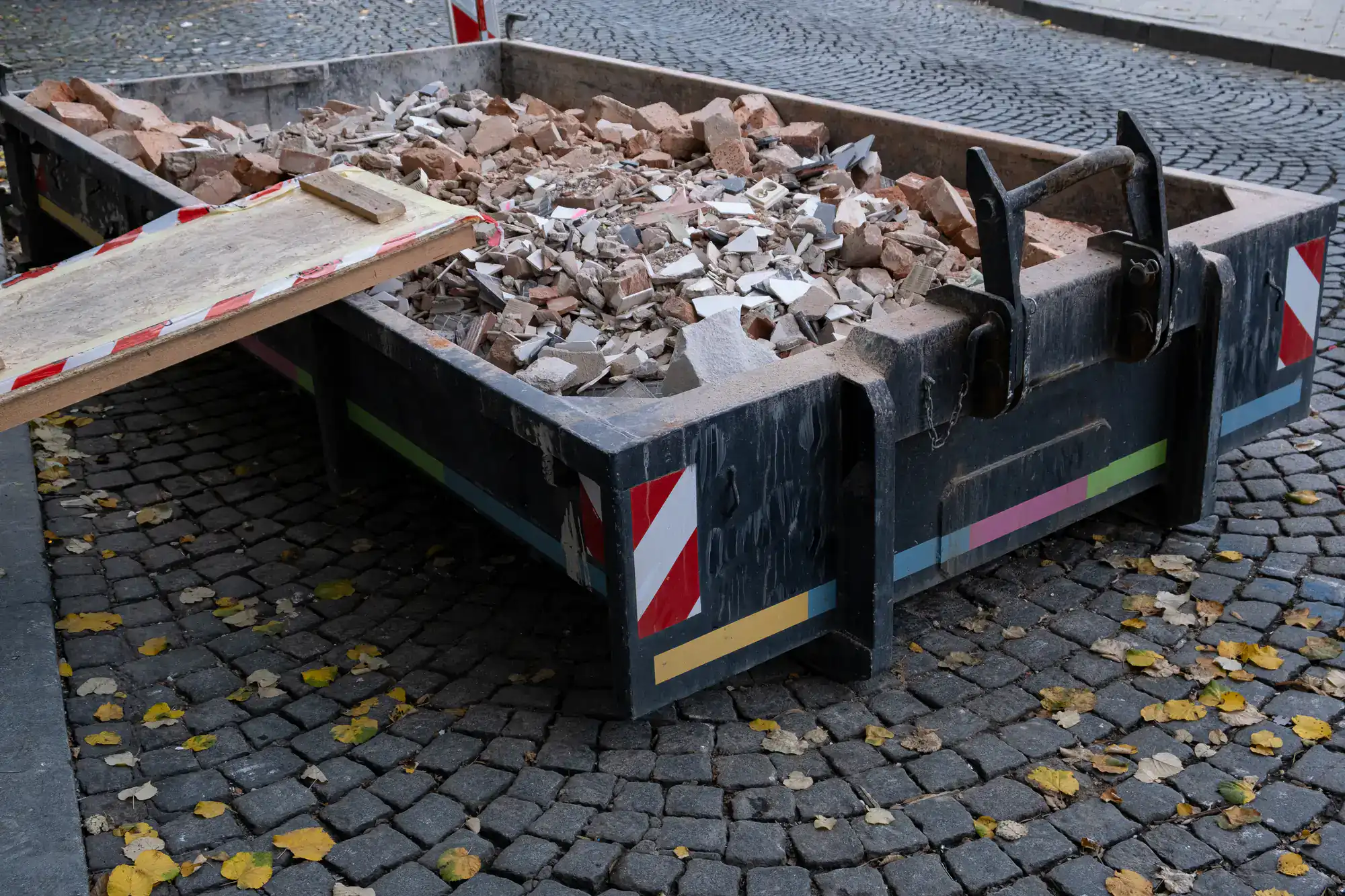
Once the hazardous materials are cleared and documented, the demo or gutting work begins. Debris is removed, the site is cleaned, and if waterproofing or restoration is part of the scope, that gets handled by the same crew. You’re not handed off to someone else at the end. The job is done when it’s actually done.
Ready to get started?
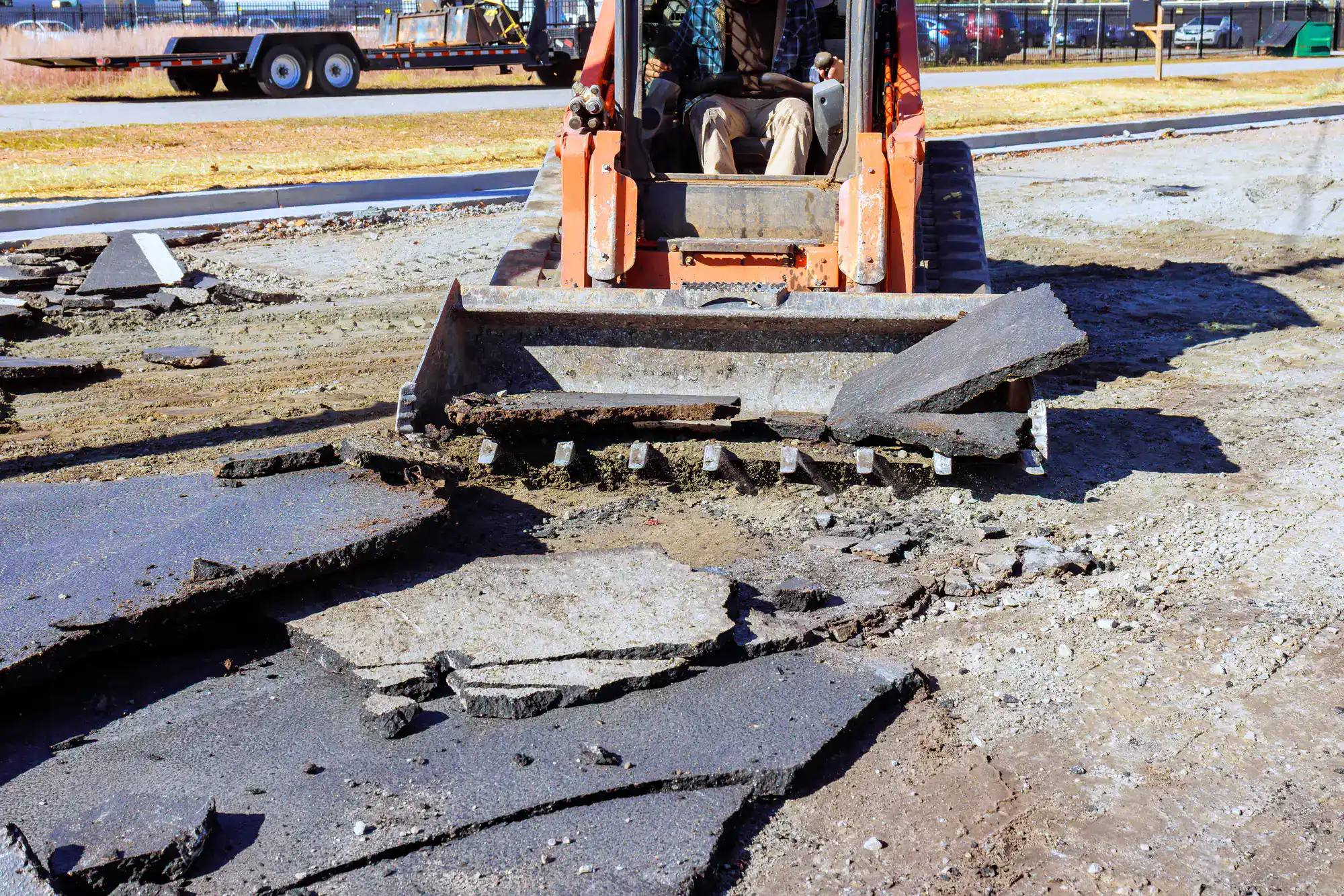
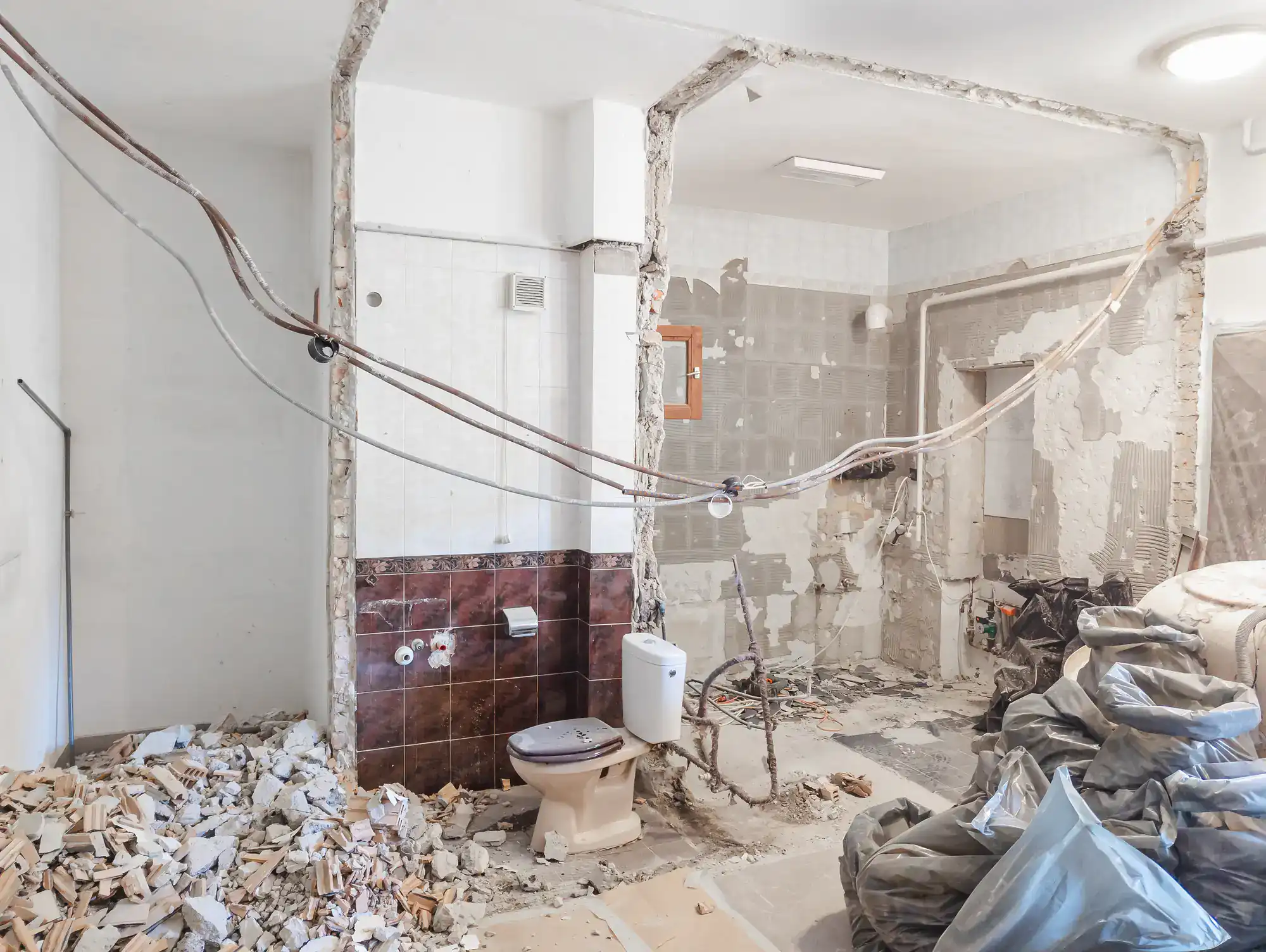
We handle residential and commercial demolition, interior gutting, selective demo, and full teardowns — but the work in Jenkintown almost always involves more than the demolition itself. The borough’s housing stock, with a median construction year of 1938, means that asbestos-containing materials are common in floor tiles, pipe insulation, ceiling tiles, and joint compound. Lead paint is present in virtually every pre-1978 home. These aren’t edge cases. They’re the norm on nearly every block in the borough.
Our service scope includes asbestos inspection, testing, and removal; lead inspection, testing, and abatement; mold sampling and remediation; water damage restoration; above-ground oil tank removal; duct cleaning; appliance and furnace disposal; environmental clean-outs; and construction debris removal. For Jenkintown residents dealing with a flooded 1940s basement — where aging cast iron lines and stone foundations have absorbed decades of moisture — the water damage and gutting services work together. Mold doesn’t wait, and neither do we. Emergency response is available around the clock.
If you’re in the Beaver Hill condos, a pre-war twin near Greenwood Avenue, or a larger single-family home east of Old York Road, the process is the same: one assessment, one crew, one point of contact from start to finish.
If your home was built before 1978 — and in Jenkintown, that’s nearly every residential property in the borough — then yes, asbestos testing is required before any significant demolition or gutting work begins. Federal NESHAP regulations mandate it, and Pennsylvania DEP requires advance notification for demolitions involving asbestos-containing materials. Skipping this step isn’t just a safety risk; it’s a federal violation that exposes you as the homeowner to real liability.
In practical terms, asbestos in a Jenkintown home from the 1930s or 1940s is most commonly found in pipe insulation, floor tiles, ceiling tiles, roofing materials, and the joint compound used on plaster walls. You won’t see it or smell it. Testing is the only way to know what’s there before a demo crew disturbs it. We handle the inspection and testing as part of the overall project scope, so you’re not coordinating a separate environmental firm before work can begin.
Yes. Jenkintown Borough operates its own building code enforcement office and requires a building permit for structural work, including interior demolition and gutting. The borough has adopted the 2018 International Building Codes, and no permit application is accepted without proof of insurance. There’s also a separate zoning use permit required before any structural alteration or change in use — so it’s not a single form and you’re done.
For projects involving asbestos-containing materials, EPA NESHAP regulations add a federal notification layer on top of the borough’s local requirements. We handle the permit process on your behalf, including the insurance documentation Jenkintown Borough requires at application. If your property may qualify as a community historic structure under the borough’s zoning code — which applies to several properties in the downtown area — there’s an additional conditional use procedure before demolition can proceed. That’s a Jenkintown-specific layer that most general contractors aren’t aware of until it stops a project cold.
Mold begins forming within 24 to 48 hours of water exposure. In a Jenkintown home with a stone or brick foundation — which describes a large portion of the borough’s older housing stock — moisture doesn’t just sit on the surface. It absorbs into the masonry, wicks into wall cavities, and saturates insulation and framing in ways that aren’t visible from the outside. By the time you see mold, it’s already been growing for a while.
Jenkintown’s winters create a specific version of this problem. Aging cast iron sewer lines and original plumbing systems in pre-war homes are vulnerable to freezing, and when a pipe bursts behind a plaster wall in February, every hour of delay compounds the damage. We offer 24/7 emergency response for exactly this reason. The water damage restoration, gutting, and mold remediation are handled together — not sequenced across three separate contractors while the clock runs. If there’s asbestos or lead in the affected materials, that gets addressed in the same scope before anything else is disturbed.
A standard demolition contractor is licensed to tear things down. An EPA Certified Lead Inspector and Risk Assessor — the credential we hold — is federally qualified to inspect, test, and certify lead conditions before, during, and after the work. That’s a meaningful distinction in a borough like Jenkintown, where the median home was built in 1938 and virtually every property predates the 1978 federal lead paint ban.
Under the EPA’s Renovation, Repair, and Painting Rule, any contractor working on a pre-1978 home must be EPA-certified. But the Lead Inspector and Risk Assessor credential goes further — it allows us to produce the legal documentation that certifies a space is lead-safe after abatement is complete. That documentation matters for pre-sale clearances, for families with young children, and for any project involving federally-assisted housing, where HUD’s lead-safe housing rule applies. Most general demo companies operating in the Jenkintown market don’t hold this credential. It’s not a minor difference — it determines what the contractor is legally allowed to do on your property.
The honest answer is that it depends heavily on what’s inside the walls — and in a Jenkintown home built before 1960, what’s inside the walls is often the bigger cost driver than the demolition itself. National averages for interior gutting run roughly $4 to $10 per square foot for the demo work alone. But if asbestos abatement is required — and in a pre-war home, it frequently is — that adds several thousand dollars to the project depending on the scope and materials involved. Lead abatement adds cost as well.
What matters more than the per-square-foot number is getting an accurate scope upfront. We provide free written estimates that itemize the abatement, demo, debris removal, and any permit fees — so you’re not discovering additional costs mid-project. Cash discounts are available, which is a real savings opportunity on a job that already carries the built-in complexity of older construction. The goal is that you know exactly what the project costs before a single wall comes down, not after.
The cash discount is straightforward — it eliminates payment processing fees and simplifies the transaction, and we pass that savings directly to you rather than absorbing it as margin. It’s a pricing decision, not a signal about the quality of the work. The same licensed crew, the same HEPA filtration equipment, the same EPA-certified oversight applies regardless of how the job is paid.
For Jenkintown homeowners managing the total cost of a renovation on a pre-war property — where unexpected conditions behind walls are more rule than exception — the discount is a real, tangible benefit on a job that’s already carrying the cost of abatement, permitting, and debris removal on top of the demo itself. It’s worth asking about when you call for your free estimate. The borough’s older housing stock means most projects here involve more moving parts than a straightforward teardown, and anything that reduces the total out-of-pocket cost without cutting corners on the work is worth factoring into your decision.
Other Services we provide in Jenkintown