Hear from Our Customers
You stop guessing. That’s the first thing. When you’re living in a Jenkintown home built in the 1930s or 1950s — which describes a significant portion of the residential streets west of Old York Road — you’re living with materials that were installed before anyone was asking questions about what was in them. Floor tiles, pipe wrap, ceiling plaster, attic insulation. It’s not a maybe. It’s a when.
Once a licensed abatement contractor has properly tested, contained, and removed those materials, your renovation can move forward without a stop-work order. Your real estate closing doesn’t get derailed by an inspector’s report. Your contractor isn’t tearing into walls and unknowingly releasing fibers into a home where your family sleeps. That’s what changes — the uncertainty goes away, and you can actually move forward.
For Jenkintown homeowners specifically, this matters more than it might in a newer suburb. The borough’s homes are dense, close together, and old. A poorly handled removal in a row home or duplex doesn’t just affect you — it can affect whoever lives next door. Proper containment, HEPA filtration, and a licensed process aren’t extras here. They’re the baseline.
We’ve been working in Jenkintown and Montgomery County for two decades. That means pre-war row homes, mid-century colonials, duplexes tucked behind the Jenkintown-Wyncote train station corridor — the kind of properties where asbestos isn’t a surprise, it’s an expectation. Our team knows what to look for, where to look, and how to handle it correctly under Pennsylvania DL&I licensing and federal EPA and HUD standards.
We have a Certified Lead Inspector and Risk Assessor on staff — not just certified workers, but a credentialed assessor who can evaluate the full picture of what’s in a pre-1980 Jenkintown home. Because in a borough where virtually every house predates the lead paint ban, asbestos and lead rarely show up alone.
We’re fully licensed, bonded, and insured. Free estimates are standard. Cash discounts are available. And someone answers the phone around the clock — because a mid-renovation discovery on a Friday afternoon doesn’t wait until Monday.
It starts with a call and a free estimate. Someone from our team comes out, assesses the property, and tells you plainly what you’re dealing with — no inflated scope, no manufactured urgency. If testing is needed, samples are collected and sent to an accredited lab. You get real results before any removal work is scheduled.
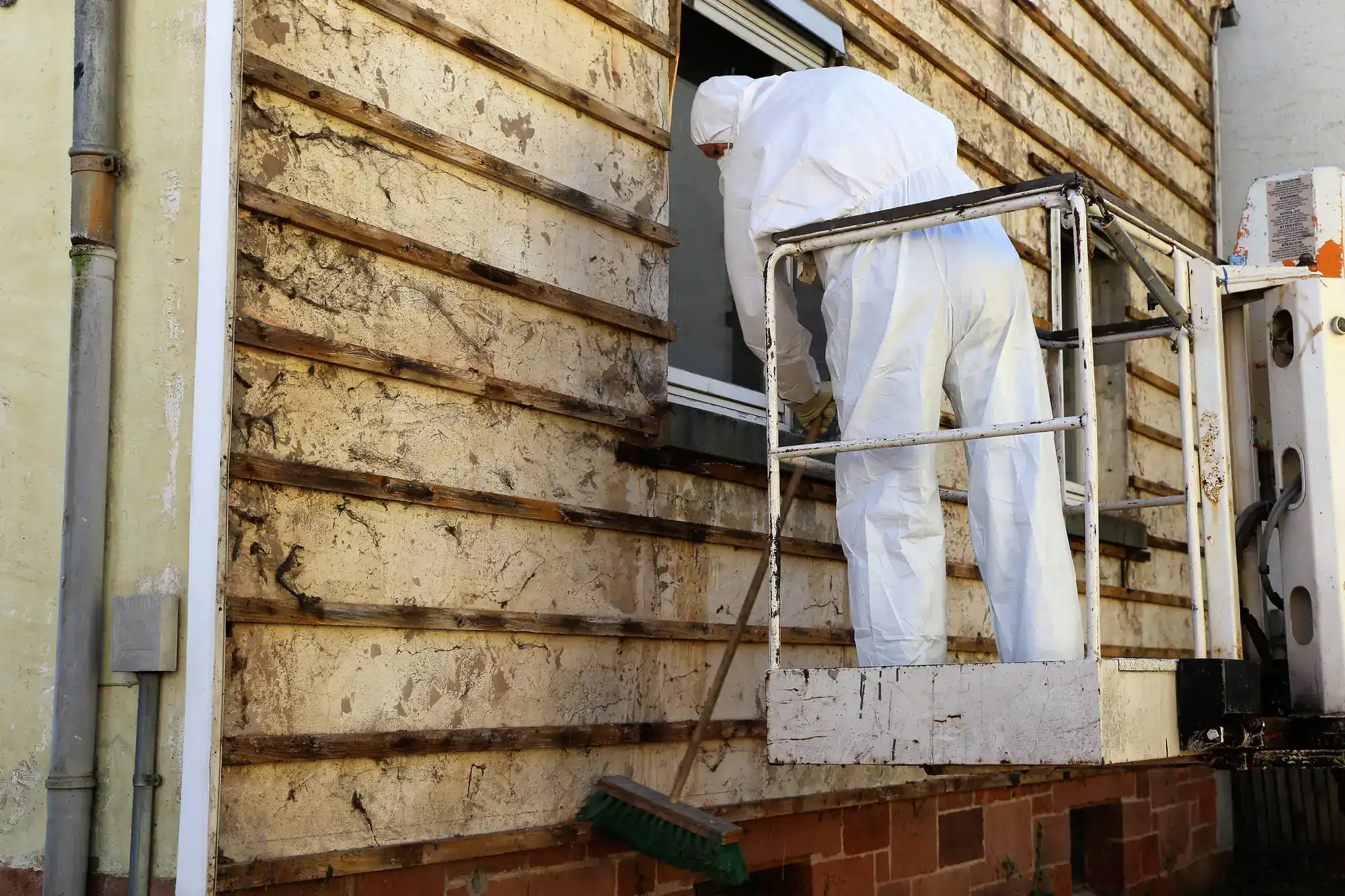
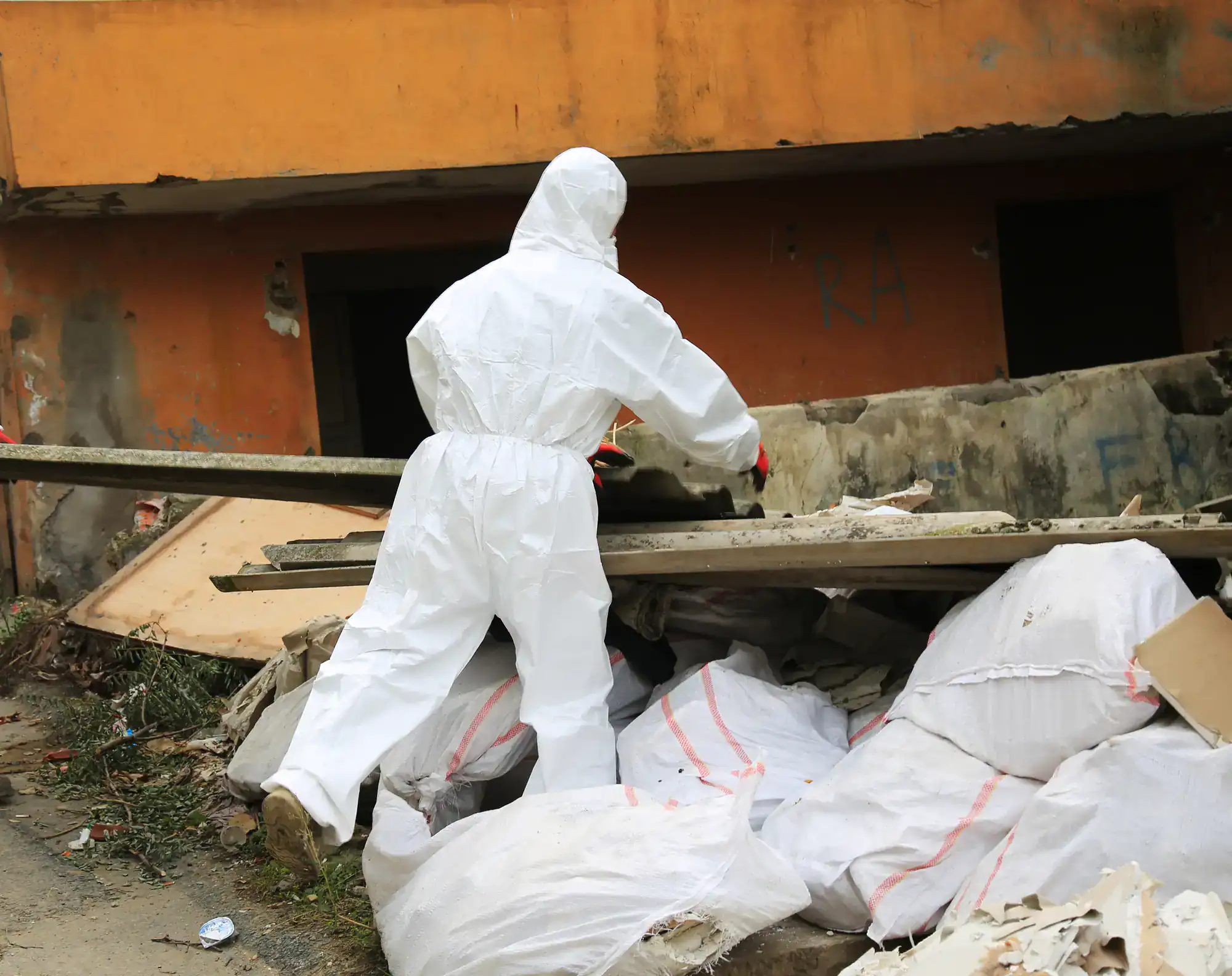
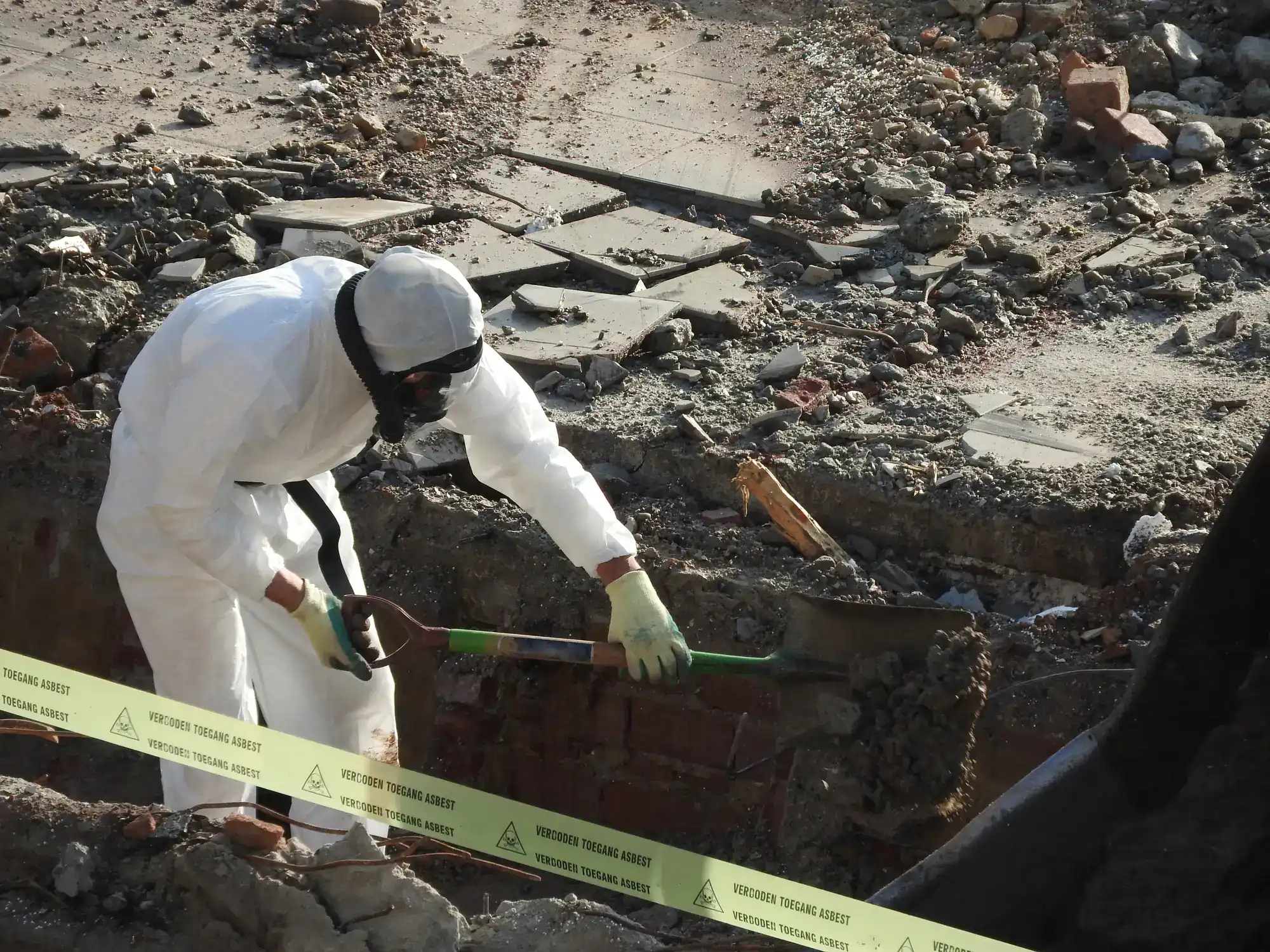
Once abatement is confirmed, the work area is sealed off with negative air pressure containment and HEPA filtration equipment. In a dense borough like Jenkintown — where homes sit close together and neighbors share walls in row homes and duplexes — proper containment isn’t optional. Fibers don’t stay politely on your side of the property line without it. The removal itself is performed by our licensed workers following Pennsylvania DL&I requirements, and for projects above the regulatory threshold, the required advance notifications to PA DEP and EPA NESHAP are handled as part of the standard process.
After removal, air clearance testing confirms the space is clean before containment comes down. You get documentation — the kind that satisfies building inspectors, real estate attorneys, and your own peace of mind. Jenkintown Borough requires building permits for renovation work, and we work within that framework from the start so nothing falls through the cracks at the end.
Ready to get started?
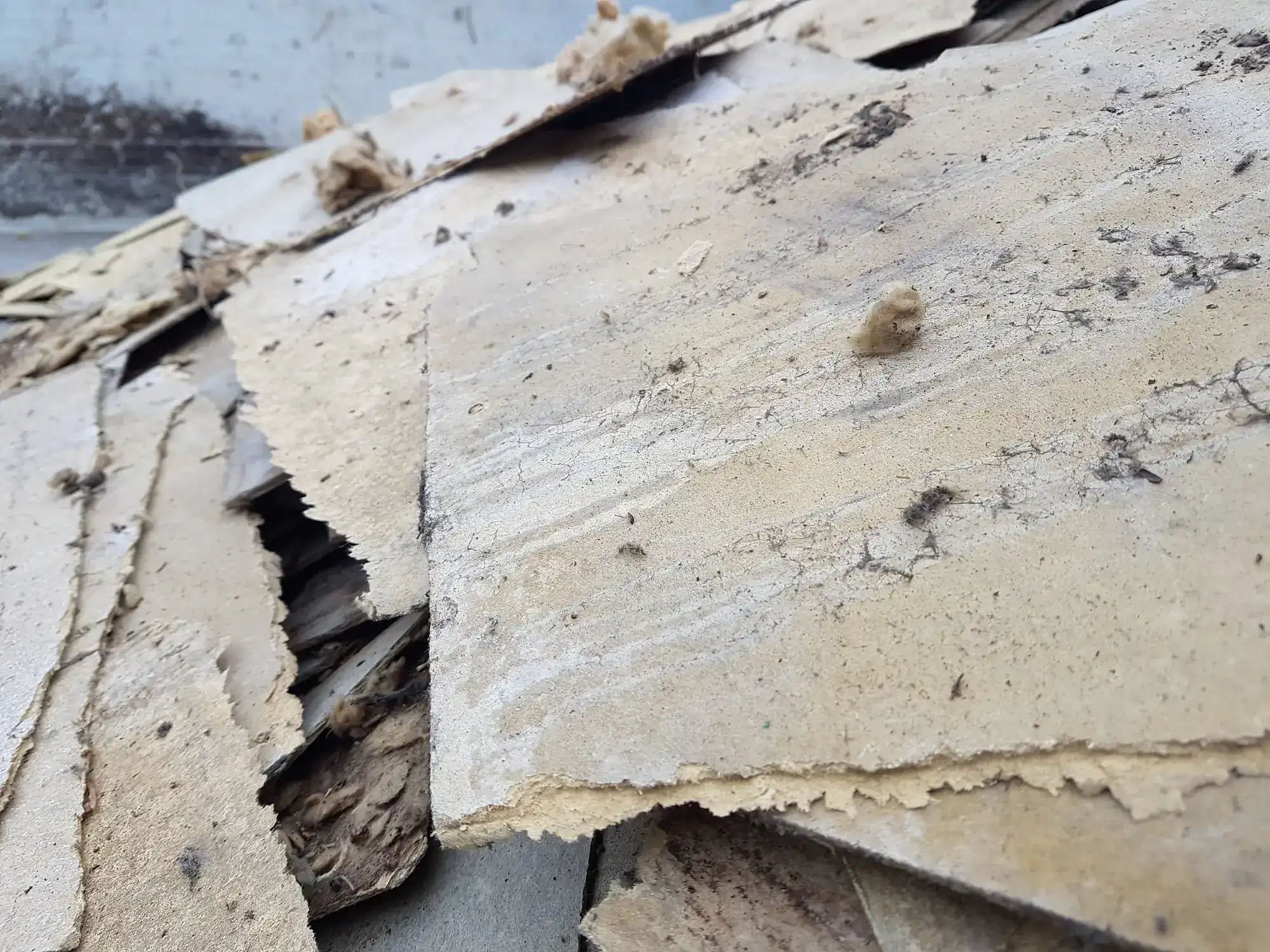
Asbestos doesn’t limit itself to one spot in a house. In a Jenkintown home built before 1960, you might find it in the vinyl floor tiles in the kitchen, the insulation wrapped around the basement pipes, the plaster on the walls, the popcorn texture on the ceilings, the duct insulation on the furnace, or the roofing and siding on the exterior. We test for and remove all of it — not just the obvious stuff.
Beyond asbestos, we handle the full scope of what tends to come up in older Jenkintown homes during renovation or inspection: lead paint testing and removal, mold sampling and remediation, demolition and gutting, environmental clean-outs, oil tank removal, duct cleaning, and more. For a homeowner on one of Jenkintown’s residential streets tackling a significant renovation in a century-old property, that one-stop model means one contract, one schedule, and one team that already knows your house by the time the second problem shows up.
If you’re preparing to sell, the documentation we provide after abatement — lab results, clearance testing, removal records — is exactly what buyers, their inspectors, and their lenders ask for in a market where homes are older and buyers are paying close attention.
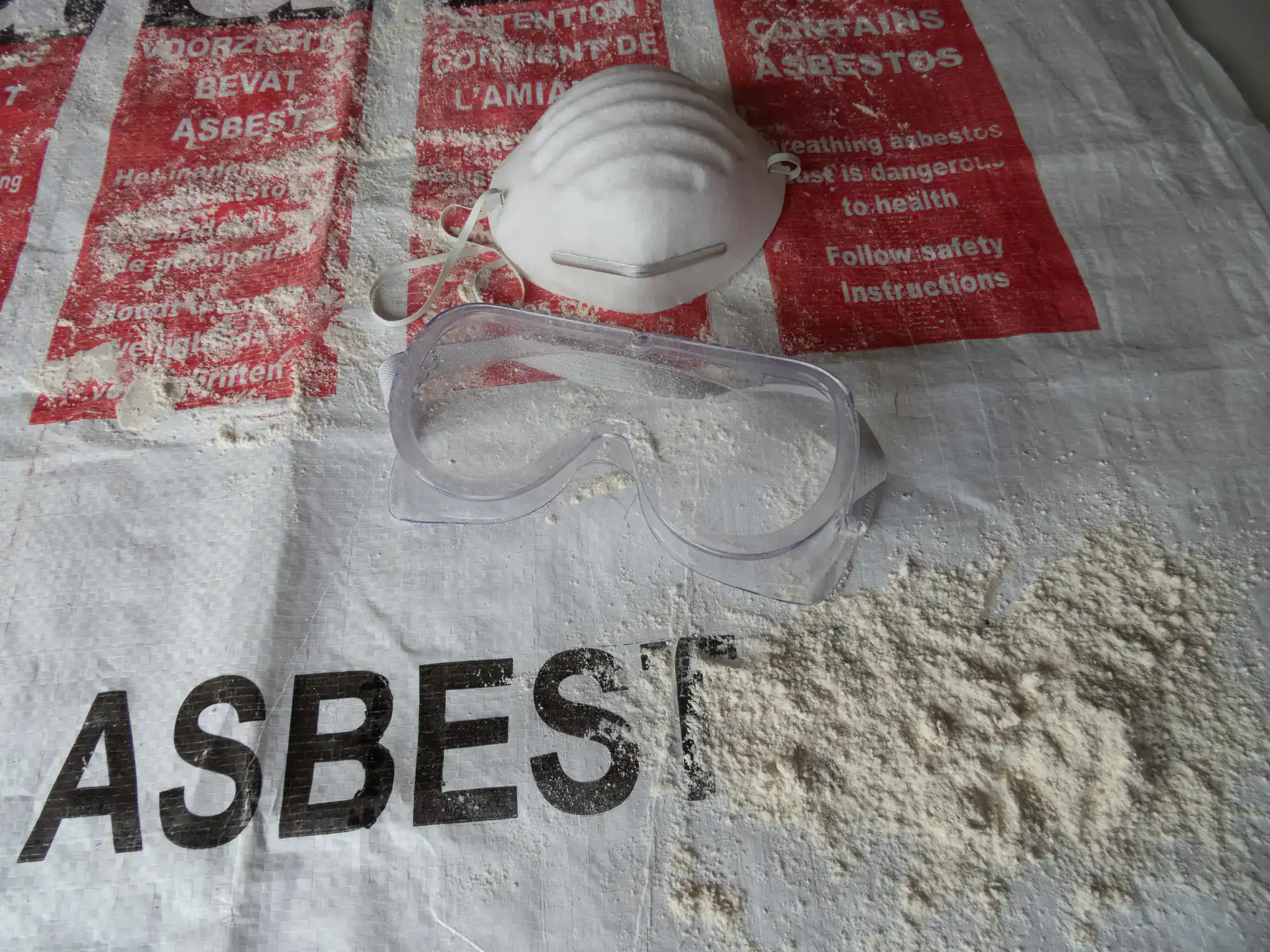

It’s not overstated. Jenkintown’s residential areas are documented as having average home ages of 80-plus years, and the borough’s own history puts most of its housing buildout in the late 19th and early 20th centuries — right through the mid-1900s, when asbestos was used as a standard building material across the industry. Floor tiles, pipe insulation, attic insulation, plaster, joint compound, ceiling tiles, roofing shingles, and siding all commonly contained asbestos during that era.
The honest answer is that if your Jenkintown home was built before 1980, there is a meaningful probability that at least one material in that house contains asbestos. That doesn’t mean it’s actively dangerous right now — undisturbed asbestos in good condition is generally not an immediate health risk. But the moment you start a renovation, pull up flooring, open a wall, or disturb an old ceiling, the risk changes. That’s when testing and proper handling become necessary, not optional.
Cost depends heavily on what’s found, where it is, and how much of it there is. For a single contained area — say, asbestos floor tiles in one room or pipe insulation in a basement — residential asbestos removal typically runs somewhere in the range of $1,200 to $3,500. Larger scopes, like whole-house abatement in a pre-war Jenkintown row home where multiple materials are involved, can reach $15,000 to $30,000 or more depending on the square footage and complexity.
The only way to get an accurate number for your specific property is a proper assessment. We provide free estimates, so you know what you’re actually dealing with before committing to anything. And for homeowners who prefer to pay in cash, discounts are available — which is worth asking about when you call. The cost of doing it right is real. The cost of doing it wrong — failed inspections, contaminated living space, a real estate deal that falls apart at closing — is considerably higher.
There are requirements at both the state and federal level, and they apply regardless of whether you’re a homeowner or a contractor. Pennsylvania DEP requires a minimum five-day advance notification before any friable asbestos removal exceeding three square feet or three linear feet. For larger projects — those exceeding 160 square feet, 260 linear feet, or 35 cubic feet — federal EPA NESHAP regulations require at least ten working days of advance notification to the state environmental agency before work begins.
On top of that, Jenkintown Borough requires building permits for renovation and construction work, submitted through the Borough’s Building Code Official. If your project involves both a building permit and asbestos removal notification, those timelines need to be coordinated so the renovation doesn’t stall mid-project. We handle the notification requirements as a standard part of the job — it’s not something you should have to figure out on your own while also managing a renovation timeline.
It depends on the scope and location of the work. For a contained removal in a single area — a basement, a utility room, or one section of flooring — it may be possible to remain in unaffected parts of the house while work is underway, provided proper containment and negative air pressure are in place. For larger projects, or work in central living areas, temporary relocation is typically the safer and more practical choice.
In Jenkintown specifically, the density of the housing stock is worth factoring in. Row homes and duplexes have less separation between work areas and living spaces than a large single-family home on a half-acre lot. When the work area is adjacent to a bedroom or kitchen, or when the scope extends across multiple floors, the practical answer is usually to stay elsewhere for the duration. Our contractor will walk through this with you during the estimate so you’re not caught off guard — you’ll know what to expect before the job starts, not after.
Stop the work. That’s the short answer. If a contractor or homeowner uncovers a material during renovation that might contain asbestos — and in a Jenkintown home built before 1960, this is a real possibility any time flooring, walls, or ceilings are opened up — the area should be left undisturbed and the renovation paused until testing can confirm what you’re dealing with.
Continuing to work around a suspected asbestos-containing material without testing it first is how fibers get spread through an entire house. It’s also how a manageable abatement job becomes a much larger and more expensive one. We offer emergency response service and are available by phone around the clock, so a Friday afternoon discovery doesn’t have to sit unaddressed all weekend while a renovation timeline falls apart. A quick call gets you guidance immediately, and a rapid response assessment can often be scheduled faster than most homeowners expect.
Both — and everything that typically follows. We handle the full process from initial inspection and sample collection through lab testing, licensed abatement, air clearance testing, and final documentation. You’re not coordinating a separate testing company, a separate removal crew, and a separate inspector for clearance. It’s one team, one process, one set of paperwork at the end.
This matters more than it might seem, especially in a borough like Jenkintown where older homes tend to present multiple issues at once. A homeowner renovating a 1940s kitchen may be dealing with asbestos floor tiles, lead paint on the trim, and mold behind the walls — all in the same project. We also handle lead inspection and removal, mold remediation, demolition, and environmental clean-outs, so the full scope of what comes up in an older Jenkintown home can be managed under one contract rather than spread across three or four different vendors with three or four different schedules.
Other Services we provide in Jenkintown