Hear from Our Customers
When you’re gutting a basement, tearing out a water-damaged wall, or renovating a 1930s stone twin near Keswick Village, the last thing you need is to discover asbestos pipe insulation halfway through the job and watch your contractor pack up and leave. That scenario plays out more often than it should in Glenside — because most of the homes here were built before the federal government even knew asbestos was a problem. With over 55% of homes in Glenside built before 1939, the odds that your walls contain regulated materials aren’t a maybe. They’re a near-certainty.
What changes when you hire a contractor who’s EPA-certified to test, abate, and demolish under one roof is that the project doesn’t stop when something unexpected turns up. The testing, the hazmat handling, the demolition work, and the debris removal all move forward on the same timeline, under the same contract. No waiting on a separate abatement firm to clear the site before the demo crew can come back. No coordinating three different companies while your renovation sits idle.
For Glenside homeowners dealing with flood damage near the Tookany Creek corridor or gutting a bungalow that’s had water intrusion for years, that kind of continuity isn’t just convenient — it’s the difference between a project that finishes on schedule and one that drags on for months.
We’re headquartered in Glenside. Not headquartered in a neighboring county with a service radius that happens to include this zip code — actually based here. Our team has been working on homes throughout Cheltenham Township and the broader Montgomery County area for over twenty years, and the housing stock here isn’t a mystery to us. We know what’s typically inside a pre-war stone twin off Church Road. We know what a basement looks like after the Tookany Creek backs up. We know Cheltenham Township’s permit process, including the February 2025 switch to the all-digital OpenGov submission system that a lot of homeowners and even some contractors still aren’t aware of.
We hold EPA Certified Lead Inspector and Risk Assessor credentials — a federally-issued qualification that goes well beyond the basic RRP certification most contractors carry. We’re also EPA/HUD compliant, fully licensed, bonded, and insured, and we’ve built most of our business through referrals. When your neighbors are the ones sending you calls, you don’t cut corners.
It starts with a free estimate. Someone from our team comes out, walks the space with you, and gives you a straight assessment of what’s involved — including whether testing for asbestos, lead, or mold is warranted before any demolition begins. In Glenside, where the median home was built around 1938, that answer is almost always yes, and knowing it upfront means there are no surprises mid-project.
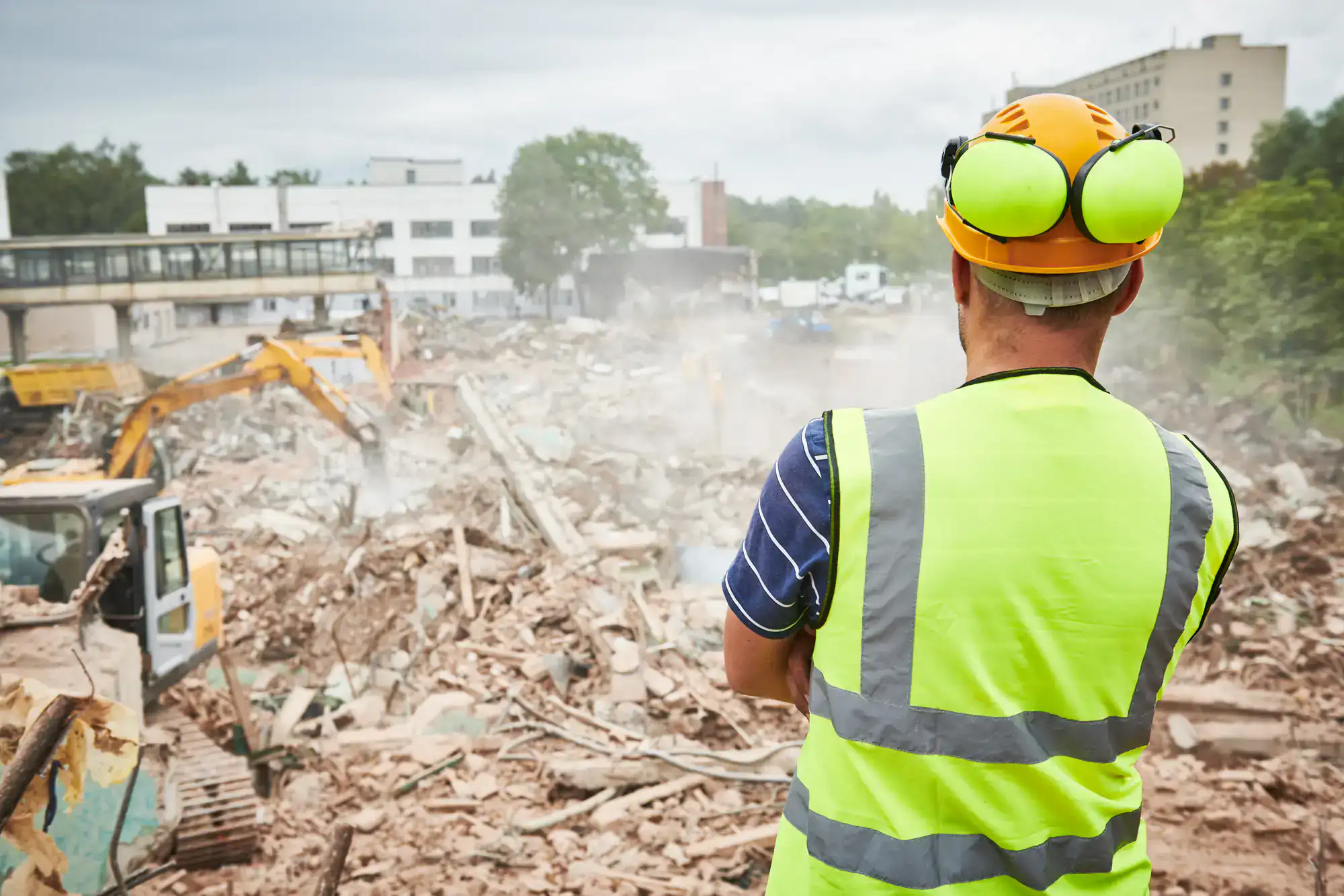
If hazardous materials are found, abatement happens before demolition proceeds. We use HEPA filtration systems and negative air pressure containment during this phase, which keeps contaminants from migrating through the rest of your home — a real concern in older, less-sealed construction like the stone twins and bungalows that make up much of Glenside’s housing stock. Once the space is cleared, the demolition or gutting work moves forward with licensed, supervised crews on-site from start to finish.
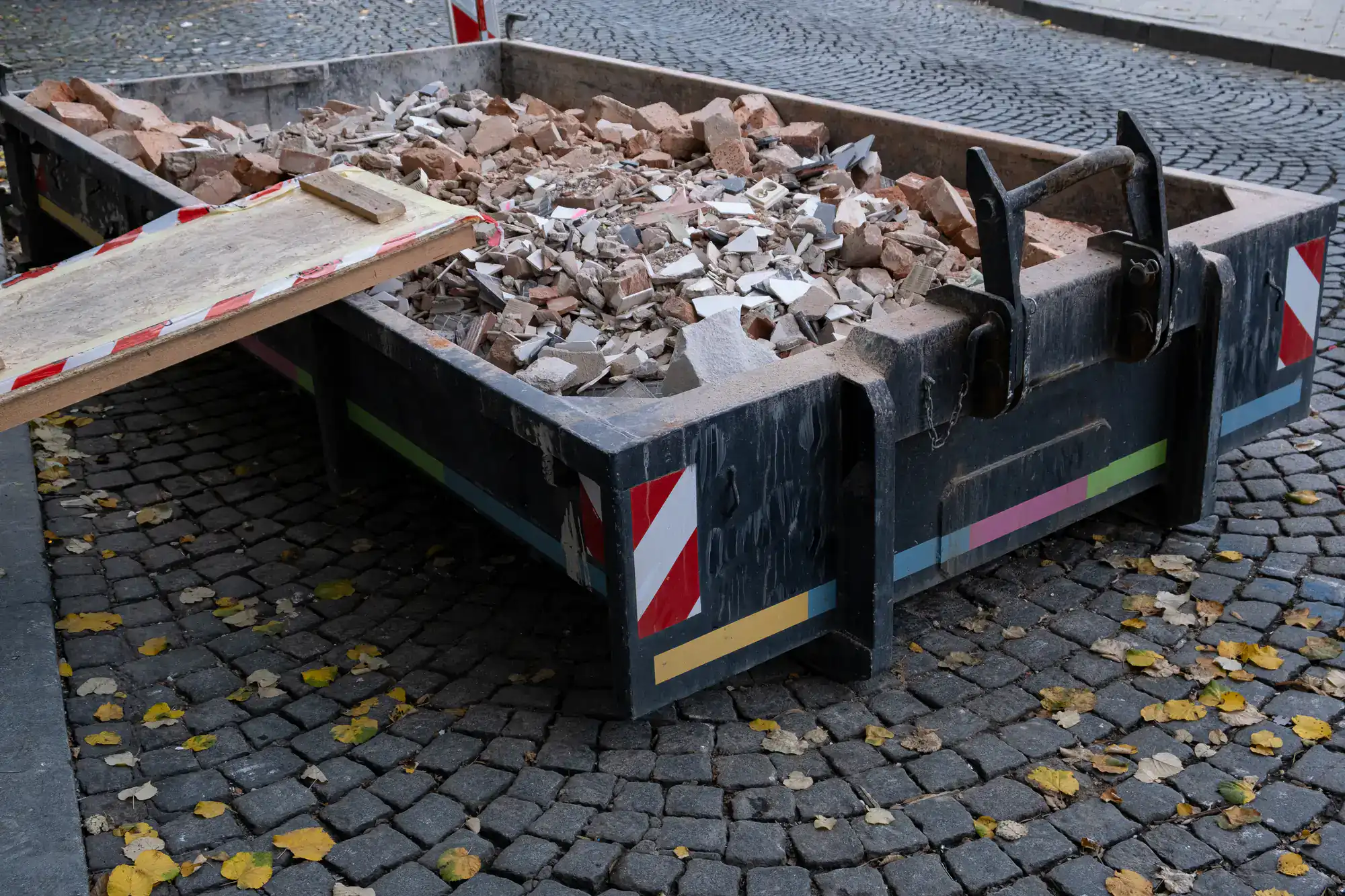
Permit handling is part of the process, not an afterthought. For properties in Cheltenham Township, we manage the OpenGov submission, provide the required signed contract documentation, and ensure the job is fully permitted before work begins — because the township’s triple-fee penalty for unpermitted work isn’t a risk worth taking. When the work is done, debris is removed and the space is left clean. No hauling coordination on your end.
Ready to get started?
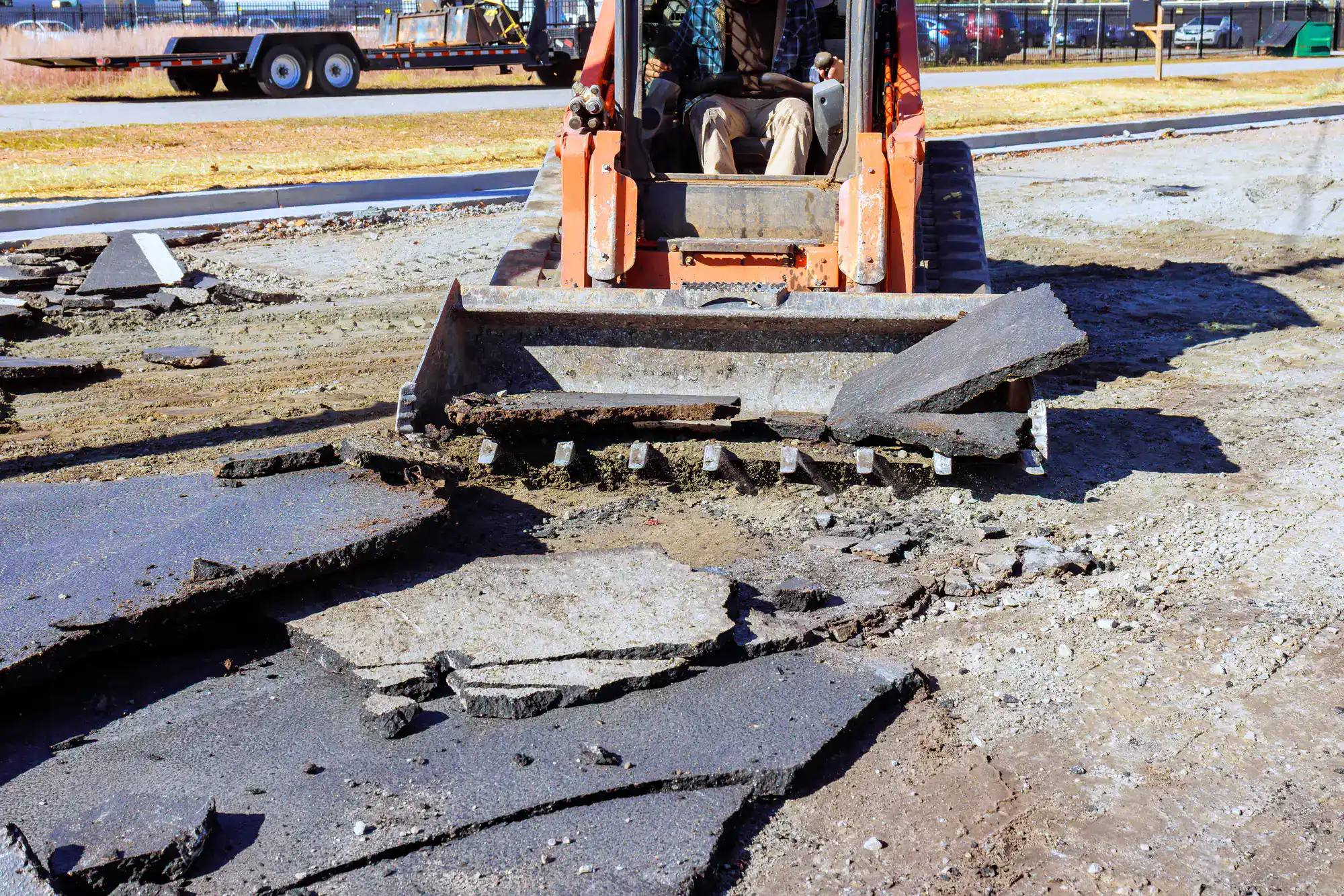
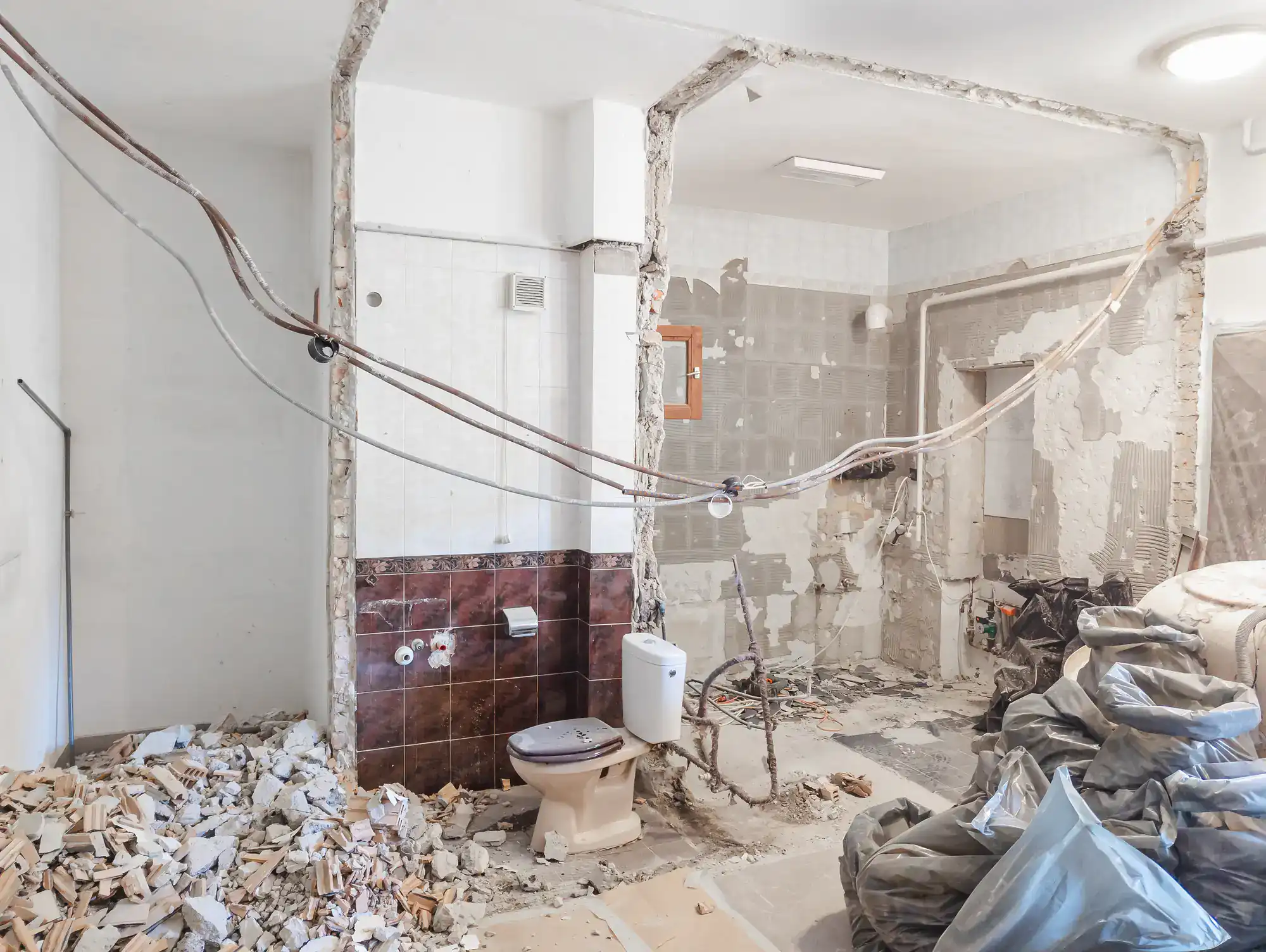
We handle the full range of demolition and environmental services that pre-war homes in Glenside actually require. That includes interior demolition and selective demolition for renovation projects, full house gutting, asbestos testing and abatement, lead inspection and removal, mold remediation, water damage restoration, basement waterproofing, and construction debris removal. The one-stop model exists because these services overlap constantly in Glenside — a water-damaged wall in a 1935 bungalow near Penbryn Park almost always involves mold, and that mold is almost always sitting behind lead-painted plaster or asbestos-backed flooring.
For homeowners dealing with emergency situations — a burst pipe in January, a flooded basement after a heavy storm backs up drainage near the Tookany Creek corridor — we offer 24/7 phone availability and emergency response. Mold starts forming within 24 to 48 hours of water intrusion, and in a home with pre-war framing and no modern vapor barriers, water travels fast through wall cavities and floor systems. Getting someone on-site quickly isn’t just about convenience.
The work is also adapted for Glenside’s dense, attached housing. Stone twins and row homes require careful, controlled selective demolition that doesn’t compromise a shared wall or a neighbor’s foundation. Licensed, supervised crews handle every job — not subcontractors brought in for the day.
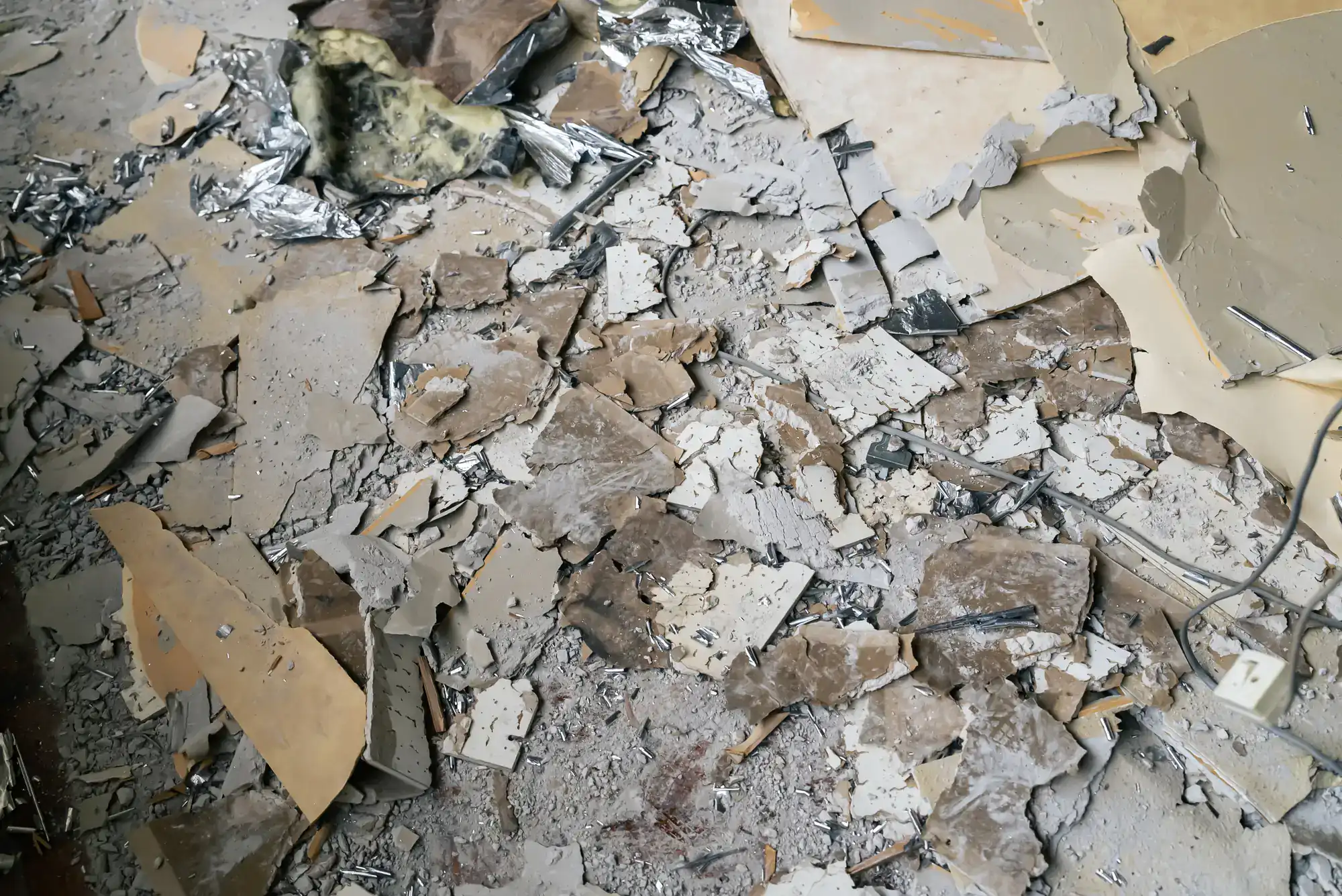
If your home was built before 1980, there’s a strong likelihood that asbestos-containing materials are present somewhere in the structure. In Glenside specifically, where more than half the housing stock was built before 1939, that probability is extremely high. Asbestos was used extensively in pipe insulation, floor tiles, ceiling tiles, joint compound, roofing materials, and exterior siding — all common in the pre-war construction that defines this community.
The only way to know for certain is to test before any demolition begins. Pennsylvania requires that asbestos surveys be completed prior to renovation or demolition activities on structures that may contain asbestos. We can perform that testing as part of the same engagement as the demolition work, so you’re not coordinating two separate companies or waiting on clearance reports before the project can move forward. If asbestos is found, abatement is handled on-site before demo proceeds — no surprises, no stoppage.
Yes, and the permit process in Cheltenham Township changed significantly in February 2025. The township moved to an all-digital submission system through OpenGov, and paper applications are no longer accepted. To pull a permit, you’ll need a registered contractor — Cheltenham Township maintains its own list of registered contractors, and only those on the list can legally submit permit applications on your behalf.
The permit application also requires a signed contract between the contractor and the property owner as part of the submission package. One thing worth knowing: Cheltenham Township imposes triple the standard permit fee on any work that begins before permits are approved. That’s not a minor penalty — it can add hundreds of dollars to your project cost. We handle the entire permit submission process as part of the job, including OpenGov account setup and documentation, so you don’t have to navigate a new government platform on top of managing a demolition project.
A standard demolition contractor tears things out. An EPA-certified contractor knows what needs to happen before anything gets torn out — and is legally qualified to handle it. The EPA Renovation, Repair, and Painting (RRP) Rule requires certified contractors for work on pre-1978 homes, which in Glenside means nearly every home in the community. But there’s a meaningful difference between an RRP-certified contractor and one who holds EPA Certified Lead Inspector and Risk Assessor credentials.
The latter is federally authorized to inspect properties for lead hazards, conduct full risk assessments, and certify lead conditions — not just perform removal. We hold that higher-level certification. We’re also EPA/HUD compliant, which means we’re qualified to perform work under HUD’s lead-safe housing rule (24 CFR Part 35) on federally-assisted housing and pre-1978 structures. For homeowners in Glenside renovating a 90-year-old home, that distinction matters — it means the contractor handling your project is legally cleared for the full scope of what your home requires, not just the parts that don’t trigger federal oversight.
In pre-war construction, water rarely stays where you first see it. Stone foundations wick moisture, older drainage systems fail under heavy rain, and homes built without modern vapor barriers allow water to travel through masonry and framing in ways that newer construction prevents. What looks like a damp corner in a Glenside basement can be the visible end of water that’s been moving through the wall system for months.
The Tookany Creek corridor adds a specific dimension to this for some Glenside neighborhoods. The Army Corps of Engineers built a levee specifically for the Brookdale Avenue area because creek flooding has been a recurring, serious issue here — not a rare event. When water intrusion is significant, gutting the affected area is often the only way to fully assess the damage, remove mold-contaminated materials, and restore the space properly. We handle the full sequence: emergency response, gutting, mold remediation, and waterproofing — so the fix addresses the actual problem, not just the visible surface.
Timeline depends on the scope of the work and what’s found during the process. A straightforward interior demolition on a single room in a home without hazardous materials can move quickly — sometimes completed within a day or two. But in Glenside, where the housing stock is predominantly pre-war, it’s realistic to build in time for hazmat testing and potential abatement before the demolition phase begins.
If asbestos or lead is identified, abatement must be completed and the space must pass clearance testing before demolition proceeds. That adds time to the project, but it’s non-negotiable from both a legal and health standpoint. We manage this sequencing as part of the standard workflow, so you’re not losing time to back-and-forth coordination between separate companies. The free estimate at the start of the project includes an honest timeline assessment based on the specific conditions of your home — not a generic answer that changes once work begins.
We offer a cash discount for customers who pay in cash. In a community like Glenside, where a significant portion of the housing stock requires hazmat testing and abatement alongside demolition work — meaning the total project cost can add up quickly — that discount is a real, tangible savings, not a token gesture. It’s also one of the reasons we’re upfront about pricing from the start: free estimates, written scopes of work, and no surprise charges for permits, debris removal, or hazmat handling that surface after you’ve already signed.
For Glenside homeowners who are managing a renovation budget on a home that may require asbestos abatement, lead remediation, and structural demolition all in one project, knowing the full cost before work begins matters. The estimate you get from us reflects the actual scope of what your home requires — including the conditions that pre-war construction in Glenside almost always presents — so the number you agree to at the start is the number you’re working with.
Other Services we provide in Glenside