Hear from Our Customers
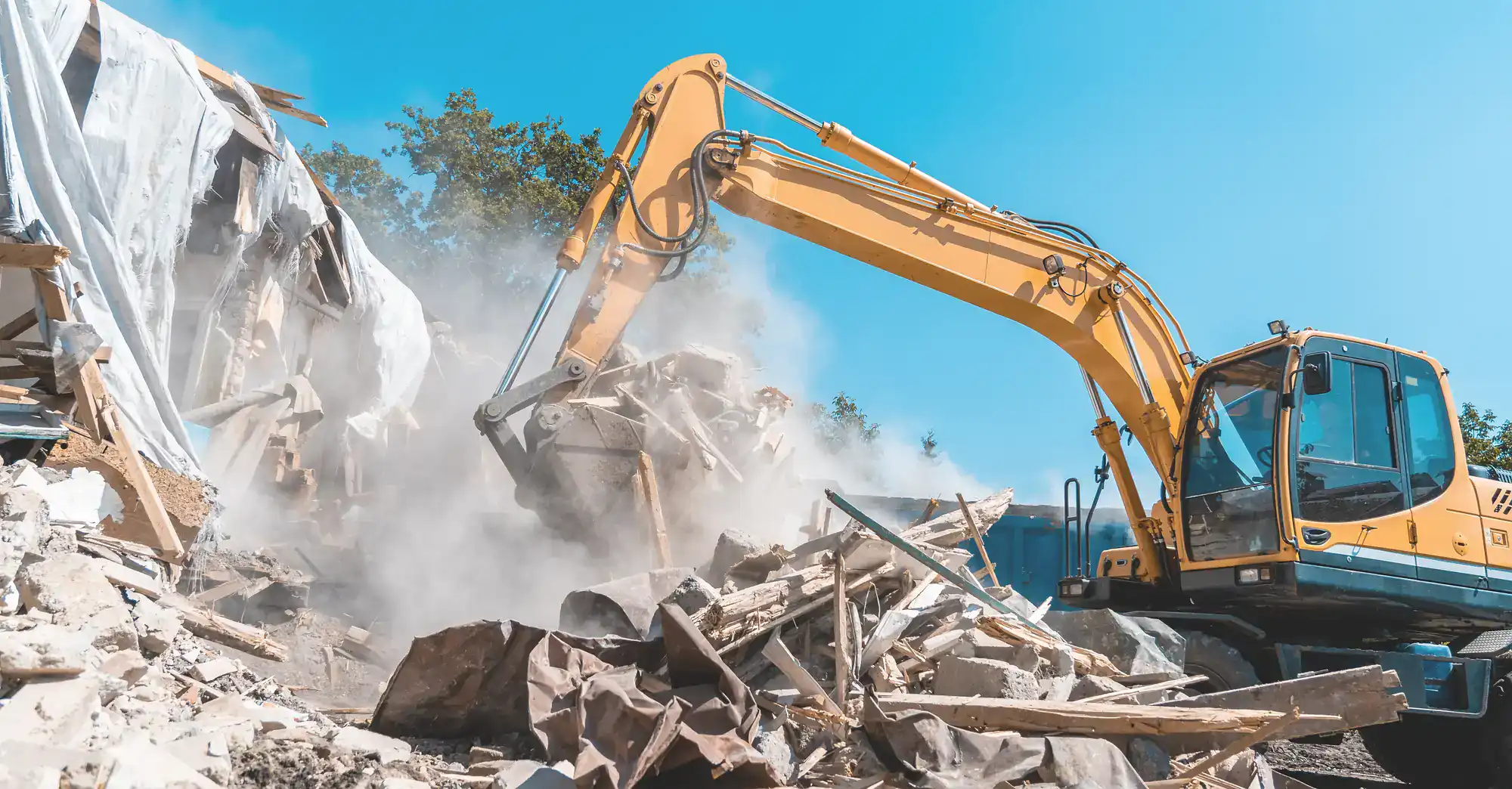
When demolition is handled properly in an older Upper Dublin home, the result isn’t just a cleared space — it’s a clean, safe, permit-ready site that your contractor can actually build on without surprises waiting inside the walls. That’s what you’re really paying for.
Upper Dublin’s housing stock tells the story pretty clearly. Most of the neighborhoods in Dresher, Fort Washington, and Maple Glen were developed between the 1950s and early 1970s, right in the window when lead paint was standard and asbestos showed up in everything from floor tiles to pipe insulation to ceiling texture. If you’re gutting a kitchen, finishing a basement, or doing a full renovation in one of these homes, the odds are good that hazardous materials are somewhere in the mix. That’s not a worst-case scenario — it’s just the reality of mid-century construction in Montgomery County.
What that means practically is this: if the crew you hire isn’t certified to handle what they find, they have to stop. They call someone else. You wait. You coordinate. You pay for two mobilizations instead of one. We handle the testing, the abatement, and the demolition under one roof — so when something turns up behind the drywall of a 1963 Fort Washington Colonial, the job keeps moving.
We’ve been doing this work in Upper Dublin and the surrounding Montgomery County area for over twenty years. That’s not a number thrown out to impress — it means we’ve gutted the mid-century Colonials and ranch homes that define Upper Dublin’s neighborhoods, found asbestos in duct work that nobody expected, and handled lead abatement in kitchens that had been renovated three times over. We’ve seen what this housing stock actually contains.
We’re fully licensed, bonded, and insured — and we carry the credentials that actually matter in Pennsylvania: state-licensed asbestos contractor, Certified Lead Inspector and Risk Assessor, and full EPA/HUD compliance for pre-1978 residential work. These aren’t optional extras in Upper Dublin, where most of the homes were built before 1978. They’re the legal baseline for doing the job right.
We serve Chester, Delaware, Montgomery, New Castle, and Bucks counties, and Upper Dublin is squarely in our lane. Fort Washington, Dresher, Maple Glen — we know the area, we know the permit process, and we know what to expect when we open up a wall in a home built during the postwar boom.
Before any demo work begins in Upper Dublin, we start with an evaluation of the space. That means assessing what’s there, what’s likely behind it, and whether any materials need to be tested before the crew touches them. In a township where the housing stock runs heavily toward mid-century construction, this step isn’t a formality — it’s what keeps a straightforward gut renovation from turning into a compliance problem halfway through.
Upper Dublin Township requires a pre-demo inspection before your demolition permit is issued, and a final inspection before construction permits are approved. Contractors also need to be registered with the township and carry insurance that names Upper Dublin Township as a certificate holder. We already satisfy all of that. We handle the paperwork, we know what the township’s code enforcement office expects, and we don’t leave you to figure out the online permitting portal on your own.
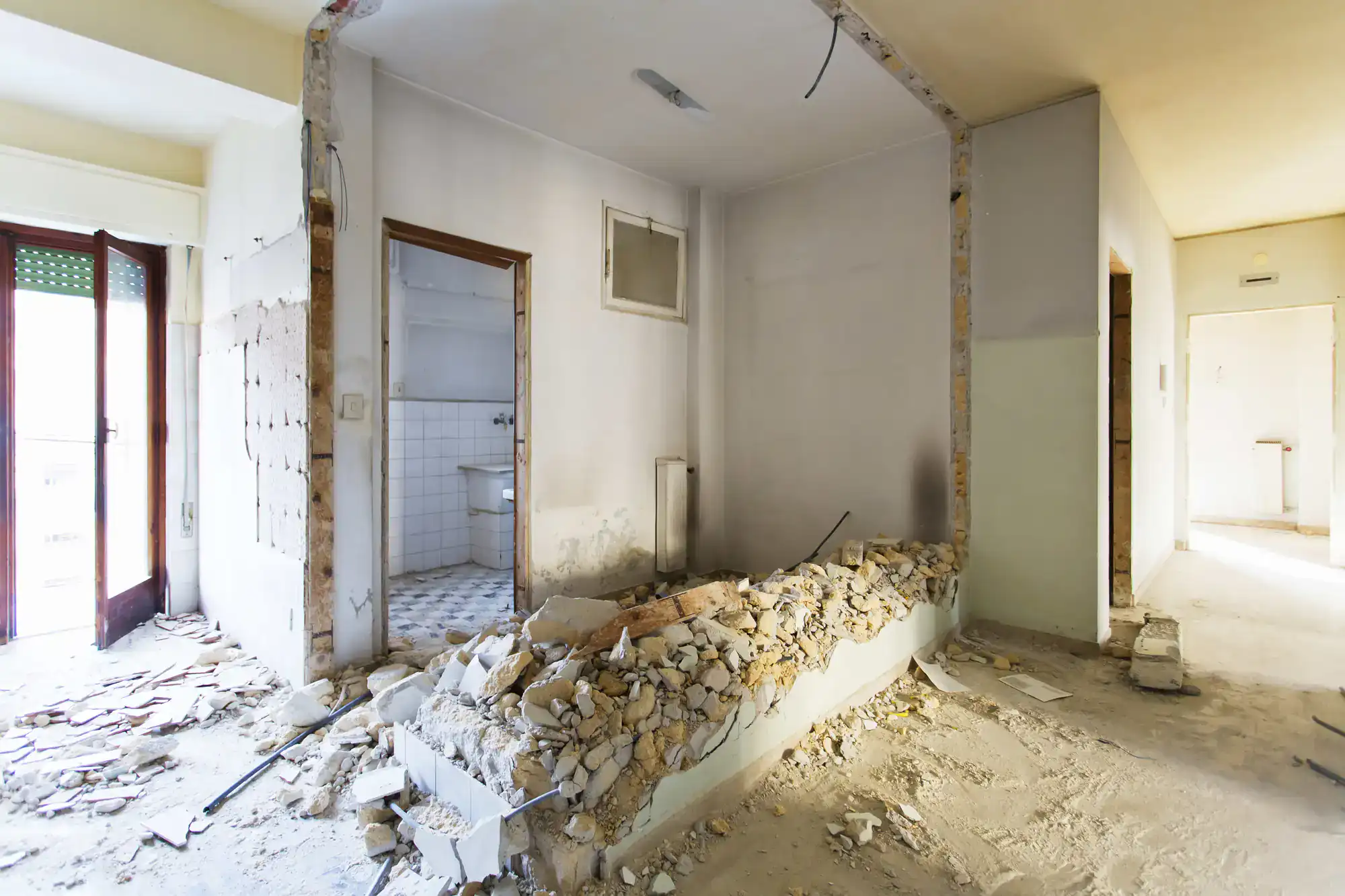
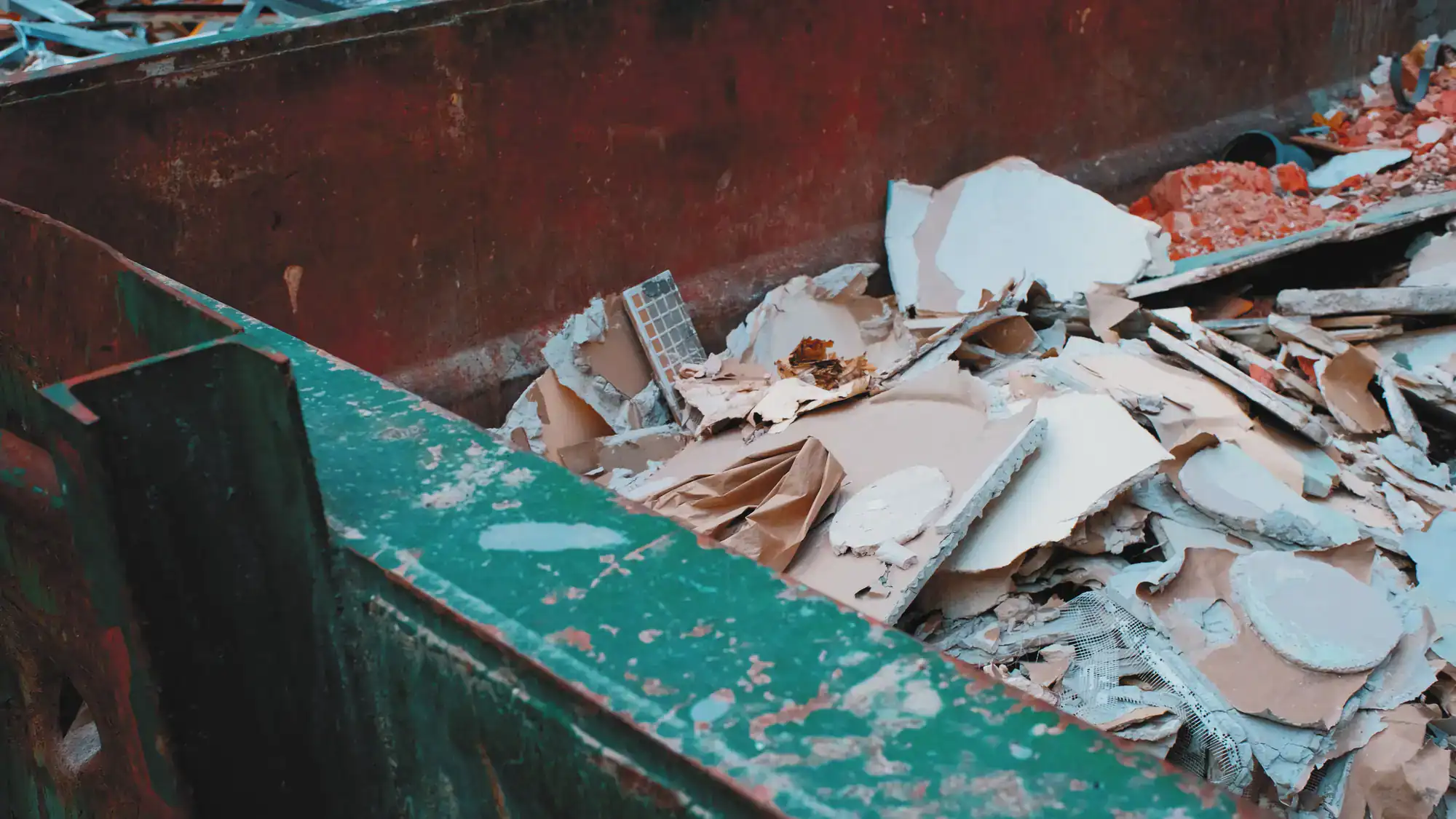
Once the permit is in hand and the inspection is cleared, the actual work begins — gutting, debris removal, hazmat abatement if needed, all under on-site licensed supervision with HEPA filtration in place to protect the rest of the home. When it’s done, the site is clean, documented, and ready for your next contractor to walk in and start building. No loose ends, no mystery materials left behind.

Ready to get started?
We handle the full range of what an older Upper Dublin home typically requires when it’s time to gut and renovate. That includes environmental testing and sampling, asbestos removal, lead paint encapsulation or removal, mold remediation, full interior demolition and gutting, waterproofing, duct cleaning, oil tank removal, and debris disposal. If you’re planning a major renovation in a home built before 1978 — which describes most of the housing in Dresher, Fort Washington, and Maple Glen — this isn’t a list of add-ons. It’s the realistic scope of what the job involves.
The one-stop model matters most when something unexpected turns up. A demo-only contractor who finds asbestos insulation wrapped around the pipes in a 1958 Fort Washington ranch has to stop work and bring in a separate certified abatement crew. That means delays, extra coordination, and costs that weren’t in the original quote. When we’re already on site with the proper certifications, the discovery becomes the next step in the same project — not a reason to pause everything.
Estimates are free, cash discounts are available, and we’ll beat any legitimate competing estimate. We’re also available by phone around the clock — including for emergency response when a flooded basement or mold situation in an Upper Dublin home can’t wait until Monday morning. If you want to know what your specific project actually costs, the fastest way to find out is to call.
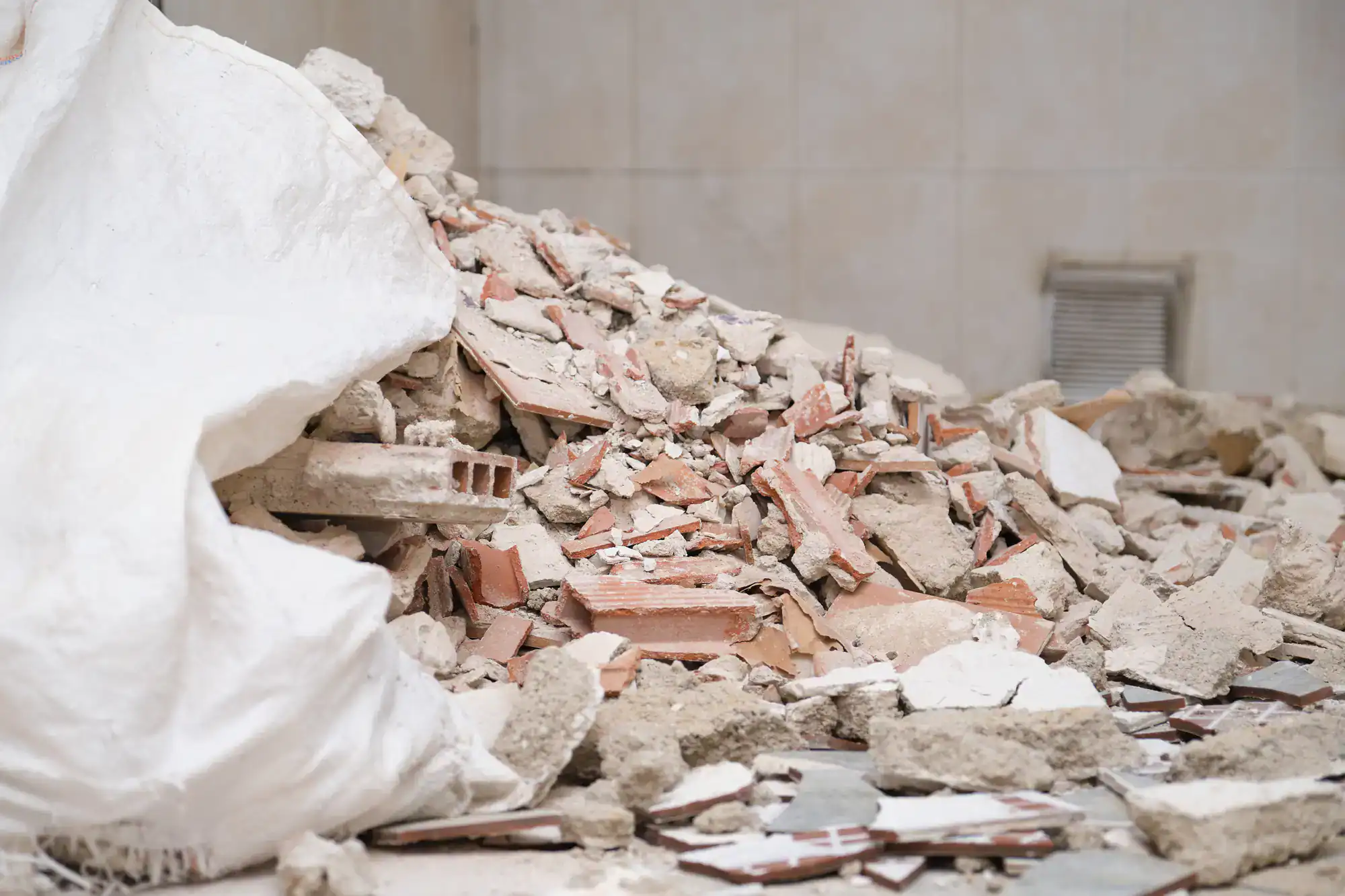
Yes, Upper Dublin Township requires a demolition permit for interior gut work, and the process has a few specific steps worth knowing before you hire anyone. The township requires a pre-demo inspection to be completed before the permit is issued — meaning the work cannot legally begin until that inspection happens. After demolition is complete, a final inspection is required before construction permits are approved. So there are two checkpoints built into the process, not one.
Contractors also need to be registered with Upper Dublin Township and carry general liability and workers’ compensation insurance that names the township as a certificate holder. All permit applications are submitted online through the township’s OpenGov portal — paper applications are no longer accepted. If work starts before permits are obtained, a late fee applies. Hiring a contractor who already knows this process and has the required documentation on file is the simplest way to avoid delays before the job even starts.
The honest answer is that you don’t know until it’s tested — but if your home was built before 1978, the probability is high enough that testing should be part of the plan, not an afterthought. Upper Dublin’s postwar development boom means that the majority of homes in neighborhoods like Dresher, Fort Washington, and Maple Glen were built during the 1950s, 1960s, and early 1970s, when lead-based paint was standard in residential construction and asbestos was used widely in insulation, floor tiles, ceiling texture, joint compound, and HVAC duct work.
A certified environmental contractor can test the materials in your home before demolition begins. This is not just a precaution — under Pennsylvania’s Asbestos Accreditation and Certification Act and the EPA’s Lead Renovation, Repair, and Painting Rule, disturbing these materials without proper testing and handling by a licensed contractor carries real legal exposure for both the contractor and the homeowner. We hold the state asbestos license and the Certified Lead Inspector and Risk Assessor credential, so testing and abatement are part of the same project — not a separate call to a separate company.
If a contractor finds asbestos mid-project and isn’t licensed to handle it, they’re legally required to stop work. That means the job pauses while you locate a certified abatement contractor, wait for their availability, coordinate a second mobilization, and then restart demolition once the material is cleared. In practical terms, that’s days or weeks of delay, and costs that weren’t in the original estimate.
When we’re handling the project, a mid-demo asbestos discovery in your Upper Dublin home doesn’t stop the job — it just moves into the next phase. Because we hold the state asbestos license and have the equipment and protocols already on site, abatement becomes part of the workflow rather than a disruption to it. HEPA filtration systems are used to protect the rest of the home during the process, and the work is performed under on-site licensed supervision throughout. For homeowners in Upper Dublin renovating mid-century homes where this kind of discovery is a realistic possibility, having a contractor who can handle it in-house is the difference between a project that stays on schedule and one that doesn’t.
The national average for interior demolition runs roughly $2 to $8 per square foot, and gutting a full home down to the studs can range from around $2,500 to close to $10,000 depending on the size and scope of the project. But those ranges don’t tell you much about what your specific job will actually cost — and in Upper Dublin, there are factors that can shift the number meaningfully.
The biggest variable in an older Upper Dublin home is what’s inside the walls. If asbestos or lead paint is present, abatement needs to happen before or during demolition, and that adds to the scope. The township’s two-inspection permit process also adds a procedural layer that affects scheduling. A free, on-site estimate from us gives you a real number for your specific project — not a national average. We offer cash discounts and will beat any legitimate competing estimate, so if you’ve already gotten a quote from another contractor, it’s worth a call before you sign anything.
Technically, homeowners can perform some demolition work in their own homes — but in Upper Dublin, the permit requirements and the hazmat reality of the local housing stock make DIY demo a genuinely risky route for most projects. The township requires permits for demolition work, a pre-demo inspection before the permit is issued, and contractor registration with insurance documentation. As a homeowner doing your own work, you’re still subject to the inspection requirements, and you’re personally responsible for compliance.
The bigger issue is what’s inside the walls. If your home was built before 1978 — which covers most of the housing stock in Fort Washington, Dresher, and Maple Glen — there’s a real chance you’ll encounter lead paint or asbestos the moment you start opening things up. Disturbing those materials without proper handling is a federal violation under the EPA’s Lead Renovation, Repair, and Painting Rule. The cost of hiring a licensed contractor who handles this correctly from the start is almost always less than the cost of stopping a DIY project halfway through because of a hazmat discovery you weren’t equipped to deal with.
We offer cash discounts on demolition and environmental services, and we’ll match or beat any legitimate competing estimate. For homeowners in Upper Dublin who are already managing the cost of a major renovation — and dealing with the added scope that comes with older homes in this area — that’s a practical consideration, not a gimmick.
The cash discount reflects a straightforward business reality: fewer transaction fees and simpler accounting on both sides. For a homeowner in Dresher or Maple Glen who’s already budgeting for permits, inspections, and the possibility of hazmat abatement on top of the demolition itself, every dollar of savings in the right place matters. The free estimate means you get a real number for your actual project before committing to anything — and if you’ve already gotten a quote from another contractor in Montgomery County, we’ll tell you honestly whether we can do better.
Other Services we provide in Upper Dublin