Hear from Our Customers
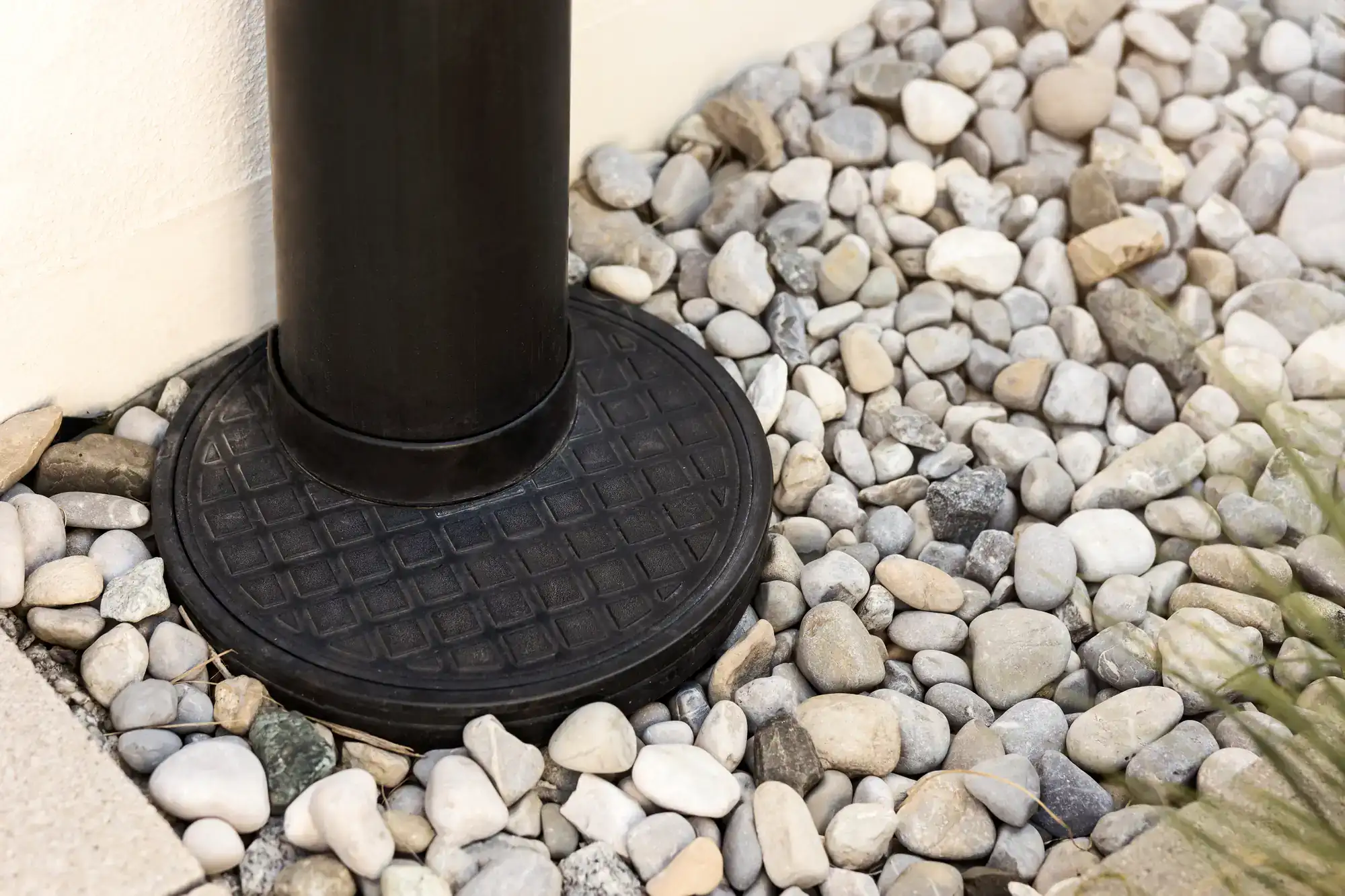
Water doesn’t care how much your home is worth. In Upper Dublin, where FEMA has mapped real flood zones and the township has sought federal funding specifically to manage water flow into Sandy Run Creek, the pressure pushing against your foundation walls after a heavy rain isn’t a fluke — it’s a pattern. A properly installed french drain intercepts that groundwater before it ever reaches your basement, relieving the hydrostatic pressure that causes cracks, seepage, and long-term structural damage.
For homes in Dresher and Fort Washington — where the majority of the housing stock was built during the postwar boom of the 1950s and 1960s — that drainage problem compounds quickly. Older foundations weren’t built to the waterproofing standards we hold today, and the clay-heavy soils near the Wissahickon Creek watershed don’t drain fast enough to give your foundation any relief during a storm. A french drain system changes that equation permanently.
When the work is done right, you get usable space back. A basement that was damp, musty, and off-limits becomes somewhere you can actually finish and use. The yard that turned into a swamp after every storm drains the way it’s supposed to. And a home that was quietly losing value to water damage starts holding it instead.
We’ve been working on homes in Upper Dublin and the Philadelphia suburban corridor for about 20 years. That’s long enough to know the difference between a drainage problem in Maple Glen and one near the Fort Washington flood plain — and to know that the same cookie-cutter fix doesn’t work for both.
What sets us apart in Upper Dublin specifically isn’t just experience. It’s credentials. As a Certified Lead Inspector and Risk Assessor operating under EPA and HUD guidelines, we test before we dig. In a township where nearly every home was built before 1978 — before the federal lead paint threshold — that matters more than most homeowners realize. No other drainage contractor serving Dresher or Fort Washington brings that level of environmental oversight to a french drain job.
We’re fully licensed, bonded, and insured. We provide free estimates. We’re available by phone 24 hours a day. And if the job uncovers mold, lead, or moisture damage beyond the drain itself, we handle that too — no second contractor required.
It starts with a free on-site estimate. One of our technicians walks your property, identifies where water is entering or pooling, and assesses the drainage path needed to move it away from your foundation. In Upper Dublin, that assessment includes a look at soil conditions near any creek drainages, the grade of your yard, and whether the outlet point connects to a swale or stormwater feature — because Upper Dublin’s Chapter 240 Watercourses ordinance requires a permit for work that affects those systems. We know the local permit requirements and handle that process correctly from the start.
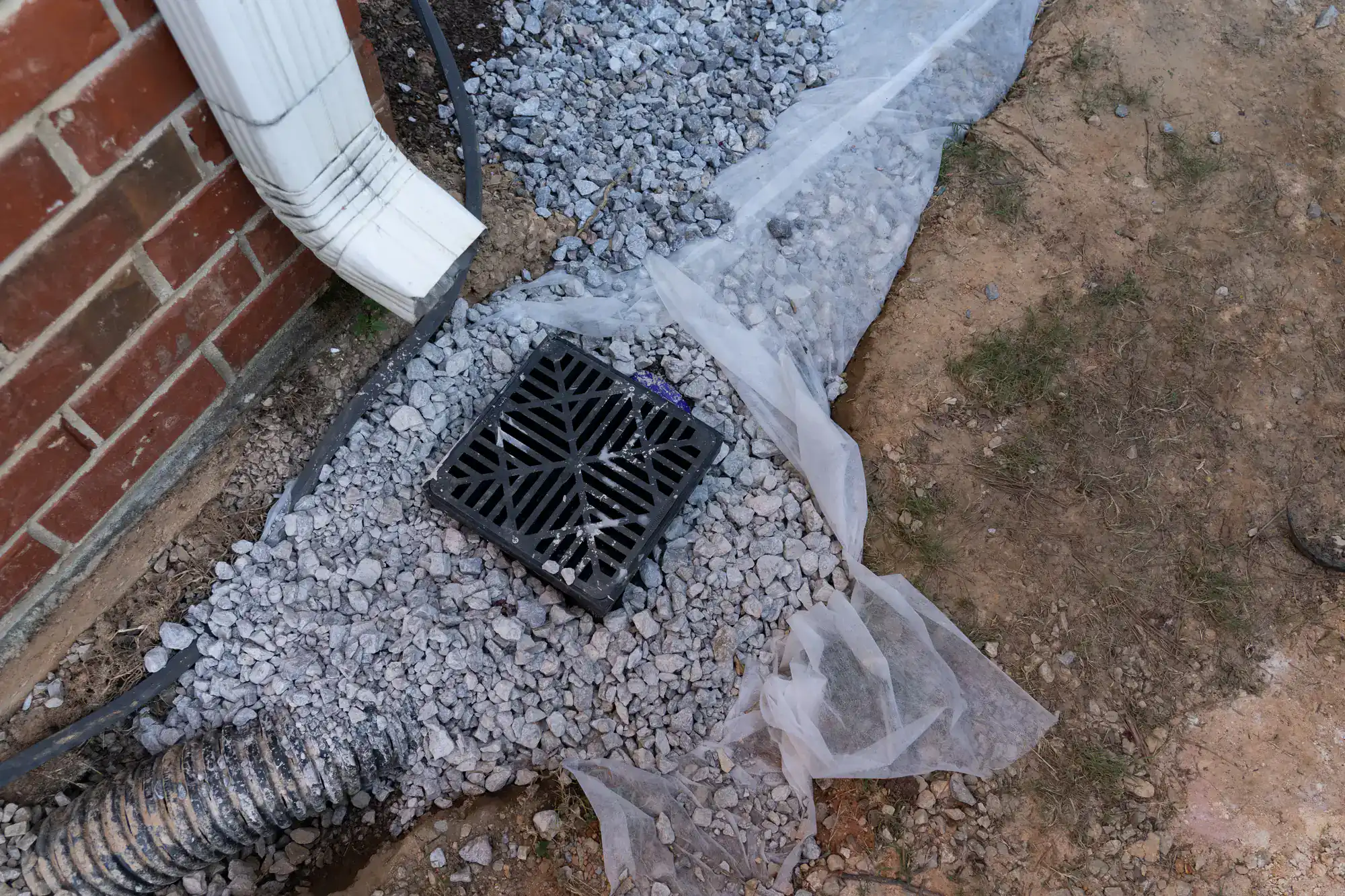
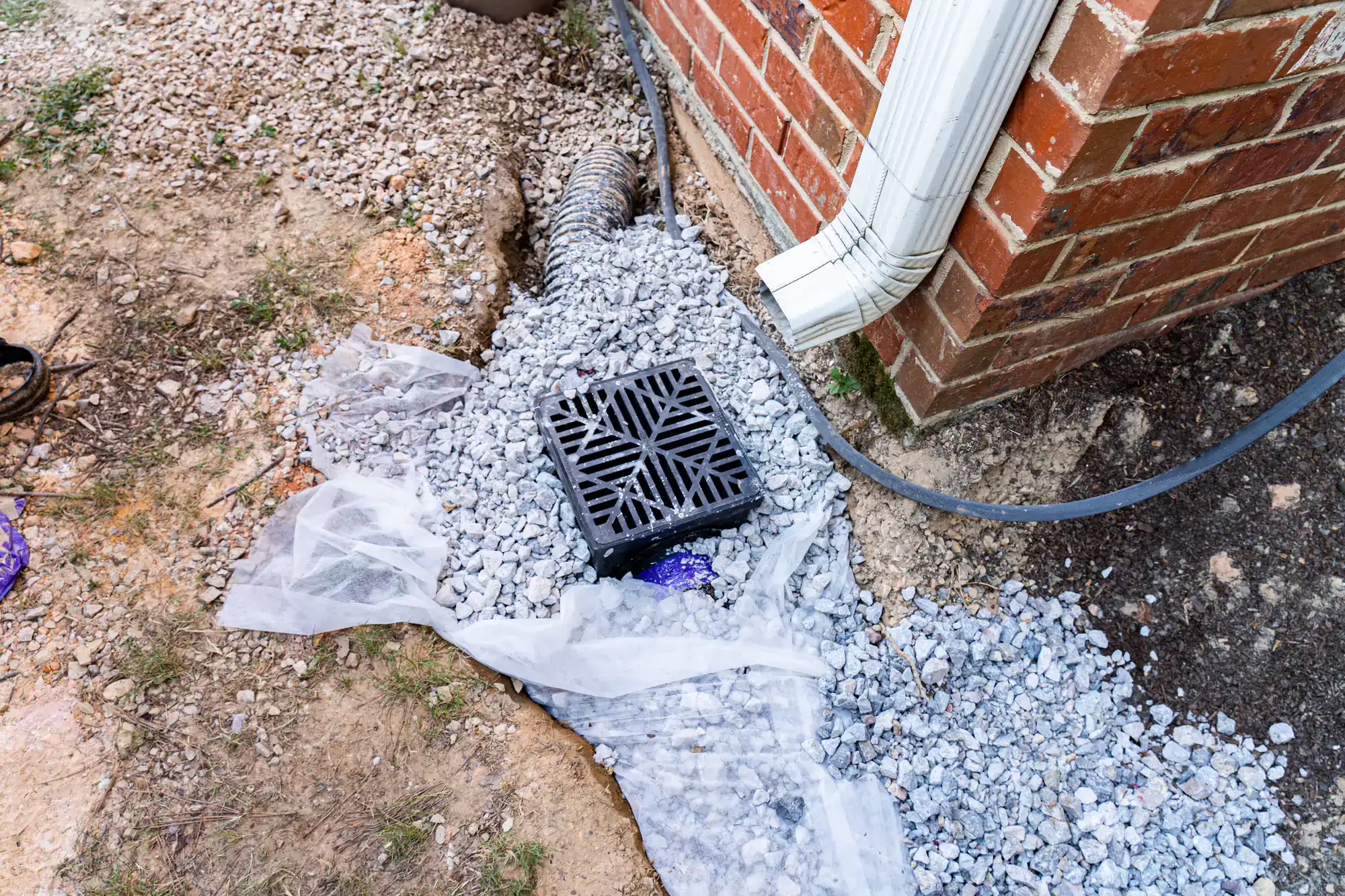
Once the plan is set, excavation begins. For an interior system, that means breaking the perimeter of the basement slab, laying perforated PVC pipe in a bed of clean crushed stone, wrapping it in geotextile filter fabric to prevent clogging, and routing everything to a sump pump basin. For an exterior system, the trench runs along the foundation perimeter or across the yard, sloped precisely so gravity does the work. Before any of that starts in a pre-1978 home — which covers most of Dresher and Fort Washington — we conduct the environmental screening that no standard drainage contractor bothers with.
After installation, the trench is backfilled, the grade is restored, and the system is tested. You’re left with a drain built to last 30 to 40 years, not a quick fix that fails in five.
Ready to get started?
Every french drain installation we complete in Upper Dublin is designed around the specific conditions of that property. Interior systems address water coming up through the floor or in through the base of the foundation wall — common in the older basement construction you find throughout Dresher and Jarrettown. Exterior systems intercept groundwater at the surface before it saturates the soil around your foundation — the right call for properties with significant grade, heavy clay content, or yard drainage that pools near the structure.
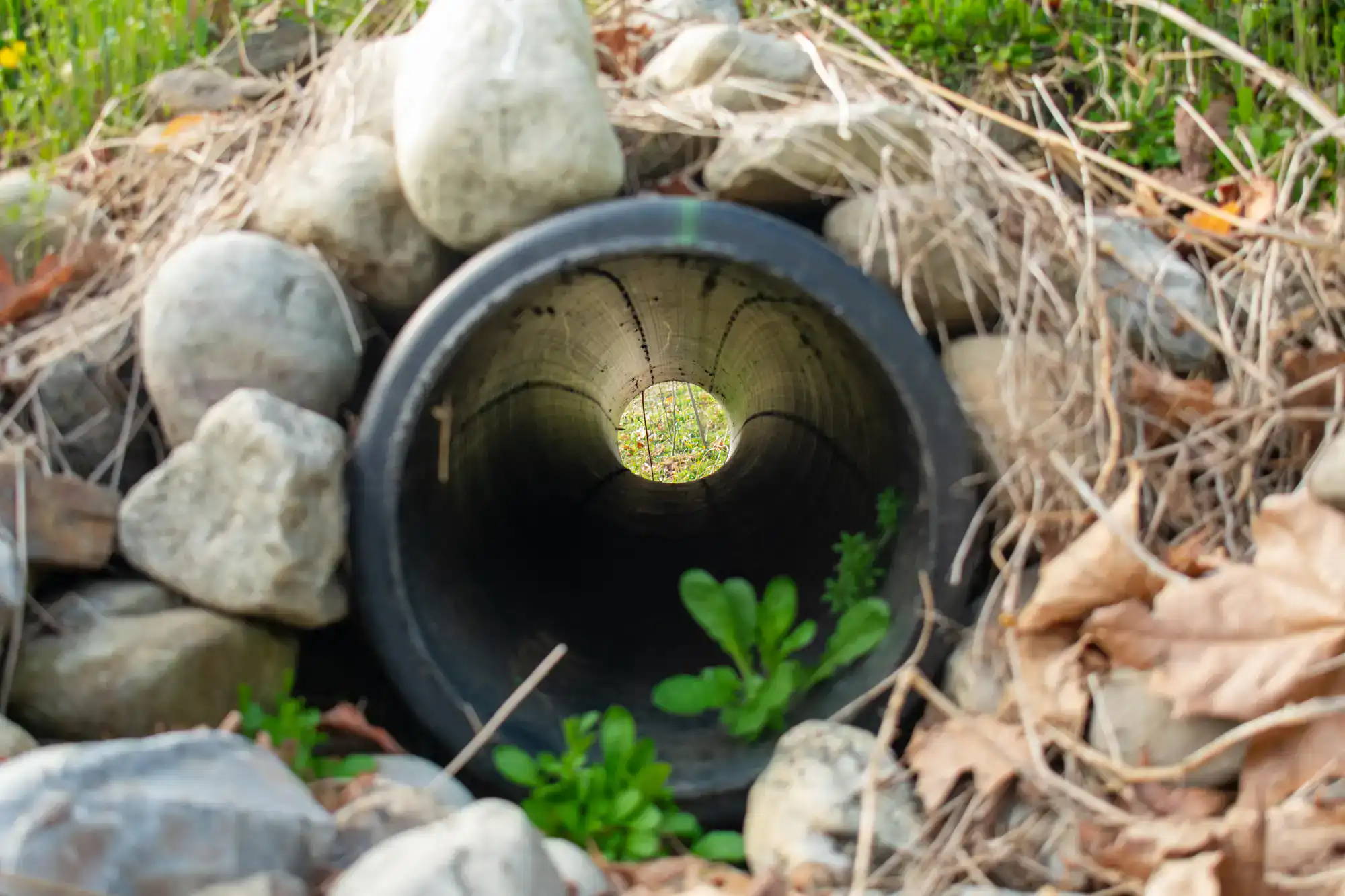
Both systems use rigid perforated PVC pipe — not the flexible corrugated tubing that collapses and clogs within a few years. Clean crushed stone. Properly rated geotextile filter fabric. And a slope calculated to move water, not just sit there looking like a drain. For homes in Upper Dublin’s documented flood zones near Fort Washington, the outlet design matters just as much as the pipe — and we design it accordingly.
Because we’re also a certified environmental services company, every job in a pre-1978 Upper Dublin home includes a pre-installation hazard screening. If lead or asbestos is present near the work area, it’s identified and handled safely before the first shovel goes in — not discovered mid-job and ignored. That’s not standard practice among local drainage contractors. It is standard practice here.

In many cases, yes. Upper Dublin Township’s Chapter 240 — the Watercourses ordinance — requires a permit for any work that stops, fills, confines, or otherwise interferes with a drain, ditch, swale, stormwater management facility, or watercourse. If your french drain outlet connects to or affects one of those features, a permit is required before work begins. The township also enforces the Pennsylvania Uniform Construction Code for work classified as an alteration or repair, which can apply to interior drain installations that involve breaking the basement slab.
This isn’t something to skip or work around. Upper Dublin is an active code enforcement township, and homeowners who hire contractors that pull no permits carry the liability if a violation surfaces later — especially during a home sale. We understand the local permitting landscape in Upper Dublin and handle the process correctly from the start, so you’re protected on both ends.
The cost for your property depends on the length of the drain, whether it’s interior or exterior, the soil conditions, the outlet design, and whether any environmental screening is needed before excavation. In Upper Dublin, where a significant portion of homes are pre-1978 and may require a lead or asbestos assessment prior to foundation work, that screening is often part of the job — and it’s something we include rather than bill as a surprise add-on.
For most residential projects in Upper Dublin, the range falls somewhere between $3,000 and $8,000 depending on scope. We provide free, detailed estimates before any commitment is made, so you’ll know exactly what you’re looking at before work starts. Given that FEMA data puts the average water damage claim at over $15,000, a properly installed drain system is one of the better investments you can make in a home worth $400,000 to $1 million or more.
The short answer is soil. Much of the Dresher area — and the broader Wissahickon Creek watershed that Upper Dublin sits within — has clay-heavy soil in the lower elevations near creek drainages. Clay absorbs water slowly and releases it slowly, which means the ground around your foundation stays saturated long after the rain stops. That sustained saturation creates hydrostatic pressure — water pressing against your basement walls and floor from the outside. Eventually, it finds a way in.
A french drain works by intercepting that groundwater before it builds pressure against your foundation. Interior systems relieve pressure from beneath the slab. Exterior systems catch it before it reaches the wall. The right choice depends on where the water is entering and what the drainage path looks like on your specific property. That’s exactly what the on-site assessment is for — and why a generic answer from a website isn’t enough to tell you what your basement actually needs.
If your home was built before 1978 — which covers the majority of Upper Dublin’s housing stock, given that the township’s postwar build-out happened almost entirely between the late 1940s and early 1970s — then yes, it’s worth taking seriously. Lead-based exterior paint, lead-contaminated soil around the foundation perimeter, and asbestos pipe insulation in older mechanical systems are all real possibilities when you’re excavating near a foundation or breaking a basement slab in a home of that era.
Most drainage contractors don’t test for any of this. They dig, they install, and they leave — and if something gets disturbed in the process, that’s your problem. We’re a Certified Lead Inspector and Risk Assessor operating under EPA and HUD guidelines, which means we screen for these hazards before any excavation begins. If something is found, it’s handled correctly — contained, abated, and documented — not ignored. In a township where pre-1978 homes are the rule rather than the exception, that distinction is significant.
A properly installed french drain — built with rigid perforated PVC pipe, clean crushed stone, correctly rated geotextile filter fabric, and a precise slope to a well-designed outlet — typically lasts between 30 and 40 years. The systems that fail early are almost always the ones that cut corners on materials: flexible corrugated tubing that collapses under soil pressure, fabric that wasn’t rated for the soil type, or insufficient slope that lets sediment accumulate and clog the pipe over time.
In Upper Dublin, where the clay-heavy soils near Sandy Run Creek put consistent pressure on drainage systems, the material and installation quality matter more than in areas with naturally well-draining soil. A system that’s undersized or improperly sloped for these conditions will underperform and need replacement far sooner than it should. Regular inspection every few years — and occasional french drain cleaning if sediment builds up at the outlet — keeps a well-built system running for decades without major intervention.
We offer cash discounts on qualifying projects. For Upper Dublin homeowners managing high-value properties and often complex project scopes — especially those that involve environmental screening alongside the drainage work itself — paying in cash can meaningfully reduce the total cost of a job that might already span multiple service areas. It’s a straightforward way to pass savings directly to you without adding financing overhead to the invoice.
Beyond that, we provide free estimates on every project. You’ll get a detailed breakdown of what the job involves and what it costs before you commit to anything. There’s no pressure, no expiring quote, and no manufactured urgency. If you’re in Dresher, Fort Washington, Maple Glen, or anywhere else in Upper Dublin Township and you want to know what a properly installed french drain system would actually cost for your specific property, the estimate is the right place to start — and it costs you nothing to find out.
Other Services we provide in Upper Dublin