Hear from Our Customers
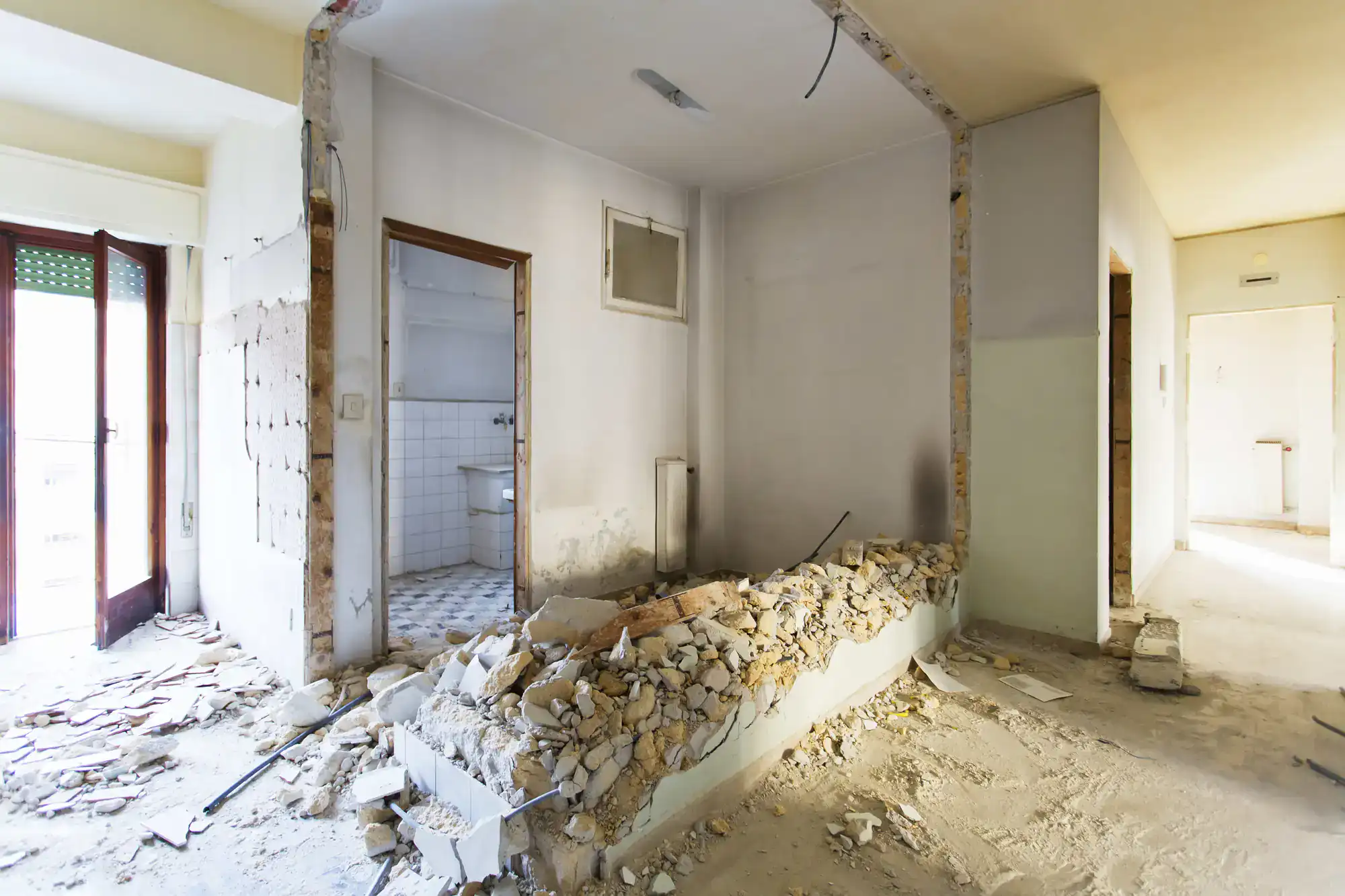
Here’s what actually happens on a lot of gut renovations in Schuylkill Township: someone hires a demolition-only crew, they open up the walls of a 1970s colonial off White Horse Road or an older farmhouse near the Valley Forge corridor, and they find asbestos in the floor tile or lead paint on every surface. Work stops. The demo crew walks. Now you’re scrambling for a separate certified abatement contractor while your timeline and budget fall apart.
That’s not how it goes when you call us. Testing, remediation, and demolition happen under one contract. No handoff, no gap, no mid-project surprise that holds your renovation hostage. You keep moving.
And given that Schuylkill Township’s housing stock ranges from pre-Revolutionary War stone farmhouses to mid-century colonials and 1970s builds, the odds of running into asbestos-containing materials or lead-based paint aren’t low — they’re near-certain in a large share of homes here. The Schuylkill River runs along the township’s northern edge, which also means basement water intrusion and mold are real issues for properties in that corridor. When you need gutting and waterproofing handled together, we do both.
We’ve been doing this work in Chester County for over twenty years, with deep roots in Schuylkill Township and the surrounding communities. This isn’t a side service — it’s our core specialty. Our team holds Pennsylvania state certification for asbestos contractor work, Certified Lead Inspector and Risk Assessor designation, and full EPA/HUD compliance credentials. Those aren’t marketing badges. They’re state-issued licenses that are legally required to do this work correctly, and a lot of contractors operating in this space don’t hold them.
Schuylkill Township is Chester County — not Montgomery County, not Schuylkill County up in coal country. We know the difference, know Chester County’s permitting process, and have worked in the older homes that define this area’s housing stock. When you’re renovating a property near Valley Forge National Historical Park or anywhere along the Route 23 corridor, you want a contractor who already understands what they’re walking into.
It starts with a free estimate. Someone from our team walks the property, looks at what you’re working with, and gives you a straight answer on scope and cost before anything else happens. No commitment, no pressure — just a clear picture of what the job involves.
From there, if there’s any reason to believe hazardous materials are present — and in a Schuylkill Township home built before 1978, there usually is — testing happens first. That’s asbestos sampling, lead paint assessment, or both, depending on the property. Pennsylvania state law and EPA regulations require that regulated asbestos-containing materials be removed by a licensed abatement contractor before demolition or renovation can disturb them. We handle that removal under state certification, with HEPA filtration systems running throughout to keep the rest of the structure clean and the air safe.
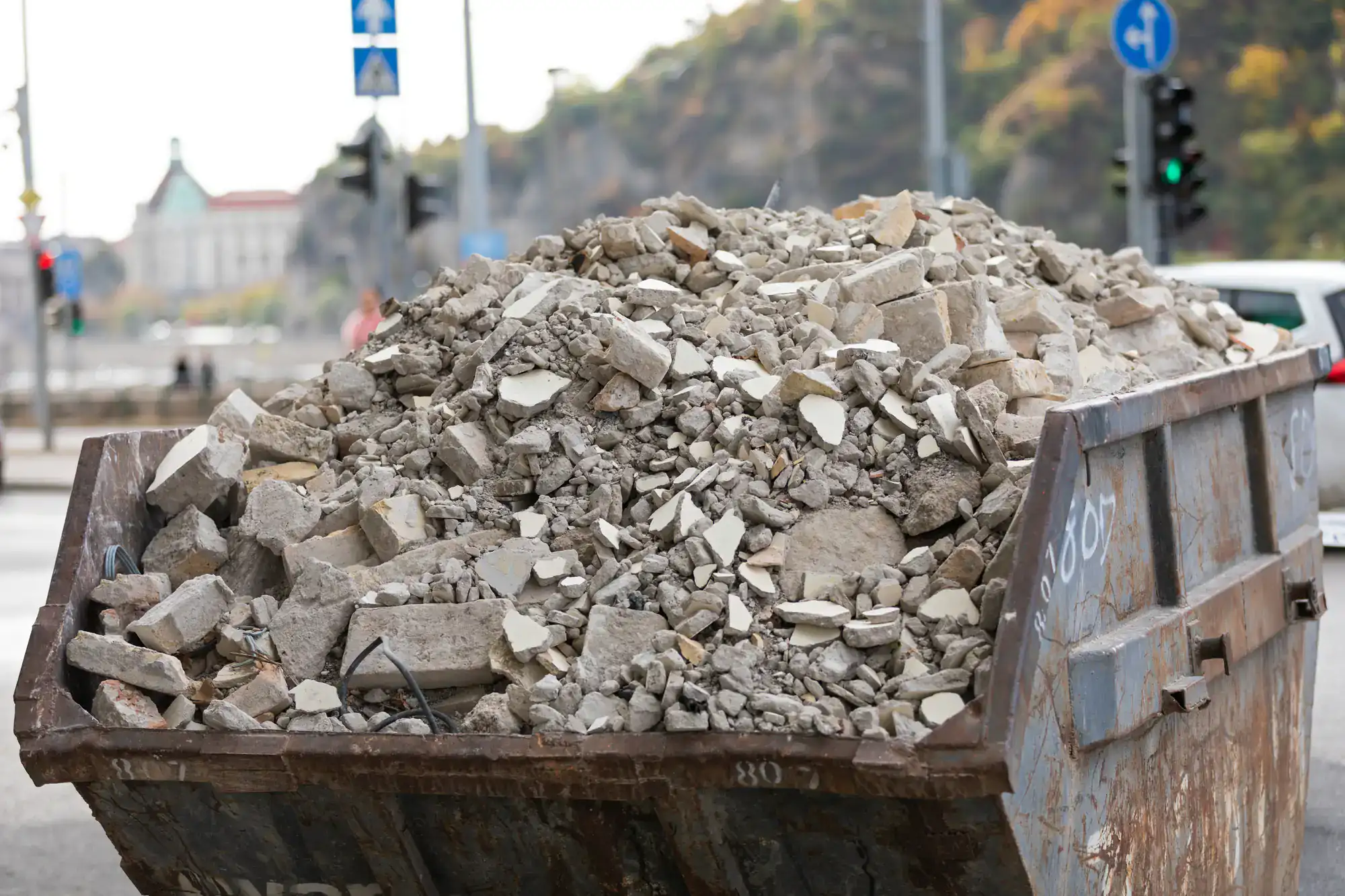
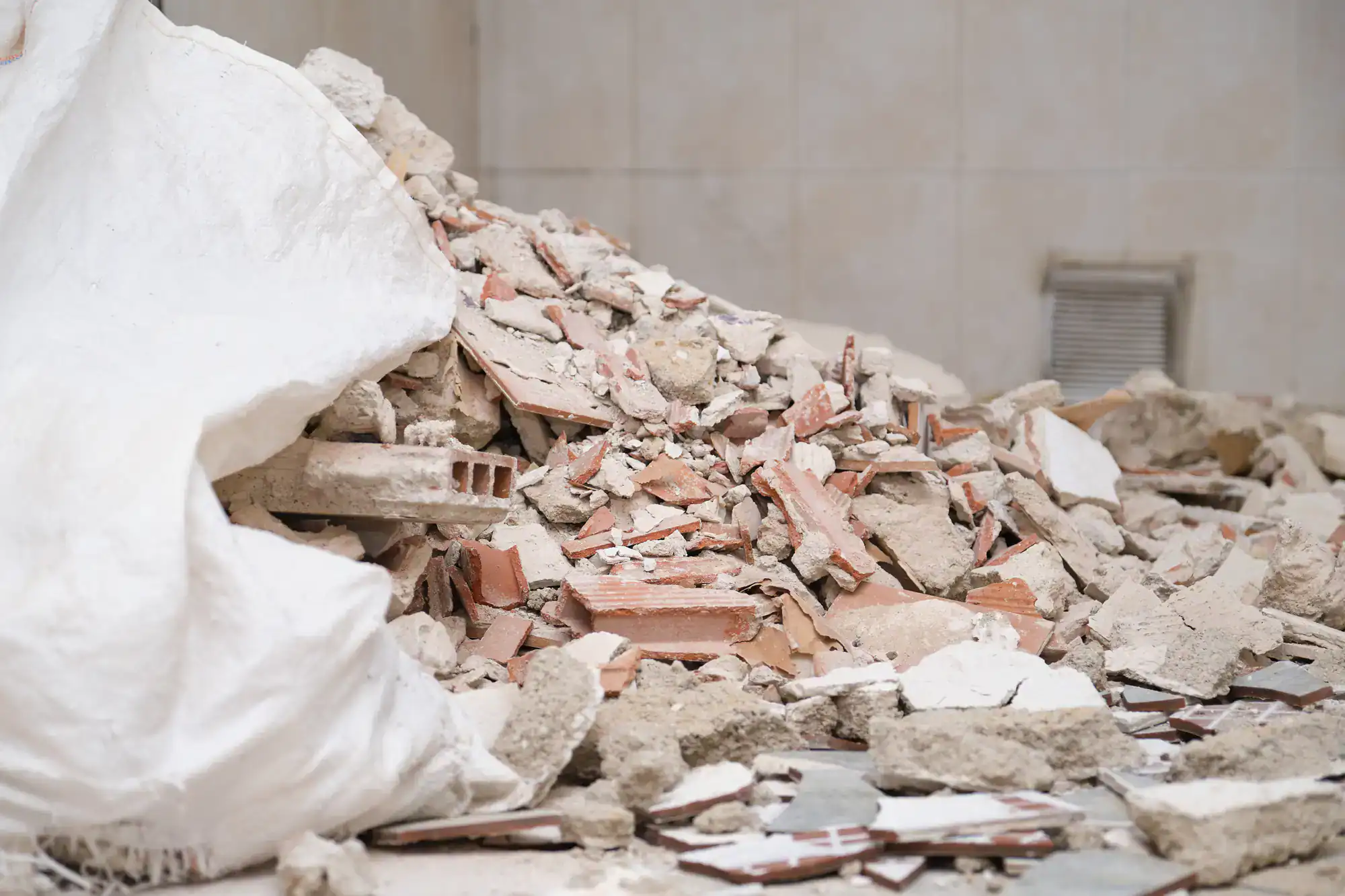
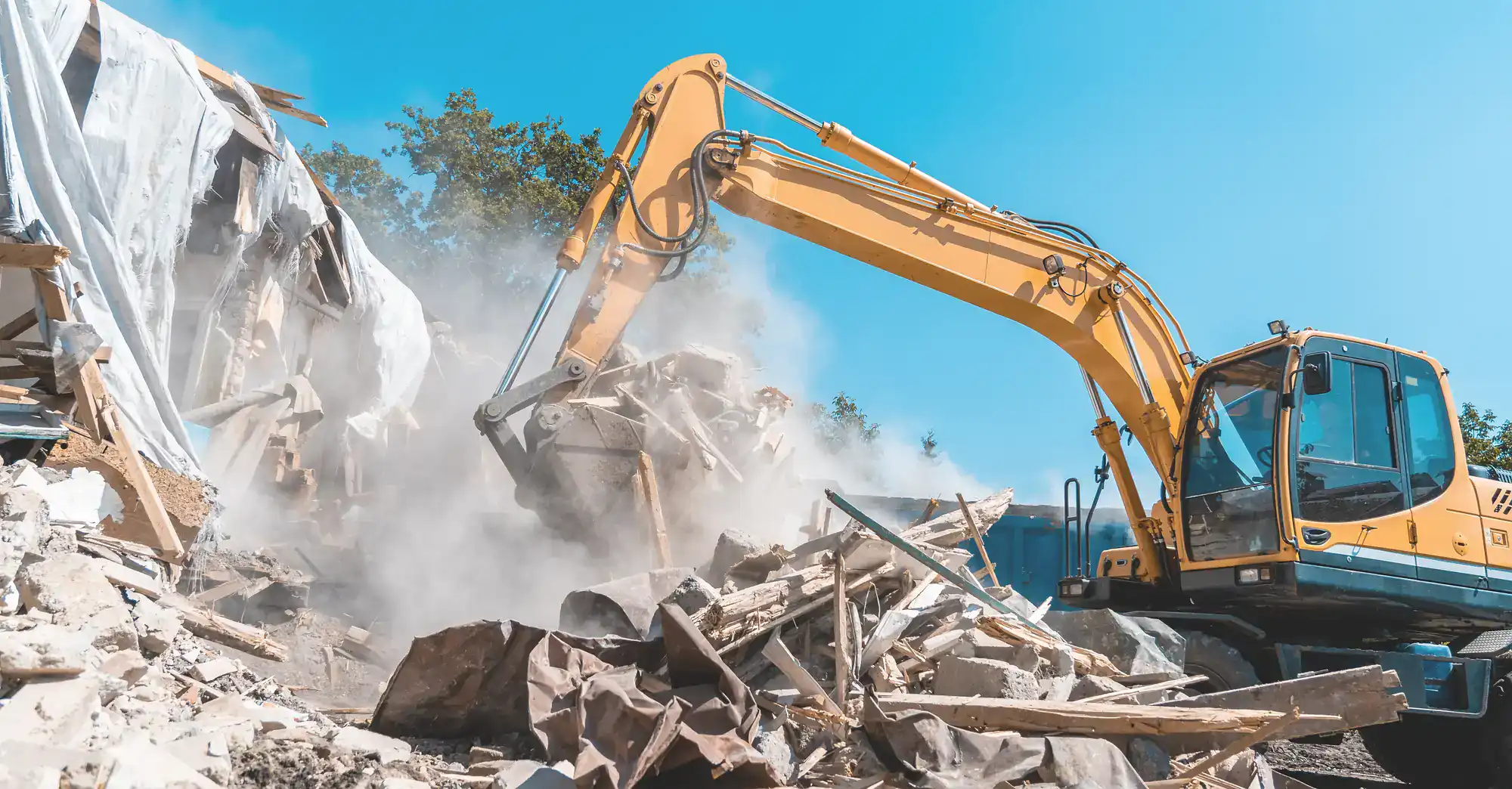
Once remediation is complete, demolition moves forward. Interior gutting, selective teardown, full structural removal — whatever the project calls for. Schuylkill Township has its own Building and Zoning Department, and Pennsylvania’s Uniform Construction Code requires a demolition permit before work begins. We work within that framework as a standard part of every job, so you’re not left figuring out permit applications on your own. When the work is done, the site is clean and ready for whatever comes next.
Ready to get started?
We’re not a demolition company that also mentions hazmat on our website. Environmental remediation is the core of what we do, and demolition and gutting is built around it. That means when you hire us for a gut renovation in Schuylkill Township, you’re getting asbestos testing and removal, lead paint inspection and remediation, mold sampling and removal, interior demolition and gutting, waterproofing, oil tank removal, and environmental clean-out — all under one roof, one license, and one point of contact.
For homeowners near the Schuylkill River’s northern corridor dealing with water intrusion and mold before a renovation, that combination of waterproofing and gutting under a single contractor is genuinely hard to find. For general contractors working the Phoenixville and Chester County market who need a reliable, certified sub before their build phase starts, we’re the call that keeps the project on schedule.
Pricing is transparent. Estimates are free. Cash discounts are available, and we’ll beat any legitimate estimate — not because the work is cheap, but because the integrated model eliminates the extra costs that come from coordinating multiple contractors. You’re not paying three separate companies to do what one can handle.
Yes. Pennsylvania’s Uniform Construction Code requires a demolition permit before any full or partial building demolition, and that applies in Schuylkill Township. The permit application also needs to include a design professional’s seal on the accompanying drawings — something most homeowners don’t know until they’re already trying to pull the permit themselves.
Schuylkill Township has its own Building and Zoning Department that administers this process. We operate within the PA UCC framework on every project, so navigating the permit requirements is part of the job, not an afterthought. You don’t need to spend evenings on the township website sorting out what forms need what signatures. That’s handled.
Work has to stop until the asbestos is properly removed by a licensed abatement contractor. That’s not a suggestion — it’s an EPA and Pennsylvania state requirement under the NESHAP regulations and the PA Asbestos Accreditation and Certification Act. If you’ve hired a demolition-only contractor who isn’t certified for abatement, they have to walk off the job, and you have to find someone else before anything moves forward.
In Schuylkill Township, where a significant share of homes were built before 1980, asbestos-containing materials in insulation, floor tiles, ceiling tiles, joint compound, and pipe wrap are common findings. We hold Pennsylvania state certification for asbestos contractor work, which means when it’s found, the project doesn’t stop. Testing and removal happen under the same contract, and demolition continues once the abatement is complete and documented.
The short answer is: if your home was built before 1978, assume lead paint is present until testing says otherwise. The EPA’s Lead Renovation, Repair, and Painting Rule is built on exactly that assumption, and it applies to any contractor doing work that disturbs painted surfaces in pre-1978 homes. For asbestos, the risk extends to homes built or renovated through roughly 1980.
Given that Schuylkill Township has continuous residential development history going back to the 1800s — including historic farmhouses, mid-century colonials, and 1970s single-family homes — the proportion of properties with potential hazmat concerns is high. We’re a Certified Lead Inspector and Risk Assessor, which means we don’t just follow lead-safe practices — we’re the credentialed authority on-site. Testing before demolition is the right move, and it’s built into our process from the start.
Yes — but only if they’re certified for both, and most aren’t. Pennsylvania requires a separate state-issued license for asbestos abatement work under Act 194 and Act 161. It’s one of the only mandatory state licenses in the construction trades in Pennsylvania, and plenty of demolition contractors operating in this market don’t hold it.
We hold that certification. That’s what makes the one-stop model possible — not just convenient, but legally compliant. When you hire a contractor who can test, remediate, and demolish under a single license and a single contract, you’re not just saving coordination headaches. You’re ensuring that every phase of the work is done by someone who is actually authorized to do it. In a state with specific licensing requirements for this kind of work, that distinction matters more than most homeowners realize until they’ve already hired the wrong contractor.
Often, yes. When water intrusion causes structural damage or significant mold growth, the affected materials — drywall, insulation, framing, flooring — typically need to come out before any repair or rebuild can happen. Trying to patch over water-damaged or mold-affected materials doesn’t fix the problem; it just hides it until it gets worse.
For properties in the northern portions of Schuylkill Township near the river corridor, this is a real and recurring situation. The Schuylkill River’s proximity means high water table conditions and periodic flooding are genuine risks. We handle emergency response situations like this with 24/7 phone availability — because water damage doesn’t wait for business hours. Mold sampling, gutting of affected areas, and waterproofing can all be handled under one contractor, which is exactly what you want when you’re dealing with an urgent situation and need things moving quickly.
Because search engines frequently confuse Schuylkill Township in Chester County with Schuylkill County — a completely separate county in central Pennsylvania, about 90 miles northwest near the coal mining region around Pottsville. The contractors showing up in those results serve Hazleton, Pottsville, and that region. They don’t serve Chester County, and they’re not coming to Valley Forge Road or White Horse Road for your project.
We serve Chester County directly — it’s one of five primary service counties. Schuylkill Township, the Valley Forge corridor, the Phoenixville border, the Route 23 communities — that’s the market we work in regularly. When you call, you’re talking to a contractor who knows Chester County permitting, knows the housing stock in this area, and has been doing this work in southeastern Pennsylvania for over twenty years. The name confusion is common. The solution is straightforward: call a contractor who actually knows which Schuylkill you’re in.
Other Services we provide in Schuylkill