Hear from Our Customers
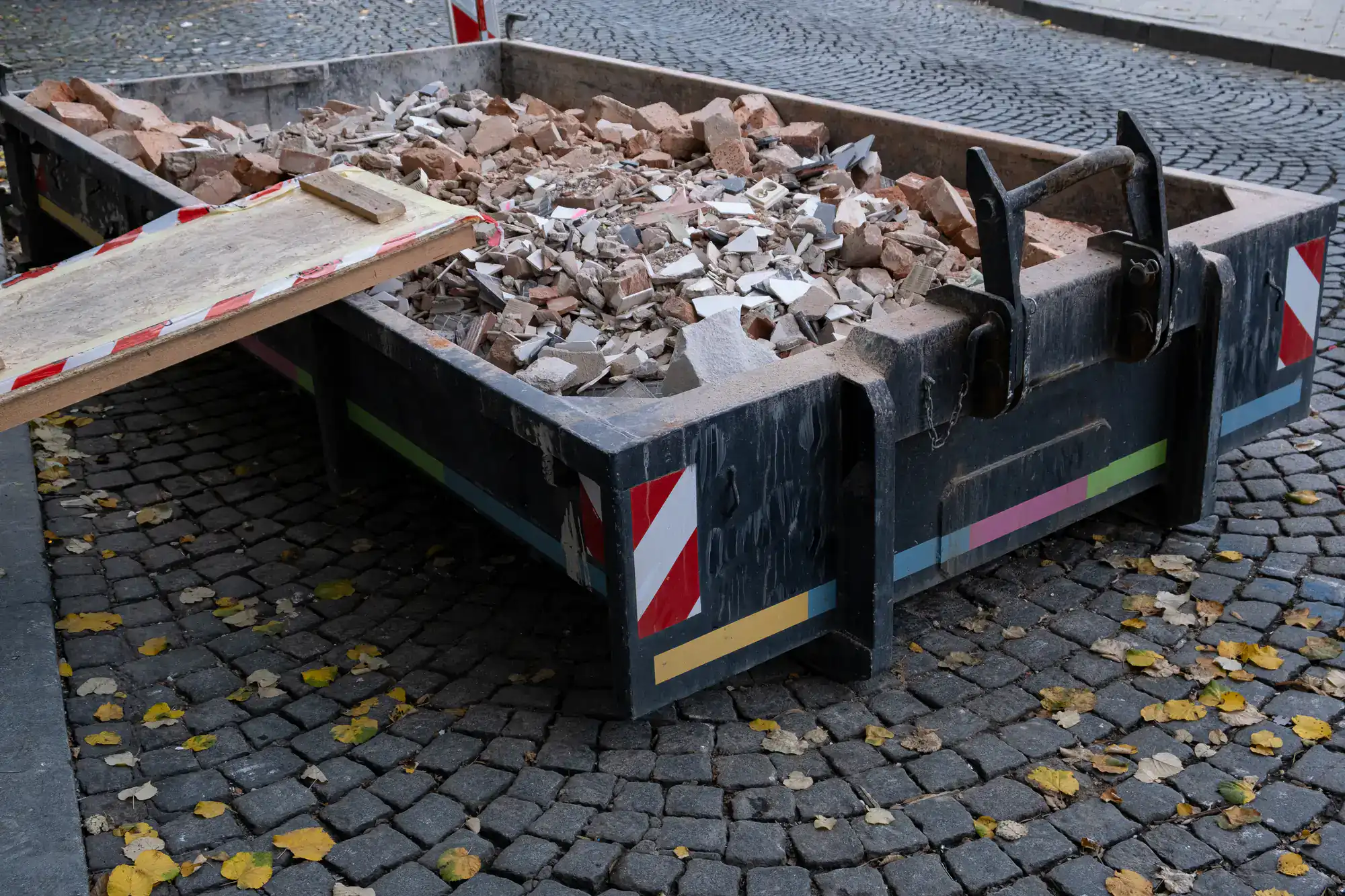
A lot of homes throughout Schuylkill Township were built in the 1950s, 60s, and 70s. That means there’s a real chance your walls, floors, or pipe insulation contain asbestos or lead — materials that don’t show up on a visual inspection and don’t announce themselves before a renovation crew starts tearing things apart. When you hire a demolition contractor who’s also EPA-certified to test and remove those materials, you’re not just getting the demo done. You’re getting the full picture before anything is touched.
The Schuylkill River runs along the northern edge of Schuylkill Township, and Pickering Creek cuts through the area. Flooding here isn’t hypothetical — the township’s own zoning code acknowledges that flood hazard areas have experienced property damage and structural loss. When water gets into a home and sits, mold follows within 24 to 48 hours. Having one contractor who can gut the damaged structure, test for mold, and begin remediation the same day isn’t a convenience. In Schuylkill Township, it’s a real advantage.
When the job is done, you’re not left managing debris removal, air quality testing, and waterproofing through three separate vendors. Everything comes off your plate and lands on one invoice.
We’ve been operating in southeastern Pennsylvania for over two decades, with Schuylkill Township as part of our regular service territory — not a stretch of the map, not an afterthought. That’s twenty-plus years of pre-1978 homes, surprise asbestos finds, flood-gutted basements, and renovation projects that turned into hazmat situations the moment the first wall came down in this community.
We’re fully licensed, bonded, and insured, and we hold EPA Certified Lead Inspector and Risk Assessor credentials. That’s a federal-level qualification that goes beyond what most demolition contractors carry. It means we can legally inspect, assess, and certify lead conditions — not just remove them after someone else figures out what’s there. For homeowners in Schuylkill Township, where the housing stock includes a meaningful share of pre-1978 construction and where the Valley Forge area has a documented regional history of asbestos contamination, that distinction matters.
We offer free estimates, cash discounts, and 24/7 availability. You call, someone answers.
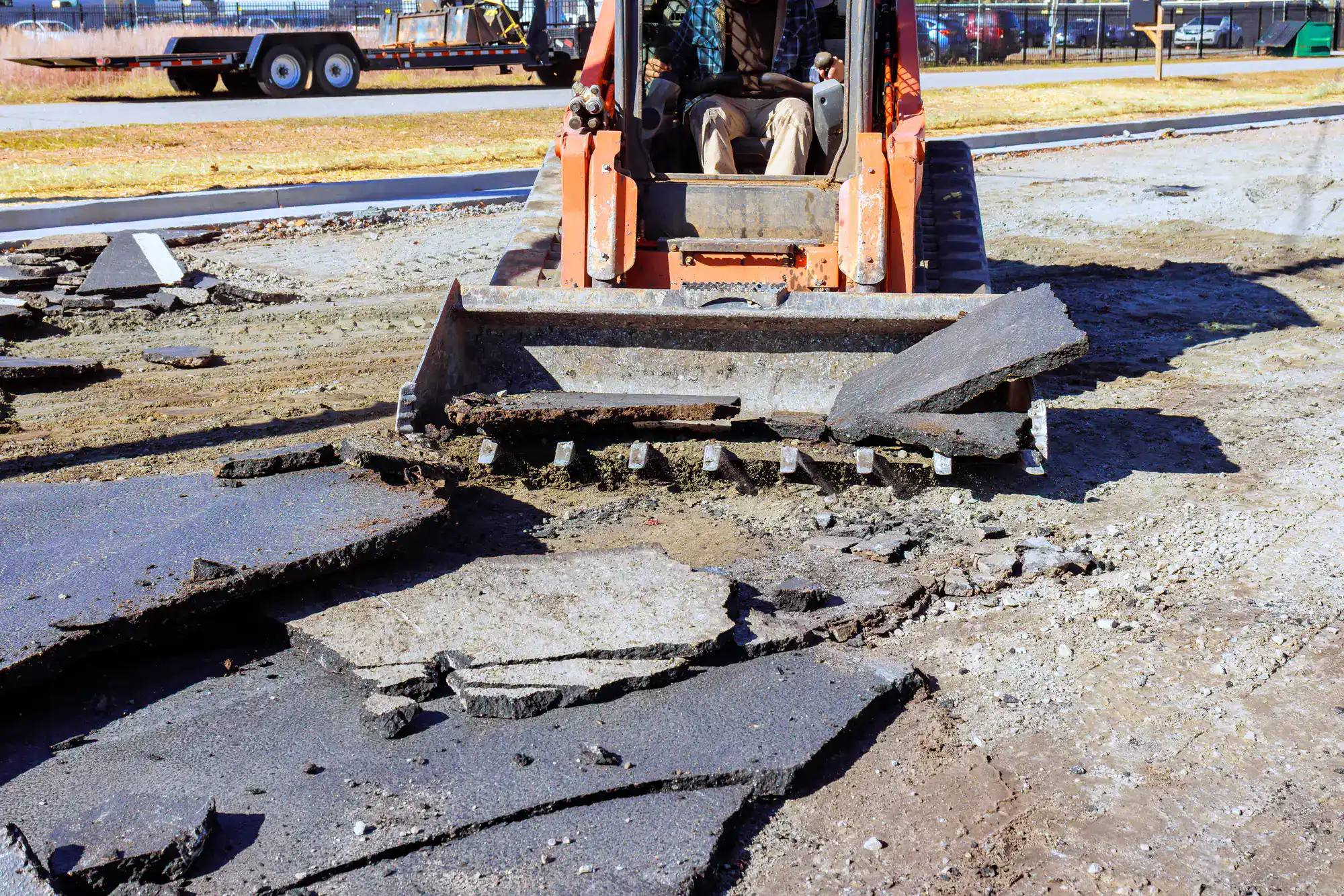
The first step is the assessment. Before any demolition or gutting work begins, we evaluate the scope of the project and determine whether hazardous materials are present. In Schuylkill Township, where a significant portion of the housing stock predates the 1978 federal lead paint threshold, this step isn’t optional — it’s the step that protects you legally and physically. Asbestos and lead testing happen here, and the results shape everything that follows.
Once the assessment is complete and any necessary permits are pulled through Schuylkill Township’s Building and Zoning Department, the actual work begins. The township’s zoning ordinance has specific requirements around partial demolition — including rules about what the remaining structure must look like and how quickly renovation work following a partial demo must be completed. We handle the permit process and work within those requirements so the project doesn’t stall or create compliance problems for you down the road.
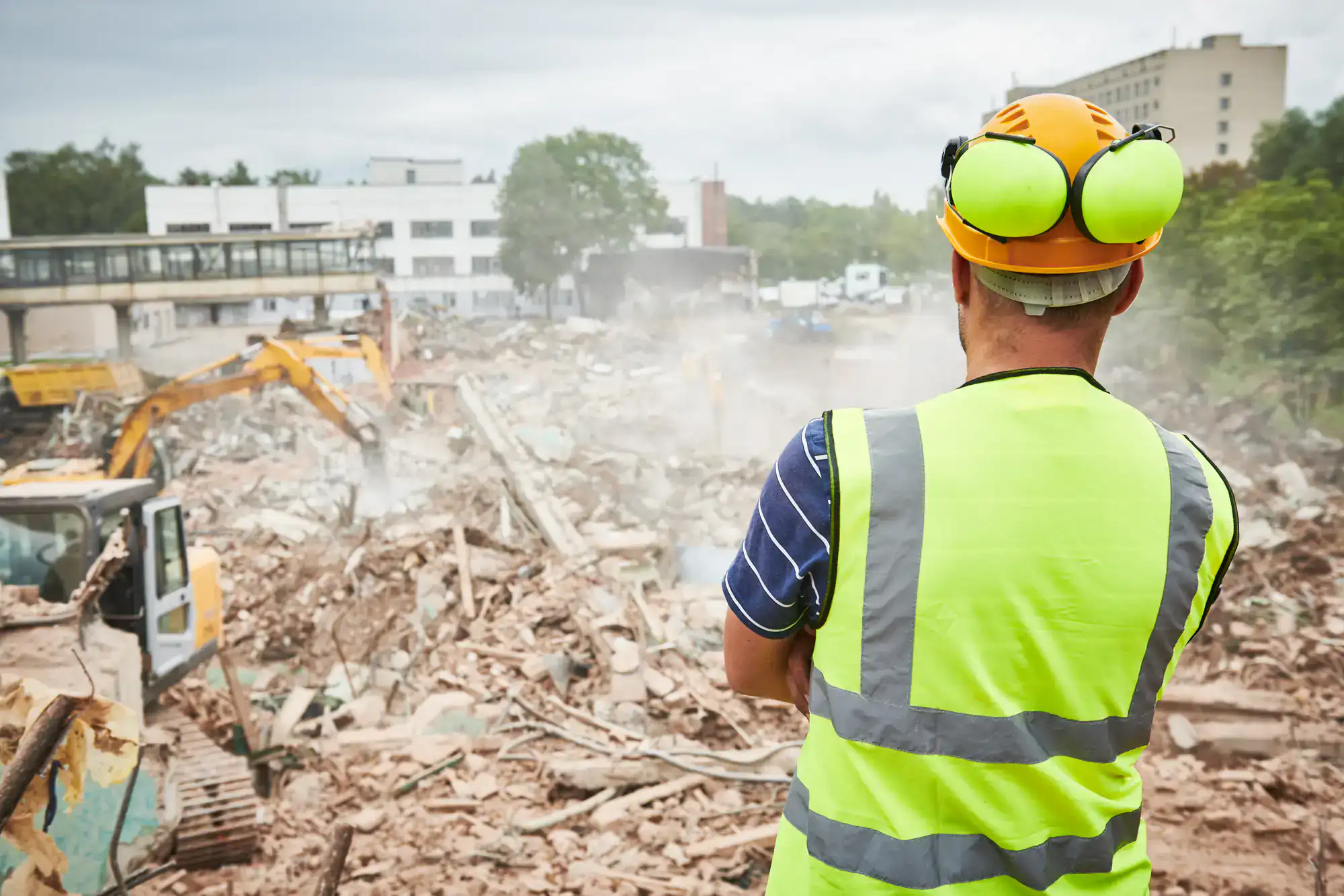
After demolition or gutting is complete, debris removal, HEPA air filtration, and any required remediation work happen under the same roof. If the project involves water damage — common in properties along the Pickering Creek and Schuylkill River corridors — waterproofing and restoration are part of the same engagement. One call, one crew, one invoice.
Ready to get started?
We’re not a single-trade operation. The full scope of what we offer includes asbestos inspection, testing, and abatement; lead inspection, testing, and removal; mold sampling and remediation; water damage restoration and waterproofing; interior demolition and gutting; above-ground oil tank removal; appliance and furnace disposal; construction debris removal; duct cleaning; and HEPA filtration. For homeowners in Schuylkill Township dealing with a renovation on a mid-century home, that list covers nearly every hazard and structural challenge you’re likely to encounter.
Our EPA/HUD compliance certification is worth calling out specifically for this area. It qualifies us to work on federally-assisted and pre-1978 housing under the strictest federal standards — a qualification that disqualifies most competitors from certain categories of work entirely. Given the proximity of the Valley Forge Asbestos Release Site, where asbestos manufacturing operated from 1895 to 1968 along County Line Road, environmental accountability in Schuylkill Township isn’t just a regulatory checkbox. It’s something residents here take seriously, and it’s something we’re actually certified to deliver.
If your project involves a property near the Schuylkill River flood zone or along the Pickering Creek corridor, our water damage restoration and emergency gutting capability is available around the clock. The 24/7 phone line exists because flooding and pipe failures don’t wait until Monday morning.

Yes — Schuylkill Township’s Building and Zoning Department requires permits for structural demolition and significant renovation work, and the township’s zoning ordinance has specific language around partial demolition that most homeowners aren’t aware of. The code requires that any remaining structure following a partial demo be consistent with surrounding buildings, and that renovation work be completed promptly after demolition wraps. That’s not a vague guideline — it’s an enforceable requirement.
The practical implication is that hiring an unlicensed contractor who skips the permit process doesn’t just create a legal risk for them. It creates a compliance exposure for you as the property owner. A licensed contractor like us can pull demolition permits on your behalf, work within the township’s code requirements, and make sure the project closes out cleanly without leaving you holding a stop-work order or an open permit.
The honest answer is that you don’t know until you test. Visual inspection alone can’t identify asbestos-containing materials — it requires sampling and lab analysis. In Schuylkill Township, where a meaningful share of the housing stock includes homes built in the 1950s, 60s, and 70s, the probability of encountering asbestos in insulation, floor tiles, ceiling tiles, pipe wrap, or roofing materials is real. The proximity of the Valley Forge Asbestos Release Site — where asbestos manufacturing occurred from 1895 to 1968 along County Line Road — has made asbestos awareness part of the community’s consciousness in a way that isn’t true everywhere.
We hold EPA Certified Lead Inspector and Risk Assessor credentials, which means we can legally inspect and certify the conditions in your home before a single wall comes down. That’s a different level of qualification than a basic removal contractor. If asbestos is found, abatement happens under proper containment with HEPA filtration before demolition proceeds. If it’s not found, you have documented clearance and can move forward with confidence.
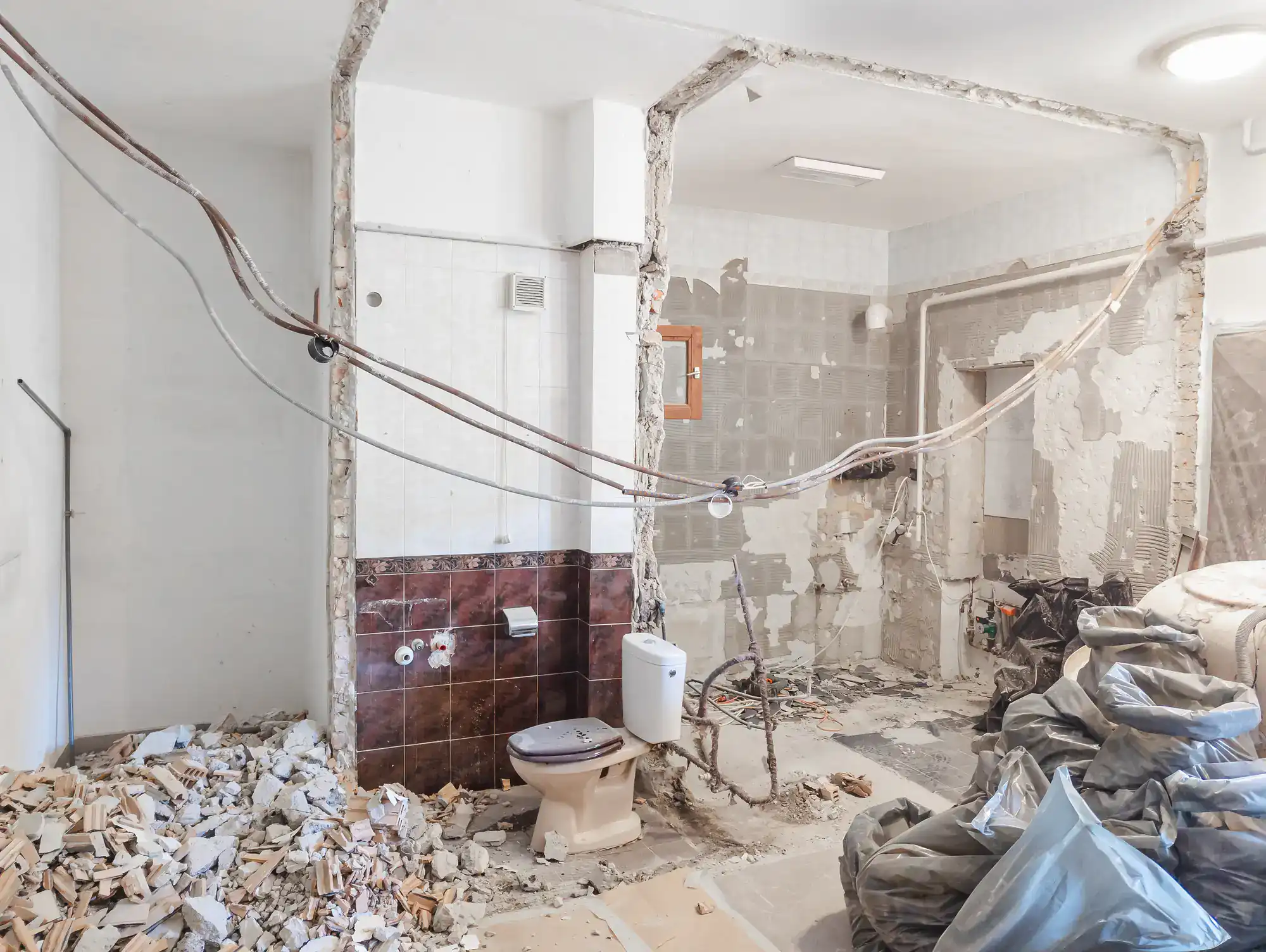
Interior demolition — sometimes called gutting — means removing the interior components of a structure while leaving the exterior shell standing. That includes walls, ceilings, flooring, fixtures, cabinetry, mechanical systems, and any materials that need to come out before a renovation can begin. Full demolition means taking the entire structure down to grade. Most residential projects in Schuylkill Township fall into the interior demolition category — a homeowner renovating a pre-1978 ranch home typically needs the interior gutted and hazmat-cleared before new construction begins, not the whole house removed.
The distinction matters for permitting, too. Schuylkill Township’s zoning code addresses partial demolition specifically, with requirements about the remaining structure and post-demo renovation timelines. Knowing which category your project falls into upfront determines the permit pathway, the scope of hazmat testing required, and the overall project timeline. That’s a conversation worth having before any work starts, and it’s exactly what the free estimate process is designed to address.
We can, yes — and for properties in Schuylkill Township, that combination comes up more often than you might expect. The Schuylkill River forms the township’s northern boundary, and the Pickering Creek corridor runs through the area. The township’s own zoning code formally acknowledges that flood hazard areas here have experienced property damage and structural loss. When a flooding event hits a home, the damage isn’t just wet flooring — it’s often structural, and mold begins developing within 24 to 48 hours of water intrusion.
In that scenario, having a single contractor who can gut the flood-damaged structure, test for mold, perform remediation, and handle waterproofing in the same engagement is a significant practical advantage. Coordinating separate contractors for each phase adds days or weeks to a timeline where mold is actively spreading. We handle all of it, and our 24/7 phone availability means the response doesn’t have to wait until the next business day.
Timeline depends heavily on the scope of the project and whether hazardous materials are present. A straightforward interior gut on a single-floor space with no asbestos or lead findings can move quickly — often within a few days once permits are in place. If testing reveals asbestos-containing materials, which is a realistic possibility in Schuylkill Township’s pre-1978 housing stock, abatement has to happen before demolition proceeds, and that adds time to the front end of the project.
The permit process through Schuylkill Township’s Building and Zoning Department is another variable. Projects that are properly permitted from the start tend to move more smoothly than those where permitting is addressed mid-project or after the fact. Getting the assessment and permitting done upfront — which is how we structure the process — typically produces a faster overall timeline than trying to shortcut those steps. The free estimate conversation is where realistic timelines get established based on your specific property and scope.
Free estimates are standard — there’s no cost to get a full assessment and scope of work before you commit to anything. For homeowners who prefer to pay in cash, we offer cash discounts, which is an option that doesn’t come up often in this industry. In a community like Schuylkill Township, where residents are making real investments in their properties, knowing the full cost upfront and having a clear, itemized estimate matters.
The free estimate process isn’t a sales call dressed up as an assessment. It’s a genuine walkthrough of what the project involves, what hazmat testing may be required, what the permit pathway looks like under the township’s code, and what the realistic total cost will be. If the scope changes once work begins — which can happen in older homes where surprises are part of the deal — that gets communicated clearly before the work proceeds, not after the invoice arrives.
Other Services we provide in Schuylkill