Hear from Our Customers
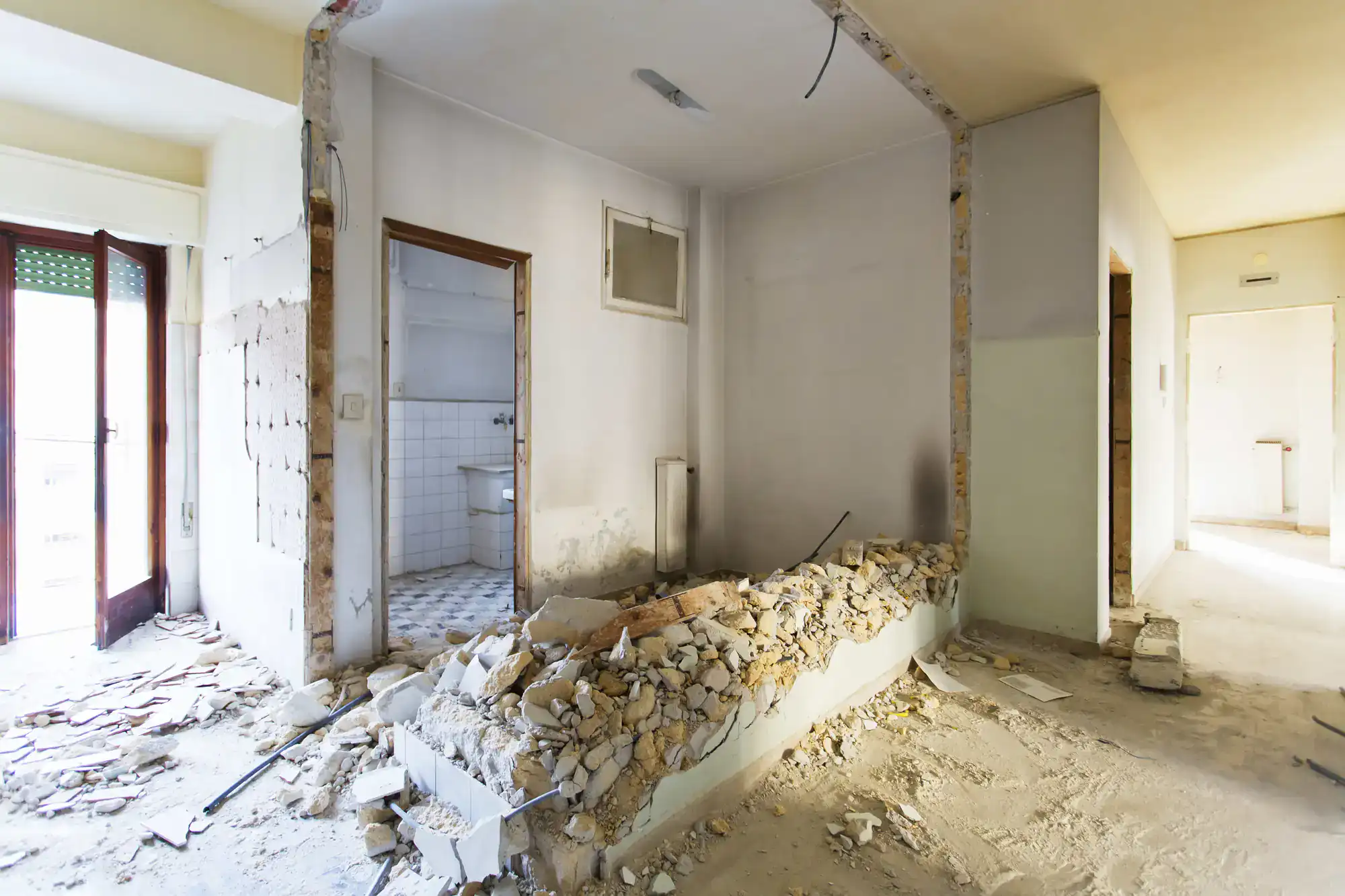
Here’s what actually happens when a demolition crew without environmental credentials opens up a 1965 colonial off Germantown Pike: they find something — asbestos floor tile, lead paint on the framing, old pipe insulation that crumbles on contact — and the job stops. They’re not licensed to touch it. You’re now calling around for a separate abatement contractor, waiting on a new schedule, and watching your renovation timeline fall apart. This is a common scenario in Plymouth Meeting.
The median construction year for homes in Plymouth Meeting is 1975. Roughly three-quarters of the housing stock was built before 1980, which is the federal threshold that triggers lead paint requirements under the EPA’s RRP Rule — and well within the era when asbestos-containing materials were standard in floor tiles, ceiling tiles, pipe wrap, joint compound, and HVAC components. When you’re renovating a home near Plymouth Valley or Cold Point, the odds that regulated materials are present aren’t theoretical. They’re real.
What changes when you call EJS is simple: the job doesn’t stop. We test, we abate, and we keep moving — all under one contract. No second contractor. No gap in the schedule. You get a clean, safe space ready for the next phase of your renovation, without the delay that costs you time and money.
We’ve been doing this work across Montgomery County for over twenty years, with deep roots in Plymouth Meeting and the surrounding communities. That means we’ve been inside the walls of homes in Harmonville, near the Colonial School District corridor, and throughout the 19462 ZIP code long enough to know exactly what Plymouth Meeting’s housing stock looks like and what it takes to handle it correctly.
We’re a PA state-licensed asbestos contractor. We hold a Certified Lead Inspector and Risk Assessor credential — not a self-declared claim, but a formal certification with testing and renewal requirements. Our services are EPA/HUD compliant, and we’re fully licensed, bonded, and insured. When you verify our credentials — and we expect you to — they’ll check out.
The one-stop model matters here because Plymouth Meeting’s older homes make it necessary. Testing, asbestos removal, lead abatement, mold remediation, demolition, gutting, waterproofing — one crew, one contract, one point of contact. That’s how your project stays on schedule.
It starts with a free estimate. We come to your property, walk the space, and give you a real number based on what your specific project actually involves — not a ballpark pulled from a website. For homes in Plymouth Meeting built in the 1950s through the 1970s, that walkthrough also includes an honest conversation about what materials we’re likely dealing with before demolition begins. No surprises later.
If testing is warranted — and in pre-1980 homes it usually is — we handle that on the front end. If regulated materials are present, we remove them under our PA state asbestos license and lead certification before any structural demolition begins. This is the step that separates a project that runs smoothly from one that gets shut down mid-job. Pennsylvania’s NESHAP regulations require that regulated asbestos-containing materials be removed by licensed contractors before demolition disturbs them — that’s a federal requirement, and it applies to every qualifying project in Plymouth Township regardless of the contractor’s confidence level.
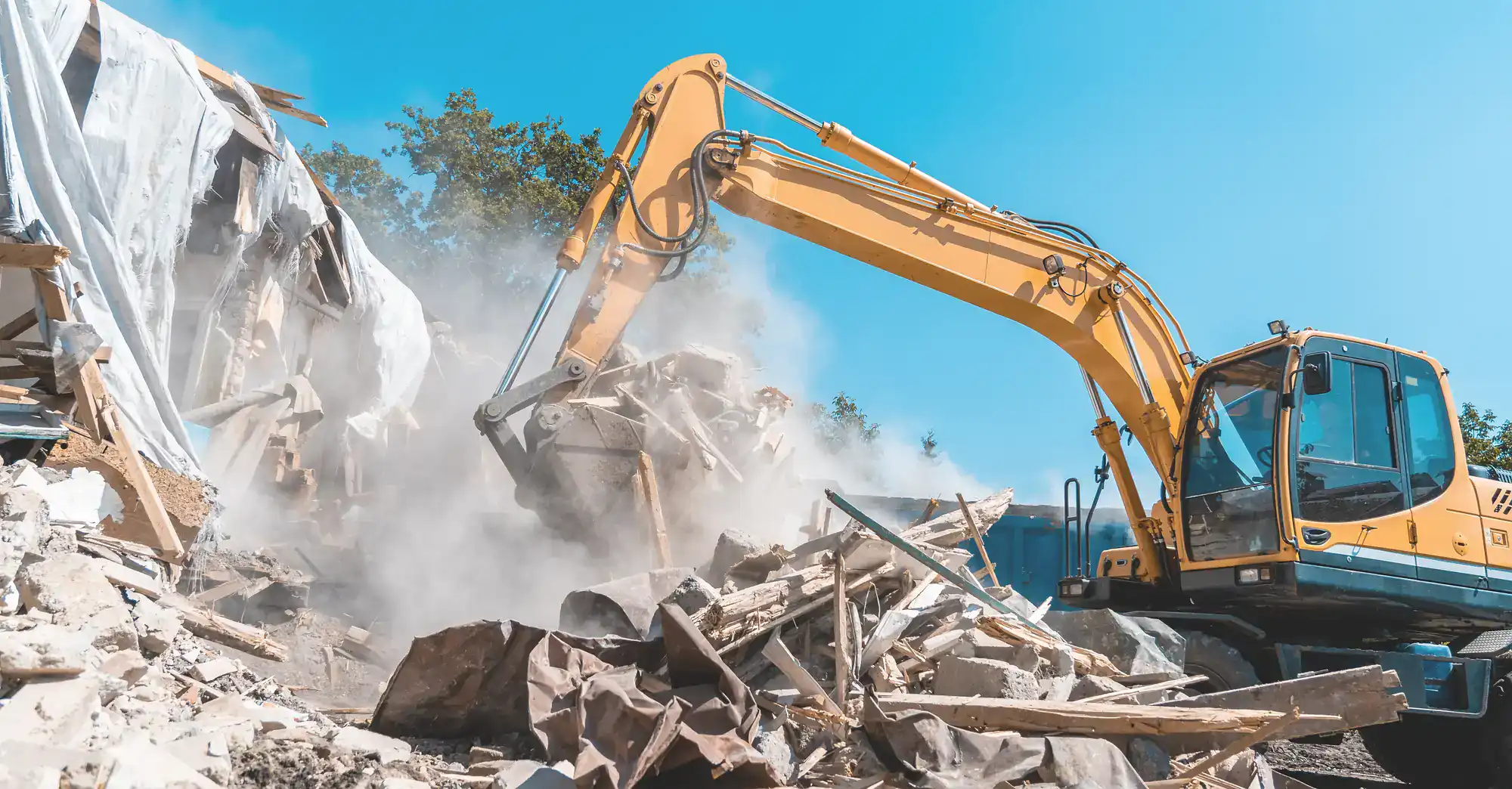
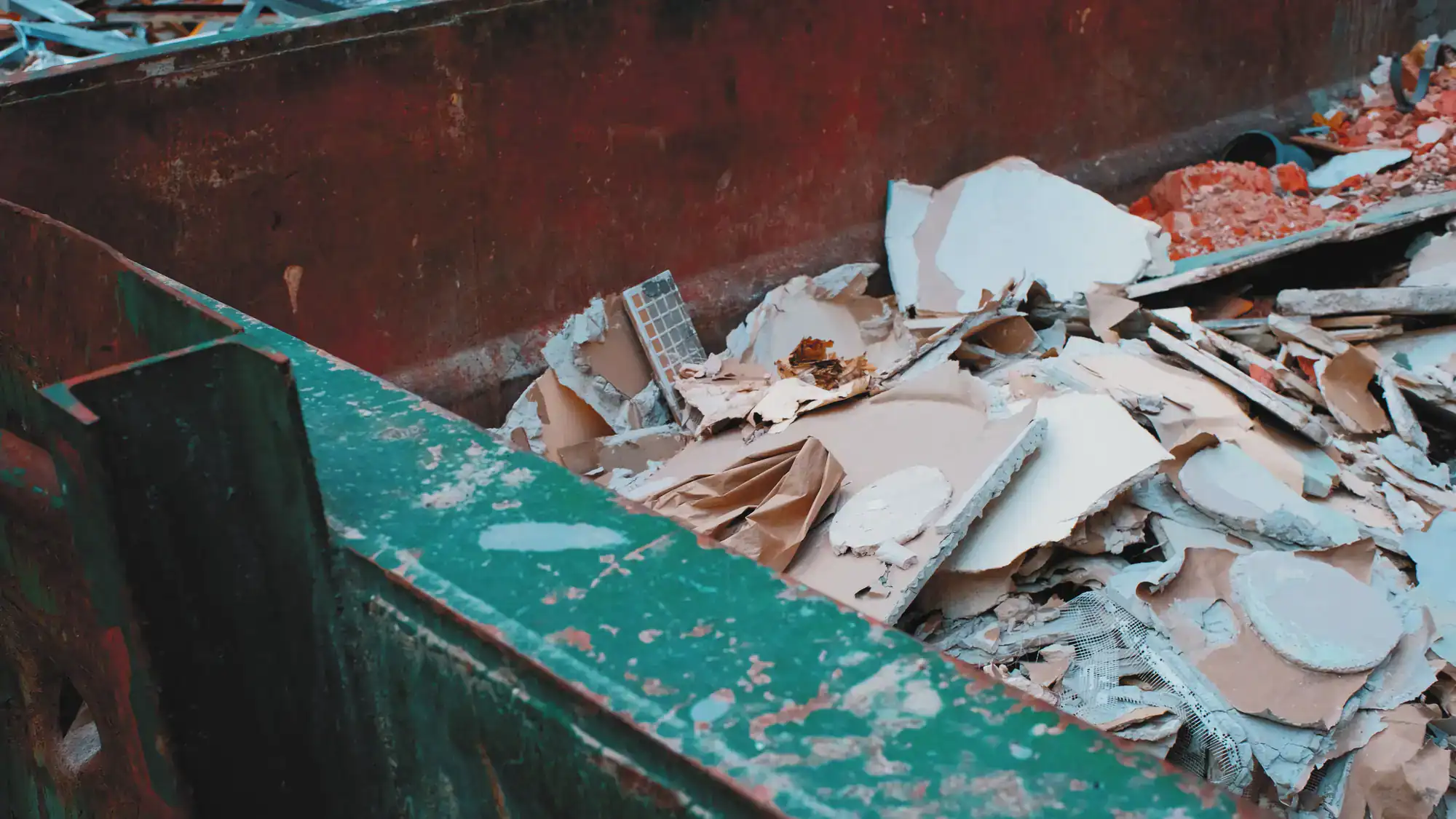
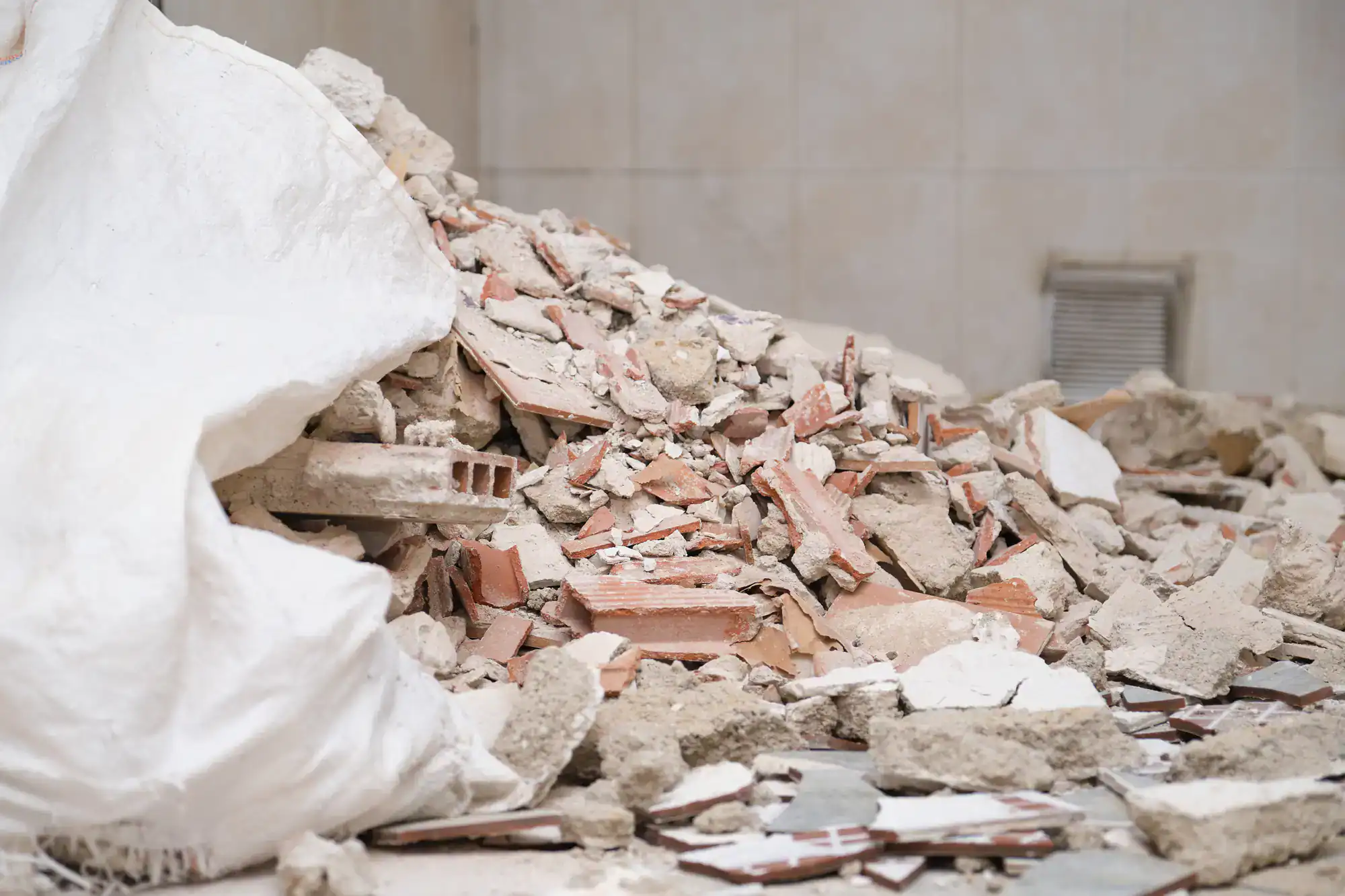
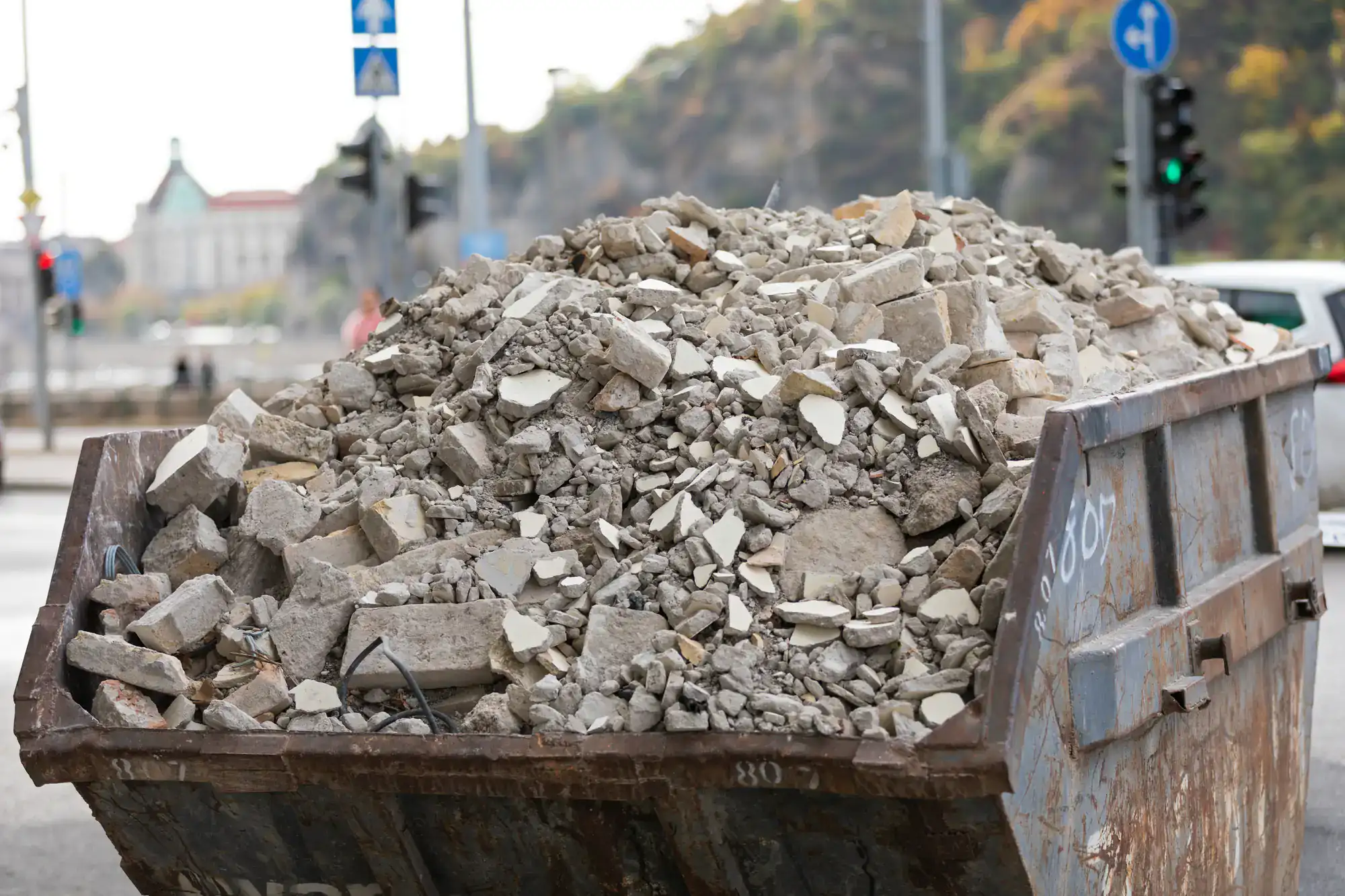
Once the space is clear, demolition proceeds — walls, ceilings, flooring, fixtures, whatever the scope calls for. We work clean, we use HEPA filtration systems to control airborne particulates, and we handle debris removal as part of the job. When we’re done, you have a space that’s ready for your contractor to build into — not one that still needs cleanup before the real work can start.
Ready to get started?
We handle the full range of demolition and gut renovation work that Plymouth Meeting homeowners and contractors actually need. Kitchen gut-outs, bathroom demolition, basement clearouts, full-room demo, selective wall removal — if you’re renovating a home in this community, we’ve done that specific project before. We also serve commercial clients: office reconfigurations, retail gut-outs, and tenant improvement work near the commercial corridors along Ridge Pike are all in scope.
Because Plymouth Meeting straddles Plymouth Township and Whitemarsh Township, permit requirements depend on exactly where your property sits. Plymouth Township’s Code Enforcement Department handles building permits for demolition work on the township side — we know that process and we coordinate accordingly. If your project is in the Whitemarsh portion, we’ll sort that out before the first day on site. You shouldn’t have to navigate municipal permit logistics while also managing a renovation.
Beyond demolition, we handle asbestos removal, lead paint abatement, mold remediation, waterproofing, oil tank removal, and environmental clean-outs. If your basement gut-out uncovers a moisture problem — which is common in older homes near Plymouth Creek — we can address that in the same project. That’s the practical value of a one-stop model: the problems you don’t know about yet don’t become separate, expensive, time-consuming engagements.

Yes — demolition work in Plymouth Meeting requires a building permit, processed through Plymouth Township’s Building, Permits, Zoning and Code Enforcement office at 700 Belvoir Road. This applies to interior gut-outs, structural wall removal, and full demolition projects. The permit requirement exists regardless of whether the work is residential or commercial, and the township’s Code Enforcement Department inspects construction projects to confirm compliance with applicable codes.
If your property sits in the Whitemarsh Township portion of Plymouth Meeting, the permit process runs through Whitemarsh Township instead. Because Plymouth Meeting is a census-designated place that straddles two municipalities, it’s worth confirming which township governs your specific address before you start. We coordinate permit logistics as part of the project — you don’t need to figure that out on your own.
If asbestos-containing materials are discovered during a demolition project in Plymouth Meeting, work must stop until a licensed abatement contractor removes the regulated materials. Under Pennsylvania’s NESHAP regulations and the PA Asbestos Accreditation and Certification Act, only PA state-licensed asbestos contractors are legally permitted to perform this removal. A contractor who isn’t licensed for abatement cannot legally continue the job — which is why mid-project discoveries cause delays when the demo crew and the abatement contractor are two different companies.
When we’re on the job, that gap doesn’t exist. We’re a PA state-licensed asbestos contractor, so if regulated materials turn up — whether it’s asbestos floor tile in a 1968 kitchen off Germantown Pike or pipe insulation in a 1972 basement near Hickorytown — we handle the removal in-house and keep the project moving. No separate contractor, no schedule gap, no project shutdown.
The short answer: if your home was built before 1980, you should assume both are possible until testing says otherwise. The federal lead paint threshold under the EPA’s RRP Rule is 1978 — any home built before that year is subject to lead-safe work practice requirements during renovation or demolition. Asbestos-containing materials were commonly used in residential construction through the late 1970s and into the early 1980s, appearing in floor tiles, ceiling tiles, pipe insulation, joint compound, HVAC duct wrap, and roofing materials.
The median construction year for Plymouth Meeting homes is 1975, and roughly three-quarters of the housing stock was built before 1980. That means the majority of homes in this community fall squarely within the range where testing is warranted before demolition begins. Testing doesn’t always mean abatement — sometimes materials are present but undisturbed and don’t require removal. But you need a licensed inspector to make that call, not a guess.
Yes — but only if that contractor holds the right credentials for both. Most demolition companies in Plymouth Meeting are structural contractors only. They can swing a hammer and haul debris, but they’re not licensed to assess or remove regulated hazardous materials. That means if they open a wall and find asbestos, the job stops until someone else comes in. That someone else has their own schedule, their own pricing, and no obligation to fit your timeline.
We hold a PA state asbestos license, a Certified Lead Inspector and Risk Assessor credential, and EPA/HUD compliant service standards — alongside full demolition and gut renovation capability. That combination is what makes the one-stop model work in practice, not just on paper. For homeowners in Plymouth Meeting renovating pre-1980 homes, having both capabilities under one contract isn’t a convenience — it’s the difference between a project that runs on schedule and one that doesn’t.
Interior demolition in Plymouth Meeting typically runs in the range of $2 to $8 per square foot, depending on the scope of work, the materials involved, and whether hazardous materials are present. A single bathroom gut-out will cost significantly less than a full-floor demolition or a whole-house clearout. The presence of asbestos or lead paint adds cost — but that cost is real regardless of who does the work, and it’s better to know about it upfront than to discover it mid-project when your timeline is already in motion.
In a community where median home values are above $500,000, the demolition phase is a relatively small line item within a larger renovation budget. What matters more than finding the lowest quote is finding a contractor who won’t create expensive problems down the road — an unlicensed crew that disturbs asbestos without proper containment creates liability, health risk, and potential disclosure issues when you eventually sell. We offer free estimates, so you get a real number for your specific project without pressure.
Yes — we’re available 24 hours a day, 7 days a week, including for emergency response. In Plymouth Meeting, emergency demolition needs come up more often than people expect. A wet winter followed by a humid summer creates the moisture conditions that drive mold growth in older homes, particularly those with stone or block foundations common in pre-1960 construction near Plymouth Creek. When mold is discovered behind a bathroom wall on a Sunday morning or water damage exposes materials that need immediate containment after a storm, waiting until Monday isn’t always an option.
The same applies to unexpected hazmat discoveries during active renovation work. If your contractor opens a wall mid-project and something needs to be addressed before work can continue, we can respond quickly — Plymouth Meeting’s position at the I-476 and I-276 interchange makes it one of the most accessible points in our Montgomery County service territory. We pick up the phone when you call, and we can get there.
Other Services we provide in Plymouth Meeting