Hear from Our Customers
When water stops coming in, something shifts. The musty smell clears out. The boxes you’ve been stacking on pallets can finally sit on the floor. The corner you’ve been avoiding becomes usable space again. That’s not a small thing — especially in a home where the basement is part of the square footage you paid for.
In New Britain, the combination of clay-heavy Stockton Formation soils and proximity to Cooks Run means water doesn’t just fall from the sky and disappear. It moves laterally through the ground and presses against your foundation walls. Older homes along Butler Avenue and the surrounding borough streets — many built in the mid-20th century with block or stone foundations — feel that pressure more than most. Once you address the actual source of the problem, you stop playing defense every time a storm rolls through.
There’s also a financial reality here. With single-family home values in the New Britain area approaching $690,000, a wet basement isn’t just uncomfortable — it’s a liability. It shows up in buyer inspections. It can stall a Use and Occupancy permit. It quietly chips away at the equity you’ve built. Getting it handled means your home is protected, sellable, and worth what you think it’s worth.
We’ve been doing this work for over twenty years across Bucks, Montgomery, Chester, Delaware, and New Castle counties. That’s not a marketing line — it means we’ve been in basements like yours, in soil like yours, through the same nor’easters and spring thaws that hit New Britain and this part of Pennsylvania every year. We know what Bucks County ground does to a foundation over time, and we know the specific challenges that New Britain homeowners face with hydrostatic pressure and water management.
We’re also not a single-service shop. We’re certified as Lead Inspectors and Risk Assessors, EPA and HUD compliant, and equipped with HEPA filtration systems. That matters in a borough like New Britain, where a significant portion of the housing stock predates 1978. When waterproofing work disturbs older wall materials, we handle what’s behind the walls too — mold, lead paint, whatever’s there — without you needing to coordinate a separate crew.
We offer free estimates, cash discounts, and 24/7 phone availability. No voicemail at 2 a.m. when your basement is taking on water.
It starts with a free on-site estimate. We come to your New Britain home, look at what’s actually happening — whether that’s hydrostatic pressure cracking a block wall, a failed drain tile system from the 1960s, or water wicking through a stone foundation — and give you a clear diagnosis and a real number before any work begins. No pressure, no upsell, no vague ranges.
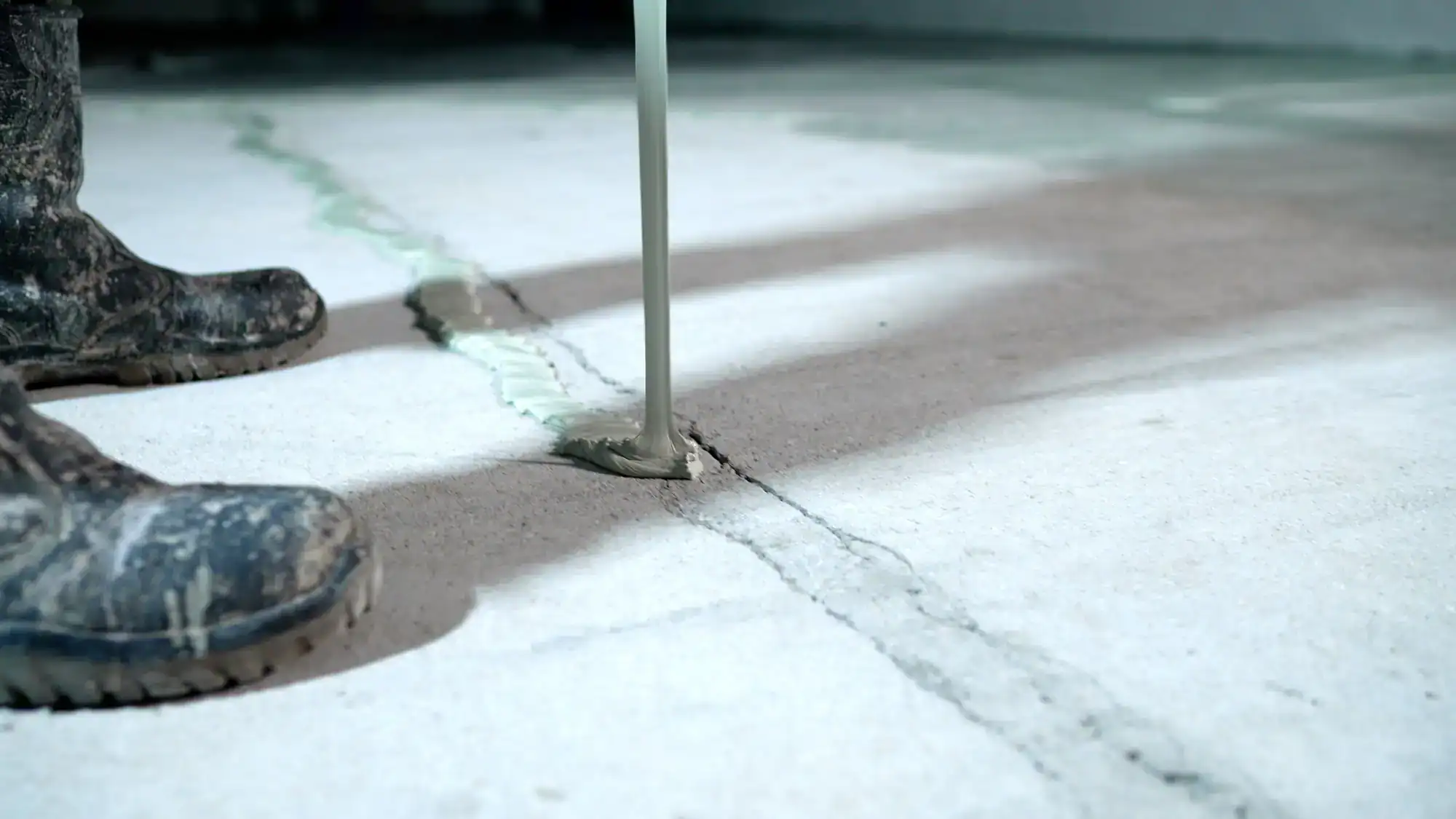
Once you move forward, we handle the work in the right sequence. That might mean interior drainage installation, sump pump placement, crack injection, wall anchoring, or exterior excavation depending on what your foundation actually needs. Because we’re also certified in mold remediation and lead abatement, we don’t stop at the waterproofing layer. If we open a wall and find something that needs to be addressed, we address it — fully, correctly, and in compliance with EPA and HUD standards.
Worth knowing for New Britain specifically: any structural foundation work may require a permit through the borough, reviewed by Barry Isett and Associates. If that applies to your project, we’ll let you know upfront so there are no surprises at the inspection stage. The goal is a finished job that holds up — not one that passes a visual check and starts leaking again in two years.

Ready to get started?
Most waterproofing companies do one thing: they waterproof. If they find mold behind the drywall, that’s your problem to figure out separately. If the work disturbs lead paint — which is a real possibility in New Britain homes built before 1978 — they leave that for someone else. We’re built differently. Testing, remediation, demolition, and waterproofing all happen under one roof, with one point of contact, and one invoice.
For New Britain homeowners specifically, that matters. The borough adopted a stormwater management ordinance under the Neshaminy Creek Act 167 framework specifically because water management here is a documented, recurring challenge — not a hypothetical. The homes near Cooks Run, in lower-lying sections of the borough, and on graded lots throughout the surrounding township deal with hydrostatic pressure that doesn’t stop after the rain does. The systems we install are built for that reality: interior drainage channels, high-capacity sump pumps, wall membrane systems, and exterior solutions where the situation calls for it.
Whether your basement has a stone foundation from the 1800s, a poured concrete wall from the 1980s, or a block foundation from somewhere in between, the approach gets tailored to what’s actually there. We’re fully licensed, bonded, and insured — and every job comes with a free estimate before anything starts.

The short answer is that the ground around your home isn’t draining the way it should. New Britain sits on Stockton Formation soils — a mix of sandstone, shale, and mudstone that produces clay-heavy, low-permeability ground. When rain falls on that soil, it doesn’t percolate downward quickly. It moves sideways, and it finds the path of least resistance, which is often the joint between your foundation wall and floor, a crack in a block wall, or a gap where an old drain tile has collapsed.
Homes near Cooks Run or in lower sections of the borough are especially vulnerable because the water table rises faster there during heavy events. The borough adopted the Neshaminy Creek Act 167 Stormwater Management Ordinance back in 2005 specifically because runoff and flooding were documented, recurring concerns in this area. That reflects what homeowners here deal with regularly. A proper interior drainage system with a correctly sized sump pump addresses the symptom, but understanding the source — hydrostatic pressure, lateral water movement, or a failed original drain tile — is what determines the right fix.
The range is genuinely wide, and anyone who gives you a number without seeing your basement first is guessing. That said, here’s a realistic framework: a straightforward sump pump installation or crack injection repair in a Bucks County home typically runs in the $1,500 to $5,000 range. A full interior drainage system with sump pump, wall membrane, and discharge line — which is what many New Britain homes with chronic water issues actually need — generally falls between $7,000 and $15,000. Larger projects involving exterior excavation, structural repair, or combined remediation work can go higher.
What drives cost in this area specifically is the age and type of foundation. A mid-century block foundation in the borough behaves differently than a poured concrete wall from a 1990s colonial in the township, and both are different from a stone foundation on an older property near Butler Avenue. The scope of work changes based on what’s there. We offer free on-site estimates, so you’ll have a real number — not a range — before any commitment is made. Cash discounts are also available, which can make a meaningful difference on larger projects.
Waterproofing stops the water. Mold remediation addresses what the water left behind. They’re related problems, but they require different scopes of work — and most waterproofing contractors only handle one of them. If a company waterproofs your basement but leaves existing mold growth on the walls or framing, you still have an air quality problem and potentially a structural one.
In older New Britain homes — and a significant portion of the borough’s housing stock is old enough to have this issue — mold remediation also intersects with lead paint concerns. Any demolition or wall disturbance in a pre-1978 home needs to be handled by someone certified to manage lead safely. We’re certified as Lead Inspectors and Risk Assessors and are EPA and HUD compliant. We use HEPA filtration systems on applicable jobs. That means when we open a wall and find mold, we remediate it correctly, and when that work disturbs older painted surfaces, we handle the lead component too — all as part of the same project, not a separate invoice from a separate company.
It depends on the scope of the work. Minor interior repairs — like crack injection, sump pump replacement, or adding a wall membrane — typically don’t require a permit. But more significant work, including exterior excavation around the foundation, installation of a new drainage structure, or any modification that affects the structural integrity of the foundation wall, may require a building permit from New Britain Borough. The borough contracts with Barry Isett and Associates for permit reviews and inspections, so that’s the channel the application goes through.
There’s also a related consideration if you’re selling your home. New Britain Borough requires a Use and Occupancy permit for property transactions, and a known or visible basement water issue can surface during that process and complicate or delay a sale. Getting the work done — and documented — before you list protects you from that scenario. We’ll flag permit requirements during the estimate if they apply to your project, so you’re not caught off guard at the inspection stage.
Basement sealing typically refers to applying a coating or sealant directly to the interior surface of a foundation wall — it’s a surface-level treatment that can slow minor moisture vapor transmission but won’t hold up against actual hydrostatic pressure. If your wall is damp from humidity, a sealant might help. If water is actively pushing through a crack or coming up through the floor joint after a heavy rain, a sealant will fail. It’s not designed for that kind of load.
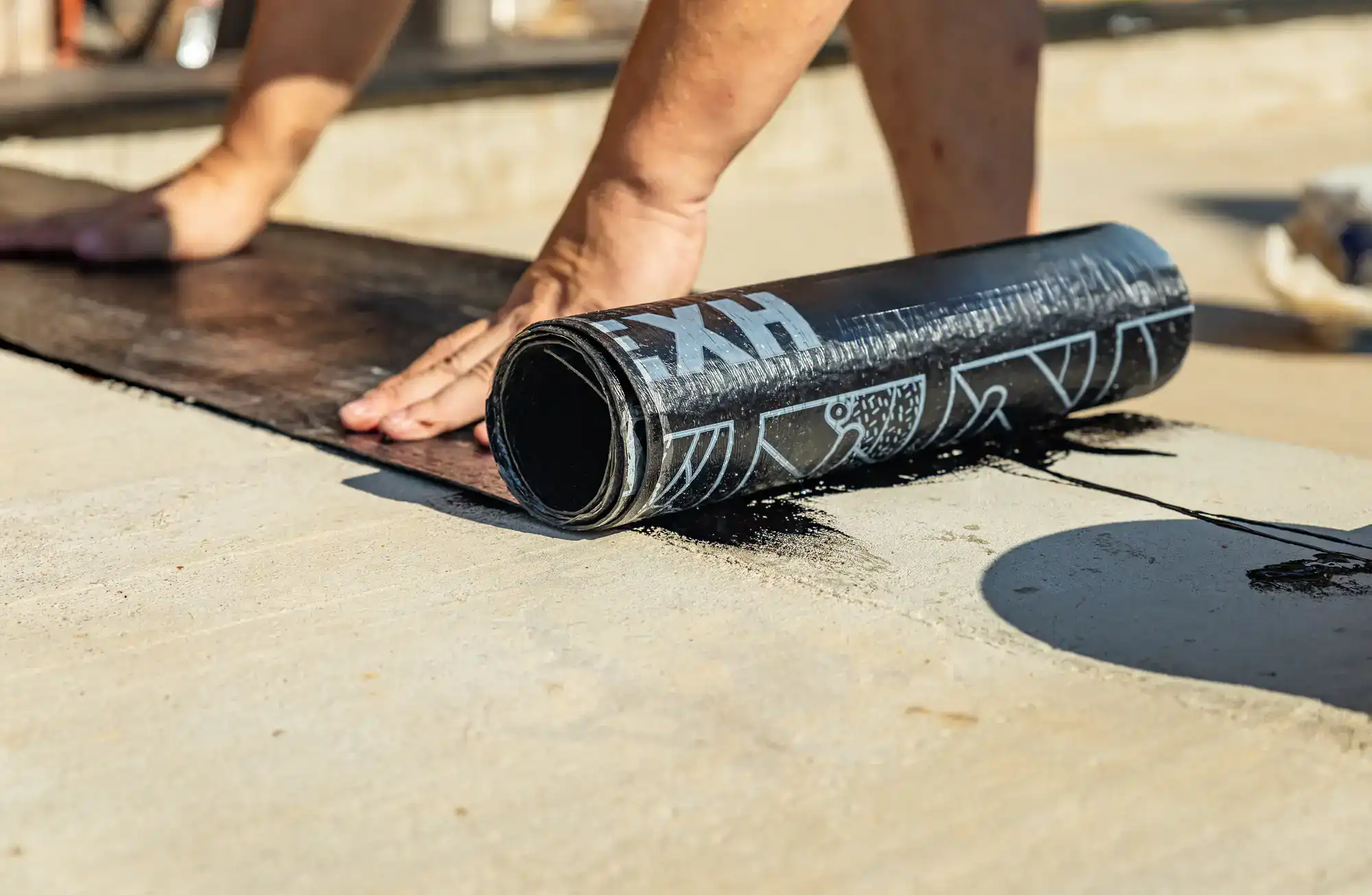
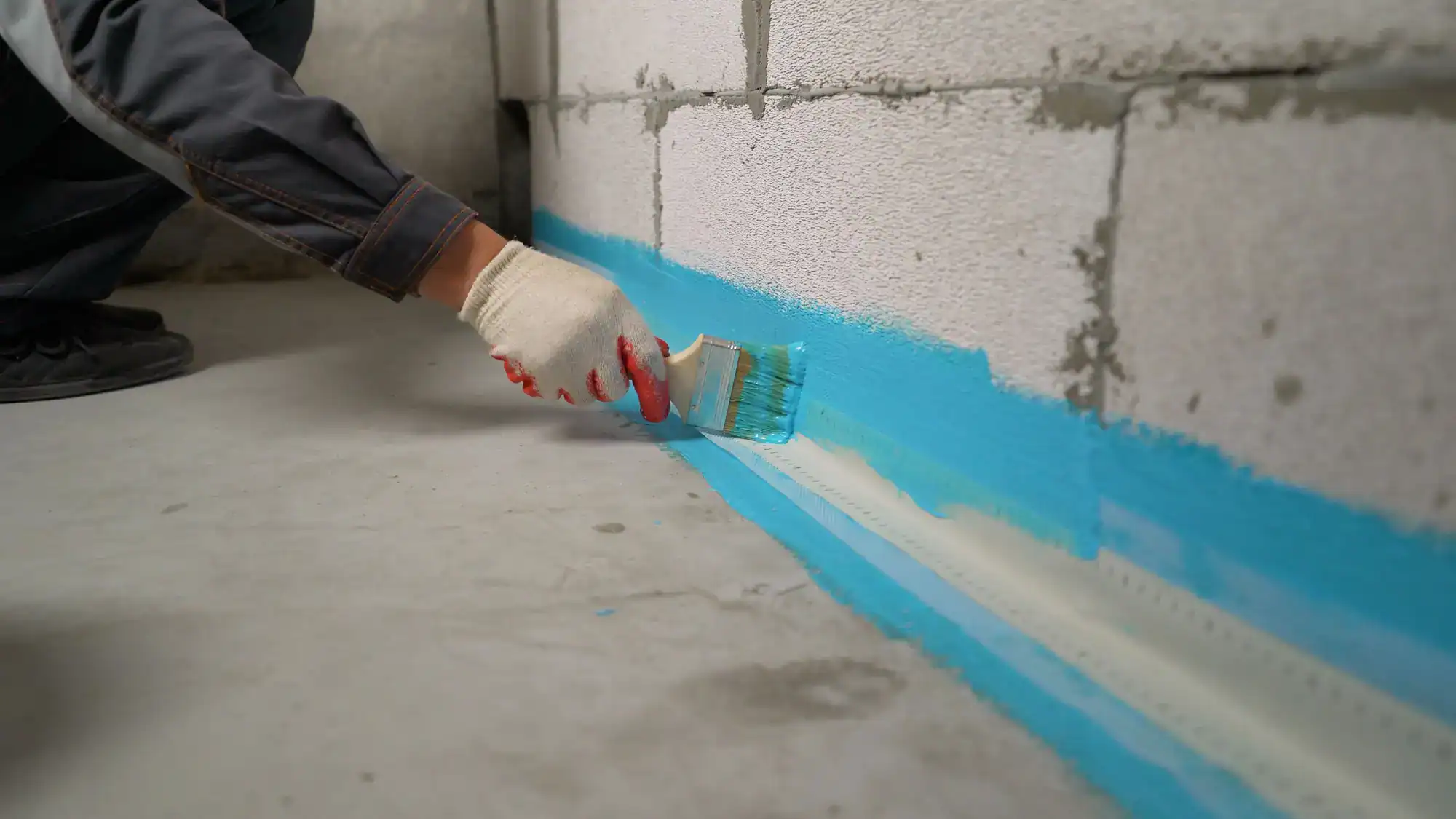
True basement waterproofing addresses the source of the water intrusion — whether that’s installing an interior drainage channel to collect and redirect water before it reaches the floor, injecting cracks in the foundation wall to seal them permanently, installing a sump pump system to handle groundwater, or in some cases excavating exterior walls to apply a proper waterproofing membrane and drainage board. For homes in New Britain, where clay soils and proximity to Cooks Run create real hydrostatic pressure during storm events, surface sealing alone is rarely the right answer. The fix needs to match the actual problem, which is why a proper diagnosis matters before any work starts.
No catch. Cash payments reduce administrative overhead — no processing fees, no delayed transfers, simpler bookkeeping. Passing that savings directly to you is straightforward math, not a promotional angle. For a waterproofing project in the $7,000 to $15,000 range, a cash discount can be a real dollar difference, not a token gesture.
For homeowners in New Britain who are weighing multiple bids, the combination of a free estimate and a cash discount means you can get a real number, compare it honestly against other quotes, and reduce the total cost if you’re in a position to pay that way. There’s no pressure either direction. The estimate is free regardless, the work gets done the same way regardless, and the discount is there if it works for you. It’s one less thing to feel uncertain about when you’re already dealing with the stress of a water problem in your home.
Other Services we provide in New Britain