Hear from Our Customers
King of Prussia home values have climbed significantly in recent years. That equity is real — and a wet basement can quietly eat away at it. Water intrusion leads to mold, and mold leads to disclosure requirements, inspection failures, and buyers walking away. Getting ahead of it isn’t just smart home maintenance; it’s protecting what your home is actually worth.
The clay-heavy soils throughout Upper Merion Township are a big part of why basements in King of Prussia struggle. When your home was built, the excavated soil around the foundation was replaced with looser backfill. Over time, that backfill settles into a bowl shape that funnels water straight toward your walls. The native clay around it doesn’t drain — it holds. That trapped water builds pressure until it finds a way in, and it always does.
Once the waterproofing is done right, you get more than a dry floor. You get usable square footage, air that doesn’t smell like a wet sock, and the confidence to list your home without burying a problem in the disclosure paperwork. For homeowners near Crow Creek or in the lower-lying sections of Valley Forge Homes, that peace of mind is worth every dollar.
We’ve been doing this work across King of Prussia and Montgomery County for over two decades. That’s not a number we throw around to sound impressive — it means we’ve seen the full range of what Upper Merion Township’s soil, rainfall, and aging housing stock can do to a basement. We know what Valley Forge Homes-era construction looks like from the inside, and we know what it takes to fix it properly.
What sets us apart isn’t a slick brand system or a national call center. We operate on a one-stop model that handles everything — testing, mold remediation, demolition, and waterproofing — under one roof, with one team. You don’t have to coordinate three different contractors or wonder who’s responsible when something doesn’t go right.
We’re fully licensed, bonded, and insured in Pennsylvania. We’re a Certified Lead Inspector and Risk Assessor operating under EPA and HUD compliance standards. And when you call us at 2 AM because a storm just rolled through the Schuylkill Valley and your basement is taking on water, someone actually picks up.
It starts with a free estimate. We come out, look at what’s actually happening — where the water is entering, what the drainage situation looks like, whether there’s existing mold or material damage that needs to be addressed before waterproofing can even begin. A lot of contractors skip that last part. We don’t, because sealing over a mold problem doesn’t fix it.
From there, we put together a clear scope of work. If the job involves structural modifications or drainage system installation, we’ll walk you through what Upper Merion Township requires in terms of permits — the township adopted the 2018 International Building Code, and certain basement projects do require sign-off from their permits office on West Valley Forge Road. We handle that conversation with you upfront so there are no surprises mid-project.
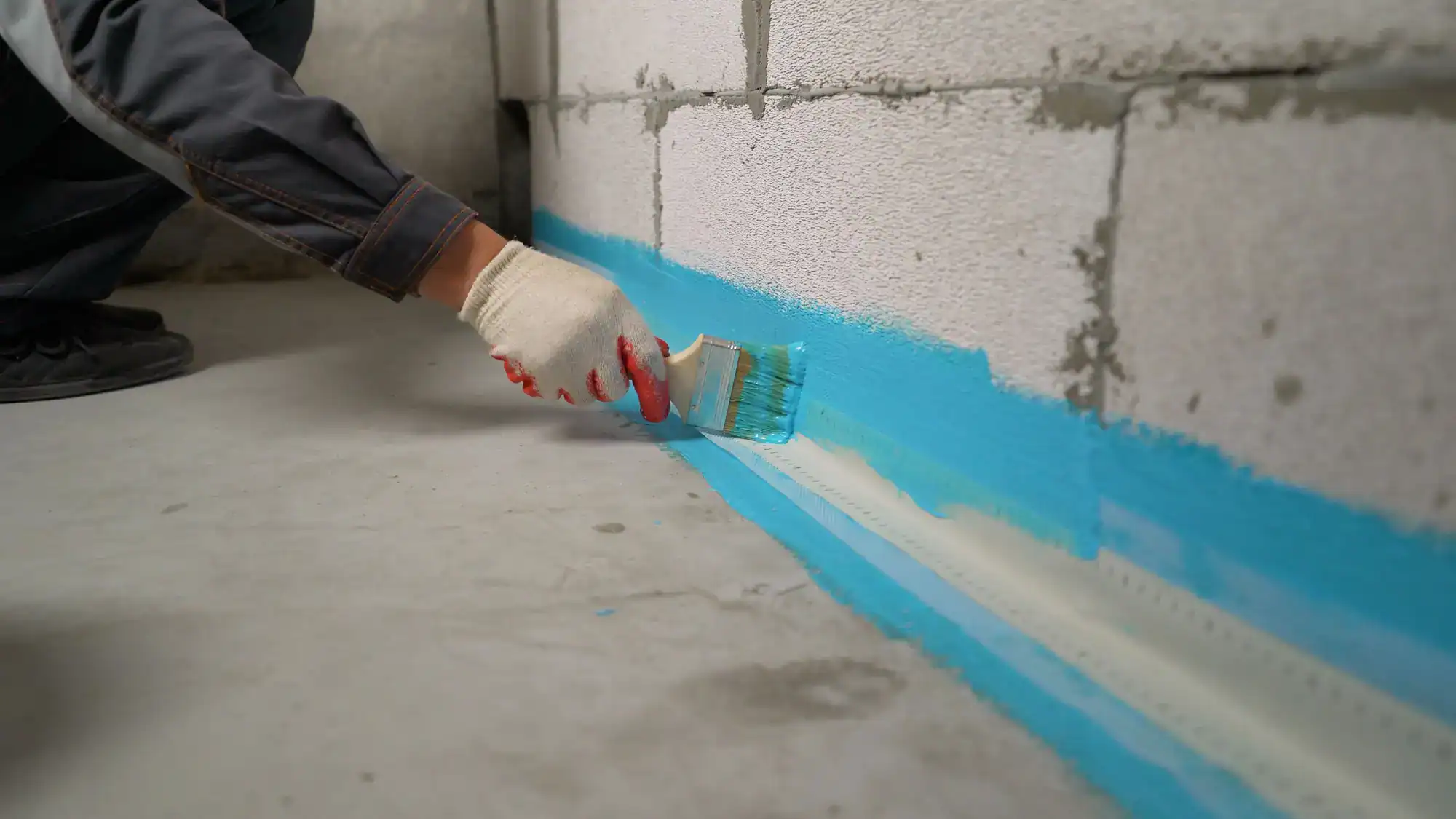
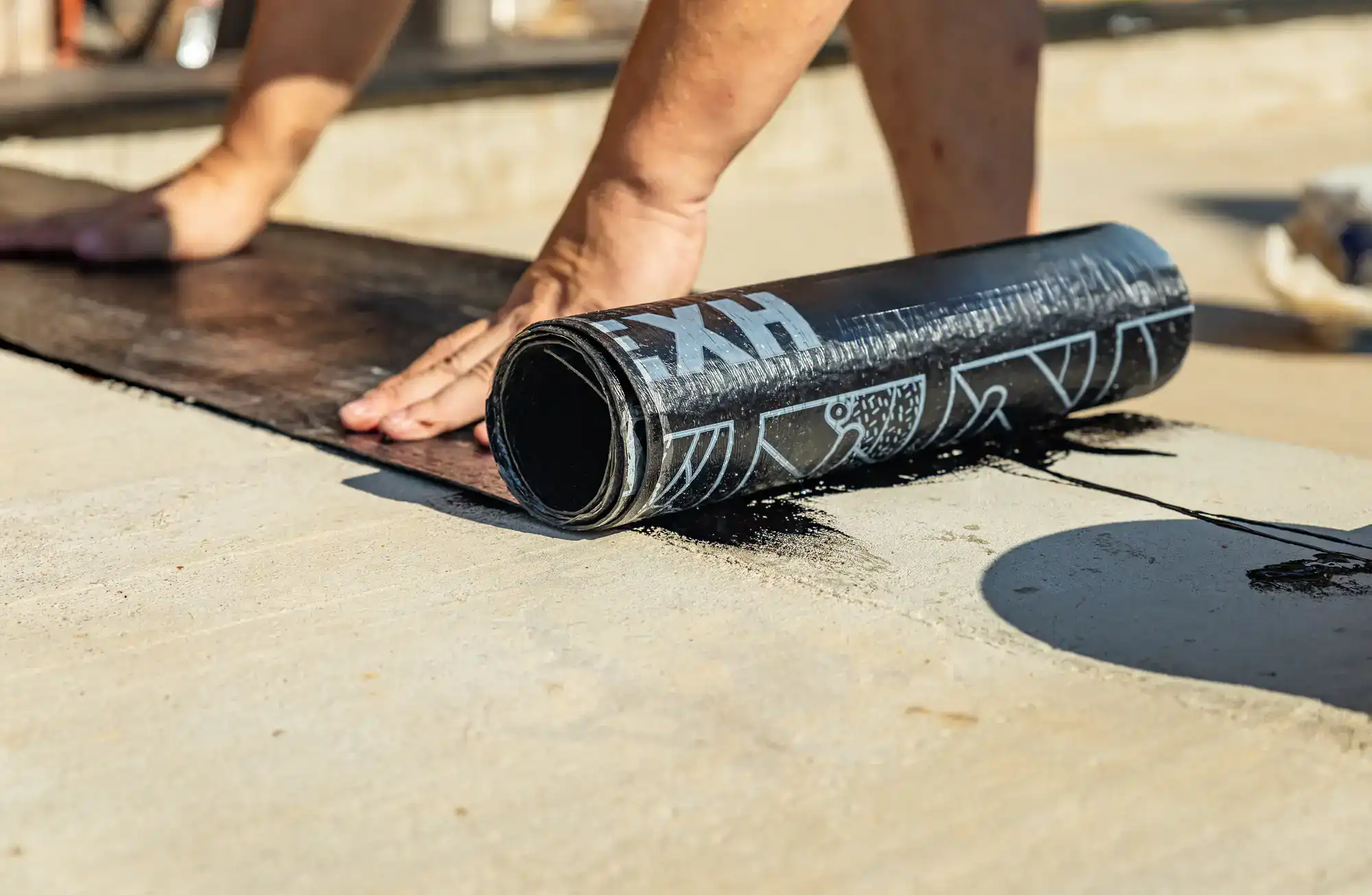
The work itself depends on what your basement needs. Interior drainage systems, sump pump installation, crack injection, exterior membrane application — the right solution depends on where the water is coming from and how the soil around your foundation is behaving. King of Prussia’s above-average annual rainfall and the area’s clay-heavy soils usually mean hydrostatic pressure is the core issue. We address the source, not just the symptom. When we’re done, you’ll know exactly what was done and why.
Ready to get started?
Basement waterproofing isn’t one-size-fits-all, especially in King of Prussia where you’ve got a mix of mid-century single-family homes in established neighborhoods, newer townhomes at the Village at Valley Forge, and everything in between. The age of the home, the construction type, and the drainage conditions around the foundation all affect what the right fix looks like.
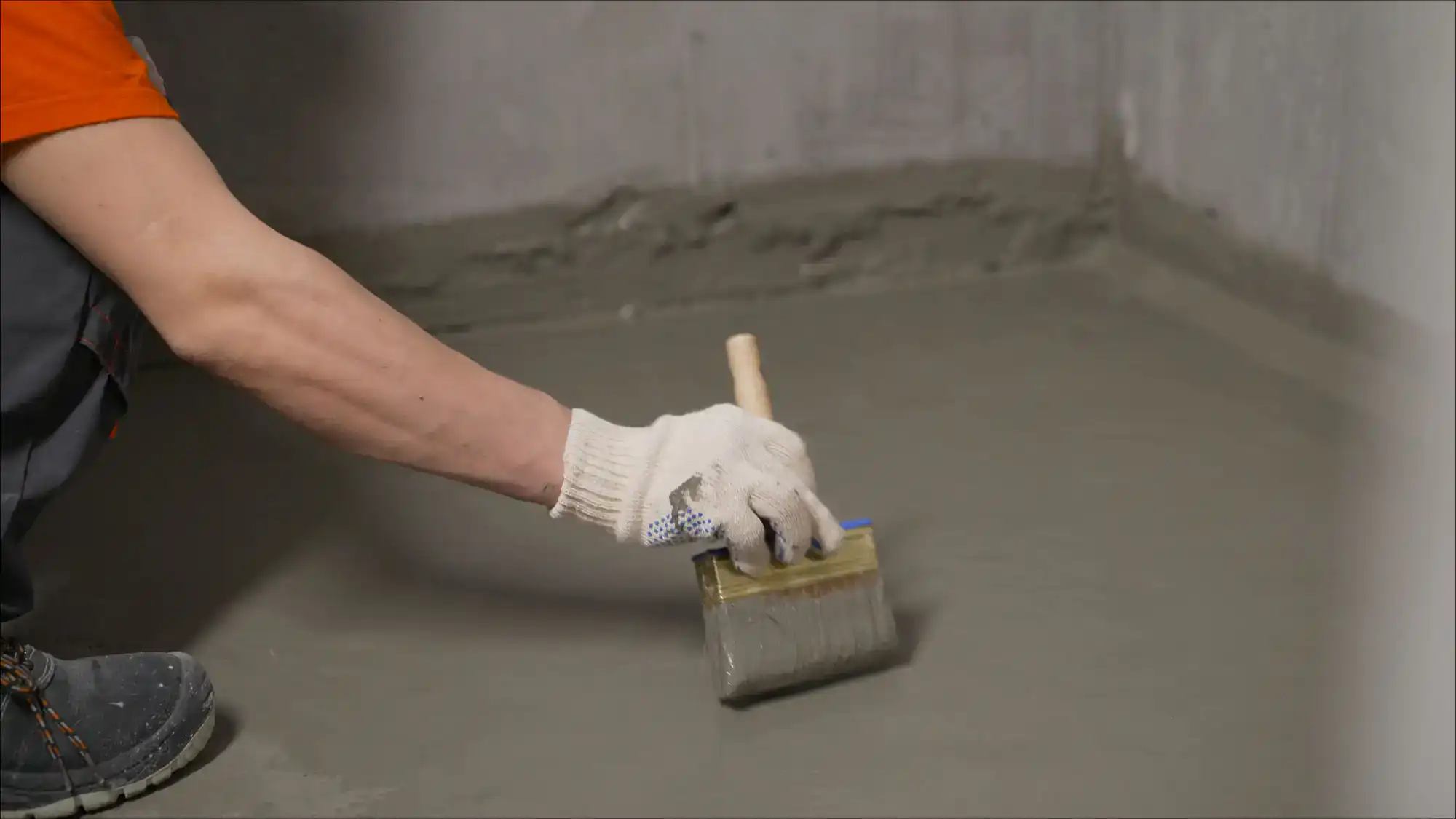
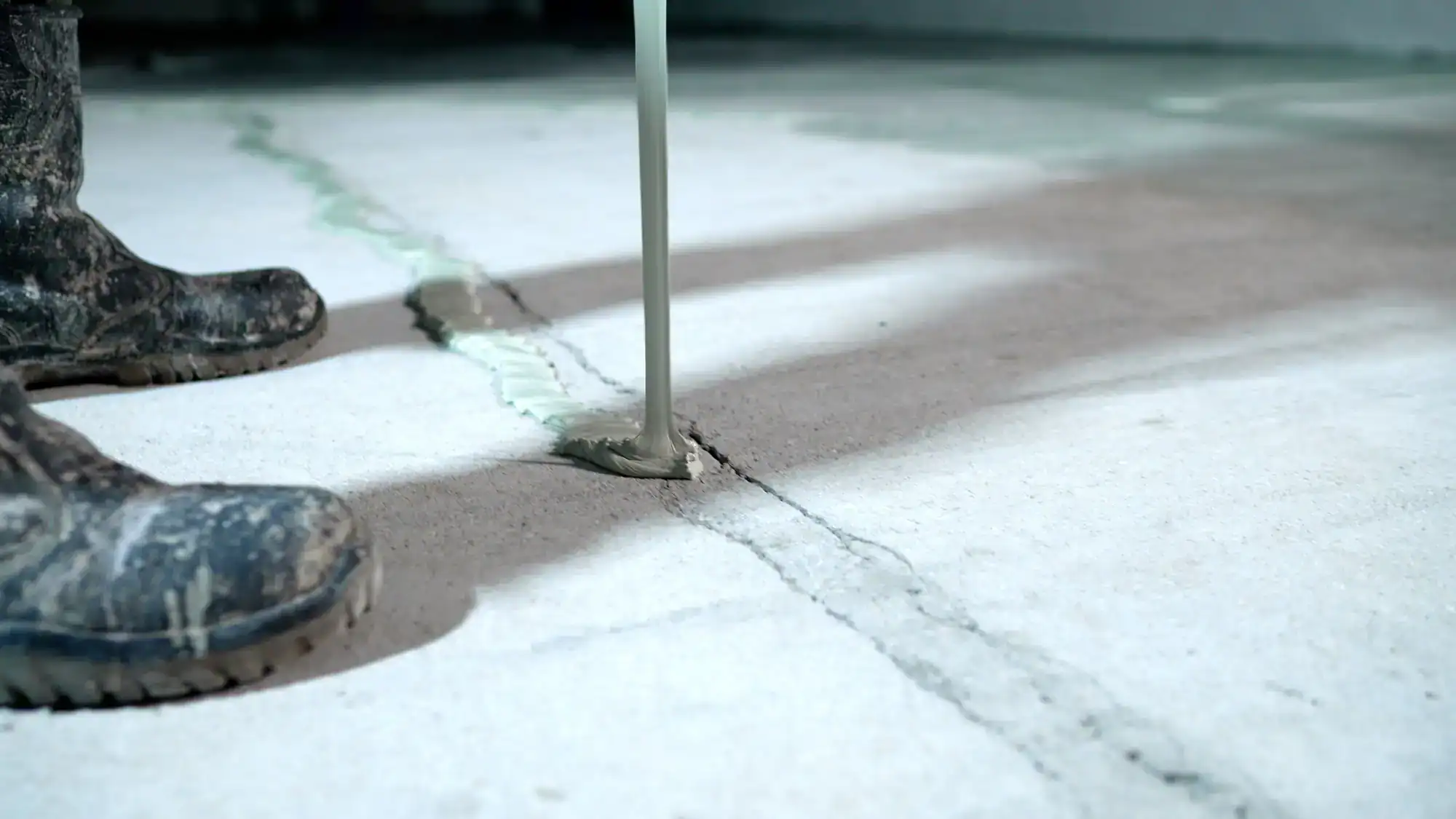
For most homes in the 19406 area, the work involves some combination of interior drainage channel installation, sump pit and pump setup, wall crack injection using epoxy or polyurethane foam, and in some cases exterior waterproofing membrane application where access allows. If there’s existing mold — which is common in basements that have been wet for more than a season — we handle that as part of the same job. You don’t need a separate mold remediation contractor. That’s the one-stop model in practice, not just on paper.
We use HEPA filtration throughout the process to protect the air quality in your home while work is underway. That matters especially in older homes where disturbing walls and floors can release decades of accumulated dust or, in pre-1978 construction, lead-based paint materials. As a Certified Lead Inspector and Risk Assessor, we identify those risks before they become a problem. Cash discounts are available, and every job starts with a free estimate — no commitment, no pressure.

The most common reason is the clay bowl effect combined with hydrostatic pressure — two issues that are especially prevalent throughout Upper Merion Township. When your home was originally built, the soil excavated around the foundation was replaced with loose backfill. Over time, that backfill compacts and settles into a low point around your foundation walls. The native clay soil surrounding it doesn’t absorb water — it sheds it. So every time it rains, water collects in that bowl and presses against your foundation from the outside.
King of Prussia receives roughly 47 inches of rain per year, which is well above the national average. That’s a lot of sustained pressure against your basement walls across all four seasons. Even a modest rain event can trigger seepage if the drainage around your foundation isn’t managing that water effectively. The fix isn’t always dramatic — sometimes it’s an interior drainage channel and a properly sized sump pump. But it does need to be addressed correctly, because the pressure doesn’t stop just because the rain does.
Waterproofing costs in King of Prussia generally range from around $3,000 on the lower end for targeted crack injection and basic drainage improvements, up to $15,000 or more for full interior drainage system installation with sump pump, wall treatment, and any mold remediation that’s needed alongside the waterproofing work. The spread is wide because the scope varies significantly depending on the size of the basement, the severity of the water intrusion, and how long the problem has been going on.
One thing worth factoring in: if your home is in one of the older Valley Forge Homes-era subdivisions, there’s a reasonable chance that a wet basement has been quietly growing mold for longer than you realize. That adds scope. On the flip side, catching it early — before the drywall is saturated and the framing is compromised — keeps the cost down considerably. We offer free estimates and cash discounts, so you’ll know exactly what you’re looking at before any work begins. No obligation to move forward, and no inflated quote to account for a financing markup.
It depends on the scope of the work. Pure waterproofing tasks — like crack injection, applying a waterproofing membrane to interior walls, or installing a basic sump pump — often don’t require a formal permit in Upper Merion Township. But if the project involves modifying the drainage system in a way that connects to plumbing, cutting into concrete floors for a French drain installation, or making any structural changes to the foundation, you’re likely looking at a permit requirement under the township’s adopted building code.
Upper Merion Township operates under the 2018 International Building Code, which was formally adopted via Ordinance 2022-881 and took effect in July 2022. Permits are handled through the township’s permits office at 175 W. Valley Forge Road in King of Prussia. The permit process isn’t something most homeowners want to navigate alone, and it’s also not something you want to skip — unpermitted structural work can create real complications when you go to sell the home. We walk through what’s required with you before the job starts so there are no surprises.
Exterior waterproofing addresses the problem at the source — it involves excavating around the foundation, applying a waterproof membrane directly to the outside of the foundation wall, and installing drainage board and a perimeter drain to redirect water away before it ever reaches the wall. It’s the most thorough approach, but it’s also the most invasive and typically the most expensive, especially in established King of Prussia neighborhoods where landscaping, driveways, or hardscaping are in the way.
Interior waterproofing manages water after it enters the foundation wall — using drainage channels installed along the interior perimeter of the basement floor, a sump pit, and a pump system to collect and redirect water before it spreads across the floor. For most King of Prussia homeowners dealing with chronic seepage driven by hydrostatic pressure from the surrounding clay soils, interior waterproofing is the practical and cost-effective solution. It doesn’t eliminate the water pressure outside, but it gives that water a controlled path so it never damages your living space. In many cases, a combination of both approaches is the right answer — and we’ll tell you honestly which one your situation actually calls for.
Mold doesn’t always announce itself visibly. A musty smell in the basement is often the first sign — that odor is mold off-gassing, and it typically means there’s active growth somewhere, even if you can’t see it yet. Visible discoloration on drywall, framing, or insulation is a more obvious indicator, but by the time you can see it clearly, the growth has usually been going on for a while.
In King of Prussia homes that have had recurring water intrusion — especially in older construction where the original waterproofing has long since degraded — mold is a common finding. It’s also one of the reasons we don’t just show up and start sealing walls. Waterproofing over an active mold problem traps the moisture and organic material that mold needs to keep growing. It has to be addressed first. As a full-service environmental company, we handle mold testing, remediation, and any necessary demolition of affected materials as part of the same project — so you’re not calling a second company and starting the whole coordination process over again.
Yes — and in King of Prussia, that matters more than it might in some other areas. The township sits adjacent to the Schuylkill River, which is a documented flood-contributing waterway, and Crow Creek runs through the broader Upper Merion area. When a significant storm system moves through the Schuylkill Valley — like the July 2023 event that dropped over five inches of rain in a single day and triggered water rescues in the township — basements in the lower-lying sections of King of Prussia can go from damp to flooded in a matter of hours.
We offer 24/7 phone availability and emergency response service for exactly those situations. You’re not leaving a voicemail and hoping someone calls back by morning. Calling us at midnight during a storm gets you a real person who can assess the situation, advise on immediate steps to limit damage, and get a crew out as quickly as the conditions allow. For homeowners near Crow Creek or in areas with known drainage challenges, having that number saved before you need it is just a smart move.
Other Services we provide in King Of Prussia