
Hear from Our Customers
Water in your basement isn’t just an inconvenience — it’s a slow drain on everything you’ve built. It warps floors, feeds mold, destroys insulation, and chips away at the structural integrity of a home you’ve invested serious money into. In Flourtown, where median home values sit between $600,000 and $800,000, that’s not a problem you let sit.
The Wissahickon Valley’s clay-heavy soils hold water against your foundation walls for extended periods after every rainstorm. That sustained pressure is what drives moisture through cracks, block joints, and porous masonry — and it doesn’t stop just because the sun comes out. Homes in neighborhoods like Chesney Downs and the Paper Mill Glen area, many built in the late 1940s and 1950s, are dealing with foundation systems that are now 70 or more years old. They weren’t designed for the kind of hydrostatic pressure that builds up over decades of soil settlement and seasonal freeze-thaw cycles.
Once your basement is properly waterproofed, you get your space back. A finished lower level in a Flourtown home adds real, usable square footage — and protecting it with a system that actually works means you’re not ripping out drywall and flooring every few years. It also matters at resale. Buyers in this market ask about water history, and sellers with documented, professional waterproofing have a clear advantage.
We’ve been working in Flourtown and throughout Montgomery County for over two decades. We’re fully licensed, bonded, and insured, and our owner holds a Certified Lead Inspector and Risk Assessor designation — which matters more than most people realize when you’re disturbing the walls and floors of a pre-1978 home. In a town where the majority of the housing stock was built before lead paint was banned, that credential isn’t a footnote. It’s essential.
What sets us apart from a standard waterproofing contractor is the scope of what we handle. Water intrusion in an older Flourtown home rarely shows up alone — it brings mold, it raises questions about lead paint, and sometimes it reveals structural issues that need attention before any waterproofing system will hold. We do all of it: testing, mold remediation, demolition, and waterproofing under one roof. You don’t have to coordinate three separate contractors or wonder if one undid what the other just fixed.
Free estimates, cash discounts, and 24/7 availability aren’t perks added to a marketing brochure. They’re how we actually operate — including emergency response when a nor’easter rolls through Springfield Township at midnight and your basement is taking on water.
It starts with a free estimate. We come out, look at your actual basement, and tell you what’s happening and what it’s going to take to fix it. No manufactured urgency, no worst-case-scenario sales pitch. If a targeted crack repair is all your foundation needs, that’s what you’ll hear. If there’s a more significant drainage issue — common in Flourtown homes near the Wissahickon Creek corridor — that gets explained clearly too.
From there, we map out the right approach for your specific home. Older homes in Flourtown often require a closer look before any waterproofing work begins — particularly if there’s mold present or if the walls contain lead-based paint, which is likely in any home built before 1978. We handle those environmental factors first, using HEPA filtration systems to contain and remove contaminants so they don’t get redistributed through your living space during the work. If your project involves sump pump installation or drainage system work, Springfield Township requires permits through the Building and Zoning Department — we’re fully familiar with that process and handle it correctly.
Once the prep work is done and permits are in order, the waterproofing system goes in. After the job is complete, you’ll know exactly what was done, why it was done, and what to watch for going forward. No disappearing act after the invoice.
Ready to get started?
Basement waterproofing isn’t one-size-fits-all, and in Flourtown it especially isn’t. The Wissahickon schist bedrock underlying much of this area, combined with clay-heavy overlying soils and proximity to the creek, creates conditions that demand a site-specific solution. What works in a newer Blue Bell construction might be completely wrong for a 1952 Cape Cod in Chesney Downs with a poured concrete block foundation and seventy years of soil settlement around it.
We evaluate each home individually. Depending on what’s found, the solution might involve interior drainage systems, sump pump installation, exterior waterproofing membranes, foundation crack injection, or a combination. If mold is present — and in wet Montgomery County basements, it often is — remediation happens before waterproofing, not as an afterthought. The same goes for any lead paint concerns in the work area. Montgomery County also carries a predicted average indoor radon screening level above 4 pCi/L, the highest risk category, so if radon testing is warranted, we can handle that as part of the same visit.
The goal is a basement that stays dry year-round — through the spring snowmelt that swells the Wissahickon, through the summer thunderstorms that drop three inches of rain in an afternoon, and through the freeze-thaw cycles that quietly widen foundation cracks every winter. That’s what a complete, properly executed waterproofing system delivers.
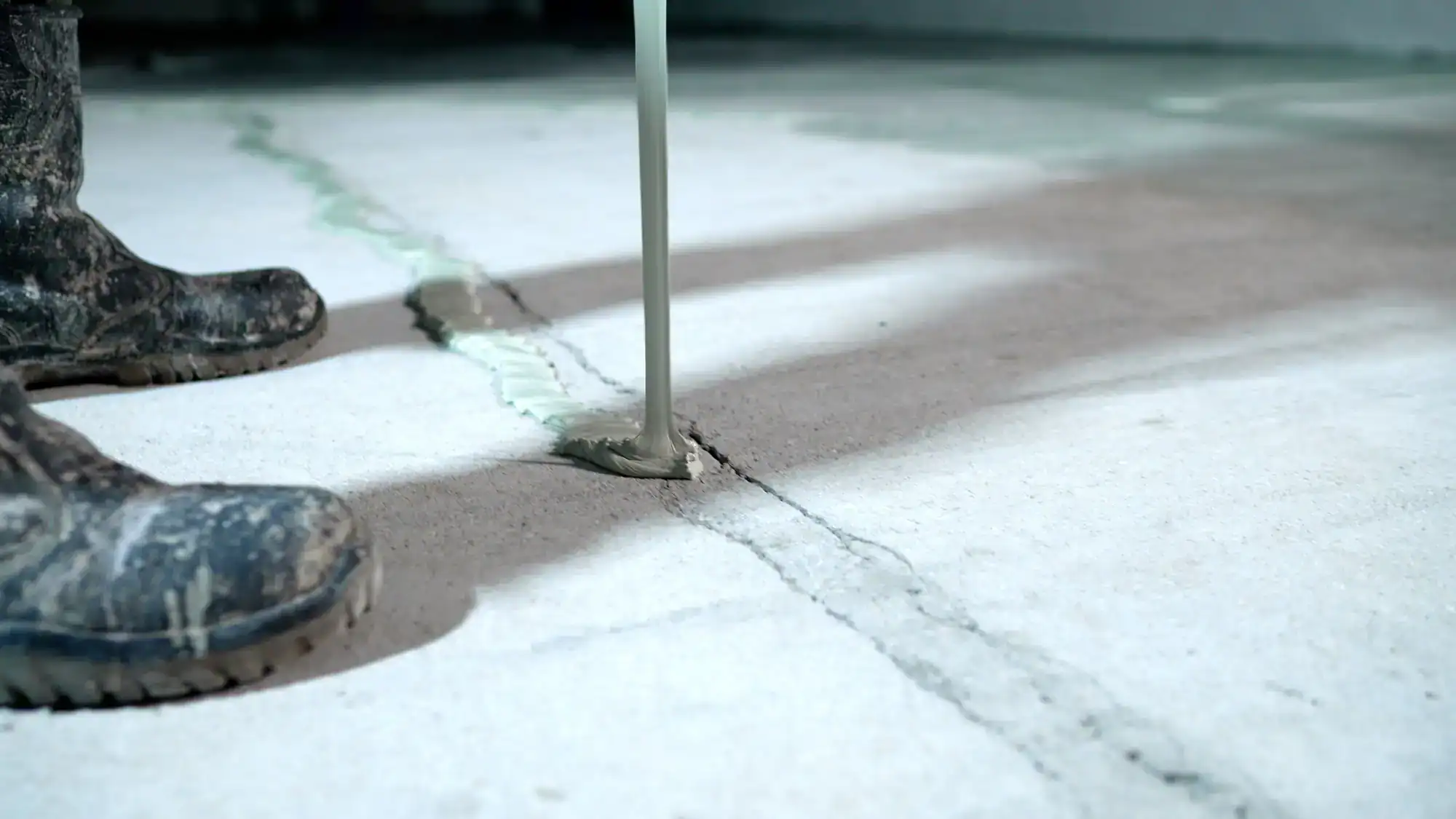

This is one of the most common frustrations homeowners in Flourtown bring to us. The short answer is that most previous repairs addressed the symptom — a visible crack, a wet spot on the wall — without addressing what’s actually driving the moisture. In the Wissahickon Valley, clay-heavy soils hold water against your foundation for days after a rainstorm. That sustained hydrostatic pressure will find a new path if the old one gets patched without a proper drainage strategy behind it.
In homes built in the 1940s and 1950s, like many in Chesney Downs and the Paper Mill Glen area, the original drain tile systems — if they were installed at all — are often collapsed, clogged, or completely non-functional at this point. Patching a crack in a wall that still has no way to relieve water pressure is a temporary fix at best. A proper assessment looks at the whole system: where water is entering, why it’s accumulating, and what drainage solution will actually keep it out long-term.
Cost varies significantly depending on what your basement actually needs, and anyone who quotes you a number before seeing your home is guessing. That said, most residential basement waterproofing projects in the Montgomery County area fall somewhere between $3,000 and $15,000, with straightforward interior drainage and sump pump installations on the lower end and more comprehensive systems — exterior excavation, full perimeter drainage, mold remediation — on the higher end.
For Flourtown specifically, the age of the housing stock is a real factor. Older homes sometimes require additional prep work before waterproofing can begin, particularly if there’s mold present or if lead paint is a concern in the work area. Those aren’t add-ons designed to inflate a bill — they’re necessary steps that protect your family and ensure the waterproofing system actually holds. We provide free estimates so you know exactly what you’re looking at before any work starts, and cash discounts are available for homeowners who prefer to pay that way.
Yes — and it’s actually where professional waterproofing matters most. Stone rubble and concrete block foundations, which are common in Flourtown’s pre-1960 housing stock, are inherently more porous than poured concrete. Water moves through the mortar joints, through the block itself, and through any cracks or voids that have developed over decades of freeze-thaw cycling. The challenge isn’t that these foundations can’t be waterproofed — it’s that they require a different approach than a newer poured wall.
Interior drainage systems that manage and redirect water away from the foundation are often the most reliable solution for older block and stone walls, because trying to stop water at the wall itself in a 70-year-old foundation is a losing battle. The goal is to control where the water goes once it enters the wall assembly, channel it to a sump system, and get it out of the basement before it causes damage. We’ve worked extensively with the older housing stock throughout Montgomery County and understand what these foundations need.
It depends on the scope of the work. Springfield Township enforces Pennsylvania’s Uniform Construction Code, and certain types of waterproofing work do require permits. Sump pump installation requires a plumbing permit and must be performed by a licensed Master or Journeyman Plumber registered with the Township. Any electrical work tied to a sump pump system requires an electrical permit. If your project involves structural alterations or a new drainage system, a building permit through the Township’s Community Development Department is likely required as well.
This is worth paying attention to, especially if you plan to sell your home at some point. Unpermitted work on a foundation or drainage system can surface during a home inspection and create real problems at closing. We’re fully licensed and familiar with Springfield Township’s permitting process — the work gets done correctly and documented properly so there are no surprises down the road. If you’re not sure whether your project requires a permit, that’s a question worth asking before any work starts.
Not always, but more often than homeowners expect — especially in basements that have had recurring moisture issues over multiple seasons. Mold needs three things to grow: moisture, an organic food source like wood or drywall, and time. Basements in Flourtown’s older homes typically have all three. If water has been getting in periodically for years, there’s a reasonable chance mold has established itself somewhere in the wall assembly or on framing, even if it’s not immediately visible.
Montgomery County’s elevated radon risk adds another layer to the air quality picture in Flourtown basements. While radon and mold are separate issues, both are driven by what’s happening below grade — and both are worth evaluating when you’re already addressing a moisture problem. We handle mold testing and remediation as part of our environmental services, which means if mold is found during a waterproofing assessment, it gets addressed in the same project rather than requiring a separate contractor and a separate scheduling headache.
No catch. Payment processing fees are a real cost in any service business, and when a customer pays in cash, those fees don’t exist. Passing that savings directly to the customer is straightforward math, not a gimmick. For a waterproofing project in the $5,000 to $12,000 range — which is realistic for many Flourtown homes given the age of the housing stock and the scope of work often involved — a cash discount can represent meaningful savings.
Flourtown is a community of financially savvy homeowners. A lot of residents here work in finance, real estate, and professional fields, and they’re accustomed to understanding where costs come from. The cash discount is just an honest acknowledgment that the transaction costs less to process, so the job costs less to complete. If paying in cash works for your situation, ask about it when you call for your free estimate. We’ll give you a straight answer on what the discount looks like for your specific project.
Other Services we provide in Flourtown