Hear from Our Customers
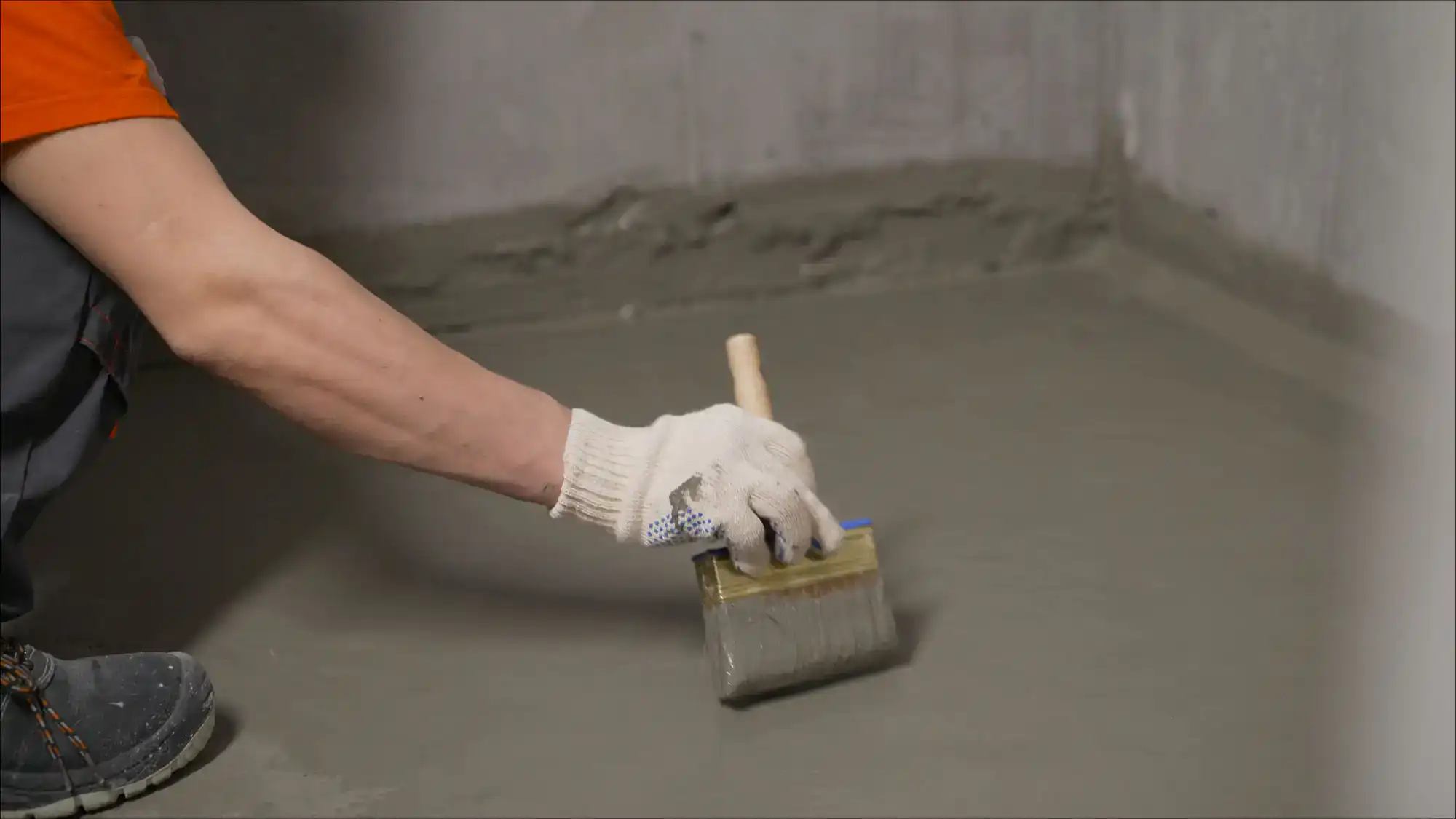
When your basement stays dry, the rest of your home stays healthier. No mold creeping up the walls, no musty smell drifting into the living room, no mystery cracks widening every winter. For a home in Bala Cynwyd — where the median property value sits above $1 million — letting moisture go unchecked isn’t just an inconvenience. It’s a liability.
The stone mansions between Montgomery Avenue and Levering Mill Road are stunning, but those pre-1920 fieldstone and early poured concrete foundations were never designed with vapor barriers, drainage boards, or sump systems in mind. Add in Bala Cynwyd’s proximity to the Schuylkill River, and you’ve got a neighborhood where hydrostatic pressure builds fast after a heavy rain. The Cynwyd Heritage Trail is beautiful — but the watershed it runs through is the same one pushing water against your foundation walls every time the river rises.
Getting this fixed means more usable space, better air quality throughout the house, and real protection for an investment that took years to build. It also means you’re not starting over with mold remediation six months from now because the waterproofing was done halfway.
We’ve spent two decades working on exactly the kind of homes that define Bala Cynwyd — historic, high-value, and complicated. Our owner is a certified Lead Inspector and Risk Assessor, which matters more than most homeowners realize when the basement work involves disturbing painted surfaces in a home built before 1978. That’s not a bonus credential. In Lower Merion Township, where most of the housing stock predates modern lead paint regulations, it’s a legal requirement that a lot of waterproofing contractors quietly ignore.
What makes us different isn’t a catchy slogan. It’s the fact that testing, remediation, demolition, and waterproofing all happen under one roof. You don’t have to find three different contractors and hope they coordinate. One call, one company, one job done right. And if something goes sideways at 11 PM after a nor’easter rolls through and the Schuylkill backs up — we’re available. Not a voicemail. An actual person.
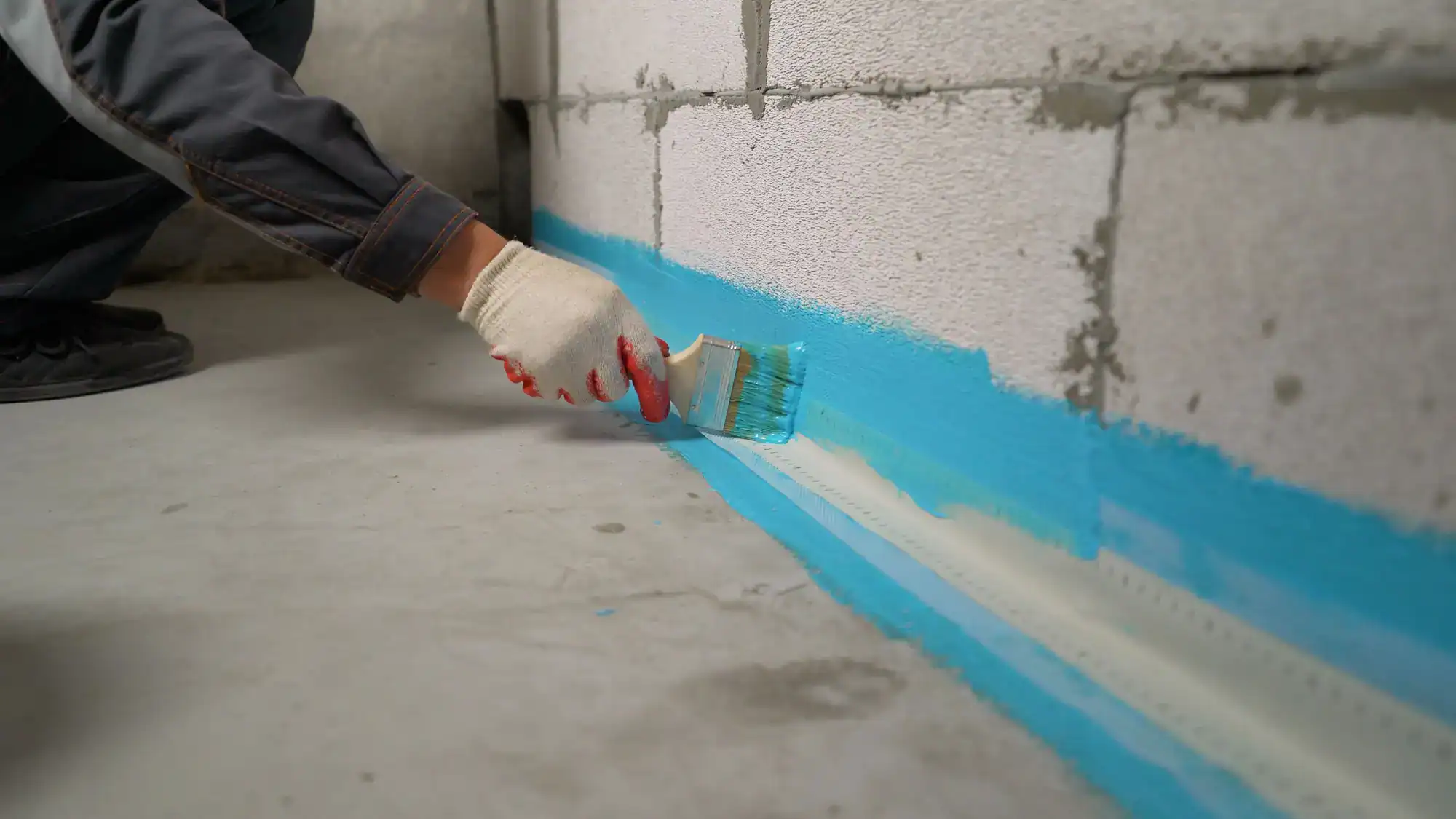
It starts with a free estimate and a real walkthrough of your basement. Not a sales pitch — an honest assessment of where water is getting in, why it’s happening, and what it’s going to take to stop it. For Bala Cynwyd homes, that often means looking closely at fieldstone mortar joints, early concrete block walls, and the drainage conditions around the foundation — especially in lower-lying areas like Belmont Hills, where proximity to the Schuylkill means groundwater levels can shift significantly after a heavy storm.
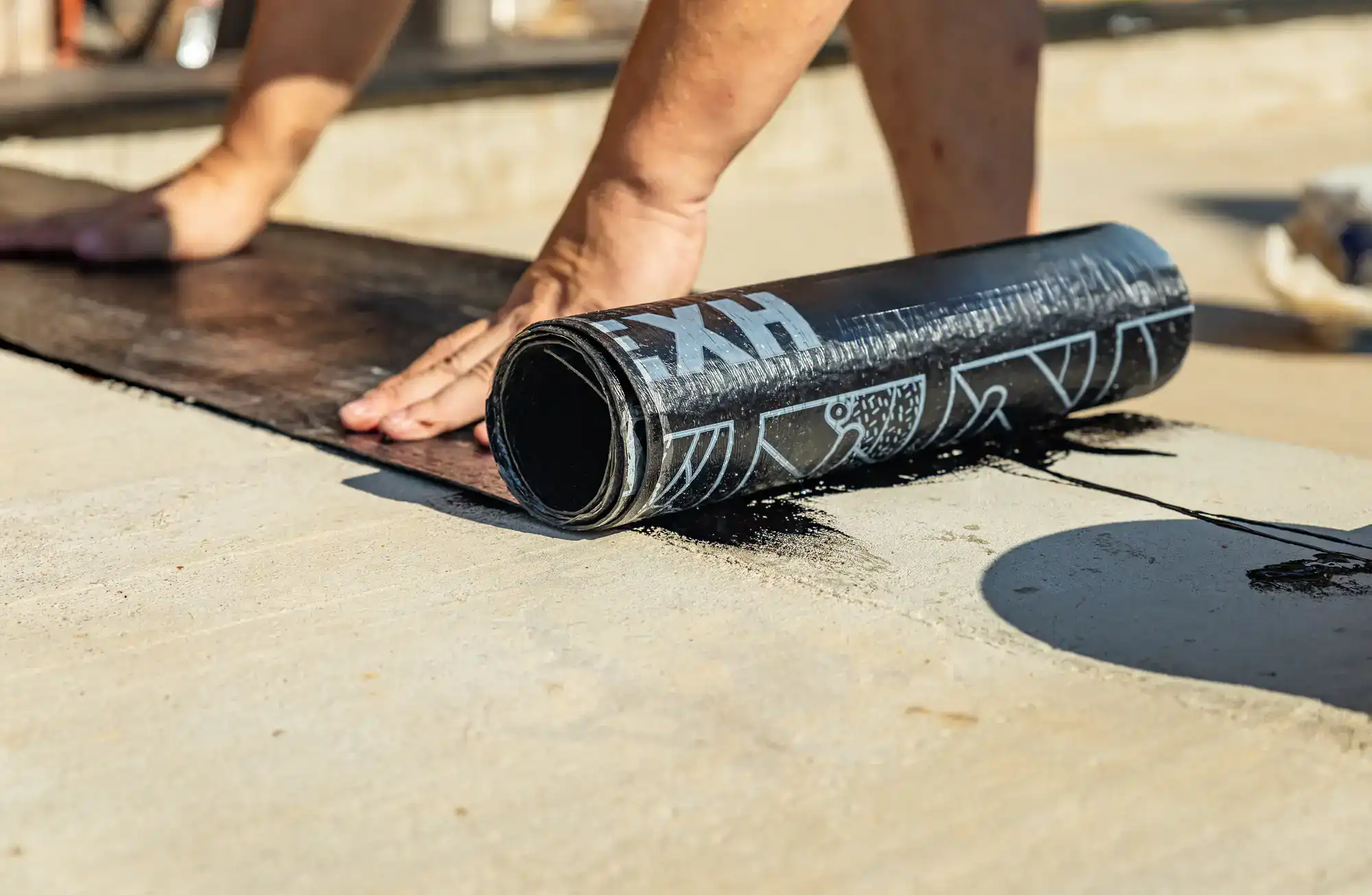
From there, the scope gets determined. Some basements need interior drainage systems and a sump pump. Others need exterior excavation and membrane application. Many older stone homes need a combination of both, along with some targeted demolition of compromised materials before the waterproofing work can even begin. If there’s mold present — which is common in basements that have been damp for years — that gets handled as part of the same project, not handed off to a separate company.
If your home was built before 1978 and any painted surfaces are being disturbed, we follow lead-safe work practices automatically. Lower Merion Township’s Building and Planning Department may require permits for certain drainage or structural work, and we’re fully licensed and equipped to handle that process. When the job is done, you get a dry basement, documentation of the work, and no loose ends.
Ready to get started?
Basement waterproofing in Bala Cynwyd isn’t a one-size-fits-all job. The pre-war stone mansions near Cynwyd Station have completely different foundation profiles than the post-WWII split-levels east of Manayunk Road — and both require a different approach. We work across all of it: interior drainage systems, sump pump installation, exterior waterproofing membranes, crack injection, foundation sealing, and full mold remediation when moisture has already done damage.
Because we’re also a certified environmental hazard abatement company, the work doesn’t stop at waterproofing. If demolition is needed to access a compromised foundation wall, that’s handled in-house. If mold is found during the inspection, it gets remediated before the waterproofing goes in — not patched over. And because our owner holds EPA/HUD certification and lead inspector credentials, homes in Bala Cynwyd’s historic districts can be worked on without the legal and safety risk that comes with hiring a contractor who isn’t properly certified for older housing stock.
We use HEPA filtration systems throughout any project that disturbs dust or debris, keeping your home’s air quality protected during the work — not just after. Free estimates are available, and cash discounts apply. If you’re trying to understand what basement waterproofing costs before committing to anything, the estimate conversation is the right place to start.
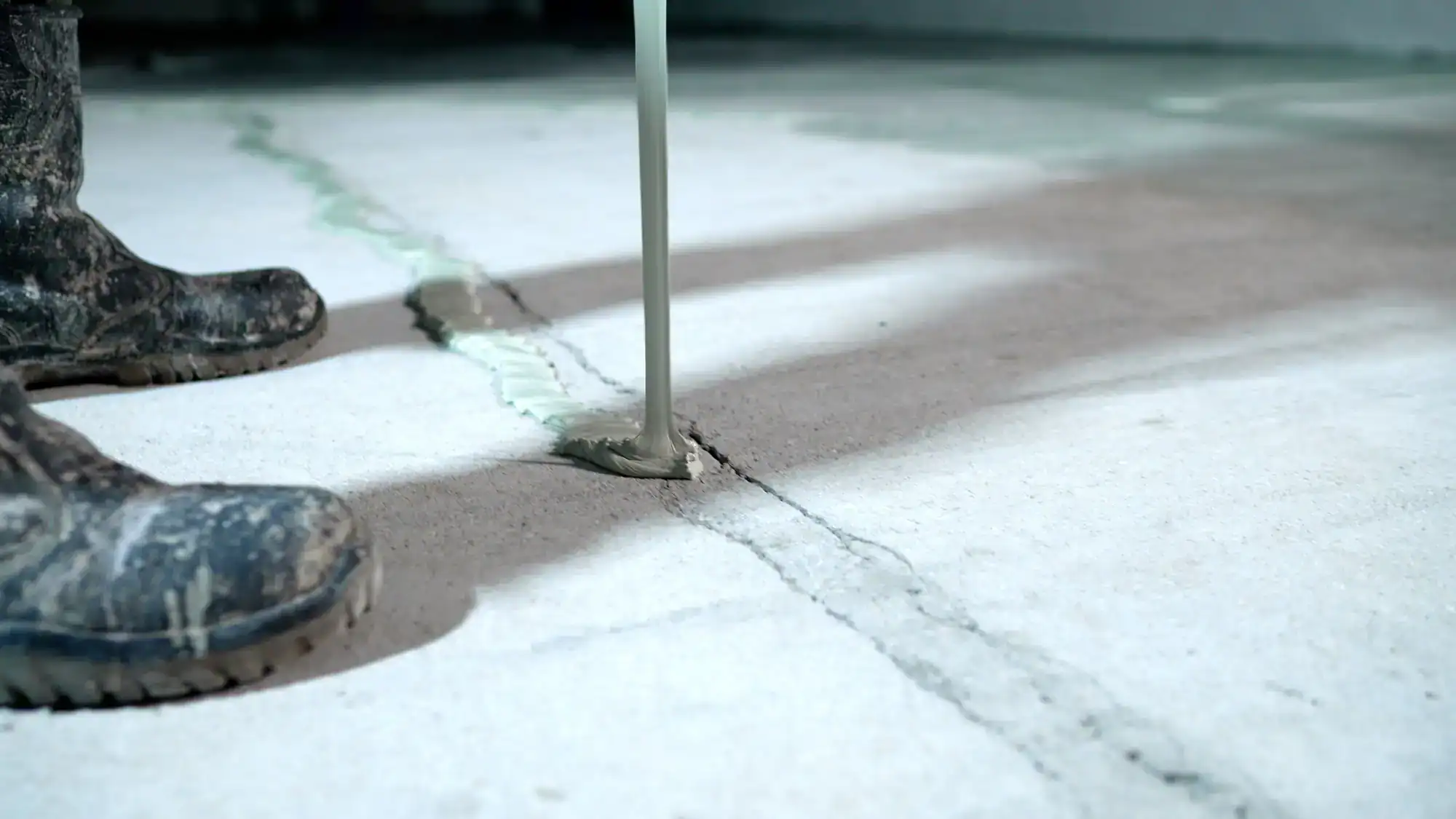

Bala Cynwyd sits along the eastern edge of the Schuylkill River watershed, and the township’s own stormwater management framework acknowledges that heavy rainfall can exceed the capacity of local drainage systems. When that happens, groundwater levels rise quickly — and for homes built on fieldstone or early poured concrete foundations, that water finds a way in through mortar joints, wall cracks, and floor-wall seams that have been slowly deteriorating for decades.
The commercial and residential density along City Avenue and the surrounding corridors also means more impervious surface — pavement, rooftops, driveways — that can’t absorb runoff the way open land can. That water concentrates around foundations instead of dispersing into the soil. The fix isn’t a coat of sealant from a hardware store. It’s a properly installed drainage system, often combined with a sump pump, that manages that water load before it ever enters your basement.
Costs vary depending on the size of the basement, the severity of the water intrusion, and what type of waterproofing system is needed. For most residential jobs in Lower Merion Township, interior drainage system installations run somewhere between $3,000 and $8,000. Exterior waterproofing — which involves excavation around the foundation — tends to run higher, often $8,000 to $15,000 or more depending on the scope. Crack injection repairs for isolated entry points are typically on the lower end of the range.
For Bala Cynwyd specifically, the age and construction type of the home matters a lot. A pre-1920 stone mansion near Montgomery Avenue is going to require a different — and often more involved — approach than a 1950s split-level. If mold remediation or demolition is also needed, that adds to the total. The most accurate way to understand your specific cost is a free on-site estimate, which we provide without any obligation to move forward.
It depends on the scope of the work. In Lower Merion Township, permits are typically required when the project involves structural repairs, new drainage system installation, or any work that affects stormwater flow or involves significant earth disturbance. The township’s Building and Planning Department handles permits and inspections, and they can be reached at 610-645-6200 if you want to confirm requirements for your specific project before work begins.
For most interior drainage and sump pump installations, the permitting process is straightforward. Exterior excavation projects that disturb a significant amount of soil may also require coordination with the Montgomery County Conservation District for erosion and sedimentation compliance. We’re fully licensed in Pennsylvania and handle the permitting process as part of the job — you don’t need to navigate that on your own.
Yes, significantly. Homes built in Bala Cynwyd between roughly 1880 and the 1930s — the stone mansions that define the neighborhood between Montgomery Avenue and Levering Mill Road — were constructed without modern waterproofing membranes, drainage boards, or vapor barriers. Their foundations are typically fieldstone with lime mortar, which erodes over time and opens up pathways for water that didn’t exist when the home was new. Early poured concrete foundations from the same era develop carbonation and micro-cracking that worsens with every freeze-thaw cycle.
Beyond the structural considerations, any home built before 1978 may contain lead-based paint. If basement waterproofing work involves grinding, cutting, or demolishing painted surfaces, EPA RRP Rule compliance is legally required. Our owner is a certified Lead Inspector and Risk Assessor, which means this isn’t something that gets improvised — it’s handled correctly from the start, with proper containment, HEPA filtration, and documentation.
Interior waterproofing manages water after it enters the foundation perimeter — typically through a drainage channel installed along the interior footing, which directs water to a sump pump that removes it from the home. It doesn’t stop water from reaching the wall, but it controls where that water goes and prevents it from pooling on your floor or saturating your framing. For most Bala Cynwyd homes, especially those where exterior excavation isn’t practical due to landscaping, mature trees, or proximity to neighboring properties, interior systems are the most realistic and cost-effective long-term solution.
Exterior waterproofing involves excavating around the foundation, applying a waterproof membrane directly to the outside of the wall, and installing drainage board and gravel to redirect water away before it reaches the foundation at all. It’s the more comprehensive approach when it’s feasible, but it’s also more disruptive and expensive. Many older stone homes in Lower Merion Township benefit from a combination of both — exterior membrane where accessible, interior drainage where excavation isn’t practical.
Cash discounts are available, and for a larger waterproofing project — the kind that’s common in Bala Cynwyd’s older, larger homes — they can represent meaningful savings. The way it works is straightforward: paying in cash eliminates transaction fees and administrative overhead on both sides, and we pass that savings back to you rather than absorbing it as margin.
For homeowners in a community where waterproofing jobs often involve multiple components — drainage installation, mold remediation, demolition, lead-safe work practices — the total project cost can add up. Cash discounts make it easier to do the full job correctly the first time rather than phasing it out and dealing with the same moisture problem in two years. When you call for your free estimate, ask about cash pricing upfront so you have the full picture before making any decisions.
Other Services we provide in Bala Cynwyd