Hear from Our Customers
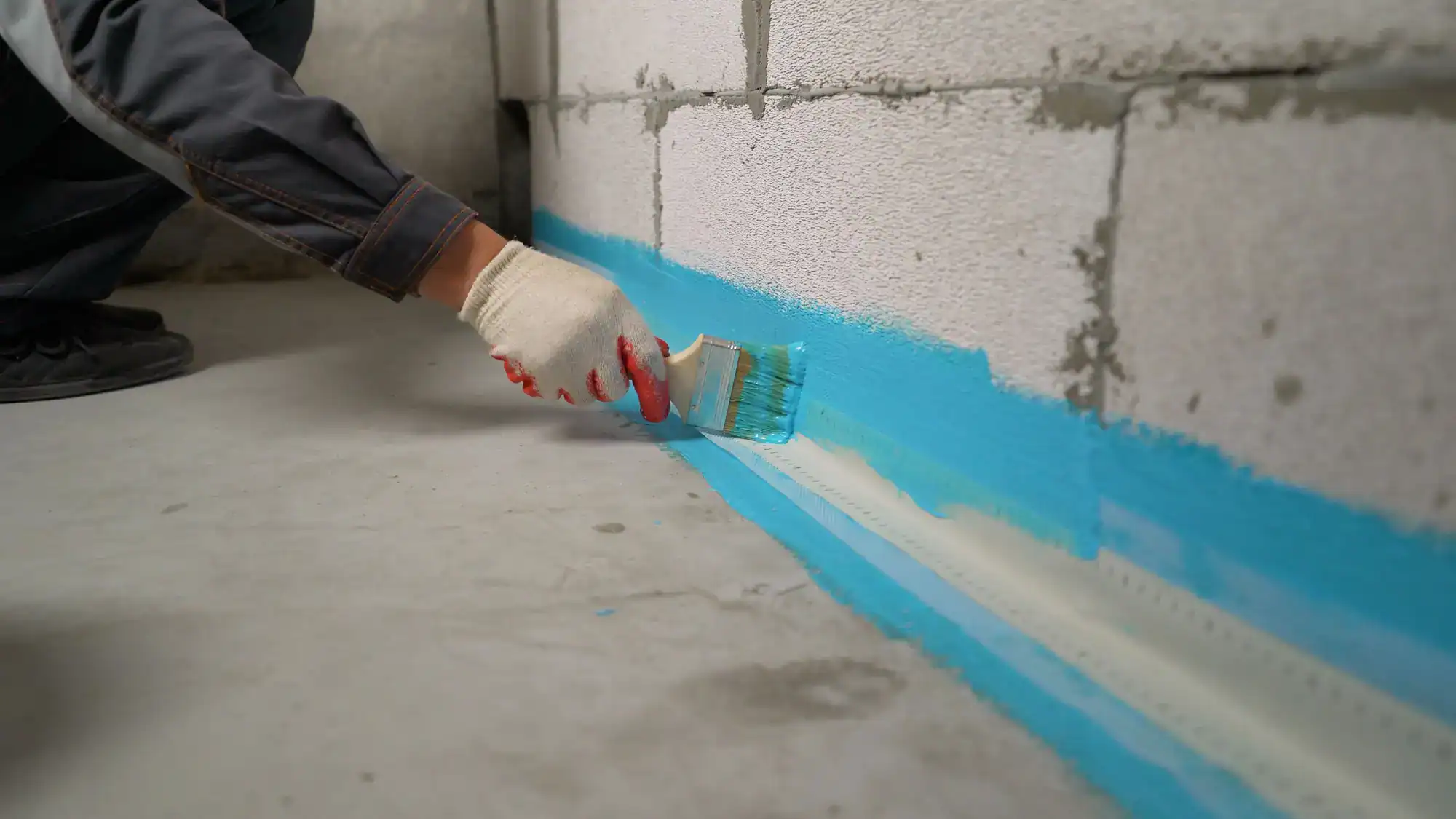
A dry basement isn’t just more comfortable — it’s worth real money. In Audubon, where homes are selling between $400,000 and $500,000, a wet basement is a disclosure problem waiting to happen. Buyers notice it. Inspectors flag it. And the longer it goes unaddressed, the more it costs you — not just in repairs, but in negotiating power when it’s time to sell.
The red shale-predominant soil throughout Audubon and Lower Providence Township is notoriously poor at draining water. When it rains hard, or when spring snowmelt hits faster than the ground can absorb it, that water has nowhere to go except toward your foundation walls. Add in the clay bowl effect that’s common around excavated foundations — especially in developments like Providence Oaks where homes were built on disturbed soil in the 1990s — and you’ve got chronic hydrostatic pressure that doesn’t let up.
Once the water problem is solved, you get your space back. Storage that was off-limits. Finished square footage that’s actually livable. Air quality that doesn’t smell like a problem you’ve been ignoring. And if mold showed up before the water did, that gets handled too — because we don’t just waterproof, we test, remediate, and restore. One company, start to finish.
We’ve been working in Audubon and throughout Montgomery County for two decades. That’s long enough to know the difference between a Providence Oaks colonial with a poured concrete foundation and an 18th-century farmhouse near the Mill Grove estate with a stone foundation that was never designed to keep water out. Those aren’t the same problem, and they don’t get the same fix.
What makes us different isn’t just experience — it’s scope. Most waterproofing companies do one thing. We handle testing, mold remediation, demolition, and waterproofing under one roof. If your basement has water, and that water brought mold with it, you don’t have to manage two separate contractors. You make one call.
We’re fully licensed, bonded, and insured. We carry EPA/HUD-compliant certifications, including Certified Lead Inspector and Risk Assessor credentials — which matters in Audubon where pre-1978 homes are common and basement work can disturb lead paint. Free estimates, cash discounts, and 24/7 availability round out the picture.
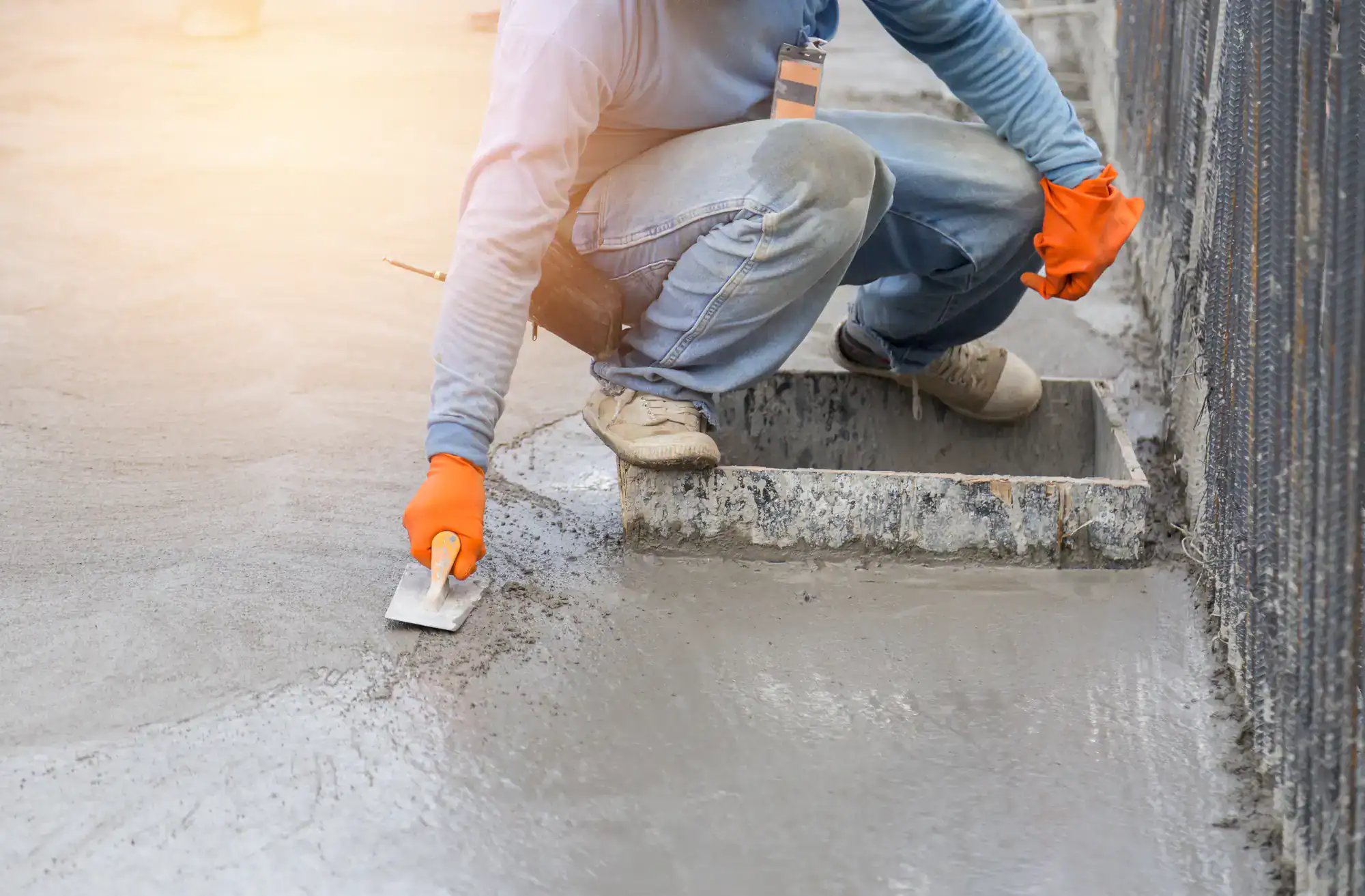
It starts with a free estimate. We come out, look at what’s actually happening — where the water is entering, what the foundation type is, whether there’s mold or structural damage already in play — and give you a straight answer about what needs to be done and what it costs. No manufactured urgency, no vague scopes of work.
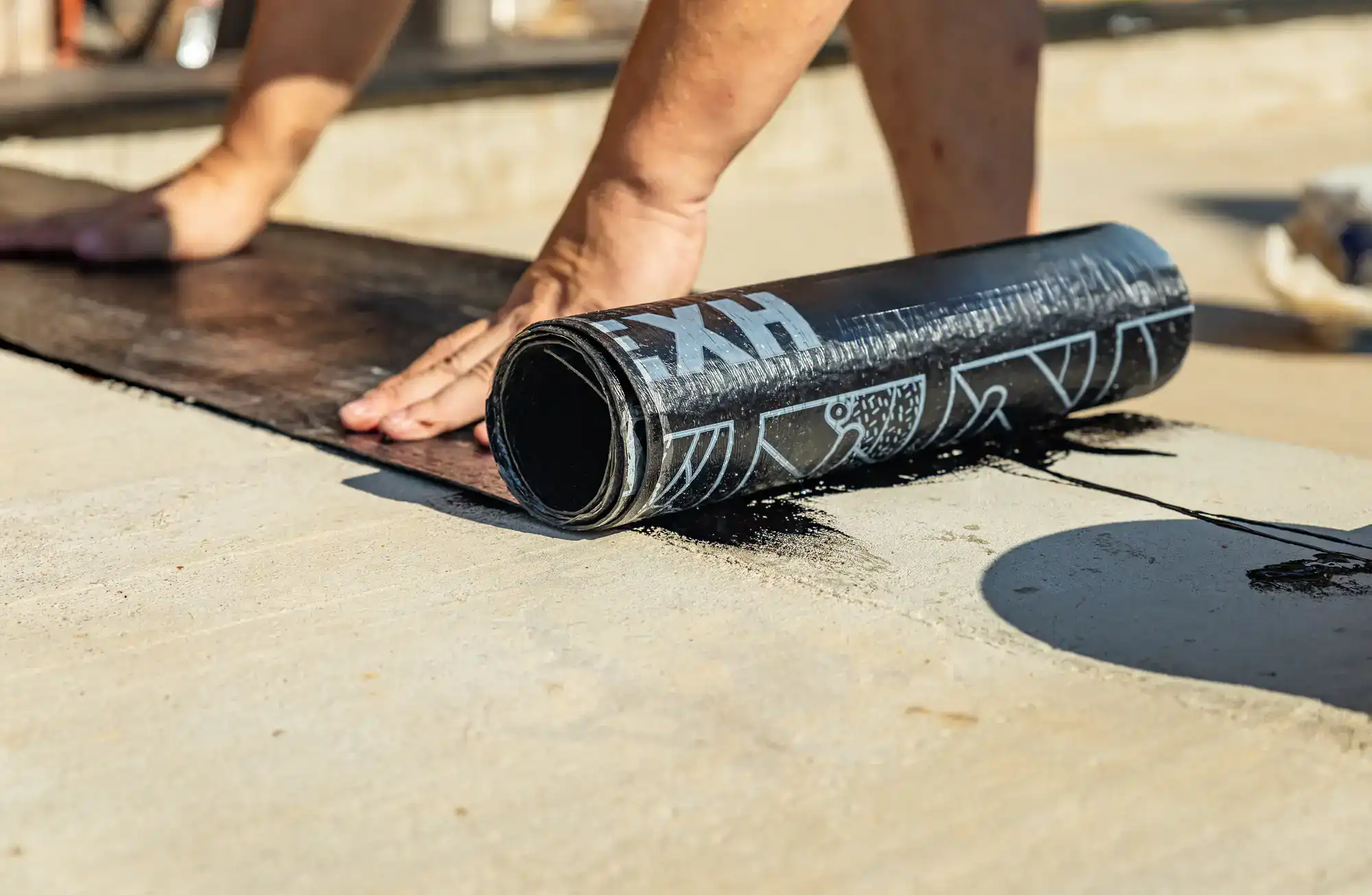
From there, the approach depends on your specific situation. Interior drainage solutions — French drains, sump pit installation, battery backup systems — address water that’s already getting in and needs a managed path out. For homes in Audubon where the clay bowl effect is actively pulling surface water toward the foundation, interior drainage is often the most practical and cost-effective starting point. Exterior waterproofing involves excavating around the foundation, applying a waterproof membrane, and improving drainage at the footing level — a more involved process, but sometimes the right one for older homes with deteriorating foundation walls.
If mold remediation or demolition is needed before waterproofing can begin, we handle that too. HEPA filtration systems are used throughout to keep the rest of your home clean during the process. Because Audubon has a meaningful inventory of pre-1978 homes, our certified lead-safe work practices apply wherever there’s a risk of disturbing older painted surfaces. When the work is done, you get documentation — which matters when it’s time to sell and you need to show a buyer that the problem was fixed the right way, by a licensed contractor.
Ready to get started?
Basement waterproofing isn’t one thing — it’s a range of solutions that depend on your foundation type, your water source, and how far the problem has progressed. We assess all of it before recommending anything. For Audubon homes, that typically means evaluating whether the issue is surface water intrusion driven by the area’s red shale soil, groundwater pressure from proximity to the Perkiomen Creek watershed, or foundation cracking from decades of freeze-thaw cycling.
Interior waterproofing services include French drain installation, sump pump installation and replacement, battery backup sump systems, and interior wall sealants. Exterior services include foundation excavation, waterproof membrane application, and drainage board installation at the footing. For homes in the Providence Oaks development or similar 1990s-era builds where original sump pumps are now 25-plus years old, a system upgrade is often the most pressing need — not a full exterior excavation.
We also handle everything that comes before and after the waterproofing itself. Mold testing and remediation, demolition of water-damaged materials, and full cleanup are all in scope. If you’re in Audubon and you need a permit for exterior excavation work, our full licensure means the paperwork is handled correctly. The goal isn’t just a dry basement today — it’s a basement that stays dry, documented, and compliant for the long run.
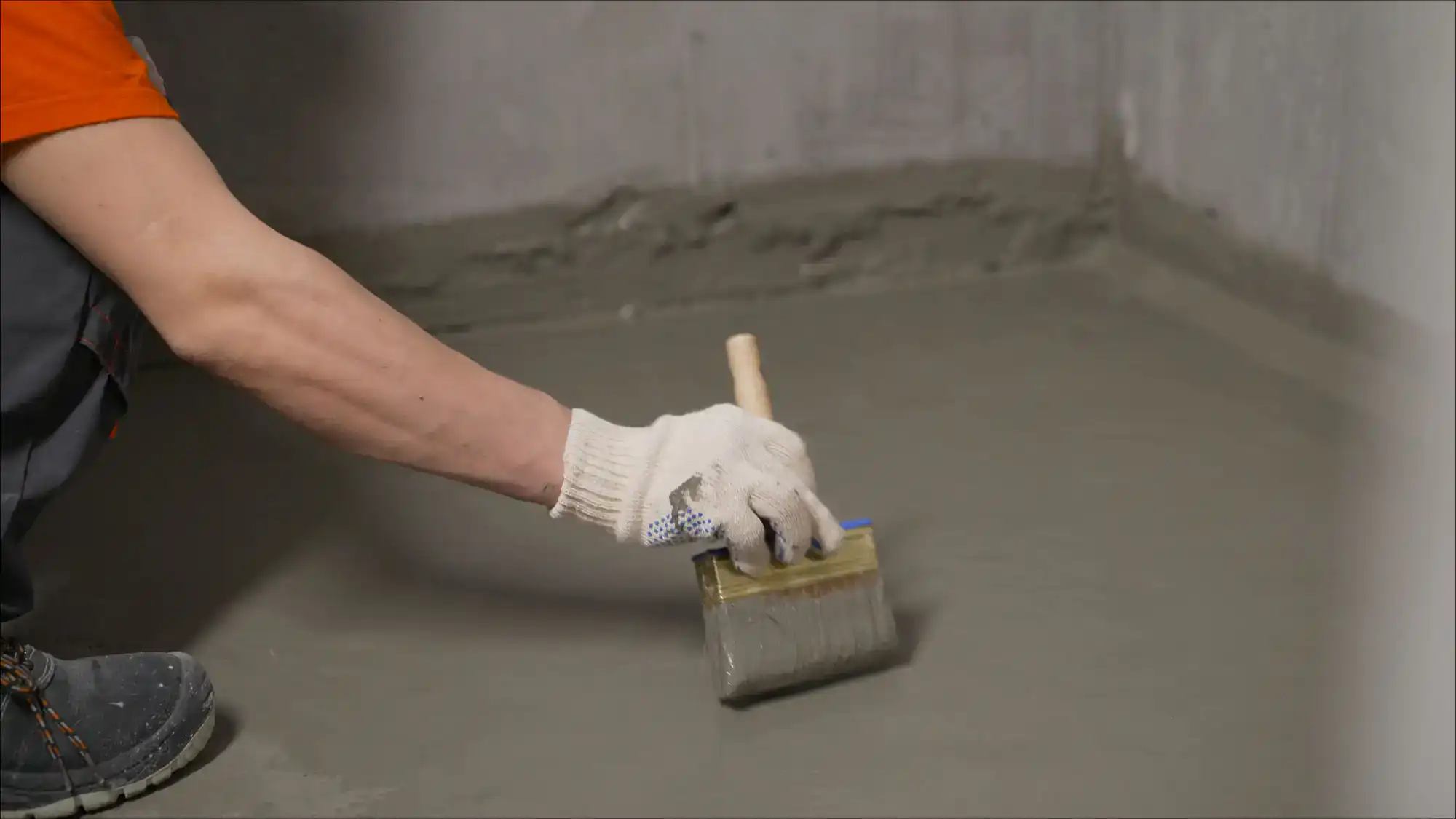

Surface sealants — the kind you roll or brush onto interior walls — can slow minor moisture transmission, but they don’t address the source of the problem. In Audubon and throughout Lower Providence Township, the dominant soil type is red shale-derived, which drains poorly. That means water accumulates around your foundation walls and exerts sustained hydrostatic pressure. A surface sealant can’t hold against that indefinitely. It cracks, it peels, and the water finds a new path in.
The more durable fix addresses the pressure itself — either by managing how water moves around your foundation through exterior drainage improvements, or by installing an interior drainage system that gives water a controlled path out before it can build up. If your basement has been “sealed” before and is still wet, the issue almost certainly isn’t the sealant product — it’s that the underlying drainage problem was never solved. That’s worth a proper assessment before you spend money on another temporary fix.
The honest answer is that it depends on what the problem actually is. Interior drainage solutions — a French drain system with a new sump pump — typically run in the range of $3,000 to $8,000 for an average-sized basement. Exterior waterproofing, which involves excavating around the foundation and applying a membrane, can run $10,000 to $20,000 or more depending on the size of the home and the depth of the foundation.
For Audubon homes specifically, the range varies a lot by housing era. A 1990s colonial in Providence Oaks with an aging sump pump and minor wall seepage is a very different project from a pre-Civil War farmhouse near the Mill Grove area with a deteriorating stone foundation. We offer free estimates, so you’re not guessing at a number — you get a specific scope and a real cost before committing to anything. Cash discounts are available, which can meaningfully reduce the total on larger projects.
Yes — and arguably more so in a market like Audubon than in lower-priced areas. With median home values approaching $500,000, a wet basement is a negotiating liability. Buyers will either walk away, request a significant price reduction, or require proof of remediation before closing. Home inspectors are thorough, and water intrusion is one of the first things they look for. If it shows up in an inspection report without documentation of a fix, it creates uncertainty that costs you more than the waterproofing would have.
Beyond the sale, there’s the question of mold. Water intrusion that goes unaddressed long enough almost always leads to mold growth — and mold in a basement is a disclosure requirement in Pennsylvania real estate transactions. Fixing the water problem now, with a licensed contractor who provides documentation, gives you a clean disclosure and a defensible answer if a buyer’s inspector raises the issue. It’s not a luxury upgrade — it’s protecting an asset that’s worth half a million dollars.
Interior waterproofing manages water after it enters or reaches the foundation wall — it gives water a controlled path to a sump pump and out of the house before it can pool on your floor. This typically involves a French drain channel installed at the perimeter of the basement floor, a sump pit, and a pump system. It’s less disruptive than exterior work, doesn’t require excavation, and is often the right solution for homes where the foundation itself is still structurally sound.
Exterior waterproofing goes to the source. It involves excavating the soil around the outside of the foundation, cleaning the wall surface, applying a waterproof membrane, and installing drainage board and gravel at the footing to direct water away before it ever reaches the wall. This is more involved and more expensive, but for homes with significant foundation wall deterioration — common in Audubon’s older housing stock, including stone and concrete block foundations from earlier construction eras — it may be the only approach that addresses the problem at its root. We assess both options and recommend based on what your specific foundation actually needs.
Safety first: if there’s standing water and any electrical outlets, panels, or appliances in the basement, don’t go in until the power is off. Water and live electricity in a confined space is a serious risk. Once it’s safe to enter, document everything with photos before you move or remove anything — this matters for insurance purposes.
After that, get the water out as quickly as possible. Wet vacuums, submersible pumps, or a restoration company can handle extraction. The clock matters here because mold can begin developing within 24 to 48 hours in a damp environment — and in Audubon’s humid summers, that window is even shorter. Once the space is dry, that’s when a waterproofing assessment makes sense. We offer emergency response service and 24/7 phone availability, so you’re not waiting until Monday morning to get someone on the phone. If the flooding was acute and you also have water-damaged drywall or insulation, we handle demolition and remediation as part of the same project — you don’t need a separate contractor for cleanup.
Cash discounts are available, and on a project that runs several thousand dollars, that’s a real number — not a token gesture. Waterproofing projects in the Audubon area vary widely in scope, and our free estimate process means you know exactly what you’re looking at before any money changes hands. There’s no pressure to commit on the spot.
The free estimate is worth taking seriously even if you’re not sure whether you have a problem yet. A lot of Audubon homeowners — particularly those in homes built during the 1990s housing boom — are in that window where original drainage systems are aging out and minor seepage hasn’t turned into a full flood yet. Getting an assessment now, before a nor’easter or a heavy spring melt forces the issue, is almost always cheaper than responding to an emergency. Our 20 years of experience in Montgomery County means the estimate comes with a real diagnosis, not a sales pitch built around worst-case scenarios.
Other Services we provide in Audubon