Hear from Our Customers
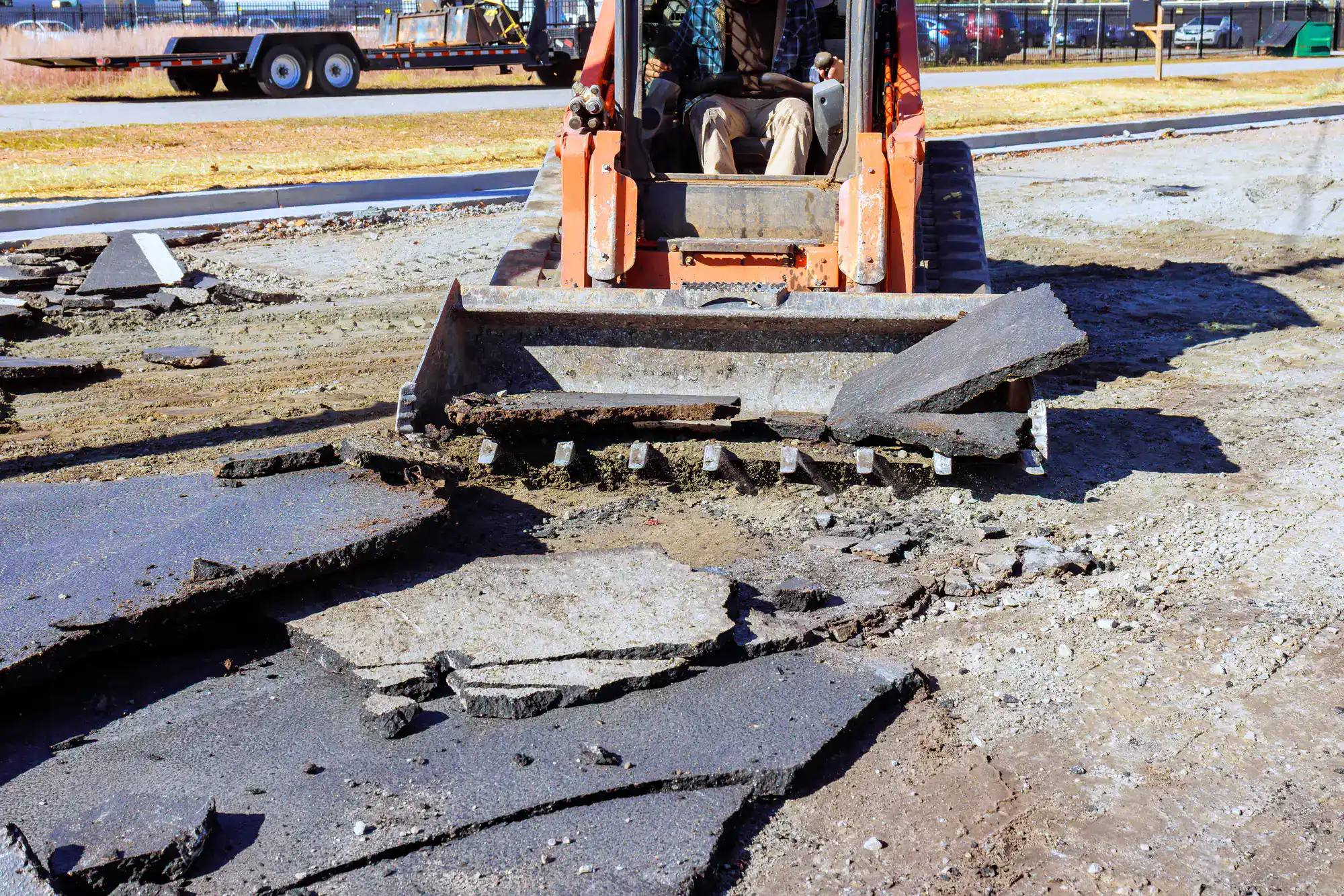
Here’s the situation a lot of Willow Grove homeowners run into: they hire a demo crew, the crew finds asbestos floor tiles or lead paint, and suddenly the whole project stops. Now you’re calling a second contractor, waiting on scheduling, and watching your timeline fall apart. That’s not a rare edge case — it’s what happens on a regular basis in a community where a large portion of the housing stock was built before 1978.
When you call us, that scenario doesn’t happen. We test, we certify, we abate, and we demolish — all in one engagement. No hand-off between a demo company and a hazmat firm. No conflicting scopes of work. No waiting for two separate crews to get their calendars in sync. The project moves because one team owns the whole thing.
For homeowners in neighborhoods like Willow Grove East, where people have been in the same house for decades, that continuity matters. You’re not just gutting a kitchen or finishing a basement — you’re dealing with original materials that have been untouched since the Eisenhower administration. That’s exactly the kind of job we were built for.
We’re based in Glenside — right next door to Willow Grove — and have been working on Montgomery County homes for over two decades. We’re owner-operated, EPA-certified, and fully licensed, bonded, and insured. That’s not a checklist we put on a flyer. It’s what makes us the contractor you can actually call at 2 AM when a pipe bursts in January and your basement in Willow Grove is soaking through the drywall.
Our EPA Certified Lead Inspector and Risk Assessor credentials put us in a different category than most demo contractors in this area. We don’t just remove hazardous materials — we inspect, test, and certify. That matters if you’re selling a pre-1978 home off Easton Road and the buyer’s inspector flagged something, or if you’re doing renovation work that falls under HUD guidelines.
We’ve been working in this community long enough to know Upper Moreland Township’s permit process, the housing stock along Blair Mill Road, and what a 1960s split-level in Willow Grove typically looks like behind the walls. That’s not something you get from a company driving in from three counties away.
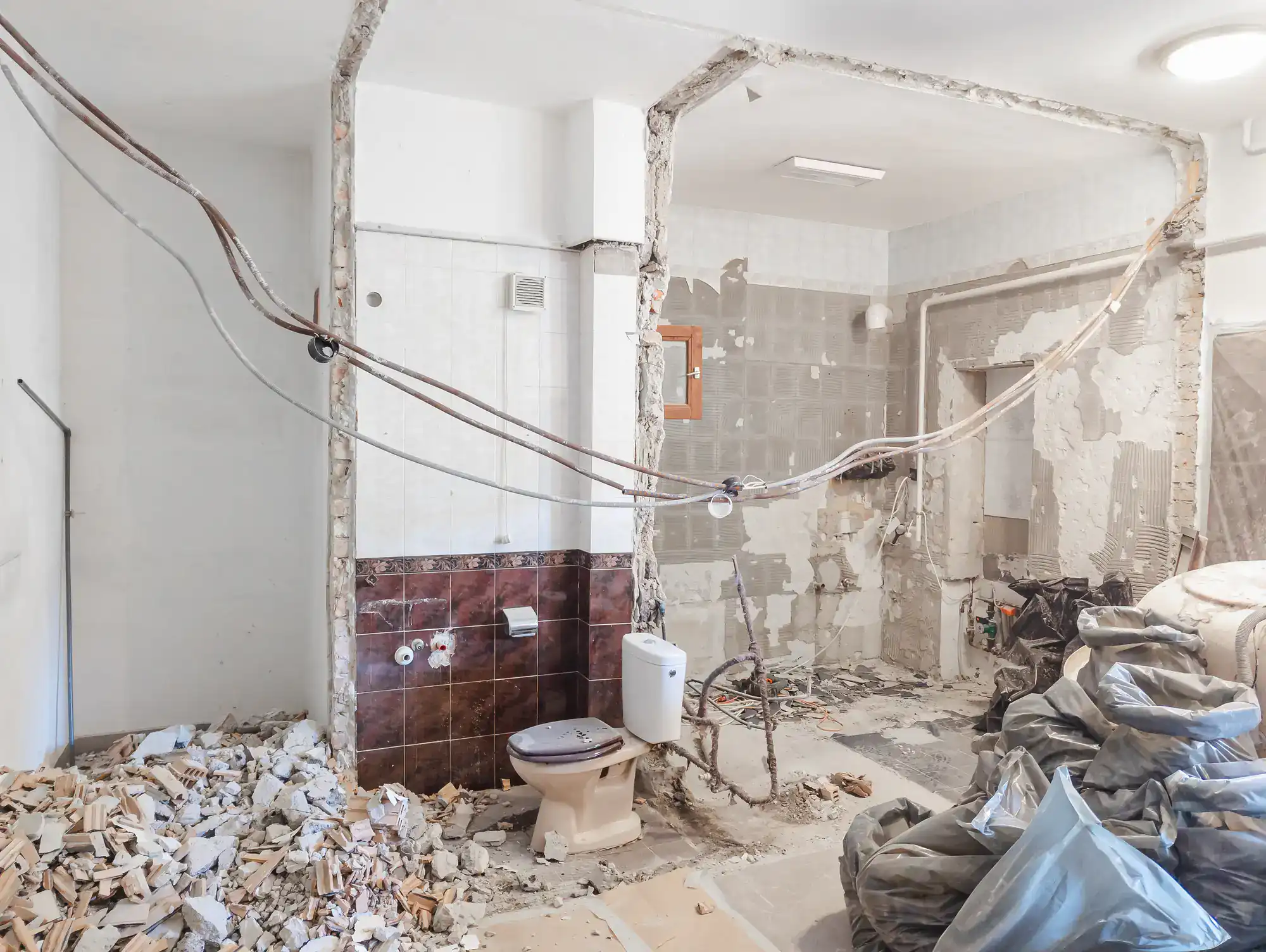
It starts with a free estimate. We come out, assess the property, and give you a clear picture of what the project involves — including whether any hazardous materials need to be addressed before demolition begins. For homes in Willow Grove built before the late 1970s, that assessment almost always includes a look at floor tiles, pipe insulation, ceiling texture, and any original wall materials that haven’t been touched since construction. We tell you what we find, explain what it means, and walk you through the path forward.
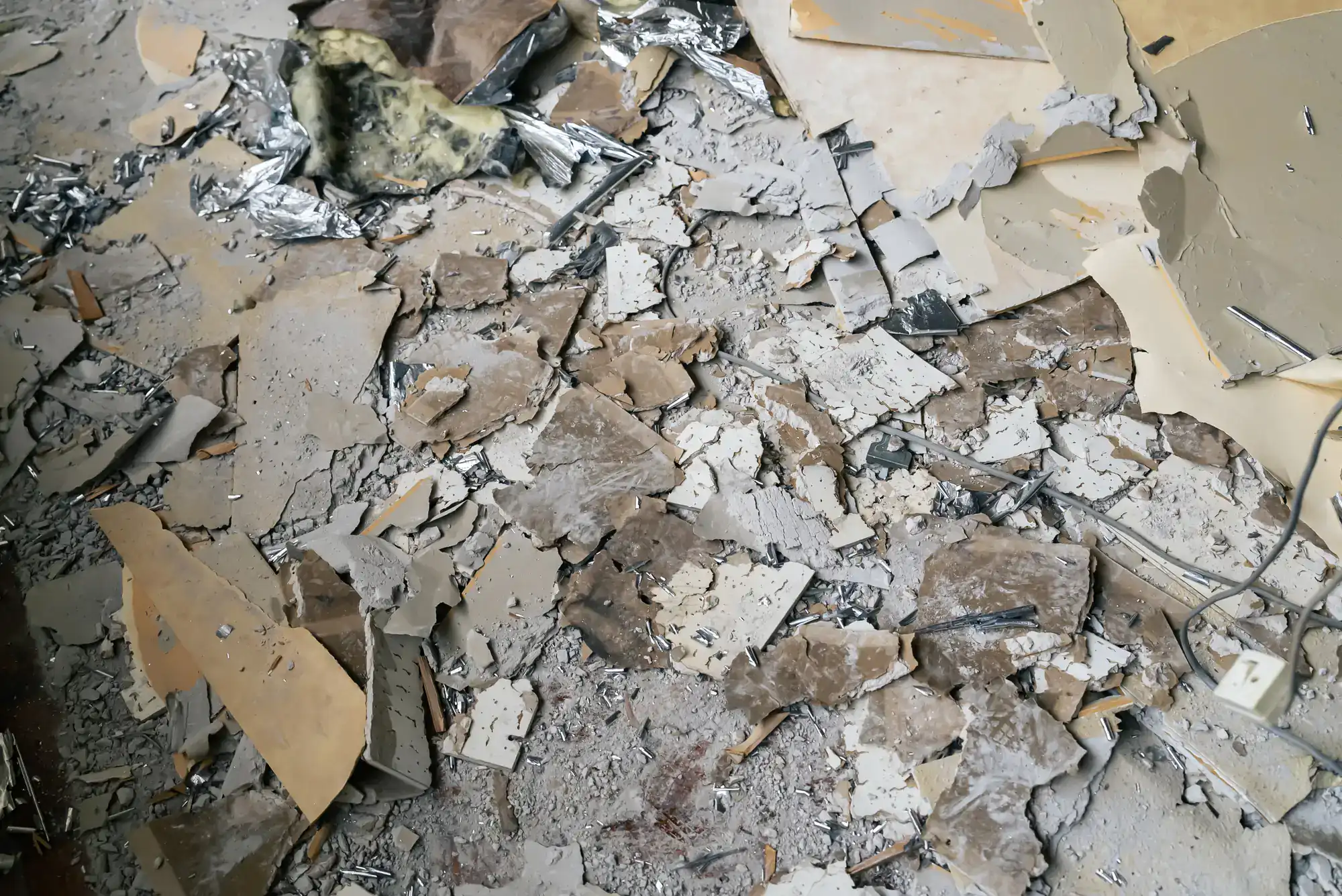
If abatement is needed, we handle it with EPA-compliant containment and HEPA filtration systems. That means the rest of your home stays clean while we work — no asbestos fibers or lead dust migrating through your HVAC system into the rooms your family is using. Once the hazmat work is certified and documented, demolition moves forward on schedule.
One thing worth knowing if your property sits in Upper Moreland Township: permits are required for all demolition work, and the township fines for work that starts before permits are issued. We pull the permits as part of the process, so you’re not navigating that paperwork on your own. After the demo is complete, we handle debris removal and final cleanup — and we don’t leave until the job is done right.
Ready to get started?
The full scope of what we handle covers every phase of a demolition or gutting project. That includes hazardous material inspection and testing, EPA-certified asbestos abatement, lead paint remediation, interior gutting, full structural demolition, mold remediation, basement waterproofing, and construction debris removal. If you’ve got a water-damaged basement that needs to be gutted and sealed before it grows into a bigger problem, we handle that too — not just the demo, but the remediation and waterproofing that prevents the same issue from coming back.
For Willow Grove homeowners dealing with aging homes along the Route 611 corridor or in the residential streets off County Line Road, the most common scenario we see is renovation work that uncovers materials nobody planned for. Lead paint behind a tile backsplash. Asbestos in the floor beneath the vinyl. Mold behind a wall that had a slow leak for years. We’re equipped to deal with all of it, and because we hold EPA Certified Lead Inspector and Risk Assessor credentials, we can provide the clearance documentation that lenders, buyers, and HUD-regulated projects require.
Emergency services are available 24/7. If a storm rolls through and your roof lets water into the walls, or a pipe gives out on a cold February night, we’re reachable around the clock. Free estimates are available for all projects, and cash discounts apply for qualifying jobs.

Yes — if your property falls within Upper Moreland Township, which covers most of Willow Grove, permits are required for demolition work. Upper Moreland’s Code Enforcement Department enforces Pennsylvania’s Uniform Construction Code and is explicit about fining property owners for work that begins before permits are issued. That applies to interior gutting that touches structural elements, not just full building demolition.
The permit process involves submitting an application, having plans reviewed for code compliance, and scheduling on-site inspections. For most homeowners in Willow Grove, that’s an unfamiliar process and a real source of frustration. When you hire us, we handle the permit application on your behalf as a standard part of the job. You don’t have to figure out the forms, call the township, or worry about whether your project is compliant — we take care of it from the start.
The practical answer is: if your home was built before 1978, there’s a real possibility it contains one or both. Willow Grove has a significant amount of mid-century housing — Cape Cods, split-levels, and ranchers built from the 1940s through the 1970s — and many of those homes still have original materials that were never replaced. Asbestos was commonly used in floor tiles, pipe insulation, ceiling texture, roofing materials, and siding during that era. Lead paint was standard on interior and exterior surfaces until it was federally banned for residential use in 1978.
The only way to know for certain is to have the materials tested by a certified inspector before demolition begins. We hold EPA Certified Lead Inspector and Risk Assessor credentials, which means we can legally inspect the property, collect samples, and provide certified documentation of what we find — not just remove materials after the fact. That distinction matters if you’re preparing for a sale, dealing with a lender requirement, or working on a property that falls under HUD guidelines.
Mold discovery mid-project is more common than most homeowners expect, especially in Willow Grove’s older housing stock where water intrusion has had decades to work quietly behind walls, under floors, and in basement framing. When mold is found during a gutting or demolition job, the work doesn’t have to stop and restart with a different contractor — because we handle remediation as part of the same service.
We contain the affected area, remove the compromised materials, treat the surface, and verify the remediation before continuing with the demo or renovation work. If the mold was caused by an underlying moisture issue — a foundation leak, inadequate drainage, or an unsealed basement wall — we can address that too through our waterproofing services. The goal is to fix the actual problem, not just clean up the visible result. Mold that gets remediated without addressing the moisture source will come back, and that’s a more expensive situation than dealing with it correctly the first time.
Demolition costs vary significantly depending on the scope of work, the size of the area being demolished, and whether hazardous materials are involved. A straightforward interior gutting of a single room in a post-1978 home will cost considerably less than a full gut-renovation of a pre-1978 home that requires asbestos abatement and lead paint remediation before any structural work begins. In the Willow Grove market, where a large share of the housing stock predates the federal hazmat cutoff years, the hazmat assessment is often a necessary first step — and its cost depends on what the inspection actually finds.
What we can tell you is that we provide free estimates with transparent pricing. That means permit fees, debris disposal, and abatement costs are included in the quote — not added as line items after the contract is signed. Cash discounts are available for qualifying projects. The best way to get an accurate number for your specific job is to call us and schedule a walkthrough. We’ll tell you exactly what’s involved and what it will cost before any work begins.
Yes — and that combination is exactly what makes a difference in an emergency situation. When a pipe bursts in a Willow Grove home during a January cold snap, or a spring storm drives water into a basement, the clock starts immediately. Mold can begin forming within 24 to 48 hours of water intrusion, and the longer saturated materials stay in place, the more the remediation scope expands.
Most restoration companies in this area handle water damage cleanup but don’t do structural demolition. Most demolition contractors don’t do mold remediation or waterproofing. We do all of it — water damage response, gutting of compromised materials, mold remediation, and basement waterproofing — in one engagement, available 24 hours a day. When you call at 2 AM, someone answers. We can be on-site fast, assess the full scope of the damage, and start work without the delay of coordinating between multiple contractors. In a water damage situation, that speed is the difference between a manageable repair and a much larger problem.
Cash discounts are available for qualifying projects, and no — they don’t affect the quality of the work. The discount reflects a straightforward operational reality: cash payments reduce administrative overhead and processing costs, and we pass part of that savings back to the customer. The same licensed crew, the same EPA-certified process, the same HEPA filtration systems, and the same permit-compliant approach apply regardless of how the job is paid for.
For homeowners in Willow Grove working within a defined renovation budget — which describes a lot of people in a market where median home values sit around $360,000 — knowing that a cash option exists can make a real difference in how a project pencils out. It’s worth asking about when you call for your estimate. We’ll tell you upfront whether your project qualifies and what the discount looks like, so you have the full picture before you make any decisions.
Other Services we provide in Willow Grove